
Macromolecule DIRECTIONALITY Function Follows Direction Essential Questions 1



- Slides: 21
Macromolecule DIRECTIONALITY Function Follows… Direction?
Essential Question(s) 1. How does directionality influence structure and function of the polymer?
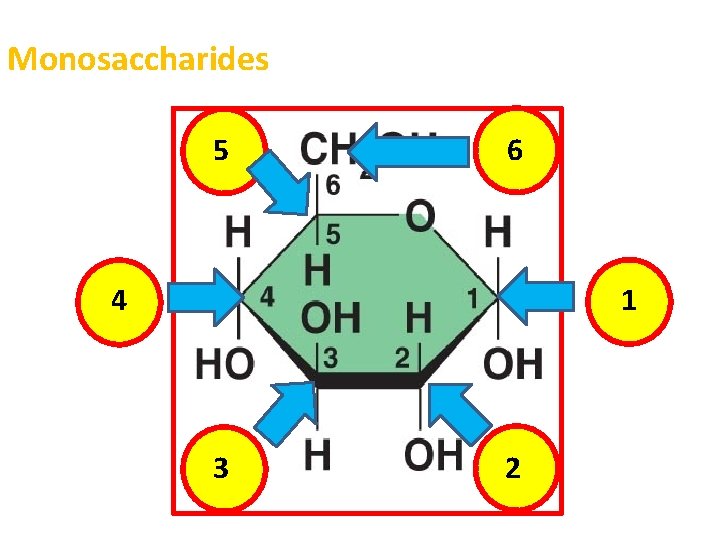
Monosaccharides 5 6 4 1 3 2
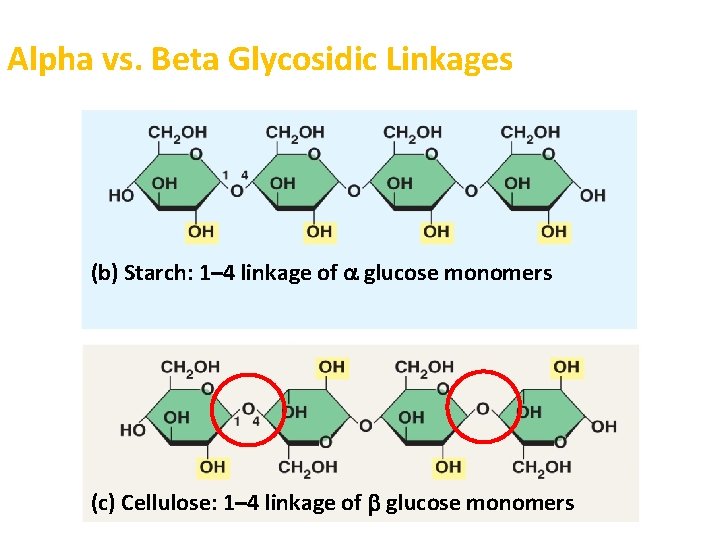
Alpha vs. Beta Glycosidic Linkages (b) Starch: 1– 4 linkage of glucose monomers (c) Cellulose: 1– 4 linkage of glucose monomers
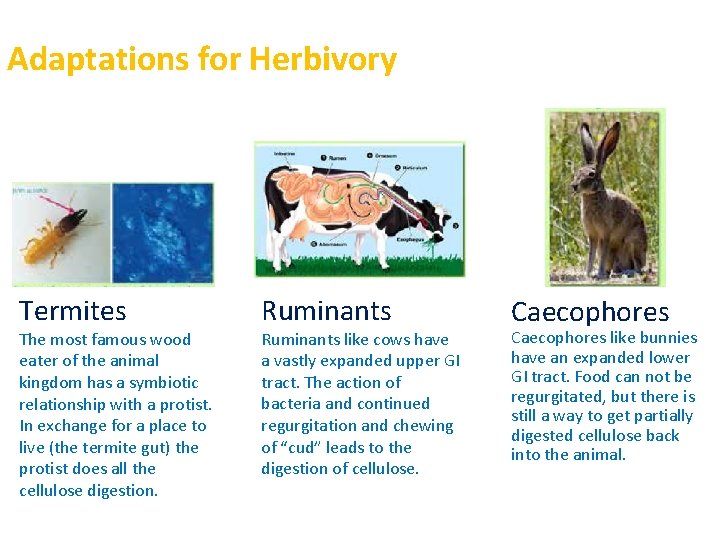
Adaptations for Herbivory Termites The most famous wood eater of the animal kingdom has a symbiotic relationship with a protist. In exchange for a place to live (the termite gut) the protist does all the cellulose digestion. Ruminants like cows have a vastly expanded upper GI tract. The action of bacteria and continued regurgitation and chewing of “cud” leads to the digestion of cellulose. Caecophores like bunnies have an expanded lower GI tract. Food can not be regurgitated, but there is still a way to get partially digested cellulose back into the animal.
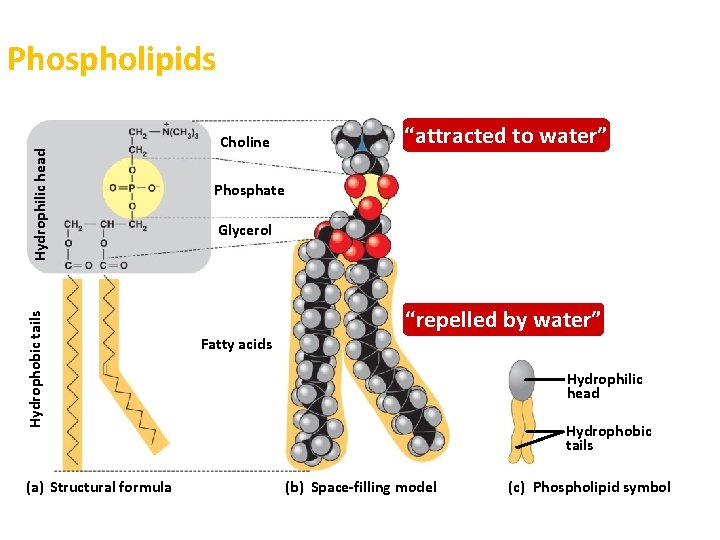
Hydrophobic tails Hydrophilic head Phospholipids (a) Structural formula Choline “attracted to water” Phosphate Glycerol Fatty acids “repelled by water” Hydrophilic head Hydrophobic tails (b) Space-filling model (c) Phospholipid symbol
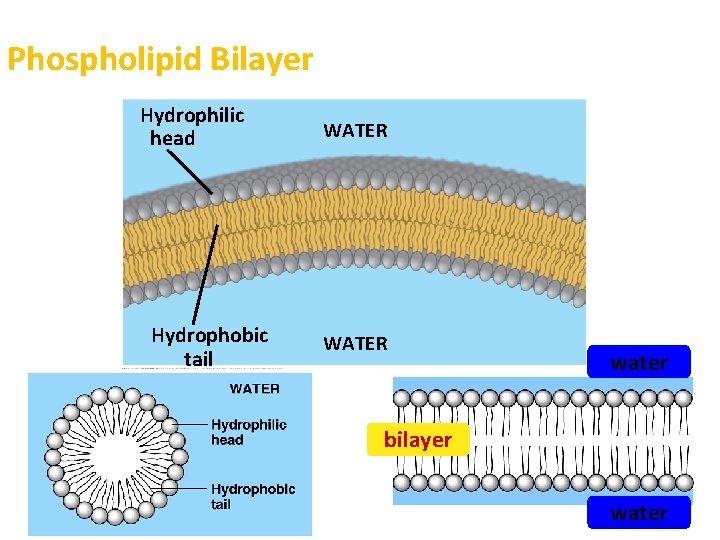
Phospholipid Bilayer Hydrophilic head Hydrophobic tail WATER water bilayer water
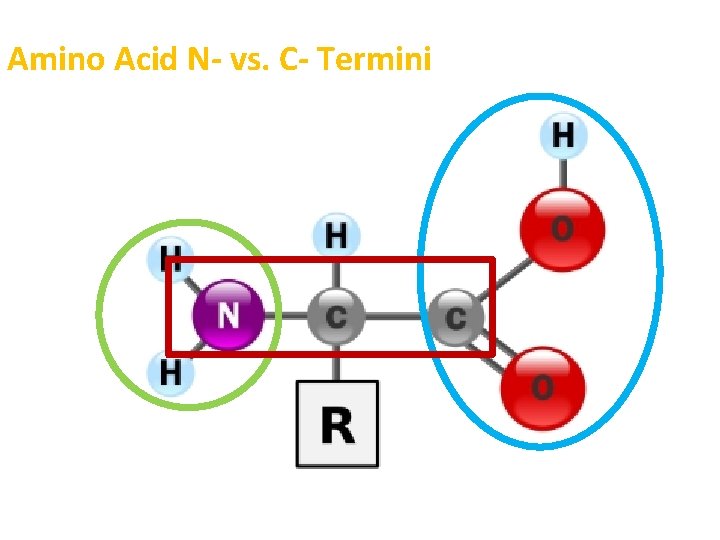
Amino Acid N- vs. C- Termini
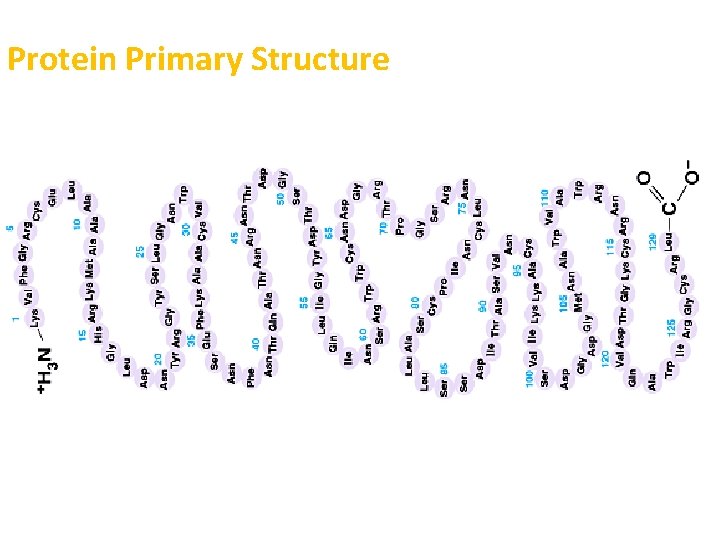
Protein Primary Structure
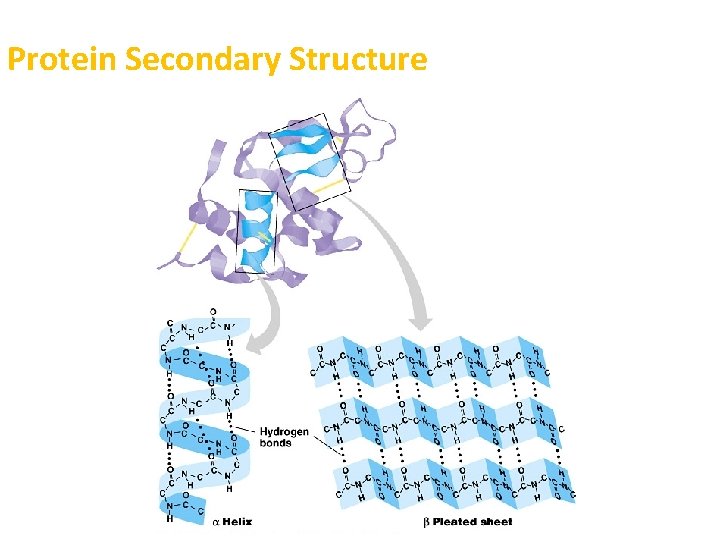
Protein Secondary Structure
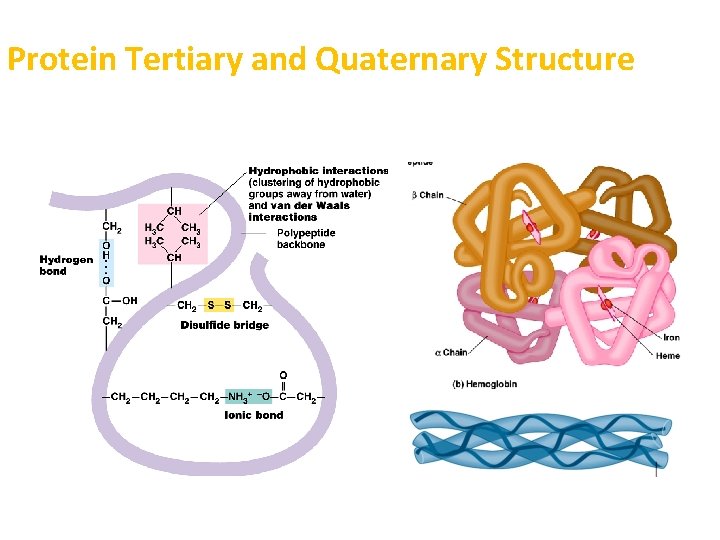
Protein Tertiary and Quaternary Structure
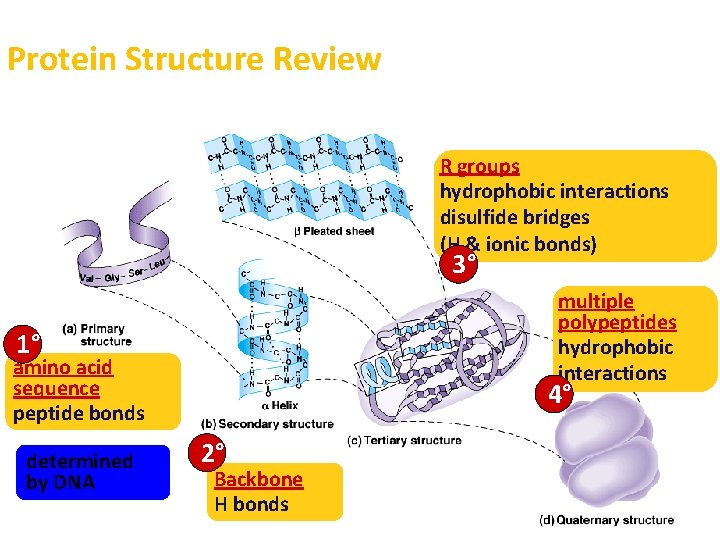
Protein Structure Review R groups hydrophobic interactions disulfide bridges (H & ionic bonds) 3° multiple polypeptides hydrophobic interactions 1° amino acid sequence peptide bonds determined by DNA 4° 2° Backbone H bonds
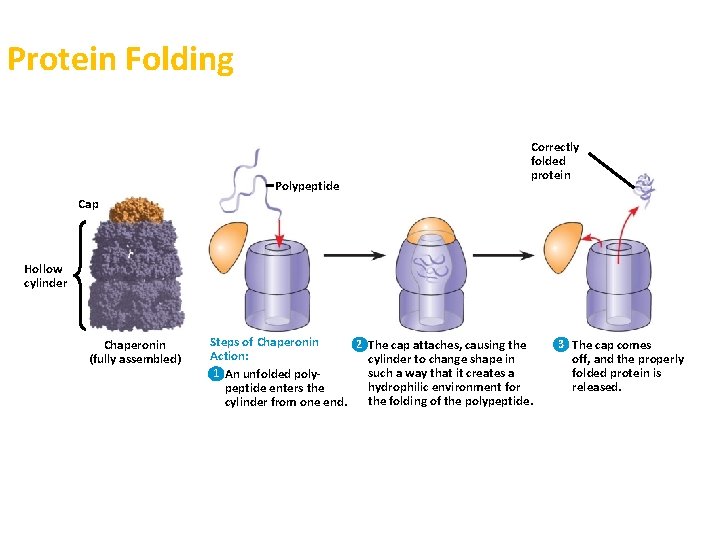
Protein Folding Polypeptide Correctly folded protein Cap Hollow cylinder Chaperonin (fully assembled) Steps of Chaperonin 2 The cap attaches, causing the Action: cylinder to change shape in such a way that it creates a 1 An unfolded polyhydrophilic environment for peptide enters the folding of the polypeptide. cylinder from one end. 3 The cap comes off, and the properly folded protein is released.
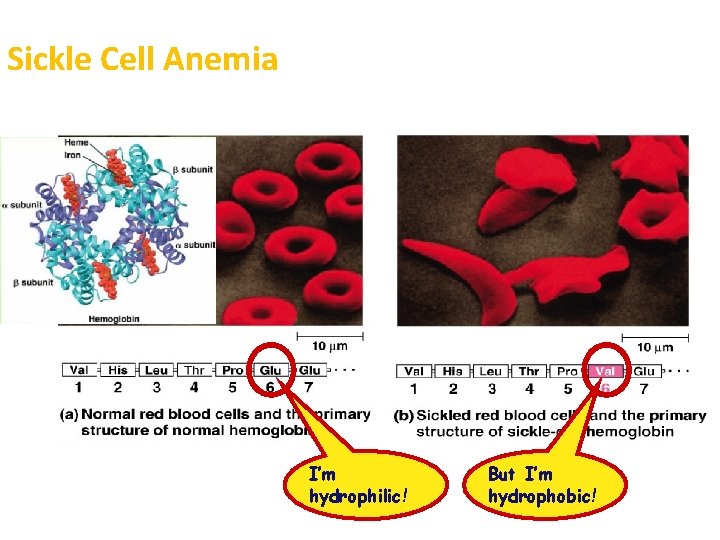
Sickle Cell Anemia I’m hydrophilic! But I’m hydrophobic!
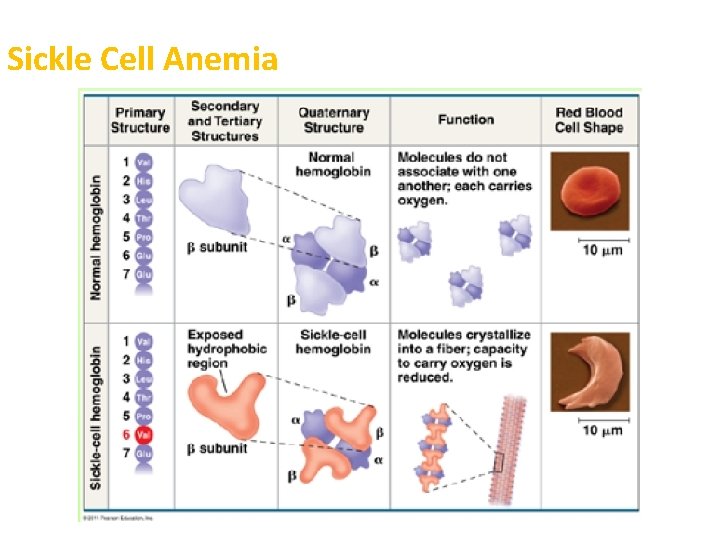
Sickle Cell Anemia
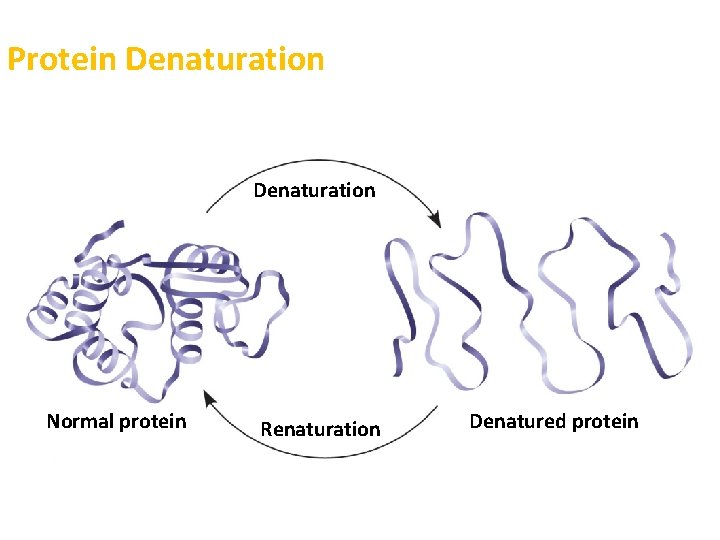
Protein Denaturation Normal protein Renaturation Denatured protein
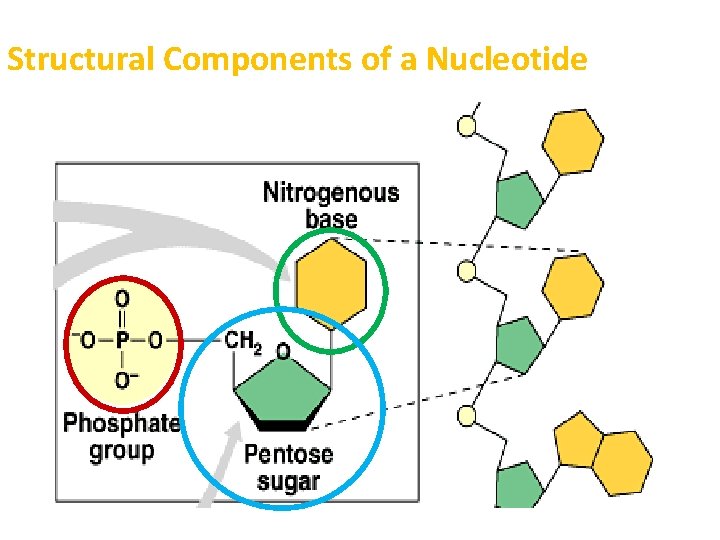
Structural Components of a Nucleotide
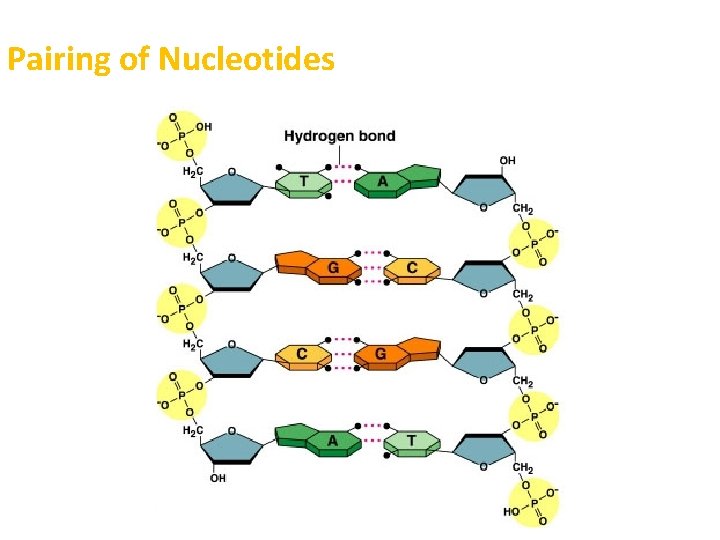
Pairing of Nucleotides
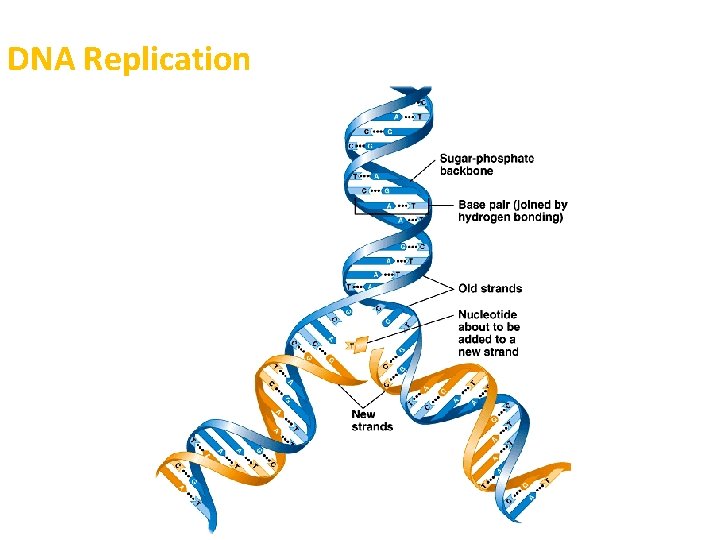
DNA Replication
Small Group CFU 1. Spend the next 5 minutes with your partner to revise and annotate your notes using symbols, denoting the importance of the main ideas, underlining or highlighting key terms, or adding explanations or annotations to figures? 2. Be sure to identify content that you missed or were confused about, and clarify these points with your peer. 3. During this time, you must write at least one clarifying or HOT question to pose to the class.
Post-Lecture: Independent Practice 1. Answer the following notes-check questions silently and independently using your notes from the college lecture 2. In your response to each question, capture your explanation in the space indicated.