
Macroeconomics CHAPTER 27 Aggregate Supply and Aggregate Demand






- Slides: 38
Macroeconomics CHAPTER 27 Aggregate Supply and Aggregate Demand
Aggregate Supply The aggregate supply curve shows the relationship between the aggregate price level and the quantity of aggregate output. It is upward sloping. 2
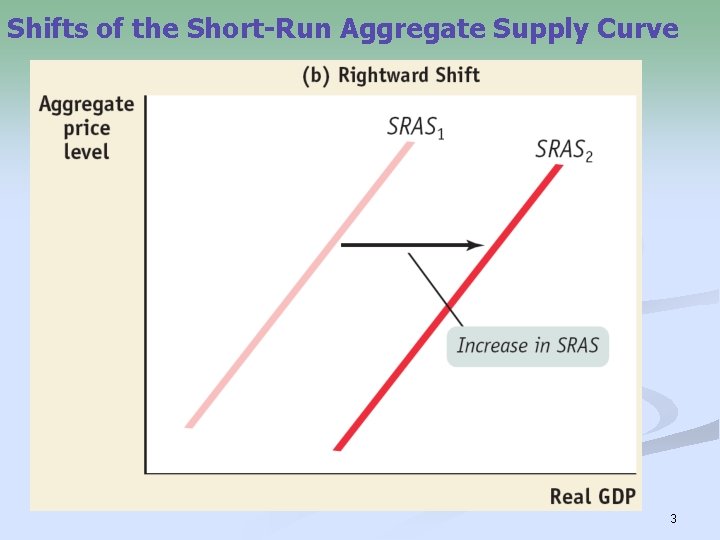
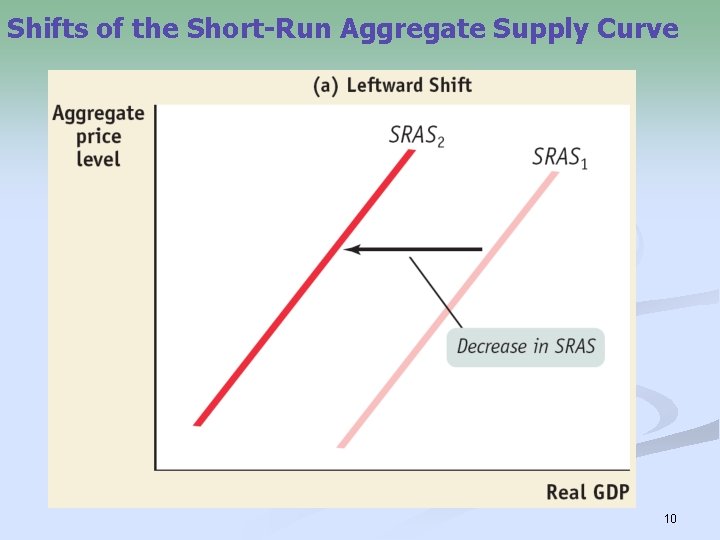
Shifts of the Short-Run Aggregate Supply Curve 3
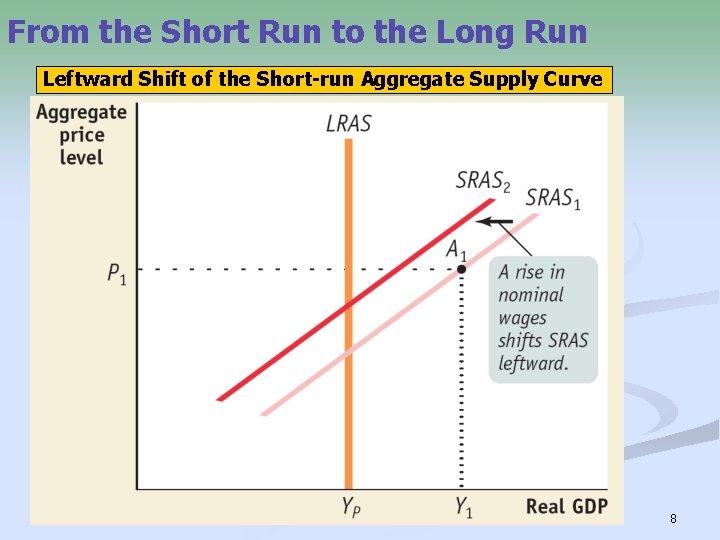
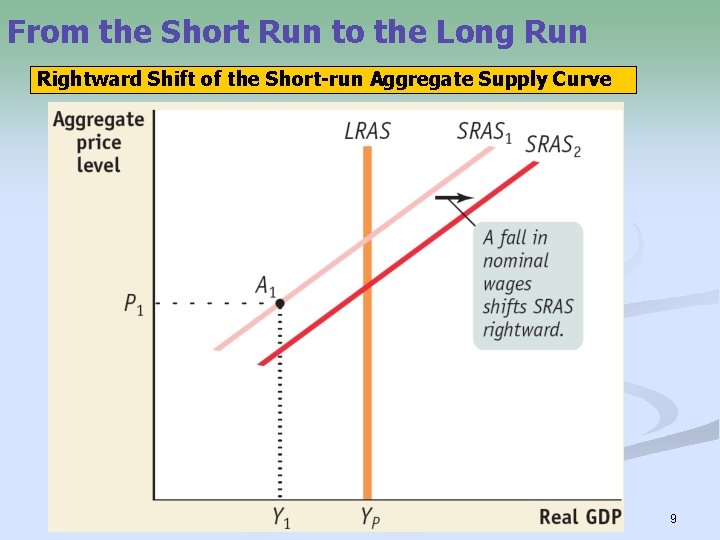
Shifts of the Short-Run Aggregate Supply Curve Changes in Øcommodity prices, Ønominal wages Øproductivity ØExpectations lead to changes in producers’ profits and shift the shortrun aggregate supply curve. 4
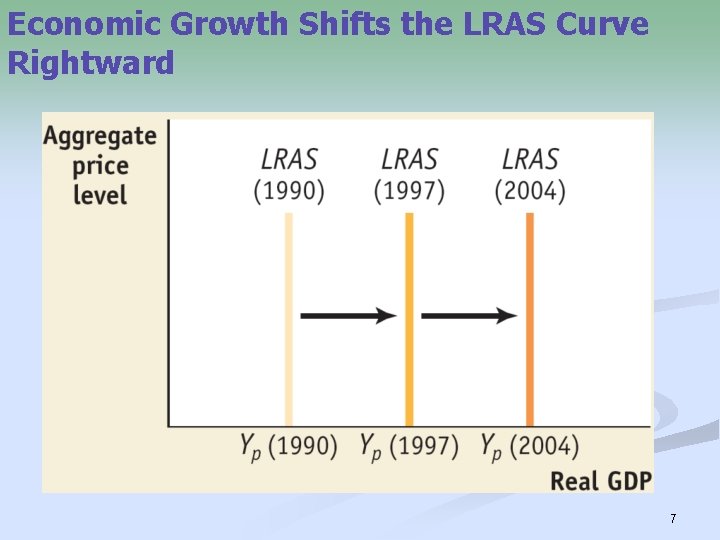
Long-Run Aggregate Supply Curve The long-run aggregate supply curve shows the relationship between the aggregate price level and the quantity of aggregate output supplied that would exist if all prices, including nominal wages, were fully flexible. Let’s make this easy: Think of Long –run aggregate supply as POTENTIAL output. 5
Long-Run Aggregate Supply Curve 6
Economic Growth Shifts the LRAS Curve Rightward 7
From the Short Run to the Long Run Leftward Shift of the Short-run Aggregate Supply Curve 8
From the Short Run to the Long Run Rightward Shift of the Short-run Aggregate Supply Curve 9
Shifts of the Short-Run Aggregate Supply Curve 10
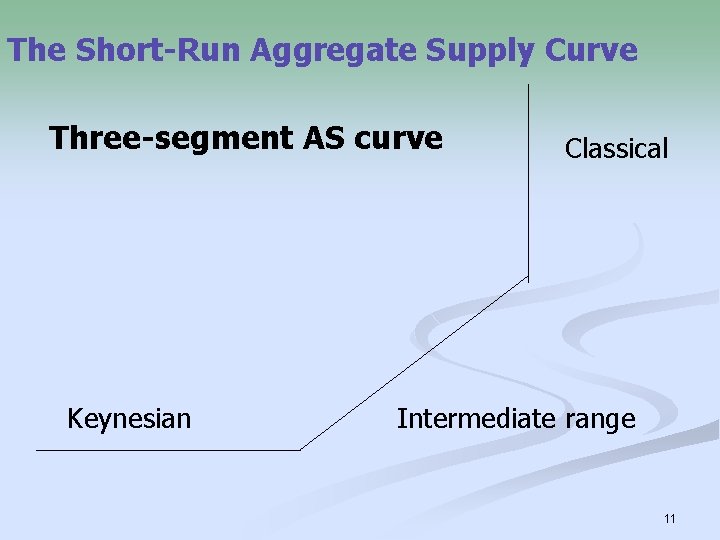
The Short-Run Aggregate Supply Curve Three-segment AS curve Keynesian Classical Intermediate range 11
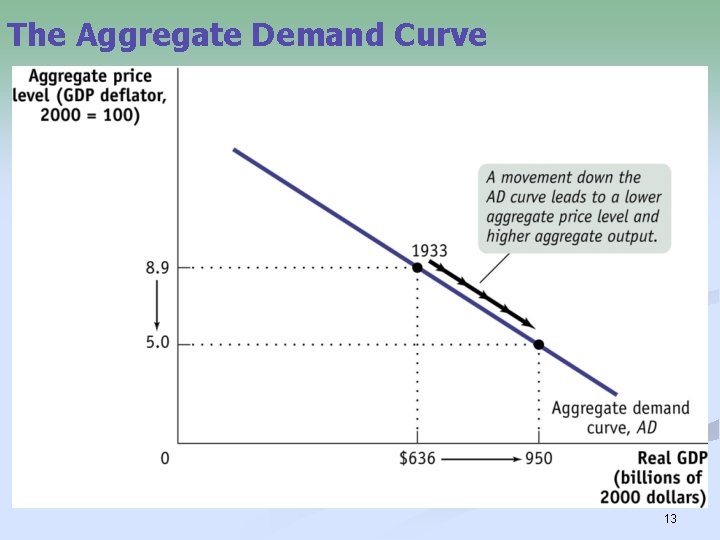
Aggregate Demand The aggregate demand curve shows the relationship between the aggregate price level and the quantity of aggregate output demanded by households, businesses, and the government. 12
The Aggregate Demand Curve 13
Why Is the Aggregate Demand Curve Downward. Sloping? n. The wealth effect of a change in the aggregate price level— higher prices reduce consumer spending. n. The interest rate effect of a change in aggregate the price level—a higher aggregate price level (inflation) leads to a rise in interest rates. Investment spending and consumer spending fall. The opposite is true also: lower interest rates will increase AD n. The net exports effect – Lower price level = more US exports. AD and GDP increase 14
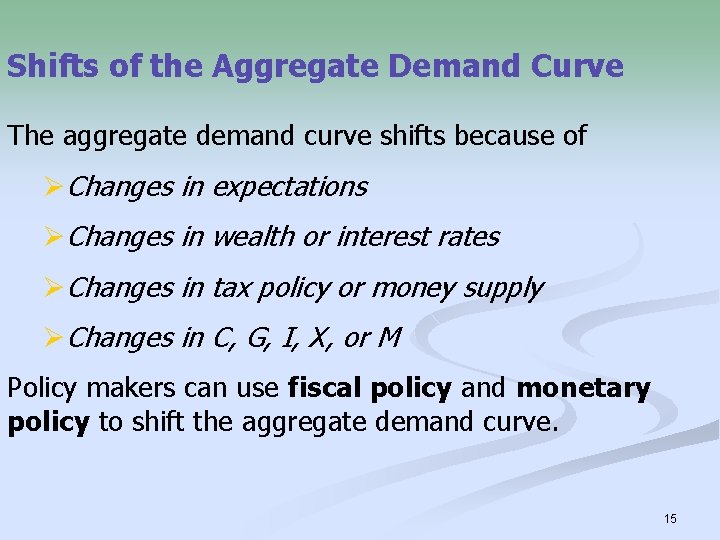
Shifts of the Aggregate Demand Curve The aggregate demand curve shifts because of ØChanges in expectations ØChanges in wealth or interest rates ØChanges in tax policy or money supply ØChanges in C, G, I, X, or M Policy makers can use fiscal policy and monetary policy to shift the aggregate demand curve. 15
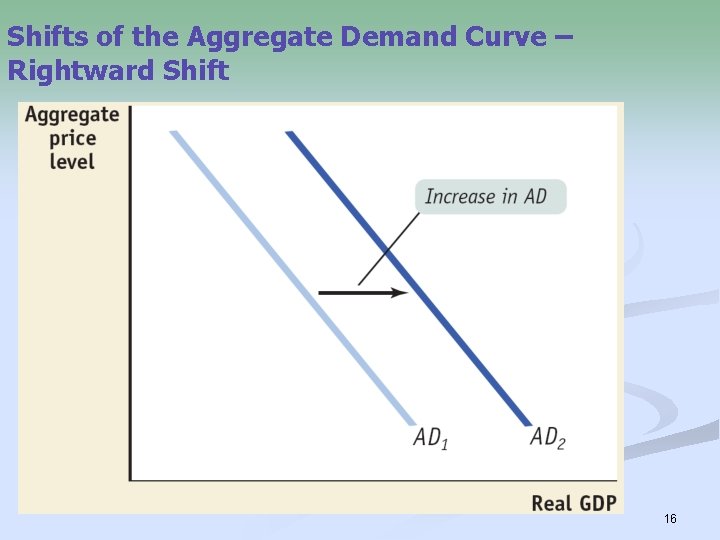
Shifts of the Aggregate Demand Curve – Rightward Shift 16
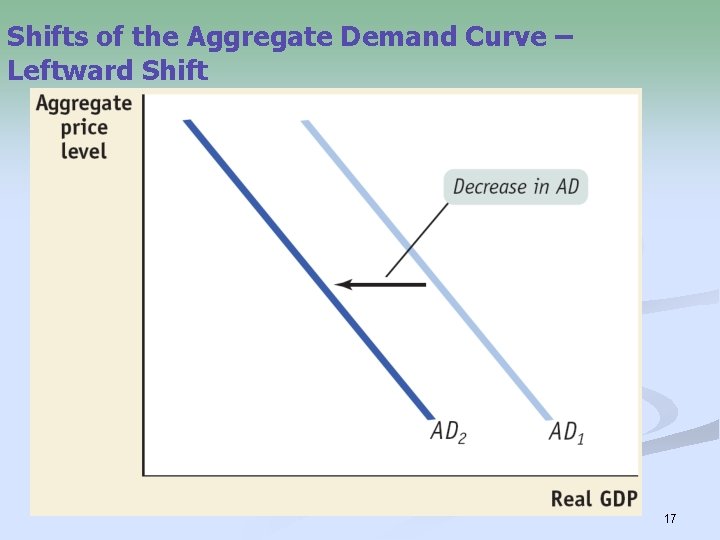
Shifts of the Aggregate Demand Curve – Leftward Shift 17
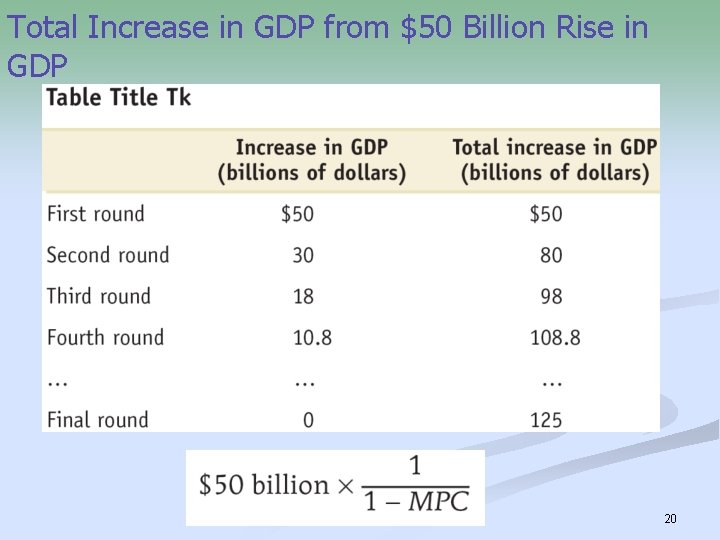
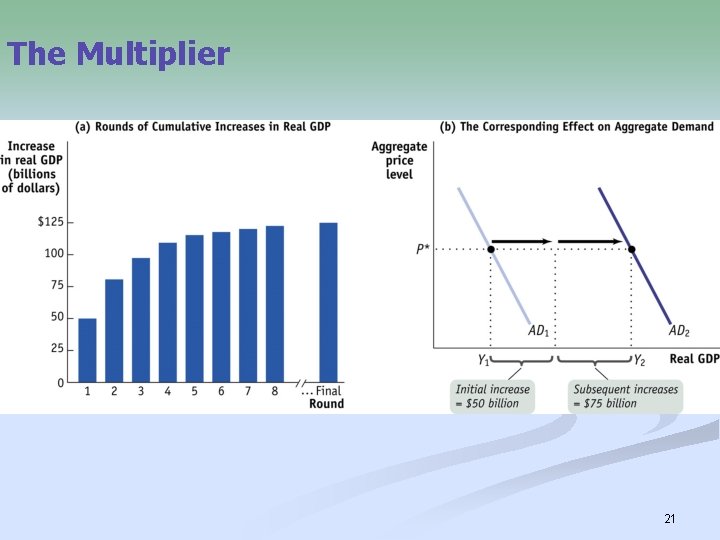
The Multiplier The size of the multiplier is based on the marginal propensity to consume. As disposable increases, people only have two choices: Spend or save. 18
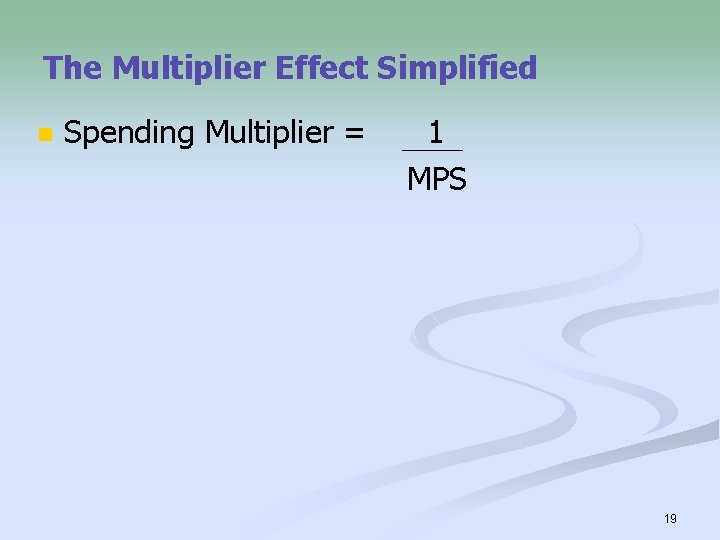
The Multiplier Effect Simplified n Spending Multiplier = 1 MPS 19
Total Increase in GDP from $50 Billion Rise in GDP 20
The Multiplier 21
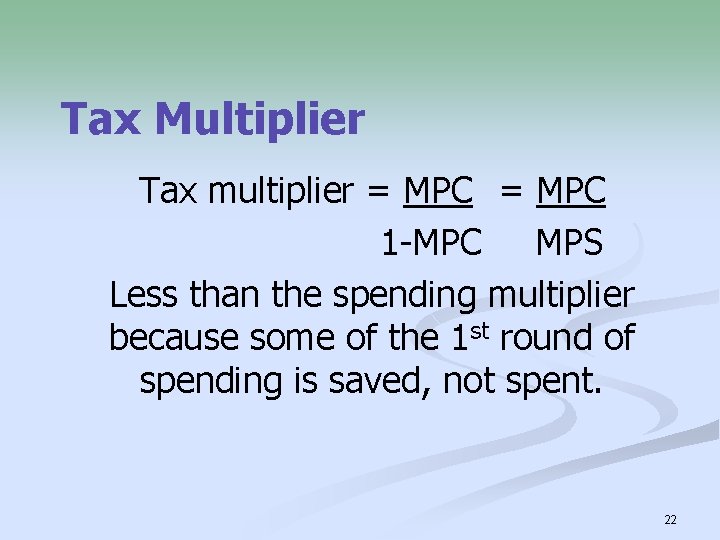
Tax Multiplier Tax multiplier = MPC 1 -MPC MPS Less than the spending multiplier because some of the 1 st round of spending is saved, not spent. 22
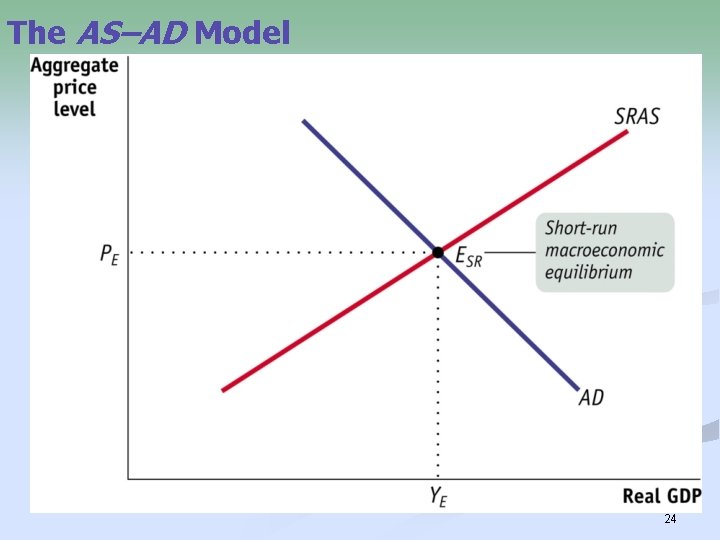
The AS–AD Model The AS-AD model uses the aggregate supply curve and the aggregate demand curve together to analyze economic fluctuations. 23
The AS–AD Model 24
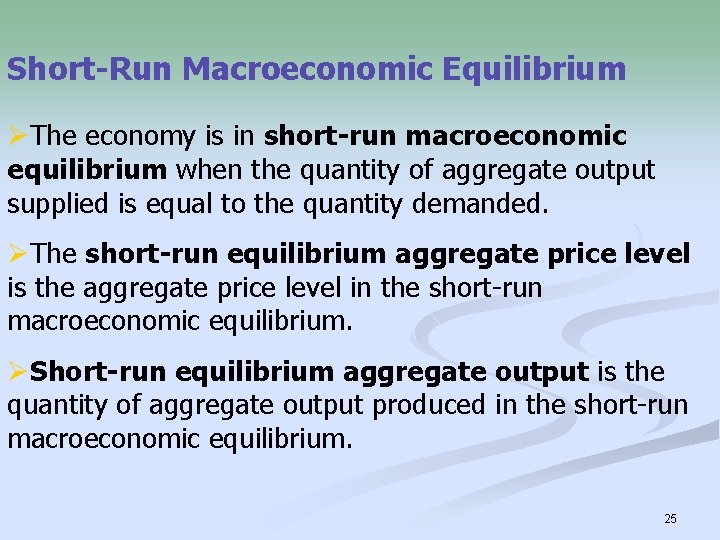
Short-Run Macroeconomic Equilibrium ØThe economy is in short-run macroeconomic equilibrium when the quantity of aggregate output supplied is equal to the quantity demanded. ØThe short-run equilibrium aggregate price level is the aggregate price level in the short-run macroeconomic equilibrium. ØShort-run equilibrium aggregate output is the quantity of aggregate output produced in the short-run macroeconomic equilibrium. 25
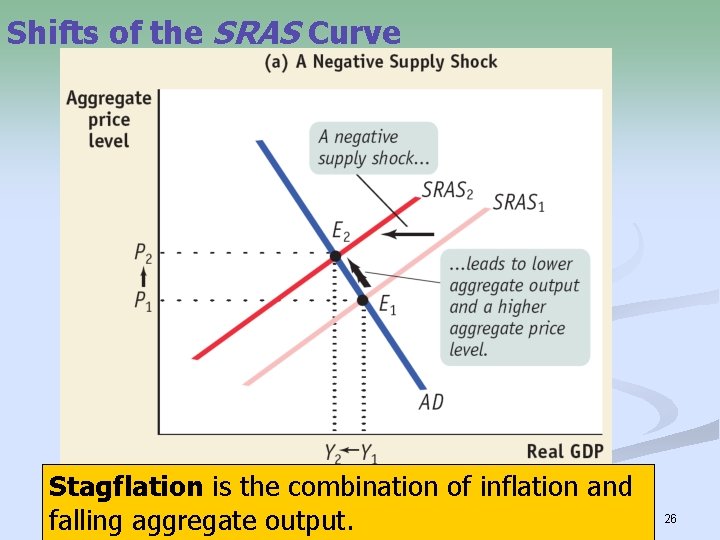
Shifts of the SRAS Curve Stagflation is the combination of inflation and falling aggregate output. 26
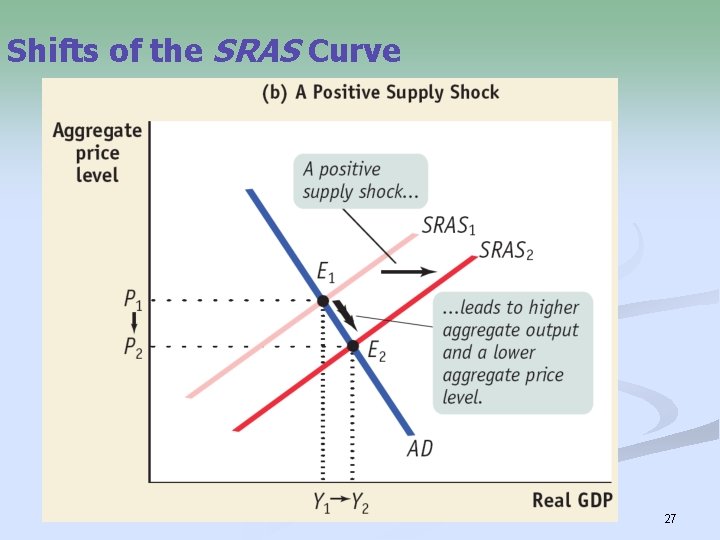
Shifts of the SRAS Curve 27
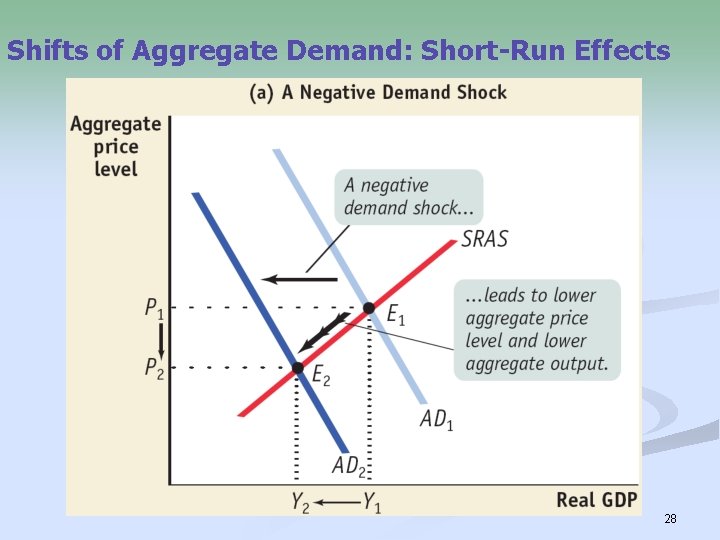
Shifts of Aggregate Demand: Short-Run Effects 28
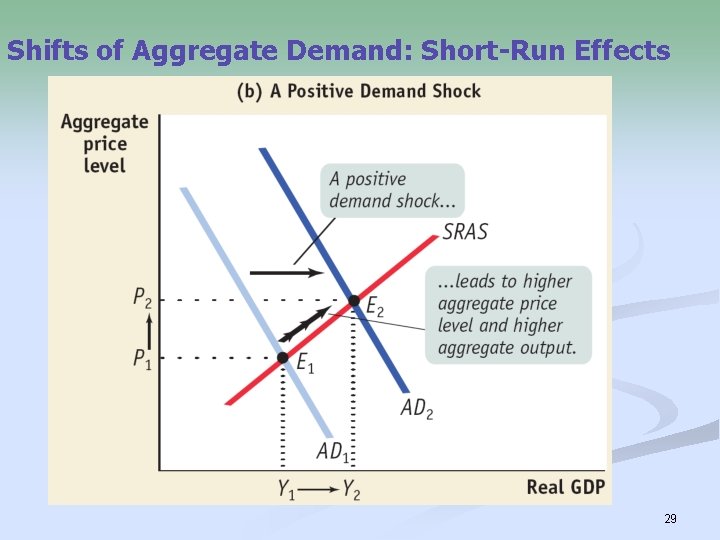
Shifts of Aggregate Demand: Short-Run Effects 29
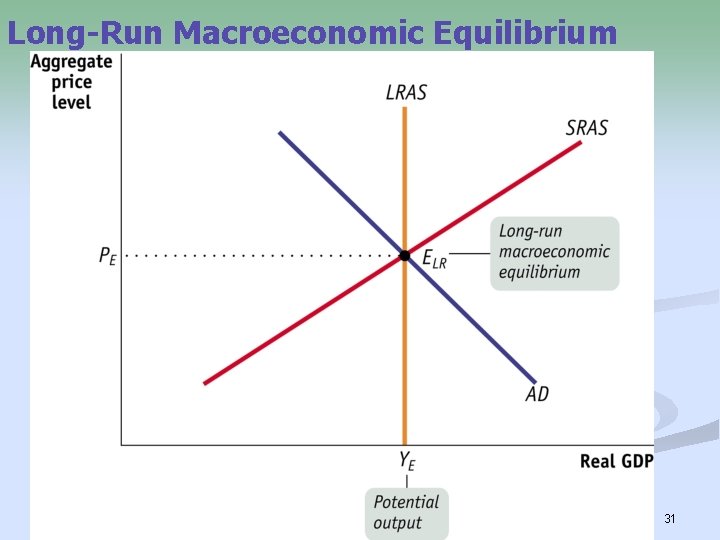
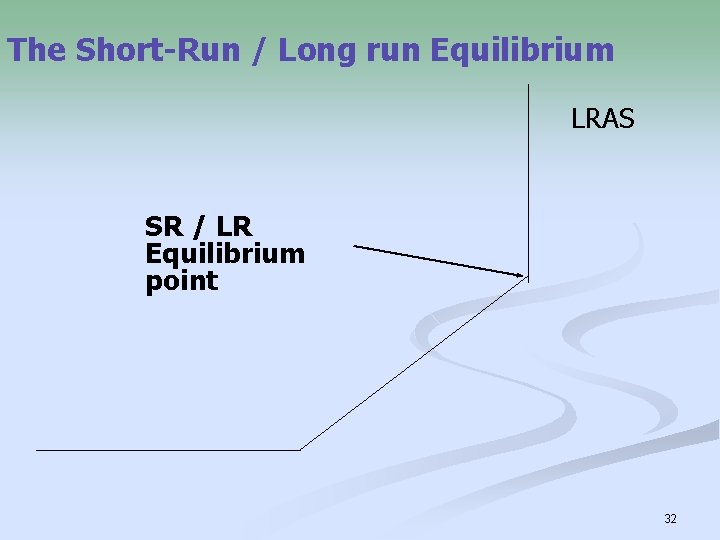
Long-Run Macroeconomic Equilibrium The economy is in long-run macroeconomic equilibrium when the point of short-run macroeconomic equilibrium is on the long-run aggregate supply curve. 30
Long-Run Macroeconomic Equilibrium 31
The Short-Run / Long run Equilibrium LRAS SR / LR Equilibrium point 32
Short-Run Versus Long-Run Effects of a Negative Demand Shock Recessionary gap 33
Short-Run Versus Long-Run Effects of a Positive Demand Shock Inflationary gap 34
Self-correcting Mechanism In the long run the economy is self correcting: shocks to aggregate demand do not affect aggregate output in the long run. 35
Negative Supply Shocks Negative supply shocks pose a policy dilemma: a policy that stabilizes aggregate output by increasing aggregate demand will lead to inflation, but a policy that stabilizes prices by reducing aggregate demand will decrease output. 36
Macroeconomic Policy The high cost—in terms of unemployment—of a recessionary gap and the future adverse consequences of an inflationary gap Active stabilization policy, using fiscal or monetary policy to offset demand shocks: ØFiscal policy affects aggregate demand directly through government purchases and indirectly through changes in taxes or government transfers that affect consumer spending. ØMonetary policy affects aggregate demand indirectly through changes in the interest rate that affect consumer and investment spending. 37
The End of Chapter 27 38