
Lymphatic System Functions Put excess fluid in tissue
- Slides: 33
Lymphatic System
Functions Put excess fluid in tissue spaces back into the blood stream Immunity
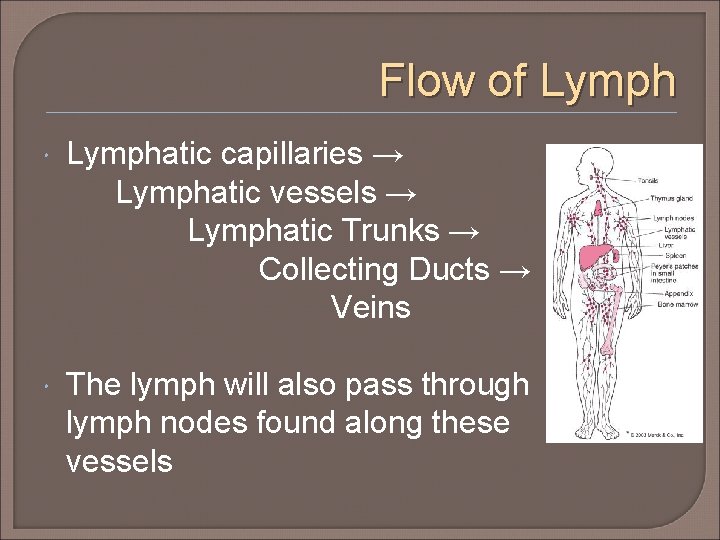
Flow of Lymphatic capillaries → Lymphatic vessels → Lymphatic Trunks → Collecting Ducts → Veins The lymph will also pass through lymph nodes found along these vessels
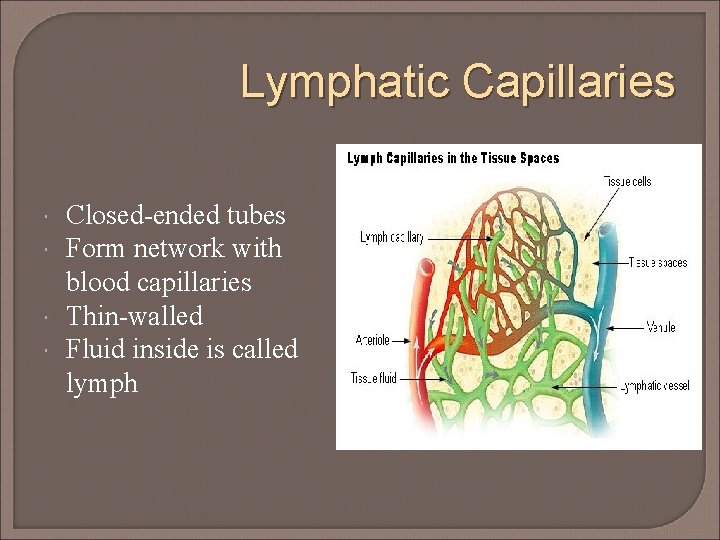
Lymphatic Capillaries Closed-ended tubes Form network with blood capillaries Thin-walled Fluid inside is called lymph
Lymphatic Vessels and Trunks Lymphatic vessels • Structure is very similar to veins Lymphatic Trunks • Larger vessels than lymphatic vessels; drain into collecting ducts
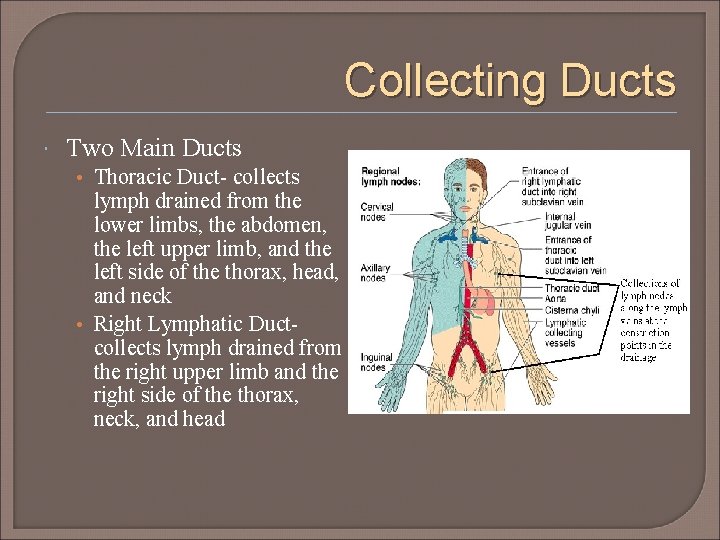
Collecting Ducts Two Main Ducts • Thoracic Duct- collects lymph drained from the lower limbs, the abdomen, the left upper limb, and the left side of the thorax, head, and neck • Right Lymphatic Ductcollects lymph drained from the right upper limb and the right side of the thorax, neck, and head
Tissue Fluid Interstitial fluid surrounding capillaries Constant movement in and out of capillaries Generally same composition as plasma except plasma proteins Some excess fluid stays and is not recollected by capillaries
Formation of lymph Volume pressure of interstitial fluid causes some of the fluid to enter lymphatic capillaries Lymph will return to the bloodstream but will be filtered along the way
Movement of Lymph Controlled by • Skeletal muscle movement • Pressure changes due to breathing Valves keep the movement going in one direction
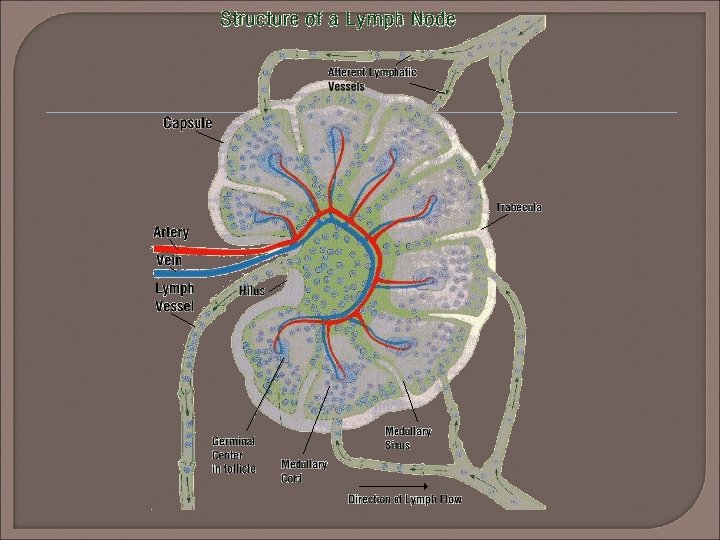
Lymph Nodes (outside) Usually small and bean shaped Afferent lymphatic vessels • carry lymph into lymph node • Come in at various points along convex surface Efferent Lymphatic vessels • Carry lymph out of lymph node • Come out at hilum (area on the concave side) Blood Vessels and nerves enter at hilum
Lymph Node (Inside) Connective tissue encloses lymph node and creates sub-compartments inside Compartments are lymph nodules Space inside the nodule is called a lymph sinus Sinuses are filled with lymphocytes and macrophages
Lymph Node Function Filter foreign particles from blood before returning the lymph to the blood stream Immune surveillance
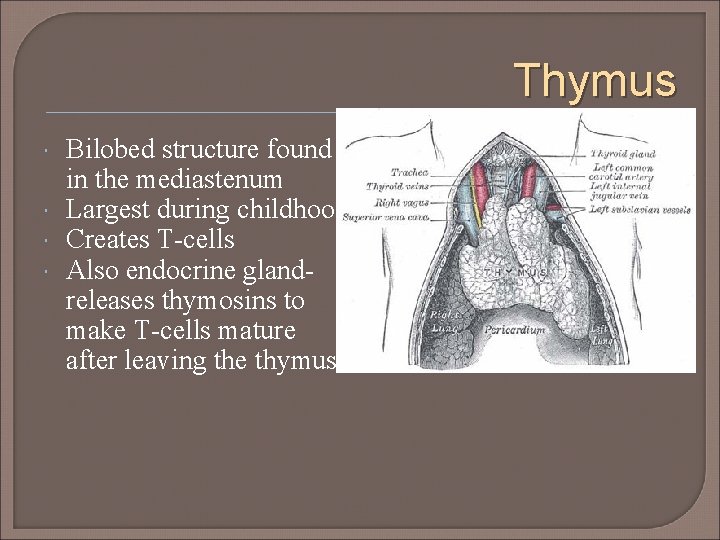
Thymus Bilobed structure found in the mediastenum Largest during childhood Creates T-cells Also endocrine glandreleases thymosins to make T-cells mature after leaving the thymus
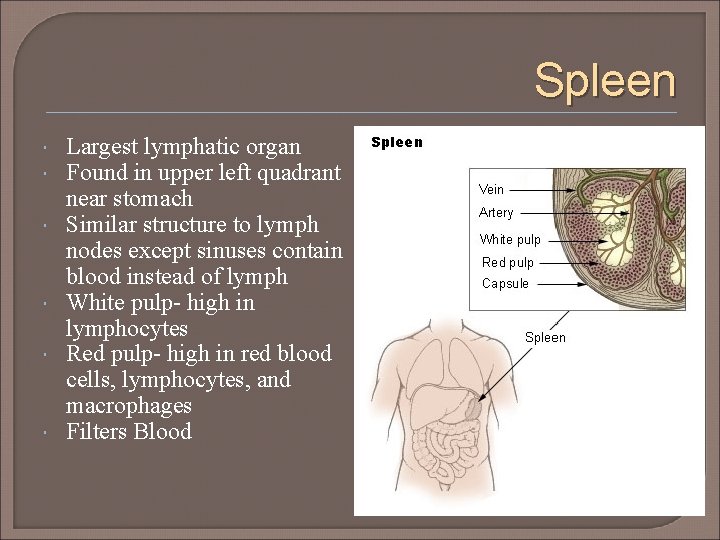
Spleen Largest lymphatic organ Found in upper left quadrant near stomach Similar structure to lymph nodes except sinuses contain blood instead of lymph White pulp- high in lymphocytes Red pulp- high in red blood cells, lymphocytes, and macrophages Filters Blood
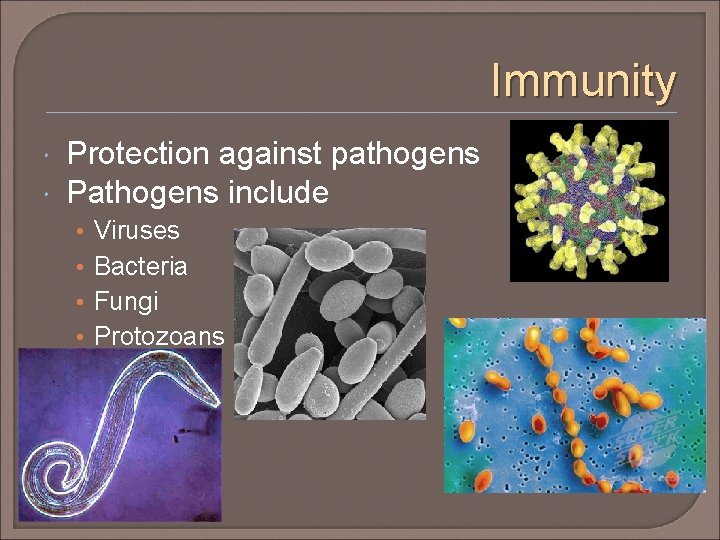
Immunity Protection against pathogens Pathogens include • • Viruses Bacteria Fungi Protozoans
Types of Immunity Innate vs Adaptive Natural vs Artificial Active vs Passive
Innate Defenses Species resistance First line of defense- skin and mucous layers Second line of defense • Chemical barriers Tears, gastric juices, and sweat interferons • Fever • Inflammation • Phagocytosis
Adaptive Immunity Third line of defense Lymphocytes are responsible Responds to specific antigen on the invading pathogen
Origin of Lymphocytes Undifferentiated lymphocytes made by fetal bone marrow T cells • Lymphocytes travel to thymus and become T cells • T cells either circulate in blood or are found in lymph system B cells • Made in marrow • B cells either circulate in blood or found in the lymph system
Differences in response Cellular Immune response • Attack up close • Performed by T cells Humoral immune response • Attack from afar • Performed by B cells
Helper T cells Antigen-presenting cells processes and displays antigen of pathogen Displayed antigen must be matched with a circulating helper T cells antibody receptor Helper T cell is activated
Cytotoxic T cells- attack cells infected virus or cancerous cells must be activated by a matching antigen
B cells B cell must match with an antigen Activated Helper T cell secrete cytokines Cytokines make B cell proliferate to form plasma cells and memory cells Plasma cell secrete antibodies
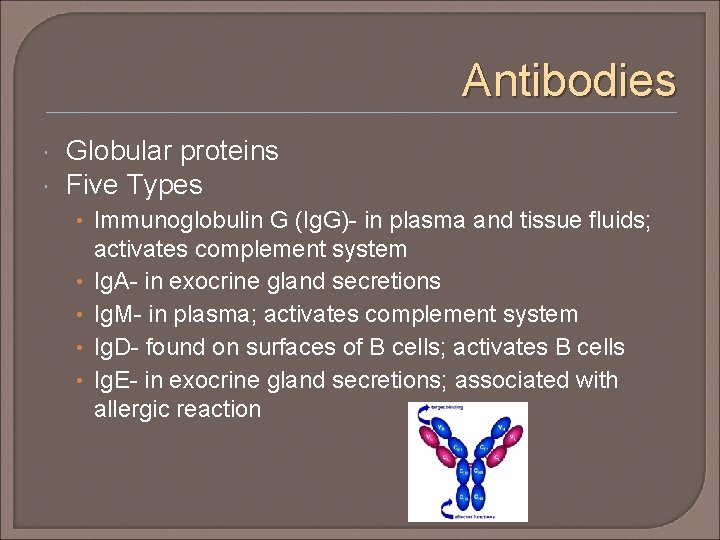
Antibodies Globular proteins Five Types • Immunoglobulin G (Ig. G)- in plasma and tissue fluids; • • activates complement system Ig. A- in exocrine gland secretions Ig. M- in plasma; activates complement system Ig. D- found on surfaces of B cells; activates B cells Ig. E- in exocrine gland secretions; associated with allergic reaction
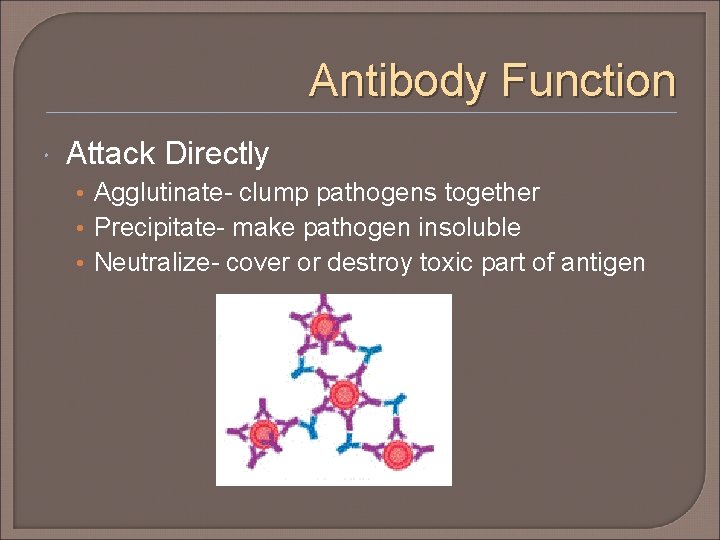
Antibody Function Attack Directly • Agglutinate- clump pathogens together • Precipitate- make pathogen insoluble • Neutralize- cover or destroy toxic part of antigen
Antibody Function Activate compliment • Done by shape change of Ig. G and Ig. M • Starts a series of rxns that activate the compliments circulating in the plasma Compliment Function • • • Opsonization- coating antigen-antibody complex Chemotaxis- bringing macrophages to the area Lysis- rupturing membranes Agglutination Neutralization
Memory Cells Memory T and B cells- circulate after primary immune response Body will be able to respond quickly during secondary immune response
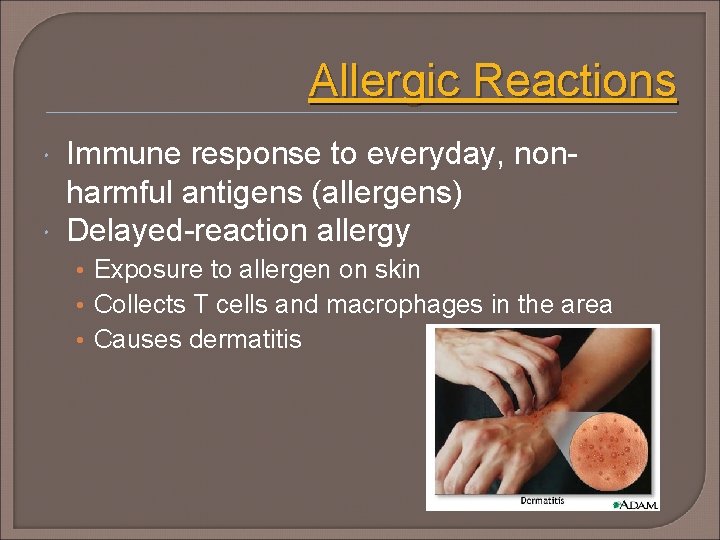
Allergic Reactions Immune response to everyday, nonharmful antigens (allergens) Delayed-reaction allergy • Exposure to allergen on skin • Collects T cells and macrophages in the area • Causes dermatitis
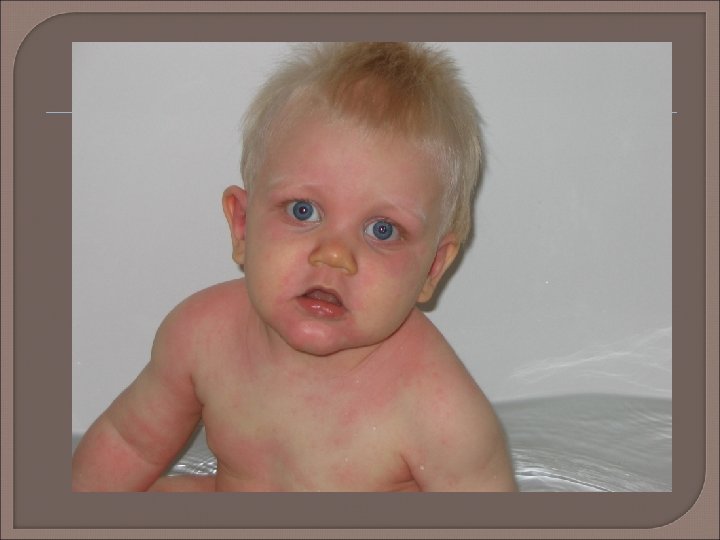
Allergic Reactions Immediate-reaction allergy • Occurs within minutes • First exposure- B cells become sensitized; Ig. E is attached to basophils and mast cells • Subsequent exposures- mast cells and basophils secrete several substances including histamine • These substances produce the reactions seen in allergy reactions
Transplantation Transplant tissue or organ Antigen is recognized as foreign and starts immune response Tissue matching helps minimize reaction Immunosuppressive drugs- suppress immune reaction
Autoimmunity Cytotoxic T cells cannot correctly identify self cells and attacks self cells Why? • “catalogue” is incomplete • Pathogen borrows self antigens during attack • Pathogen antigen is very similar to a self antigen