
lunch Talk by Lin Xiao USTC 27 June
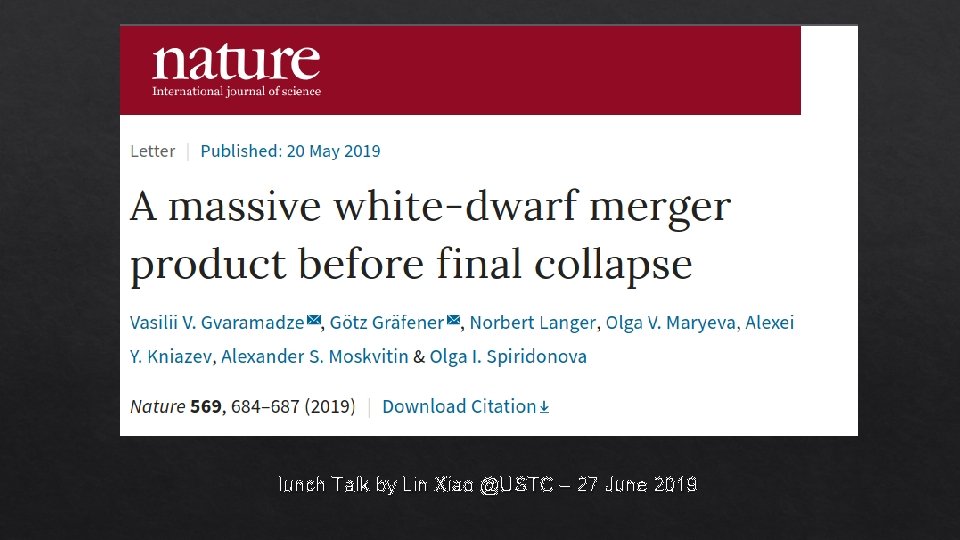
lunch Talk by Lin Xiao @USTC – 27 June 2019
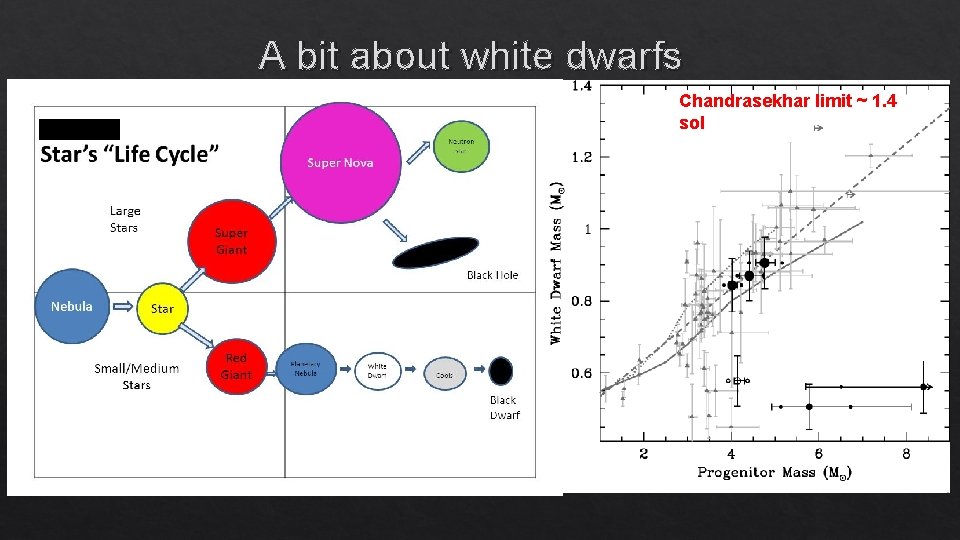
A bit about white dwarfs Chandrasekhar limit ~ 1. 4 sol

While the merger product of a pair of white dwarfs may exceed the Chandrasekhar limit, leading either to a thermonuclear explosion as a type Ia supernova or to a collapse forming a neutron star.
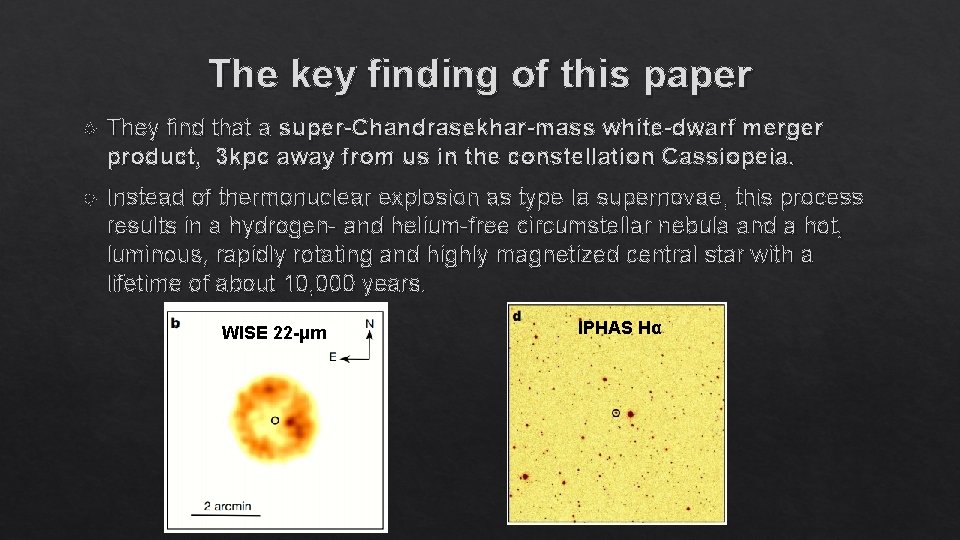
The key finding of this paper They find that a super-Chandrasekhar-mass white-dwarf merger product, 3 kpc away from us in the constellation Cassiopeia. Instead of thermonuclear explosion as type Ia supernovae, this process results in a hydrogen- and helium-free circumstellar nebula and a hot, luminous, rapidly rotating and highly magnetized central star with a lifetime of about 10, 000 years. WISE 22 -μm IPHAS Hα
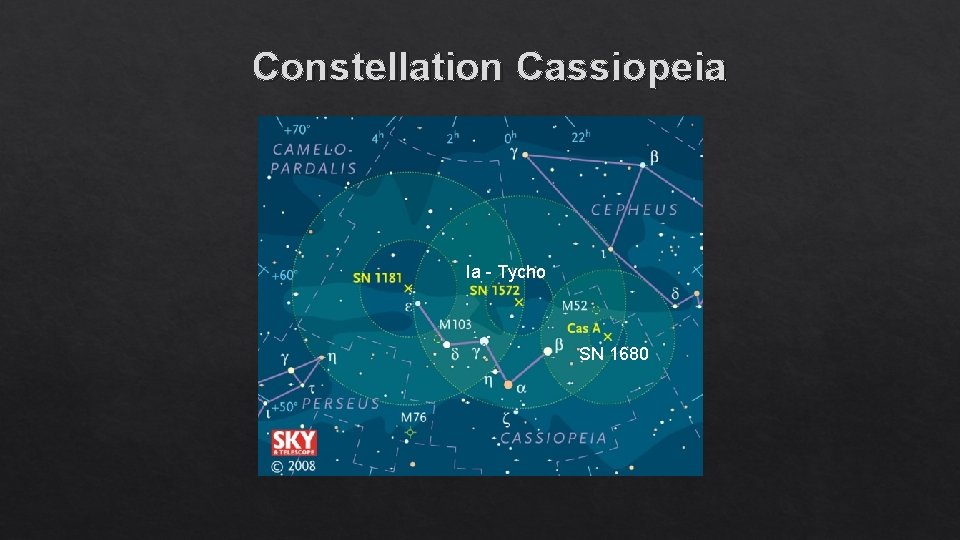
Constellation Cassiopeia Ia - Tycho SN 1680
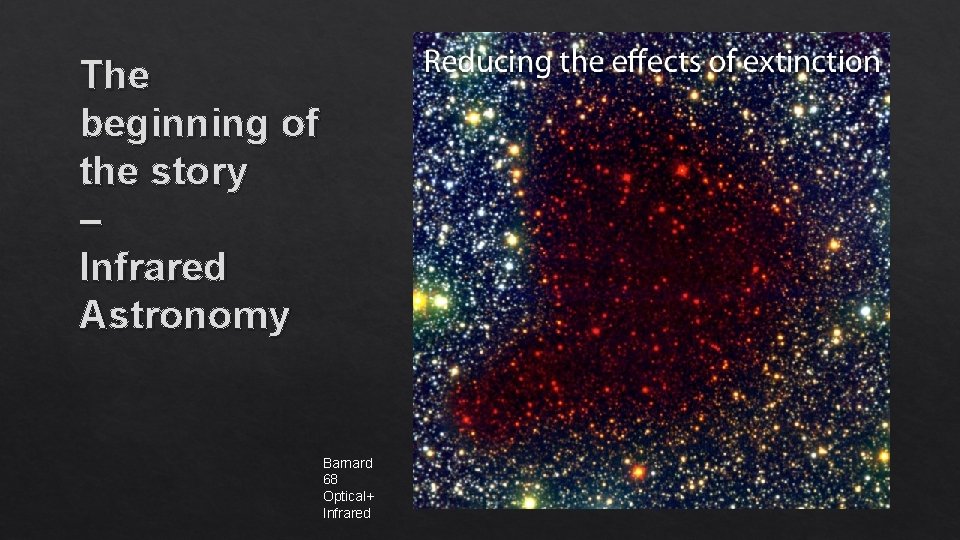
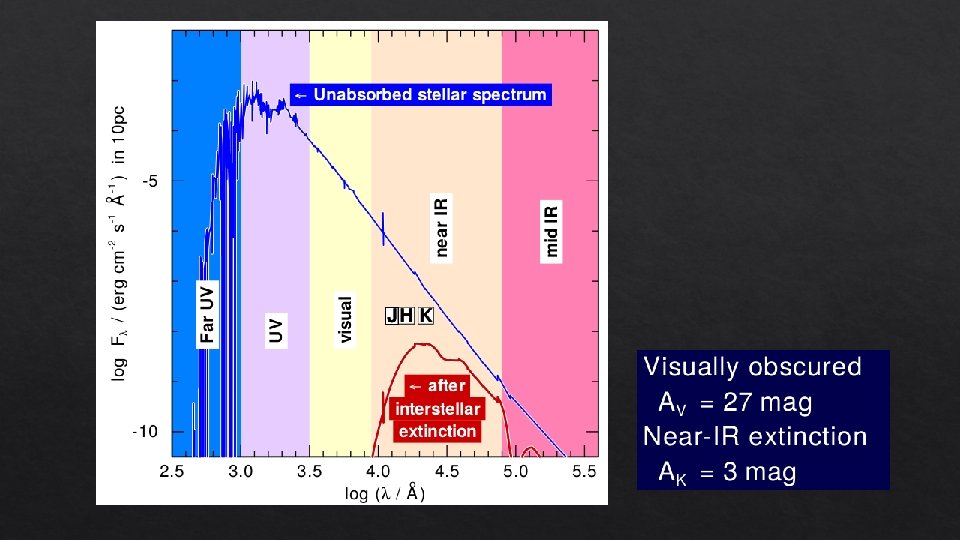
The beginning of the story – Infrared Astronomy Barnard 68 Optical+ Infrared
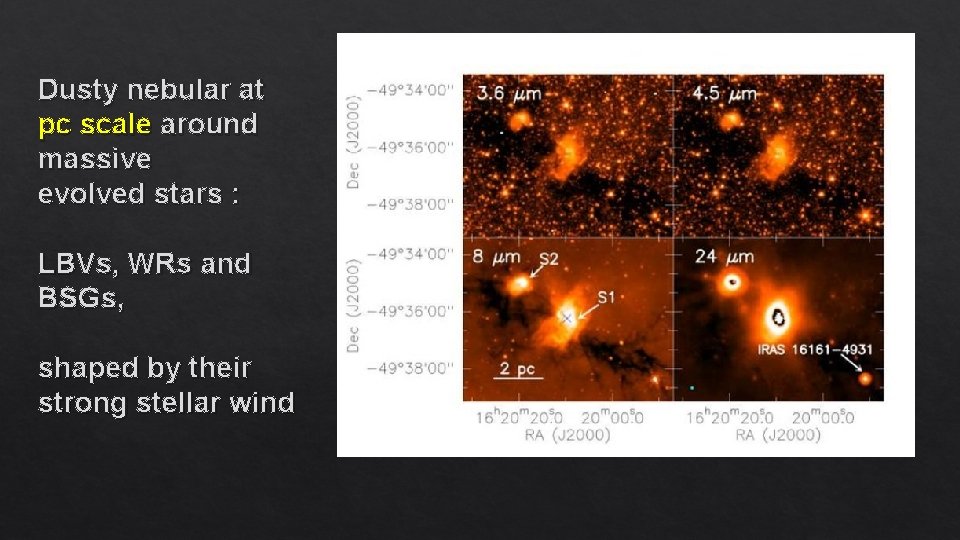
Dusty nebular at pc scale around massive evolved stars : LBVs, WRs and BSGs, shaped by their strong stellar wind
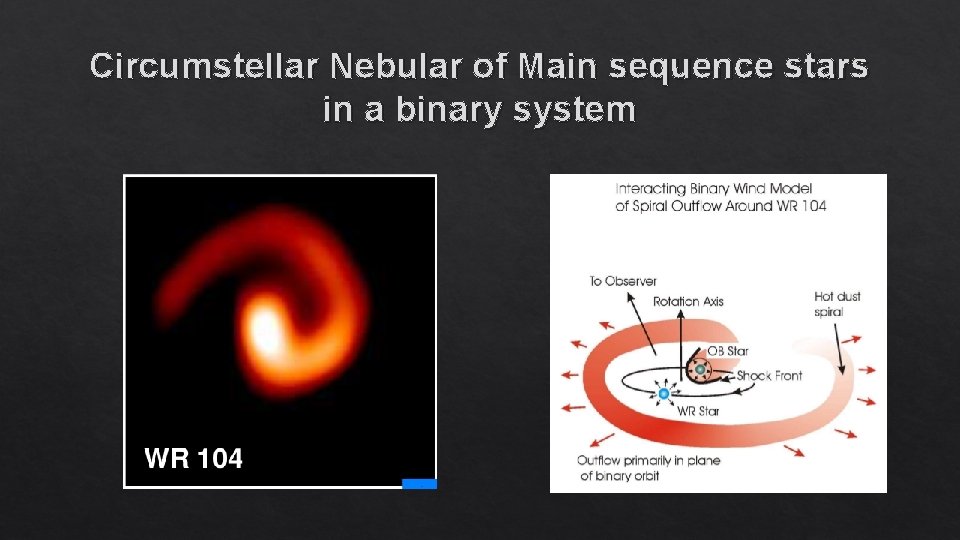
Circumstellar Nebular of Main sequence stars in a binary system
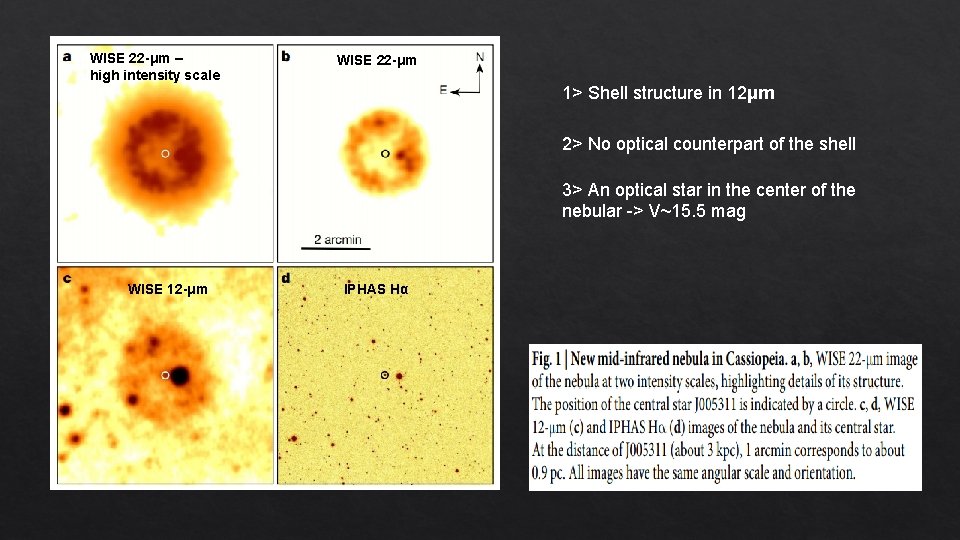
WISE 22 -μm – high intensity scale WISE 22 -μm 1> Shell structure in 12μm 2> No optical counterpart of the shell 3> An optical star in the center of the nebular -> V~15. 5 mag WISE 12 -μm IPHAS Hα
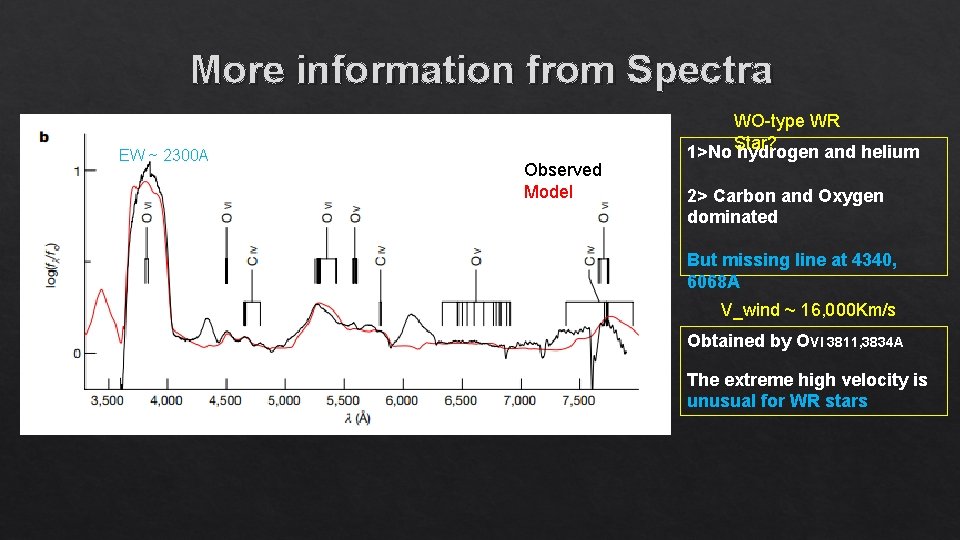
More information from Spectra EW ~ 2300 A Observed Model WO-type WR Star? 1>No hydrogen and helium 2> Carbon and Oxygen dominated But missing line at 4340, 6068 A V_wind ~ 16, 000 Km/s Obtained by OVI 3811, 3834 A The extreme high velocity is unusual for WR stars
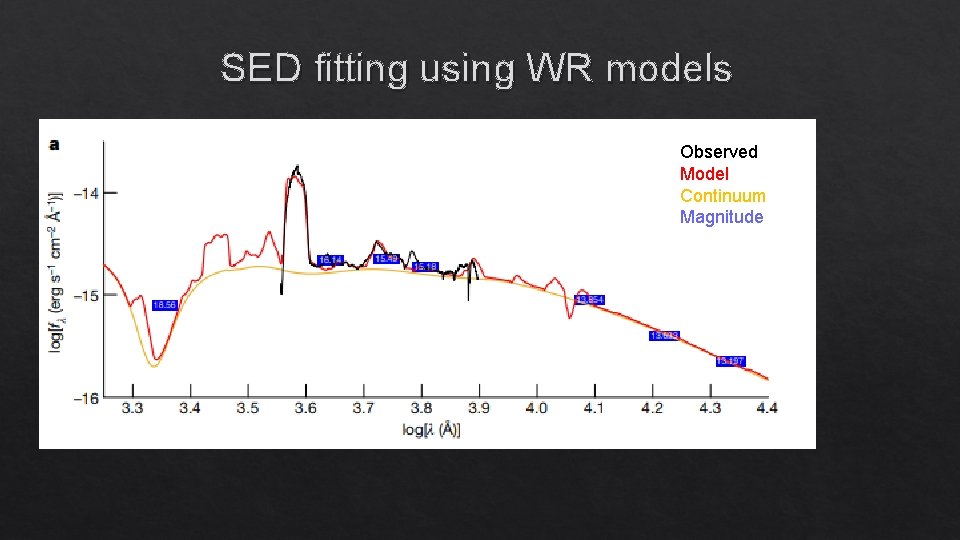
SED fitting using WR models Observed Model Continuum Magnitude
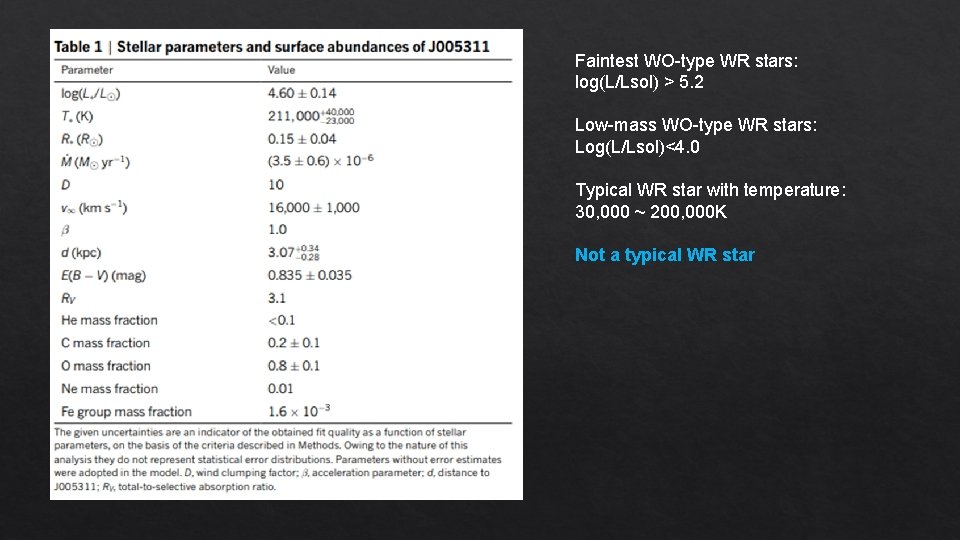
Faintest WO-type WR stars: log(L/Lsol) > 5. 2 Low-mass WO-type WR stars: Log(L/Lsol)<4. 0 Typical WR star with temperature: 30, 000 ~ 200, 000 K Not a typical WR star
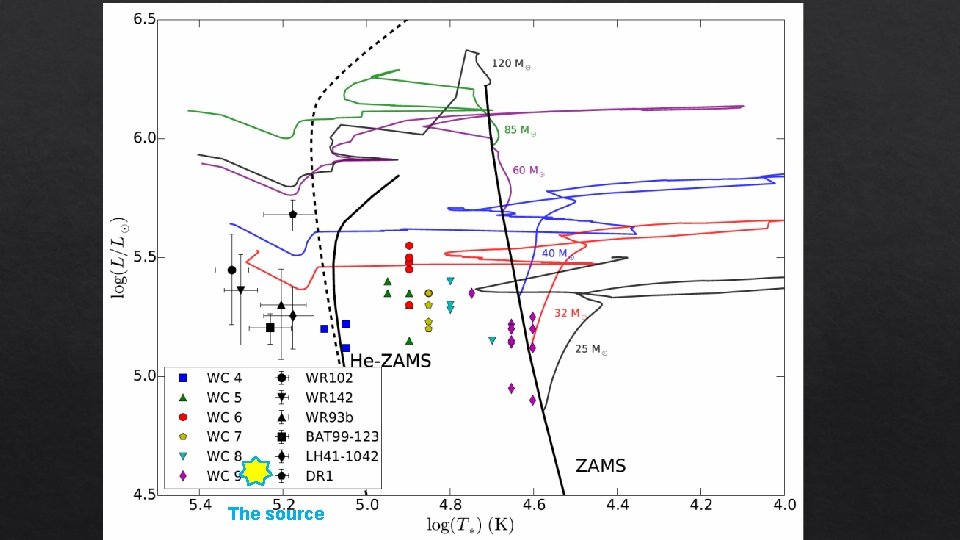
The source
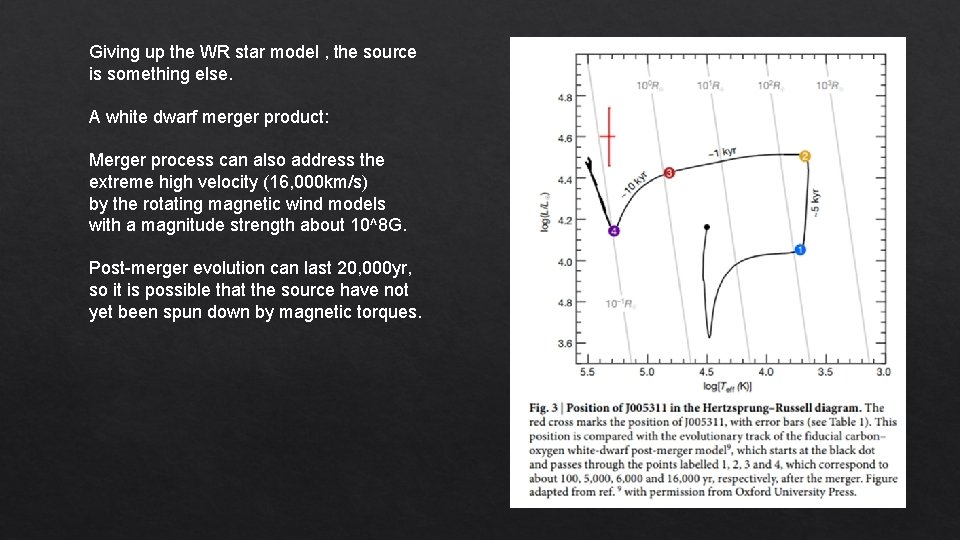
Giving up the WR star model , the source is something else. A white dwarf merger product: Merger process can also address the extreme high velocity (16, 000 km/s) by the rotating magnetic wind models with a magnitude strength about 10^8 G. Post-merger evolution can last 20, 000 yr, so it is possible that the source have not yet been spun down by magnetic torques.
- Slides: 15