
Lower Tropospheric Frontogenesis strengthening of temperature gradients Frontolysis
- Slides: 29
Lower Tropospheric Frontogenesis: strengthening of temperature gradients Frontolysis: weakening of temperature gradients
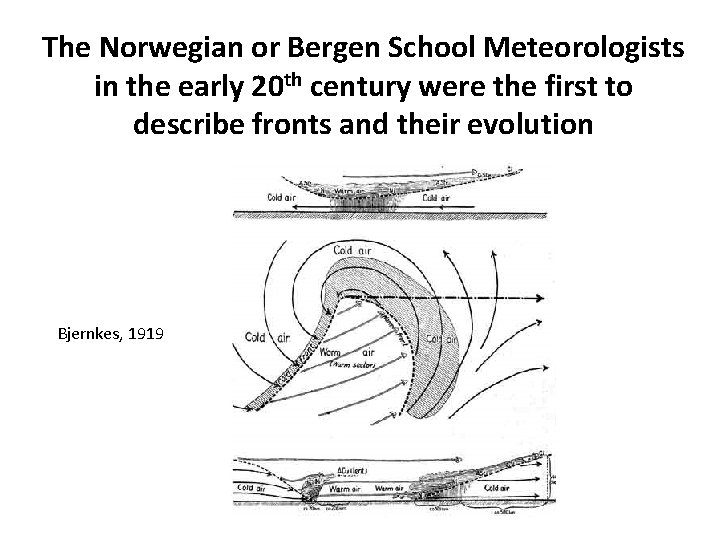
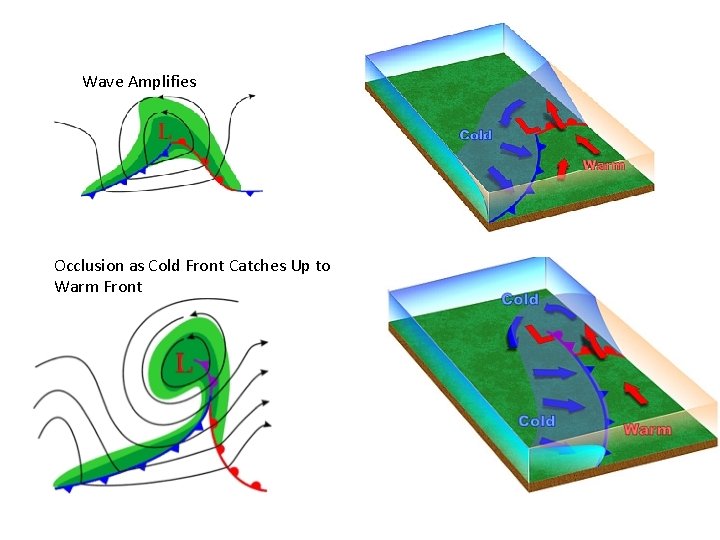
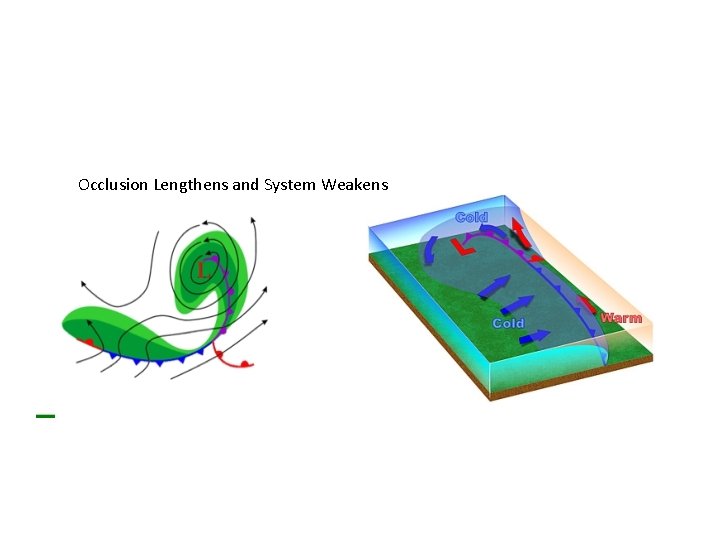
The Norwegian or Bergen School Meteorologists in the early 20 th century were the first to describe fronts and their evolution Bjernkes, 1919
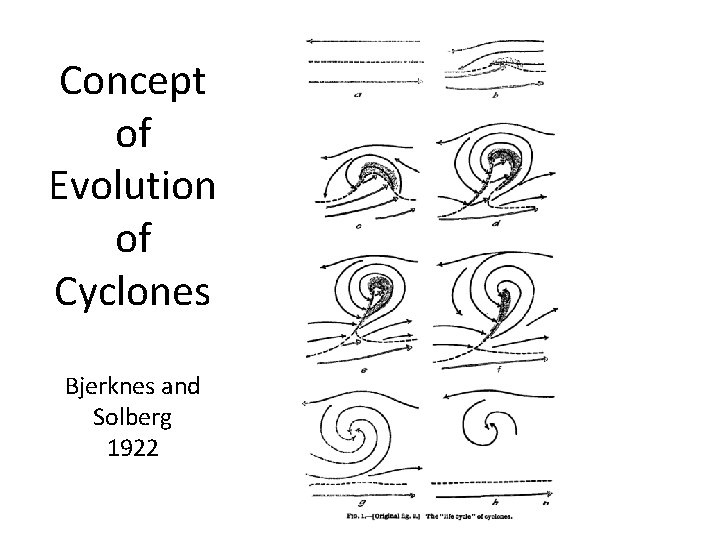
Concept of Evolution of Cyclones Bjerknes and Solberg 1922
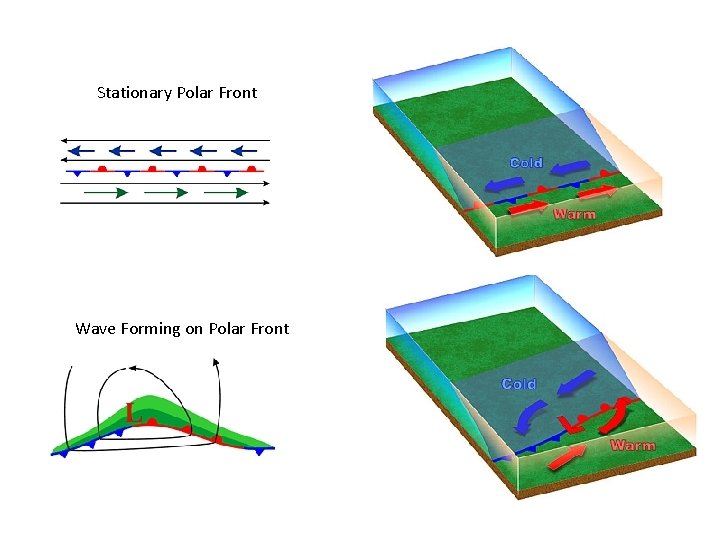
Stationary Polar Front Wave Forming on Polar Front
Wave Amplifies Occlusion as Cold Front Catches Up to Warm Front
Occlusion Lengthens and System Weakens
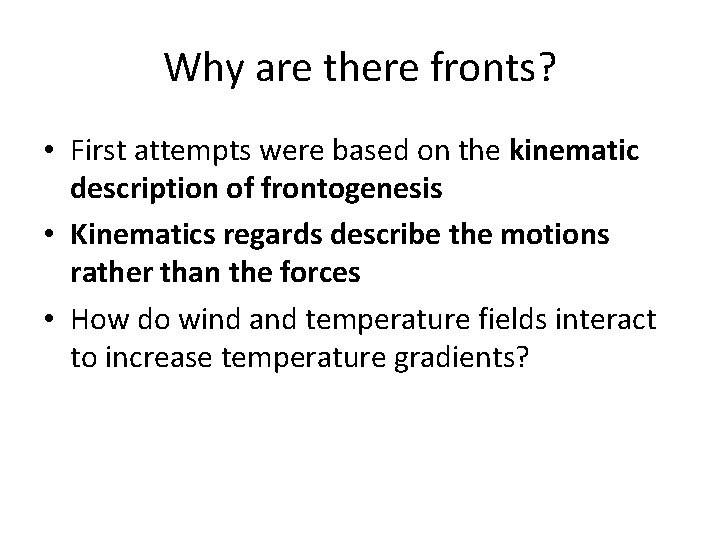
Why are there fronts? • First attempts were based on the kinematic description of frontogenesis • Kinematics regards describe the motions rather than the forces • How do wind and temperature fields interact to increase temperature gradients?
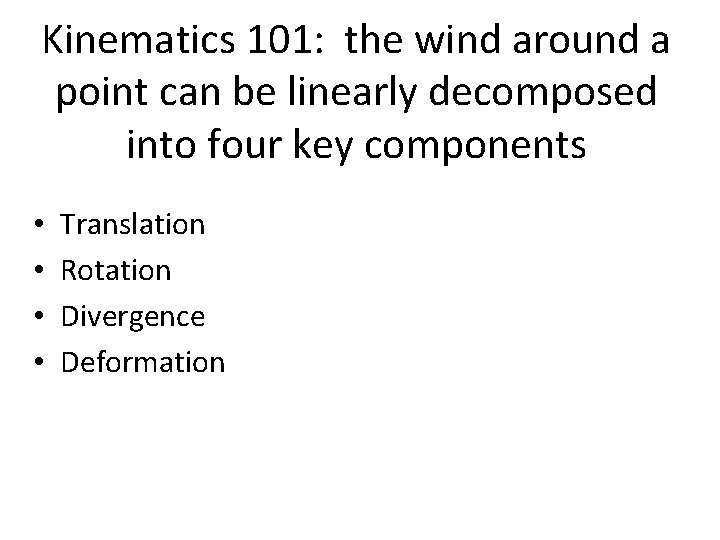
Kinematics 101: the wind around a point can be linearly decomposed into four key components • • Translation Rotation Divergence Deformation
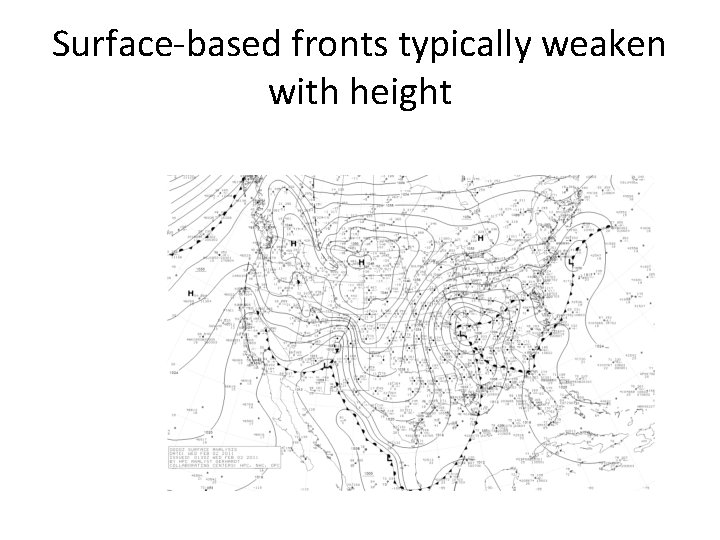
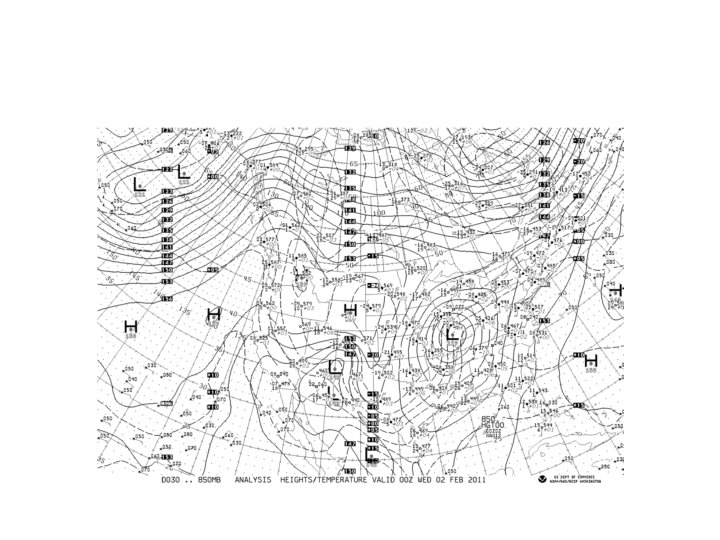
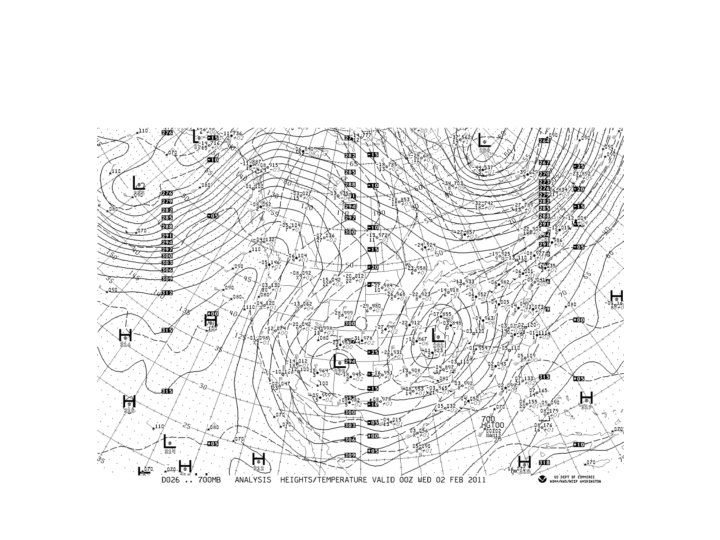
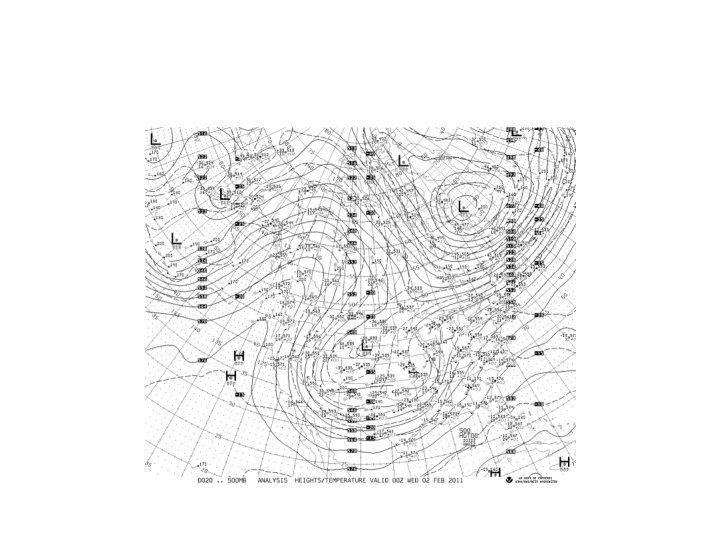
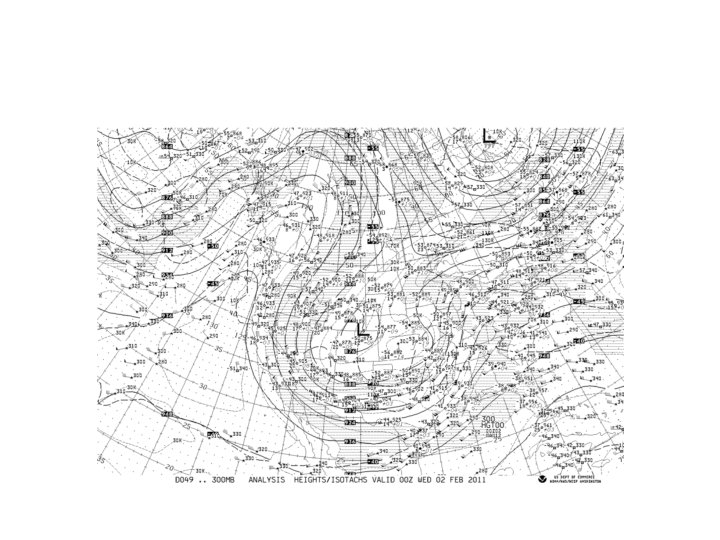
Surface-based fronts typically weaken with height
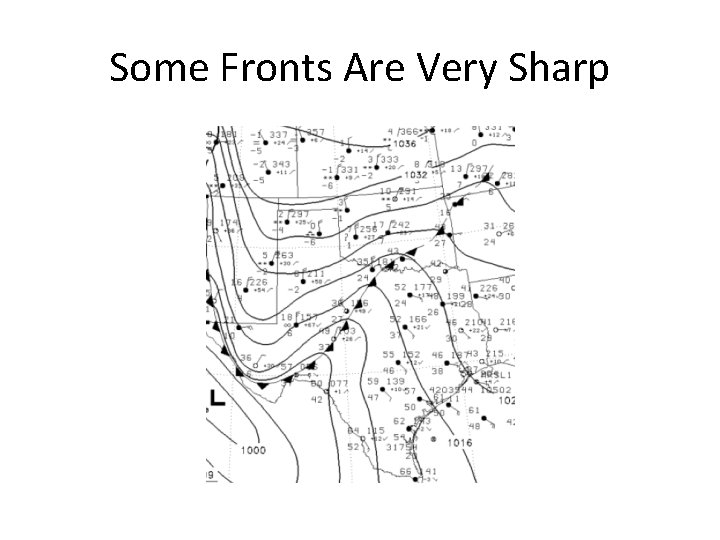
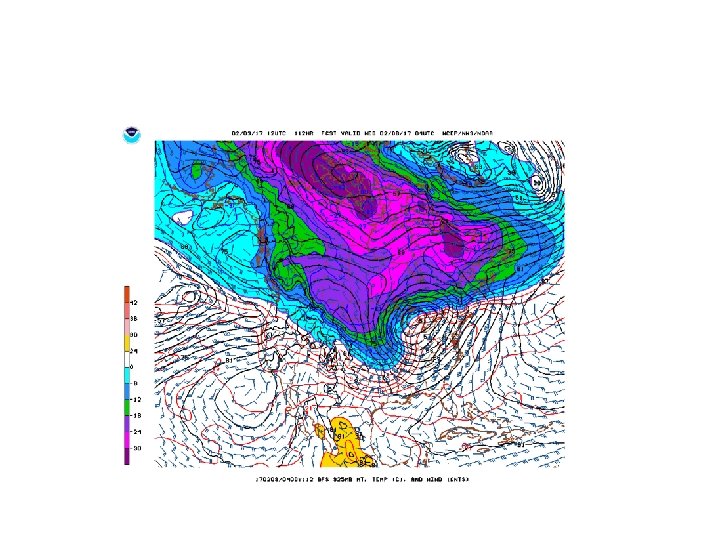
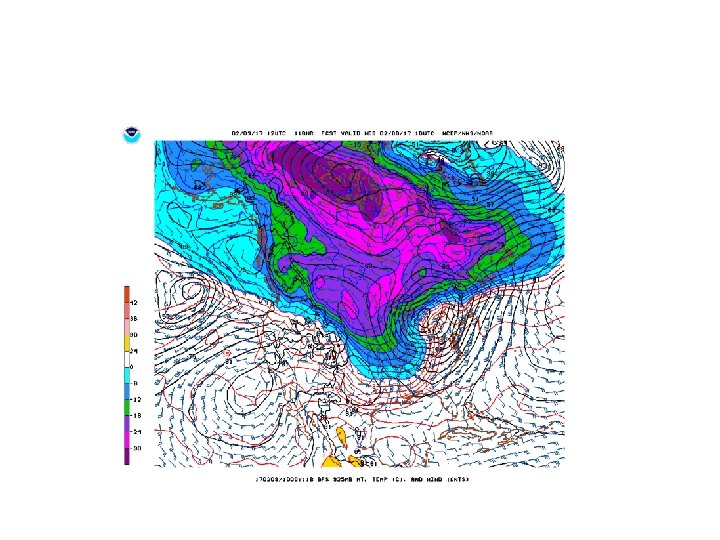
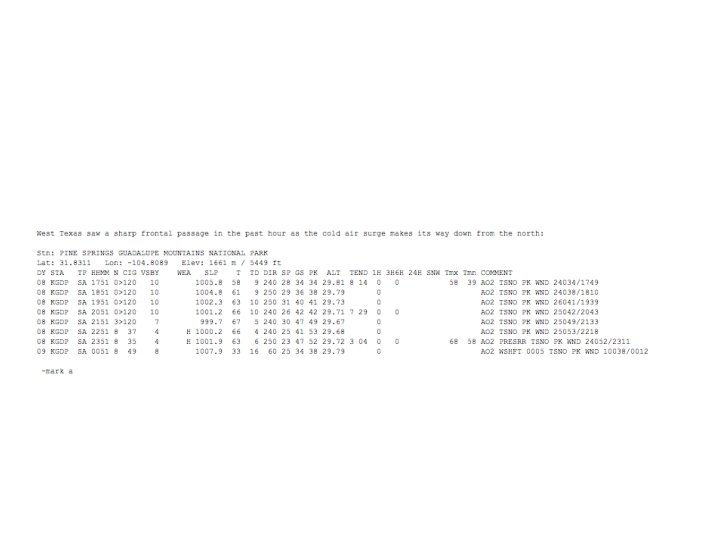
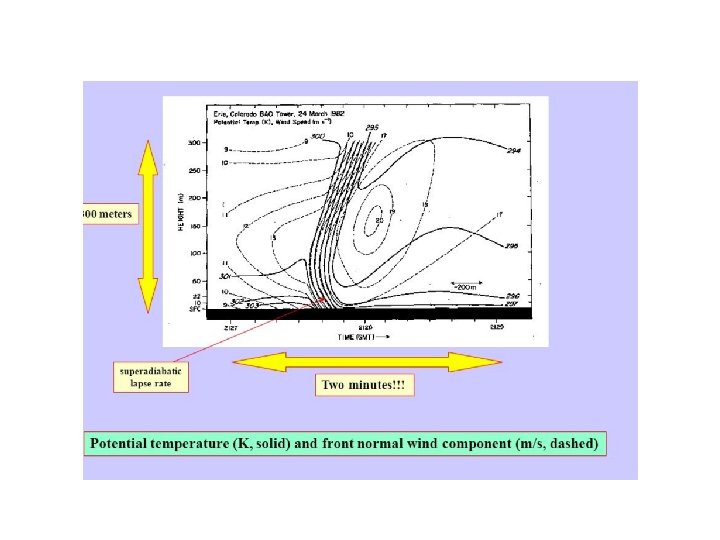
Some Fronts Are Very Sharp
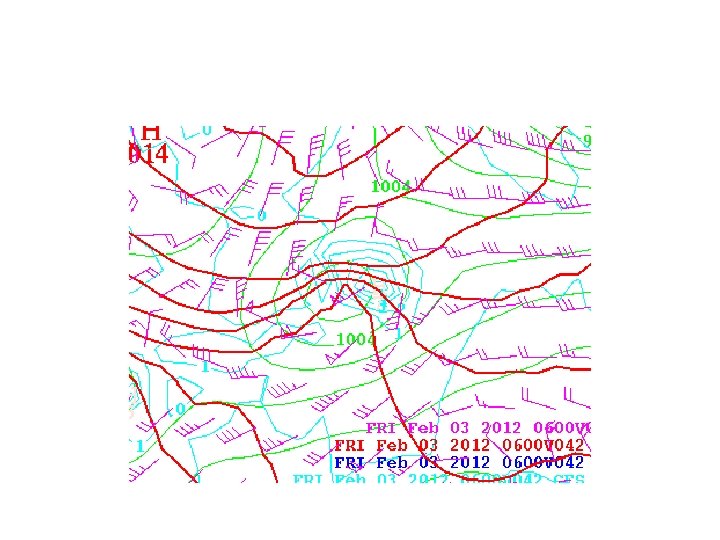
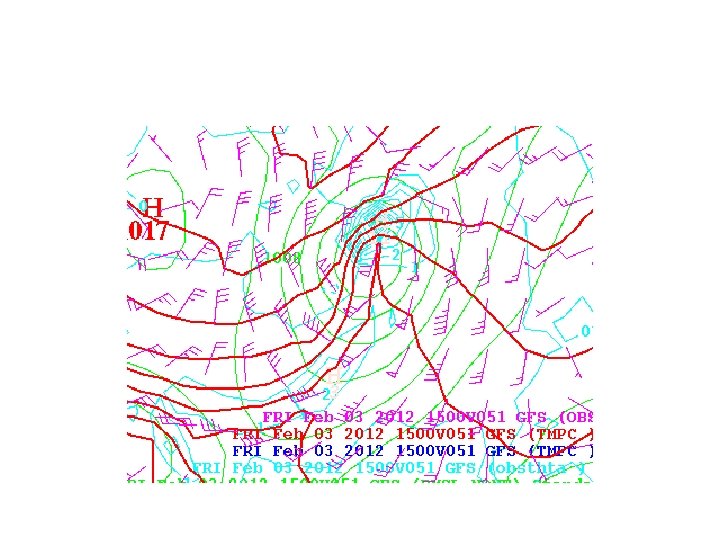
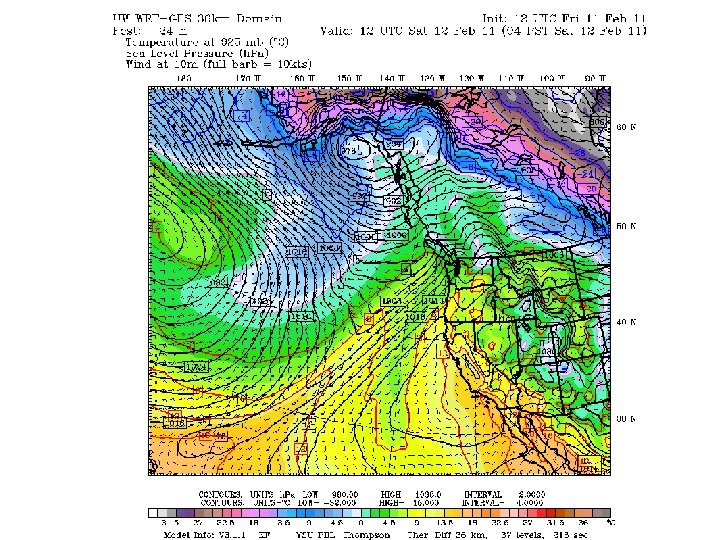
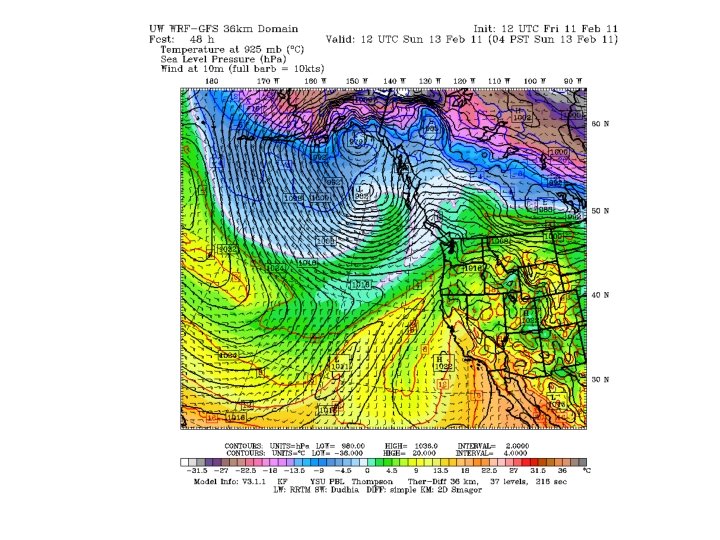
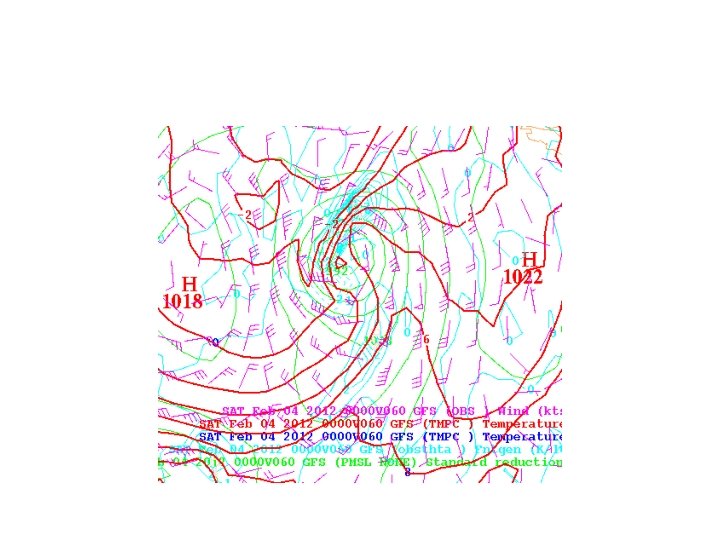
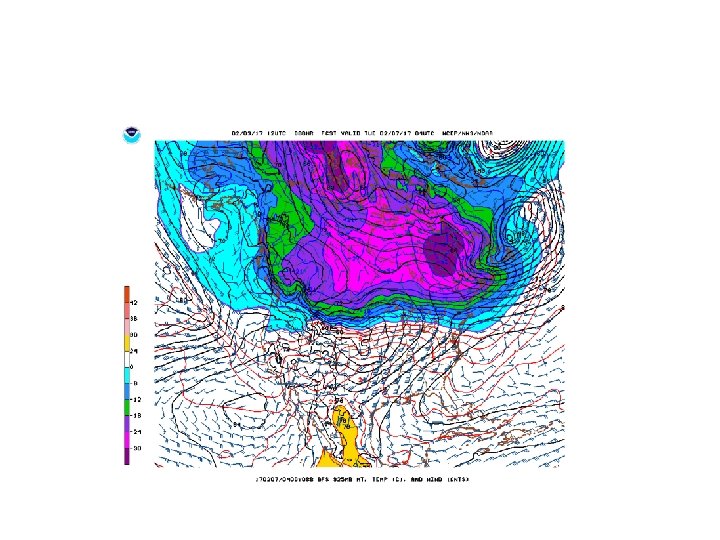
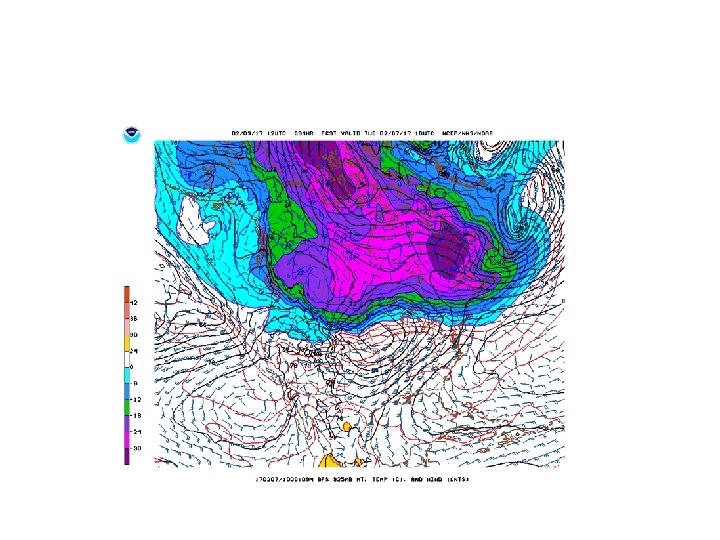
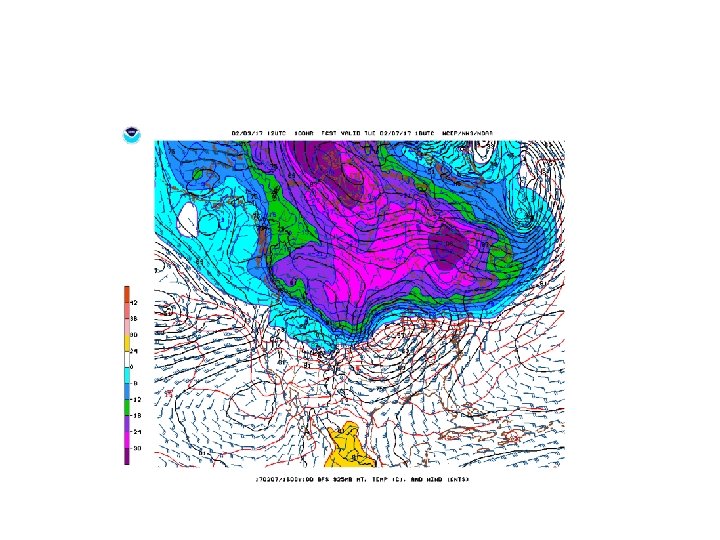
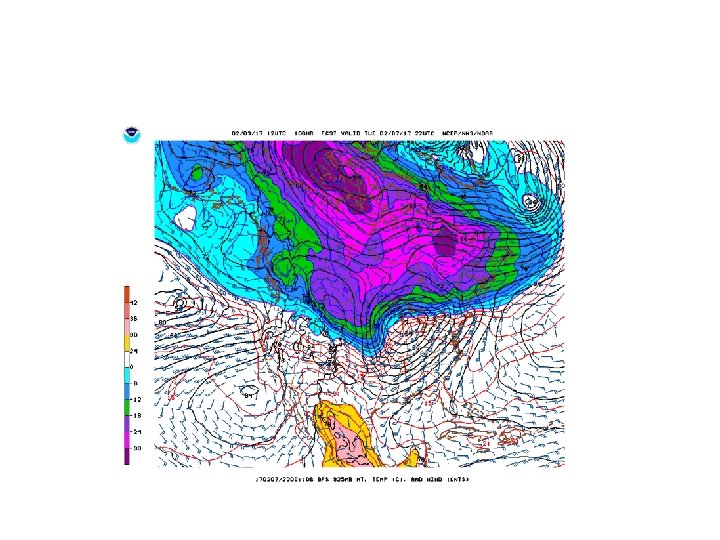
Fronts Often Develop and Strengthen during midlatitude cyclone development • Frontogenesis and cyclogenesis go hand in hand!
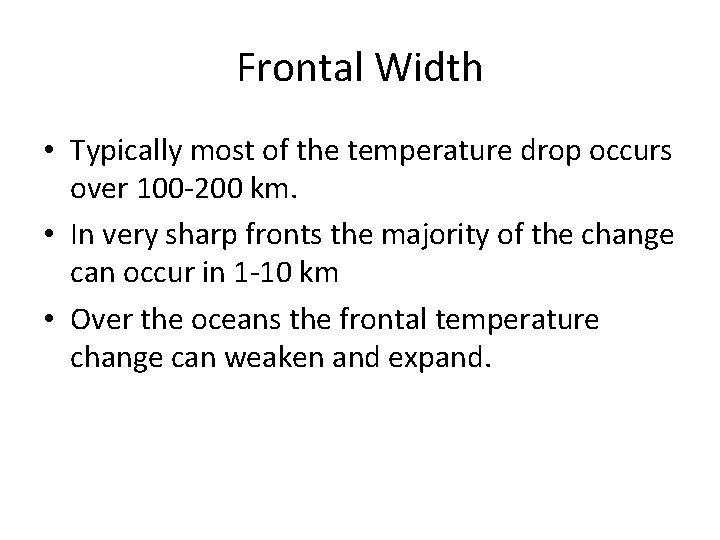
Frontal Width • Typically most of the temperature drop occurs over 100 -200 km. • In very sharp fronts the majority of the change can occur in 1 -10 km • Over the oceans the frontal temperature change can weaken and expand.