
Lower airway disease in children and neonates 1

- Slides: 46
Lower airway disease in children and neonates 1) Typical features of neonatal and pediatric lung disease 2) Pediatric mechanical ventilation: Anything special to know? 3) Conventional vs high frequency ventilation
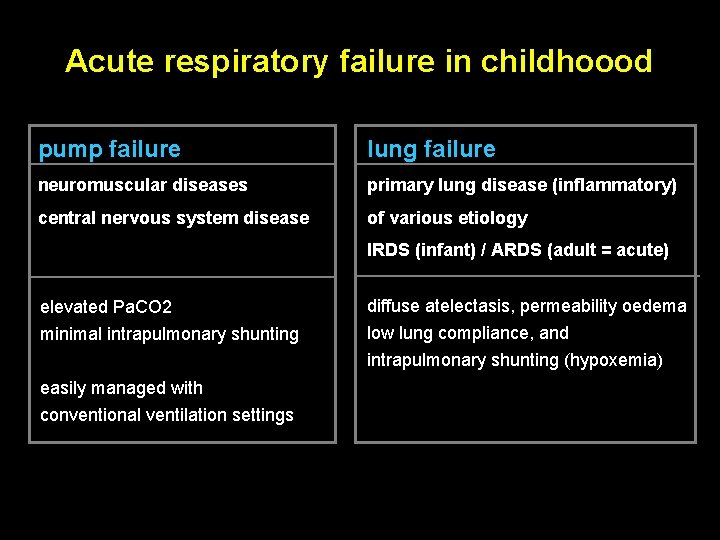
Acute respiratory failure in childhoood pump failure lung failure neuromuscular diseases primary lung disease (inflammatory) central nervous system disease of various etiology IRDS (infant) / ARDS (adult = acute) elevated Pa. CO 2 diffuse atelectasis, permeability oedema minimal intrapulmonary shunting low lung compliance, and intrapulmonary shunting (hypoxemia) easily managed with conventional ventilation settings
1) Typical features of neonatal and pediatric lung disease: • Infant respiratory distress syndrome • Acute hypoxic respiratory failure (incl. ARDS) • Bronchiolitis (RSV-Bronchopneumonia)
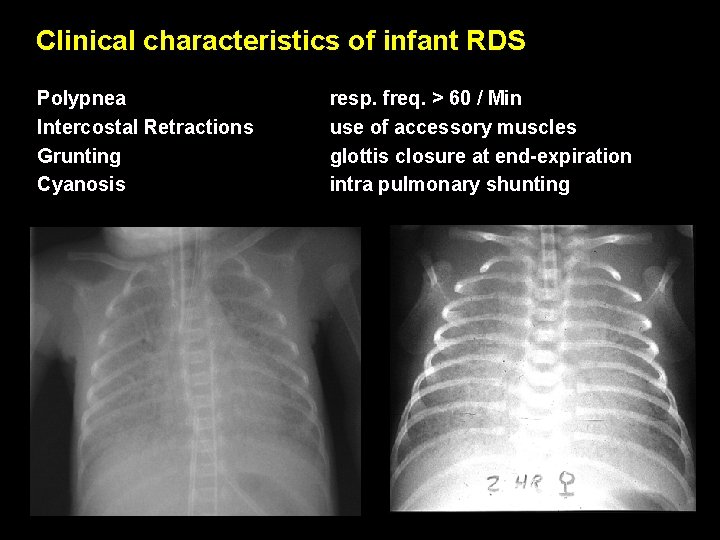
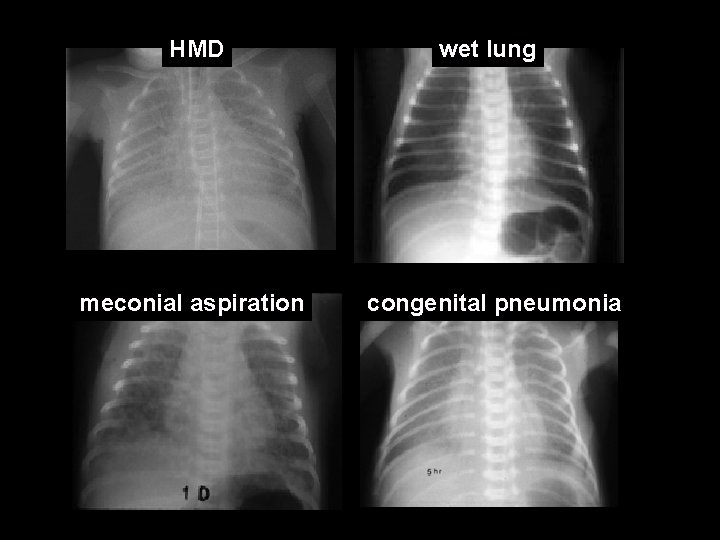
Clinical characteristics of infant RDS Polypnea Intercostal Retractions Grunting Cyanosis resp. freq. > 60 / Min use of accessory muscles glottis closure at end-expiration intra pulmonary shunting
HMD wet lung meconial aspiration congenital pneumonia
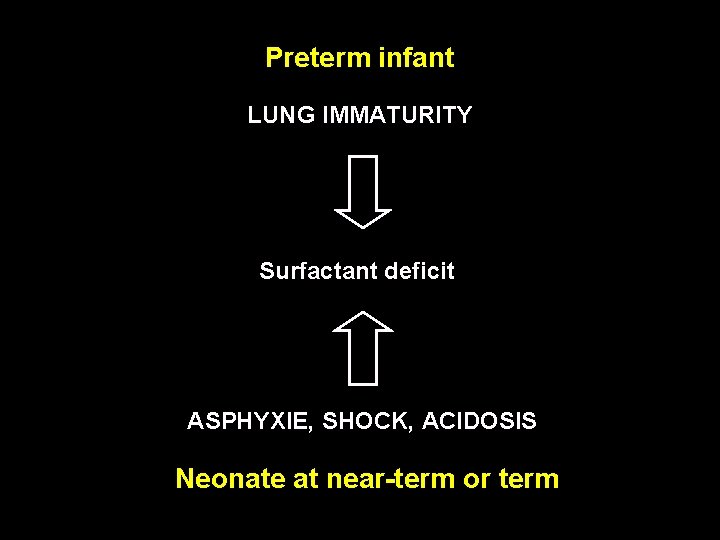
Preterm infant LUNG IMMATURITY Surfactant deficit ASPHYXIE, SHOCK, ACIDOSIS Neonate at near-term or term
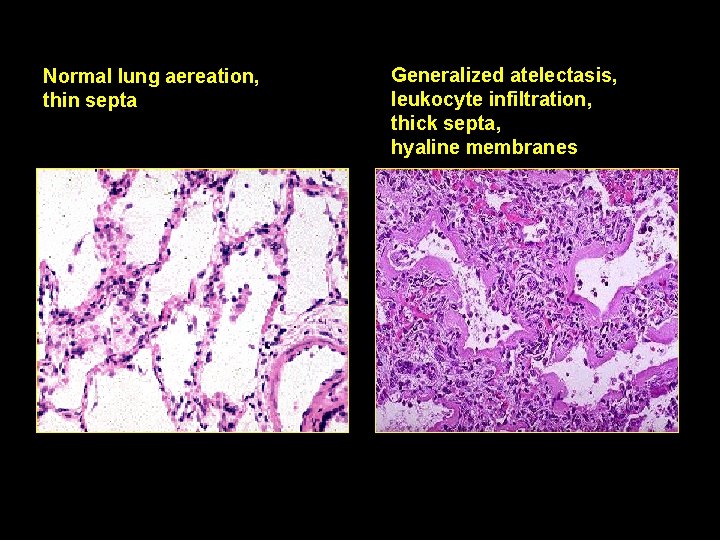
Normal lung aereation, thin septa Generalized atelectasis, leukocyte infiltration, thick septa, hyaline membranes
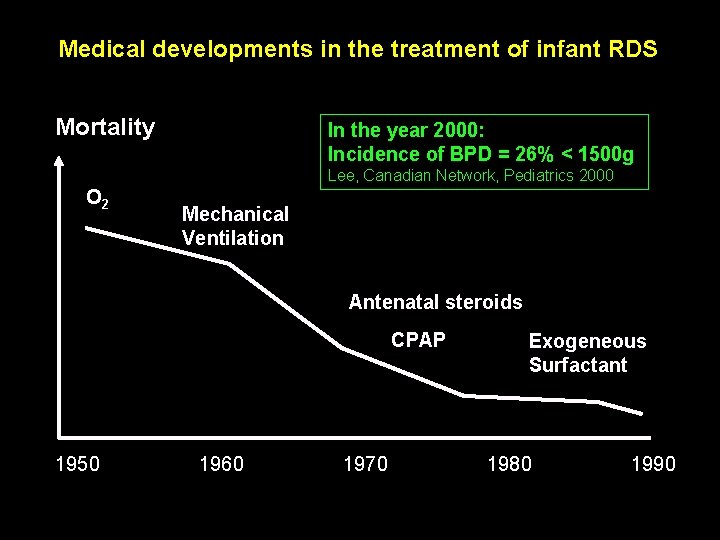
Medical developments in the treatment of infant RDS Mortality In the year 2000: Incidence of BPD = 26% < 1500 g Lee, Canadian Network, Pediatrics 2000 O 2 Mechanical Ventilation Antenatal steroids CPAP 1950 1960 1970 Exogeneous Surfactant 1980 1990
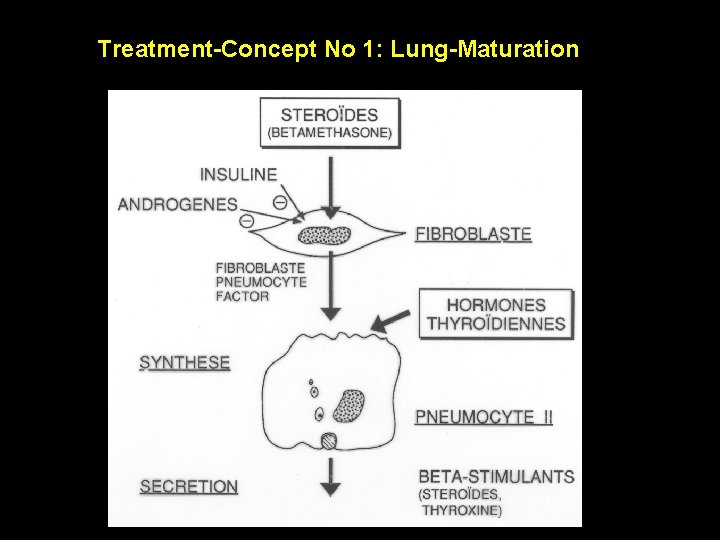
Treatment-Concept No 1: Lung-Maturation
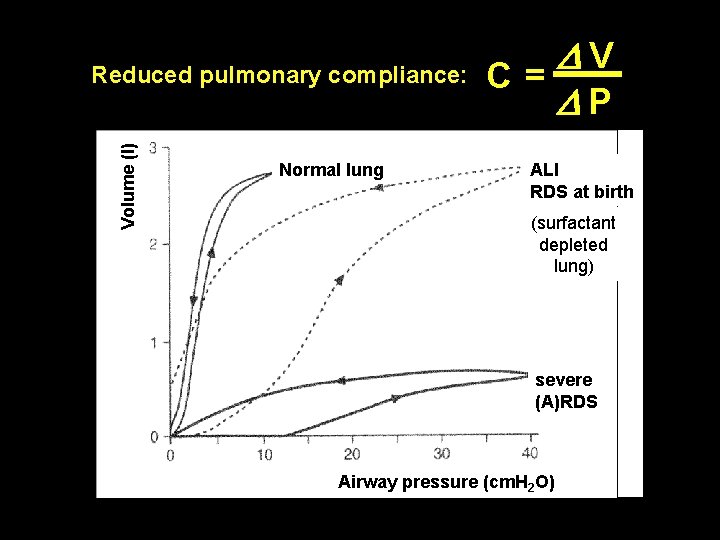
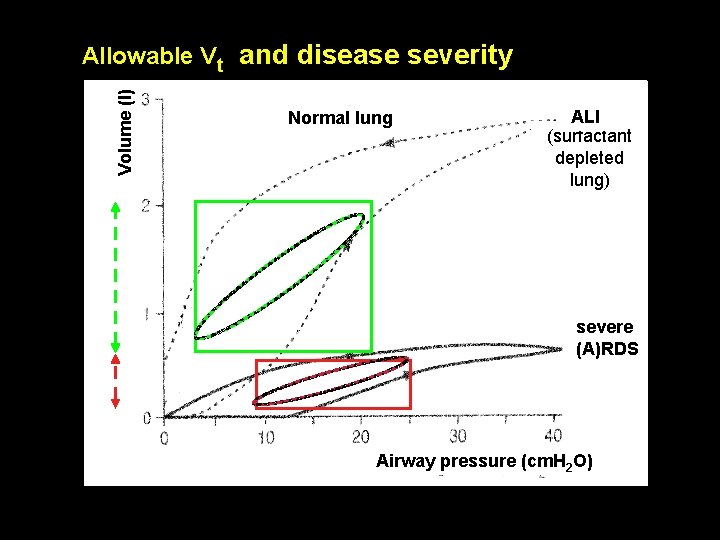
Volume (l) Reduced pulmonary compliance: Normal lung DV C = D P ALI RDS at birth (surfactant depleted lung) severe (A)RDS Airway pressure (cm. H 2 O)
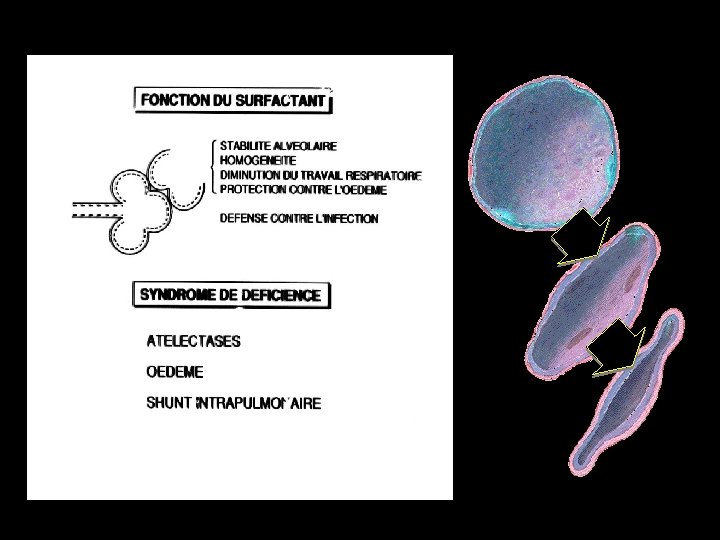
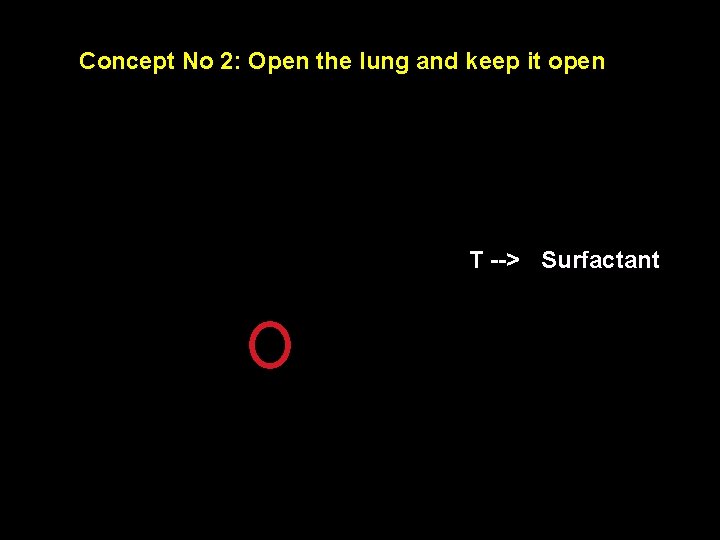
Concept No 2: Open the lung and keep it open T --> Surfactant
Surfactant as a recruitment agent post Volume pre PEEP PIP Pressure Kelly E Pediatr Pulmonol 1993; 15: 225 -30
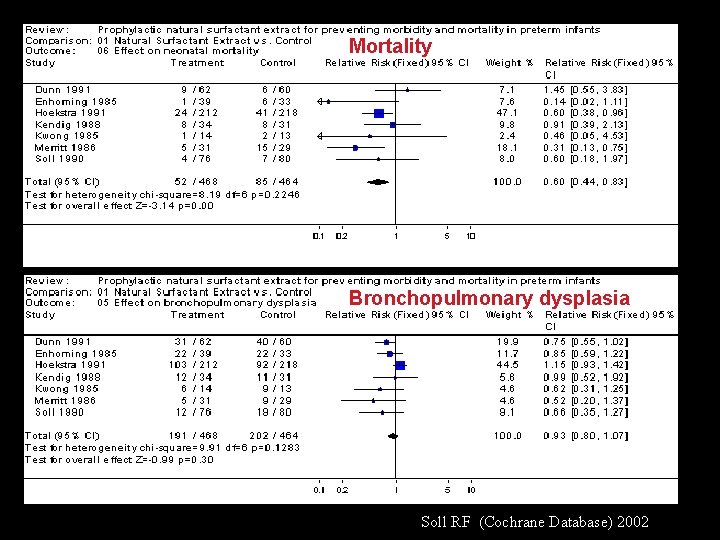
Mortality Bronchopulmonary dysplasia Soll RF (Cochrane Database) 2002
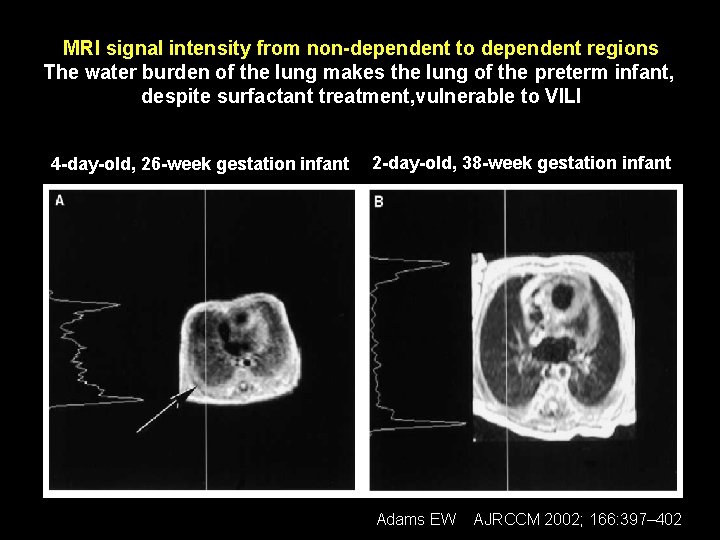
MRI signal intensity from non-dependent to dependent regions The water burden of the lung makes the lung of the preterm infant, despite surfactant treatment, vulnerable to VILI 4 -day-old, 26 -week gestation infant 2 -day-old, 38 -week gestation infant Adams EW AJRCCM 2002; 166: 397– 402
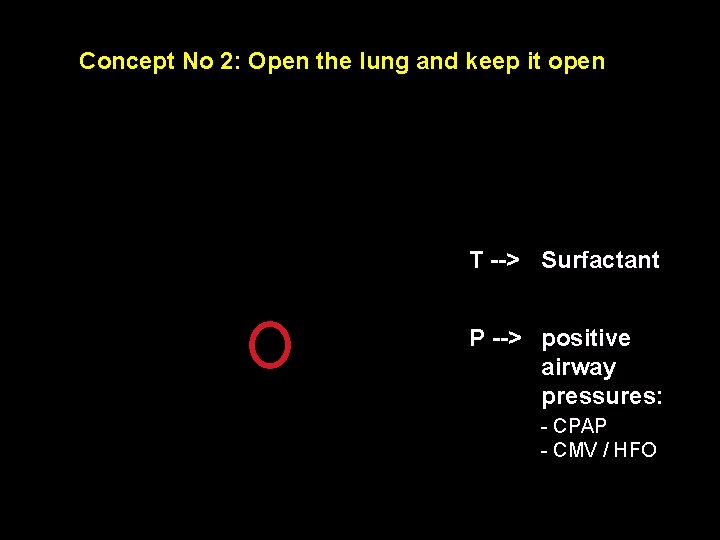
Concept No 2: Open the lung and keep it open T --> Surfactant P --> positive airway pressures: - CPAP - CMV / HFO
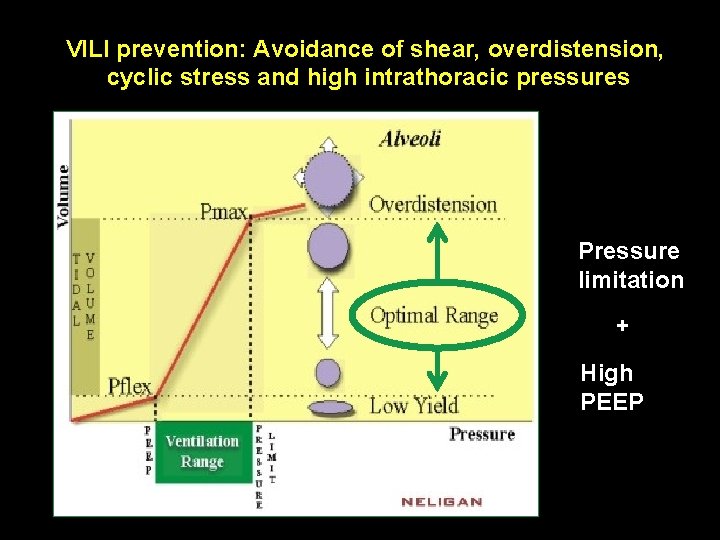
VILI prevention: Avoidance of shear, overdistension, cyclic stress and high intrathoracic pressures Pressure limitation + High PEEP
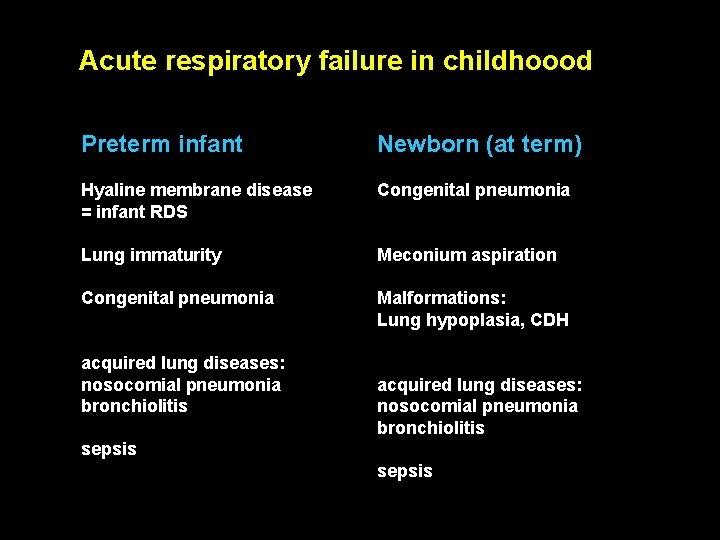
Acute respiratory failure in childhoood Preterm infant Newborn (at term) Hyaline membrane disease = infant RDS Congenital pneumonia Lung immaturity Meconium aspiration Congenital pneumonia Malformations: Lung hypoplasia, CDH acquired lung diseases: nosocomial pneumonia bronchiolitis sepsis
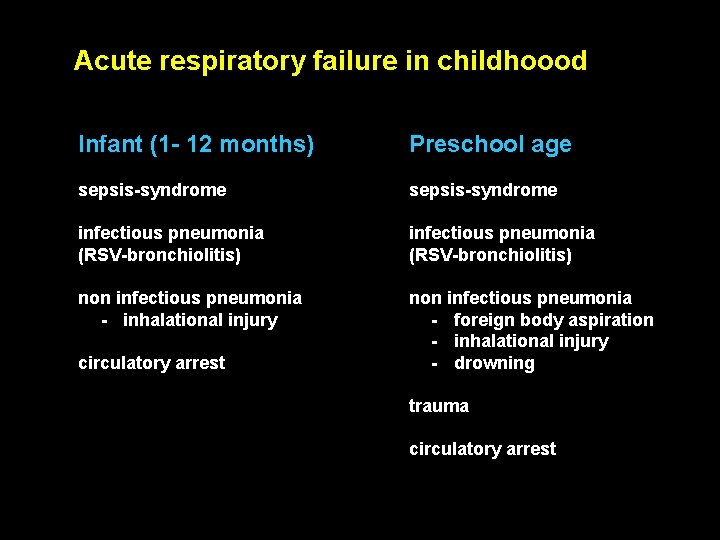
Acute respiratory failure in childhoood Infant (1 - 12 months) Preschool age sepsis-syndrome infectious pneumonia (RSV-bronchiolitis) non infectious pneumonia - inhalational injury non infectious pneumonia - foreign body aspiration - inhalational injury - drowning circulatory arrest trauma circulatory arrest
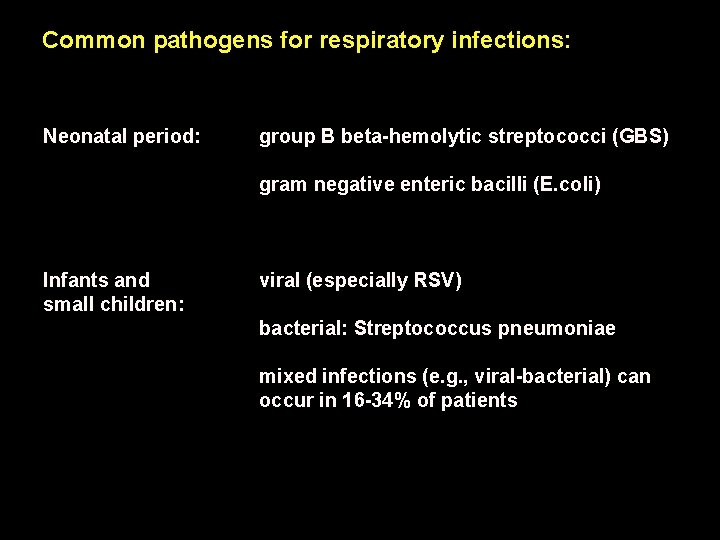
Common pathogens for respiratory infections: Neonatal period: group B beta-hemolytic streptococci (GBS) gram negative enteric bacilli (E. coli) Infants and small children: viral (especially RSV) bacterial: Streptococcus pneumoniae mixed infections (e. g. , viral-bacterial) can occur in 16 -34% of patients
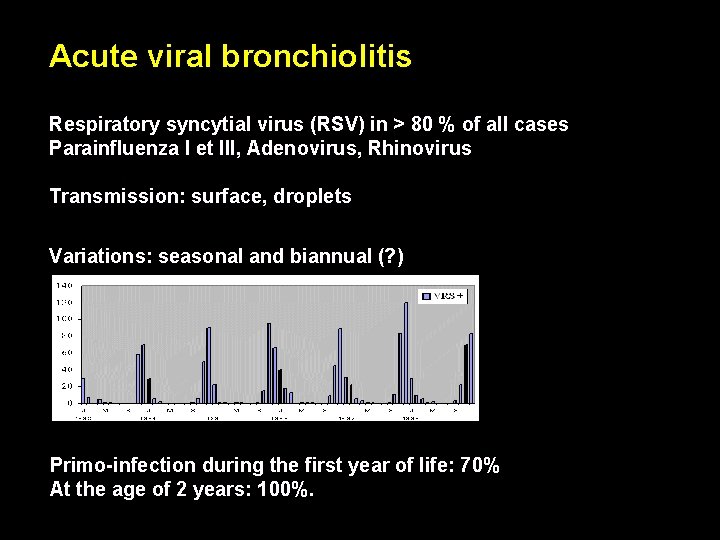
Acute viral bronchiolitis Respiratory syncytial virus (RSV) in > 80 % of all cases Parainfluenza I et III, Adenovirus, Rhinovirus Transmission: surface, droplets Variations: seasonal and biannual (? ) Primo-infection during the first year of life: 70% At the age of 2 years: 100%.
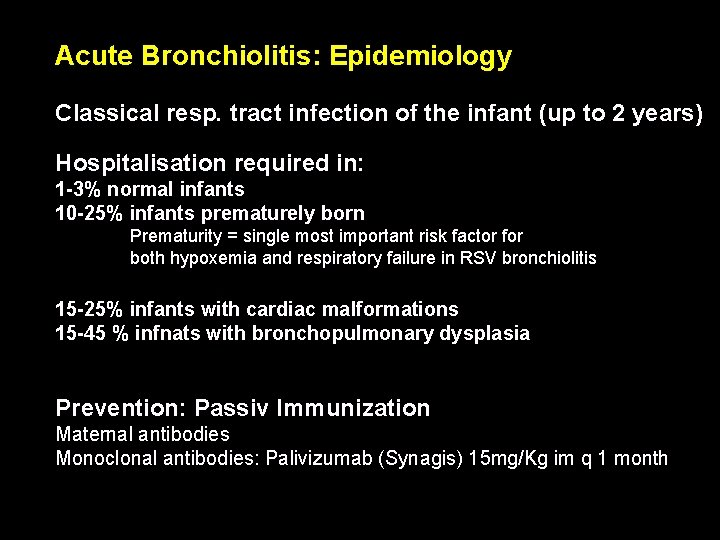
Acute Bronchiolitis: Epidemiology Classical resp. tract infection of the infant (up to 2 years) Hospitalisation required in: 1 -3% normal infants 10 -25% infants prematurely born Prematurity = single most important risk factor for both hypoxemia and respiratory failure in RSV bronchiolitis 15 -25% infants with cardiac malformations 15 -45 % infnats with bronchopulmonary dysplasia Prevention: Passiv Immunization Maternal antibodies Monoclonal antibodies: Palivizumab (Synagis) 15 mg/Kg im q 1 month
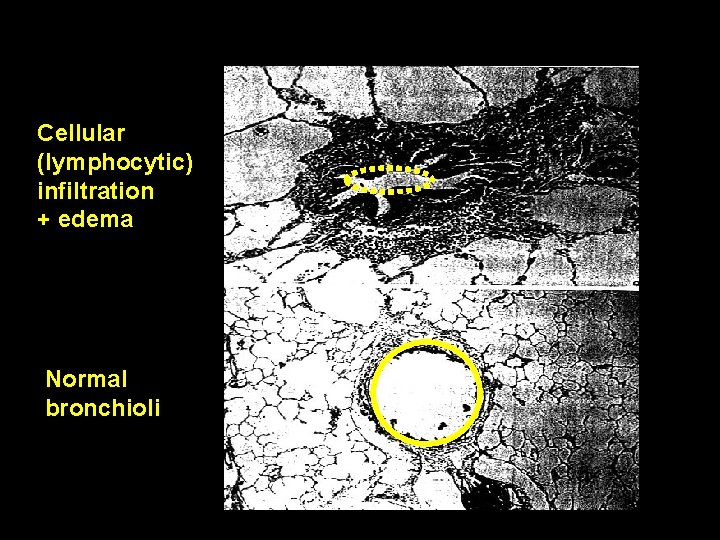
Cellular (lymphocytic) infiltration + edema Normal bronchioli
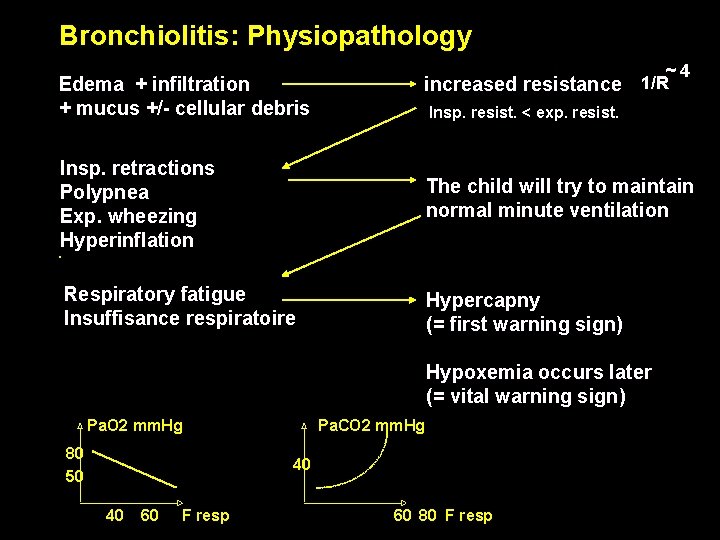
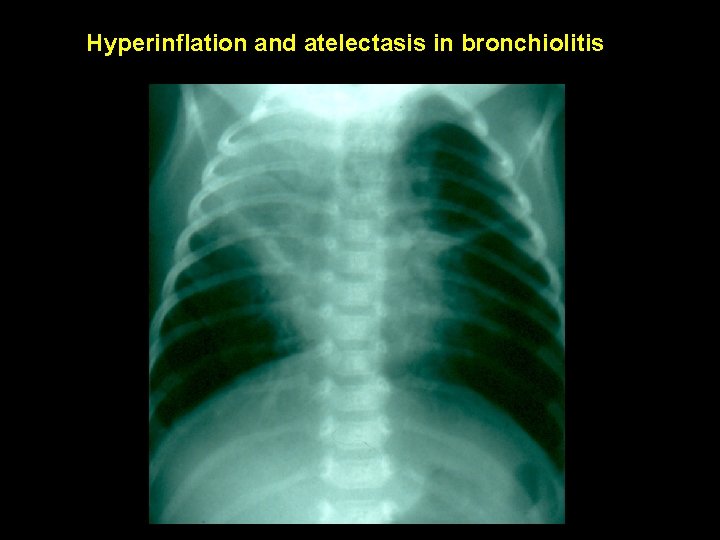
Bronchiolitis: Physiopathology Edema + infiltration + mucus +/- cellular debris ~ 4 1/R increased resistance Insp. resist. < exp. resist. Insp. retractions Polypnea Exp. wheezing Hyperinflation · The child will try to maintain normal minute ventilation Respiratory fatigue Insuffisance respiratoire Hypercapny (= first warning sign) Hypoxemia occurs later (= vital warning sign) Pa. O 2 mm. Hg 80 50 Pa. CO 2 mm. Hg 40 6 0 40 F resp 60 80 F resp
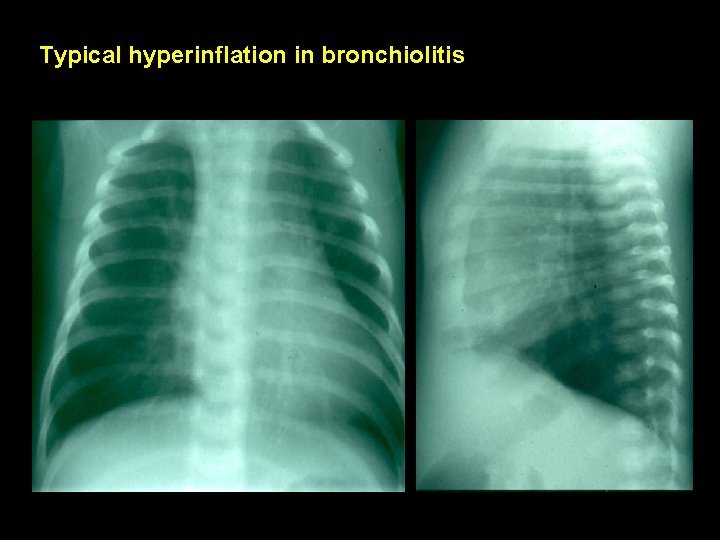
Typical hyperinflation in bronchiolitis
Hyperinflation and atelectasis in bronchiolitis
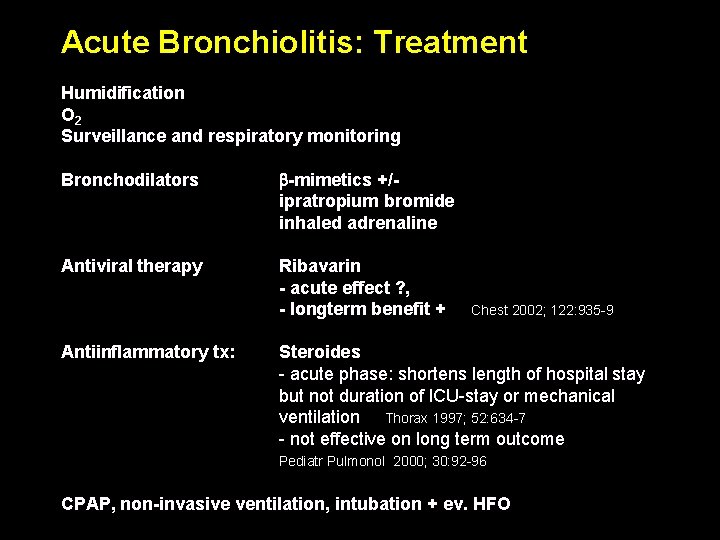
Acute Bronchiolitis: Treatment Humidification O 2 Surveillance and respiratory monitoring Bronchodilators b-mimetics +/ipratropium bromide inhaled adrenaline Antiviral therapy Ribavarin - acute effect ? , - longterm benefit + Chest 2002; 122: 935 -9 Antiinflammatory tx: Steroides - acute phase: shortens length of hospital stay but not duration of ICU-stay or mechanical ventilation Thorax 1997; 52: 634 -7 - not effective on long term outcome Pediatr Pulmonol 2000; 30: 92 -96 CPAP, non-invasive ventilation, intubation + ev. HFO
1) Typical features of neonatal and pediatric lung disease 2) Pediatric mechanical ventilation: Anything special to know? 3) Conventional vs high frequency ventilation
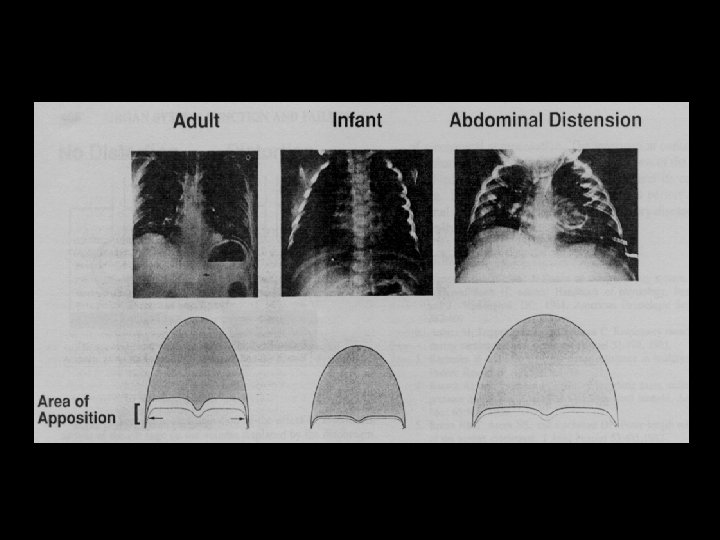
From the newborn to the adult: Physiology Chest wall compliance FRC Elastic Recoil Rib cage distortion Pleural pressure distortion
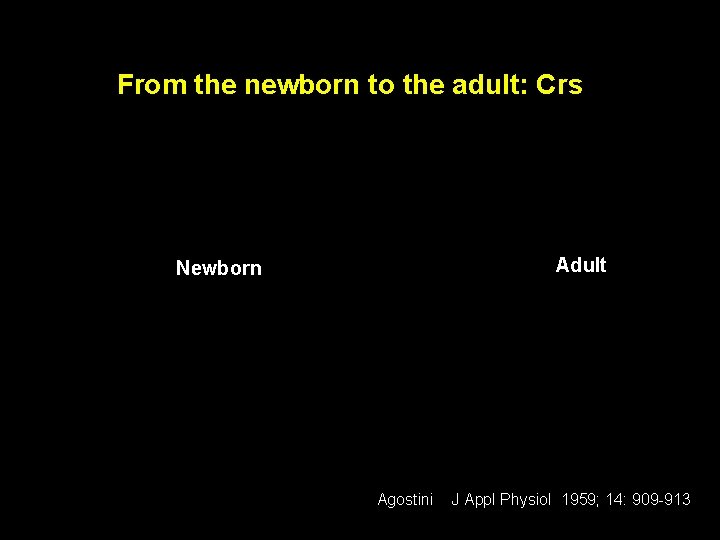
From the newborn to the adult: Crs chest wall Adult Newborn lung Agostini J Appl Physiol 1959; 14: 909 -913
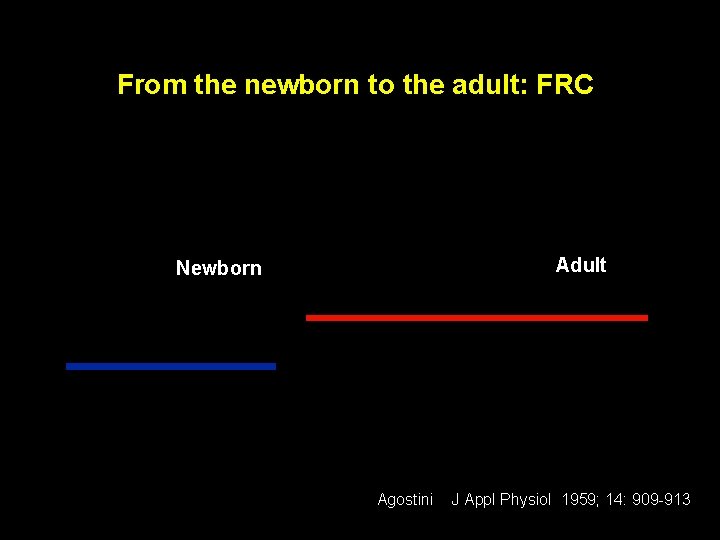
From the newborn to the adult: FRC chest wall Adult Newborn lung Agostini J Appl Physiol 1959; 14: 909 -913
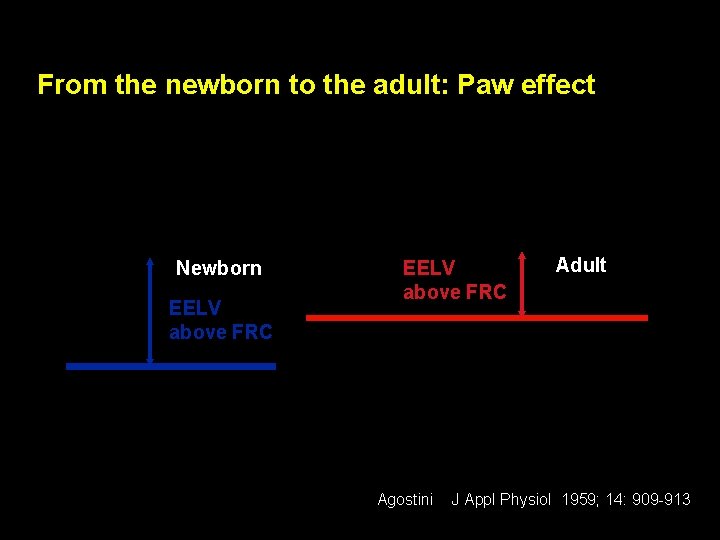
To maintain a reasonable EELV the neonate closes his glottis at the end of expiration (to avoid lung unit closure) Therefore: An intubated neonate or infant is always ventilated with PEEP
From the newborn to the adult: Paw effect chest wall Newborn EELV above FRC Adult lung Agostini J Appl Physiol 1959; 14: 909 -913
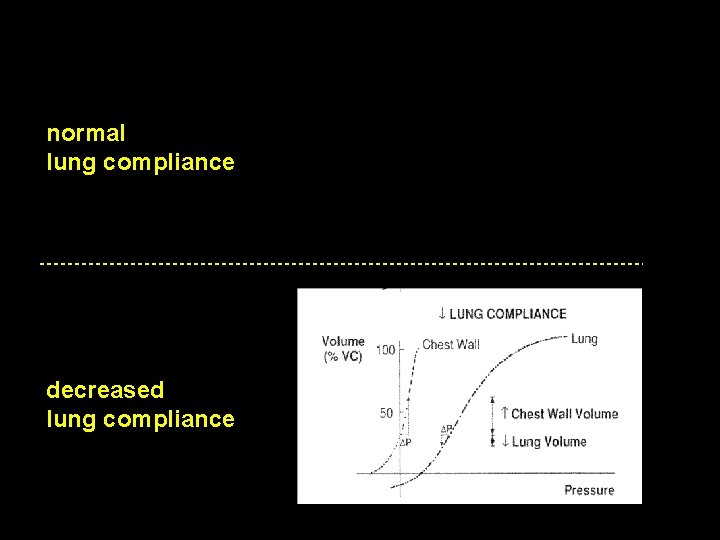
normal lung compliance decreased lung compliance
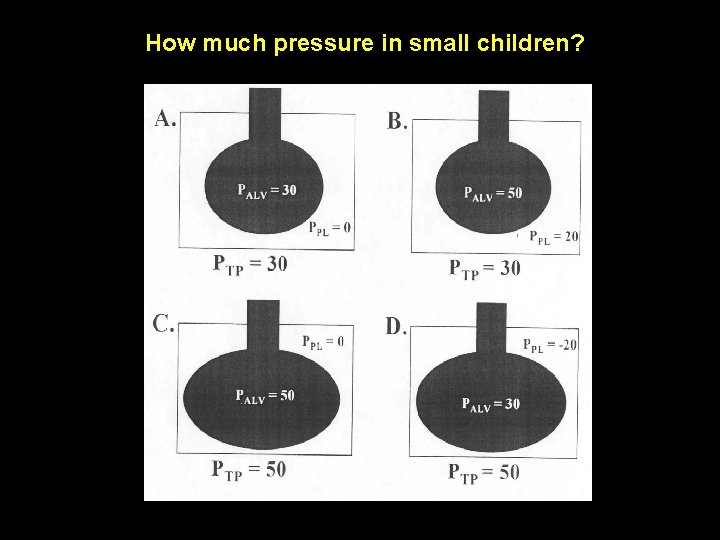
How much pressure in small children?
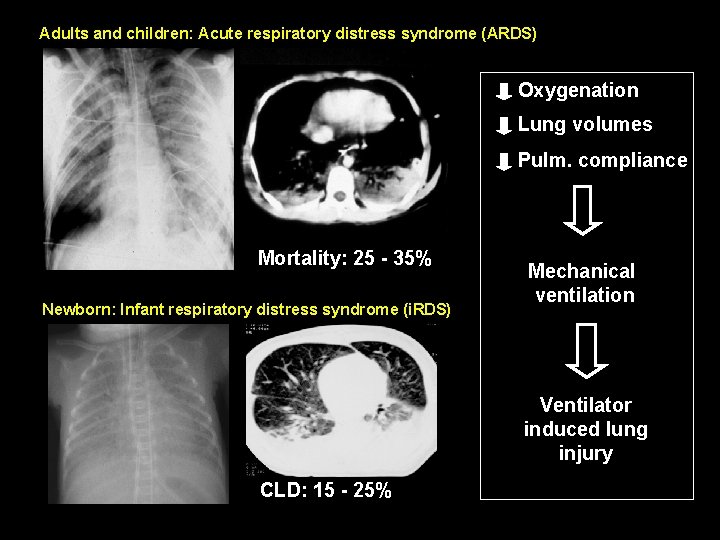
Adults and children: Acute respiratory distress syndrome (ARDS) Oxygenation Lung volumes Pulm. compliance Mortality: 25 - 35% Newborn: Infant respiratory distress syndrome (i. RDS) Mechanical ventilation Ventilator induced lung injury CLD: 15 - 25%
Volume (l) Allowable Vt and disease severity Normal lung ALI (surfactant depleted lung) severe (A)RDS Airway pressure (cm. H 2 O)
1) Typical features of neonatal and pediatric lung disease 2) Pediatric mechanical ventilation: Anything special to know? 3) Conventional vs high frequency ventilation
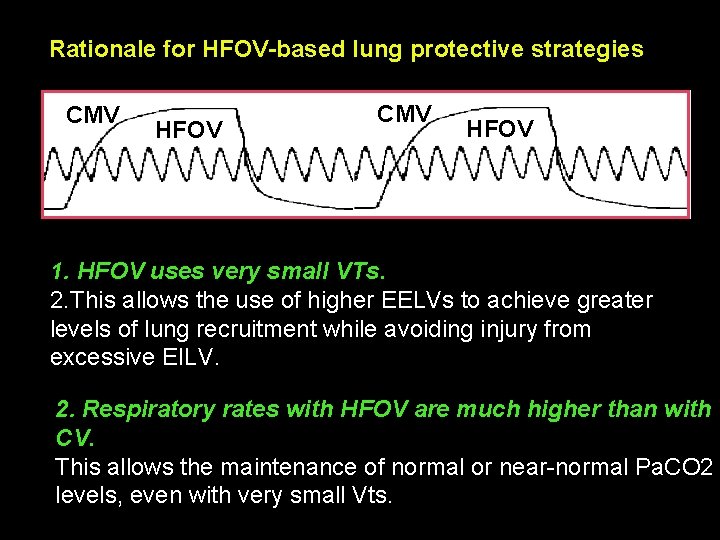
Rationale for HFOV-based lung protective strategies CMV HFOV 1. HFOV uses very small VTs. 2. This allows the use of higher EELVs to achieve greater levels of lung recruitment while avoiding injury from excessive EILV. 2. Respiratory rates with HFOV are much higher than with CV. This allows the maintenance of normal or near-normal Pa. CO 2 levels, even with very small Vts.
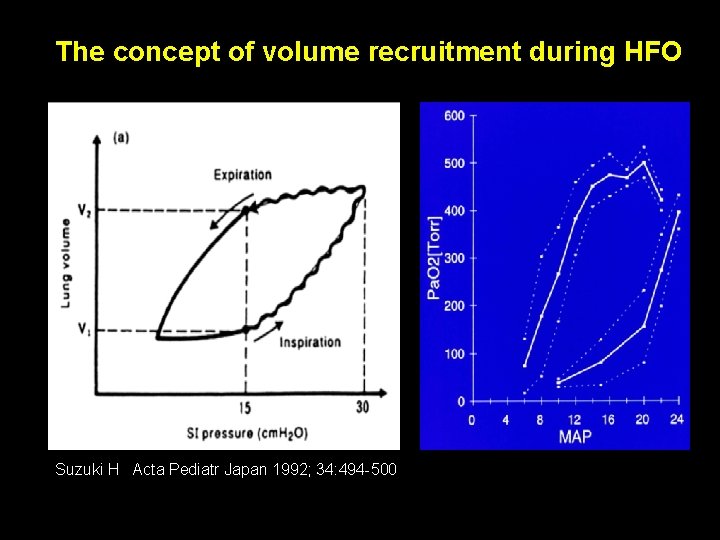
The concept of volume recruitment during HFO Suzuki H Acta Pediatr Japan 1992; 34: 494 -500
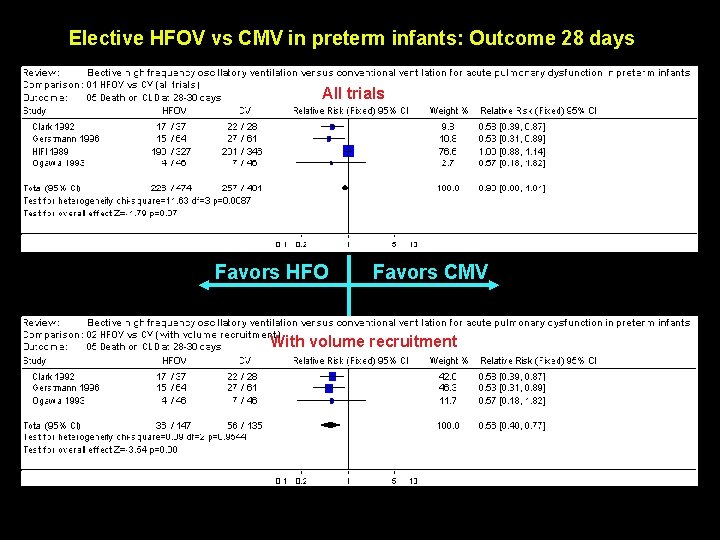
Elective HFOV vs CMV in preterm infants: Outcome 28 days All trials Favors HFO Favors CMV With volume recruitment
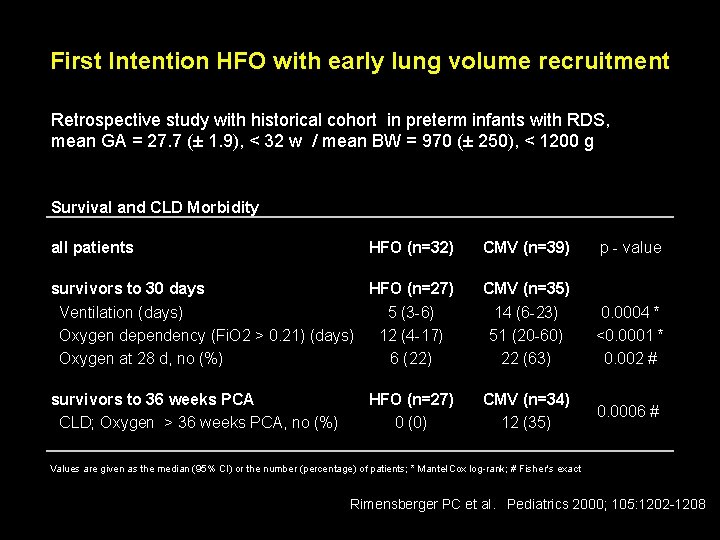
First Intention HFO with early lung volume recruitment Retrospective study with historical cohort in preterm infants with RDS, mean GA = 27. 7 (± 1. 9), < 32 w / mean BW = 970 (± 250), < 1200 g Survival and CLD Morbidity all patients HFO (n=32) CMV (n=39) p - value survivors to 30 days HFO (n=27) Ventilation (days) 5 (3 -6) Oxygen dependency (Fi. O 2 > 0. 21) (days) 12 (4 -17) Oxygen at 28 d, no (%) 6 (22) CMV (n=35) 14 (6 -23) 51 (20 -60) 22 (63) 0. 0004 * <0. 0001 * 0. 002 # survivors to 36 weeks PCA CLD; Oxygen > 36 weeks PCA, no (%) CMV (n=34) 12 (35) HFO (n=27) 0 (0) 0. 0006 # Values are given as the median (95% CI) or the number (percentage) of patients; * Mantel-Cox log-rank; # Fisher's exact Rimensberger PC et al. Pediatrics 2000; 105: 1202 -1208
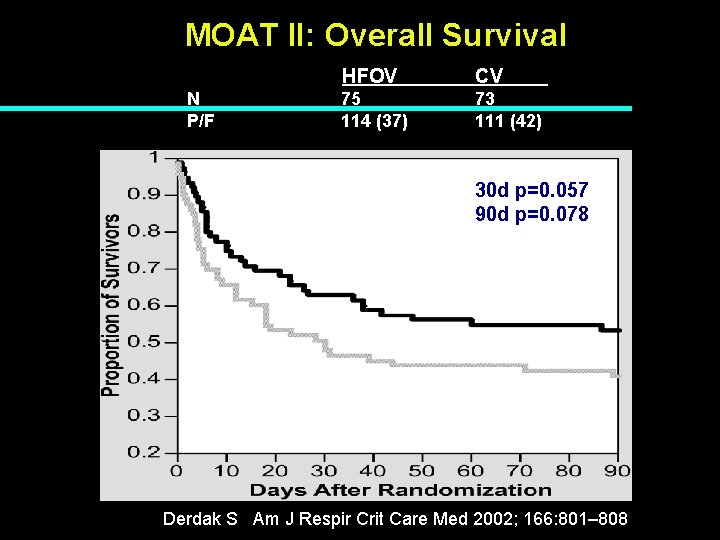
MOAT II: Overall Survival HFOV N P/F 75 114 (37) CV 73 111 (42) 30 d p=0. 057 90 d p=0. 078 HFOV CV Derdak S Am J Respir Crit Care Med 2002; 166: 801– 808
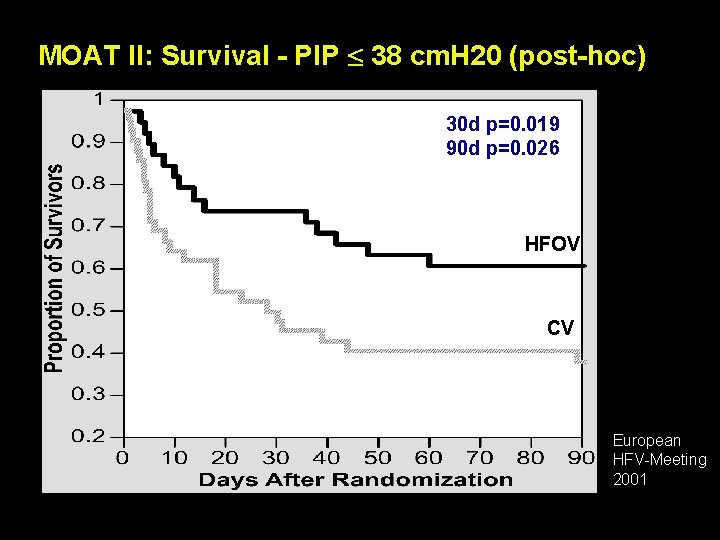
MOAT II: Survival - PIP 38 cm. H 20 (post-hoc) 30 d p=0. 019 90 d p=0. 026 HFOV CV European HFV-Meeting 2001
Conclusions Although there exist some special respiratory pathologies in early childhood, treatment concepts are not to much different from the one in adult patients. However, it is important to recognize early signs of respiratory distress in infants and small children, because this patients are at high risk for a sudden cardiac arrest.