
LOW MOLECULAR HEPARIN IN ASSISTED REPRODUCTION HRVOJE VRI
- Slides: 32
LOW MOLECULAR HEPARIN IN ASSISTED REPRODUCTION HRVOJE VRČIĆ, MARINA ŠPREM GOLDŠTAJN I ANA BOBAN
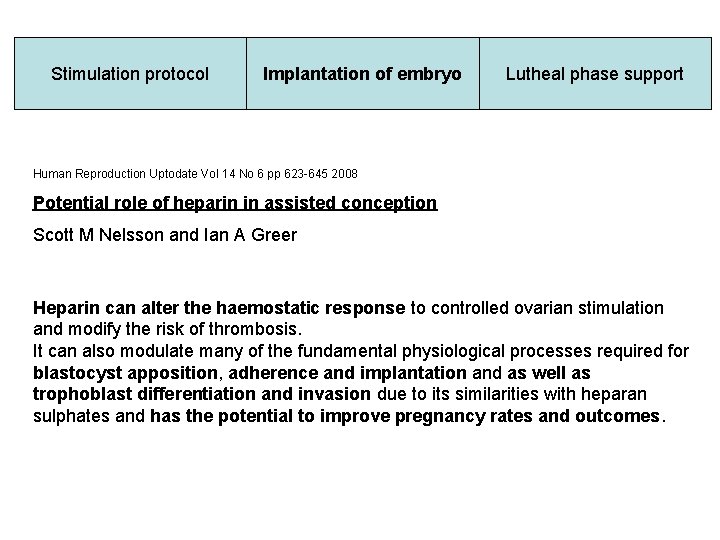
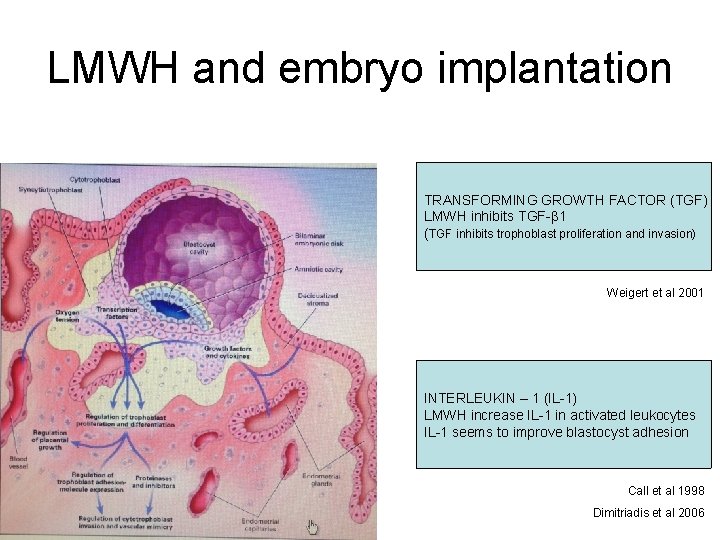
Stimulation protocol Implantation of embryo Lutheal phase support Human Reproduction Uptodate Vol 14 No 6 pp 623 -645 2008 Potential role of heparin in assisted conception Scott M Nelsson and Ian A Greer Heparin can alter the haemostatic response to controlled ovarian stimulation and modify the risk of thrombosis. It can also modulate many of the fundamental physiological processes required for blastocyst apposition, adherence and implantation and as well as trophoblast differentiation and invasion due to its similarities with heparan sulphates and has the potential to improve pregnancy rates and outcomes.
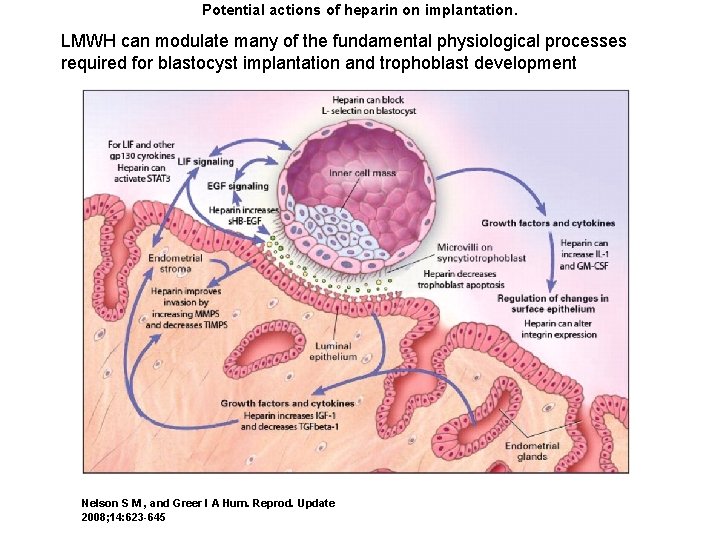
Potential actions of heparin on implantation. LMWH can modulate many of the fundamental physiological processes required for blastocyst implantation and trophoblast development Nelson S M , and Greer I A Hum. Reprod. Update 2008; 14: 623 -645
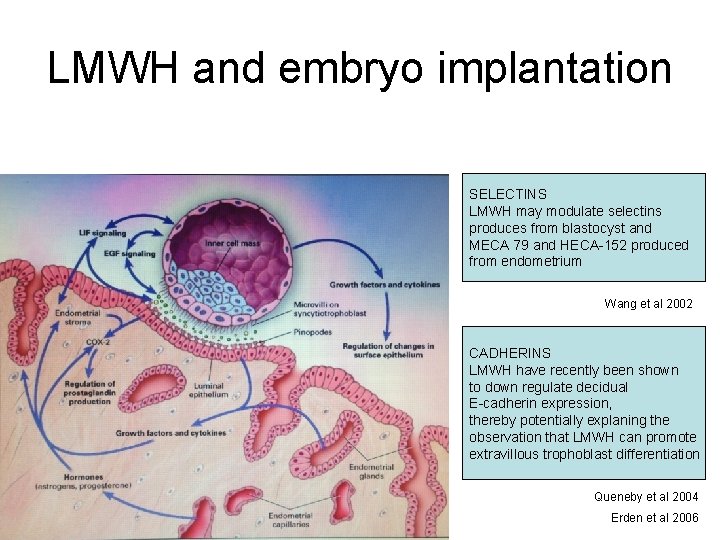
LMWH and embryo implantation SELECTINS LMWH may modulate selectins produces from blastocyst and MECA 79 and HECA-152 produced from endometrium Wang et al 2002 CADHERINS LMWH have recently been shown to down regulate decidual E-cadherin expression, thereby potentially explaning the observation that LMWH can promote extravillous trophoblast differentiation Queneby et al 2004 Erden et al 2006
LMWH and embryo implantation TRANSFORMING GROWTH FACTOR (TGF) LMWH inhibits TGF-β 1 (TGF inhibits trophoblast proliferation and invasion) Weigert et al 2001 INTERLEUKIN – 1 (IL-1) LMWH increase IL-1 in activated leukocytes IL-1 seems to improve blastocyst adhesion Call et al 1998 Dimitriadis et al 2006
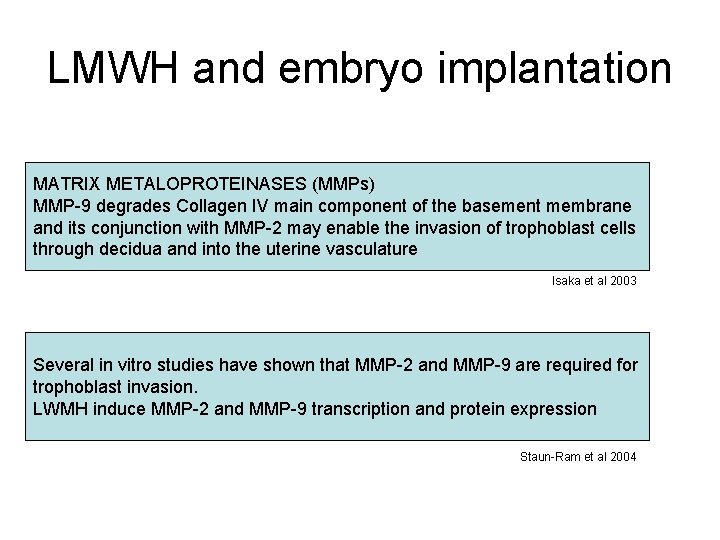
LMWH and embryo implantation MATRIX METALOPROTEINASES (MMPs) MMP-9 degrades Collagen IV main component of the basement membrane and its conjunction with MMP-2 may enable the invasion of trophoblast cells through decidua and into the uterine vasculature Isaka et al 2003 Several in vitro studies have shown that MMP-2 and MMP-9 are required for trophoblast invasion. LWMH induce MMP-2 and MMP-9 transcription and protein expression Staun-Ram et al 2004
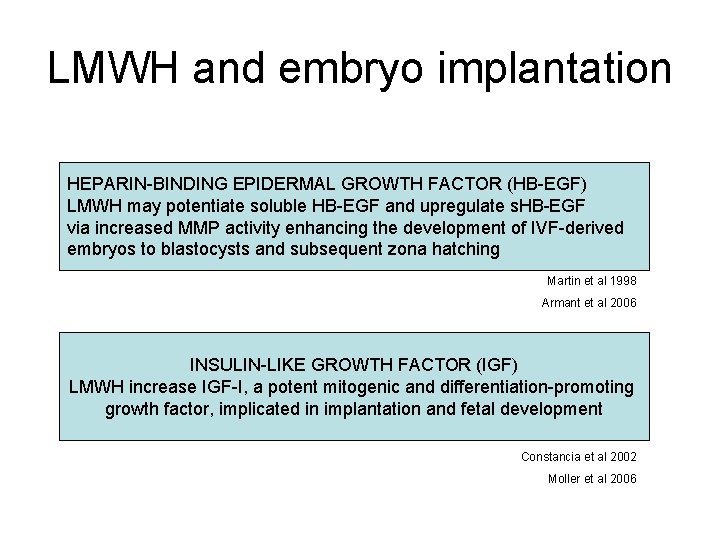
LMWH and embryo implantation HEPARIN-BINDING EPIDERMAL GROWTH FACTOR (HB-EGF) LMWH may potentiate soluble HB-EGF and upregulate s. HB-EGF via increased MMP activity enhancing the development of IVF-derived embryos to blastocysts and subsequent zona hatching Martin et al 1998 Armant et al 2006 INSULIN-LIKE GROWTH FACTOR (IGF) LMWH increase IGF-I, a potent mitogenic and differentiation-promoting growth factor, implicated in implantation and fetal development Constancia et al 2002 Moller et al 2006
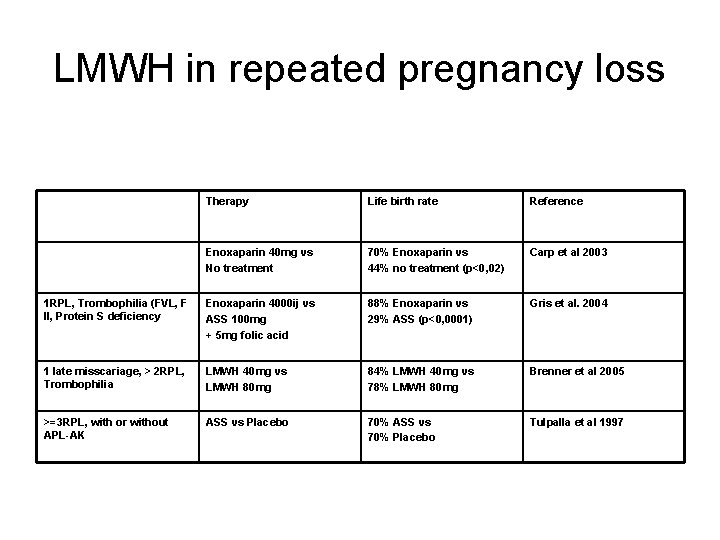
LMWH in repeated pregnancy loss Therapy Life birth rate Reference Enoxaparin 40 mg vs No treatment 70% Enoxaparin vs 44% no treatment (p<0, 02) Carp et al 2003 1 RPL, Trombophilia (FVL, F II, Protein S deficiency Enoxaparin 4000 ij vs ASS 100 mg + 5 mg folic acid 88% Enoxaparin vs 29% ASS (p<0, 0001) Gris et al. 2004 1 late misscariage, > 2 RPL, Trombophilia LMWH 40 mg vs LMWH 80 mg 84% LMWH 40 mg vs 78% LMWH 80 mg Brenner et al 2005 >=3 RPL, with or without APL-AK ASS vs Placebo 70% ASS vs 70% Placebo Tulpalla et al 1997
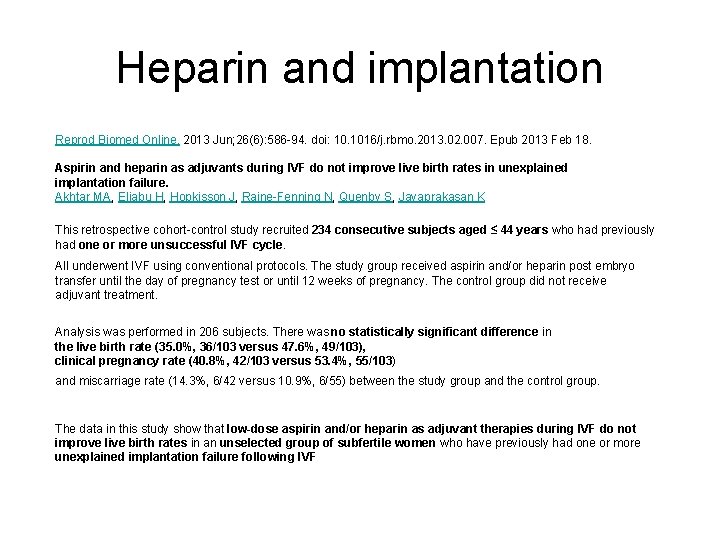
Heparin and implantation Reprod Biomed Online. 2013 Jun; 26(6): 586 -94. doi: 10. 1016/j. rbmo. 2013. 02. 007. Epub 2013 Feb 18. Aspirin and heparin as adjuvants during IVF do not improve live birth rates in unexplained implantation failure. Akhtar MA, Eljabu H, Hopkisson J, Raine-Fenning N, Quenby S, Jayaprakasan K This retrospective cohort-control study recruited 234 consecutive subjects aged ≤ 44 years who had previously had one or more unsuccessful IVF cycle. All underwent IVF using conventional protocols. The study group received aspirin and/or heparin post embryo transfer until the day of pregnancy test or until 12 weeks of pregnancy. The control group did not receive adjuvant treatment. Analysis was performed in 206 subjects. There was no statistically significant difference in the live birth rate (35. 0%, 36/103 versus 47. 6%, 49/103), clinical pregnancy rate (40. 8%, 42/103 versus 53. 4%, 55/103) and miscarriage rate (14. 3%, 6/42 versus 10. 9%, 6/55) between the study group and the control group. The data in this study show that low-dose aspirin and/or heparin as adjuvant therapies during IVF do not improve live birth rates in an unselected group of subfertile women who have previously had one or more unexplained implantation failure following IVF
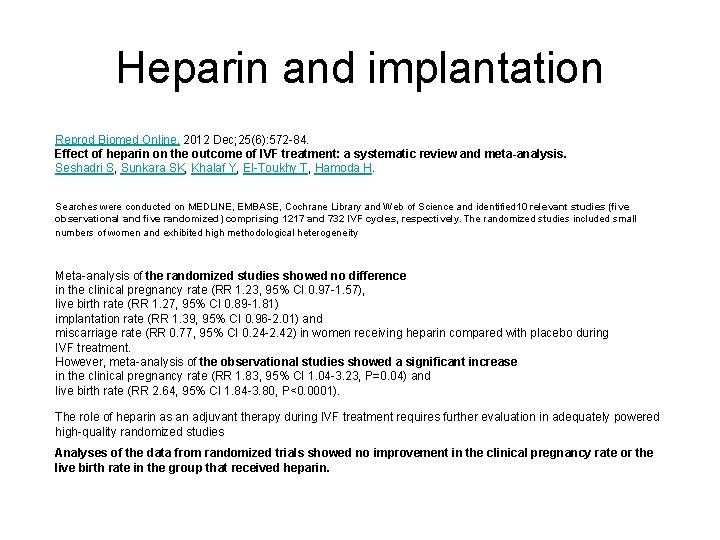
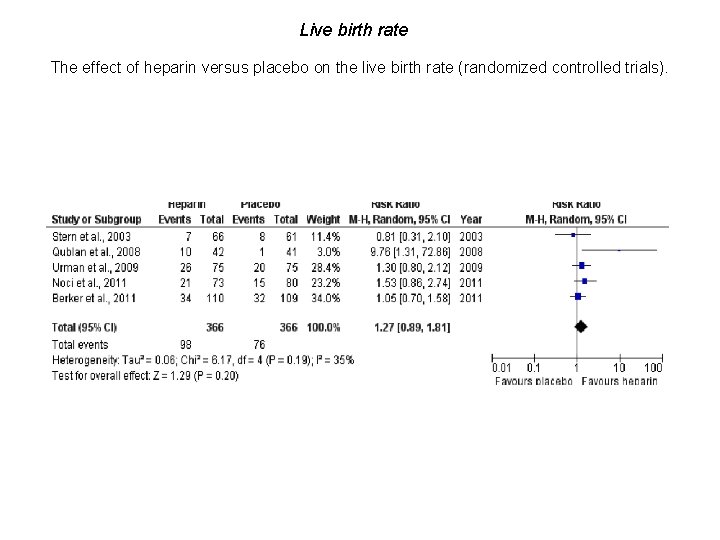
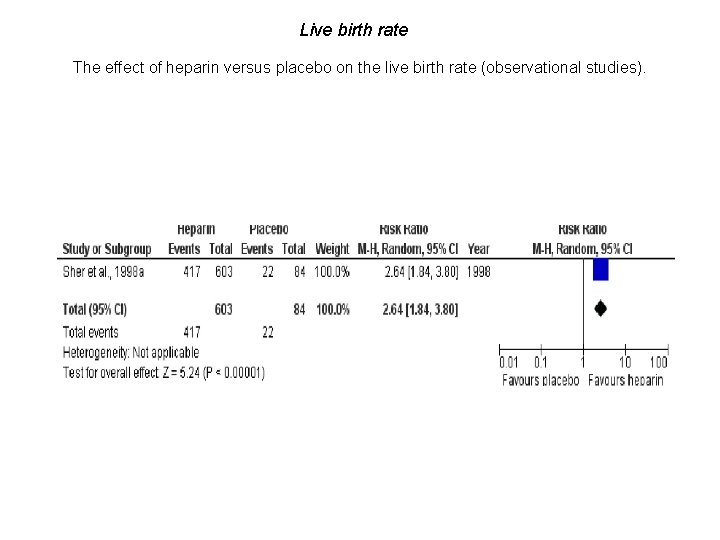
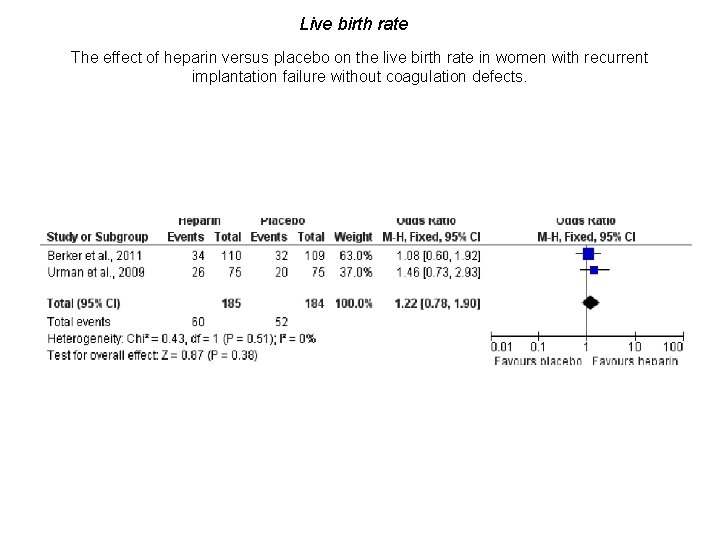
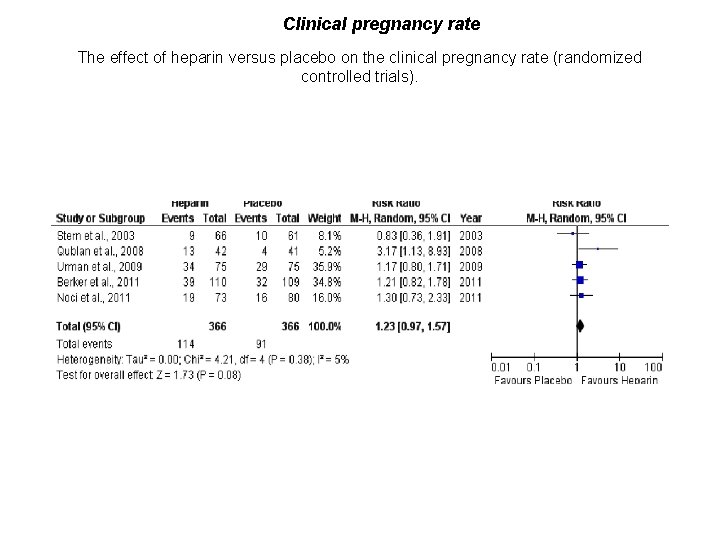
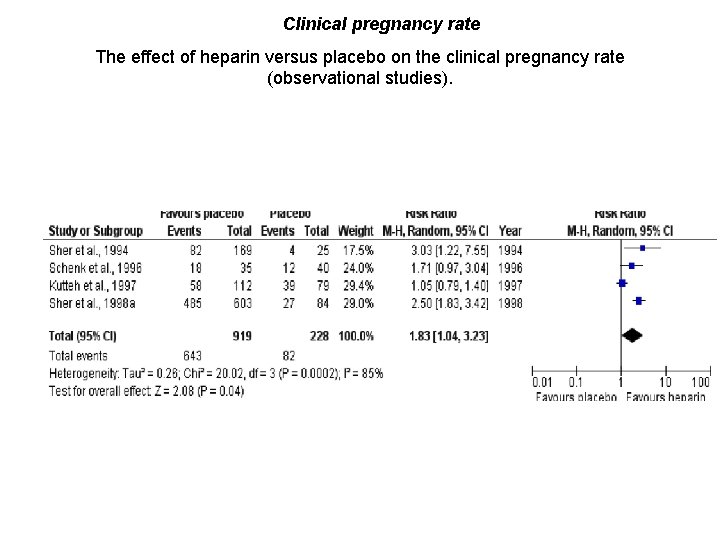
Heparin and implantation Reprod Biomed Online. 2012 Dec; 25(6): 572 -84. Effect of heparin on the outcome of IVF treatment: a systematic review and meta-analysis. Seshadri S, Sunkara SK, Khalaf Y, El-Toukhy T, Hamoda H. Searches were conducted on MEDLINE, EMBASE, Cochrane Library and Web of Science and identified 10 relevant studies (five observational and five randomized) comprising 1217 and 732 IVF cycles, respectively. The randomized studies included small numbers of women and exhibited high methodological heterogeneity Meta-analysis of the randomized studies showed no difference in the clinical pregnancy rate (RR 1. 23, 95% CI 0. 97 -1. 57), live birth rate (RR 1. 27, 95% CI 0. 89 -1. 81) implantation rate (RR 1. 39, 95% CI 0. 96 -2. 01) and miscarriage rate (RR 0. 77, 95% CI 0. 24 -2. 42) in women receiving heparin compared with placebo during IVF treatment. However, meta-analysis of the observational studies showed a significant increase in the clinical pregnancy rate (RR 1. 83, 95% CI 1. 04 -3. 23, P=0. 04) and live birth rate (RR 2. 64, 95% CI 1. 84 -3. 80, P<0. 0001). The role of heparin as an adjuvant therapy during IVF treatment requires further evaluation in adequately powered high-quality randomized studies Analyses of the data from randomized trials showed no improvement in the clinical pregnancy rate or the live birth rate in the group that received heparin.
Figure 3 Live birth rate The effect of heparin versus placebo on the live birth rate (randomized controlled trials).
Figure 4 Live birth rate The effect of heparin versus placebo on the live birth rate (observational studies).
Figure 5 Live birth rate The effect of heparin versus placebo on the live birth rate in women with recurrent implantation failure without coagulation defects.
Figure 6 Clinical pregnancy rate The effect of heparin versus placebo on the clinical pregnancy rate (randomized controlled trials).
Figure 7 Clinical pregnancy rate The effect of heparin versus placebo on the clinical pregnancy rate (observational studies).
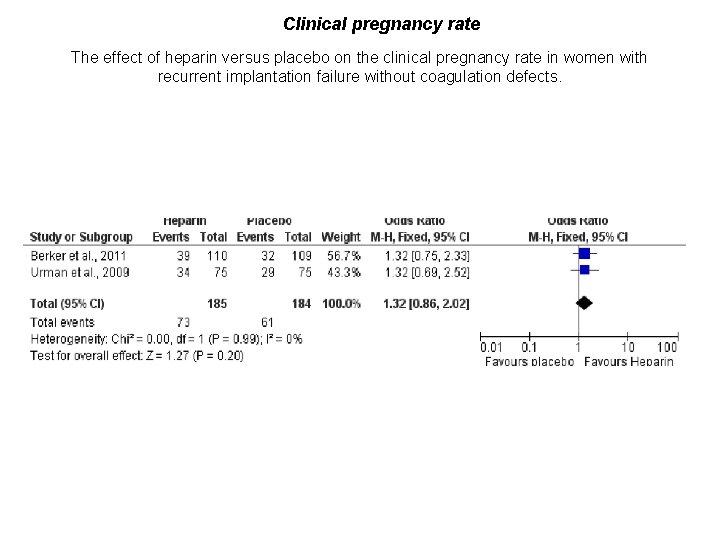
Figure 8 Clinical pregnancy rate The effect of heparin versus placebo on the clinical pregnancy rate in women with recurrent implantation failure without coagulation defects.
Conclusion In conclusion, this systematic review demonstrates that the role of adjuvant heparin therapy during IVF has not been adequately evaluated by current literature. On the basis of published literature, the group of patients who could benefit from heparin therapy could not be identified with certainty. Specifically, the role of heparin in subfertile women with known thrombophilia and those with unexplained recurrent IVF implantation failure warrants further evaluation with adequately
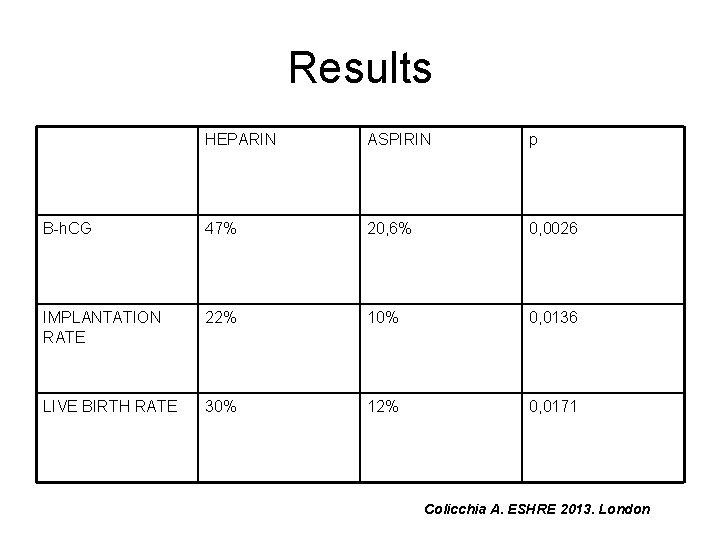
LMWH vs Cardioaspirin in embryo implantation in women undergoing IVF without inherited trombophilia: randomized pilot study Antonio Colicchia Center of Reproductive Medicine S Anna Rome, Italy ESHRE 2013, London
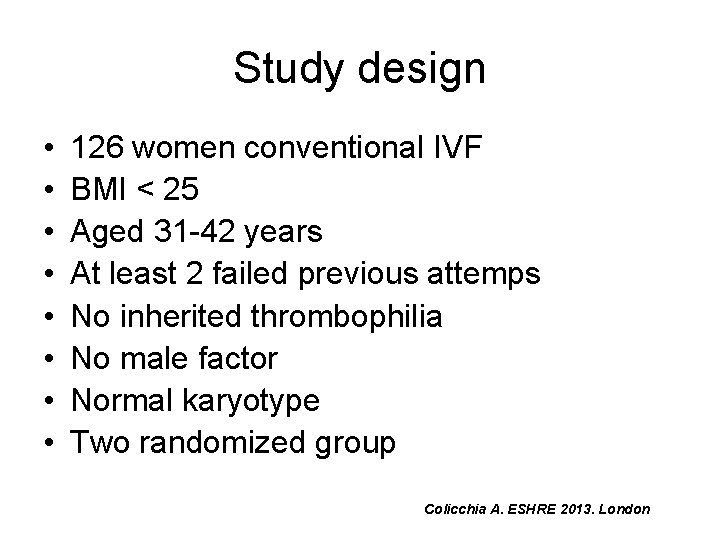
Study design • • 126 women conventional IVF BMI < 25 Aged 31 -42 years At least 2 failed previous attemps No inherited thrombophilia No male factor Normal karyotype Two randomized group Colicchia A. ESHRE 2013. London
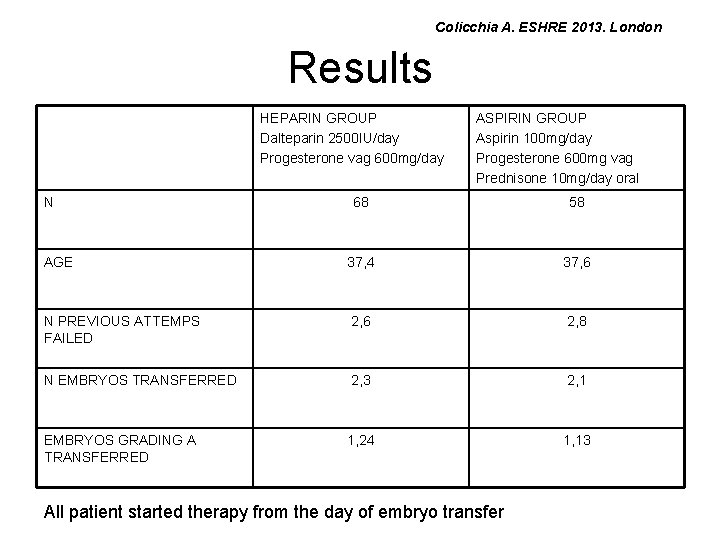
Colicchia A. ESHRE 2013. London Results HEPARIN GROUP Dalteparin 2500 IU/day Progesterone vag 600 mg/day N ASPIRIN GROUP Aspirin 100 mg/day Progesterone 600 mg vag Prednisone 10 mg/day oral 68 58 AGE 37, 4 37, 6 N PREVIOUS ATTEMPS FAILED 2, 6 2, 8 N EMBRYOS TRANSFERRED 2, 3 2, 1 EMBRYOS GRADING A TRANSFERRED 1, 24 1, 13 All patient started therapy from the day of embryo transfer
Results HEPARIN ASPIRIN p Β-h. CG 47% 20, 6% 0, 0026 IMPLANTATION RATE 22% 10% 0, 0136 LIVE BIRTH RATE 30% 12% 0, 0171 Colicchia A. ESHRE 2013. London
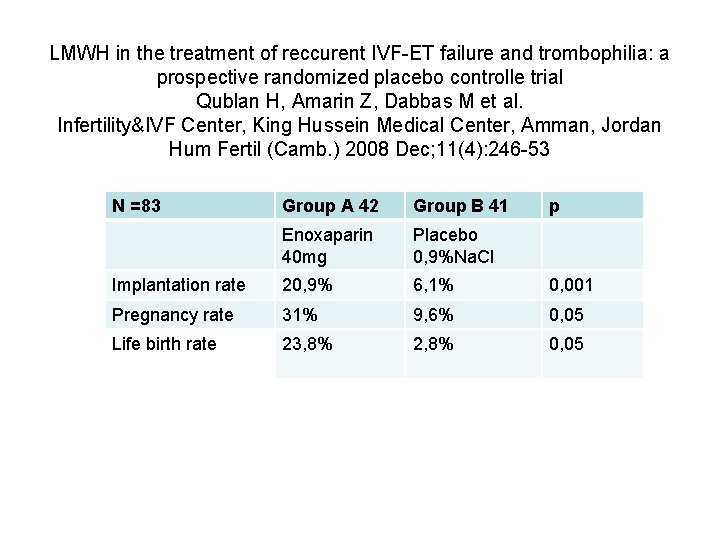
LMWH in the treatment of reccurent IVF-ET failure and trombophilia: a prospective randomized placebo controlle trial Qublan H, Amarin Z, Dabbas M et al. Infertility&IVF Center, King Hussein Medical Center, Amman, Jordan Hum Fertil (Camb. ) 2008 Dec; 11(4): 246 -53 N =83 Group A 42 Group B 41 p Enoxaparin 40 mg Placebo 0, 9%Na. Cl Implantation rate 20, 9% 6, 1% 0, 001 Pregnancy rate 31% 9, 6% 0, 05 Life birth rate 23, 8% 2, 8% 0, 05
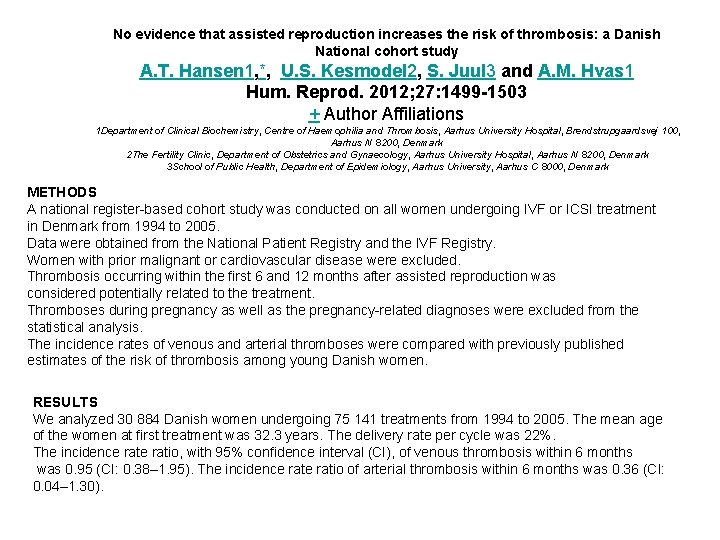
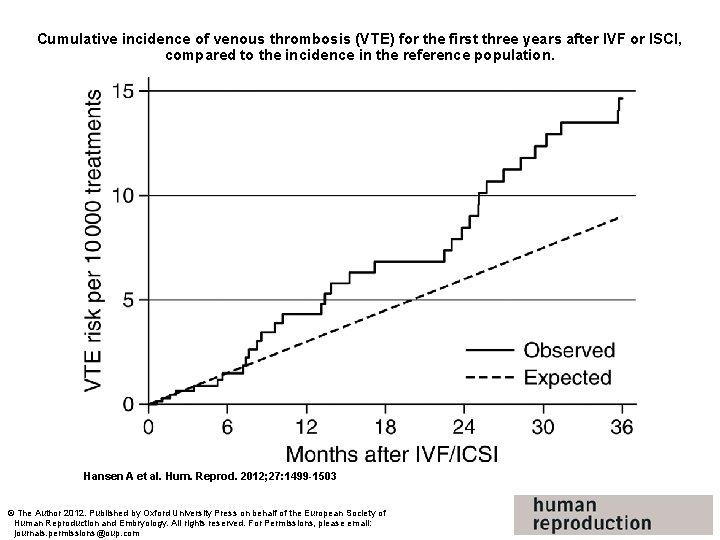
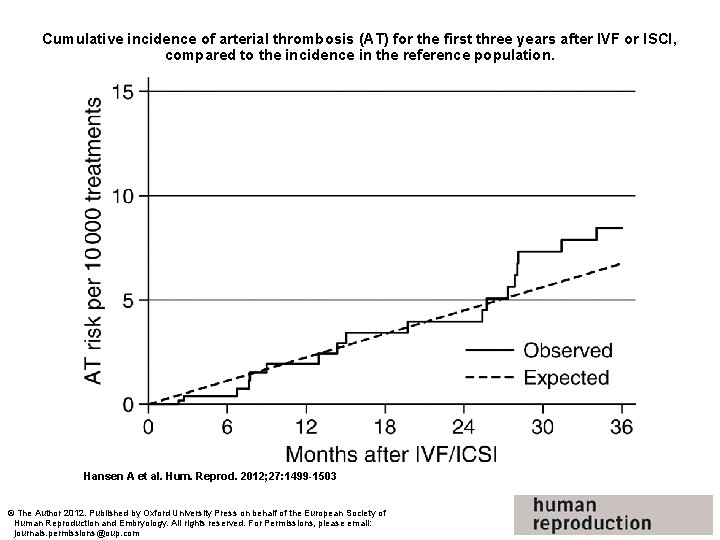
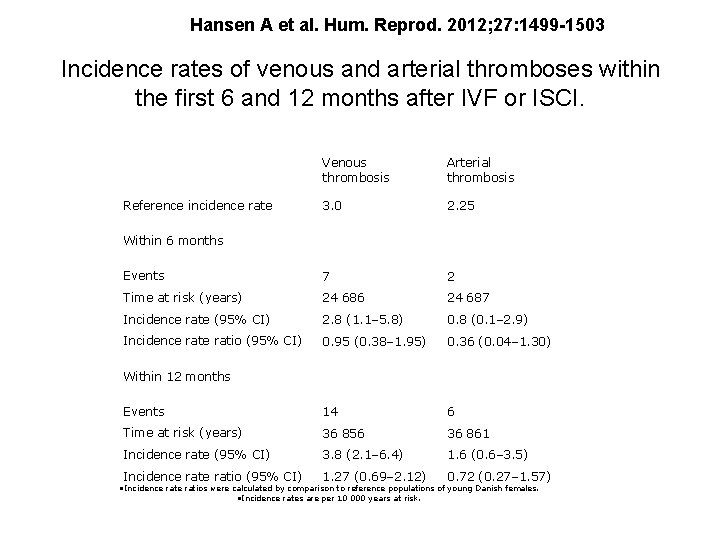
No evidence that assisted reproduction increases the risk of thrombosis: a Danish National cohort study A. T. Hansen 1, *, U. S. Kesmodel 2, S. Juul 3 and A. M. Hvas 1 Hum. Reprod. 2012; 27: 1499 -1503 + Author Affiliations 1 Department of Clinical Biochemistry, Centre of Haemophilia and Thrombosis, Aarhus University Hospital, Brendstrupgaardsvej 100, Aarhus N 8200, Denmark 2 The Fertility Clinic, Department of Obstetrics and Gynaecology, Aarhus University Hospital, Aarhus N 8200, Denmark 3 School of Public Health, Department of Epidemiology, Aarhus University, Aarhus C 8000, Denmark METHODS A national register-based cohort study was conducted on all women undergoing IVF or ICSI treatment in Denmark from 1994 to 2005. Data were obtained from the National Patient Registry and the IVF Registry. Women with prior malignant or cardiovascular disease were excluded. Thrombosis occurring within the first 6 and 12 months after assisted reproduction was considered potentially related to the treatment. Thromboses during pregnancy as well as the pregnancy-related diagnoses were excluded from the statistical analysis. The incidence rates of venous and arterial thromboses were compared with previously published estimates of the risk of thrombosis among young Danish women. RESULTS We analyzed 30 884 Danish women undergoing 75 141 treatments from 1994 to 2005. The mean age of the women at first treatment was 32. 3 years. The delivery rate per cycle was 22%. The incidence ratio, with 95% confidence interval (CI), of venous thrombosis within 6 months was 0. 95 (CI: 0. 38– 1. 95). The incidence ratio of arterial thrombosis within 6 months was 0. 36 (CI: 0. 04– 1. 30).
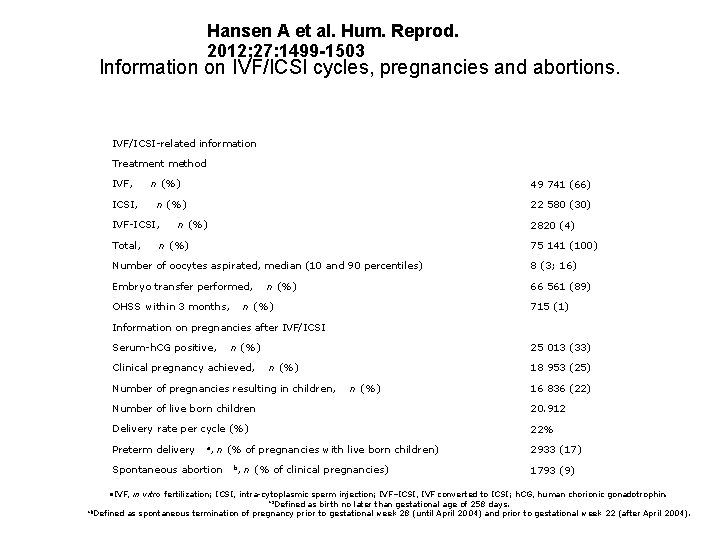
Hansen A et al. Hum. Reprod. 2012; 27: 1499 -1503 Information on IVF/ICSI cycles, pregnancies and abortions. IVF/ICSI-related information Treatment method IVF, n (%) 49 741 (66) ICSI, n (%) 22 580 (30) IVF-ICSI, n (%) 2820 (4) Total, n (%) 75 141 (100) Number of oocytes aspirated, median (10 and 90 percentiles) 8 (3; 16) Embryo transfer performed, n (%) 66 561 (89) OHSS within 3 months, n (%) 715 (1) Information on pregnancies after IVF/ICSI Serum-h. CG positive, n (%) 25 013 (33) Clinical pregnancy achieved, n (%) 18 953 (25) Number of pregnancies resulting in children, n (%) 16 836 (22) Number of live born children 20. 912 Delivery rate per cycle (%) 22% Preterm delivery a, n (% of pregnancies with live born children) 2933 (17) Spontaneous abortion b, n (% of clinical pregnancies) 1793 (9) • IVF, in vitro fertilization; ICSI, intra-cytoplasmic sperm injection; IVF–ICSI, IVF converted to ICSI; h. CG, human chorionic gonadotrophin. • b. Defined • a. Defined as birth no later than gestational age of 258 days. as spontaneous termination of pregnancy prior to gestational week 28 (until April 2004) and prior to gestational week 22 (after April 2004).
Cumulative incidence of venous thrombosis (VTE) for the first three years after IVF or ISCI, compared to the incidence in the reference population. Hansen A et al. Hum. Reprod. 2012; 27: 1499 -1503 © The Author 2012. Published by Oxford University Press on behalf of the European Society of Human Reproduction and Embryology. All rights reserved. For Permissions, please email: journals. permissions@oup. com
Cumulative incidence of arterial thrombosis (AT) for the first three years after IVF or ISCI, compared to the incidence in the reference population. Hansen A et al. Hum. Reprod. 2012; 27: 1499 -1503 © The Author 2012. Published by Oxford University Press on behalf of the European Society of Human Reproduction and Embryology. All rights reserved. For Permissions, please email: journals. permissions@oup. com
Hansen A et al. Hum. Reprod. 2012; 27: 1499 -1503 Incidence rates of venous and arterial thromboses within the first 6 and 12 months after IVF or ISCI. Venous thrombosis Arterial thrombosis 3. 0 2. 25 Events 7 2 Time at risk (years) 24 686 24 687 Incidence rate (95% CI) 2. 8 (1. 1– 5. 8) 0. 8 (0. 1– 2. 9) Reference incidence rate Within 6 months Incidence ratio (95% CI) 0. 95 (0. 38– 1. 95) 0. 36 (0. 04– 1. 30) Within 12 months Events 14 6 Time at risk (years) 36 856 36 861 Incidence rate (95% CI) 3. 8 (2. 1– 6. 4) 1. 6 (0. 6– 3. 5) Incidence ratio (95% CI) 1. 27 (0. 69– 2. 12) 0. 72 (0. 27– 1. 57) • Incidence ratios were calculated by comparison to reference populations of young Danish females. • Incidence rates are per 10 000 years at risk.
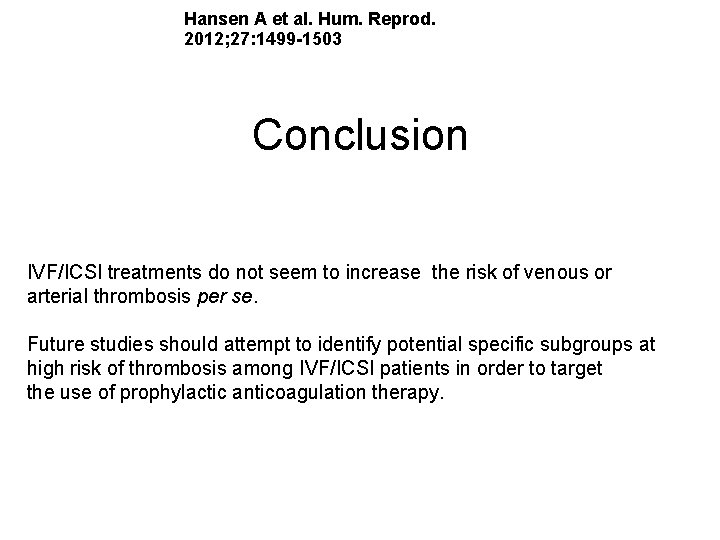
Hansen A et al. Hum. Reprod. 2012; 27: 1499 -1503 Conclusion IVF/ICSI treatments do not seem to increase the risk of venous or arterial thrombosis per se. Future studies should attempt to identify potential specific subgroups at high risk of thrombosis among IVF/ICSI patients in order to target the use of prophylactic anticoagulation therapy.
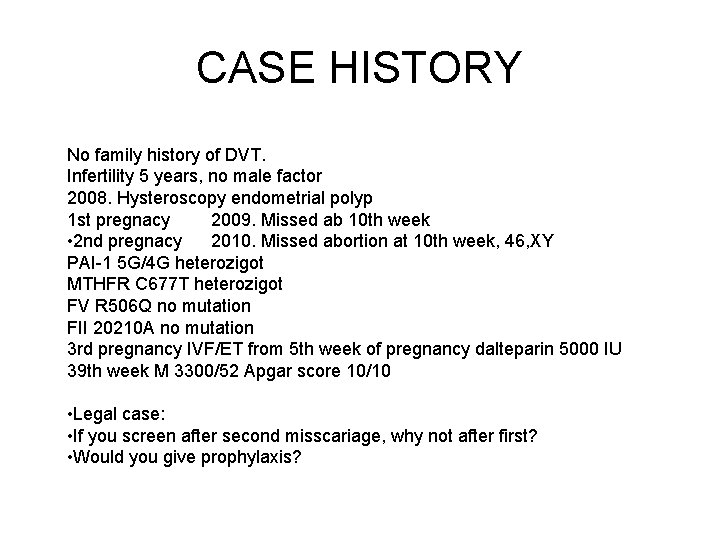
CASE HISTORY No family history of DVT. Infertility 5 years, no male factor 2008. Hysteroscopy endometrial polyp 1 st pregnacy 2009. Missed ab 10 th week • 2 nd pregnacy 2010. Missed abortion at 10 th week, 46, XY PAI-1 5 G/4 G heterozigot MTHFR C 677 T heterozigot FV R 506 Q no mutation FII 20210 A no mutation 3 rd pregnancy IVF/ET from 5 th week of pregnancy dalteparin 5000 IU 39 th week M 3300/52 Apgar score 10/10 • Legal case: • If you screen after second misscariage, why not after first? • Would you give prophylaxis?
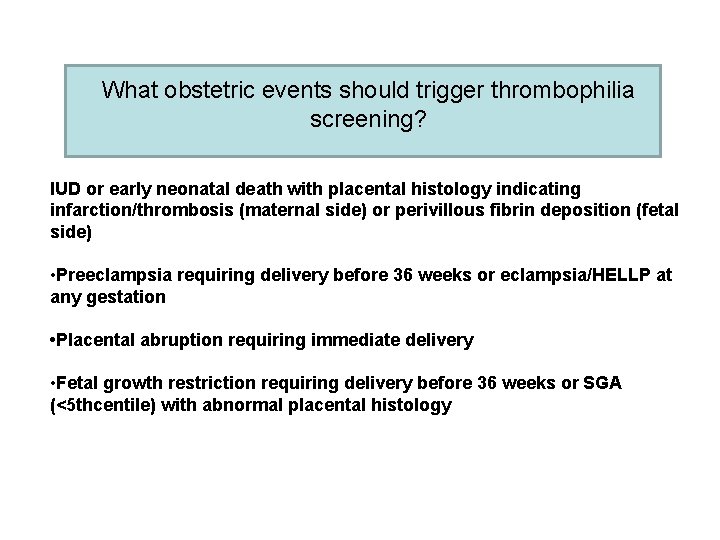
What obstetric events should trigger thrombophilia screening? IUD or early neonatal death with placental histology indicating infarction/thrombosis (maternal side) or perivillous fibrin deposition (fetal side) • Preeclampsia requiring delivery before 36 weeks or eclampsia/HELLP at any gestation • Placental abruption requiring immediate delivery • Fetal growth restriction requiring delivery before 36 weeks or SGA (<5 thcentile) with abnormal placental histology
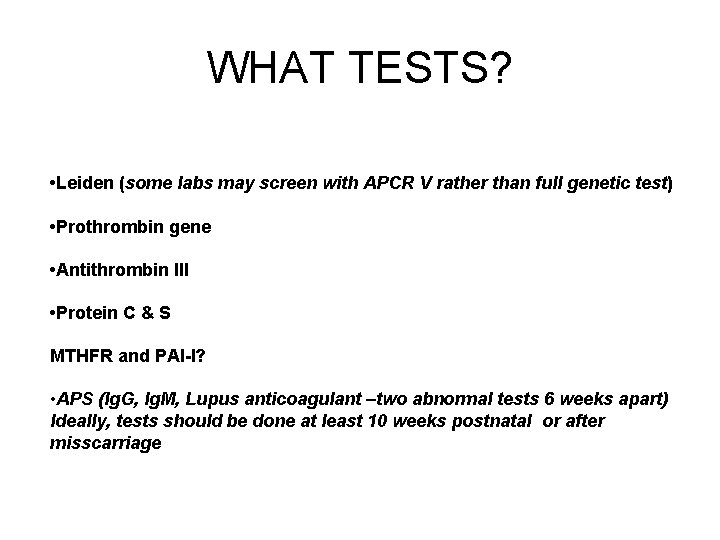
WHAT TESTS? • Leiden (some labs may screen with APCR V rather than full genetic test) • Prothrombin gene • Antithrombin III • Protein C & S MTHFR and PAI-I? • APS (Ig. G, Ig. M, Lupus anticoagulant –two abnormal tests 6 weeks apart) Ideally, tests should be done at least 10 weeks postnatal or after misscarriage
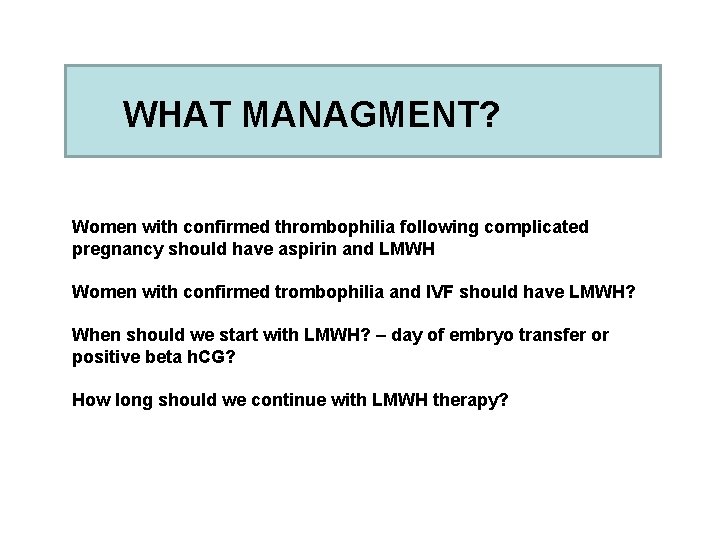
WHAT MANAGMENT? Women with confirmed thrombophilia following complicated pregnancy should have aspirin and LMWH Women with confirmed trombophilia and IVF should have LMWH? When should we start with LMWH? – day of embryo transfer or positive beta h. CG? How long should we continue with LMWH therapy?