
Low Back Pain l Dr Demet Demirciolu Lumbosacral
Low Back Pain l Dr. Demet Demircioğlu
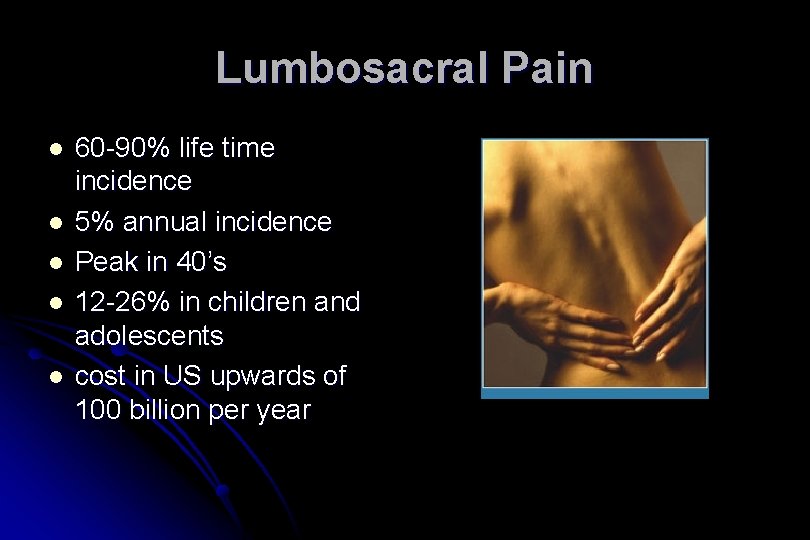
Lumbosacral Pain l l l 60 -90% life time incidence 5% annual incidence Peak in 40’s 12 -26% in children and adolescents cost in US upwards of 100 billion per year
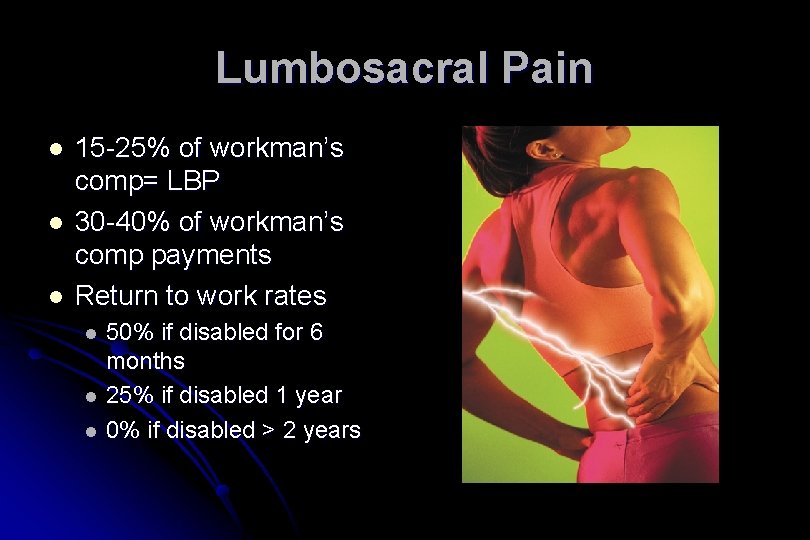
Lumbosacral Pain l l l 15 -25% of workman’s comp= LBP 30 -40% of workman’s comp payments Return to work rates l l l 50% if disabled for 6 months 25% if disabled 1 year 0% if disabled > 2 years
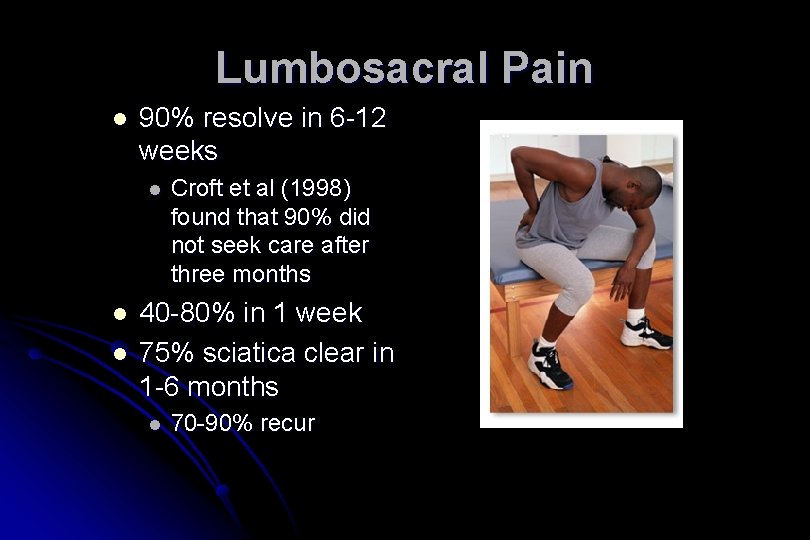
Lumbosacral Pain l 90% resolve in 6 -12 weeks l l l Croft et al (1998) found that 90% did not seek care after three months 40 -80% in 1 week 75% sciatica clear in 1 -6 months l 70 -90% recur
Diagnosis: Low Back Pain ? l A physiologic cause of back pain can not be definitively determined in 85% of patients
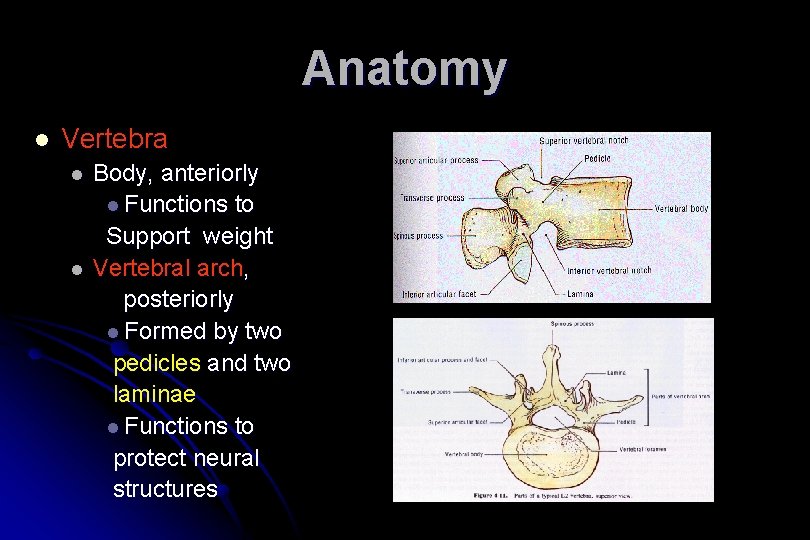
Anatomy l Vertebra l l Body, anteriorly l Functions to Support weight Vertebral arch, posteriorly l Formed by two pedicles and two laminae l Functions to protect neural structures
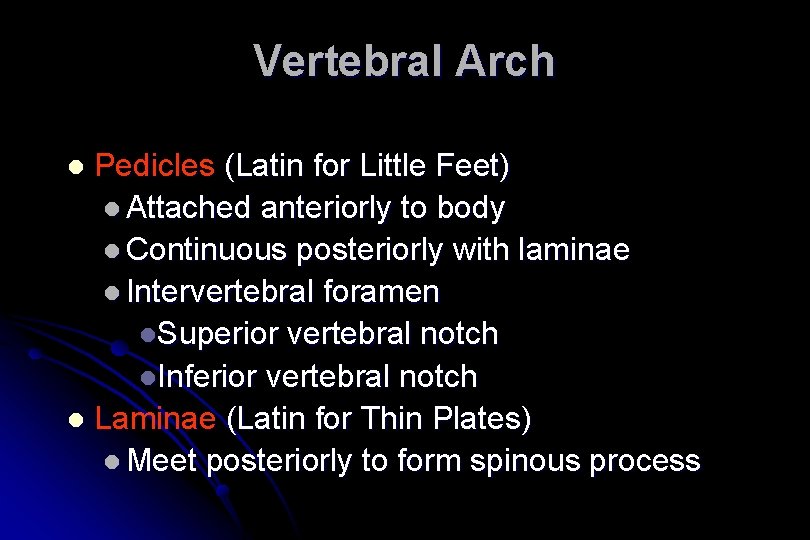
Vertebral Arch Pedicles (Latin for Little Feet) l Attached anteriorly to body l Continuous posteriorly with laminae l Intervertebral foramen l. Superior vertebral notch l. Inferior vertebral notch l Laminae (Latin for Thin Plates) l Meet posteriorly to form spinous process l
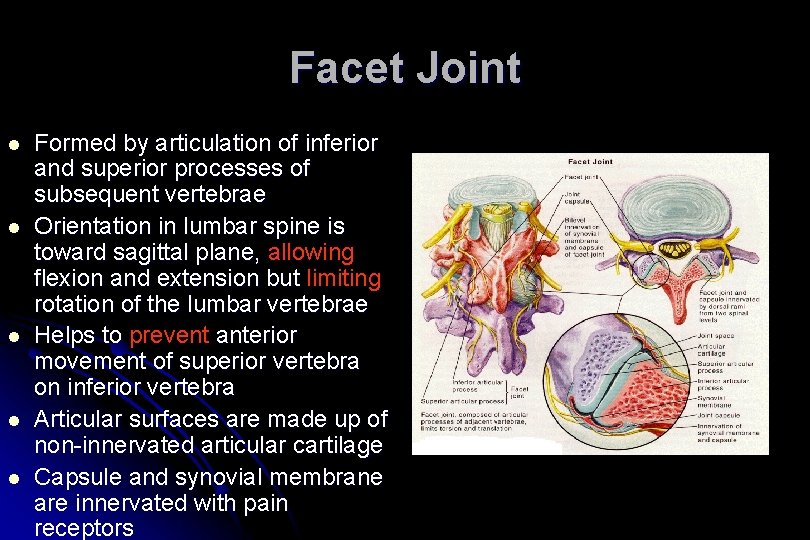
Facet Joint l l l Formed by articulation of inferior and superior processes of subsequent vertebrae Orientation in lumbar spine is toward sagittal plane, allowing flexion and extension but limiting rotation of the lumbar vertebrae Helps to prevent anterior movement of superior vertebra on inferior vertebra Articular surfaces are made up of non-innervated articular cartilage Capsule and synovial membrane are innervated with pain receptors
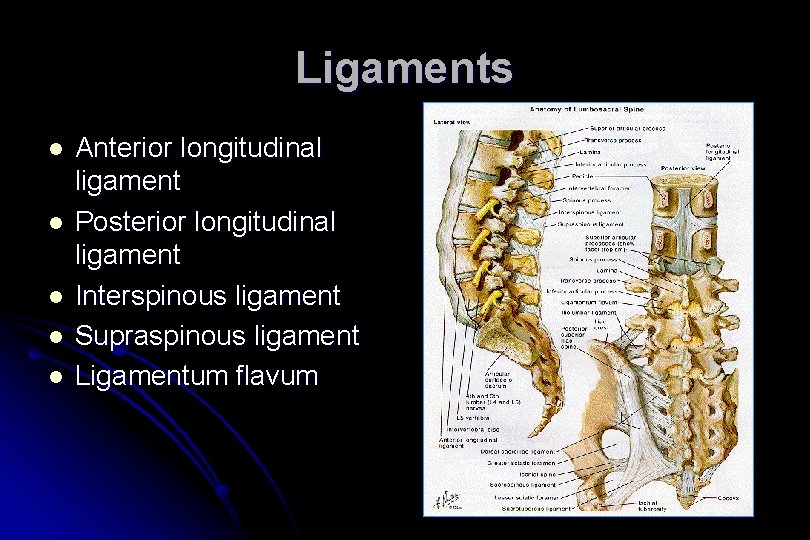
Ligaments l l l Anterior longitudinal ligament Posterior longitudinal ligament Interspinous ligament Supraspinous ligament Ligamentum flavum
Intervertebral Disc l l l Most common site of back pain Normally comprises ~ 25% of length of spine Consists of a central nucleus pulposus l l l Reticulated and collagenous substance Composed of ~ 88% water Annulus fibrosus l l Consists of concentric lamellae of fibrocartilage fibers arranged obliquely With each layer, they are arranged in opposite directions

Muscles l l l l Psoas Major/minor Quadratus lumborum Intertransversalis Interspinals Multifidus Longissimus thoracis Iliocostalis lumborum Erector spinae
Differential Diagnosis l l MSLBP/Mechanical/. . . Osteoarthritis Facet/disk/SI Facet Syndrome Diskitis l Fracture – l l l Stress Compression Other Spinal Stenosis Tumor Discogenic
Differential Diagnosis l Non-back pain l l retroperitoneal process (Pancreatic, Renal, Duodenal, Gyn, Prostate) AAA Zoster Diabetic radiculopathy l l SI joint Rheumatologic disorders l l Reiters Ankylosing Spondylitis
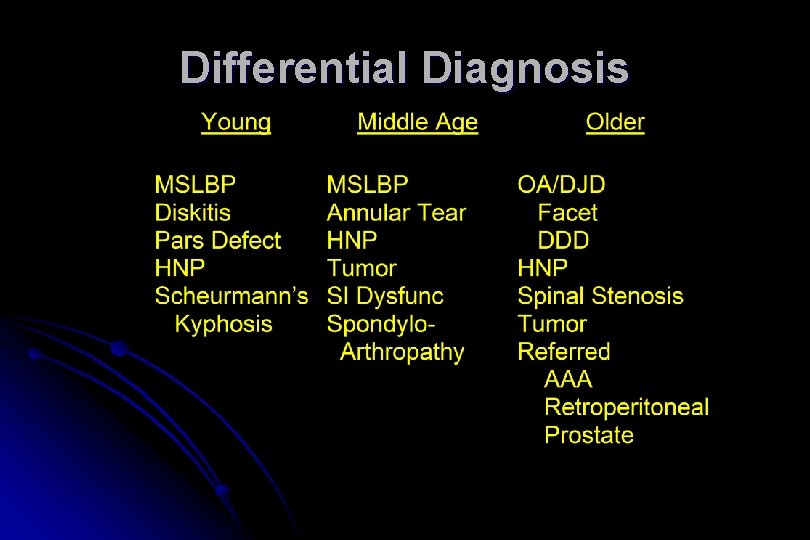
Differential Diagnosis
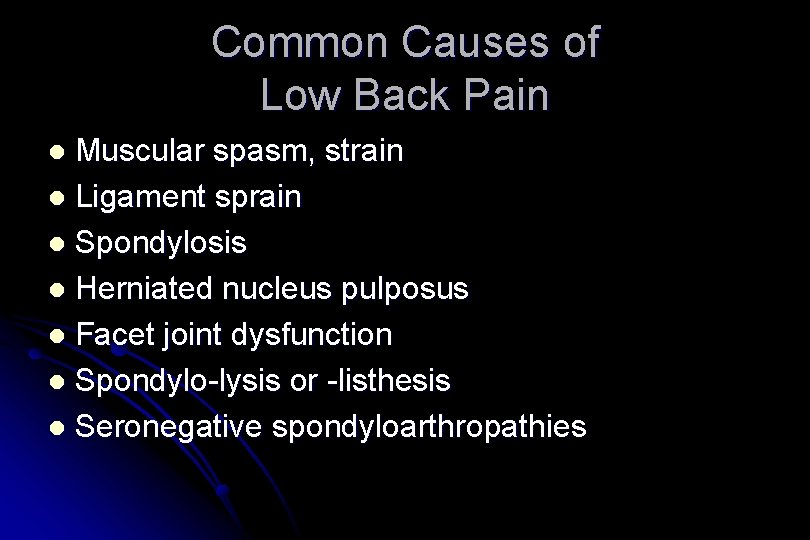
Common Causes of Low Back Pain Muscular spasm, strain l Ligament sprain l Spondylosis l Herniated nucleus pulposus l Facet joint dysfunction l Spondylo-lysis or -listhesis l Seronegative spondyloarthropathies l
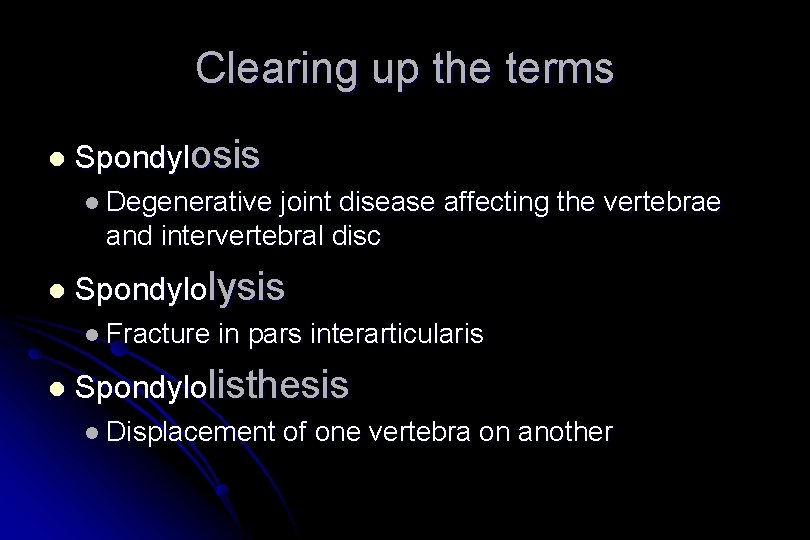
Clearing up the terms l Spondylosis l Degenerative joint disease affecting the vertebrae and intervertebral disc l Spondylolysis l Fracture l in pars interarticularis Spondylolisthesis l Displacement of one vertebra on another
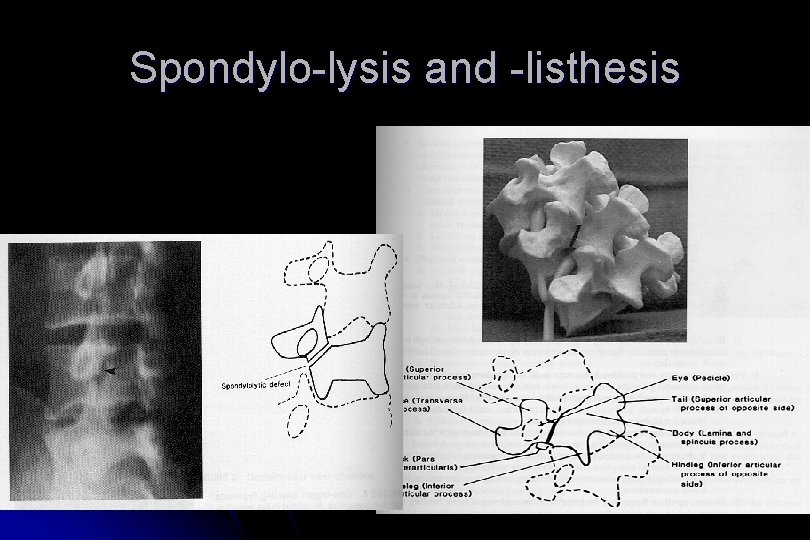
Spondylo-lysis and -listhesis
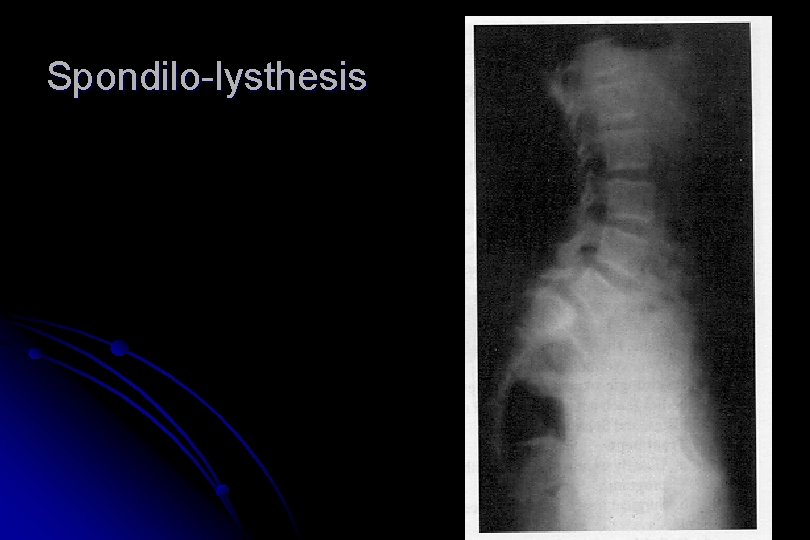
Spondilo-lysthesis
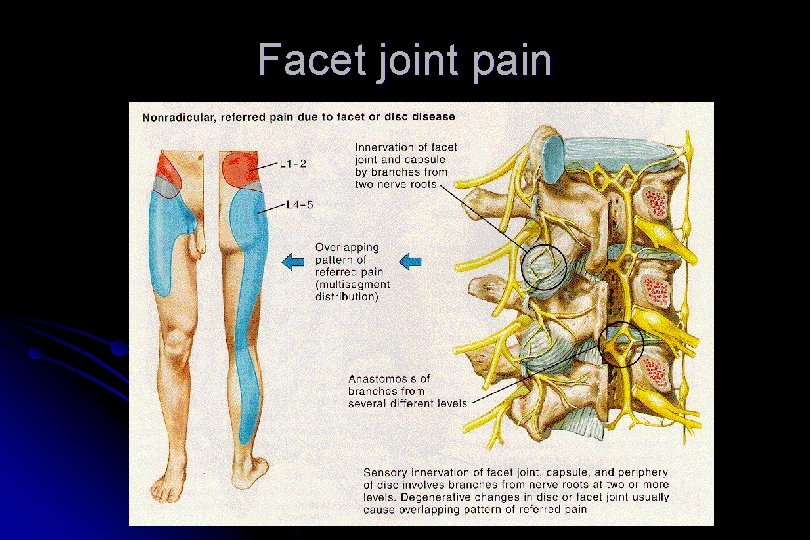
Facet joint pain
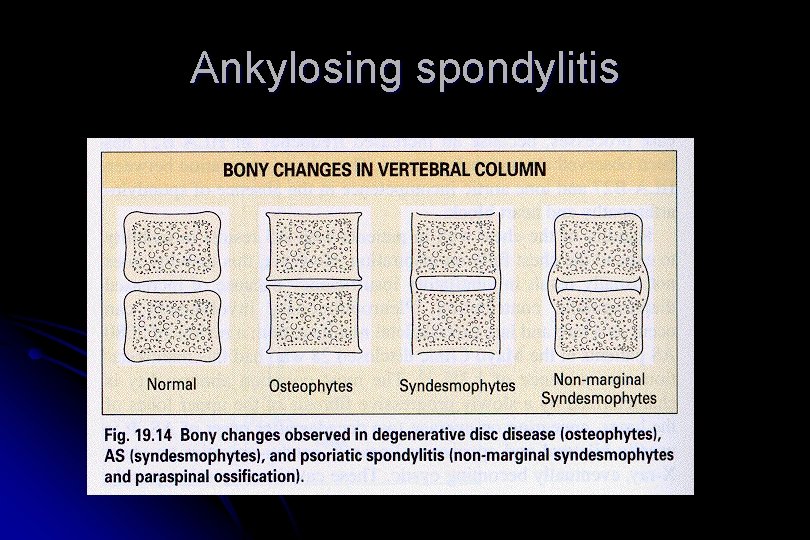
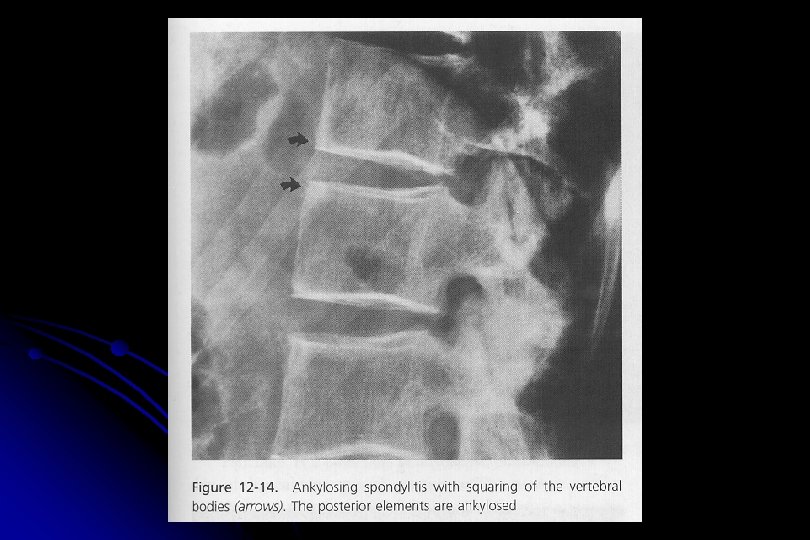
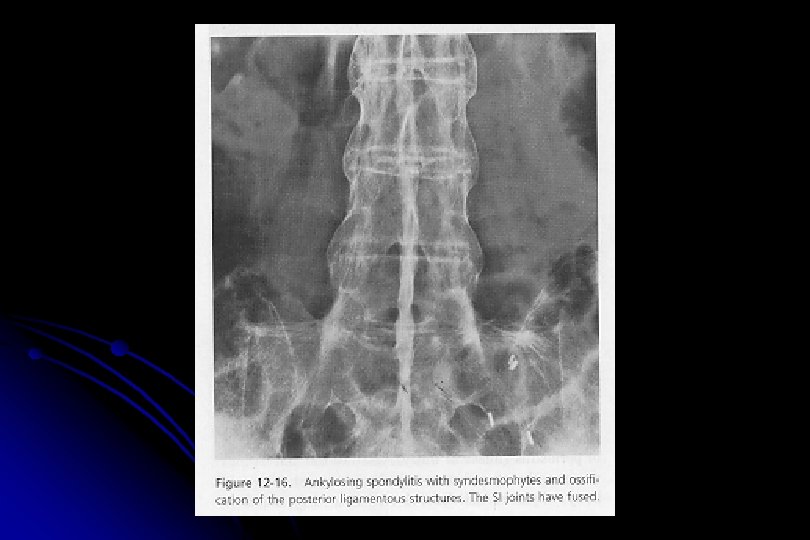
Ankylosing spondylitis
Treatment
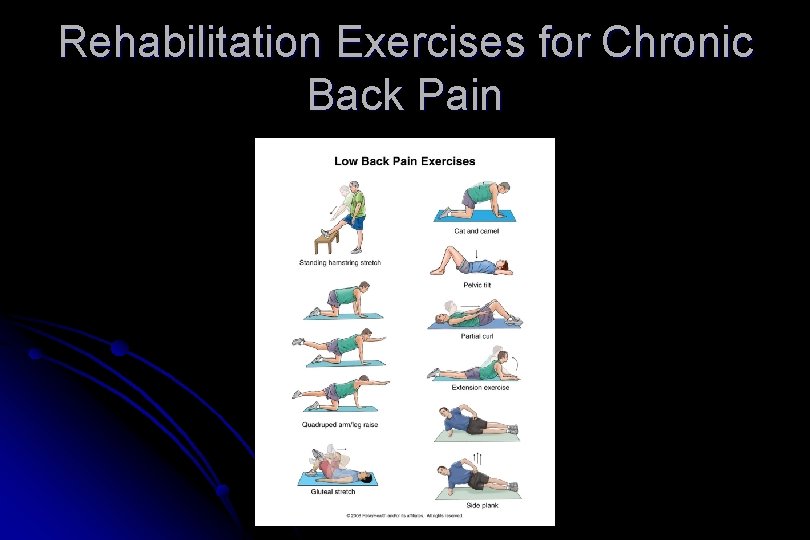
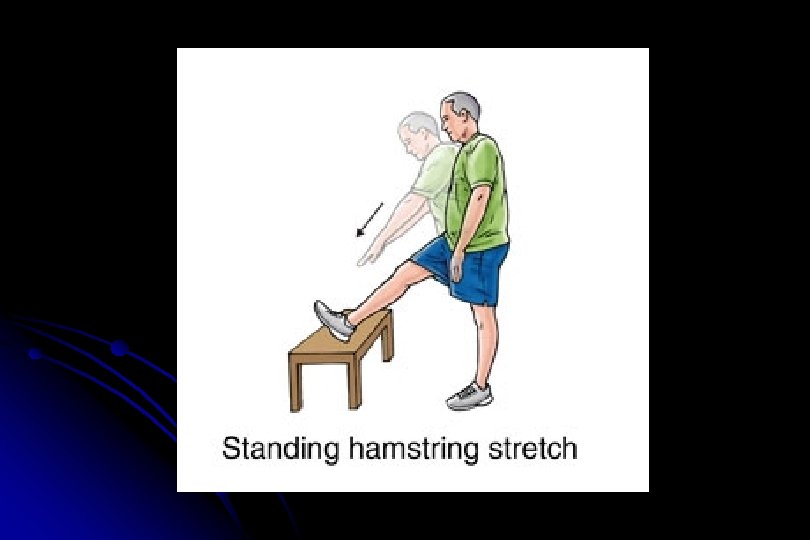
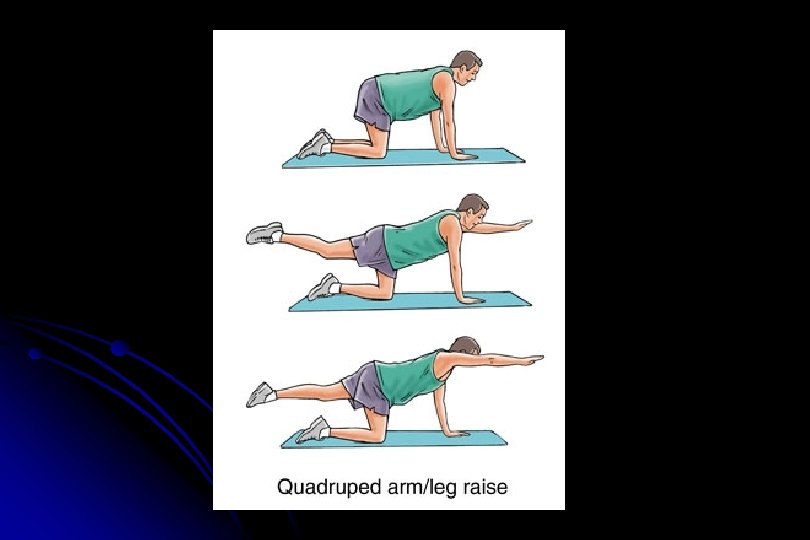
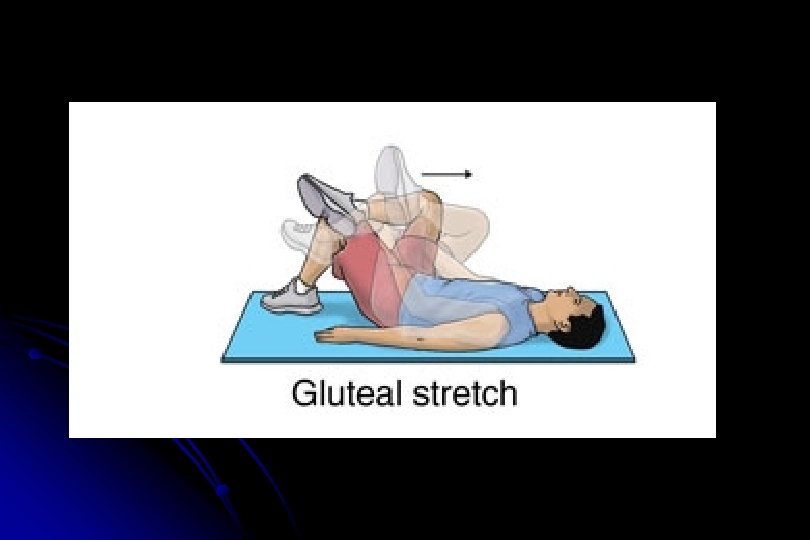
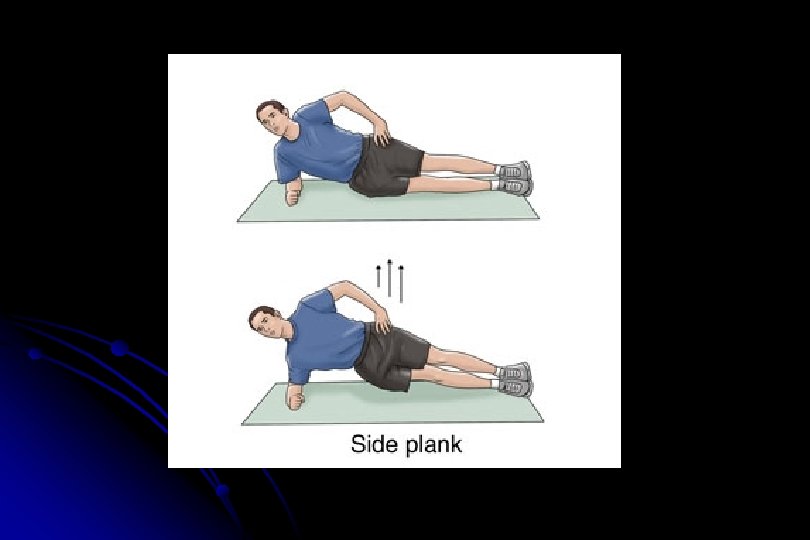
Rehabilitation Exercises for Chronic Back Pain
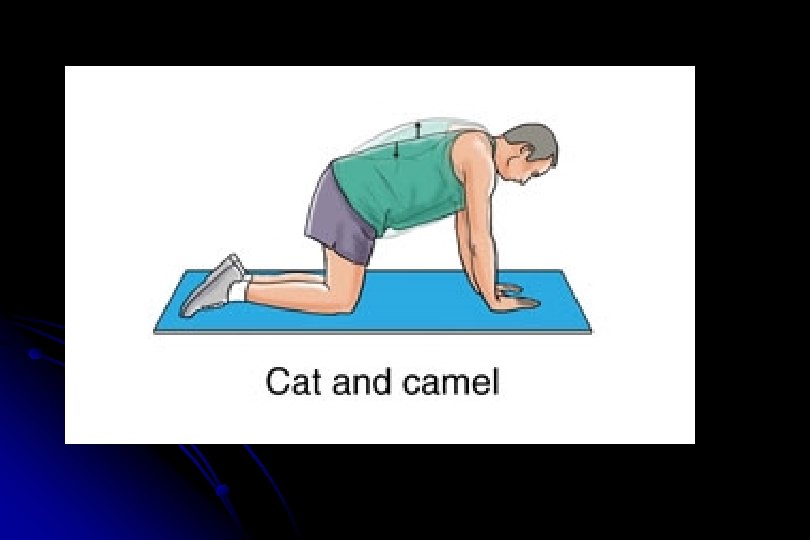
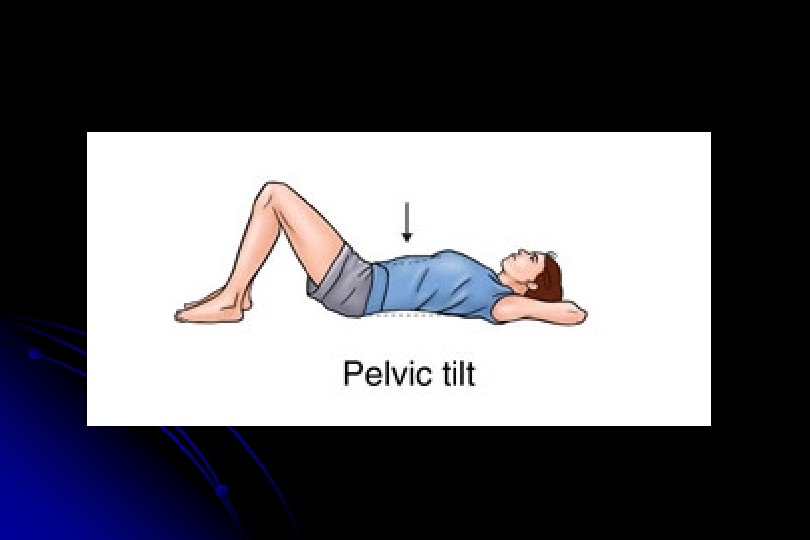
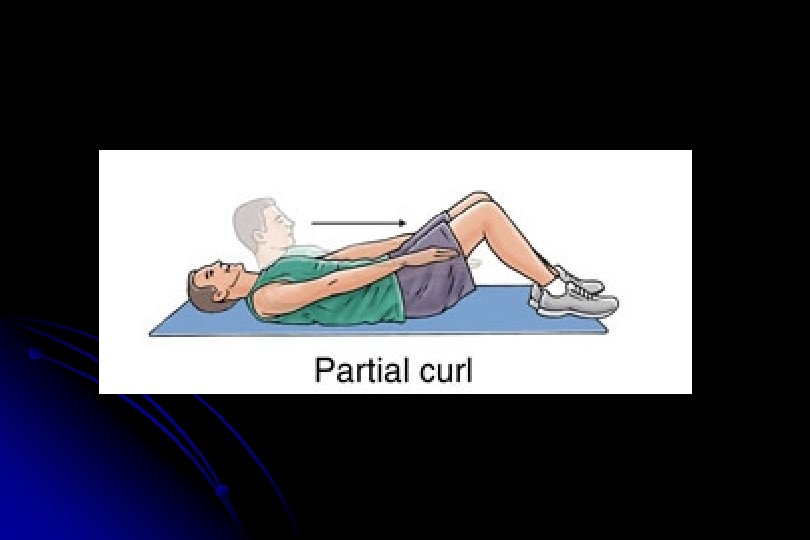
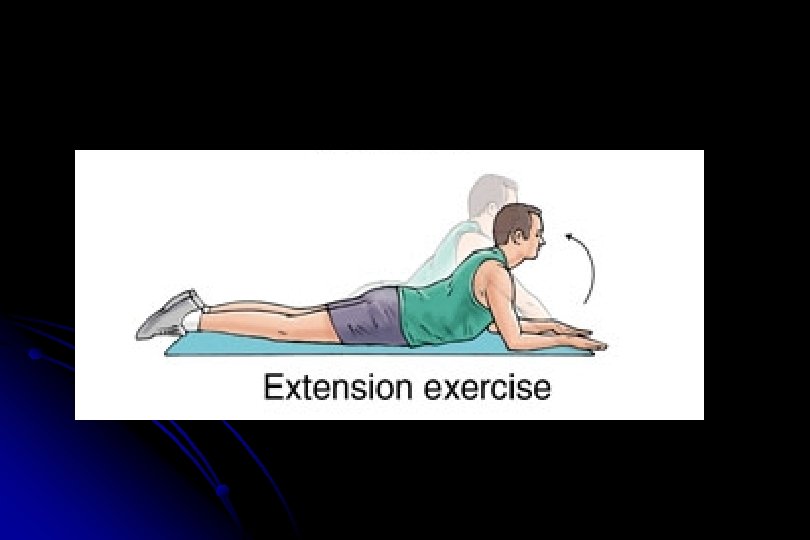
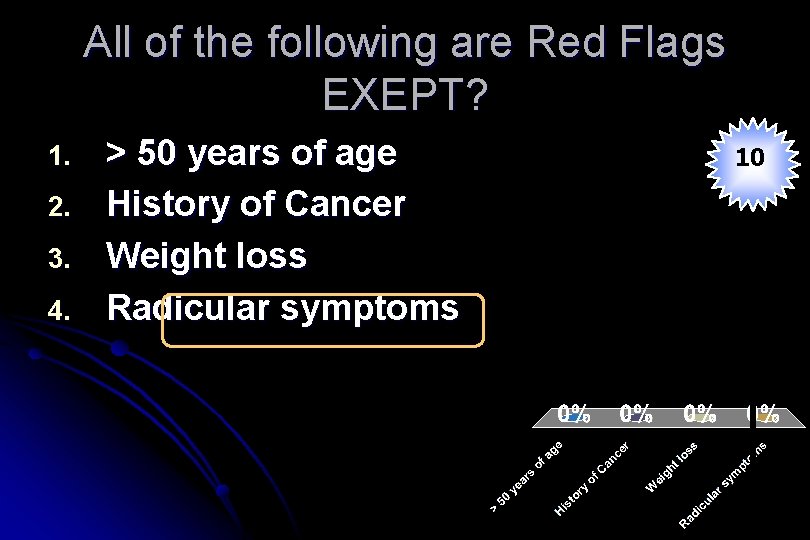
All of the following are Red Flags EXEPT? 1. 2. 3. 4. > 50 years of age History of Cancer Weight loss Radicular symptoms 10
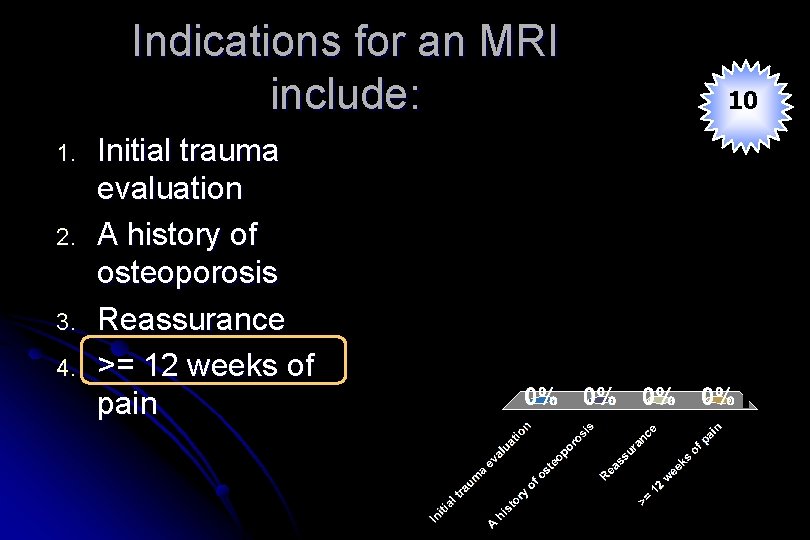
Indications for an MRI include: 1. 2. 3. 4. Initial trauma evaluation A history of osteoporosis Reassurance >= 12 weeks of pain 10
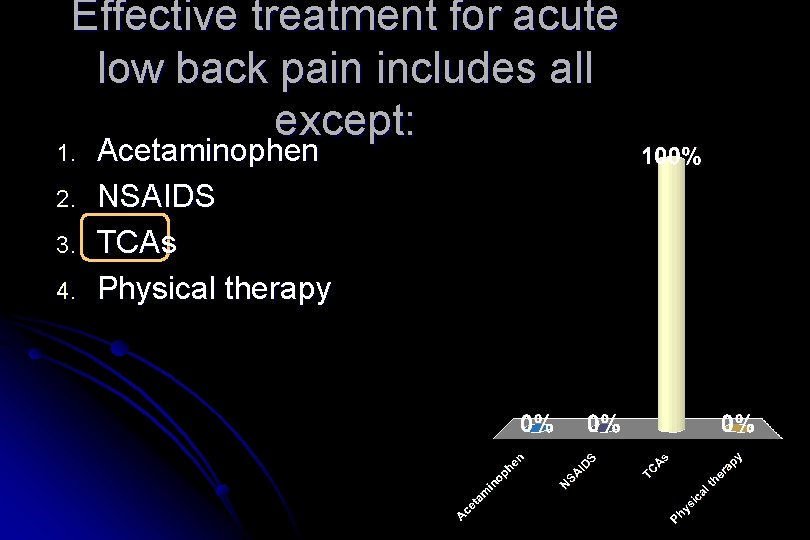
Effective treatment for acute low back pain includes all except: 1. 2. 3. 4. Acetaminophen NSAIDS TCAs Physical therapy
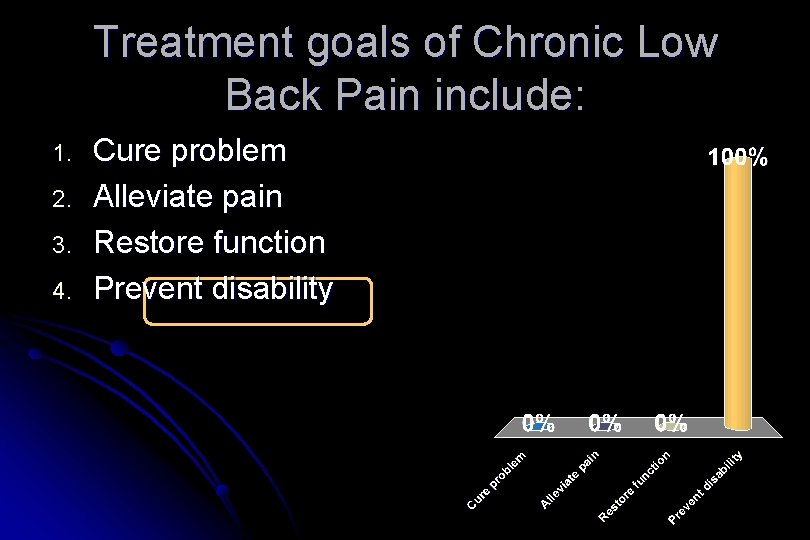
Treatment goals of Chronic Low Back Pain include: 1. 2. 3. 4. Cure problem Alleviate pain Restore function Prevent disability
What is the lifetime incidence of low back pain 1. 2. 3. 4. >30% >40% >50% >60% 10
In what percentage of patients can the cause of low back pain not be determined? 1. 65% 2. 75% 3. 85% 4. 95% 10
- Slides: 40