
Los Verbos Reflexivos Avancemos 2 Unidad 2 Leccin
Los Verbos Reflexivos Avancemos 2 – Unidad 2 Lección 2
What is a Reflexive Verb? • A reflexive verb is a verb that uses a reflexive pronoun. • The reflexive pronoun shows that the subject receives the action of the verb while at the same time completing the action of the verb. • In other words, many reflexive verbs are actions that a person does to or for themselves.
To say that people do something to or for themselves you use reflexive verbs.
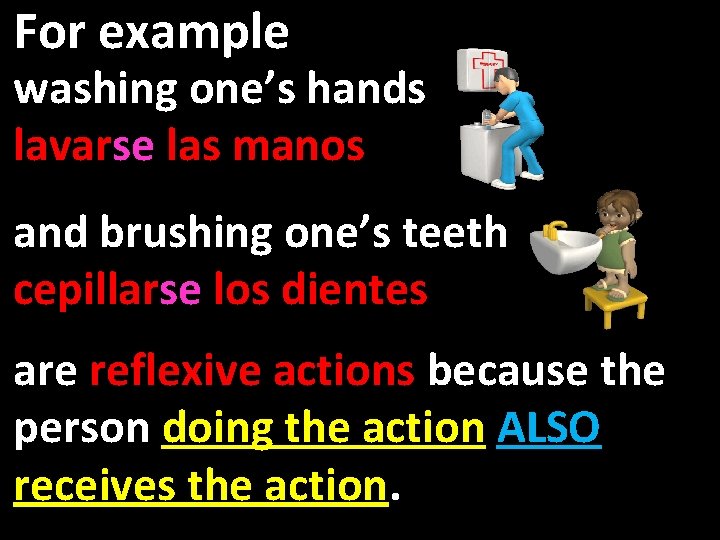
For example washing one’s hands lavarse las manos and brushing one’s teeth cepillarse los dientes are reflexive actions because the person doing the action ALSO receives the action.

How do you know a verb is reflexive? It ends in “se” in the infinitive form. Ø ducharse Ø cepillarse Ø afeitarse

How is a Reflexive verb conjugated? • In the infinitive form of reflexive verbs, the reflexive pronoun attaches to the end of the verb. • Examples: bañarse – to bathe oneself lavarse – to wash oneself cepillarse los dientes – to brush one’s teeth
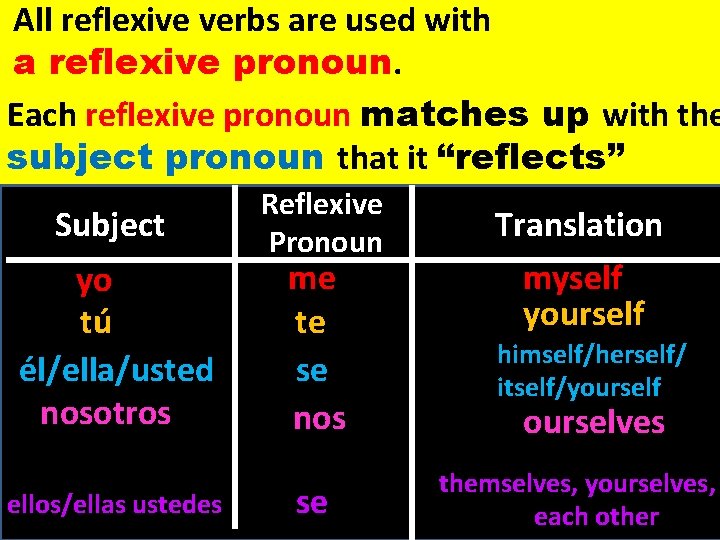
All reflexive verbs are used with a reflexive pronoun. Each reflexive pronoun matches up with the subject pronoun that it “reflects” Subject yo tú él/ella/usted nosotros ellos/ellas ustedes Reflexive Pronoun me te se nos se Translation myself yourself himself/herself/ itself/yourself ourselves themselves, yourselves, each other
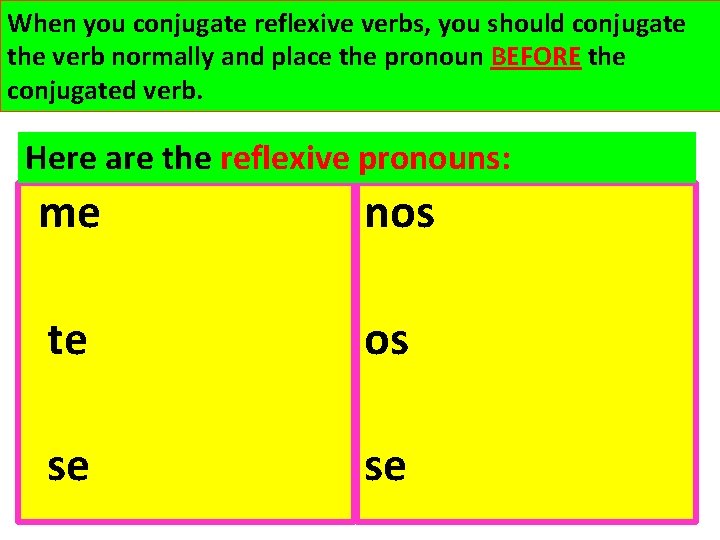
When you conjugate reflexive verbs, you should conjugate the verb normally and place the pronoun BEFORE the conjugated verb. Here are the reflexive pronouns: me nos te os se se
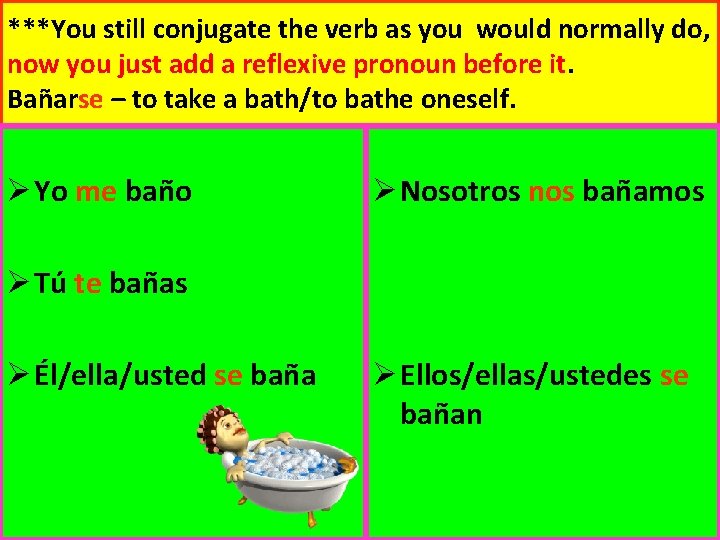
***You still conjugate the verb as you would normally do, now you just add a reflexive pronoun before it. Bañarse – to take a bath/to bathe oneself. Ø Yo me baño Ø Nosotros nos bañamos Ø Tú te bañas Ø Él/ella/usted se baña Ø Ellos/ellas/ustedes se bañan
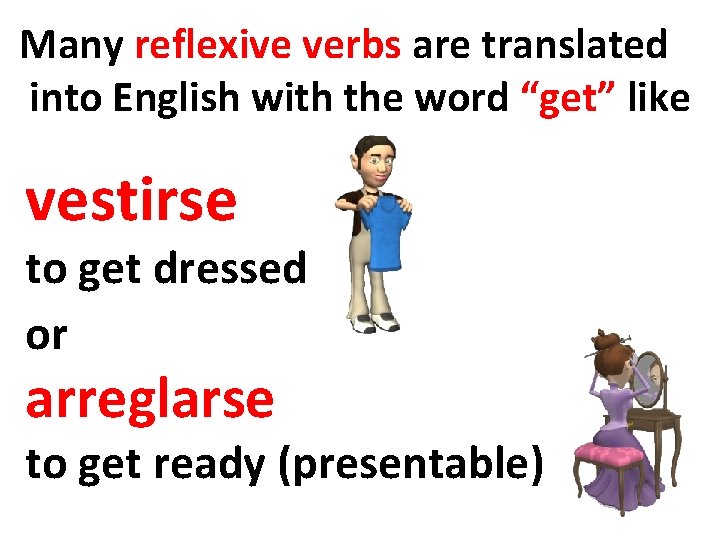
Many reflexive verbs are translated into English with the word “get” like vestirse to get dressed or arreglarse to get ready (presentable)
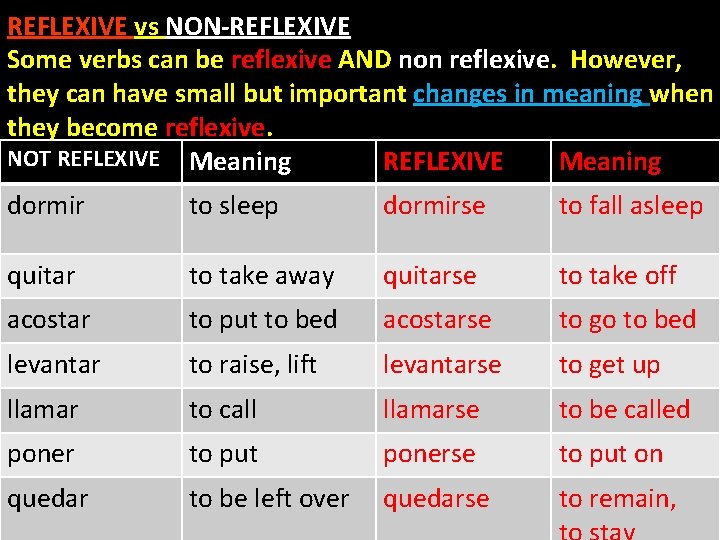
REFLEXIVE vs NON-REFLEXIVE Some verbs can be reflexive AND non reflexive. However, they can have small but important changes in meaning when they become reflexive. NOT REFLEXIVE Meaning dormir to sleep dormirse to fall asleep quitar to take away quitarse to take off acostar to put to bed acostarse to go to bed levantar to raise, lift levantarse to get up llamar to call llamarse to be called poner to put ponerse to put on quedar to be left over quedarse to remain,
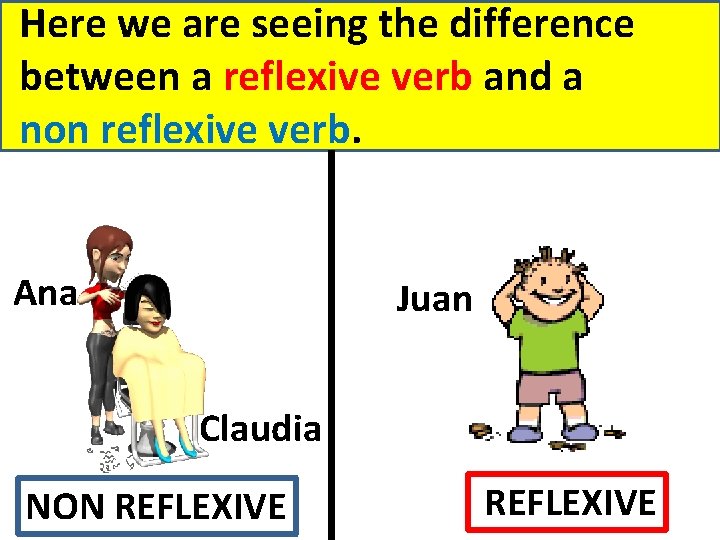
Here we are seeing the difference between a reflexive verb and a non reflexive verb. Ana Juan Claudia NON REFLEXIVE
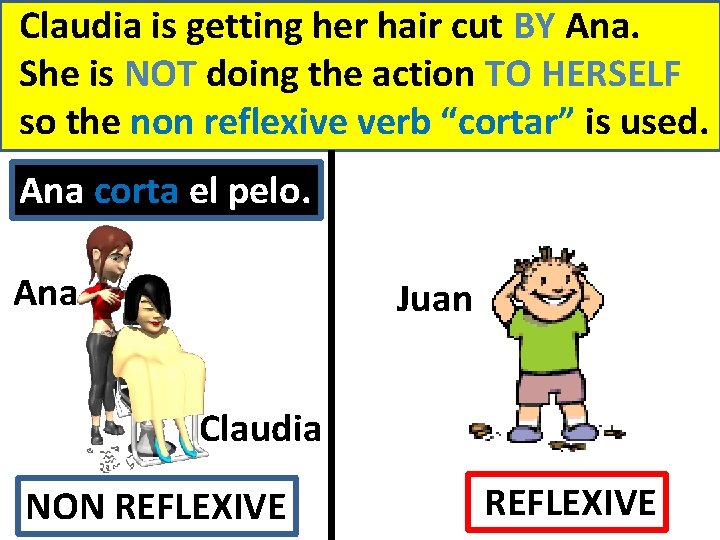
Claudia is getting her hair cut BY Ana. She is NOT doing the action TO HERSELF so the non reflexive verb “cortar” is used. Ana corta el pelo. Ana Juan Claudia NON REFLEXIVE
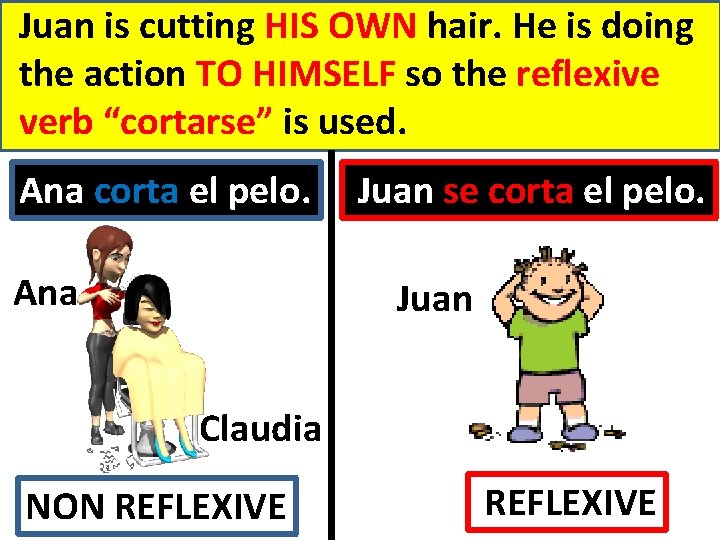
Juan is cutting HIS OWN hair. He is doing the action TO HIMSELF so the reflexive verb “cortarse” is used. Ana corta el pelo. Ana Juan se corta el pelo. Juan Claudia NON REFLEXIVE
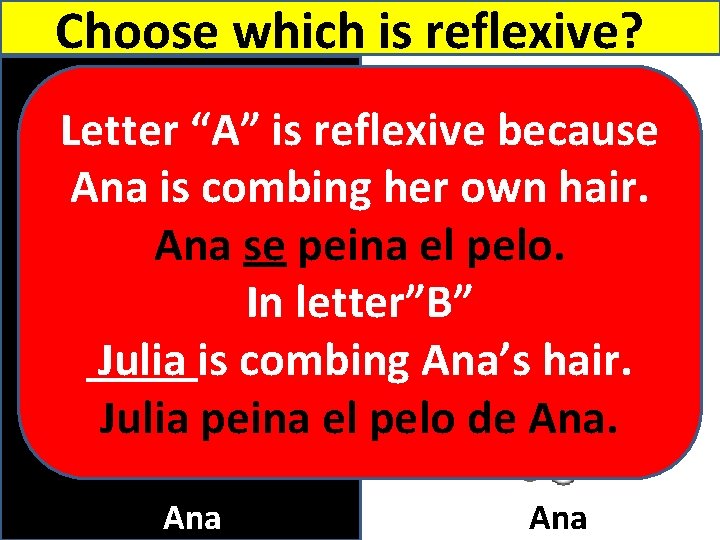
Choose which is reflexive? Julia B because ALetter “A” is reflexive Ana is combing her own hair. Ana se peina el pelo. In letter”B” Julia is combing Ana’s hair. Julia peina el pelo de Ana
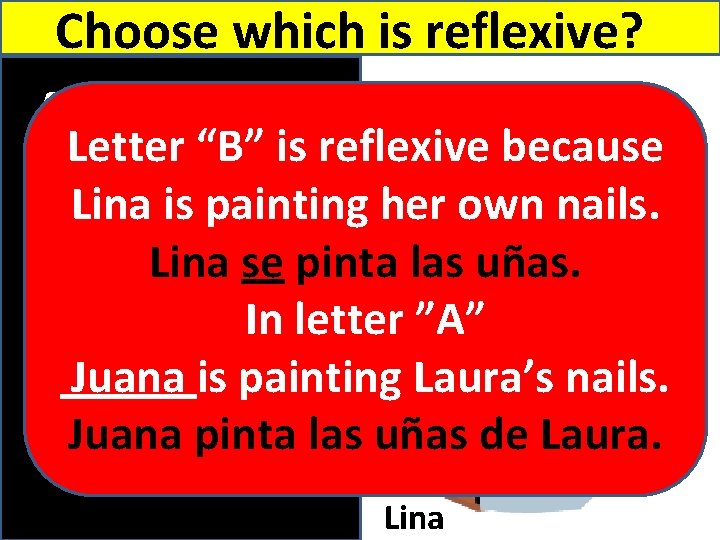
Choose which is reflexive? B because ALetter “B” is reflexive Juana Lina is painting her own nails. Lina se pinta las uñas. In letter ”A” Juana is painting Laura’s nails. Juana pinta las uñas de Laura Lina
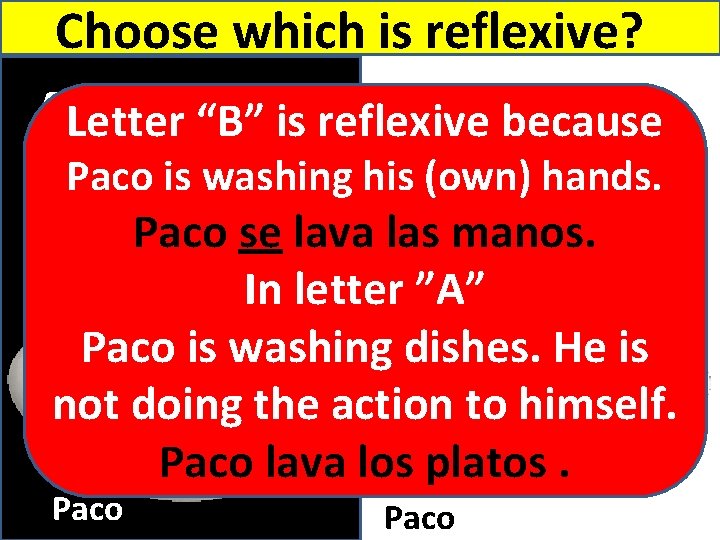
Choose which is reflexive? B because ALetter “B” is reflexive Paco is washing his (own) hands. Paco se lava las manos. In letter ”A” Paco is washing dishes. He is not doing the action to himself. Paco lava los platos. Paco
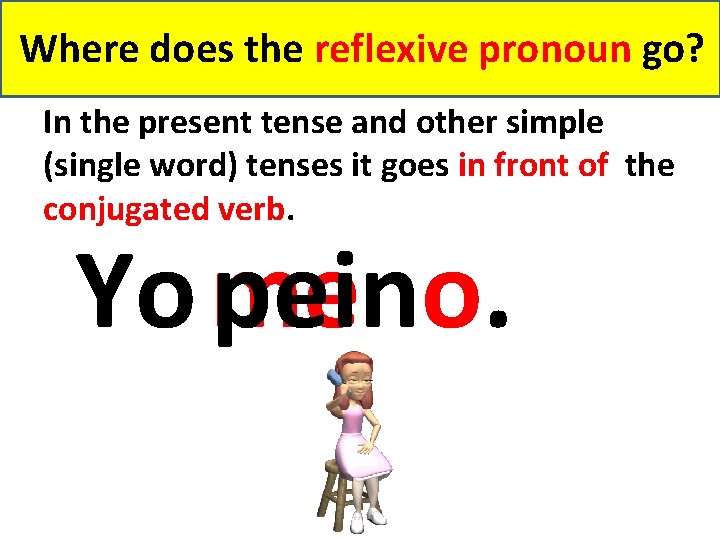
Where does the reflexive pronoun go? In the present tense and other simple (single word) tenses it goes in front of the conjugated verb. Yo me peino.
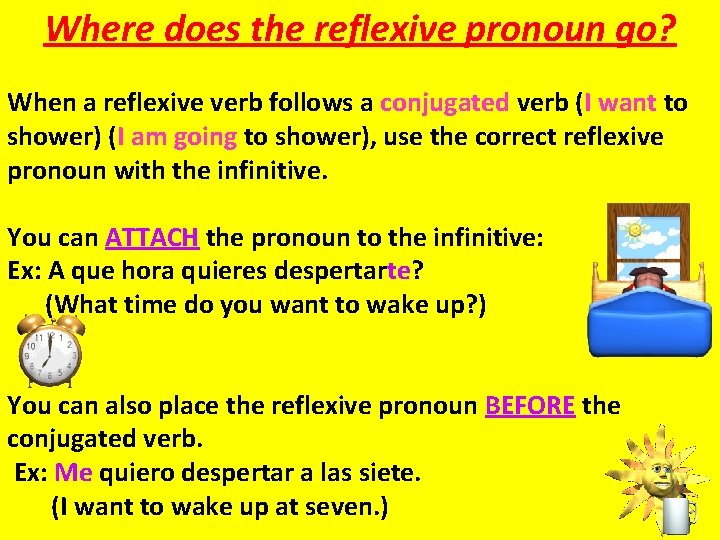
Where does the reflexive pronoun go? When a reflexive verb follows a conjugated verb (I want to shower) (I am going to shower), use the correct reflexive pronoun with the infinitive. You can ATTACH the pronoun to the infinitive: Ex: A que hora quieres despertarte? (What time do you want to wake up? ) You can also place the reflexive pronoun BEFORE the conjugated verb. Ex: Me quiero despertar a las siete. (I want to wake up at seven. )
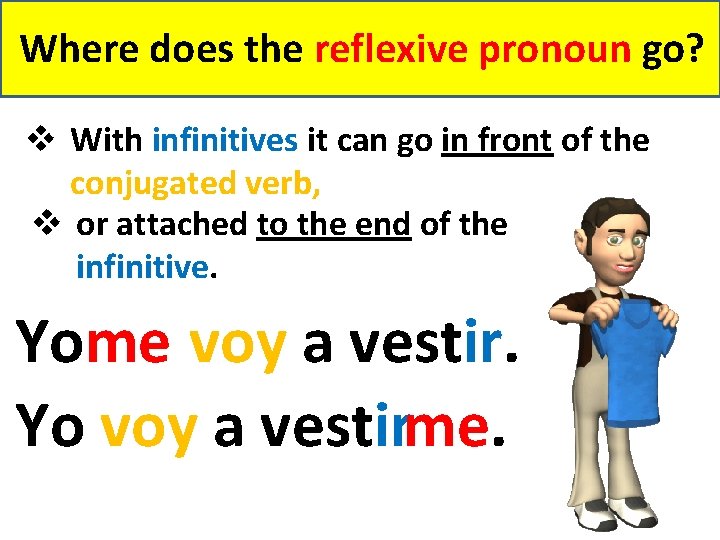
Where does the reflexive pronoun go? v With infinitives it can go in front of the conjugated verb, v or attached to the end of the infinitive. Yome voy a vestir. Yo voy a vestirme.
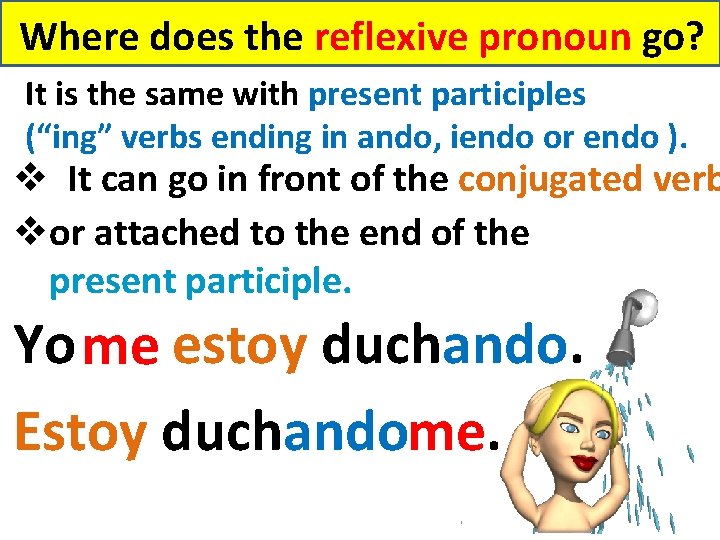
Where does the reflexive pronoun go? It is the same with present participles (“ing” verbs ending in ando, iendo or endo ). v It can go in front of the conjugated verb vor attached to the end of the present participle. Yo me estoy duchando. Estoy duchandome.
*A NOTE TO REMEMBER *Since the reflexive pronoun tells what a person is doing to himself, it is not necessary to use a possessive pronoun (my, yours, his, her, etc. ) when referring to body parts. Yo me lavo LAS manos NOT Yo me lavo MIS manos Since the ME in this sentence says that I am washing myself…it is already clear that I am washing MY hands.

Many reflexive verbs are used to talk about your morning grooming routine as you get ready for the day and at night when you are getting ready for bed.
Práctica con los verbos reflexivos
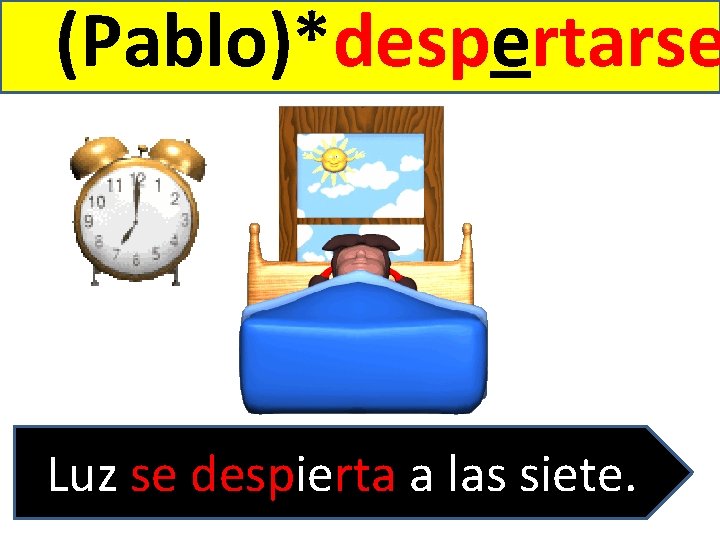
(Pablo)*despertarse Luz se despierta a las siete.
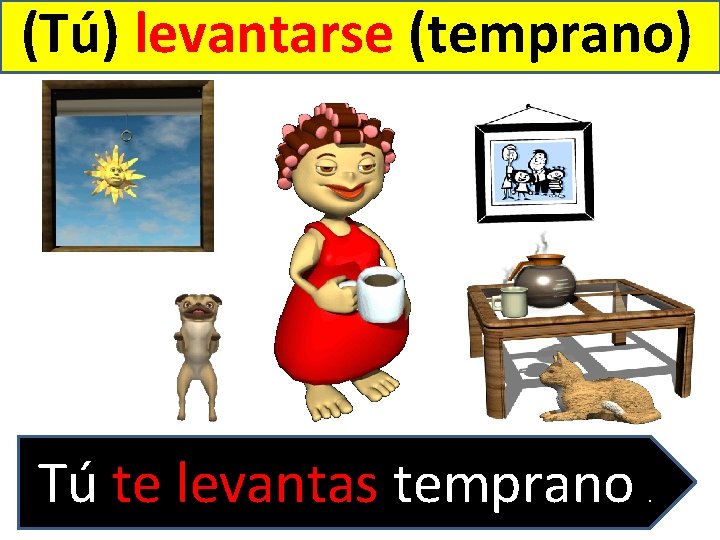
(Tú) levantarse (temprano) Tú te levantas temprano .
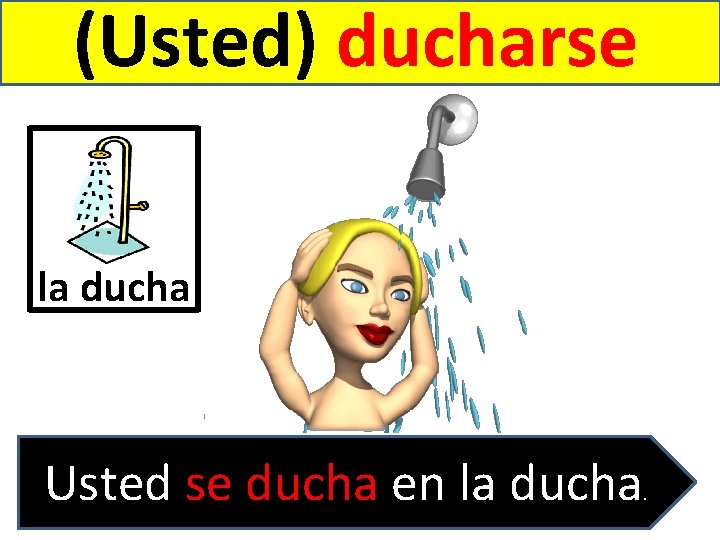
(Usted) ducharse la ducha Usted se ducha en la ducha .
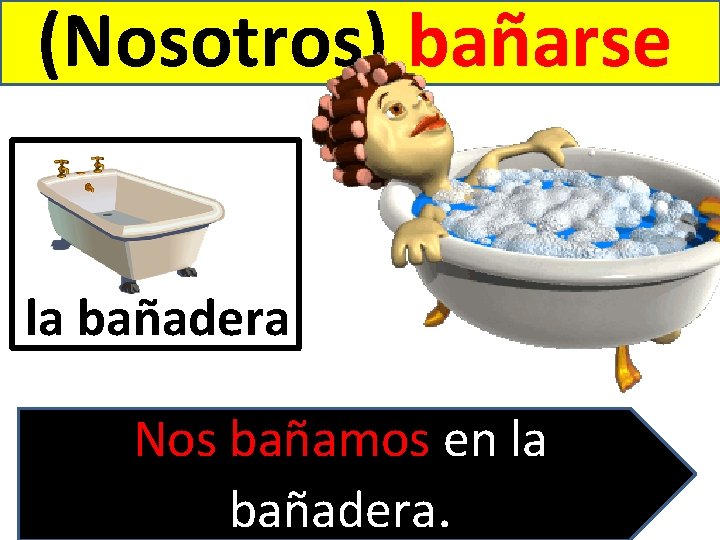
(Nosotros) bañarse la bañadera Nos bañamos en la bañadera.
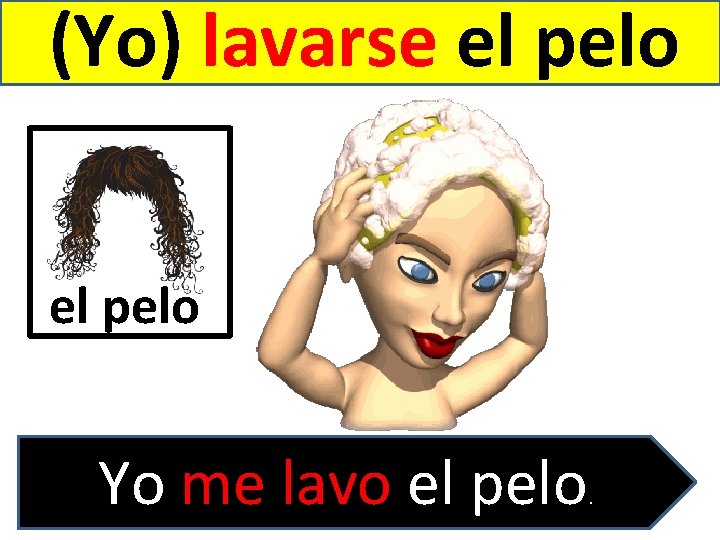
(Yo) lavarse el pelo Yo me lavo el pelo .
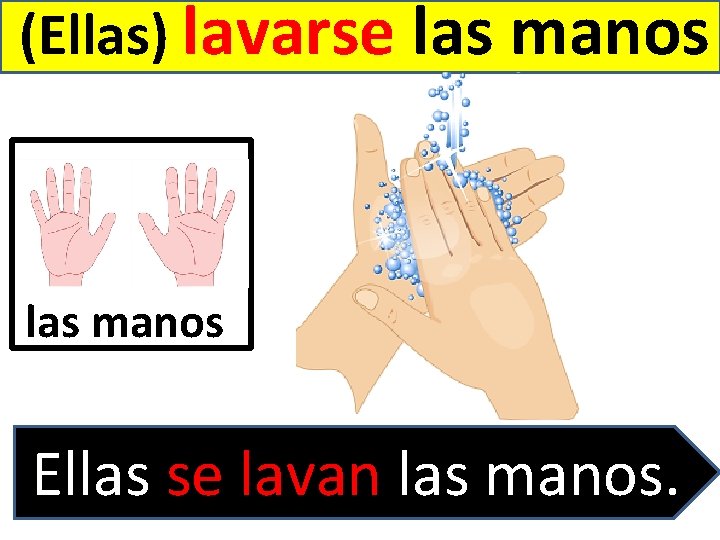
(Ellas) lavarse las manos Ellas se lavan las manos.
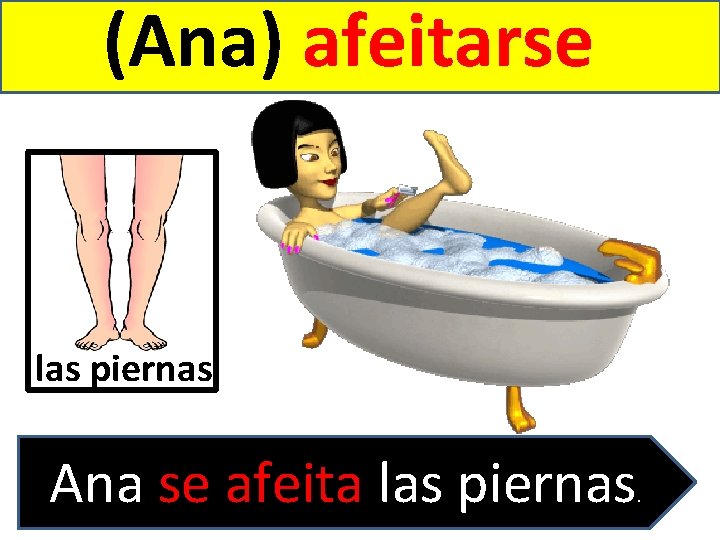
(Ana) afeitarse las piernas Ana se afeita las piernas .
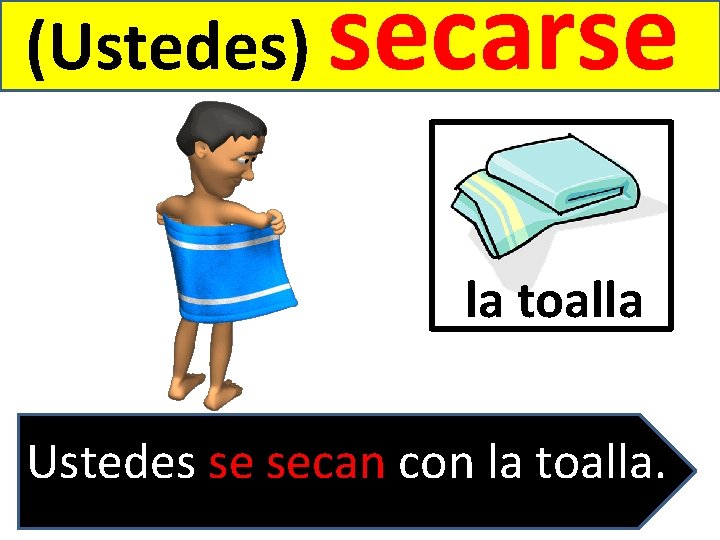
(Ustedes) secarse la toalla Ustedes se secan con la toalla.
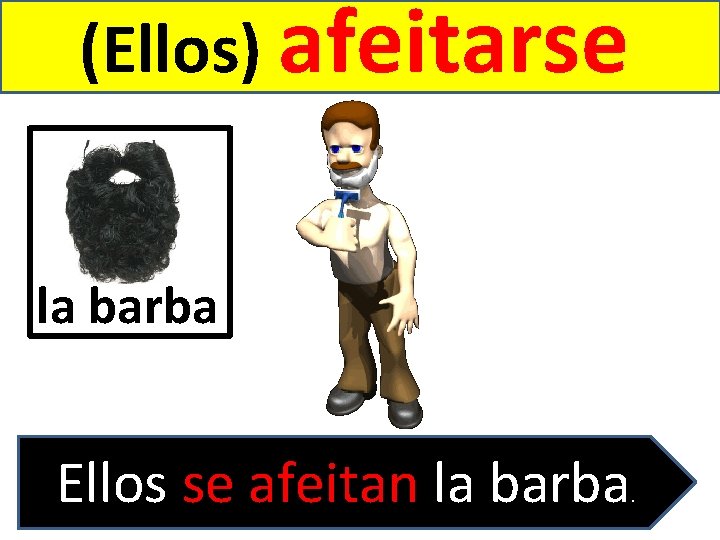
(Ellos) afeitarse la barba Ellos se afeitan la barba .
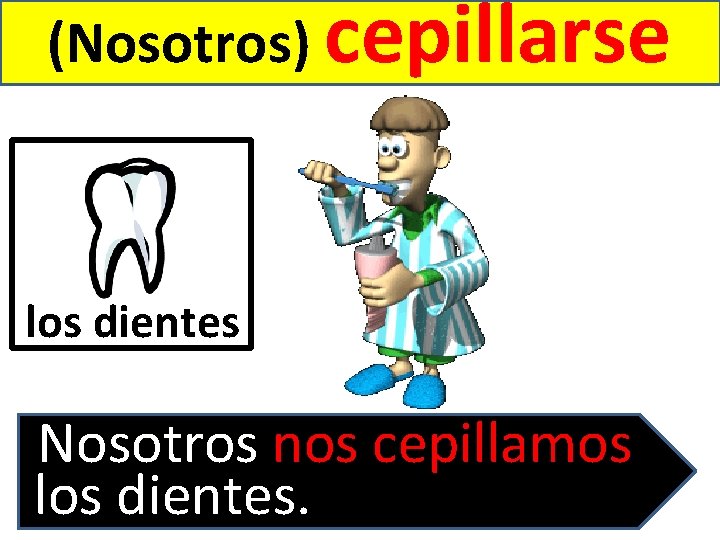
(Nosotros) cepillarse los dientes Nosotros nos cepillamos los dientes.
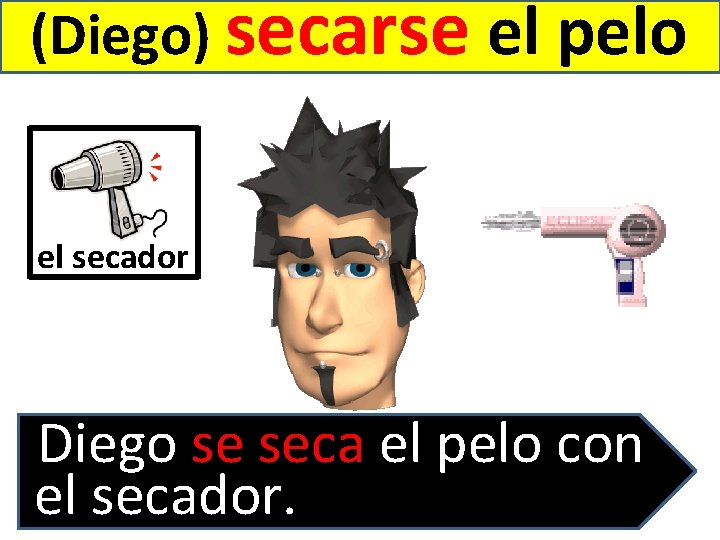
(Diego) secarse el pelo el secador Diego se seca el pelo con el secador.
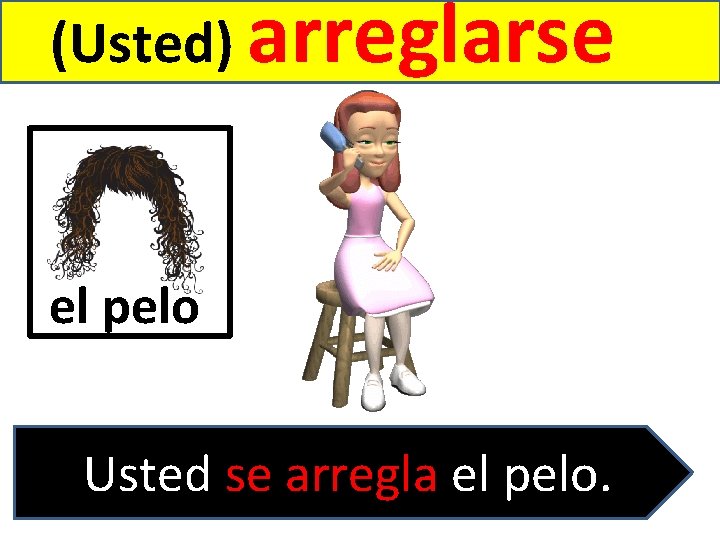
(Usted) arreglarse el pelo Usted se arregla el pelo.
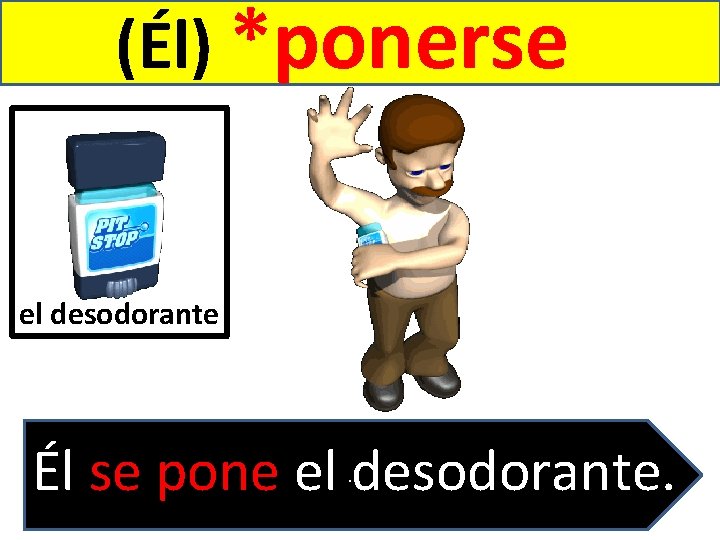
(Él) *ponerse el desodorante Él se pone el desodorante. .
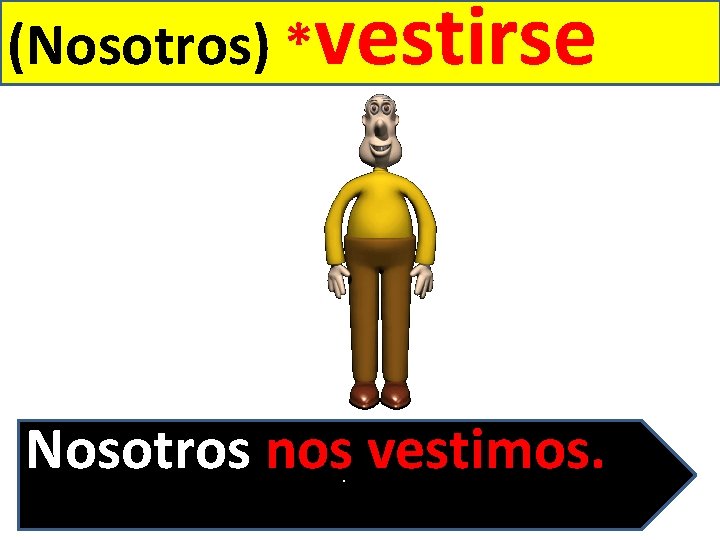
(Nosotros) *vestirse Nosotros nos vestimos. .
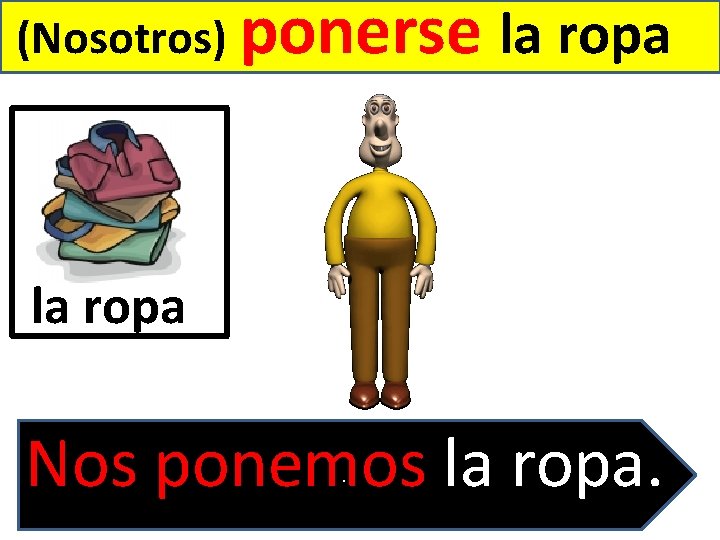
(Nosotros) ponerse la ropa Nos ponemos la ropa. .
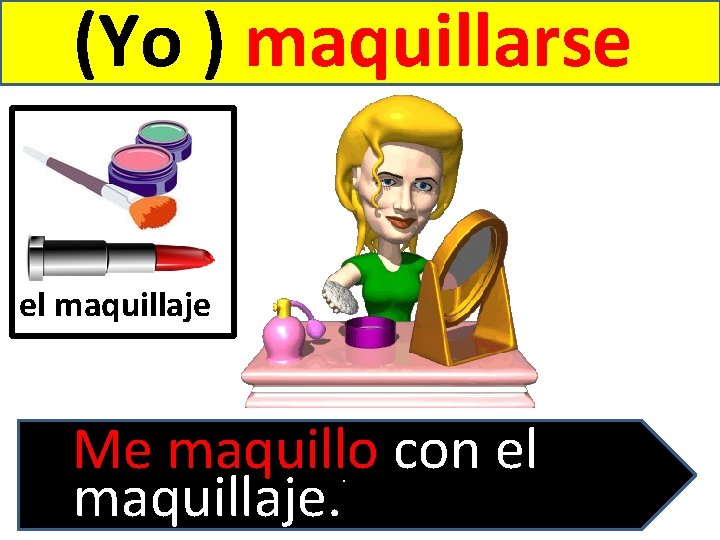
(Yo ) maquillarse el maquillaje Me maquillo con el maquillaje. .
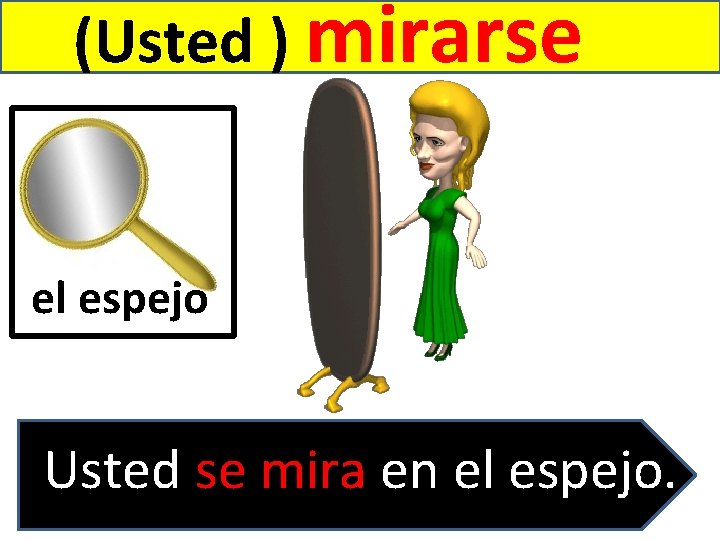
(Usted ) mirarse el espejo Usted se mira en el espejo. .
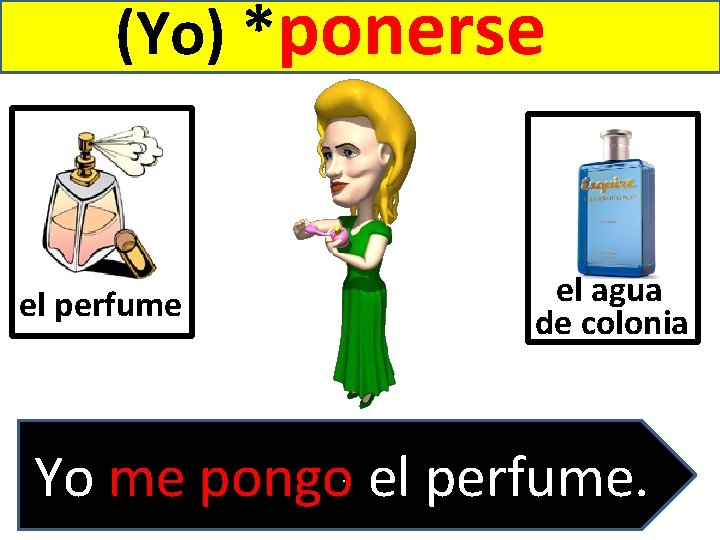
(Yo) *ponerse el agua de colonia el perfume Yo me pongo el perfume. .
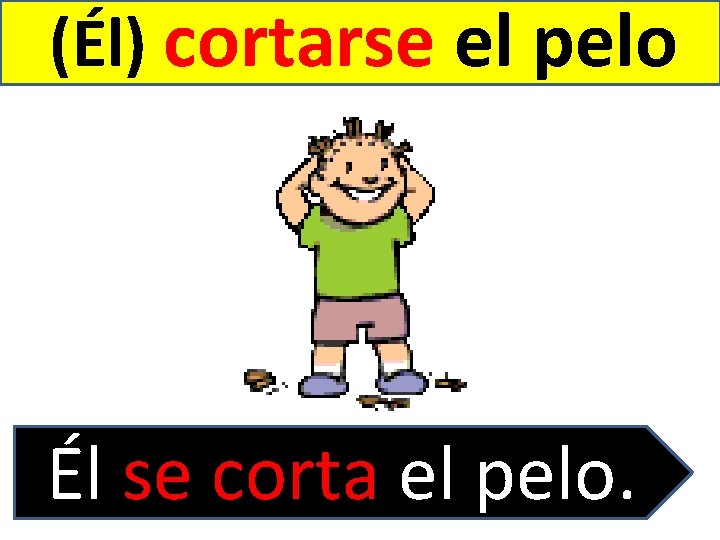
(Él) cortarse el pelo Él se corta el pelo.
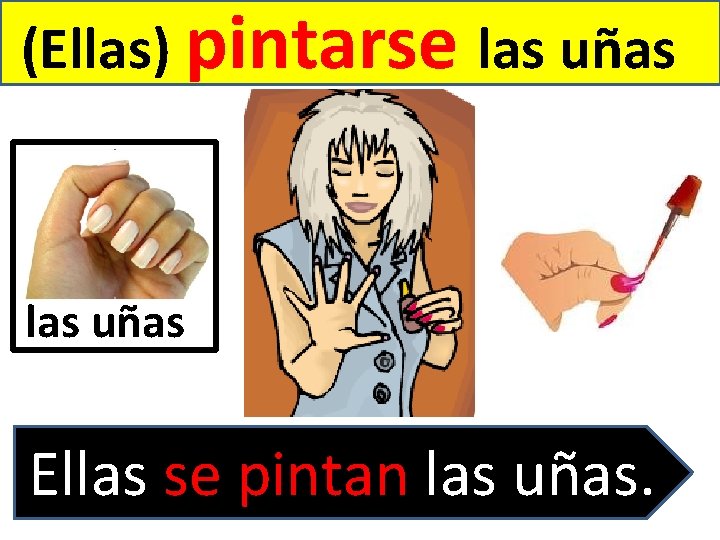
(Ellas) pintarse las uñas Ellas se pintan las uñas.
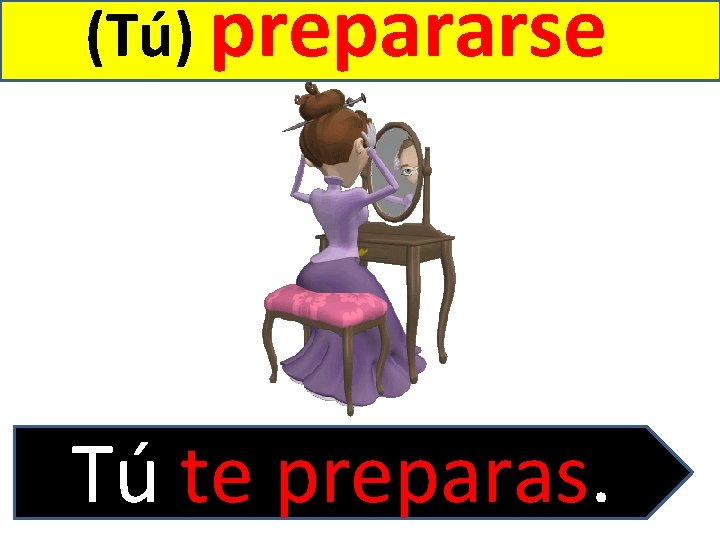
(Tú) prepararse Tú te preparas.

(los alumnos)*despedirse Los alumnos se despiden.
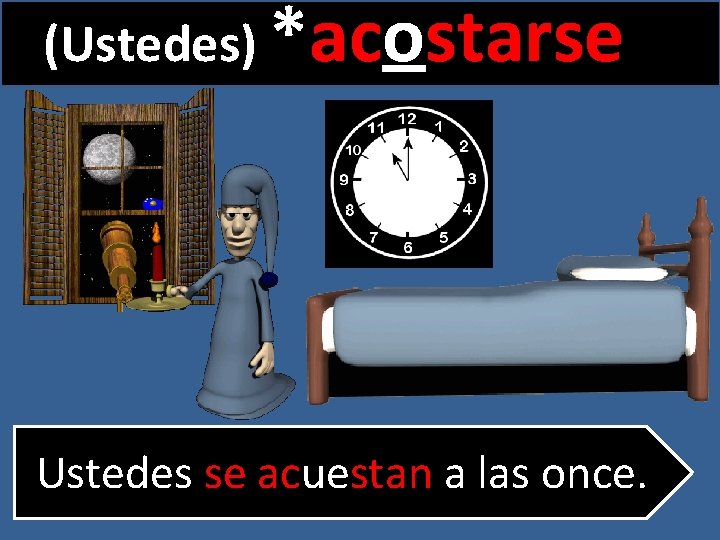
(Ustedes) *acostarse Ustedes se acuestan a las once.
Finally, other common reflexive verbs that do not have to do with morning and evening (grooming) routines are: Ø llamarse-to be called (used to tell your name) Ø enojarse-to get angry Ø quejarse-to complain Ø Ø Ø equivocarse-to be mistaken fijarse (en) -to notice, to pay attention (to) olvidarse (de)-to forget *sentarse-to sit down *sentirse-to feel *divertirse -to have fun
REPASO DE VOCABULARIO
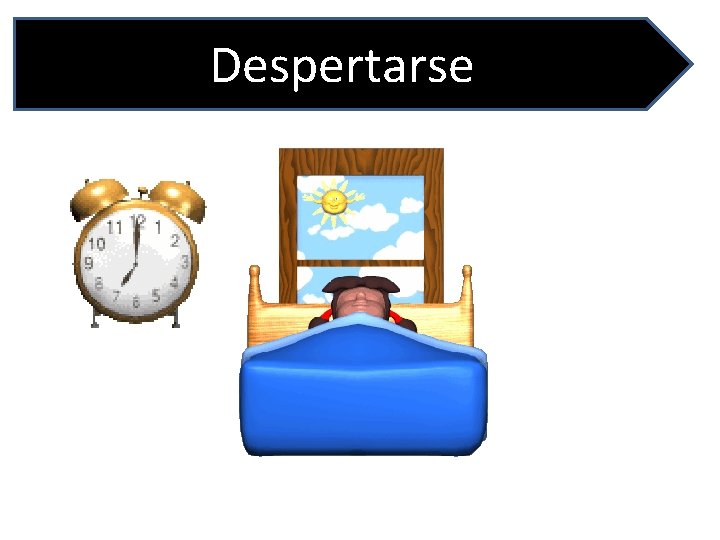
Despertarse
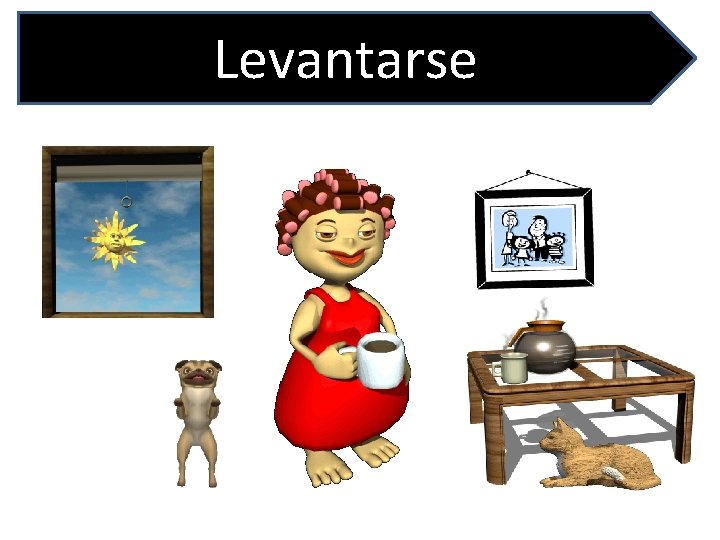
Levantarse
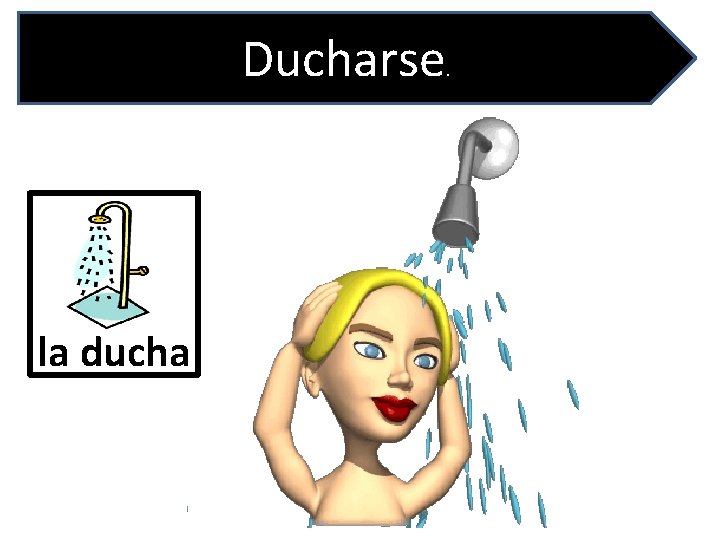
Ducharse la ducha .
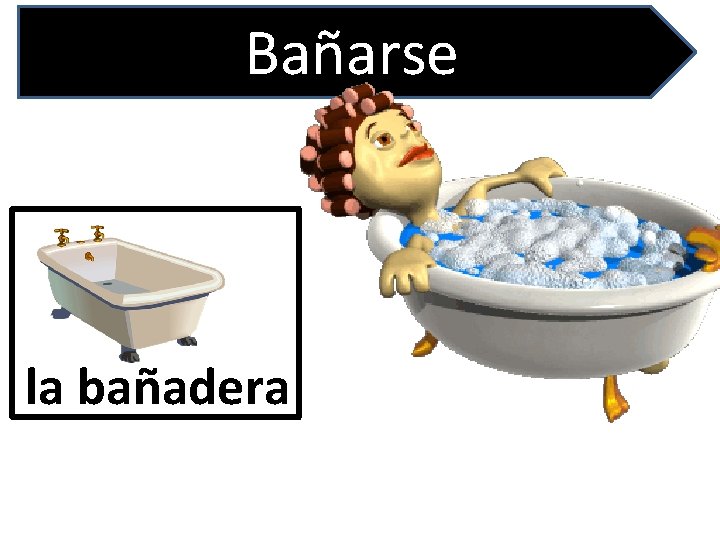
Bañarse la bañadera
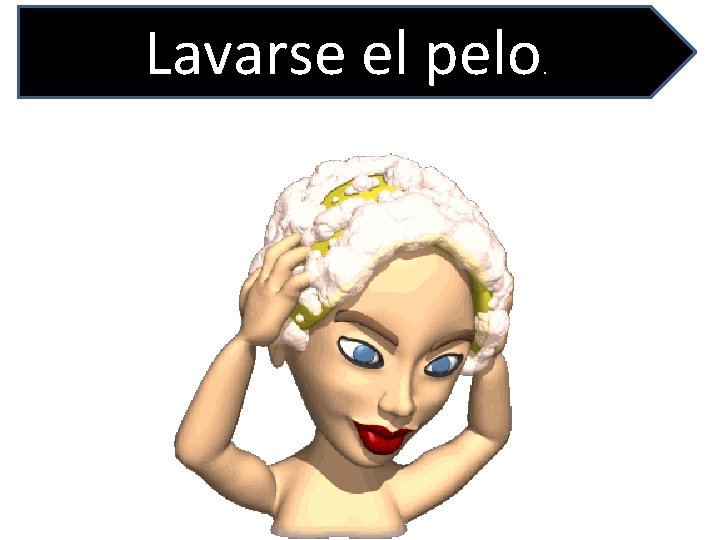
Lavarse el pelo .
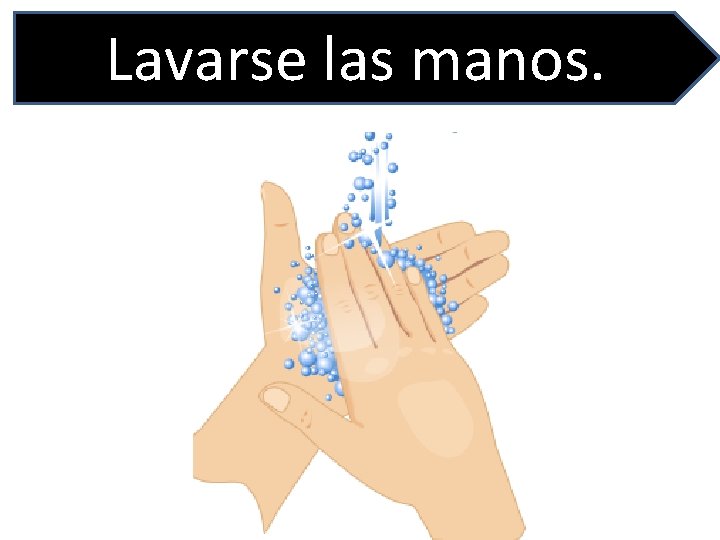
Lavarse las manos.
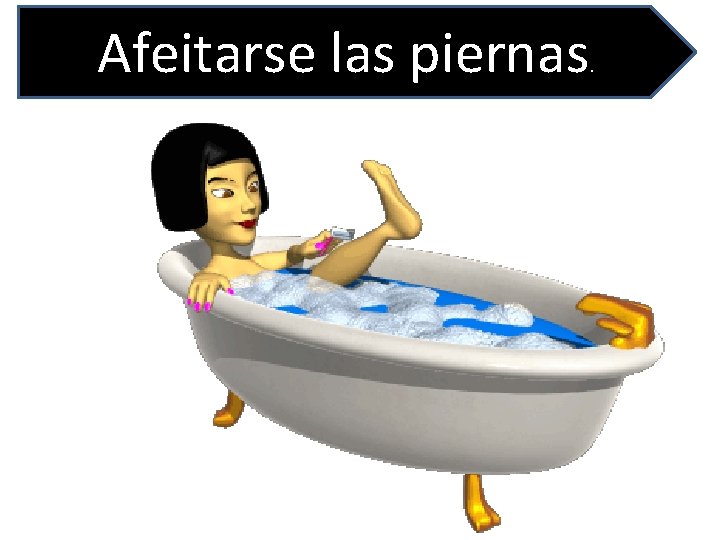
Afeitarse las piernas .
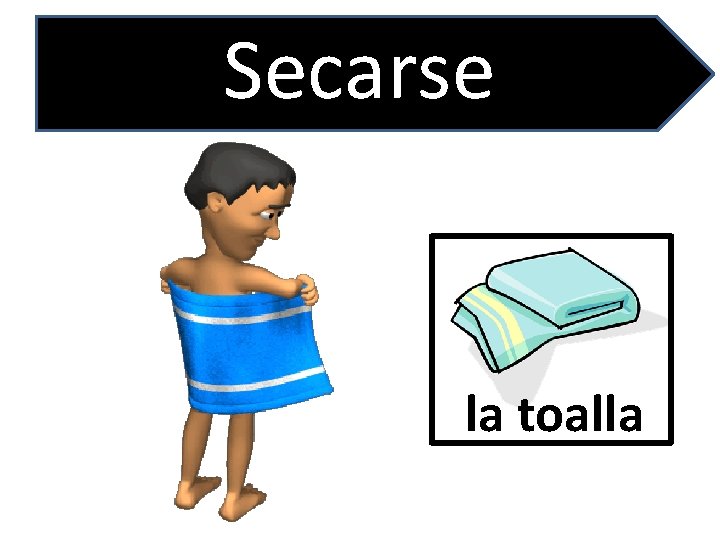
Secarse la toalla
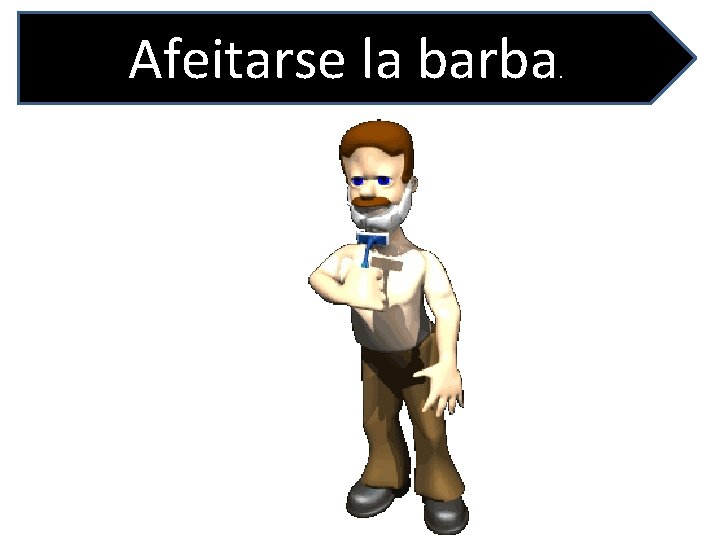
Afeitarse la barba .
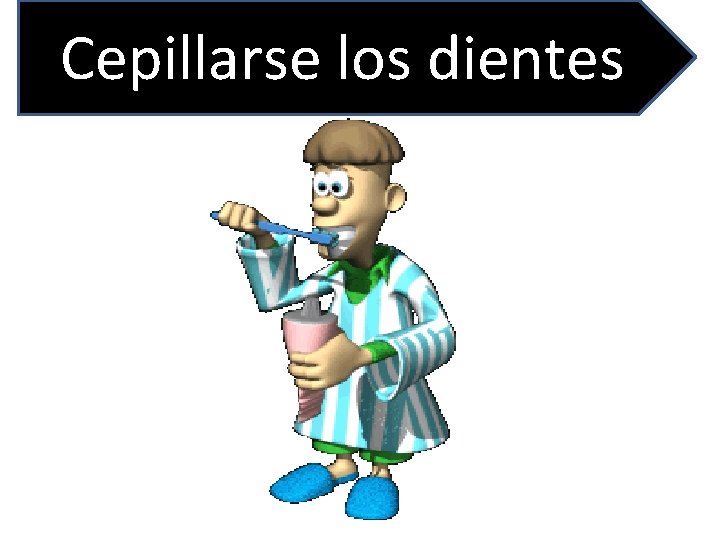
Cepillarse los dientes
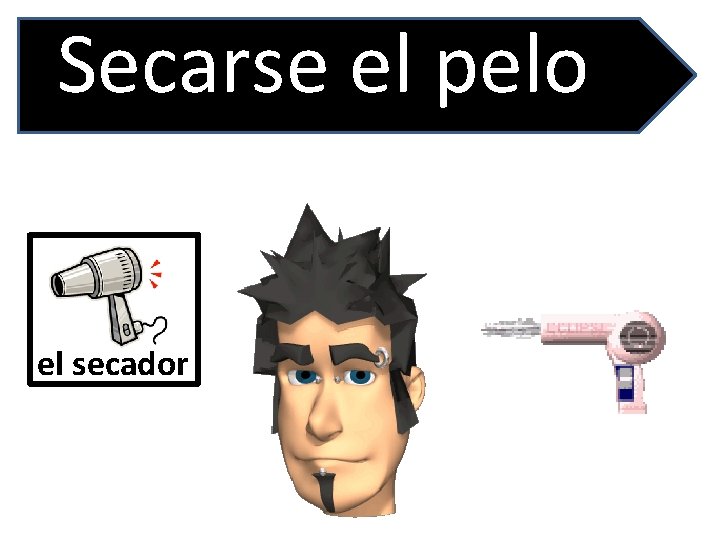
Secarse el pelo el secador
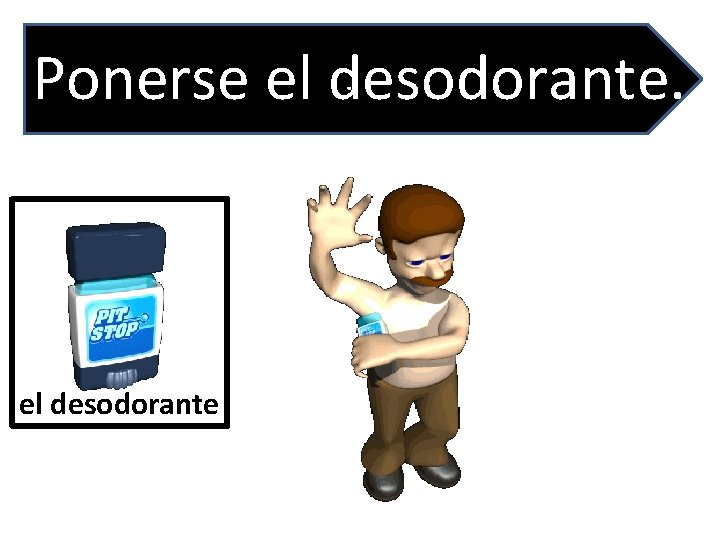
. Ponerse el desodorante
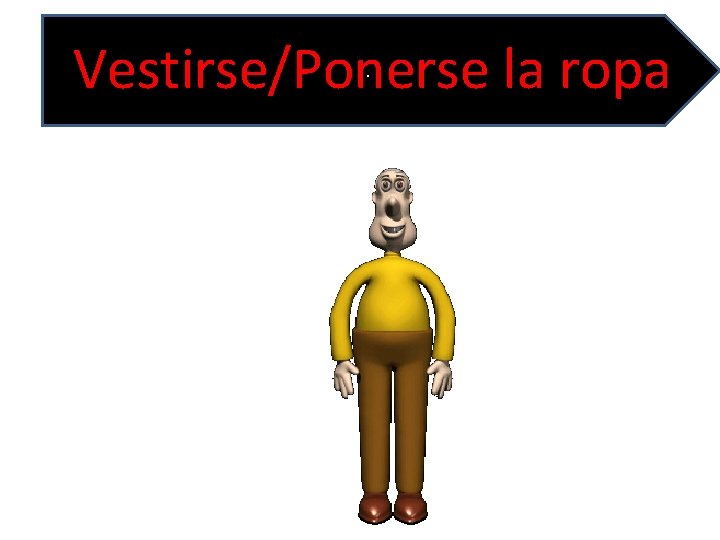
Vestirse/Ponerse la ropa.
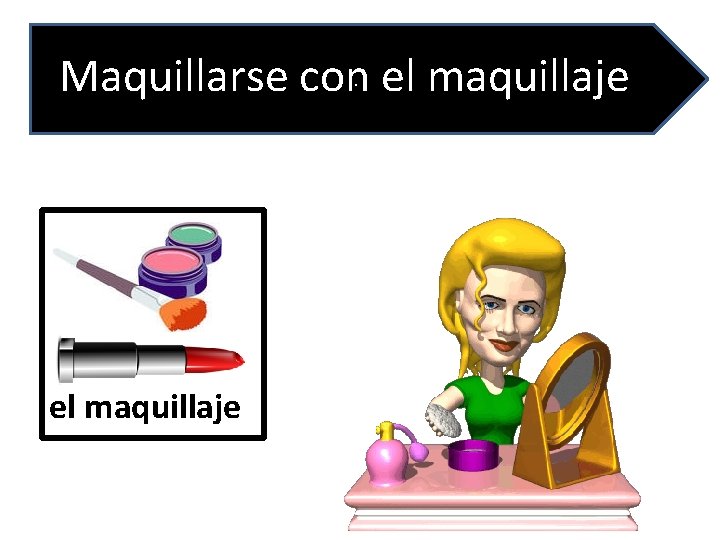
Maquillarse con. el maquillaje
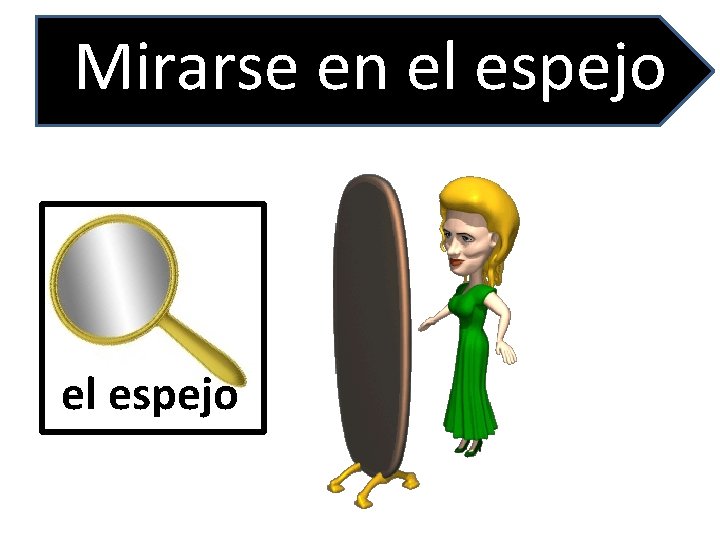
Mirarse en el espejo
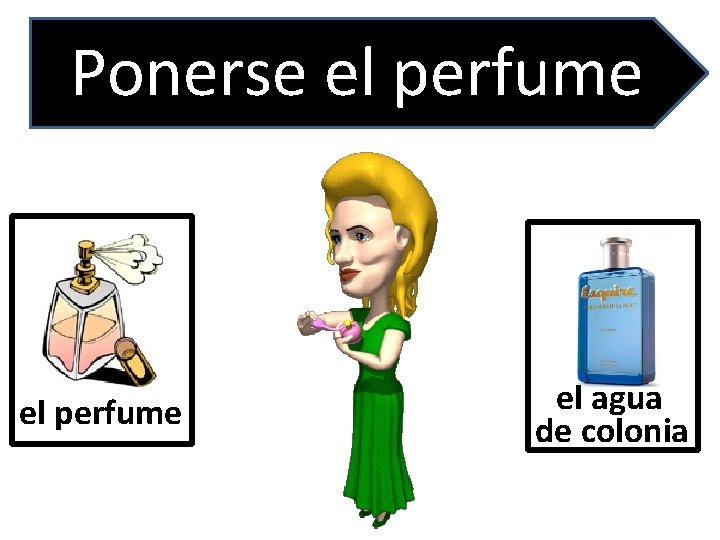
Ponerse el perfume el agua de colonia
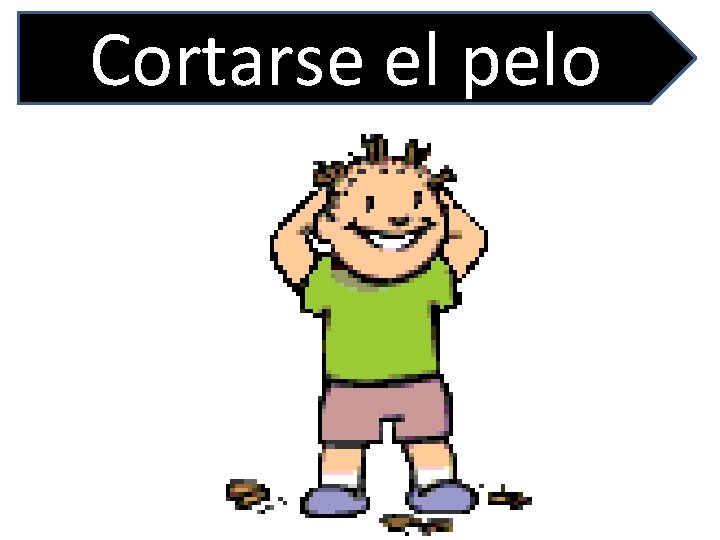
Cortarse el pelo
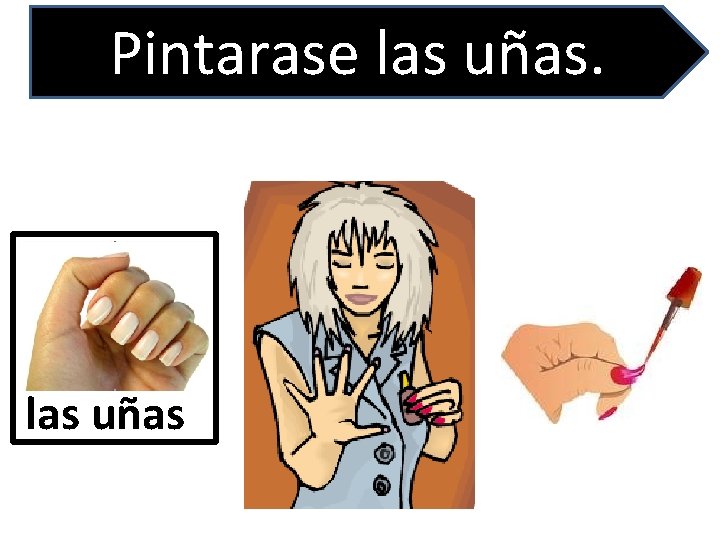
Pintarase las uñas
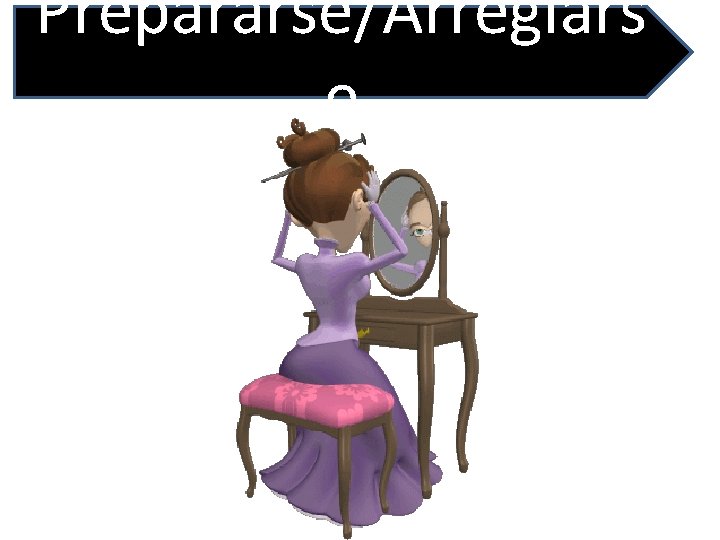
Prepararse/Arreglars e
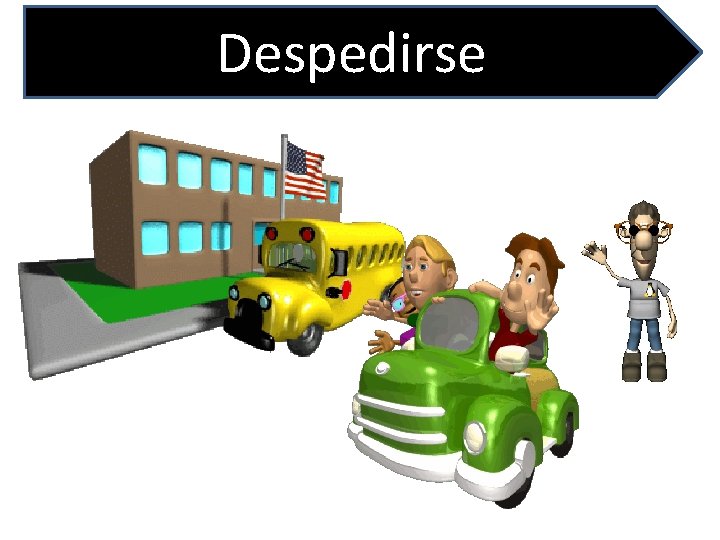
Despedirse

Acostarse

FIN
- Slides: 71