
Looking Back to Move Forward The Future of

Looking Back to Move Forward: The Future of WPA and Technology in the FYC Classroom Rebecca Petitti || Ph. D Candidate at UMass Amherst Thursday, October 25, 2018 || Thomas R. Watson Conference rebeccawritenow. com || Twitter: @rebeccawritenow
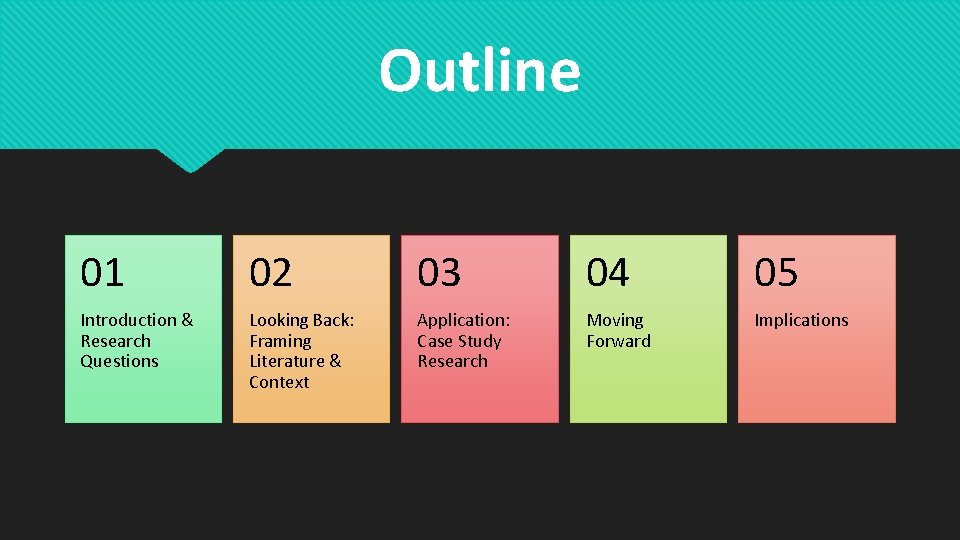
Outline 01 02 03 04 05 Introduction & Research Questions Looking Back: Framing Literature & Context Application: Case Study Research Moving Forward Implications
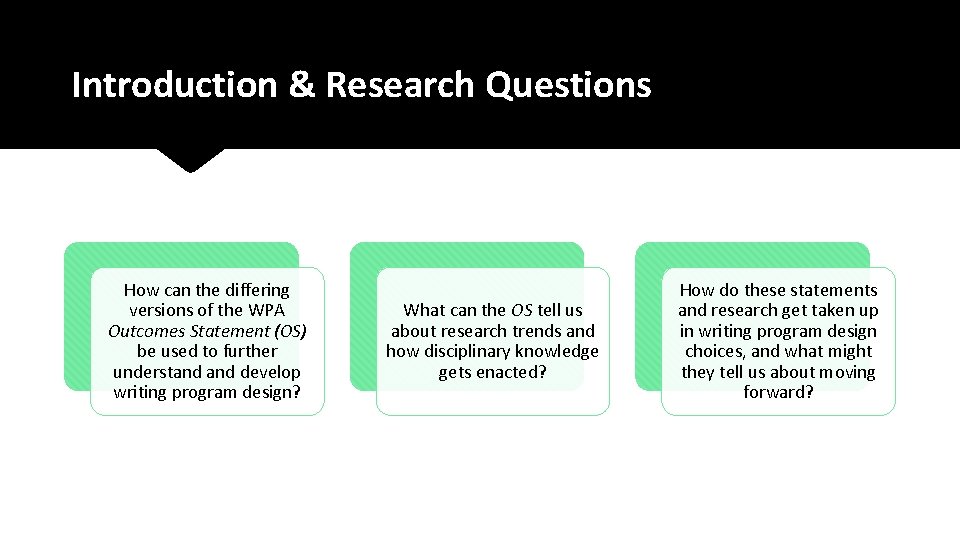
Introduction & Research Questions How can the differing versions of the WPA Outcomes Statement (OS) be used to further understand develop writing program design? What can the OS tell us about research trends and how disciplinary knowledge gets enacted? How do these statements and research get taken up in writing program design choices, and what might they tell us about moving forward?

Taking a Programmatic Approach Classroom studies risk illustrating the deviations from the norm Programmatic level can address the values communicated to the larger institutional audience
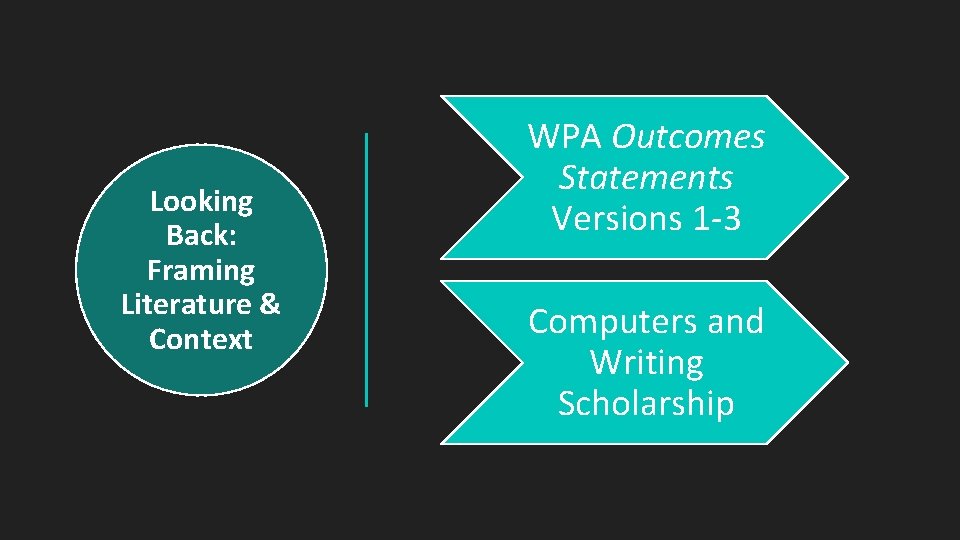
Looking Back: Framing Literature & Context WPA Outcomes Statements Versions 1 -3 Computers and Writing Scholarship
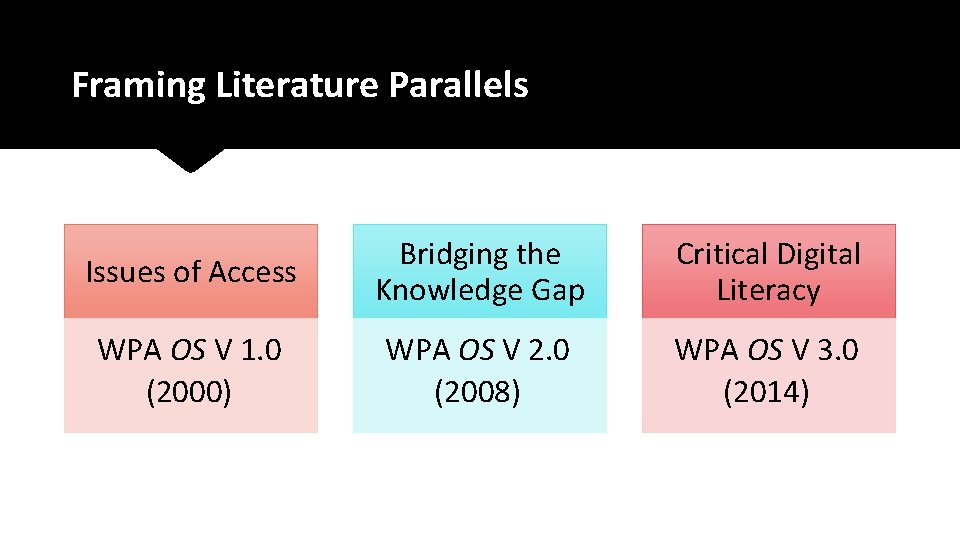
Framing Literature Parallels Issues of Access Bridging the Knowledge Gap Critical Digital Literacy WPA OS V 1. 0 (2000) WPA OS V 2. 0 (2008) WPA OS V 3. 0 (2014)
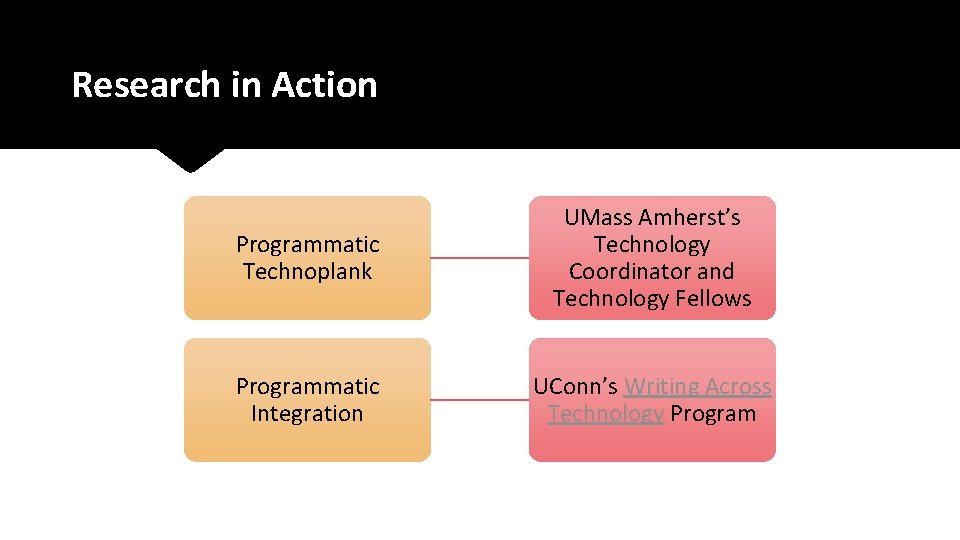
Research in Action Programmatic Technoplank UMass Amherst’s Technology Coordinator and Technology Fellows Programmatic Integration UConn’s Writing Across Technology Program
Moving Forward What does this looking back tell us about moving forward?
Expanding the Questions How does disciplinary knowledge get taken up in writing program design and curricular development? What are the conditions/factors that determine different levels of programmatic engagement and not others? What are the reasons for the design choices we make?
Pendulum swing Implications Intersection of research and practice, and the uptake of disciplinary knowledge Looking toward programmatic and institutional levels
Thank You!
- Slides: 11