
Looking at the Future of Vision Research Implantable
Looking at the Future of Vision Research: Implantable Medical Devices that Assist People with Low Vision Argus II Retinal Chip Implant Duane R. Geruschat Ph. D. CLVT, COMS Salus University College of Education and Rehabilitation
Disclosure The presenter is a collaborator with Second Sight Medical Products Supported by: R 01 EY 021220 to Gislin Dagnelie, Ph. D University of Pennsylvania/CHOP Prior relationship with Optobionics
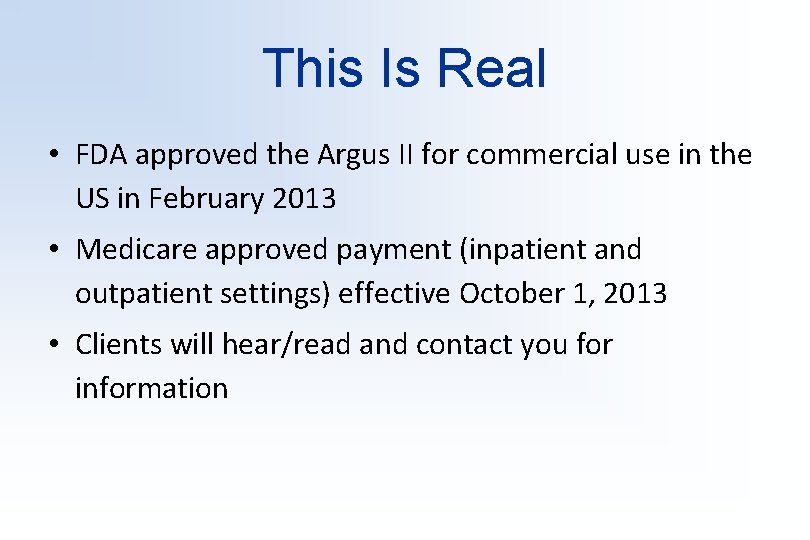
This Is Real • FDA approved the Argus II for commercial use in the US in February 2013 • Medicare approved payment (inpatient and outpatient settings) effective October 1, 2013 • Clients will hear/read and contact you for information
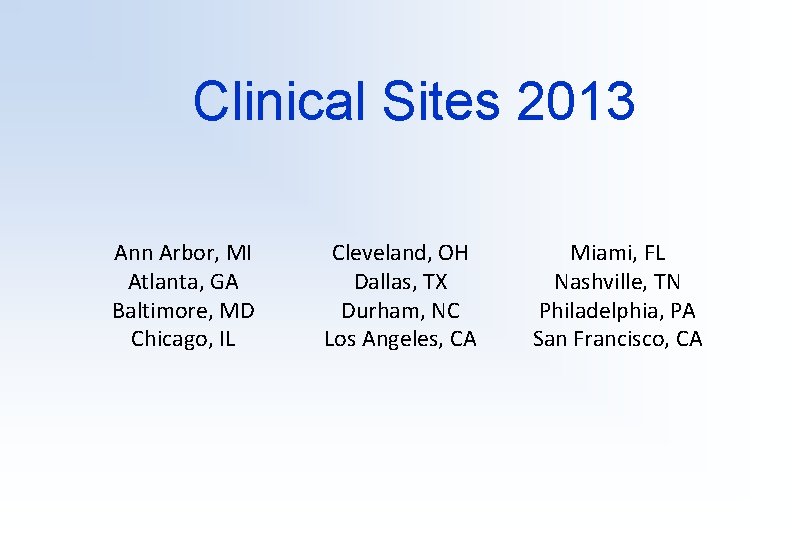
Clinical Sites 2013 Ann Arbor, MI Atlanta, GA Baltimore, MD Chicago, IL Cleveland, OH Dallas, TX Durham, NC Los Angeles, CA Miami, FL Nashville, TN Philadelphia, PA San Francisco, CA
Goals For This Presentation • • • Background - How the technology works What they see Patient profile Activities that can be enhanced with this technology Best Candidates Challenges using prosthetic vision
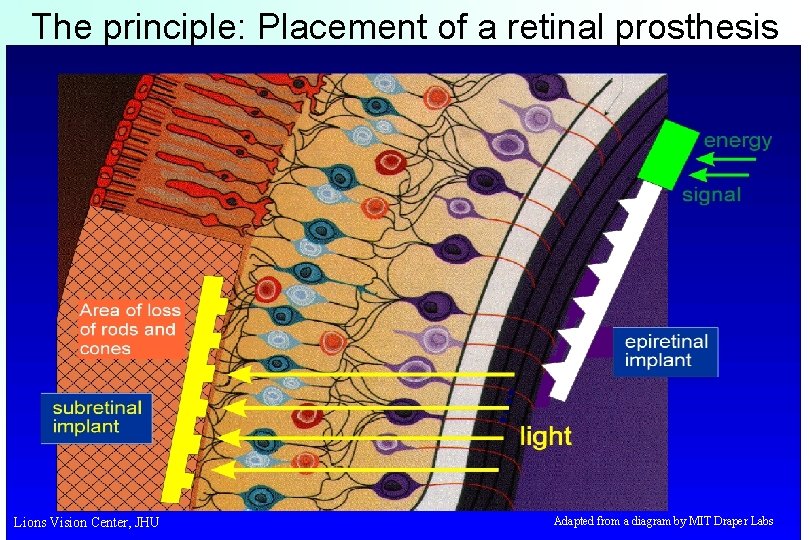
The principle: Placement of a retinal prosthesis Lions Vision Center, JHU Adapted from a diagram by MIT Draper Labs
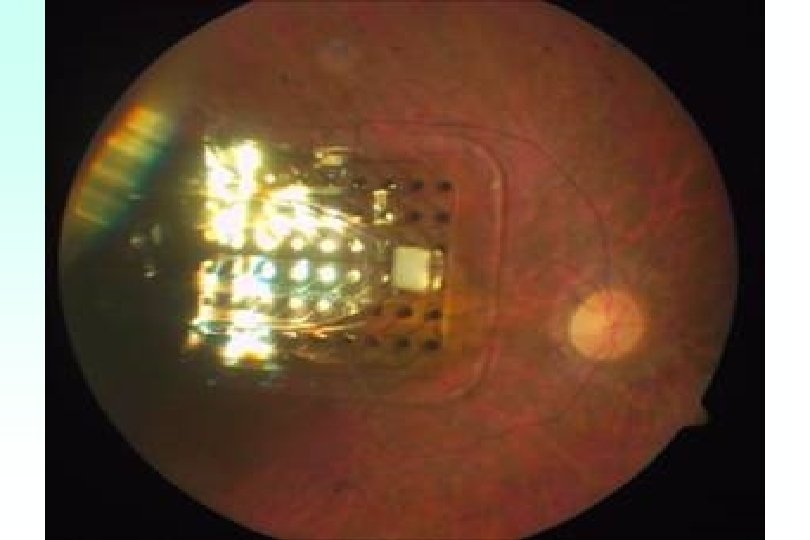
Second Sight
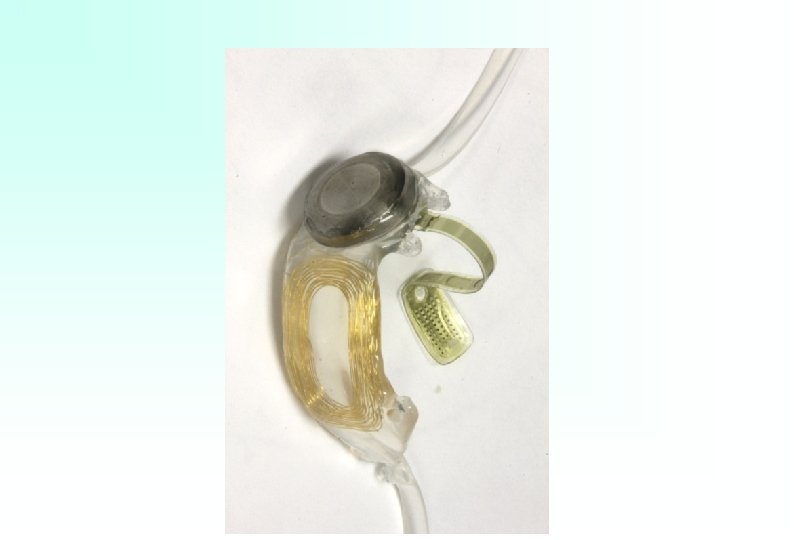

Argus II System
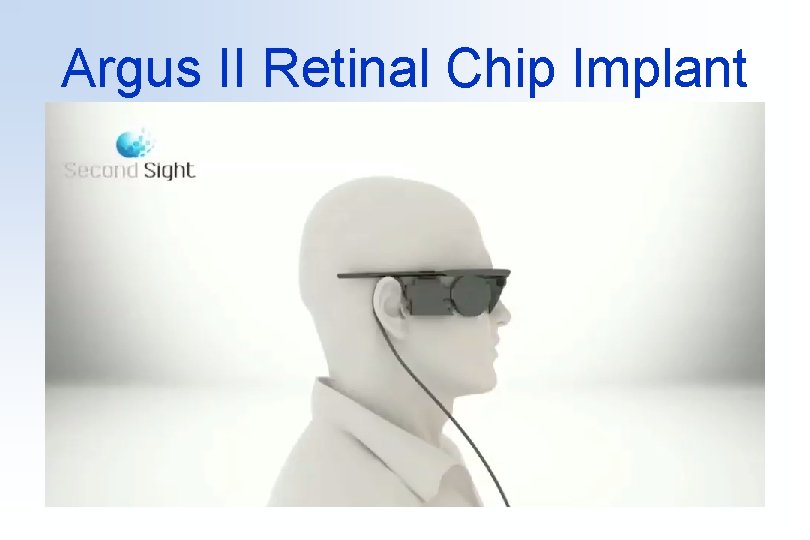
Argus II Retinal Chip Implant
What Do Patients See With Argus II?
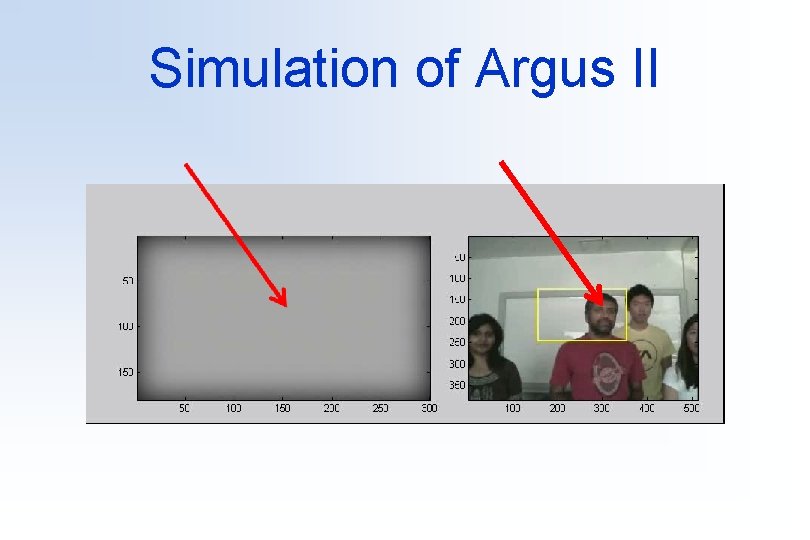
Simulation of Argus II
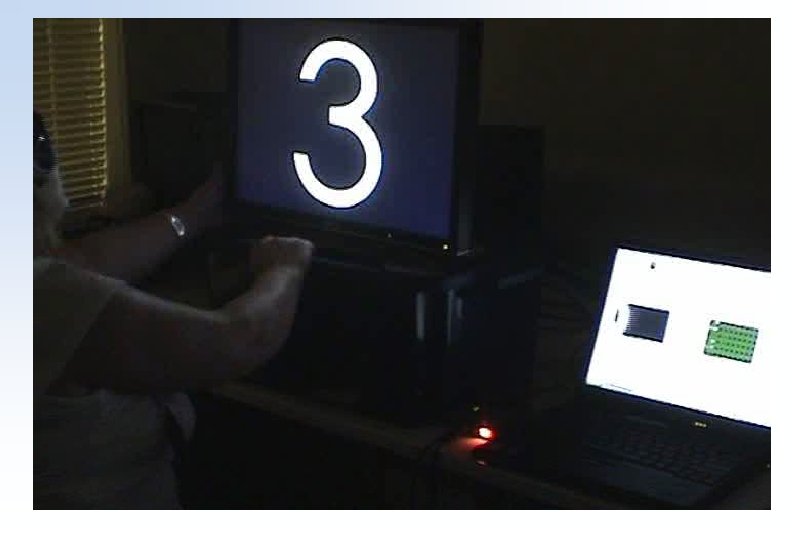
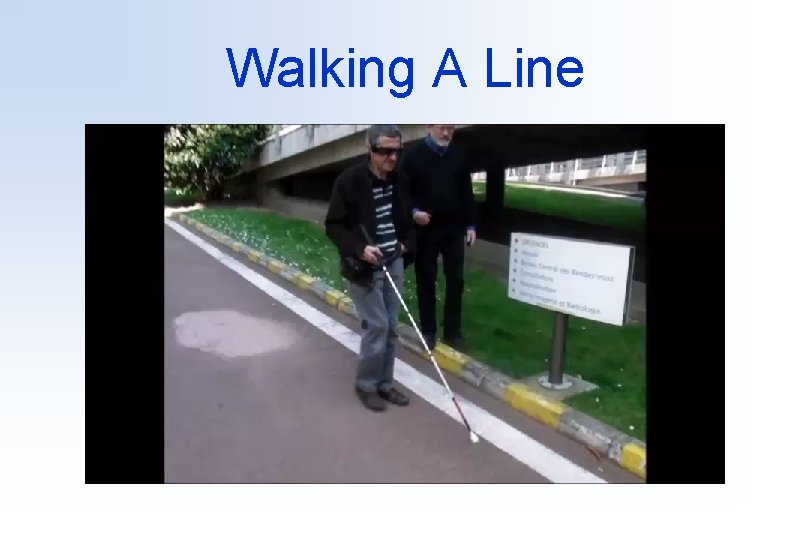
Walking A Line
What These Videos Mean? The Blind Can See • • Ultra Low Vision Low Visual Acuity 20 Degrees of Visual Field Takes time to process the image
Patient Profile • • • RP – bare light perception to NLP Average years since blind = 15 Have lived blind Re-introducing vision Psychological dynamic Rehabilitation approach is different
Activities That Can Be Enhanced With This Technology With this level of Ultra Low Vision Is there anything useful that can be done?
Value/Power of Light Projection Residential school Hotel room Value of form perception – detection of contrast in familiar environment
This Vision Enhances O&M Enhance Orientation
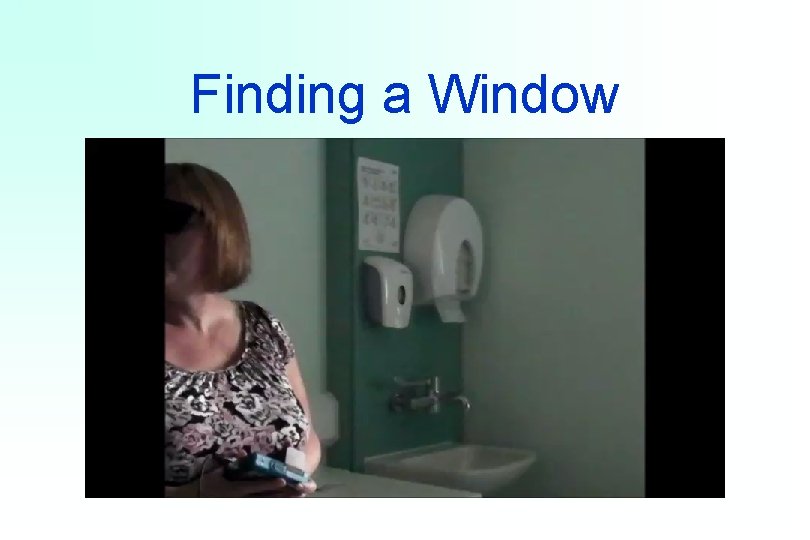
Finding a Window
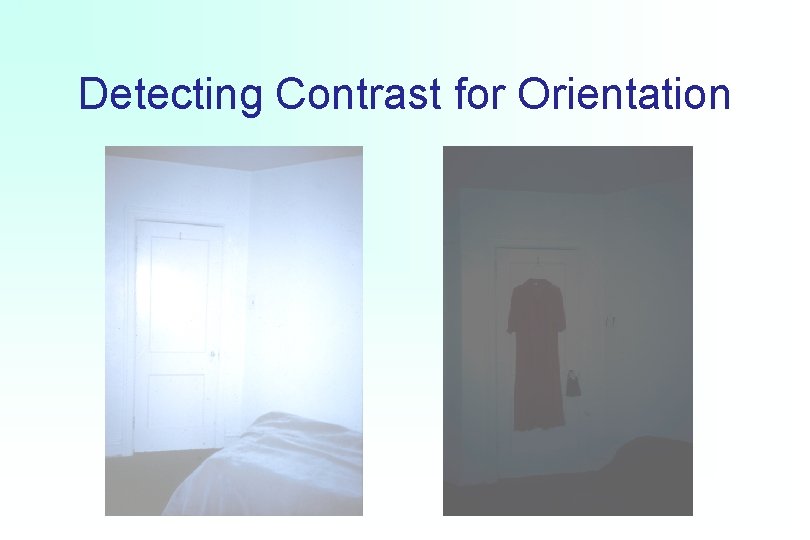
Detecting Contrast for Orientation
Rehabilitation • Clinic based rehabilitation • Community based rehabilitation
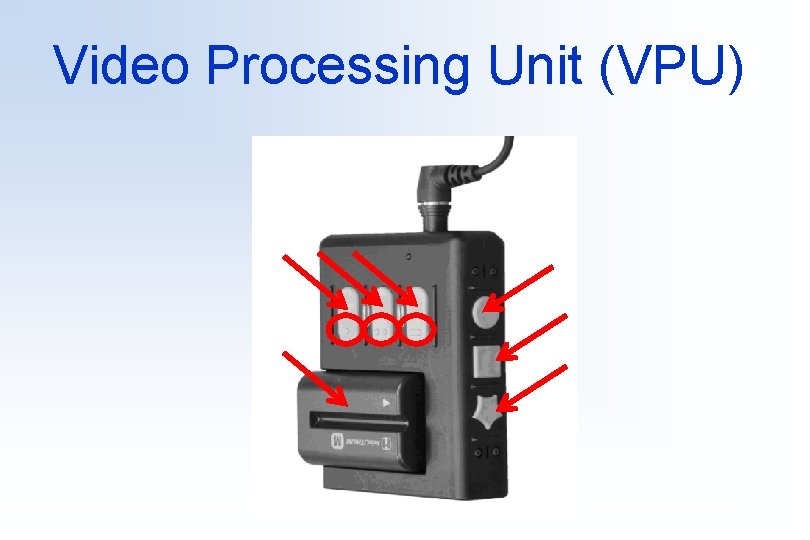
Video Processing Unit (VPU)
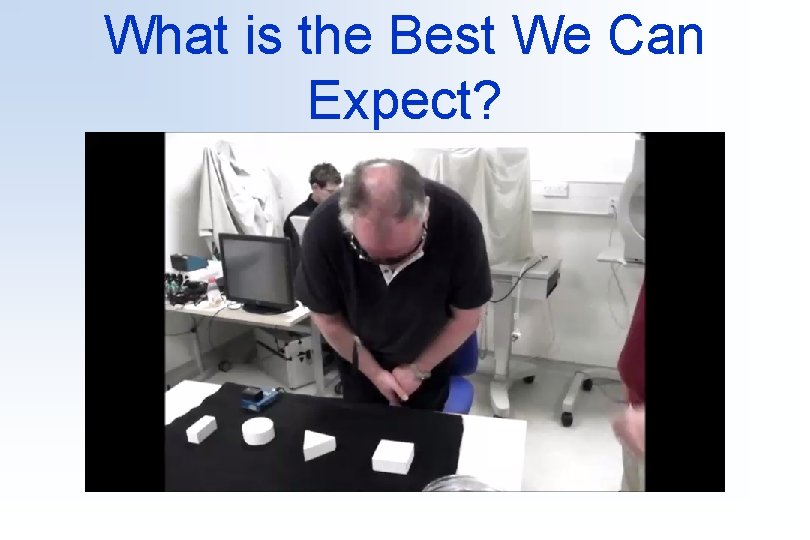
What is the Best We Can Expect?
Activities and Benefits • Orientation and Mobility – Crossing Street – Turning house lights off • Quality of Life – Fireplace – Television – Just feeling sighted again
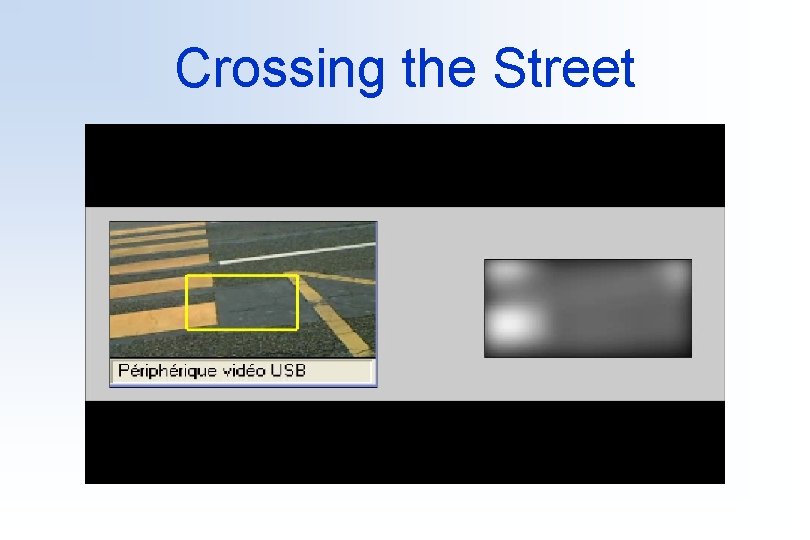
Crossing the Street
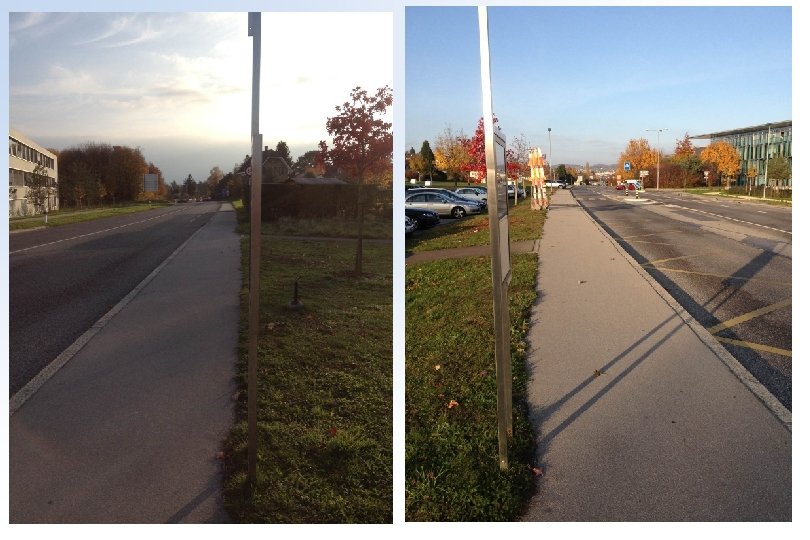
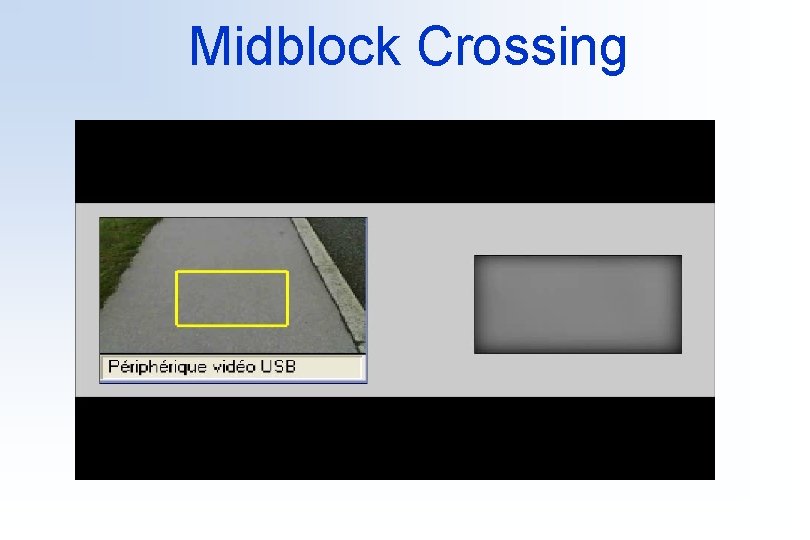
Midblock Crossing
Good Candidates • Clear goals • Observable and measurable • Some level of independence as a blind person AND - OR • Quality of life – Fireplace – TV – Grandchildren
Thank you for your time and interest Duane R. Geruschat Ph. D.
- Slides: 31