
Look at the picture Do you remember the
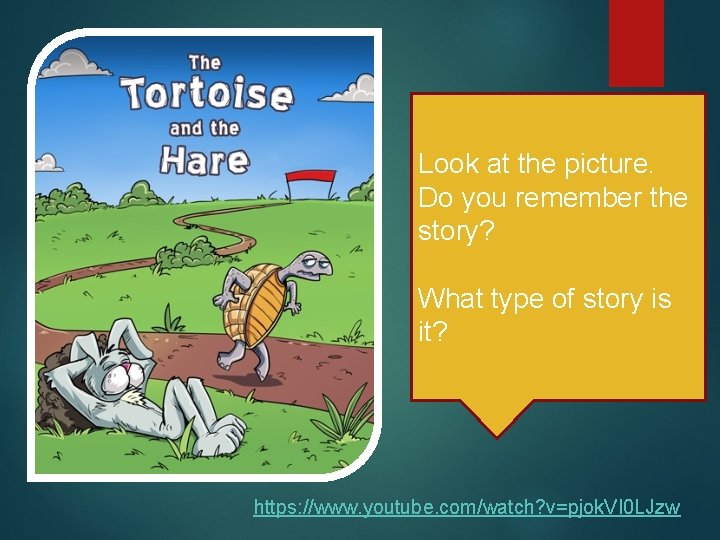
Look at the picture. Do you remember the story? What type of story is it? https: //www. youtube. com/watch? v=pjok. VI 0 LJzw
The story is one of over 655 other fables written by the author Aesop around 550 BCE. It is a brief tale that uses animals associated with definite traits (tortoise=slow; hare=fast ) to communicate an easily understood moral: overconfidence leads to failure.
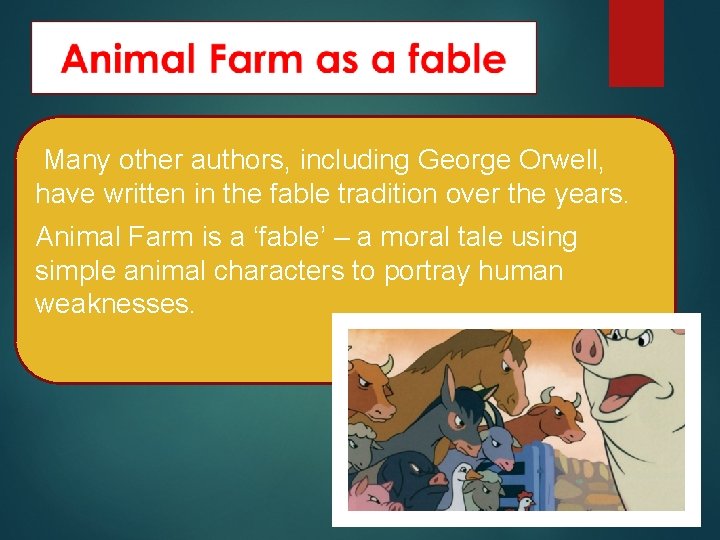
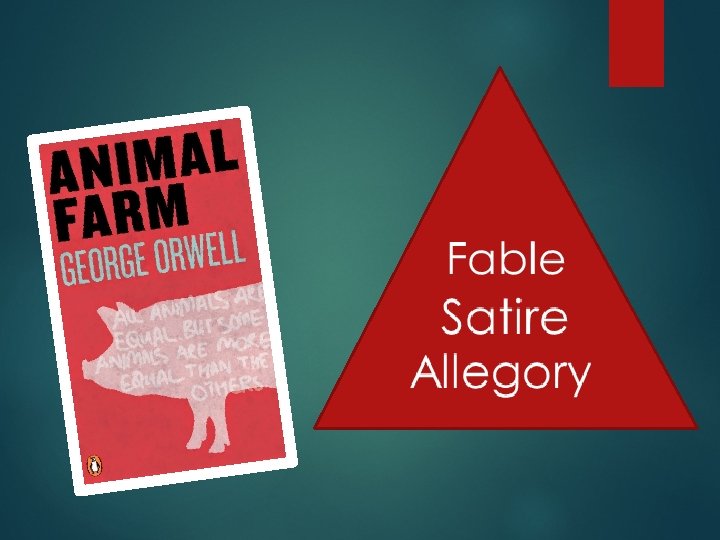
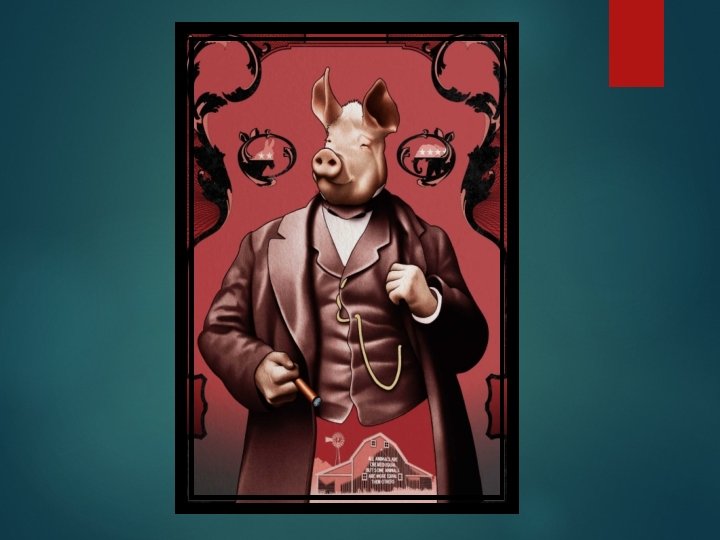
Many other authors, including George Orwell, have written in the fable tradition over the years. Animal Farm is a ‘fable’ – a moral tale using simple animal characters to portray human weaknesses.

Satire By definition, satire is the use of humour, exaggeration, ridicule, sarcasm, irony, and/or a number of other literary devices to expose and criticize foolishness, corruption, or general social problems with the intent to promote social change. In short, satire inspires change by making something or someone look stupid in a humorous manner.
Ever read a political cartoon that mocks a politician or policy? Ever watched The Daily Show? https: //www. youtube. com/watch? v=Qlaeir. HJpns They make you laugh by pointing out the ridiculousness of social issues, people, vices, decisions, etc. . These are modern, popular examples of satire, a literary technique that has been around for centuries.
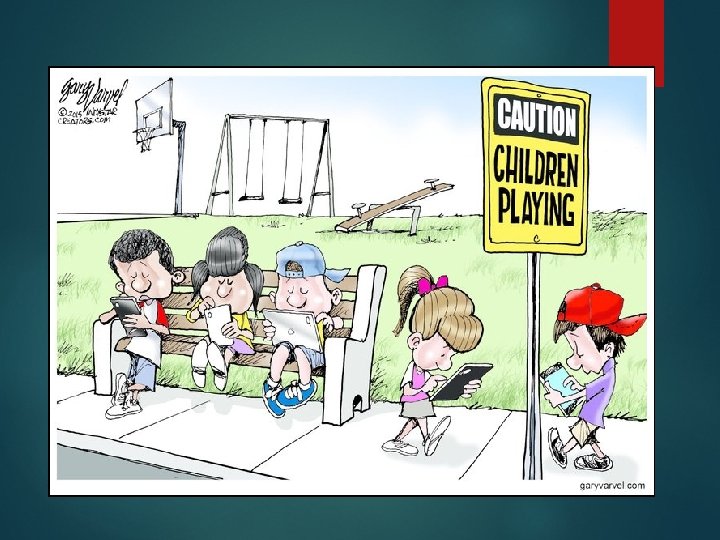

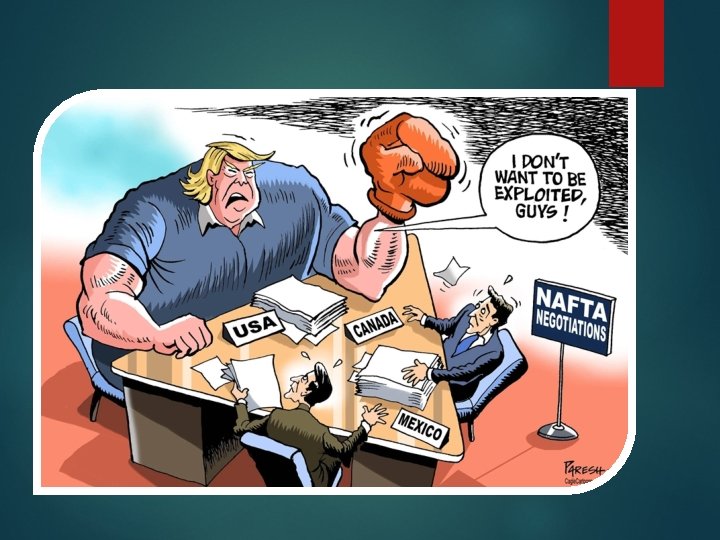
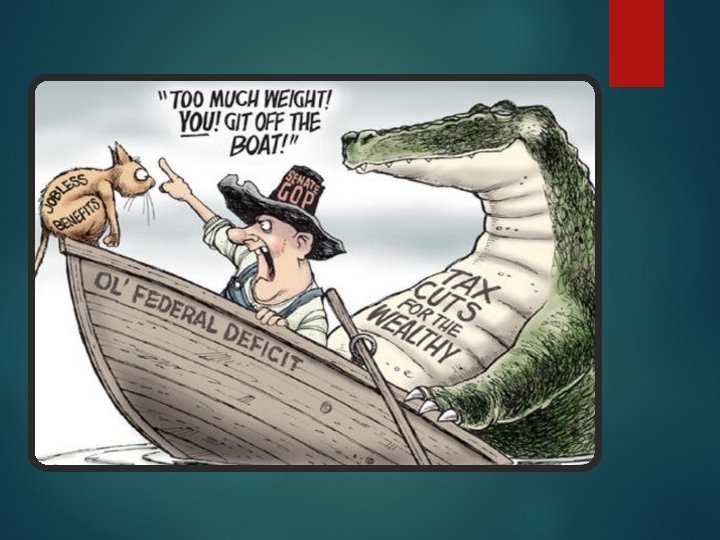
Some Satire Techniques Similes and metaphors, for example, are great ways to draw ridiculous parallels. In its use of animals as stand- ins for people. Another example would be hyperbole (exaggeration). Blowing something into ridiculous proportions to make it seem laughable, or making something seem insanely specific. In comic strips, corrupt business men are often depicted with huge stomachs - the exaggeration implies their greedy appetite. Another popular satire device is the parody: taking serious subject matter and lampooning it by means humorous imitation. The Scary Movie films, for example, are parodies of the horror genre of film. They draw attention to some of the absurdities of the genre by emphasizing them.
Animal Farm as a satire ANIMAL FARM - a satire on political power A satire is a piece of writing that attacks a person or idea making it look ridiculous or unpleasant. Animal Farm tells the story of Farmer Jones’s animals who rise up in rebellion and take over the farm. Tired of being exploited solely for human gain, the animals – who have human characteristics such as the power of speech – vow to create a new and more just society.
The story is a warning about POLITICAL TYRRANY and its effects on the individual. Orwell uses satire to expose what he saw as the myth of Soviet socialism. Thus the novel tells a story that people of all ages can understand, but it also tells a second story – that of a real-life Revolution
https: //www. youtube. com/watch? v=l 3 i. Xy-I 2 PEg&list=RDCMUCk 8 enjb. XIks. N 4 WE 22 u-R 7 A&index=1
An Allegory of the Russian History Orwell himself describes the story as an ALLEGORY. He makes it clear in the preface, that he wrote the book to criticise Stalin’s regime in the Soviet Union (which was an ally of Britain’s in the 1940 s!) Although the book was written in 1943, it was seen as too politically sensitive – it wasn’t until 1945 that it was finally published.
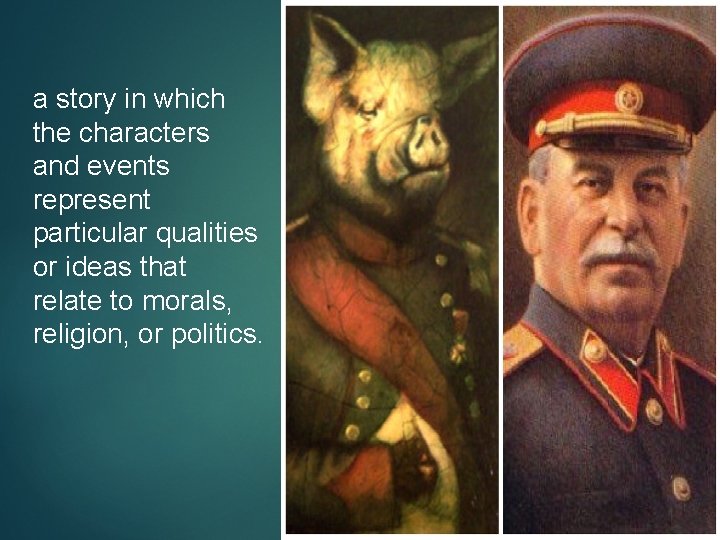
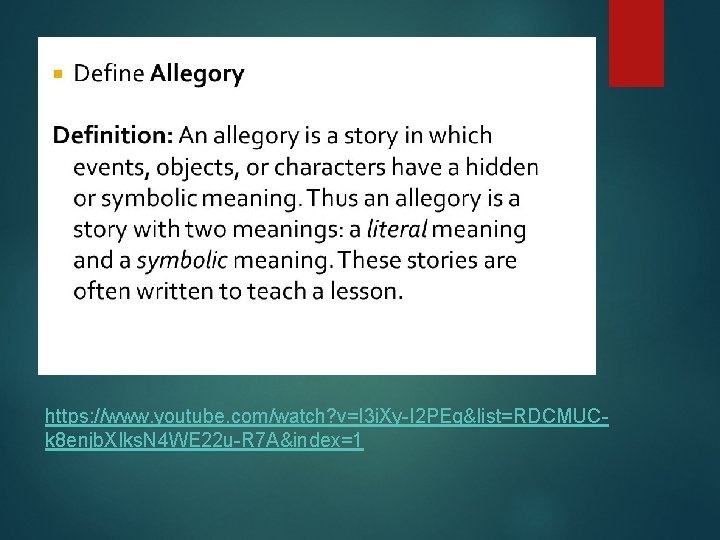
a story in which the characters and events represent particular qualities or ideas that relate to morals, religion, or politics.
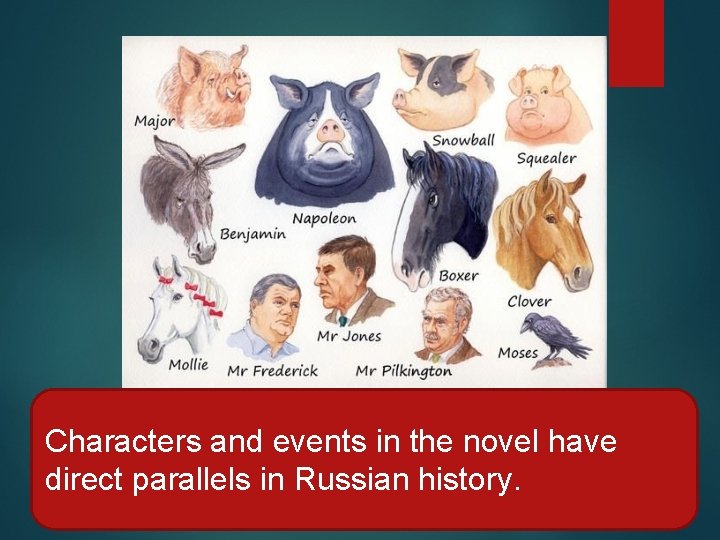
Characters and events in the novel have direct parallels in Russian history.
George Orwell: A Life in Pictures Full Documentary BBC documentary 2003 BBC Television docudrama telling the life story of the British author George Orwell. Chris Langham plays the part of Orwell. No surviving sound recordings or video of the real George Orwell have been found. https: //www. youtube. com/watch? v=s 6 txpumk. Y 5 I& t=4094 s (1: 03 -1: 08)
- Slides: 19