
Living things project Dolphin 1 Cells Dolphins are
- Slides: 11
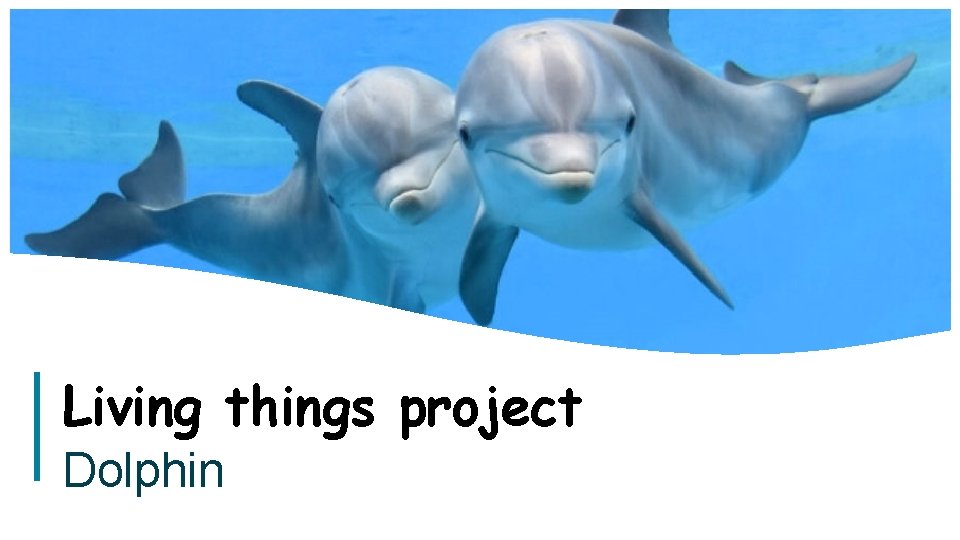
Living things project Dolphin 1
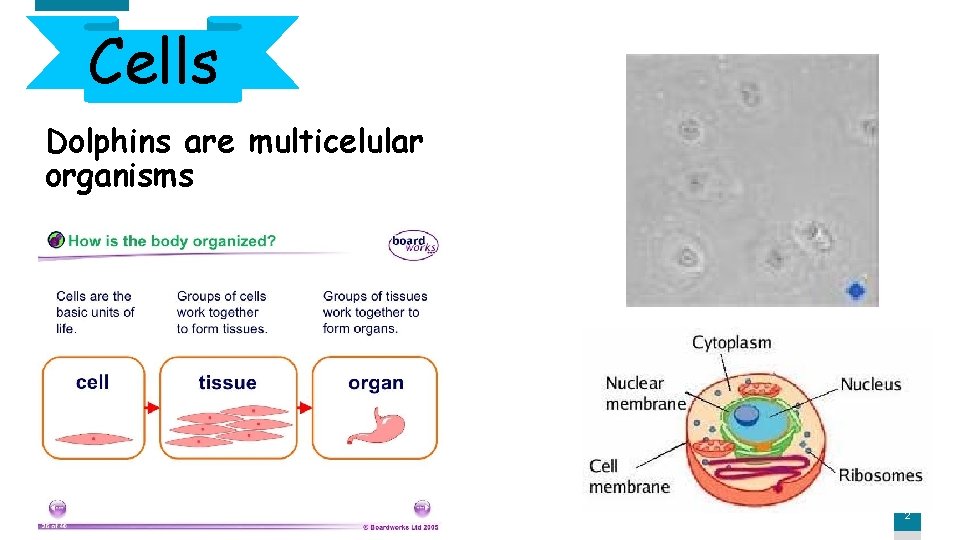
Cells Dolphins are multicelular organisms 2
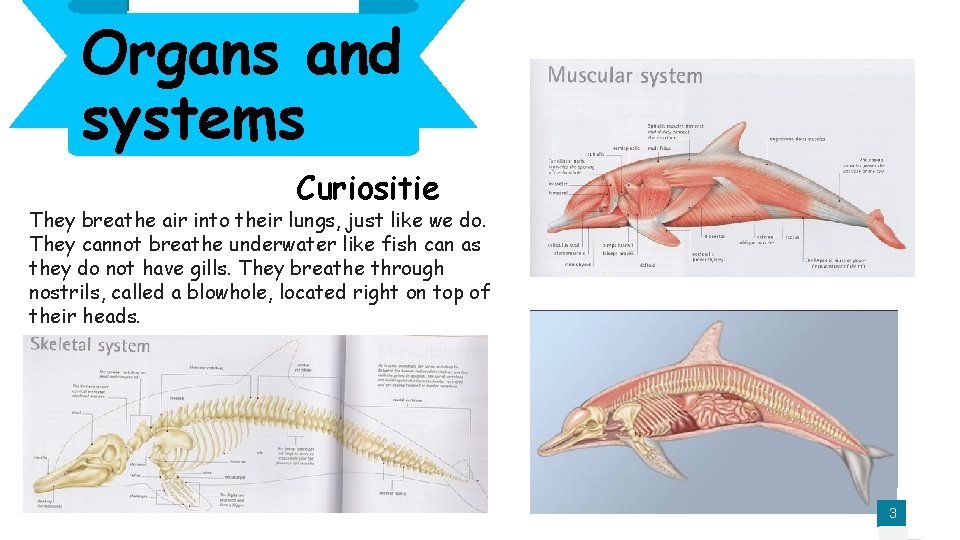
Organs and systems Curiositie They breathe air into their lungs, just like we do. They cannot breathe underwater like fish can as they do not have gills. They breathe through nostrils, called a blowhole, located right on top of their heads. 3 3
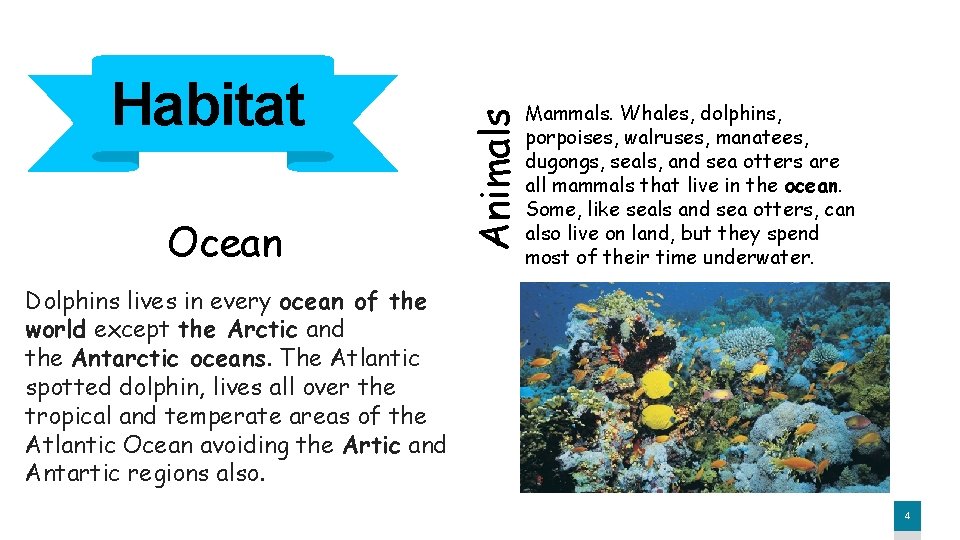
Ocean Animals Habitat Mammals. Whales, dolphins, porpoises, walruses, manatees, dugongs, seals, and sea otters are all mammals that live in the ocean. Some, like seals and sea otters, can also live on land, but they spend most of their time underwater. Dolphins lives in every ocean of the world except the Arctic and the Antarctic oceans. The Atlantic spotted dolphin, lives all over the tropical and temperate areas of the Atlantic Ocean avoiding the Artic and Antartic regions also. 4
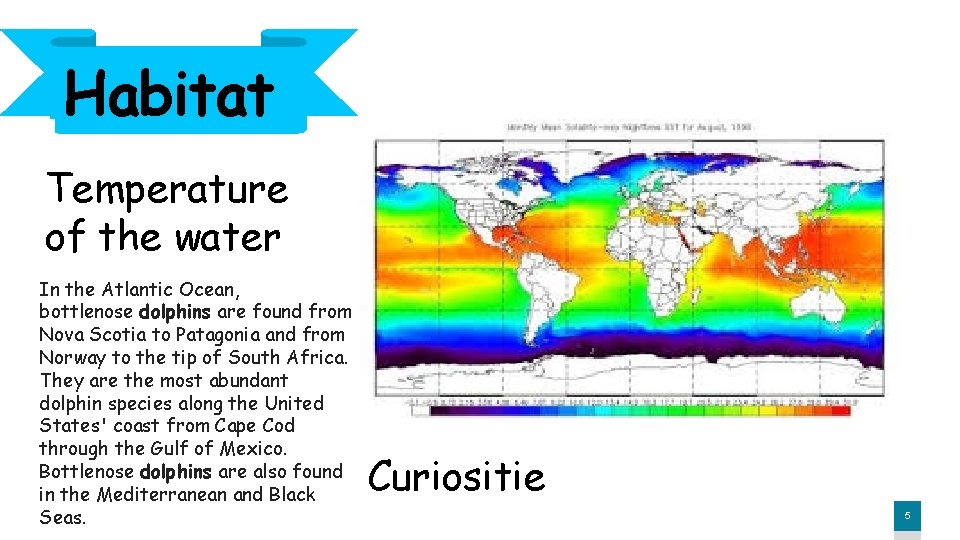
Habitat Temperature of the water In the Atlantic Ocean, bottlenose dolphins are found from Nova Scotia to Patagonia and from Norway to the tip of South Africa. They are the most abundant dolphin species along the United States' coast from Cape Cod through the Gulf of Mexico. Bottlenose dolphins are also found in the Mediterranean and Black Seas. Curiositie 5
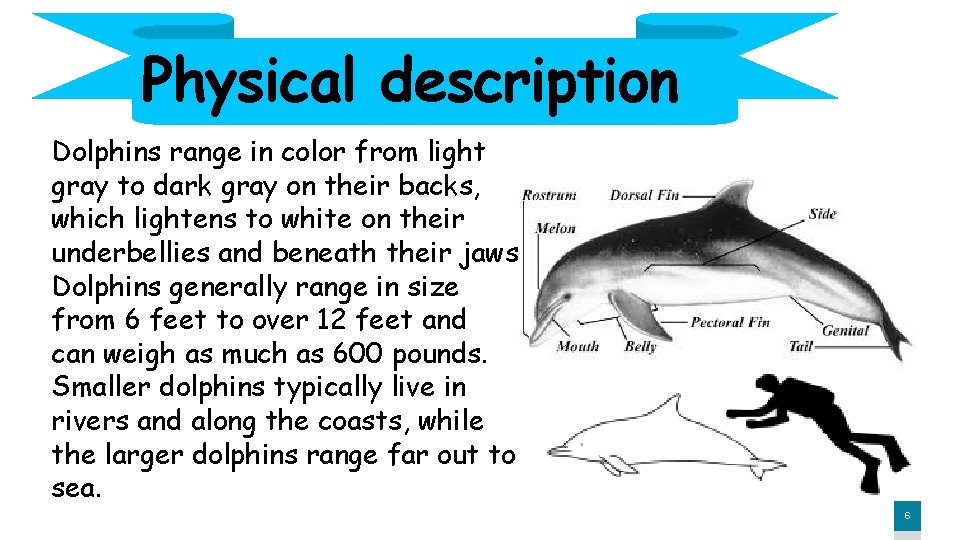
Physical description Dolphins range in color from light gray to dark gray on their backs, which lightens to white on their underbellies and beneath their jaws. Dolphins generally range in size from 6 feet to over 12 feet and can weigh as much as 600 pounds. Smaller dolphins typically live in rivers and along the coasts, while the larger dolphins range far out to sea. 6
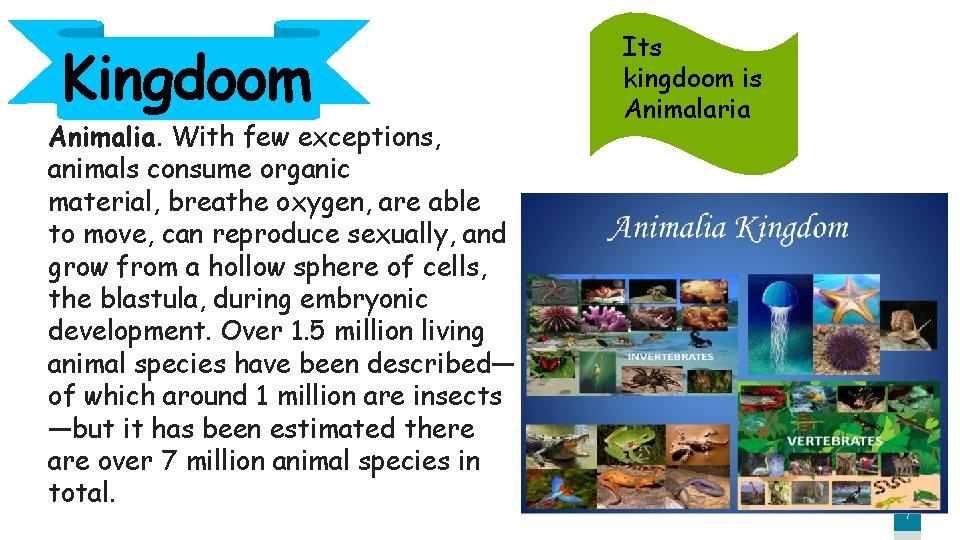
Kingdoom Animalia. With few exceptions, animals consume organic material, breathe oxygen, are able to move, can reproduce sexually, and grow from a hollow sphere of cells, the blastula, during embryonic development. Over 1. 5 million living animal species have been described— of which around 1 million are insects —but it has been estimated there are over 7 million animal species in total. Its kingdoom is Animalaria 7
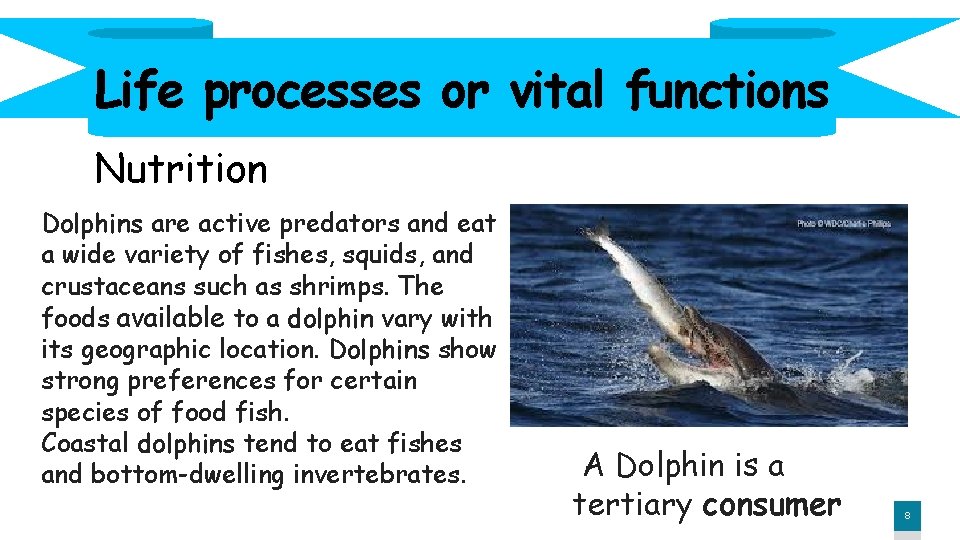
Life processes or vital functions Nutrition Dolphins are active predators and eat a wide variety of fishes, squids, and crustaceans such as shrimps. The foods available to a dolphin vary with its geographic location. Dolphins show strong preferences for certain species of food fish. Coastal dolphins tend to eat fishes and bottom-dwelling invertebrates. A Dolphin is a tertiary consumer 8
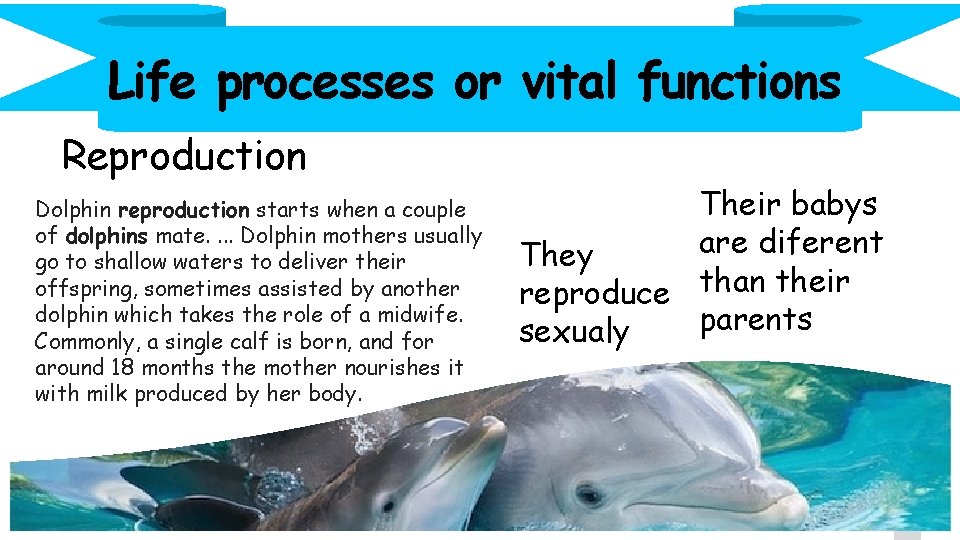
Life processes or vital functions Reproduction Dolphin reproduction starts when a couple of dolphins mate. . Dolphin mothers usually go to shallow waters to deliver their offspring, sometimes assisted by another dolphin which takes the role of a midwife. Commonly, a single calf is born, and for around 18 months the mother nourishes it with milk produced by her body. Their babys are diferent They than their reproduce parents sexualy 9
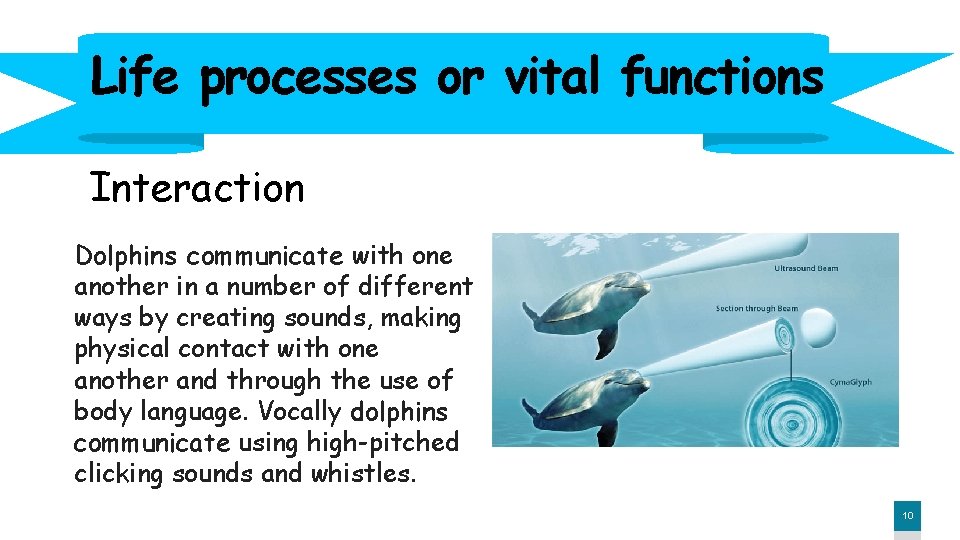
Life processes or vital functions Interaction Dolphins communicate with one another in a number of different ways by creating sounds, making physical contact with one another and through the use of body language. Vocally dolphins communicate using high-pitched clicking sounds and whistles. 10
Thank you By: Eugenia 11