
LIVING THINGS One of the biggest questions in
LIVING THINGS One of the biggest questions in science: “What is life? ”
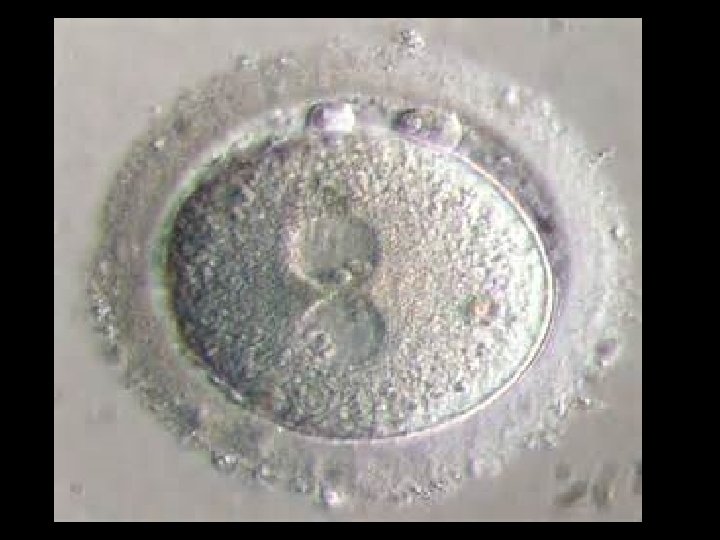
Matter Everything is made up of MATTER. Matter is anything that takes up space and has mass. Matter is made up of elements Matter can be living or non-living.
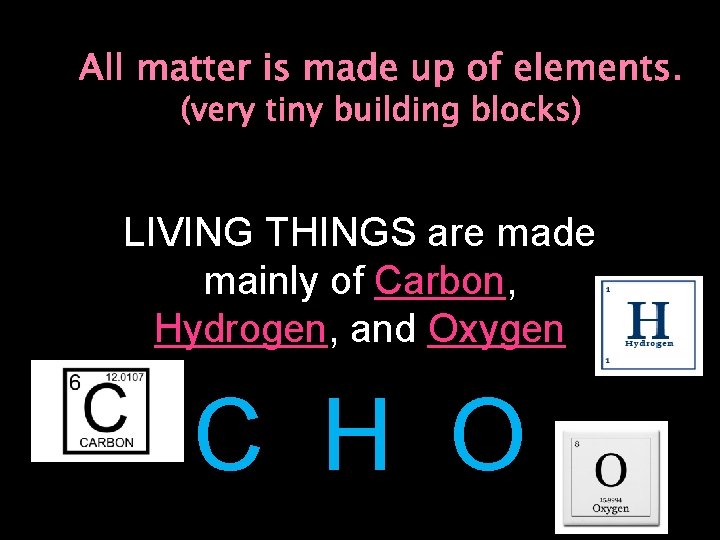
All matter is made up of elements. (very tiny building blocks) LIVING THINGS are made mainly of Carbon, Hydrogen, and Oxygen C H O
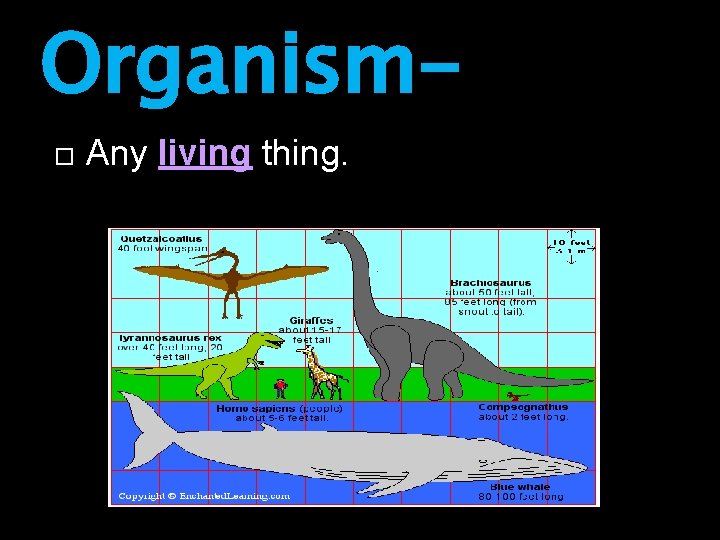
Organism Any living thing.
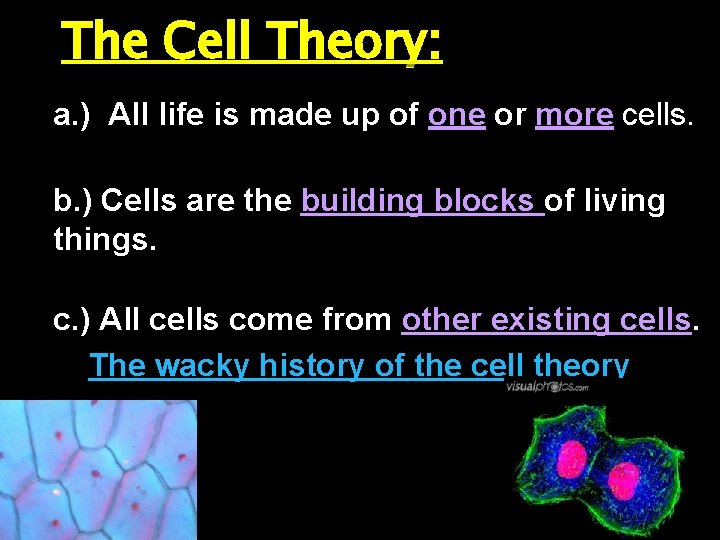
The Cell Theory: a. ) All life is made up of one or more cells. b. ) Cells are the building blocks of living things. c. ) All cells come from other existing cells. The wacky history of the cell theory
Some organisms are unicellular , others are multicellular :
ALL Living Things: Share common characteristics (or perform life functions) to keep them alive.
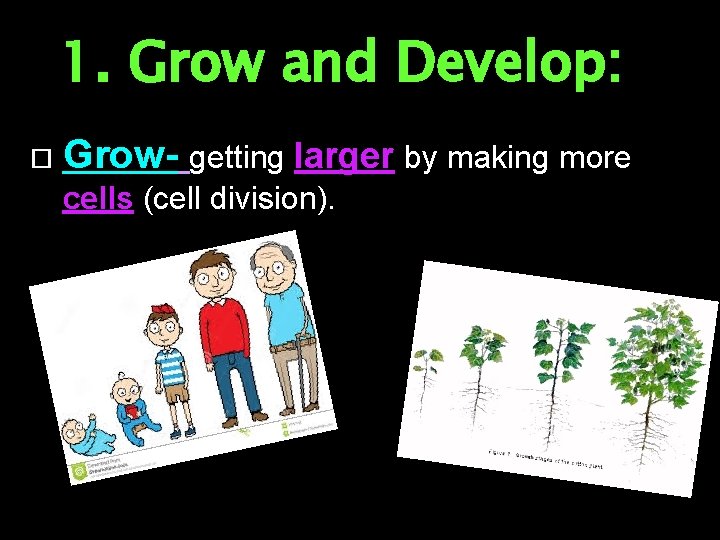
1. Grow and Develop: Grow- getting larger by making more cells (cell division).
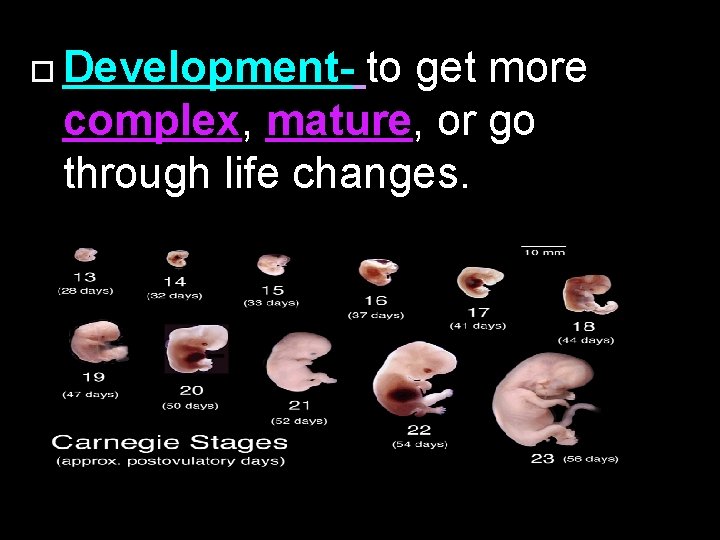
Development- to get more complex, mature, or go through life changes.
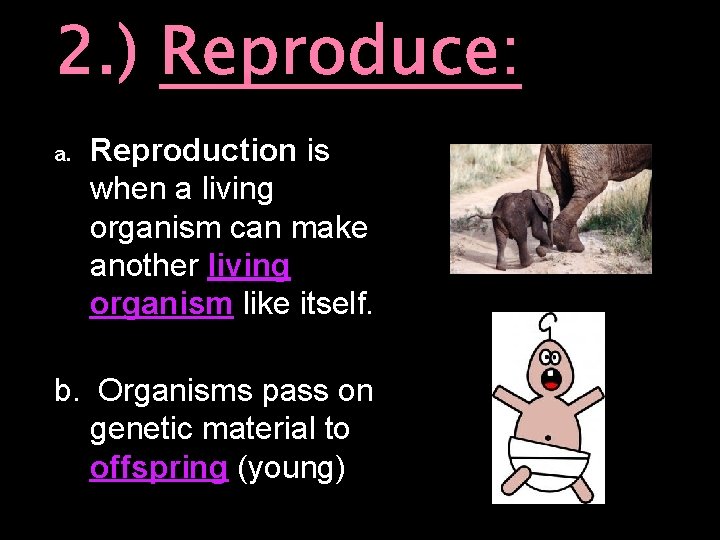
2. ) Reproduce: a. Reproduction is when a living organism can make another living organism like itself. b. Organisms pass on genetic material to offspring (young)
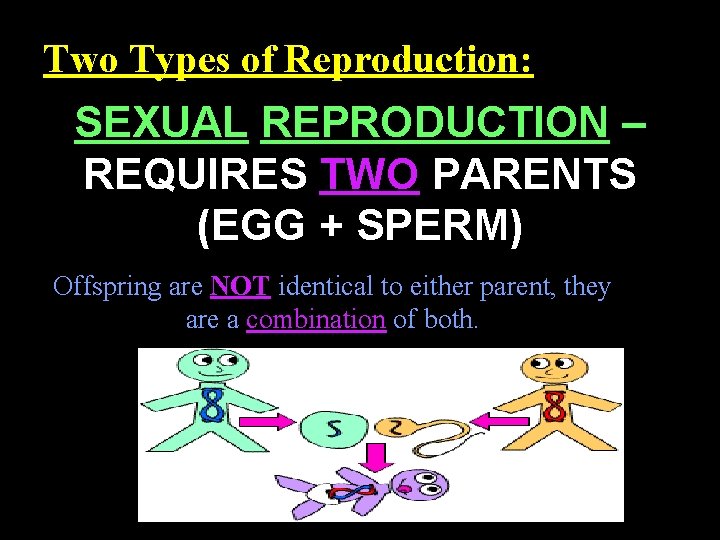
Two Types of Reproduction: SEXUAL REPRODUCTION – REQUIRES TWO PARENTS (EGG + SPERM) Offspring are NOT identical to either parent, they are a combination of both.
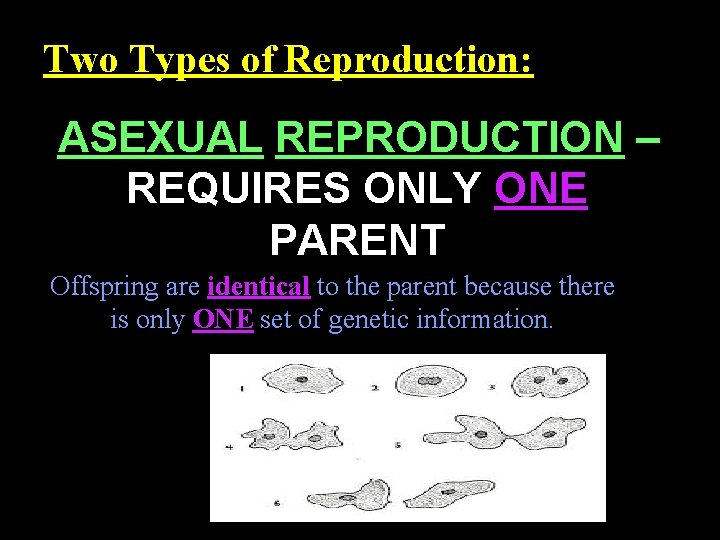
Two Types of Reproduction: ASEXUAL REPRODUCTION – REQUIRES ONLY ONE PARENT Offspring are identical to the parent because there is only ONE set of genetic information.
3. Respond to the Environment Organisms detect things with their senses and can then take action. TEDED: How does your brain respond to PAIN?

-Stimulus- a change in the organism’s surrounding environment. (cause) -Response- a reaction to the stimulus. (effect)
Examples: v Plant leans towards a sunny window Sunny window stimulus =______ Lean response = ________
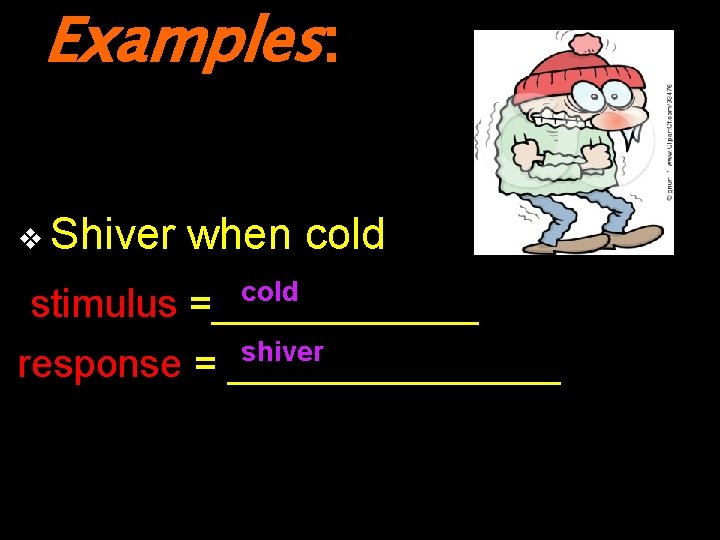
Examples: v Shiver when cold stimulus =______ shiver response = ________
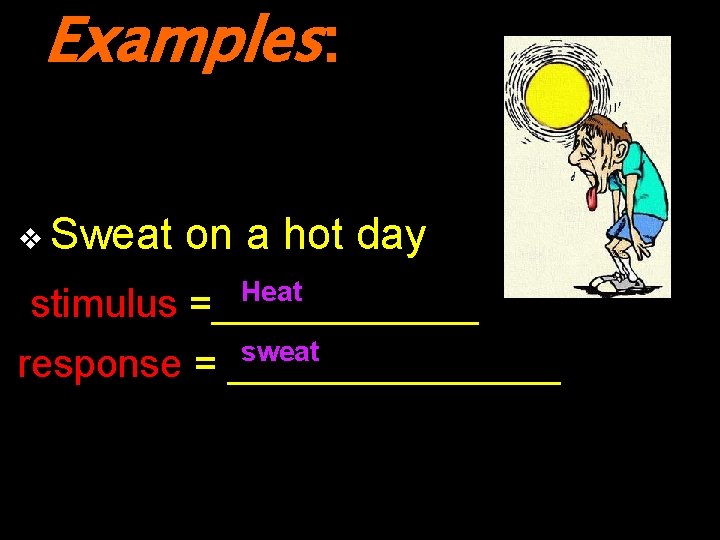
Examples: v Sweat on a hot day Heat stimulus =______ sweat response = ________
4. Synthesis To make and replace damaged or old cells (a cut scabs over and heals) -Our bodies use simple molecules to build more complex molecules.
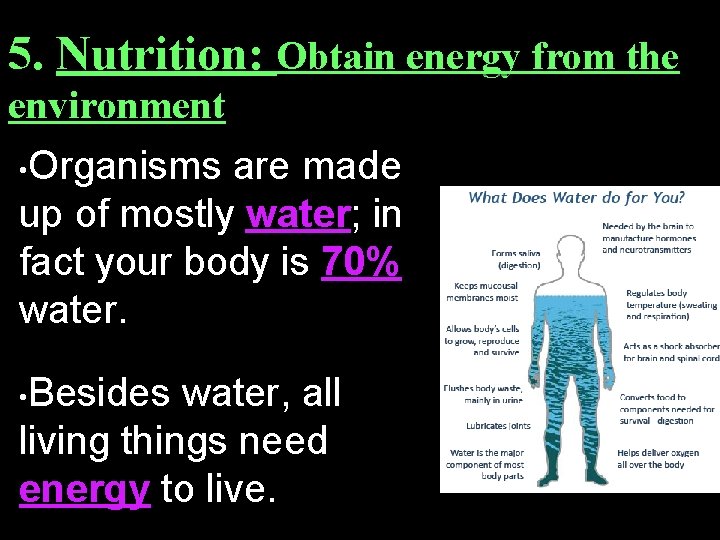
5. Nutrition: Obtain energy from the environment • Organisms are made up of mostly water; in fact your body is 70% water. • Besides water, all living things need energy to live.
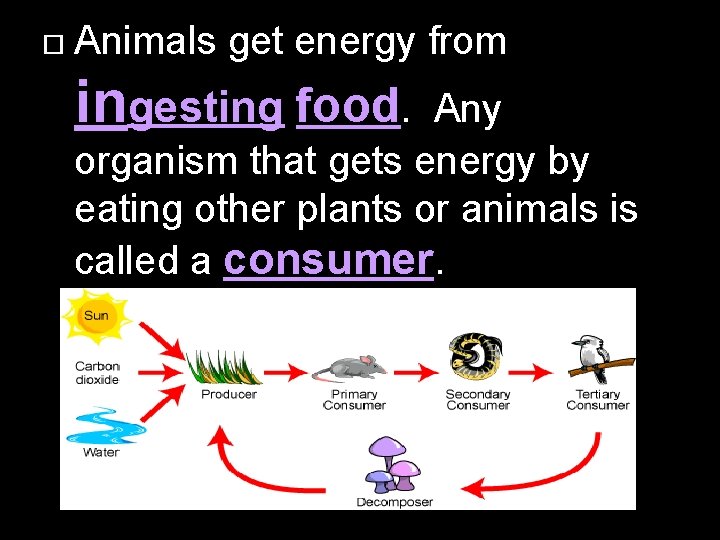
Animals get energy from ingesting food. Any organism that gets energy by eating other plants or animals is called a consumer.
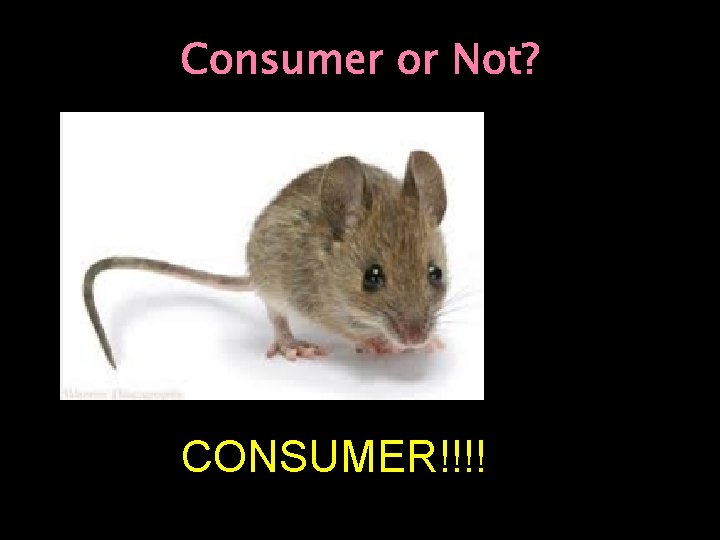
Consumer or Not? CONSUMER!!!!
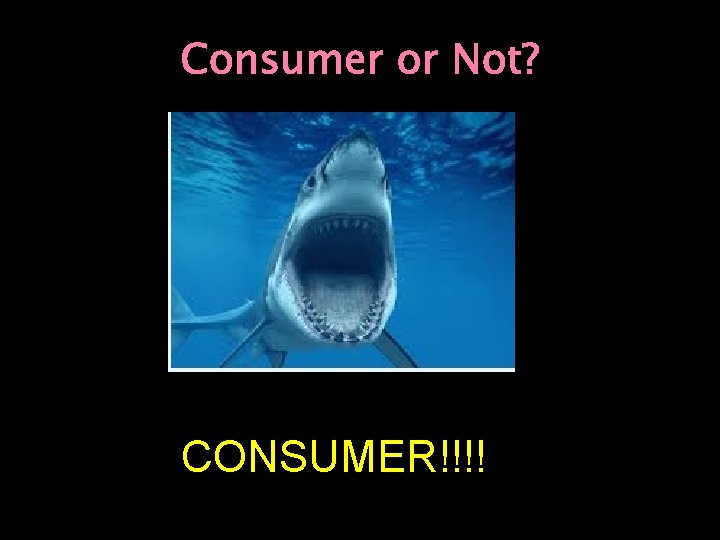
Consumer or Not? CONSUMER!!!!
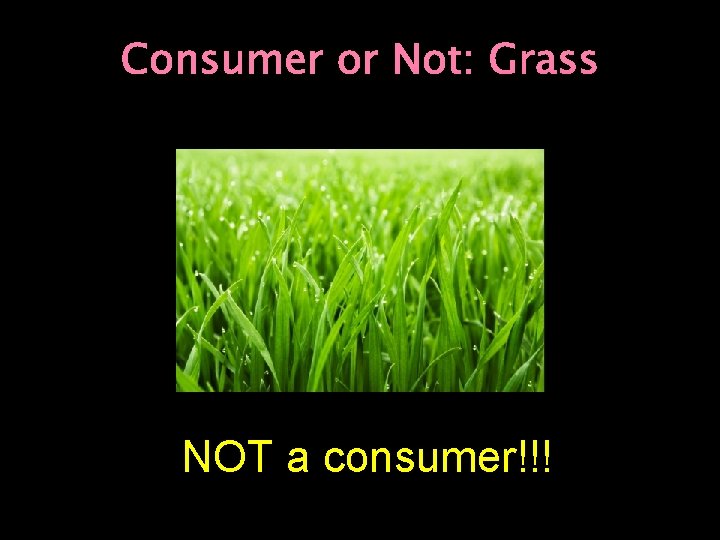
Consumer or Not: Grass NOT a consumer!!!
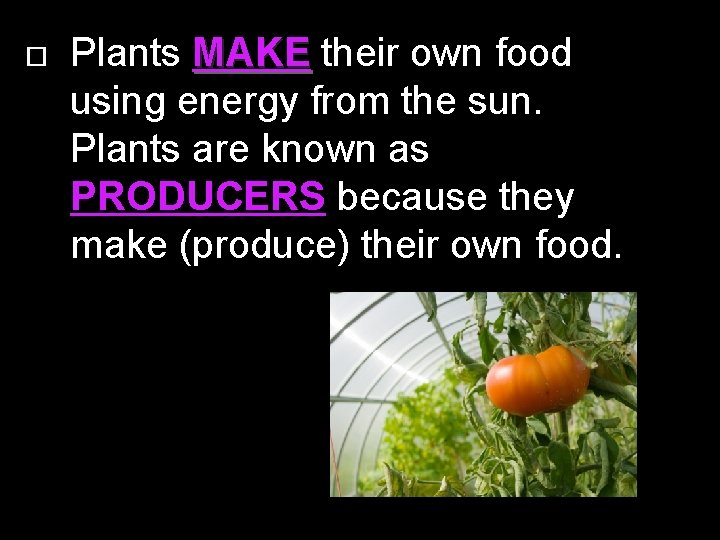
Plants MAKE their own food using energy from the sun. Plants are known as PRODUCERS because they make (produce) their own food.
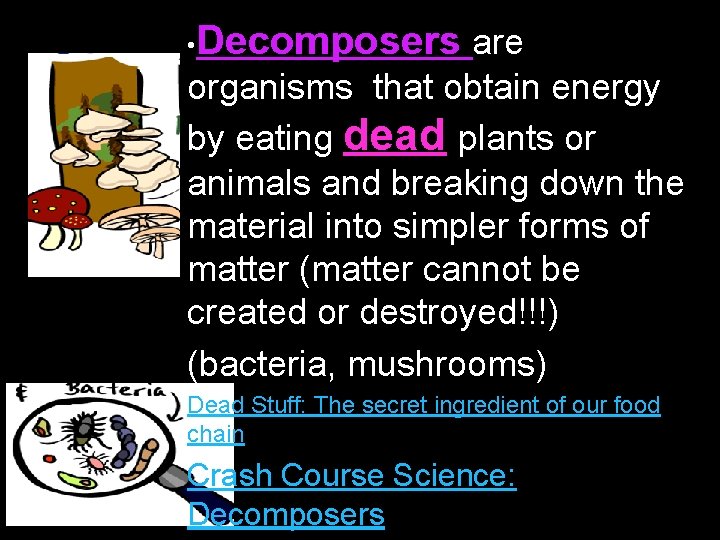
• Decomposers are organisms that obtain energy by eating dead plants or animals and breaking down the material into simpler forms of matter (matter cannot be created or destroyed!!!) (bacteria, mushrooms) Dead Stuff: The secret ingredient of our food chain Crash Course Science: Decomposers
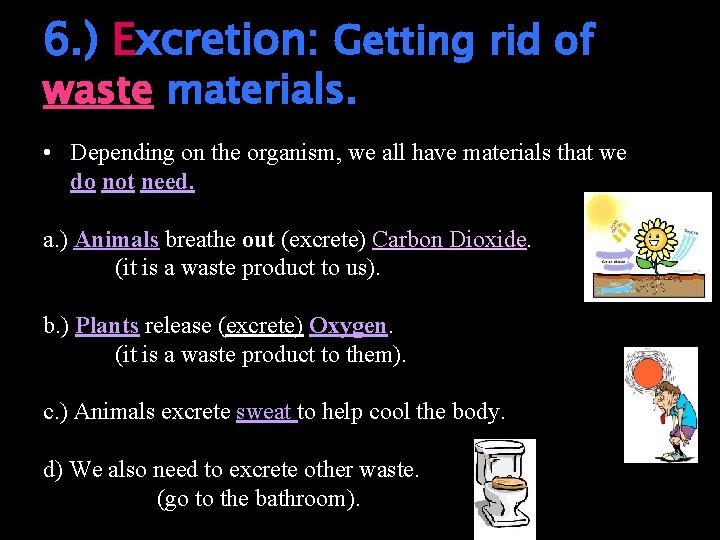
6. ) Excretion: Getting rid of waste materials. • Depending on the organism, we all have materials that we do not need. a. ) Animals breathe out (excrete) Carbon Dioxide. (it is a waste product to us). b. ) Plants release (excrete) Oxygen. (it is a waste product to them). c. ) Animals excrete sweat to help cool the body. d) We also need to excrete other waste. (go to the bathroom).
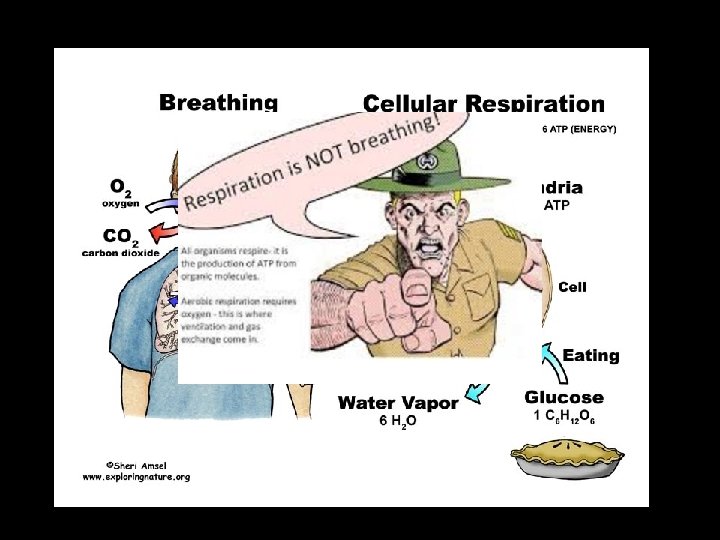
7. Respiration: all living things need oxygen. Oxygen is important because all food has energy in it. Oxygen is the gas that helps your body turn the energy stored in food into energy.
8. Transport: movement of important materials throughout the organism’s body.
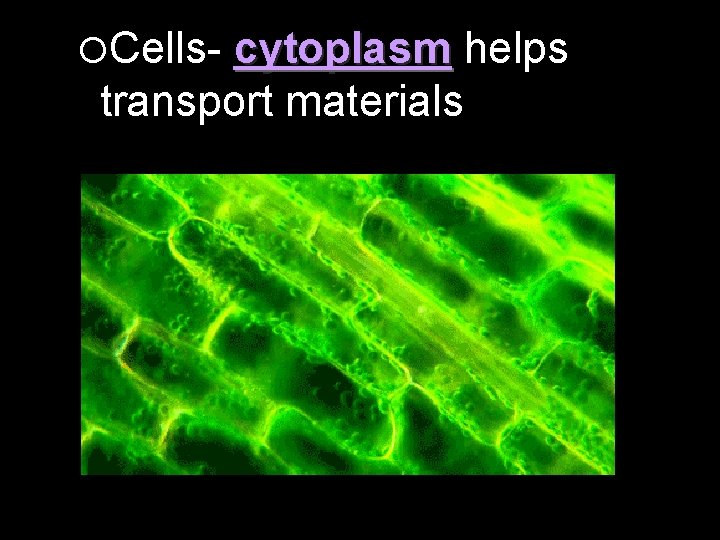
Cells- cytoplasm helps transport materials
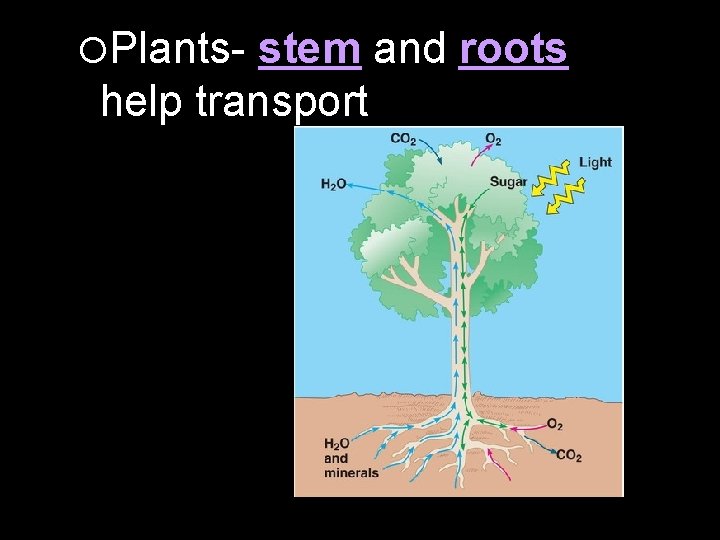
Plants- stem and roots help transport
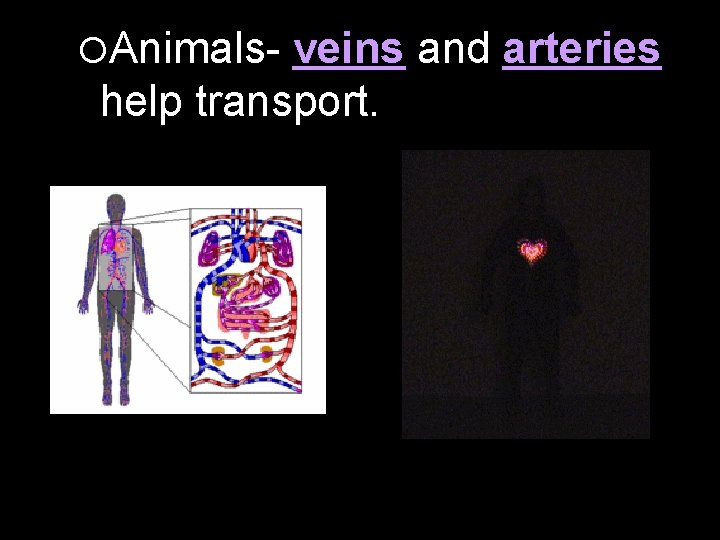
Animals- veins and arteries help transport.

GRRSNERT
Growth and Repair a. ) The increasing size of an organism or repair of injury by cell division c. ) sweating b. ) Those activities in which an organism obtains materials from the environment for energy. d. ) breathing
Response to stimuli a. ) The act in which a living thing takes in oxygen to turn food into energy c. ) The ability to react to a change in the environment b. ) Those activities in which an organism obtains materials from the environment for energy. d. ) singing
Respiration a. ) more cells c. ) sweat to cool down b. ) Those activities in which an organism obtains materials from the environment for energy. d. ) the act in which a living thing takes in oxygen to produce energy
Synthesis a. ) Heat, light and dust and cold are examples b. ) Those activities in which an organism obtains materials from the environment for energy. c. ) The building up of more complex substances from simpler ones for use of the body. d. ) sneezing to get dust out of your nose
Nutrition a. ) Jumping b. ) Those activities in which an organism obtains materials from the environment for energy. c. ) When red blood cells carry oxygen to all parts of your body d. ) sneezing to get dust out of your nose
Excretion a. ) Circulatory system b. ) Removal of wastes c. ) Those activities in which an organism obtains materials from the environment for energy. d. ) the ability to produce new individuals via sexual or asexual means.
Reproduction a. ) The act or process of moving materials inside an organism b. ) Removal of wastes c. ) Those activities in which an organism obtains materials from the environment for energy. d. ) the ability to produce new individuals via sexual or asexual means.
Transport a. ) The act or process of moving materials inside the body. b. ) Removal of wastes c. ) Those activities in which an organism obtains materials from the environment for energy. d. ) the ability to produce new individuals via sexual or asexual means.
- Slides: 42