
Liver Pathologies Dr Abhirami S MBBS Functions of
Liver Pathologies Dr. Abhirami. S ( MBBS )
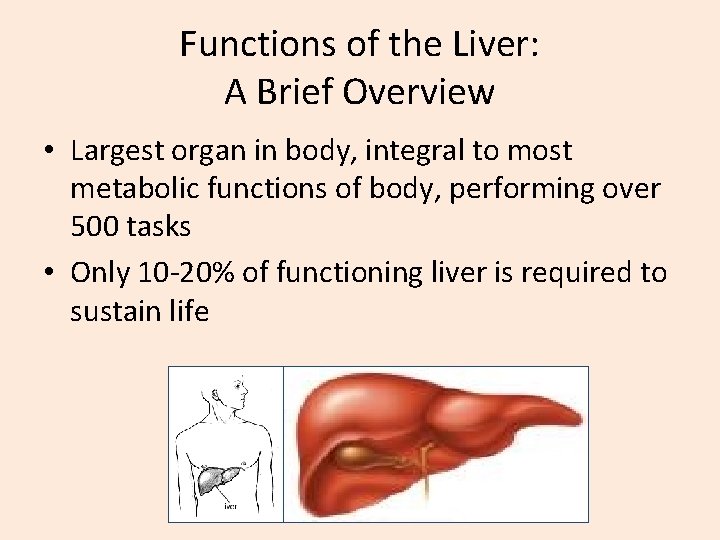
Functions of the Liver: A Brief Overview • Largest organ in body, integral to most metabolic functions of body, performing over 500 tasks • Only 10 -20% of functioning liver is required to sustain life
Functions of the Liver • Main functions include: – – – Metabolism of CHO, protein, fat Storage/activation vitamins and minerals Formation/excretion of bile Steroid metabolism, detoxifier of drugs/alcohol Action as (bacteria) filter and fluid chamber Conversion of ammonia to urea • Gastrointestinal tract significant source of ammonia • Generated from ingested protein substances that are deaminated by colonic bacteria • Ammonia enters circulation via portal vein • Converted to urea by liver for excretion
Classifications Liver Diseases • Duration w. Viral hepatitis A, B, C, D, E (and G) – Acute vs Chronic w. Fulminant hepatitis • Pathophysiology – Hepatocellular vs Cholestasic w. Alcoholic liver disease • Etiology w. Non-alcoholic liver disease – Viral – Alcohol w. Cholestatic liver disease – Toxin w. Hepatocellular carcinoma – Autoimmune • Stage/Severity w. Inherited disorders – End Stage Liver Disease (ESLD) – Cirrhosis
Common Laboratory Tests Used to Test for Liver Function • Hepatic excretion —Total serum bilirubin, urine bilirubin • Cholestasis tests —Serum alkaline phosphatase • Hepatic enzymes —ALT, AST

Common Laboratory Tests Used to Test for Liver Function—cont’d • Serum proteins —PT, PTT, serum albumin • Markers of specific liver diseases —Serum ferritin, ceruloplasmin • Specific tests for viral hepatitis —Ig. M anti-HAV, anti-HBS, HCV-RNA
Hepatitis • Inflammation of the liver. • Caused by virus, bacteria, toxins, obstruction, parasites, or chemicals. • Viral hepatitis: caused by viruses A, B, C, D, or E; may have up to 10 more viruses.
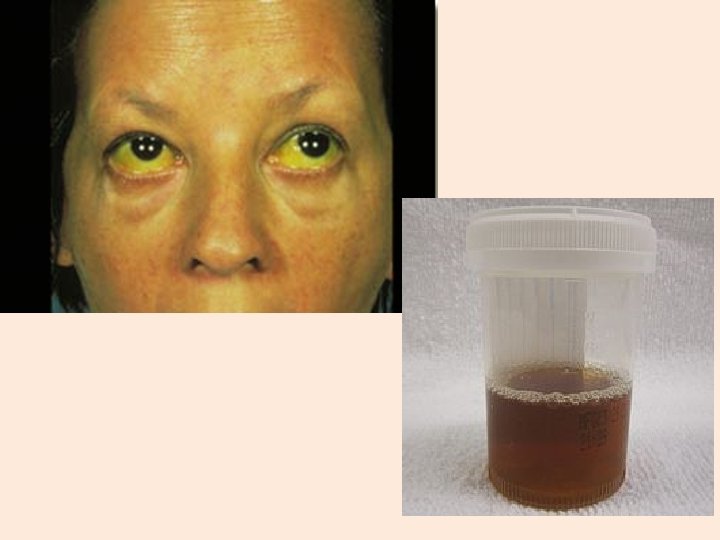
Common Symptoms ØJaundice ØDark urine ØAnorexia ØFatigue ØHeadache ØNausea ØVomiting ØHepatomegaly ØSplenomegaly ØBilirubin, alkaline phosphate, and serum AST are all elevated.
Hepatitis A Virus Hepatitis A: §Highly contagious. §Resolves within weeks. §Does not become chronic. § 80% of cases in children remain asymptomatic. §In adults, 1/3 of cases develop jaundice.
Hep A Contamination: ØDrinking water ØFood (especially seafood) ØSewage No special treatment…occasionally hospitalized. Rarely get acute liver failure. (Never Cirrhosis)
Hepatitis B Virus Transmitted through • Blood or blood-derived fluids • Improperly sterilized medical instruments, dental drills • Tattooing needles • Other skin-puncturing instruments that has comes in contact in contaminated blood. • Can be acute or chronic
Hepatitis C (HCV) • Exposed to blood or bodily fluids from an infected persons. • Sharing needles • Hemodialysis patients, infants born to infected mothers • Cannot be prevented by vaccination.
Fulminant Hepatitis • Syndrome in which severe liver dysfunction is accompanied by hepatic encephalopathy
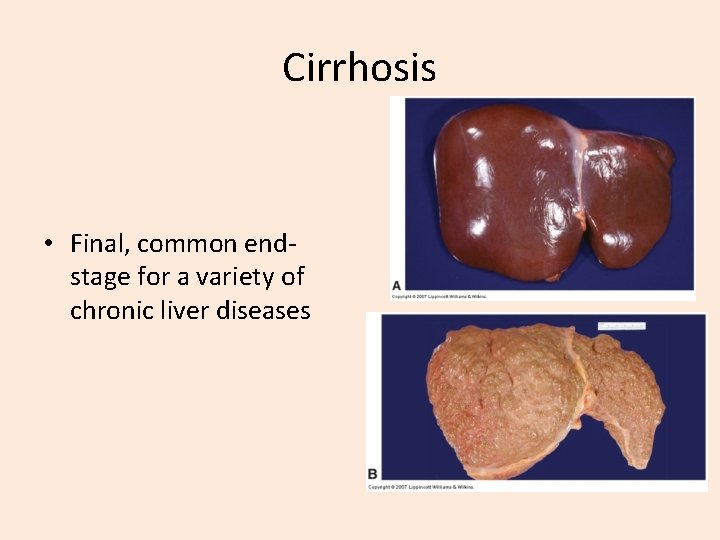
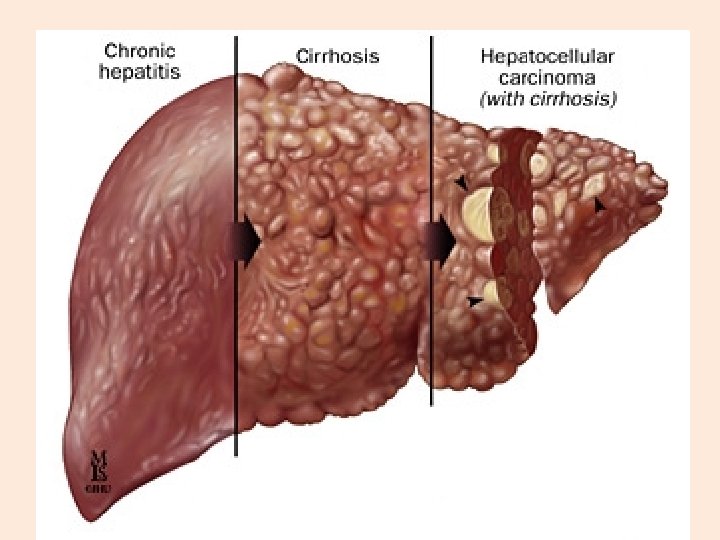
Cirrhosis • Final, common endstage for a variety of chronic liver diseases
Chronic Hepatitis • At least 6 -month course of hepatitis or biochemical and clinical evidence of liver disease with confirmatory biopsy findings of unresolving hepatic inflammation
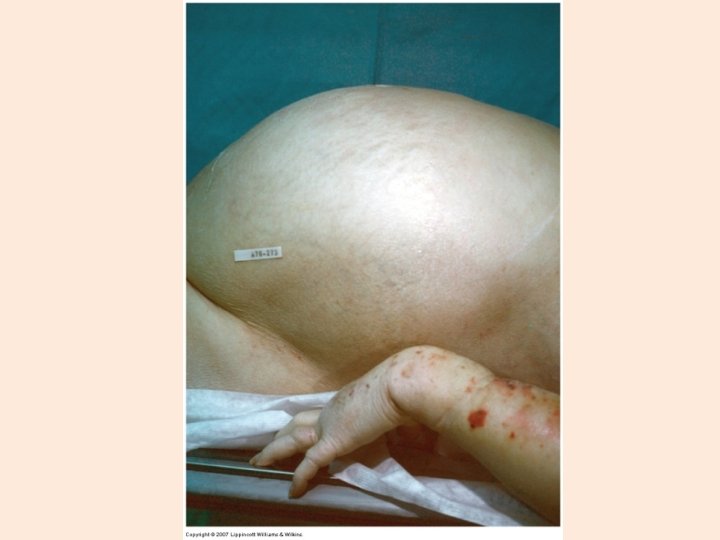
Symptoms - Cirrhosis §Asymptomatic §Portal hypertension §Bleeding from esophageal varices §Elevated bilirubin and hepatocellular enzymes §Weight loss §Increased energy expenditure
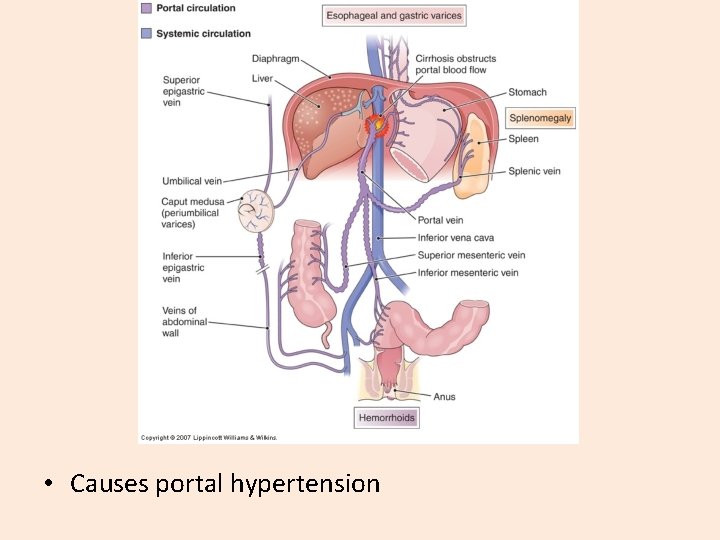
• Causes portal hypertension
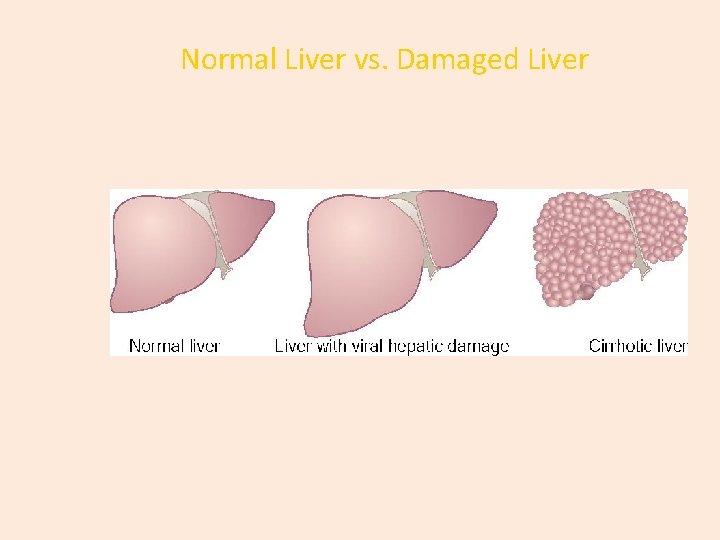
Normal Liver vs. Damaged Liver
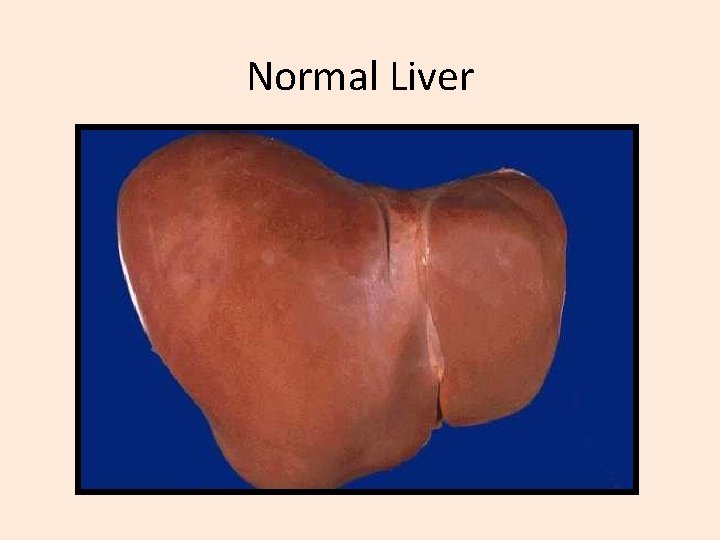
Normal Liver
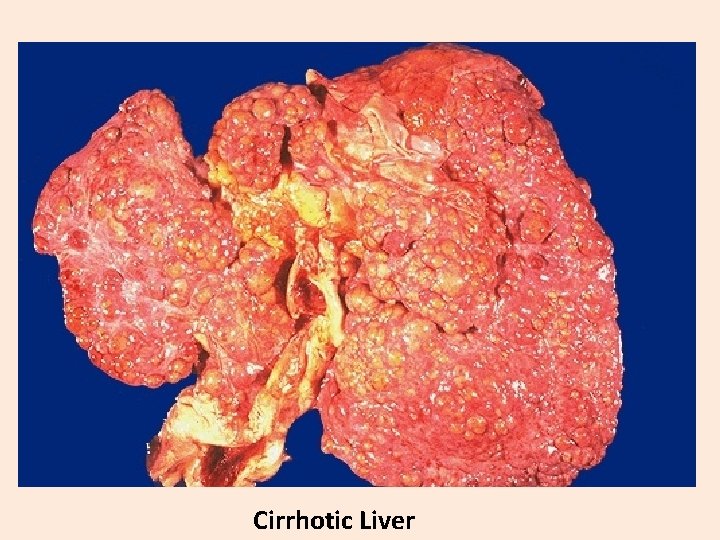
Cirrhotic Liver
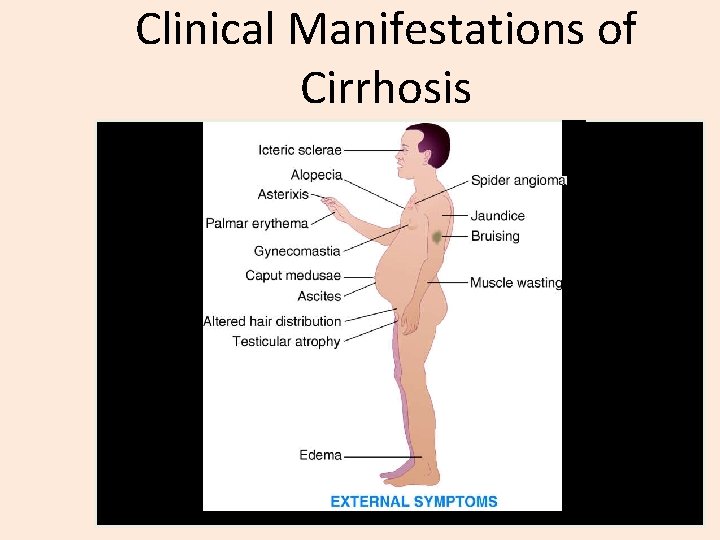
Clinical Manifestations of Cirrhosis

- Slides: 25