
Liver Flukes Fashiola spp Raed Z Ahmed Medical


- Slides: 22
Liver Flukes Fashiola spp. Raed Z. Ahmed, Medical Parasitology Lab. , 2012
Raed Z. Ahmed, Medical Parasitology Lab. , 2012
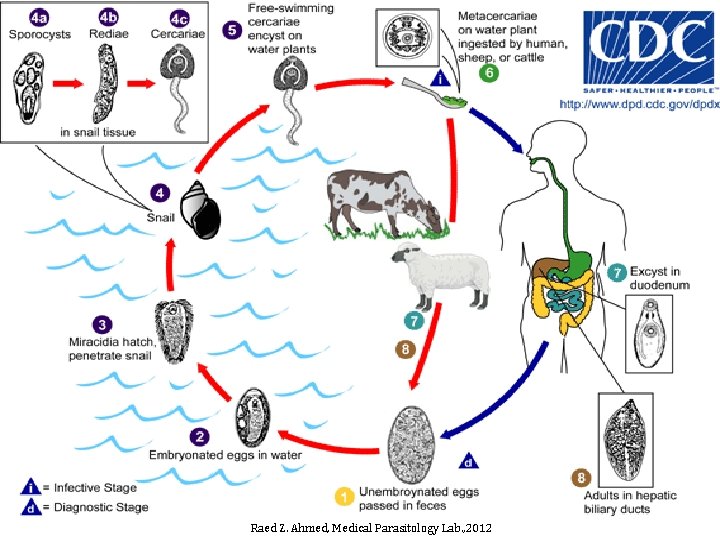
Fasciola hepatica • Fasciola hepatica lives in the liver of man. • Fasciola spp. have many stages: • Oval eggs have miracidium, cercaria, metcercaria, larvae and adult stage. • Intermediate host: Snail. • Definitive host: Sheep. • Infective stage (human): Metacercaria. • Human infected by ingestion metacercaria from infected sheep. • Diagnosis: – Stool analysis to find Fasciola egg. Raed Z. Ahmed, Medical Parasitology Lab. , 2012
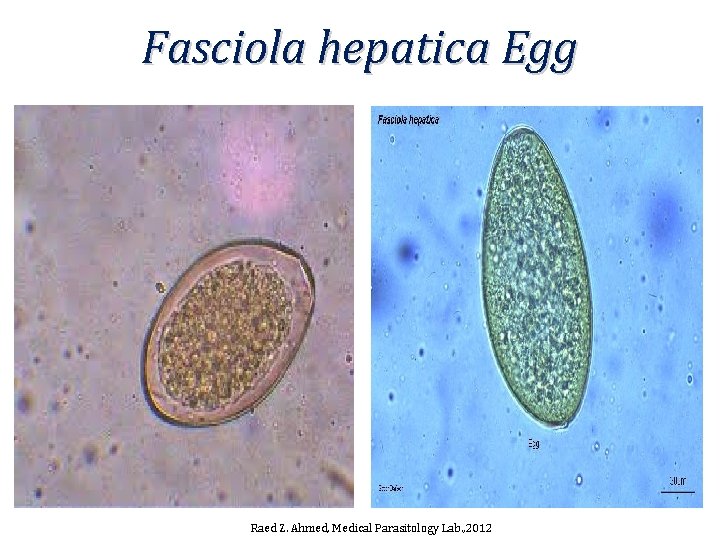
Fasciola hepatica Egg Raed Z. Ahmed, Medical Parasitology Lab. , 2012
Fasciola hepatica Miracidium Raed Z. Ahmed, Medical Parasitology Lab. , 2012
Fasciola hepatica cercariae Raed Z. Ahmed, Medical Parasitology Lab. , 2012
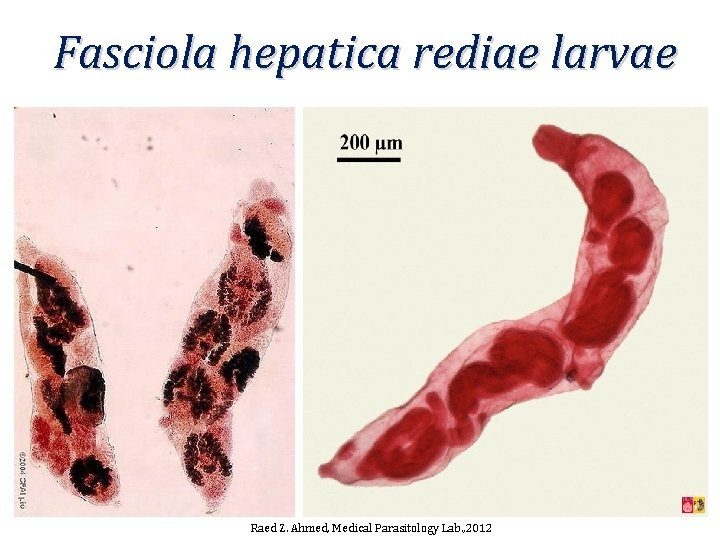
Fasciola hepatica rediae larvae Raed Z. Ahmed, Medical Parasitology Lab. , 2012
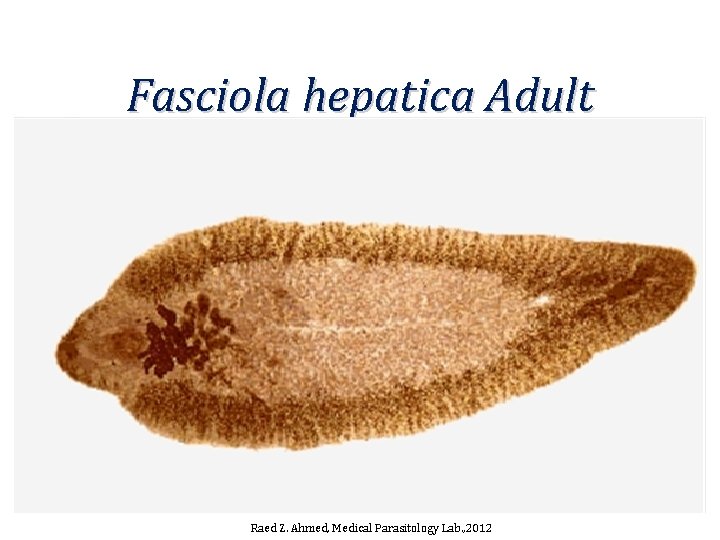
Fasciola hepatica Adult Raed Z. Ahmed, Medical Parasitology Lab. , 2012
Blood Flukes Schistosoma spp. Raed Z. Ahmed, Medical Parasitology Lab. , 2012
Raed Z. Ahmed, Medical Parasitology Lab. , 2012
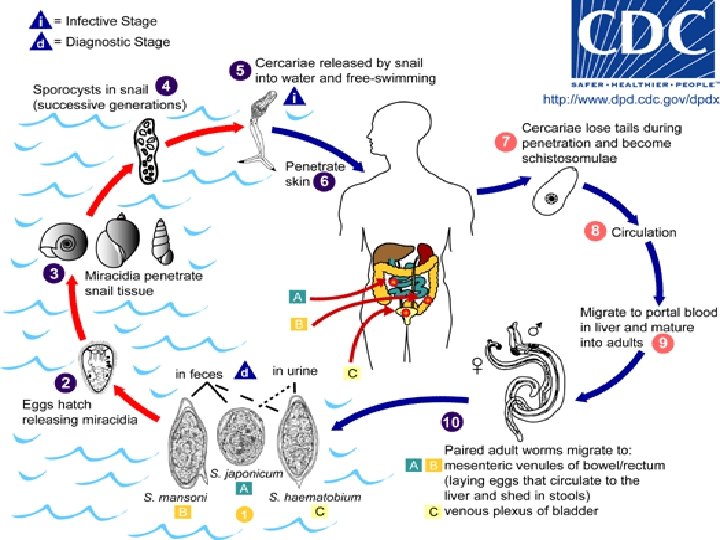
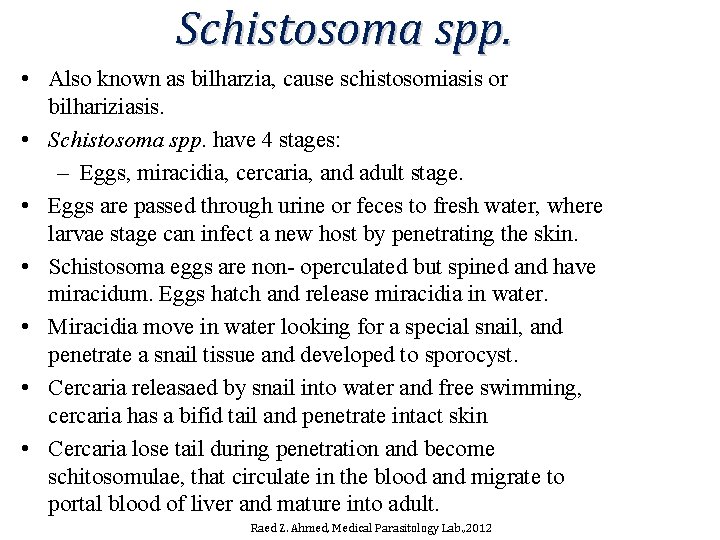
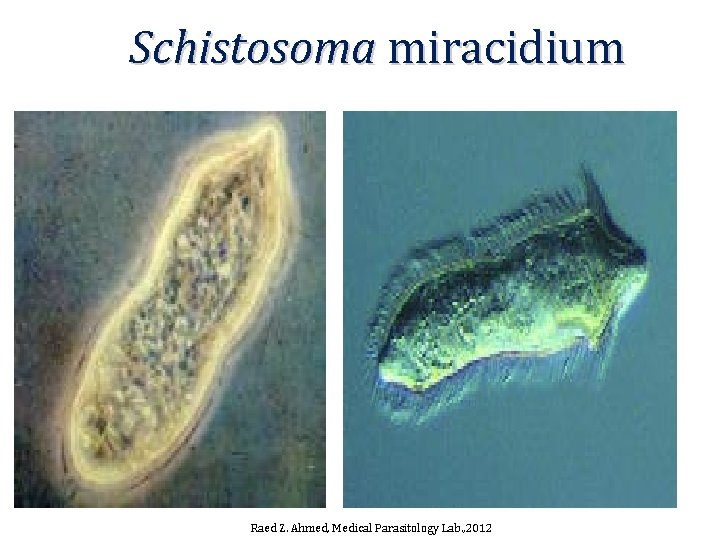
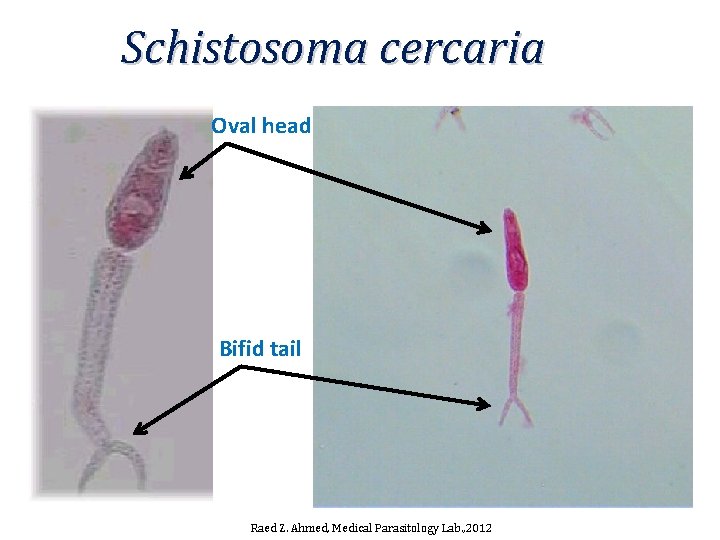
Schistosoma spp. • Also known as bilharzia, cause schistosomiasis or bilhariziasis. • Schistosoma spp. have 4 stages: – Eggs, miracidia, cercaria, and adult stage. • Eggs are passed through urine or feces to fresh water, where larvae stage can infect a new host by penetrating the skin. • Schistosoma eggs are non- operculated but spined and have miracidum. Eggs hatch and release miracidia in water. • Miracidia move in water looking for a special snail, and penetrate a snail tissue and developed to sporocyst. • Cercaria releasaed by snail into water and free swimming, cercaria has a bifid tail and penetrate intact skin • Cercaria lose tail during penetration and become schitosomulae, that circulate in the blood and migrate to portal blood of liver and mature into adult. Raed Z. Ahmed, Medical Parasitology Lab. , 2012
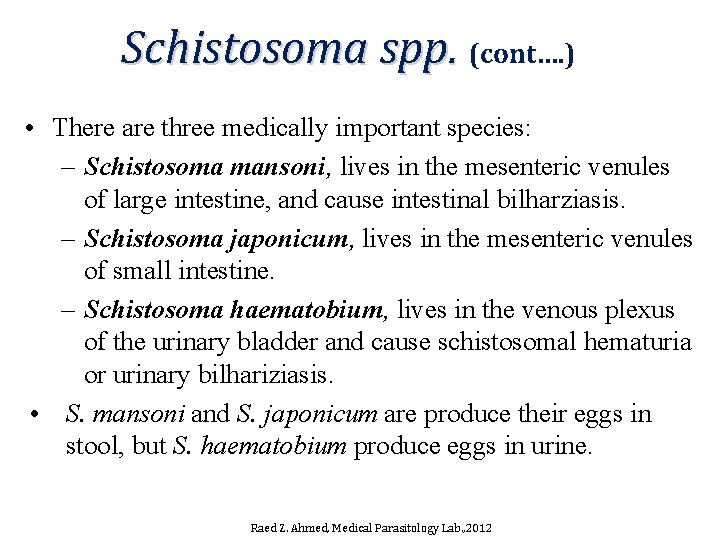
Schistosoma spp. (cont…. ) • There are three medically important species: – Schistosoma mansoni, lives in the mesenteric venules of large intestine, and cause intestinal bilharziasis. – Schistosoma japonicum, lives in the mesenteric venules of small intestine. – Schistosoma haematobium, lives in the venous plexus of the urinary bladder and cause schistosomal hematuria or urinary bilhariziasis. • S. mansoni and S. japonicum are produce their eggs in stool, but S. haematobium produce eggs in urine. Raed Z. Ahmed, Medical Parasitology Lab. , 2012
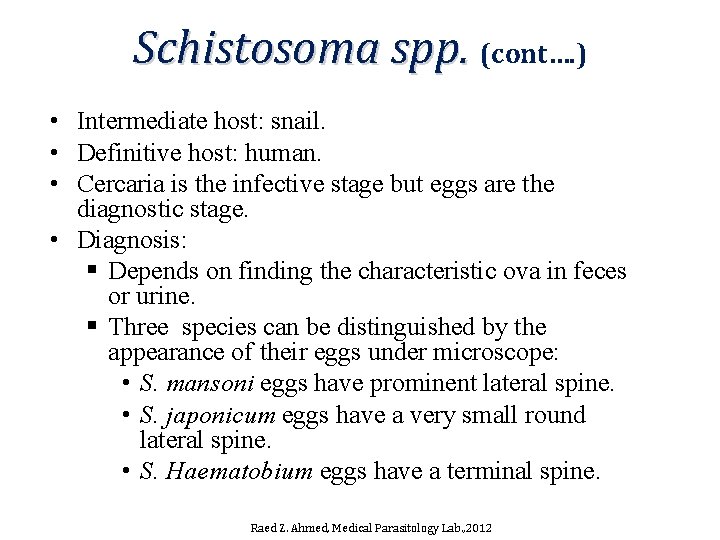
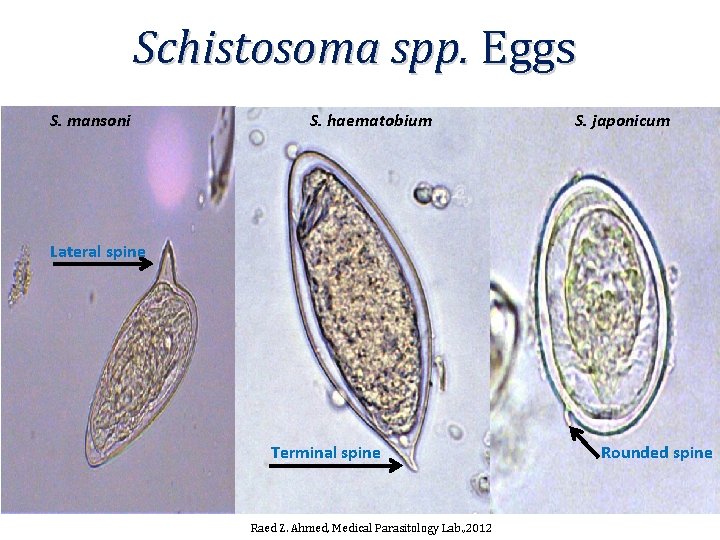
Schistosoma spp. (cont…. ) • Intermediate host: snail. • Definitive host: human. • Cercaria is the infective stage but eggs are the diagnostic stage. • Diagnosis: § Depends on finding the characteristic ova in feces or urine. § Three species can be distinguished by the appearance of their eggs under microscope: • S. mansoni eggs have prominent lateral spine. • S. japonicum eggs have a very small round lateral spine. • S. Haematobium eggs have a terminal spine. Raed Z. Ahmed, Medical Parasitology Lab. , 2012
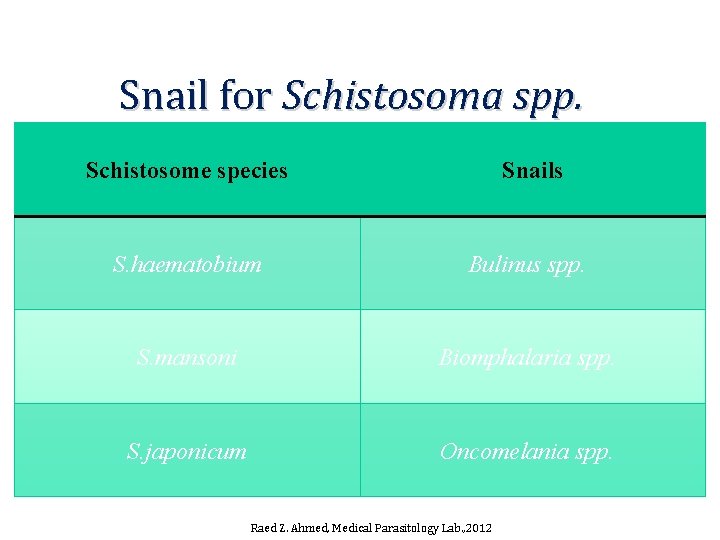
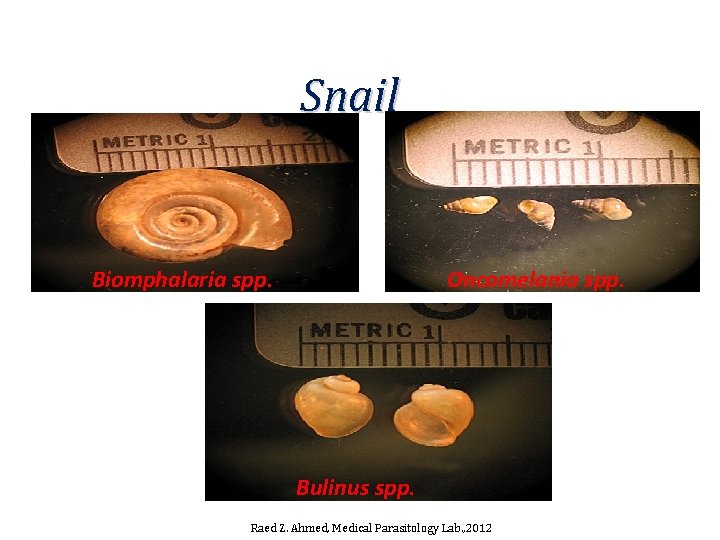
Snail for Schistosoma spp. Schistosome species Snails S. haematobium Bulinus spp. S. mansoni Biomphalaria spp. S. japonicum Oncomelania spp. Raed Z. Ahmed, Medical Parasitology Lab. , 2012
Snail Biomphalaria spp. Oncomelania spp. Bulinus spp. Raed Z. Ahmed, Medical Parasitology Lab. , 2012
Schistosoma spp. Eggs S. mansoni S. haematobium S. japonicum Lateral spine Terminal spine Raed Z. Ahmed, Medical Parasitology Lab. , 2012 Rounded spine
Schistosoma miracidium Raed Z. Ahmed, Medical Parasitology Lab. , 2012
Schistosoma cercaria Oval head Bifid tail Raed Z. Ahmed, Medical Parasitology Lab. , 2012
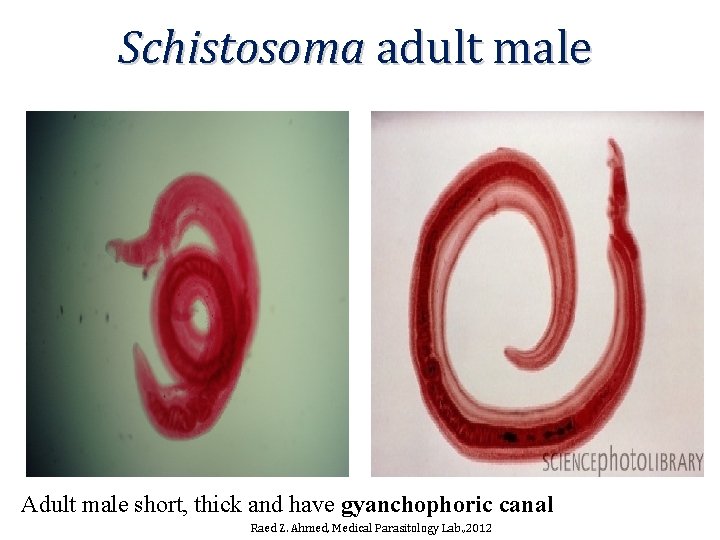
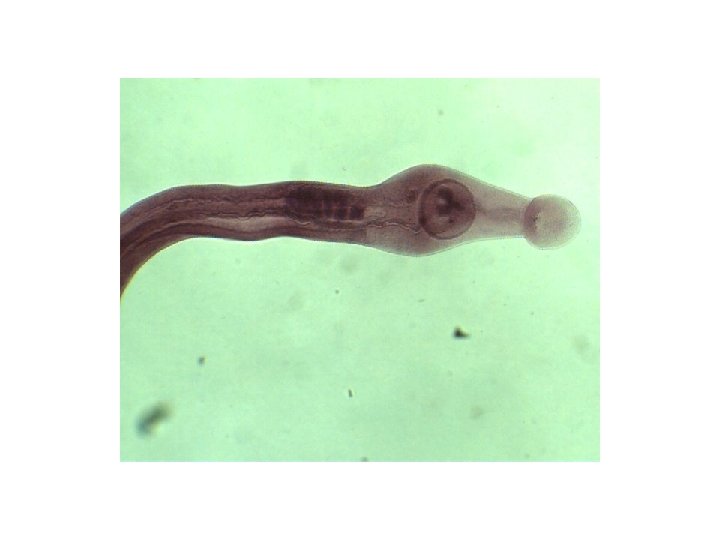
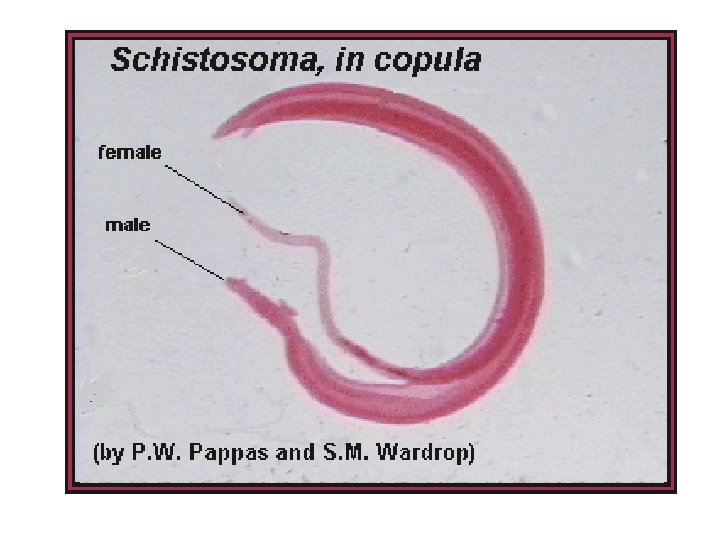
Schistosoma adult male Adult male short, thick and have gyanchophoric canal Raed Z. Ahmed, Medical Parasitology Lab. , 2012
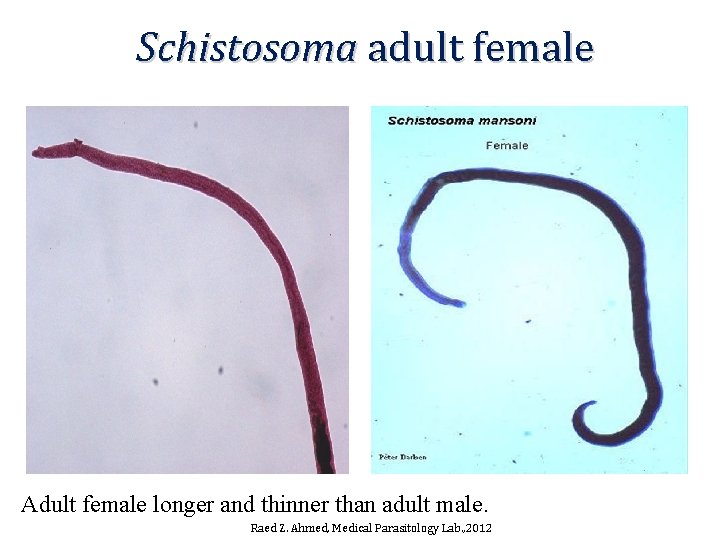
Schistosoma adult female Adult female longer and thinner than adult male. Raed Z. Ahmed, Medical Parasitology Lab. , 2012