
Liver Diseases High regenerative capacity damage must be
Liver Diseases ■ High regenerative capacity; damage must be severe for signs to appear ■ Drug/Toxin induced Liver Disease § Acute liver failure requires >70% of liver to be affected § Susceptible to toxin ingestion (portal circulation) § Some drugs have a Hx of liver toxicity ■ Acetaminophen ■ Phenobarbital
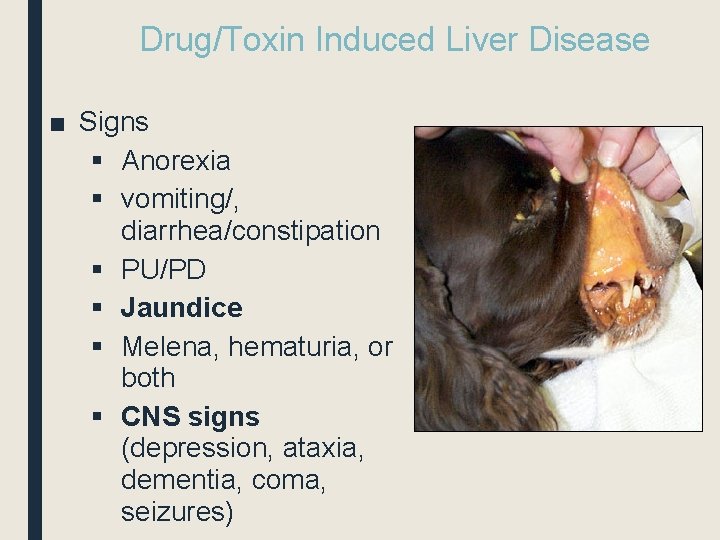
Drug/Toxin Induced Liver Disease ■ Signs § Anorexia § vomiting/, diarrhea/constipation § PU/PD § Jaundice § Melena, hematuria, or both § CNS signs (depression, ataxia, dementia, coma, seizures)
Drug/Toxin Induced Liver Disease ■ Diagnosis § Hx of drug administration § Painful liver on palpation § Chemistry panel § ↑ liver enzymes § Evidence of coagulopathy § Liver biopsy
Drug/Toxin Induced Liver Disease ■ Treatment § Antidotes § Induce vomiting § Activated charcoal § IV fluids § Vit K for clotting § Antibiotics § Special diets (Hill’s L/d)

SO TRUE “Choose your friends carefully, your enemies will choose you. ” -Yassar Arafat
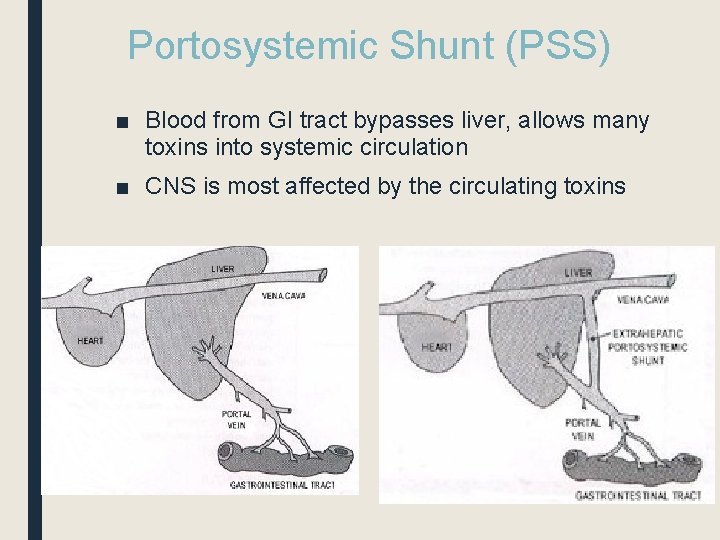
Portosystemic Shunt (PSS) ■ Blood from GI tract bypasses liver, allows many toxins into systemic circulation ■ CNS is most affected by the circulating toxins
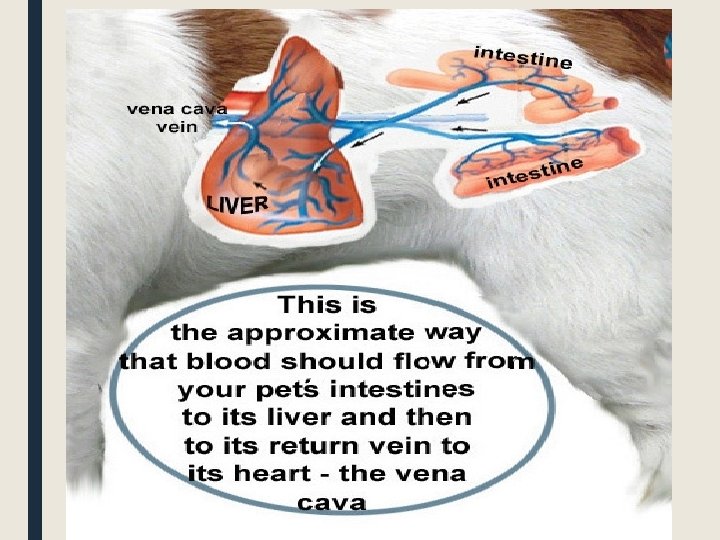
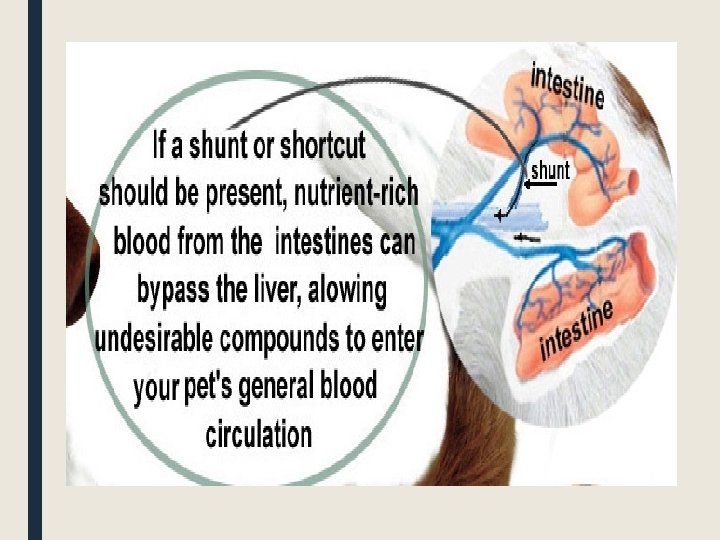
Portosystemic Shunts ■ Signs § Dumb/numb, lethargic, depressed § Ataxia, staggering § Head-pressing § compulsive circling, apparent blindness § Seizures, coma § Bizarre behavior § Signs often more pronounced shortly after a meal
Portosystemic Shunts ■ Diagnosis § Chemistry panel ■ Evidence of abnormal liver function § X-rays § Small liver (microhepatica) § Contrast material § By-passes liver
Portosystemic Shunts ■ Treatment § Medical management seldom very successful § Low protein diet § Surgery § Ligation of shunt § § Total ligation often causes ↑ liver BP(portal hypertension) Partial ligation may be more practical § Client info § Prognosis often very good following ligation § For best results, Surgery should be performed before 1 y old
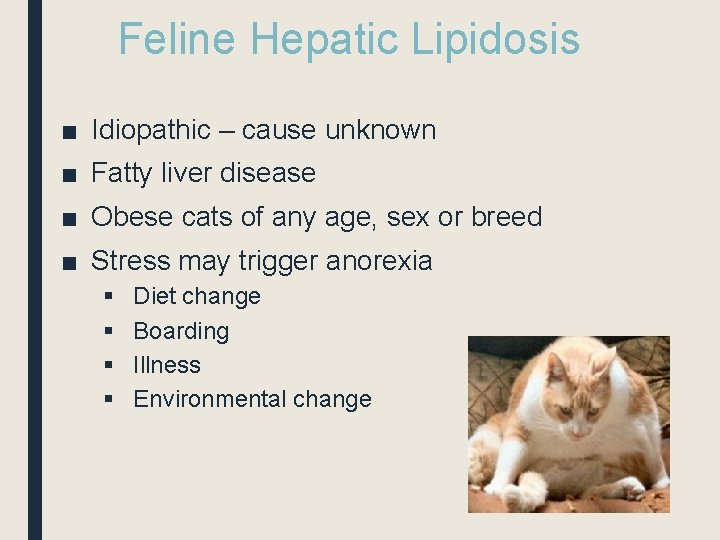
Feline Hepatic Lipidosis ■ Idiopathic – cause unknown ■ Fatty liver disease ■ Obese cats of any age, sex or breed ■ Stress may trigger anorexia § § Diet change Boarding Illness Environmental change
Idiopathic Hepatic Lipidosis § Anorexia prolonged for 2 weeks causes imbalance between breakdown of peripheral lipids and lipid clearance within liver § Lipids accumulate in liver § Early diagnosis and aggressive treatment important § 60 -65% of cases have complete recovery
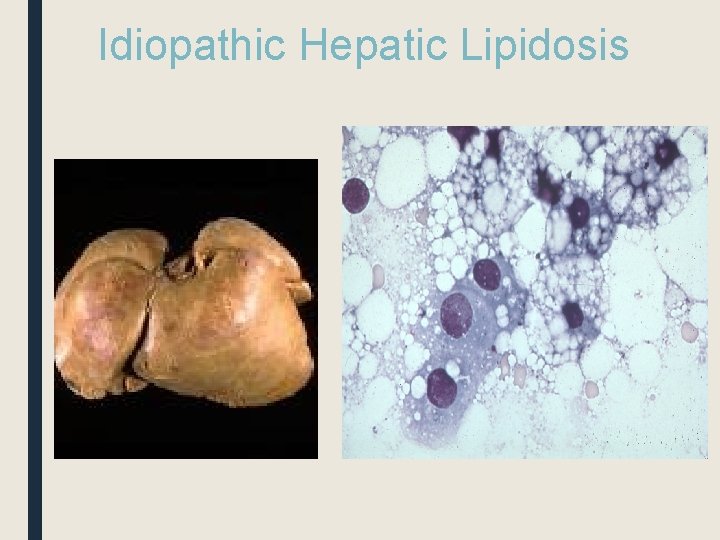
Idiopathic Hepatic Lipidosis
Idiopathic Hepatic Lipidosis ■ Clinical Signs § § § § Anorexia Obesity Wt loss (as much as 25% of body weight) Depression Sporadic vomiting Icterus Mild hepatomegaly +/- coagulopathies
Idiopathic Hepatic Lipidosis ■ Diagnosis § History of stress § Chem panel § Evidence of abnormal liver function § CBC § X-rays – mild hepatomegaly § Liver biopsy
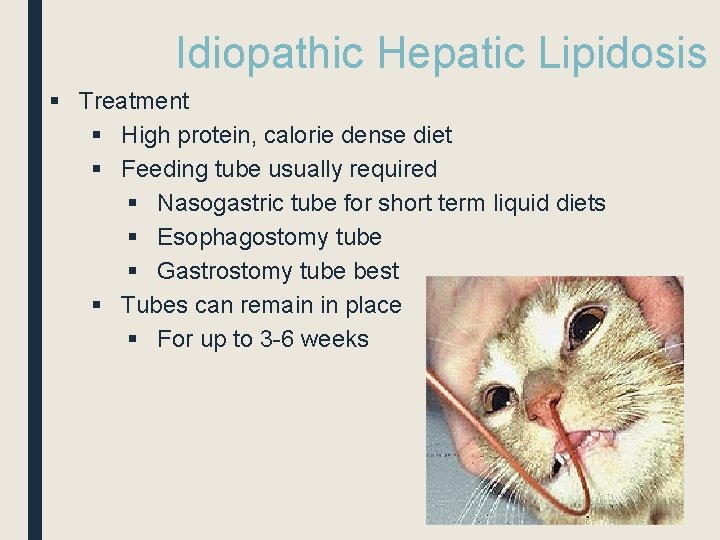
Idiopathic Hepatic Lipidosis § Treatment § High protein, calorie dense diet § Feeding tube usually required § Nasogastric tube for short term liquid diets § Esophagostomy tube § Gastrostomy tube best § Tubes can remain in place § For up to 3 -6 weeks

Esophagostomy tube
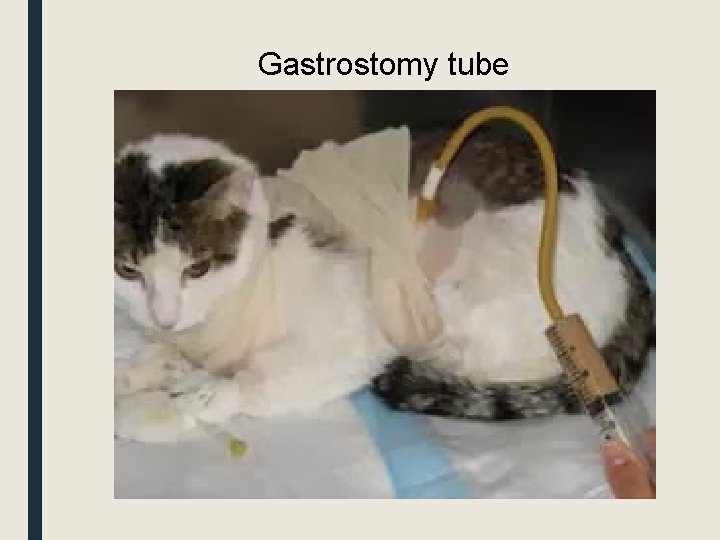
Gastrostomy tube
Idiopathic Hepatic Lipidosis § Treatment § IV fluids § Metoclopramide SQ 15 min prior to feeding § Monitor weekly § Client Education § Avoid stress in obese cats § Any cat that stops eating is at risk § Cats do not respond well to frequent diet changes
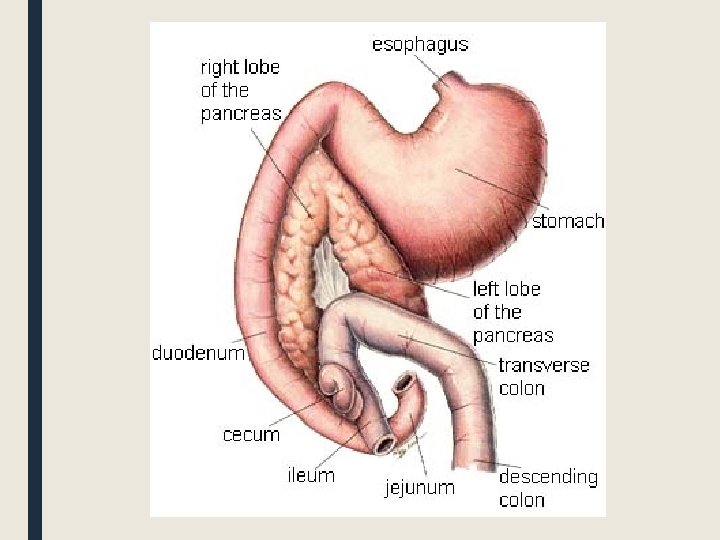
Pancreatic Dysfunction (Exocrine) ■ Main function of Exocrine Pancreas → secretion of digestive enzymes (Amylase and lipase) into the small intestines ■ Secretes bicarbonate to neutralize stomach acids ■ Regulates blood glucose (secretes insulin) ■ Located under the stomach and duodenum ■ Digestive enzymes secreted in an inactive form to protect pancreas tissue
Pancreatic Dysfunction (Exocrine) § When digestive enzymes are activated within gland → autodigestion § Pancreatitis develops § Inflammation of the pancreas § More common in obese animal; high-fat diets may predispose animals to it § Unpredictable results; some recover well, others worsen and may die
Pancreatitis § Signs § Older, obese dog or cat with history of recent high-fat meal § anorexia, vomiting § ± abdominal pain § Shock, collapse may develop § Often seen post-holiday § Table scraps of ham, gravy, etc.
Pancreatitis § Diagnosis § CBC § Chemistry panel § Elevation of pancreatic enzymes § Amylase and lipase § Treatment § § § IV fluids NPO 3 -4 d Antibiotics Pain management Start back on low fat diet 1 -2 days after vomiting stops Do not offer food for 48 -72 hours – Pancreas needs to rest
Pancreatitis ■ Client info § Avoid obesity/overfeeding § Feed low-fat treats § Prognosis is difficult to assess
Exocrine Pancreatic Insufficiency § The pancreas stops making digestive enzymes § May occur spontaneously or due to chronic pancreatitis § Signs § § § Wt. loss Polyphagia Coprophagia, pica Diarrhea, fatty stool Flatulence
Exocrine Pancreatic Insufficiency § Treatment § Supplement pancreatic enzymes with each meal § Pancrezyme § Viokase-V § Client info § EPI is irreversible; life-long treatment § Pancreatic enzyme replacement is expensive § With enzyme replacement, dog will regain weight, diarrhea will stop § Must be given with every meal
- Slides: 29