
Literary Terms Theme Theme is The underlying meaning





- Slides: 34
Literary Terms
Theme
Theme is. . . ● The underlying meaning behind the whole story you are reading. ● What the author is trying to tell us about life through the story. ● A statement or opinion.
Theme is NOT. . . ● The subject of the story. ● The subject of a story is the topic of the book (what the book is about). ● They are related, but theme is more broad than the topic.
Elements of Theme ● Typically, themes are implied. ○ Figure out the meaning
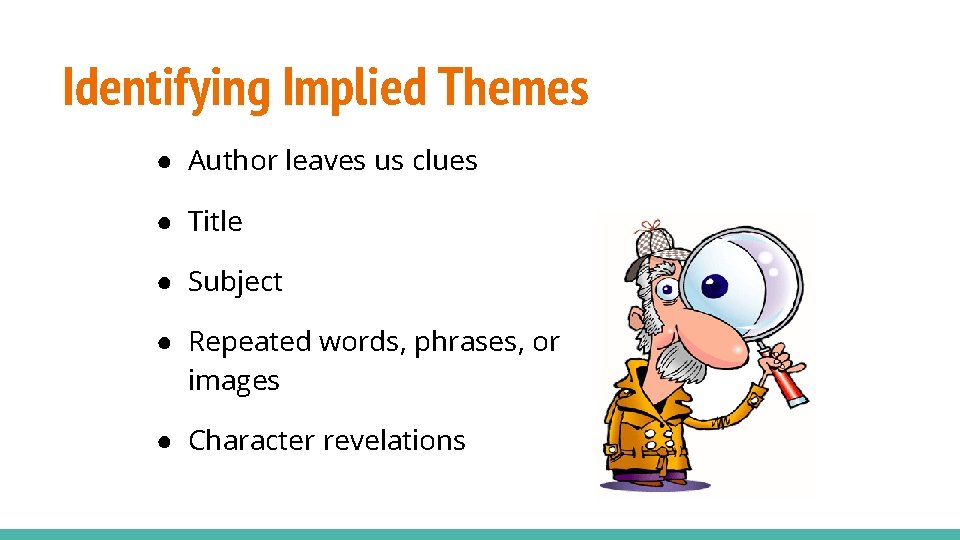
Identifying Implied Themes ● Author leaves us clues ● Title ● Subject ● Repeated words, phrases, or images ● Character revelations
Steps in Identifying Theme 1. Read the Text. 2. Summarize the plot, conflict and characterization. 3. Identify how the main characters change throughout the story. 4. Determine how the plot, conflict and characters connect to the title or subject. 5. Brainstorm: “What is the author trying to tell me about life? ”
For example. . .
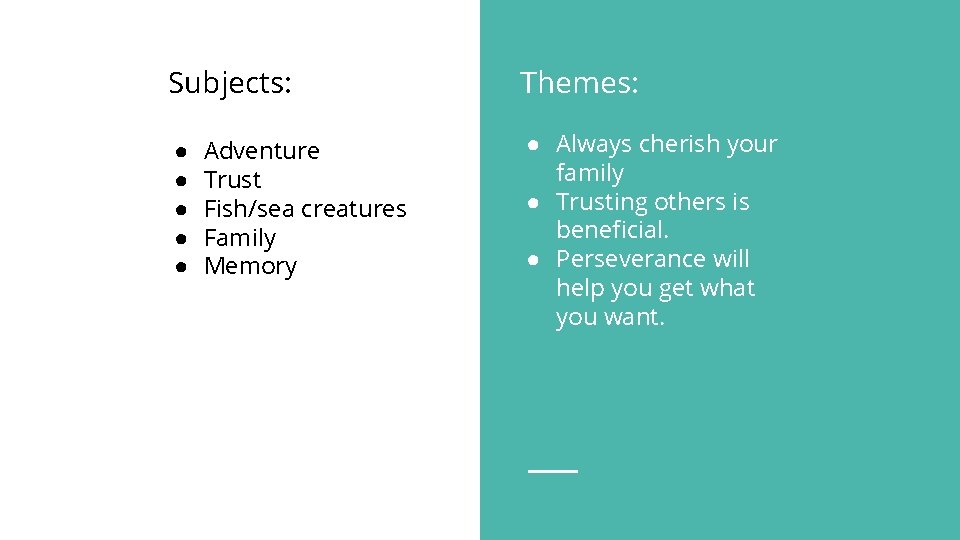
Finding Nemo
Subjects: ● ● ● Adventure Trust Fish/sea creatures Family Memory Themes: ● Always cherish your family ● Trusting others is beneficial. ● Perseverance will help you get what you want.
Practice! What’s something we’ve all seen or read?
Practice with Identifying Themes ●With your shoulder partner (or in a group of three), choose a movie/TV show/book that you’ve all seen or read
Practice with Identifying Themes ●Once you’ve decided on your topic, you will all work together to create a list of subjects from whatever you chose ●You will do this All-Record Round Robin style until the timer goes off! ○This means that each person in your group will say one down in your notebooks subject back and forth and write each
Practice with Identifying Themes ●Look over your list of subjects with your shoulder partner. ●Choose a subject that you would like to turn into a theme statement. Answer the question: “What is the author trying to tell me about _____? ”
Hidden Meanings
What is a symbol? ● Word, place, character, object, etc. that represents something beyond its literal meaning
What is foreshadowing? ● Introducing material into a narrative that prepares the reader or audience for future events, actions, or revelations
What is irony? ● An incongruity between appearance or expectation and reality. ● Often times, something completely opposite of what is expected happens in the plot.
Character Changes
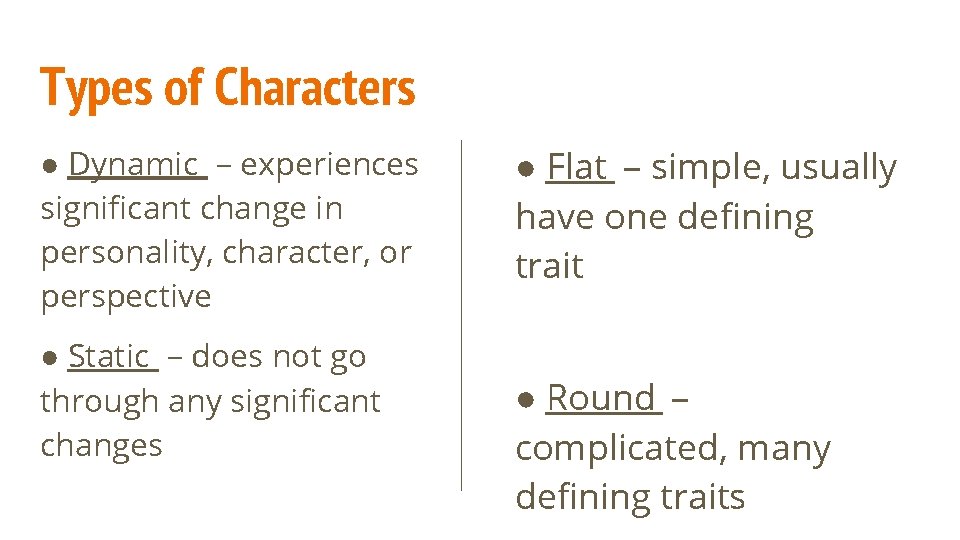
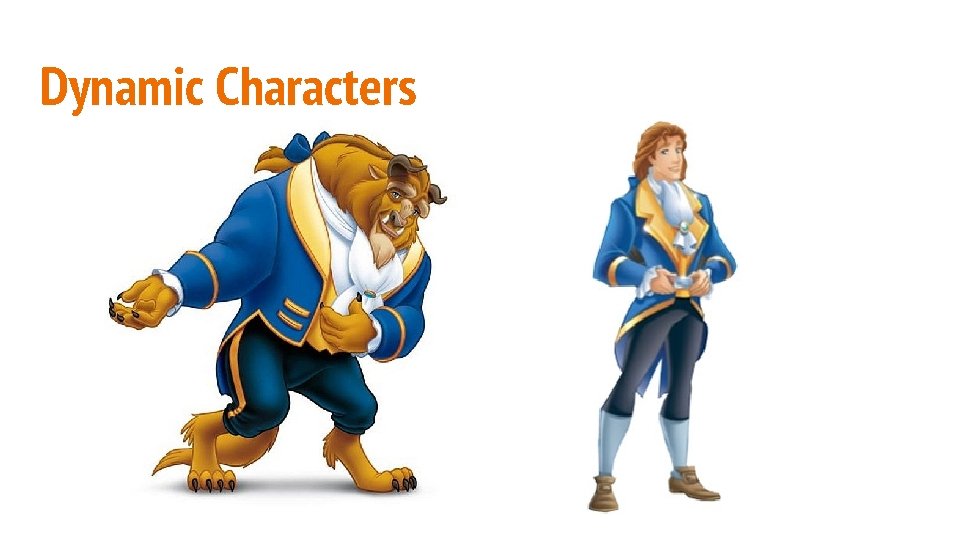
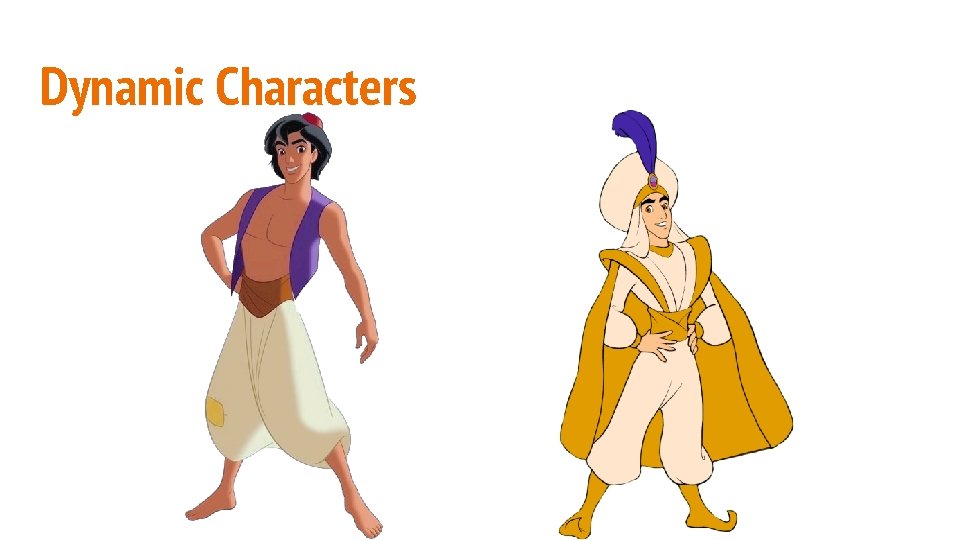
Types of Characters ● Dynamic – experiences significant change in personality, character, or perspective ● Static – does not go through any significant changes ● Flat – simple, usually have one defining trait ● Round – complicated, many defining traits
Dynamic Characters
Dynamic Characters 3
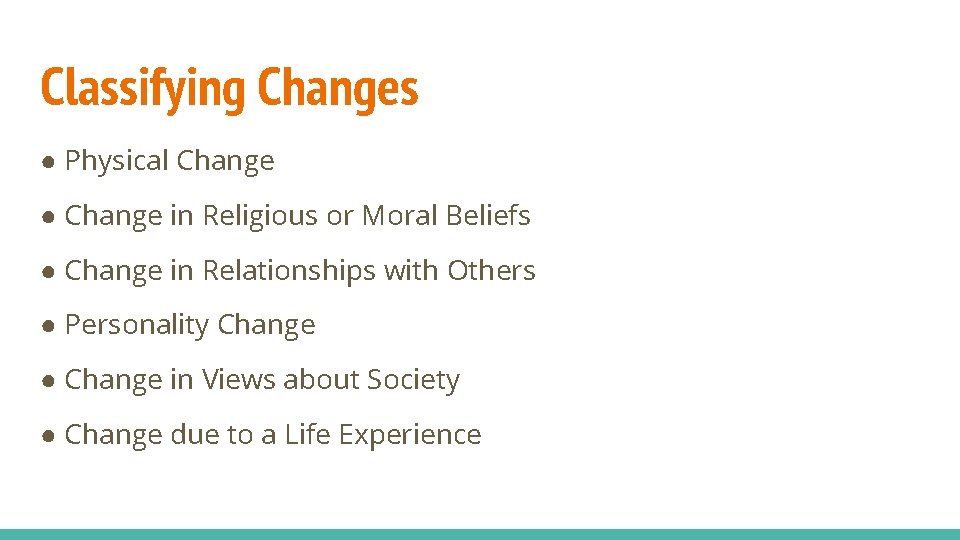
Classifying Changes ● Physical Change ● Change in Religious or Moral Beliefs ● Change in Relationships with Others ● Personality Change ● Change in Views about Society ● Change due to a Life Experience
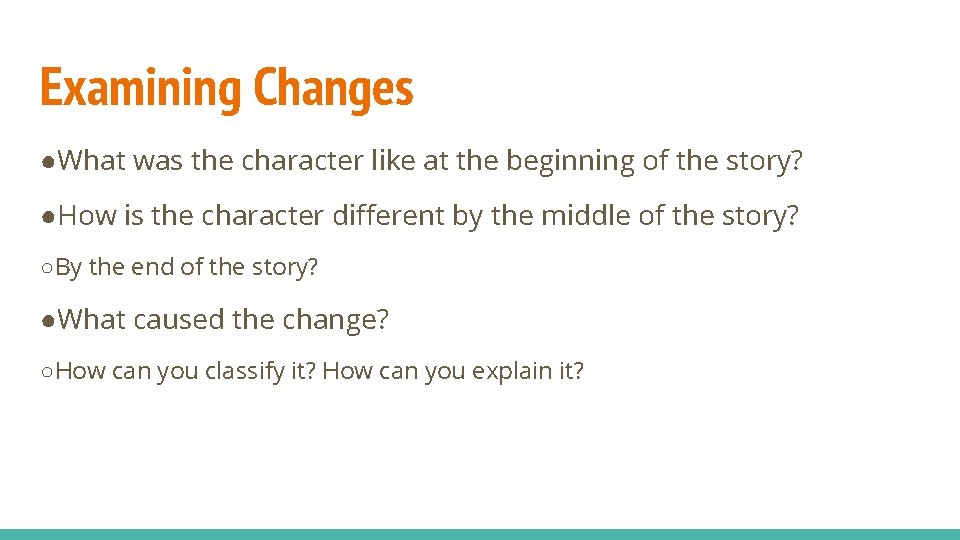
Examining Changes ●What was the character like at the beginning of the story? ●How is the character different by the middle of the story? ○By the end of the story? ●What caused the change? ○How can you classify it? How can you explain it?
STORY ARCHETYPES
What is an archetype? ●Pattern of behavior ●Prototype others emulate
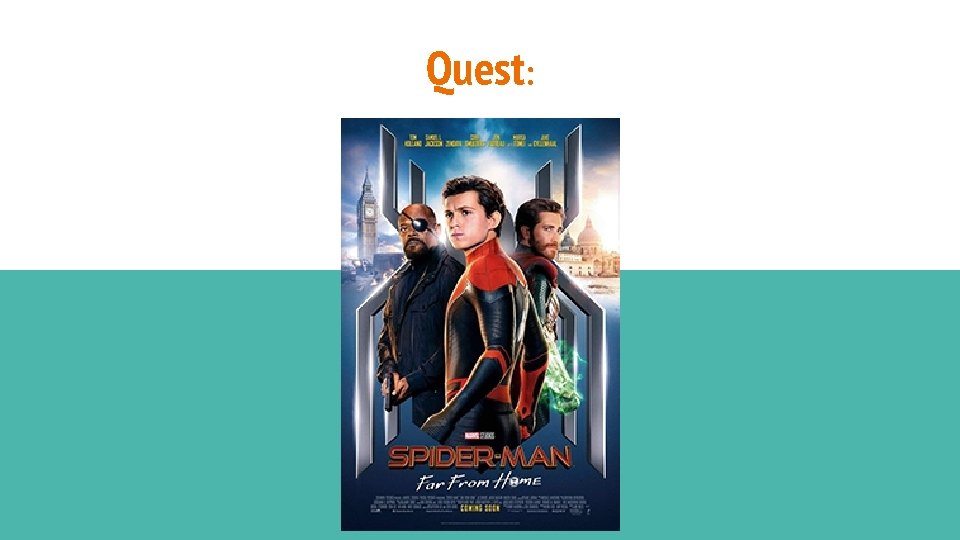
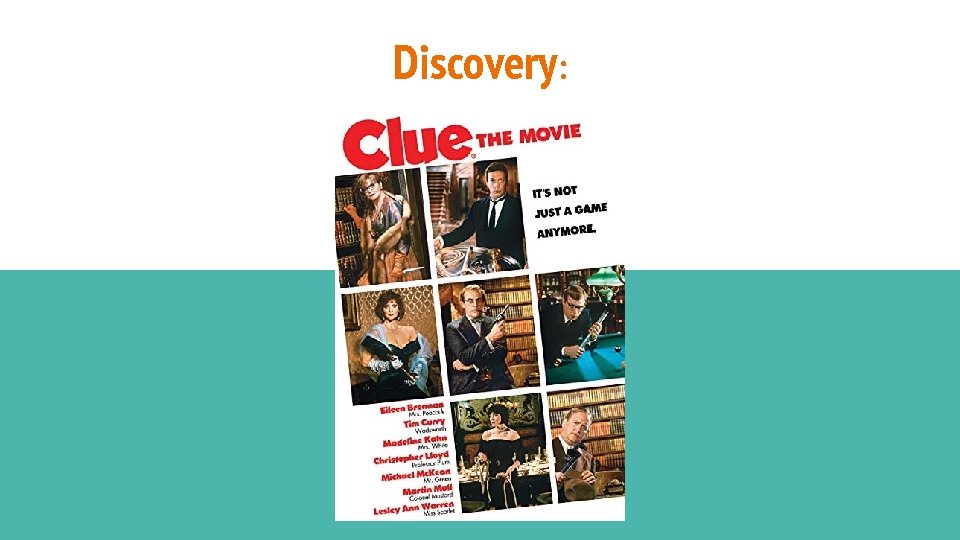
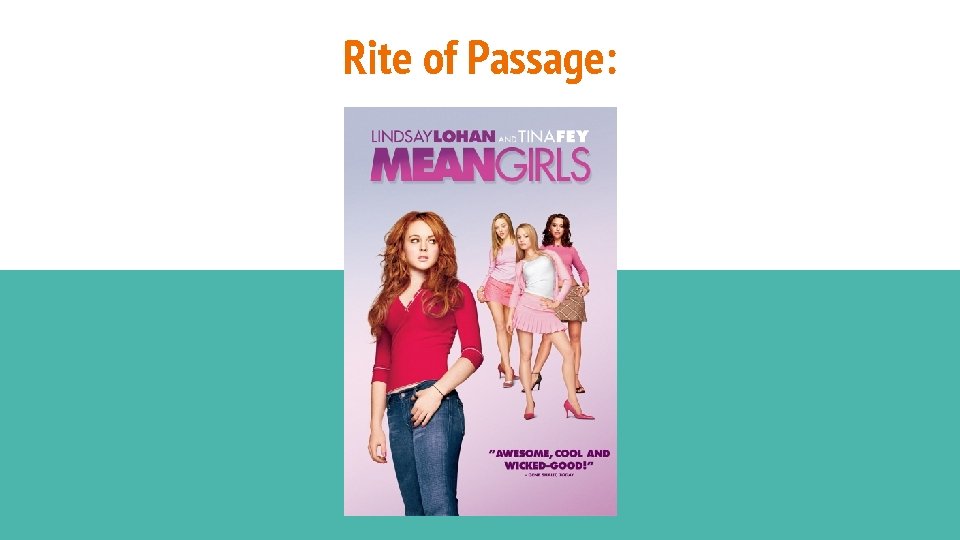
Types of Stories ●Quest – main character goes on a journey, overcomes obstacles, returns wiser or stronger ●Discovery – main character follows a trail of clues to find something ○mystery, suspense ●Rite of Passage – character is changed due to a difficult experience
Quest:
Discovery:
Rite of Passage:
Types of Stories ●Choice - character must make a decision eventually ○Tension builds as story progresses ●Union – two characters fall in love, but are held apart; they struggle to come together ●Reversal – main character follows one path, but something makes them change their mind
Choice:
Union:
Reversal: