
LITERARY TERMS PART 1 Definitions Protagonist The main
- Slides: 22
LITERARY TERMS PART 1 Definitions
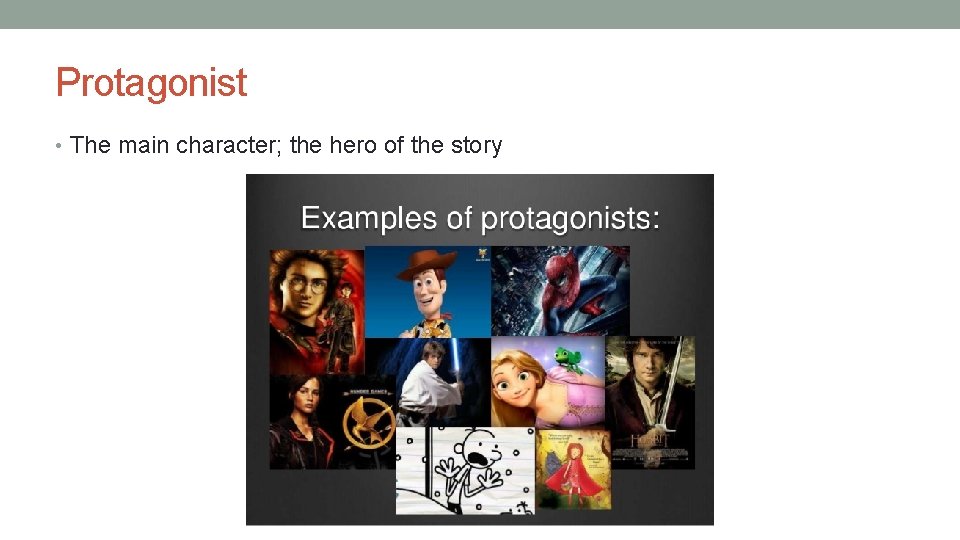
Protagonist • The main character; the hero of the story
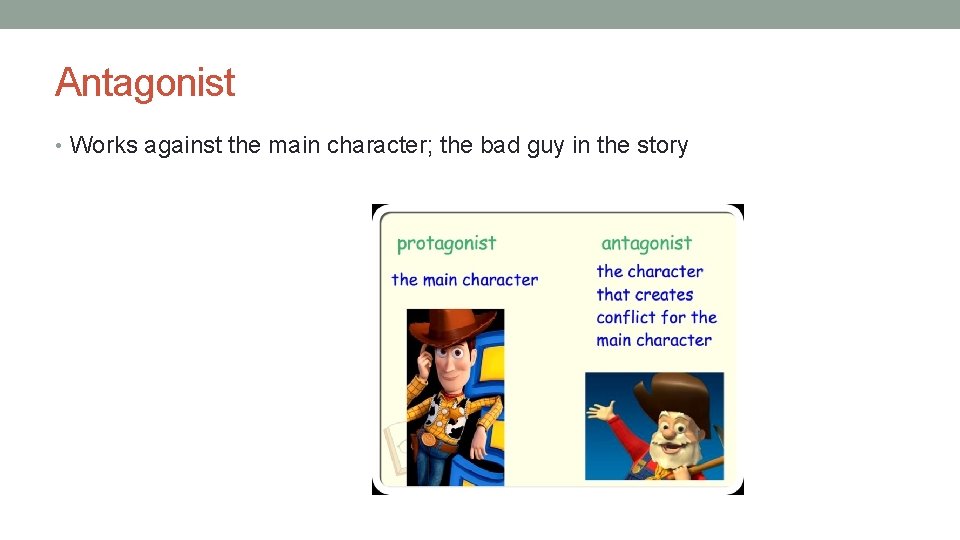
Antagonist • Works against the main character; the bad guy in the story
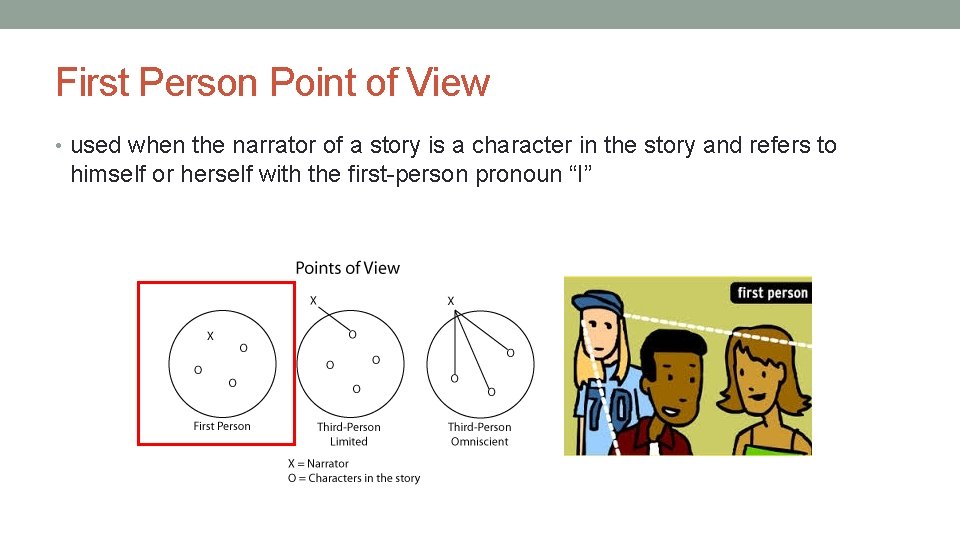
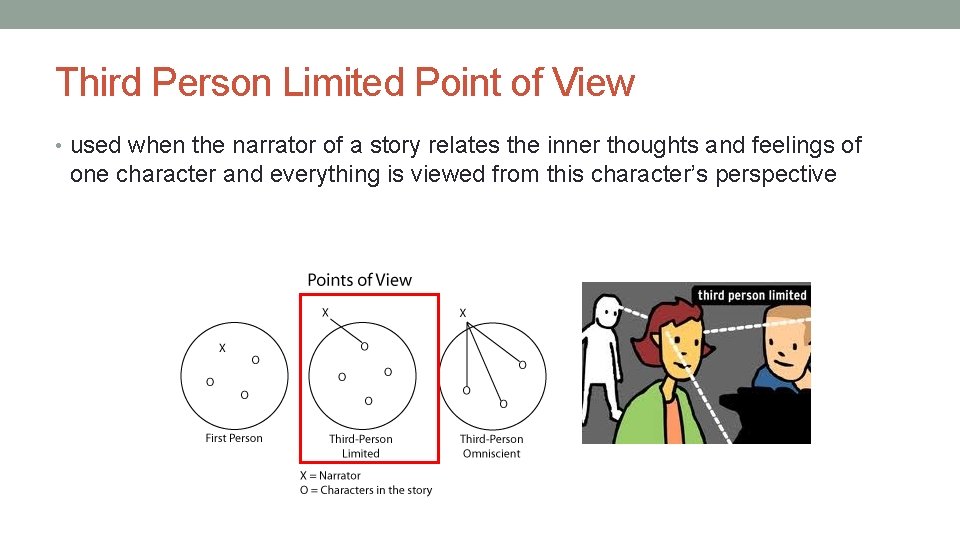
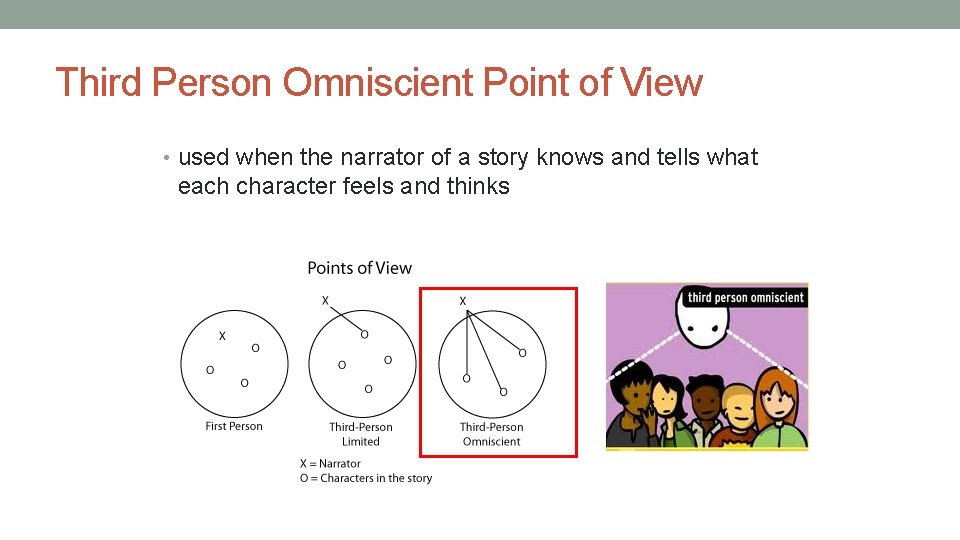
Point of View • the perspective or vantage point from which the story is told
First Person Point of View • used when the narrator of a story is a character in the story and refers to himself or herself with the first-person pronoun “I”
Third Person Limited Point of View • used when the narrator of a story relates the inner thoughts and feelings of one character and everything is viewed from this character’s perspective
Third Person Omniscient Point of View • used when the narrator of a story knows and tells what each character feels and thinks
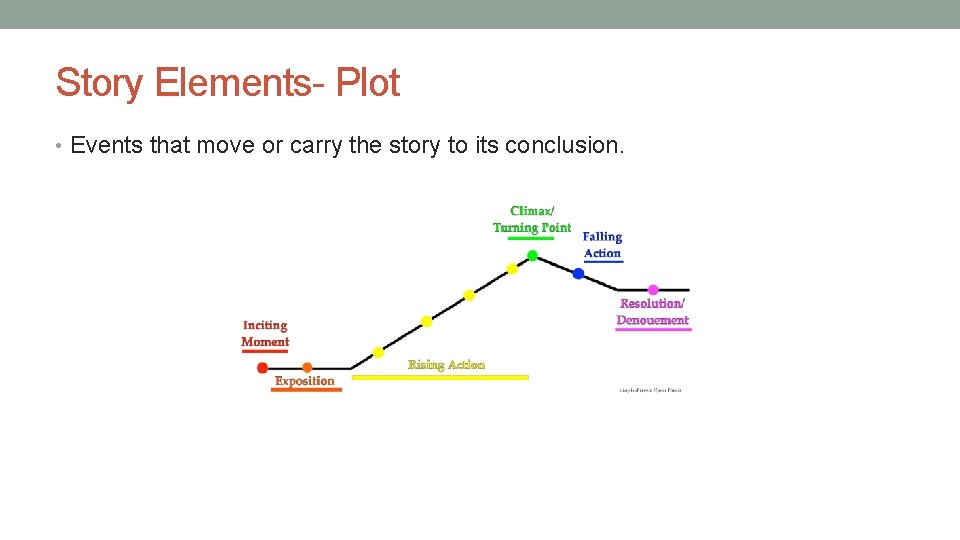
Story Elements- Plot • Events that move or carry the story to its conclusion.
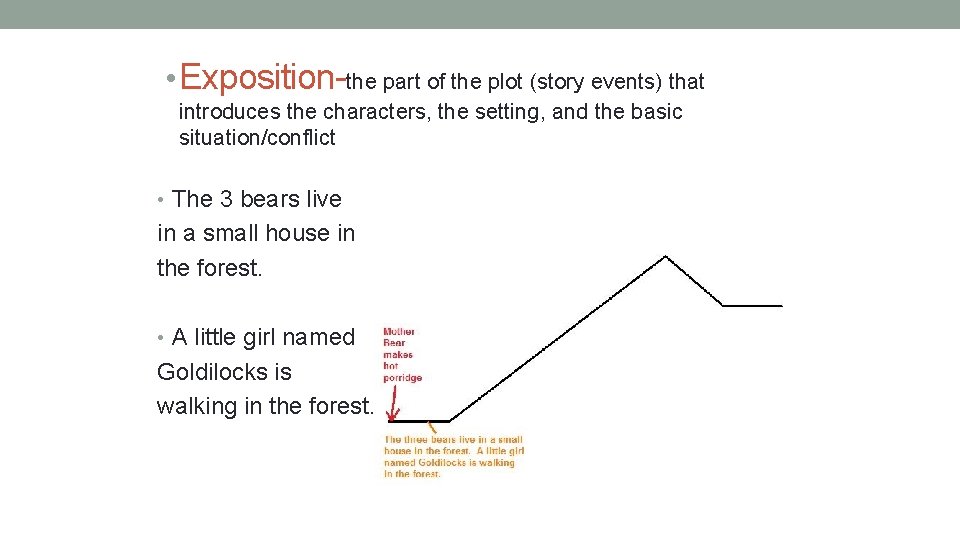
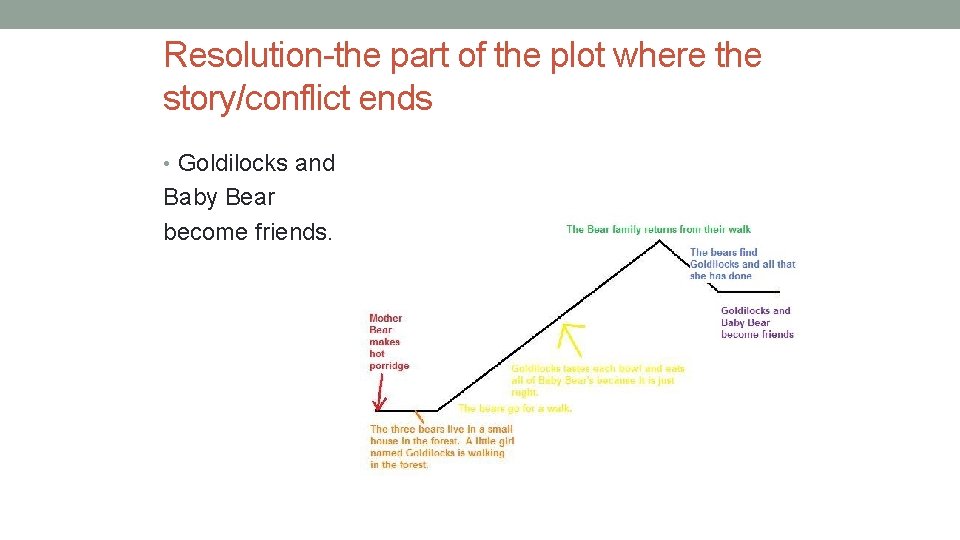
• Exposition-the part of the plot (story events) that introduces the characters, the setting, and the basic situation/conflict • The 3 bears live in a small house in the forest. • A little girl named Goldilocks is walking in the forest.
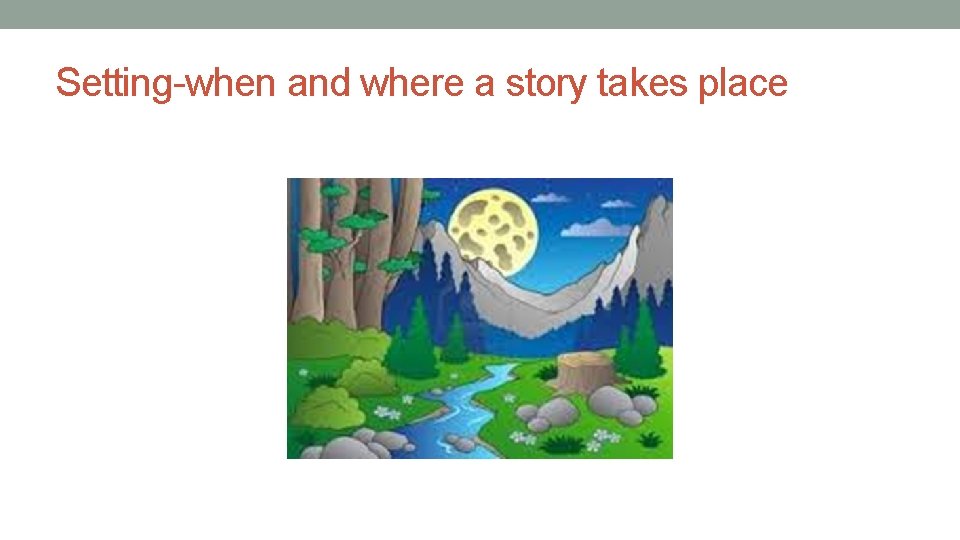
Setting-when and where a story takes place
Conflict- the problem a character needs to overcome
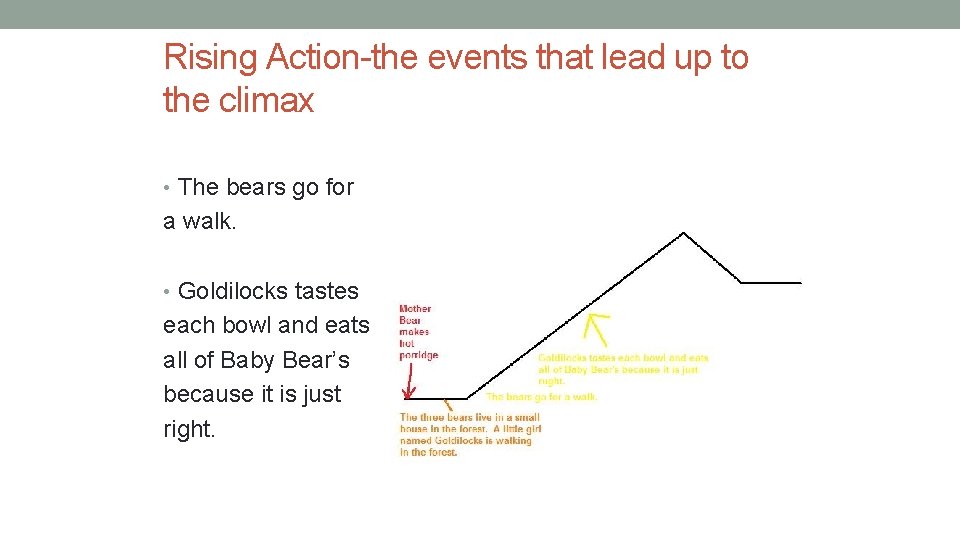
Rising Action-the events that lead up to the climax • The bears go for a walk. • Goldilocks tastes each bowl and eats all of Baby Bear’s because it is just right.
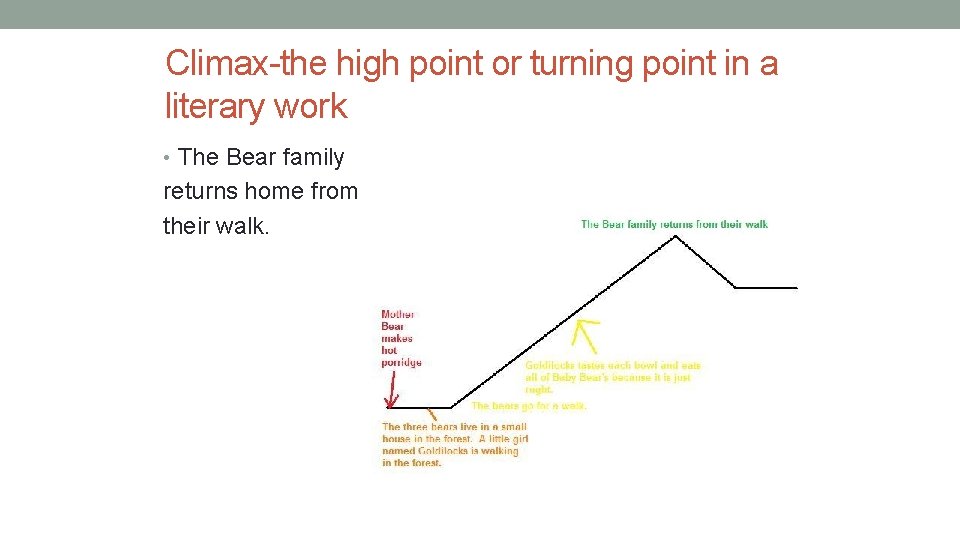
Climax-the high point or turning point in a literary work • The Bear family returns home from their walk.
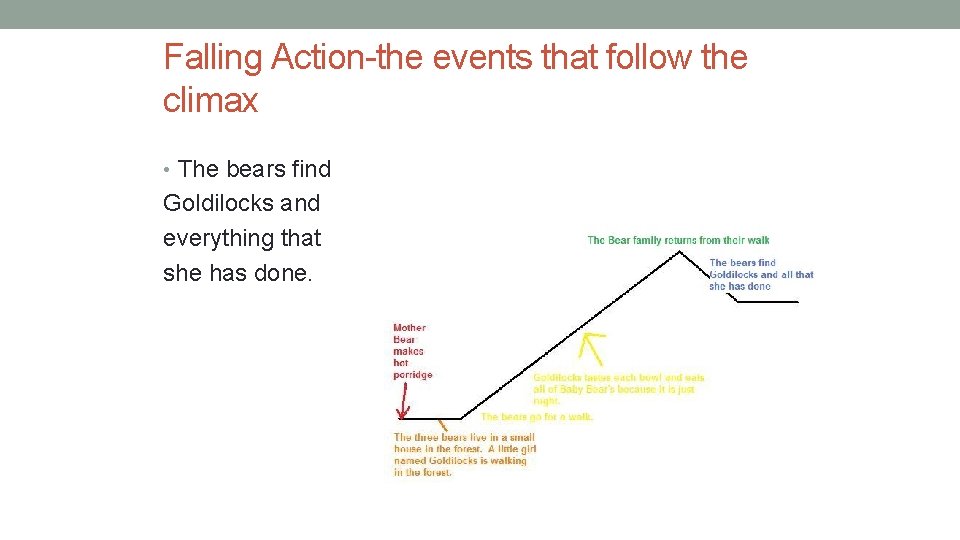
Falling Action-the events that follow the climax • The bears find Goldilocks and everything that she has done.
Resolution-the part of the plot where the story/conflict ends • Goldilocks and Baby Bear become friends.
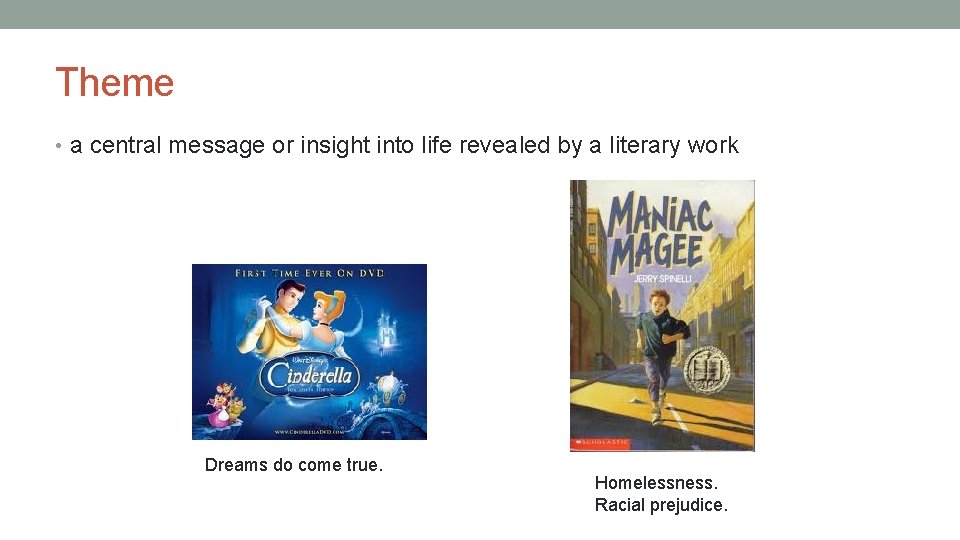
Theme • a central message or insight into life revealed by a literary work Dreams do come true. Homelessness. Racial prejudice.
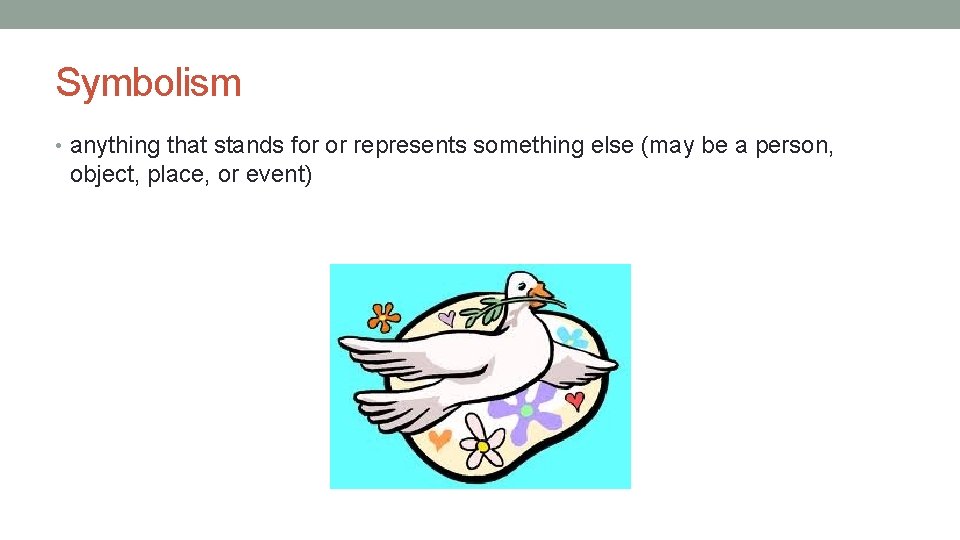
Symbolism • anything that stands for or represents something else (may be a person, object, place, or event)
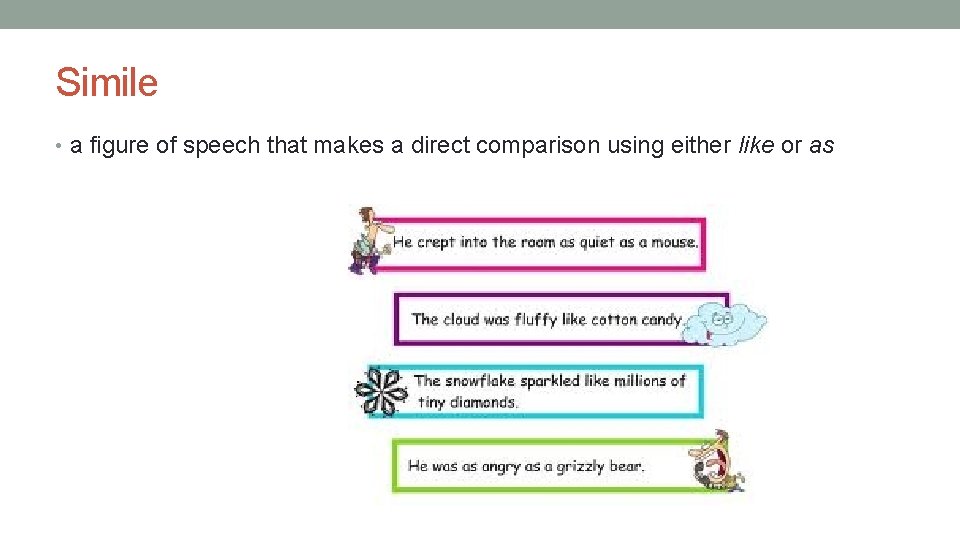
Simile • a figure of speech that makes a direct comparison using either like or as
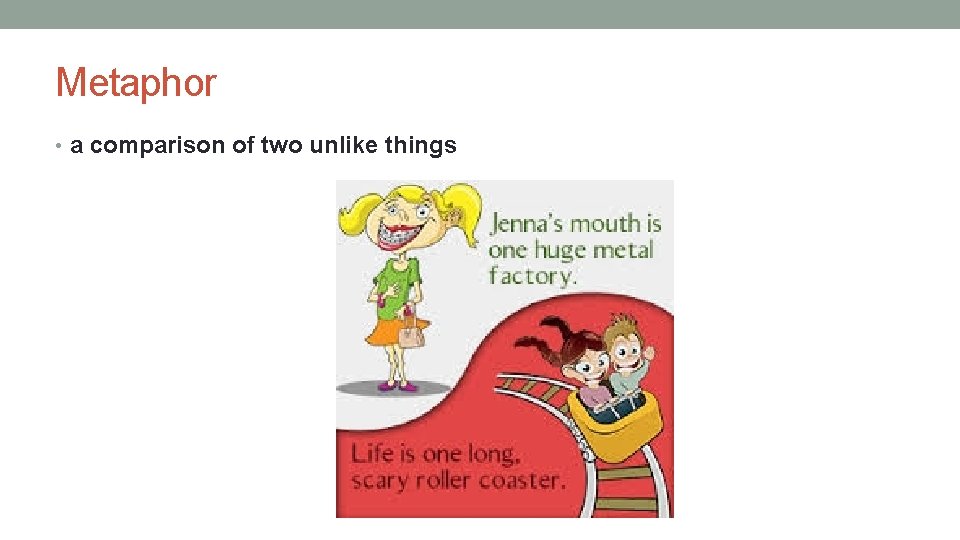
Metaphor • a comparison of two unlike things
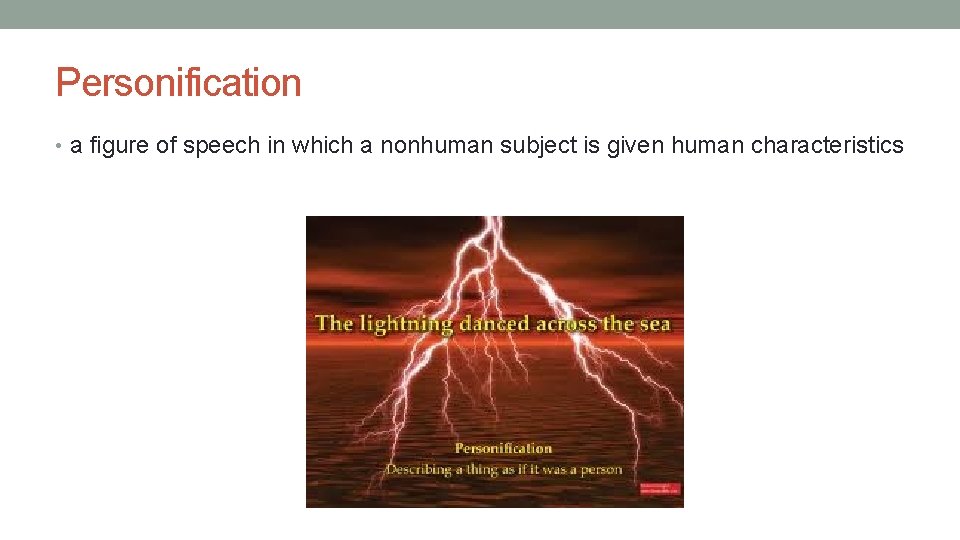
Personification • a figure of speech in which a nonhuman subject is given human characteristics
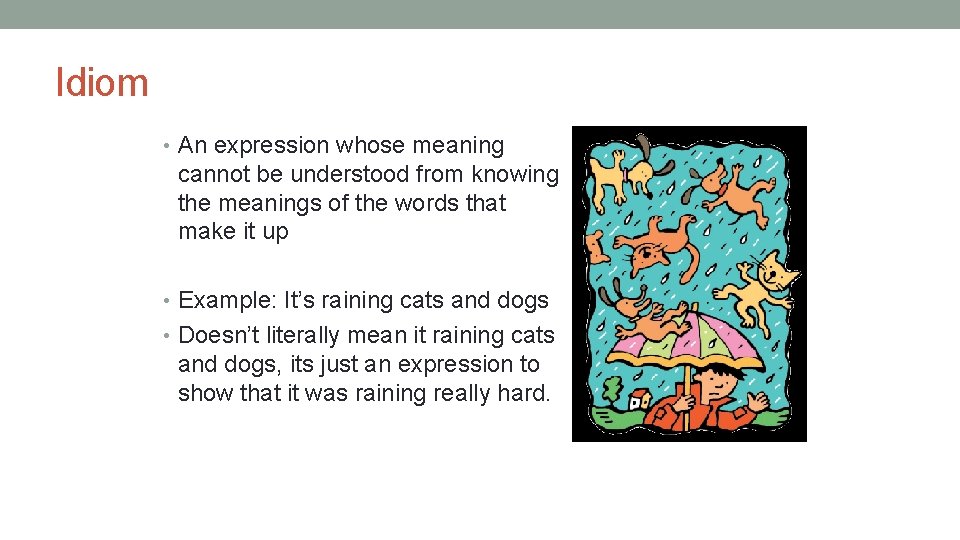
Idiom • An expression whose meaning cannot be understood from knowing the meanings of the words that make it up • Example: It’s raining cats and dogs • Doesn’t literally mean it raining cats and dogs, its just an expression to show that it was raining really hard.
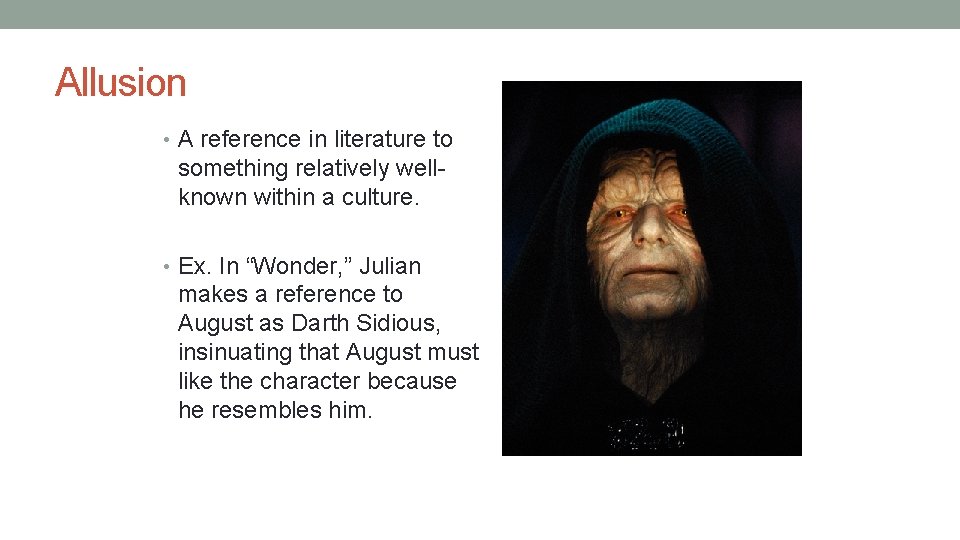
Allusion • A reference in literature to something relatively wellknown within a culture. • Ex. In “Wonder, ” Julian makes a reference to August as Darth Sidious, insinuating that August must like the character because he resembles him.