
Lipids Lipid Structure Plasma Membrane Cell Transport Cell

Lipids Lipid Structure Plasma Membrane Cell Transport Cell Communication
Lipids üCarbon and hydrogen üStore energy üWaterproof coverings on plants and animals üCell membrane üSteroids/Hormones
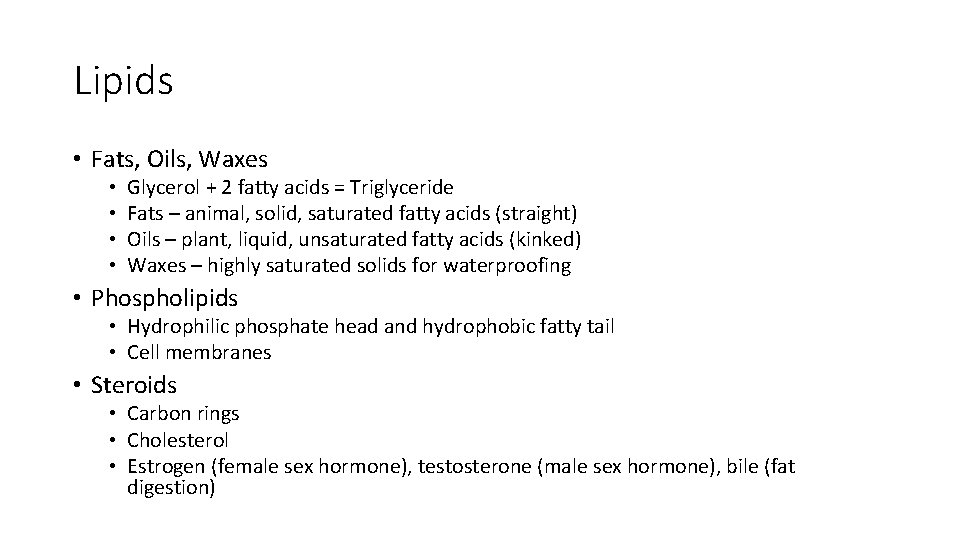
Lipids • Fats, Oils, Waxes • • Glycerol + 2 fatty acids = Triglyceride Fats – animal, solid, saturated fatty acids (straight) Oils – plant, liquid, unsaturated fatty acids (kinked) Waxes – highly saturated solids for waterproofing • Phospholipids • Hydrophilic phosphate head and hydrophobic fatty tail • Cell membranes • Steroids • Carbon rings • Cholesterol • Estrogen (female sex hormone), testosterone (male sex hormone), bile (fat digestion)
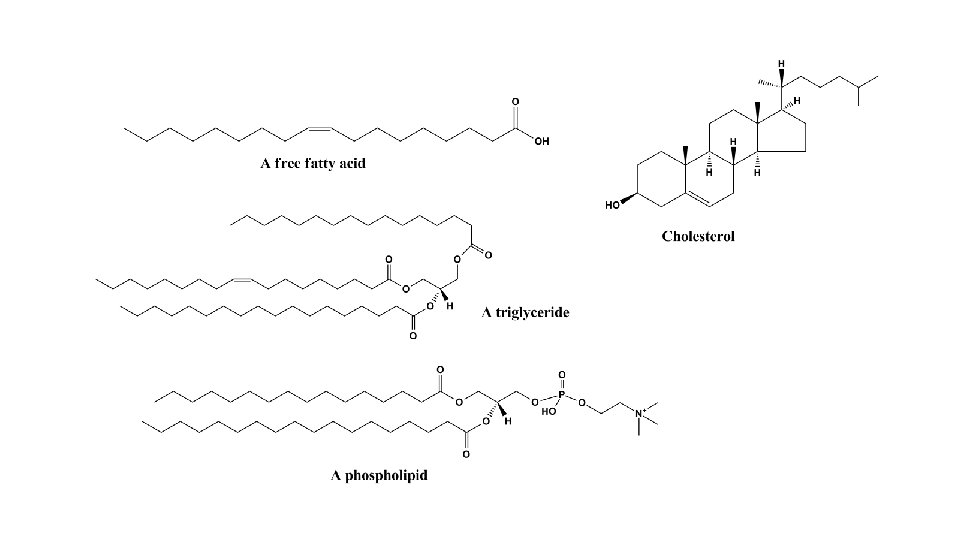
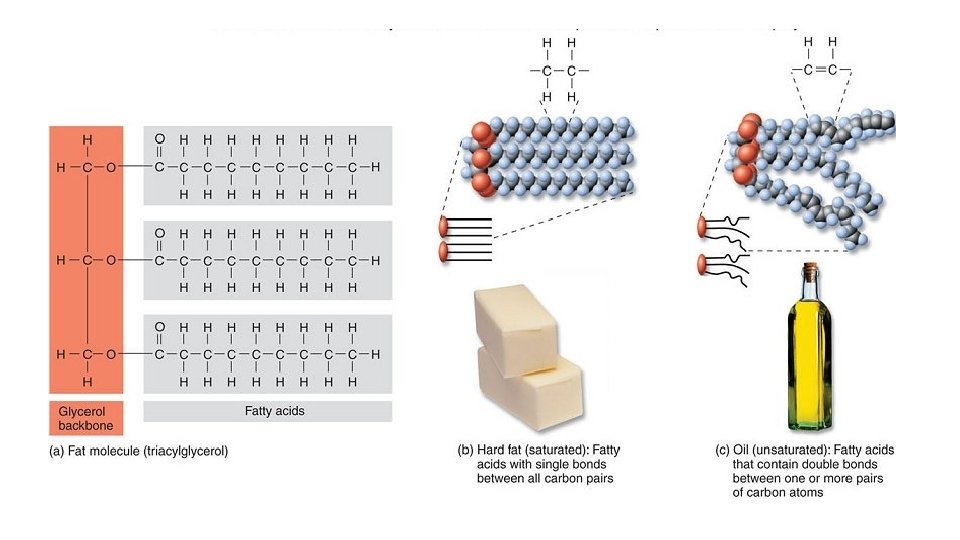
Checkpoint #1 (You should also use your fold notes to answer these. ) 1. What are the primary functions of lipids? 2. Differentiate three types of lipids. 3. Create a diagram showing the differences between saturated and unsaturated fats. 4. How are lipids different than carbohydrates? 5. Why are lipids insoluble?
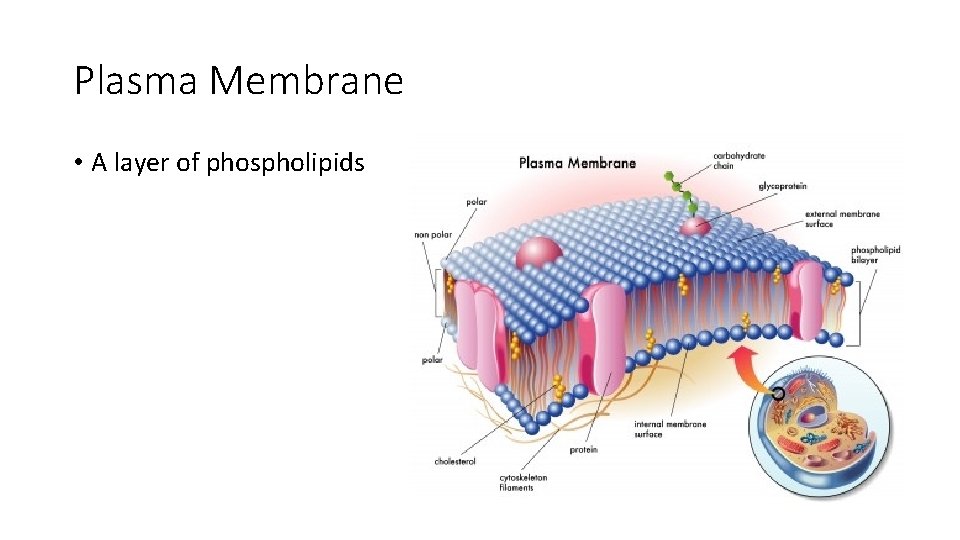
Plasma Membrane • A layer of phospholipids
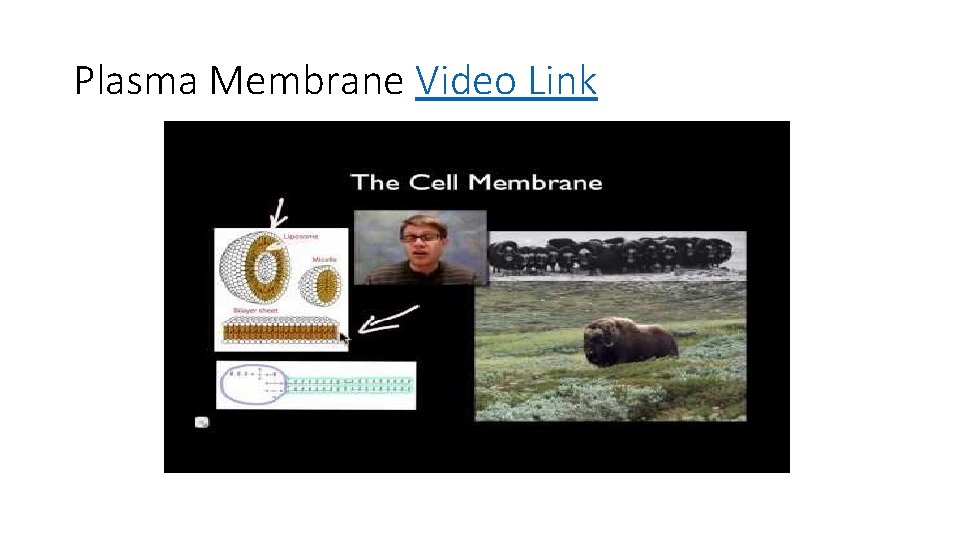
Plasma Membrane Video Link
Checkpoint #2 1. Describe the primary functions of the cell membrane. 2. Describe the primary structure of the cell membrane. 3. Explain why the “fluid mosaic model” is used to explain the cell membrane. 4. Polar molecules need help getting through the cell membrane. Why? 5. What role do proteins play in the cell membrane?
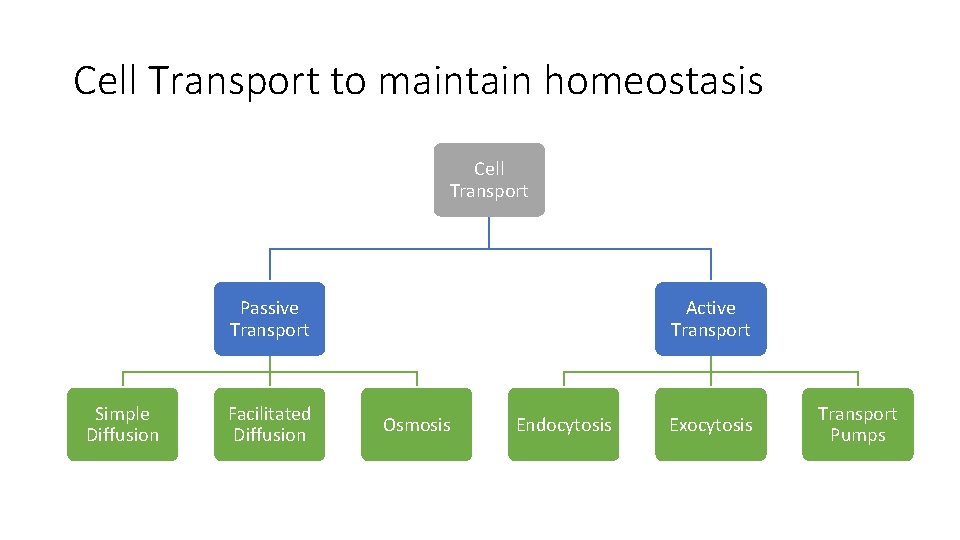
Cell Transport to maintain homeostasis Cell Transport Passive Transport Simple Diffusion Facilitated Diffusion Active Transport Osmosis Endocytosis Exocytosis Transport Pumps
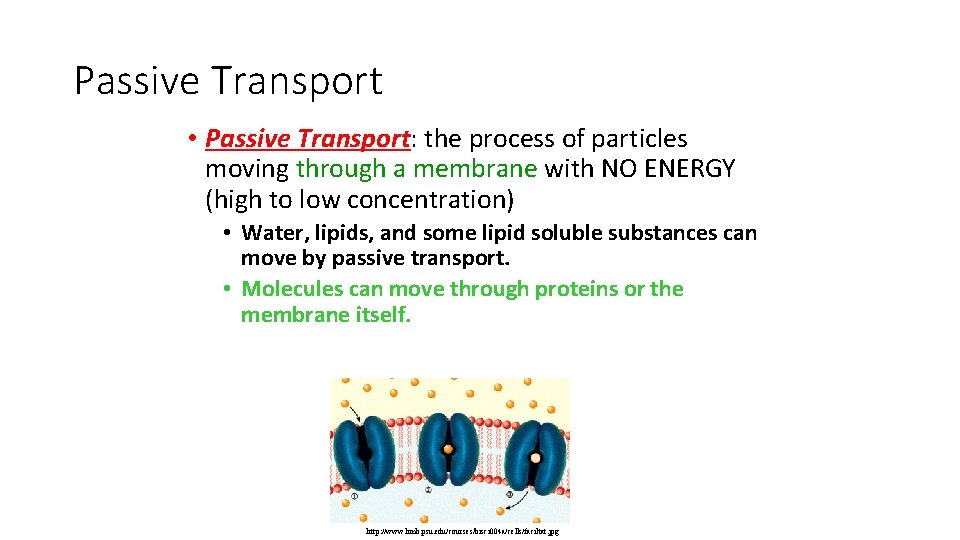
Passive Transport • Passive Transport: the process of particles moving through a membrane with NO ENERGY (high to low concentration) • Water, lipids, and some lipid soluble substances can move by passive transport. • Molecules can move through proteins or the membrane itself. 11 http: //www. bmb. psu. edu/courses/bisci 004 a/cells/faciltat. jpg
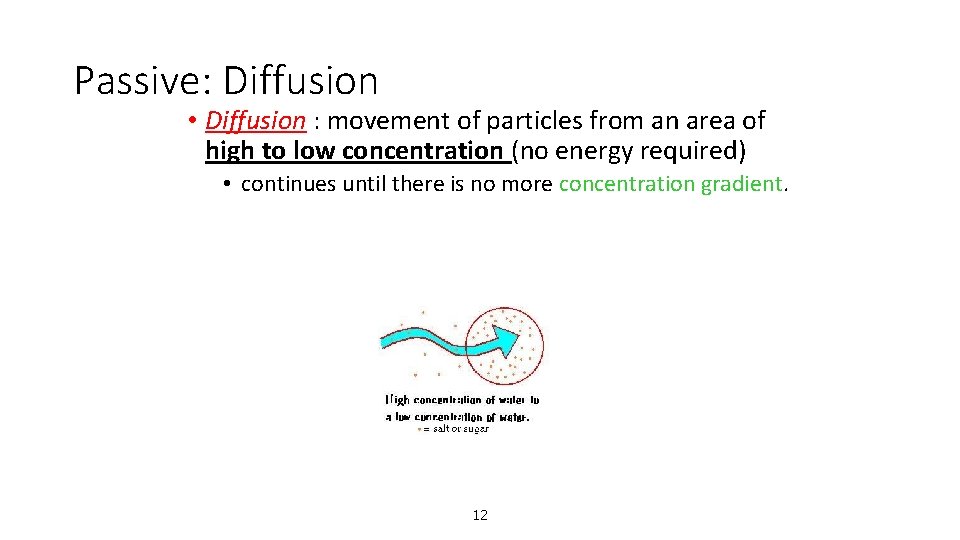
Passive: Diffusion • Diffusion : movement of particles from an area of high to low concentration (no energy required) • continues until there is no more concentration gradient. 12
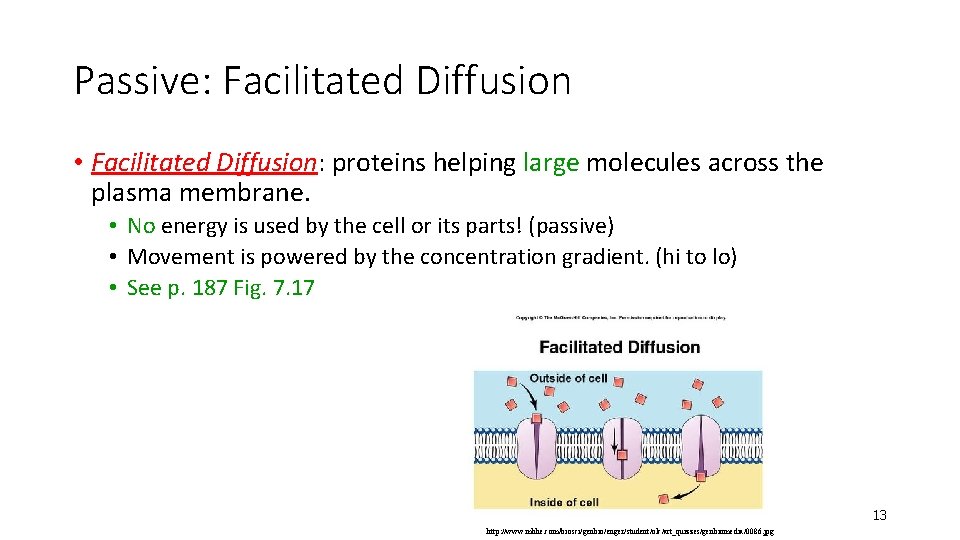
Passive: Facilitated Diffusion • Facilitated Diffusion: proteins helping large molecules across the plasma membrane. • No energy is used by the cell or its parts! (passive) • Movement is powered by the concentration gradient. (hi to lo) • See p. 187 Fig. 7. 17 13 http: //www. mhhe. com/biosci/genbio/enger/student/olc/art_quizzes/genbiomedia/0086. jpg
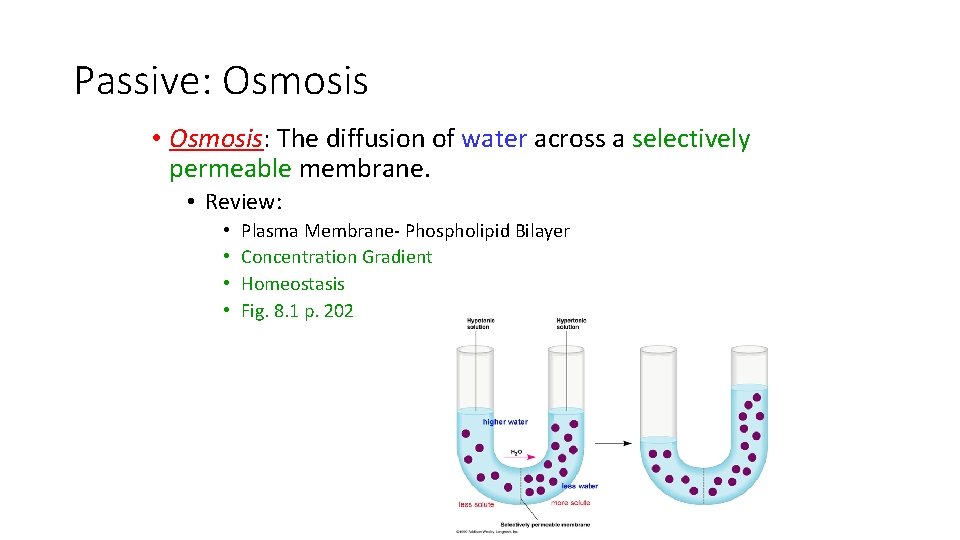
Passive: Osmosis • Osmosis: The diffusion of water across a selectively permeable membrane. • Review: • • Plasma Membrane- Phospholipid Bilayer Concentration Gradient Homeostasis Fig. 8. 1 p. 202 14
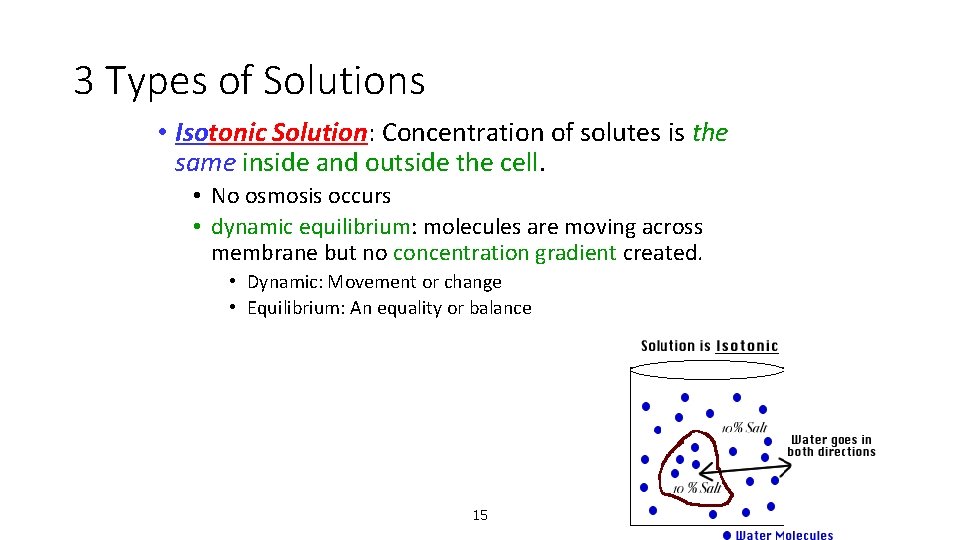
3 Types of Solutions • Isotonic Solution: Concentration of solutes is the same inside and outside the cell. • No osmosis occurs • dynamic equilibrium: molecules are moving across membrane but no concentration gradient created. • Dynamic: Movement or change • Equilibrium: An equality or balance 15
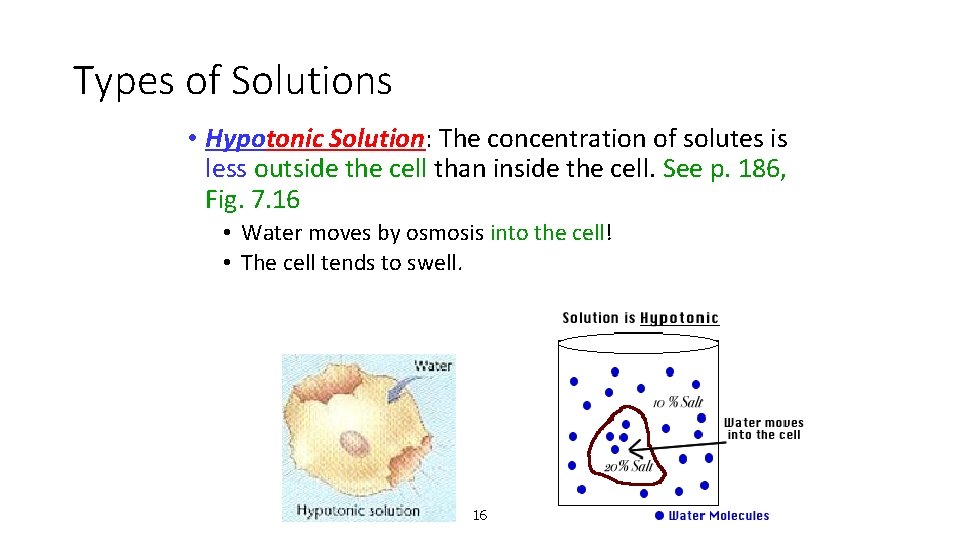
Types of Solutions • Hypotonic Solution: The concentration of solutes is less outside the cell than inside the cell. See p. 186, Fig. 7. 16 • Water moves by osmosis into the cell! • The cell tends to swell. 16
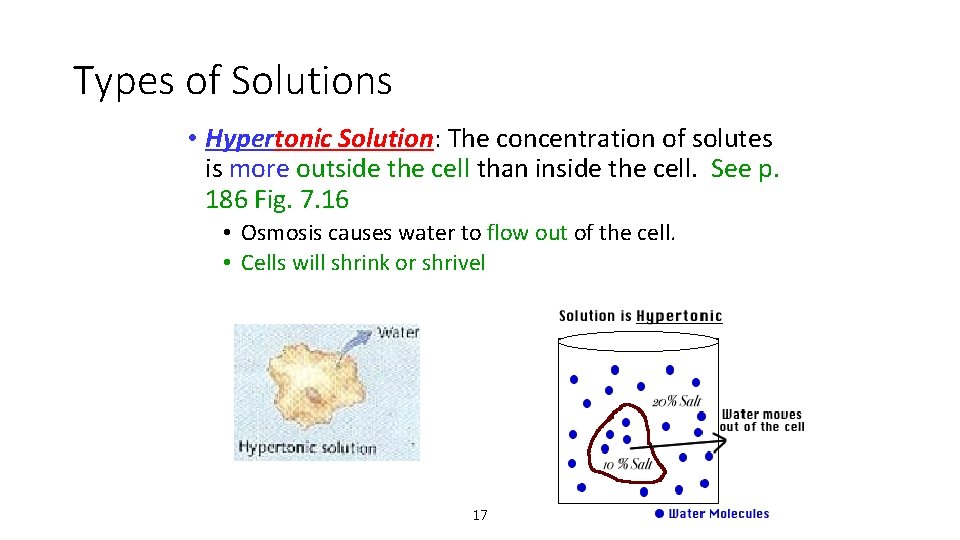
Types of Solutions • Hypertonic Solution: The concentration of solutes is more outside the cell than inside the cell. See p. 186 Fig. 7. 16 • Osmosis causes water to flow out of the cell. • Cells will shrink or shrivel 17
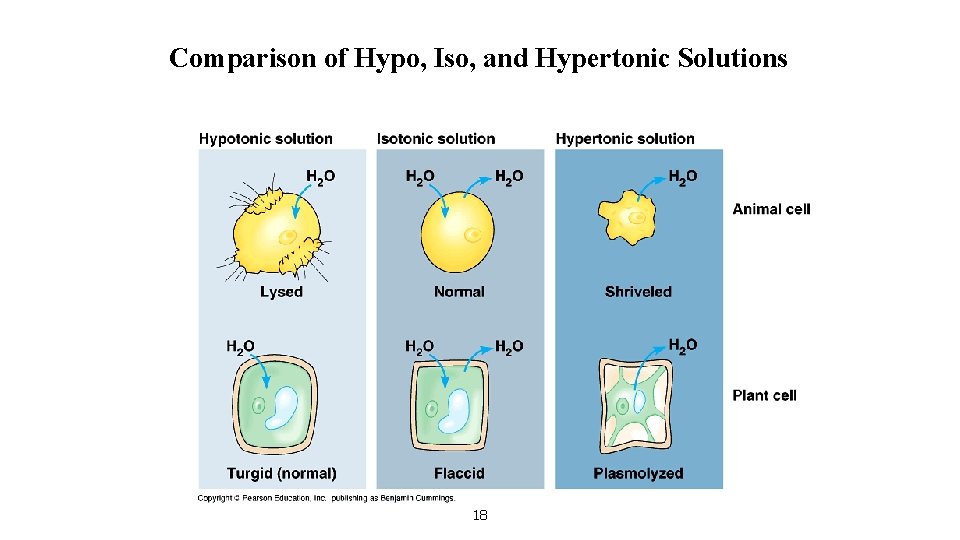
Comparison of Hypo, Iso, and Hypertonic Solutions 18
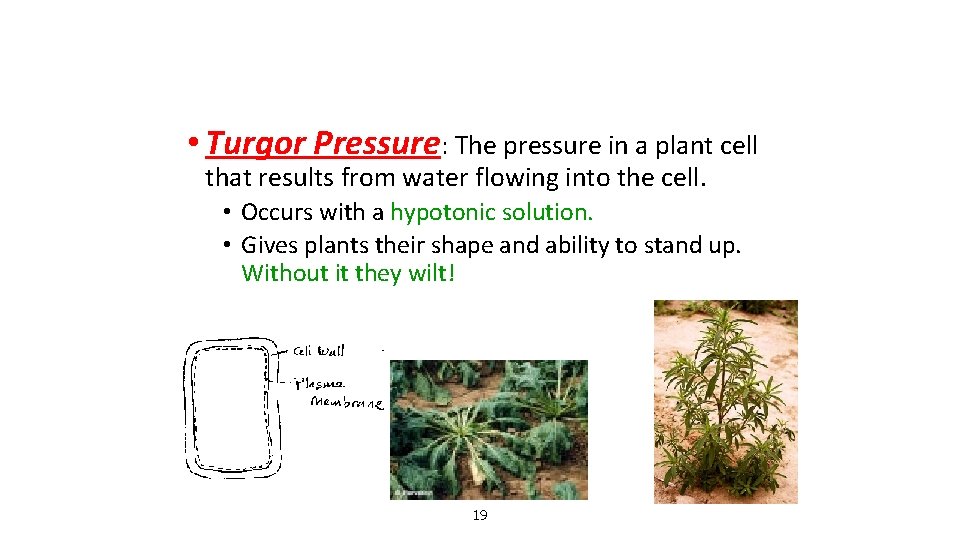
• Turgor Pressure: The pressure in a plant cell that results from water flowing into the cell. • Occurs with a hypotonic solution. • Gives plants their shape and ability to stand up. Without it they wilt! 19
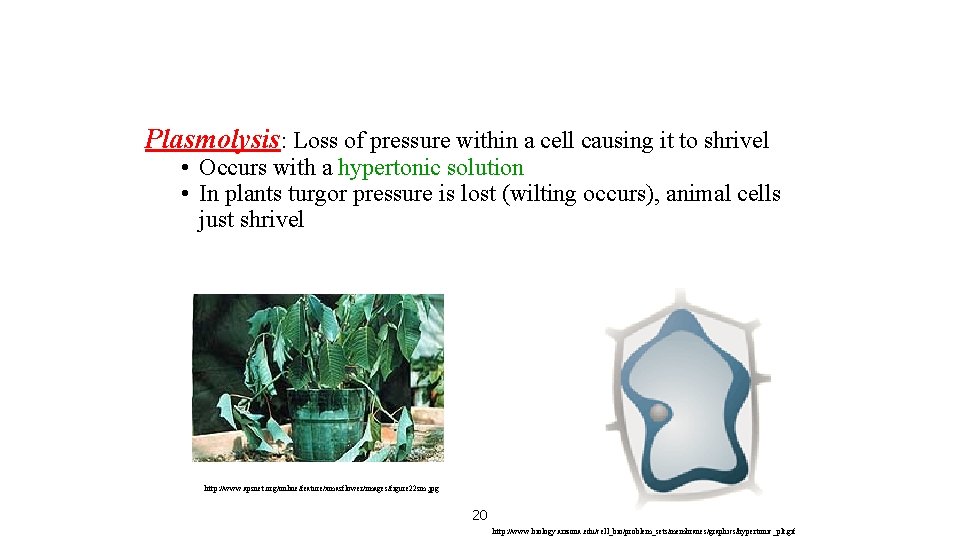
Plasmolysis: Loss of pressure within a cell causing it to shrivel • Occurs with a hypertonic solution • In plants turgor pressure is lost (wilting occurs), animal cells just shrivel http: //www. apsnet. org/online/feature/xmasflower/images/figure 22 sm. jpg 20 http: //www. biology. arizona. edu/cell_bio/problem_sets/membranes/graphics/hypertonic_plt. gif
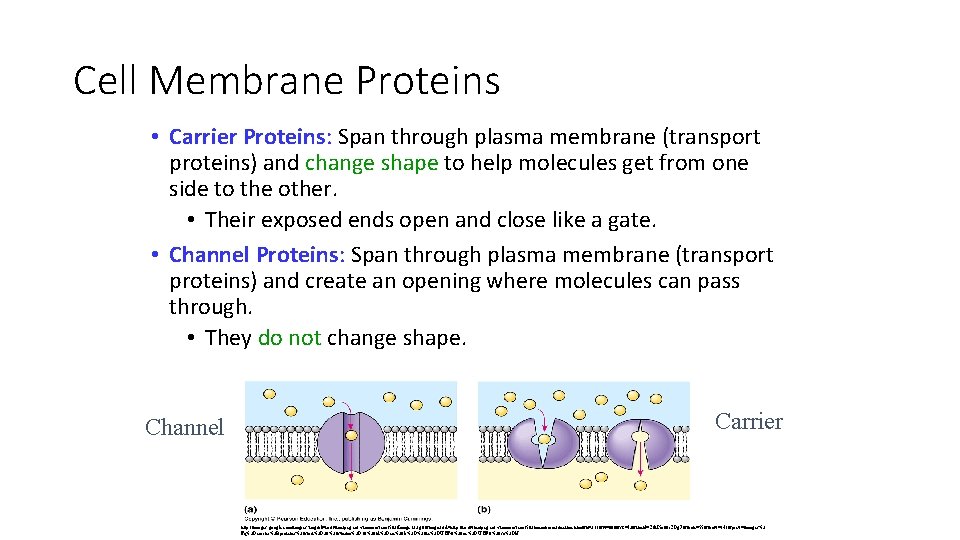
Cell Membrane Proteins • Carrier Proteins: Span through plasma membrane (transport proteins) and change shape to help molecules get from one side to the other. • Their exposed ends open and close like a gate. • Channel Proteins: Span through plasma membrane (transport proteins) and create an opening where molecules can pass through. • They do not change shape. Carrier Channel 21 http: //images. google. com/imgres? imgurl=io. uwinnipeg. ca/~simmons/cm 1503/Image 132. gif&imgrefurl=http: //io. uwinnipeg. ca/~simmons/cm 1503/membranefunction. htm&h=311&w=800&sz=42&tbnid=Cf. M 5 o 08 r. CDg. J: &tbnh=55&tbnw=141&prev=/images%3 Fq%3 Dcarrier%2 Bproteins%26 start%3 D 20%26 svnum%3 D 10%26 hl%3 Den%26 lr%3 D%26 ie%3 DUTF-8%26 oe%3 DUTF-8%26 sa%3 DN
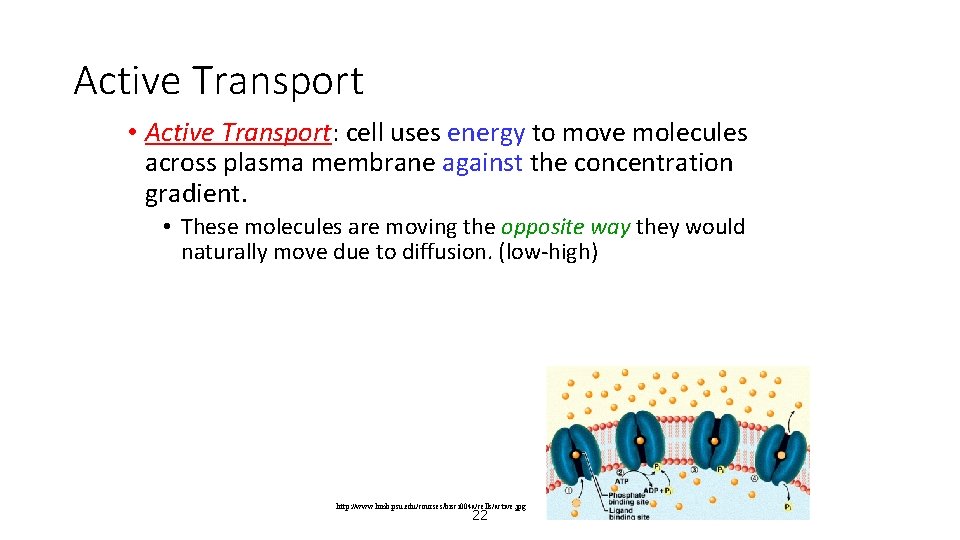
Active Transport • Active Transport: cell uses energy to move molecules across plasma membrane against the concentration gradient. • These molecules are moving the opposite way they would naturally move due to diffusion. (low-high) http: //www. bmb. psu. edu/courses/bisci 004 a/cells/active. jpg 22
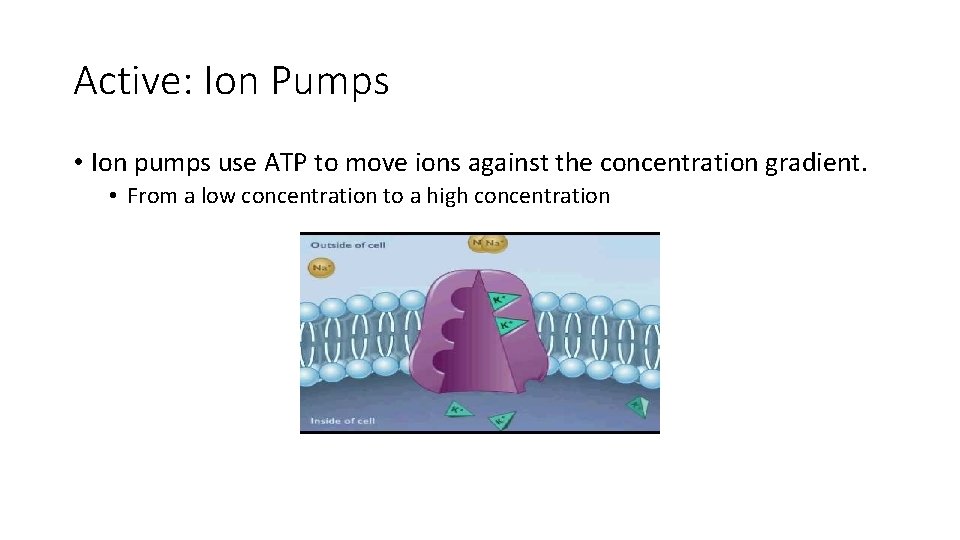
Active: Ion Pumps • Ion pumps use ATP to move ions against the concentration gradient. • From a low concentration to a high concentration
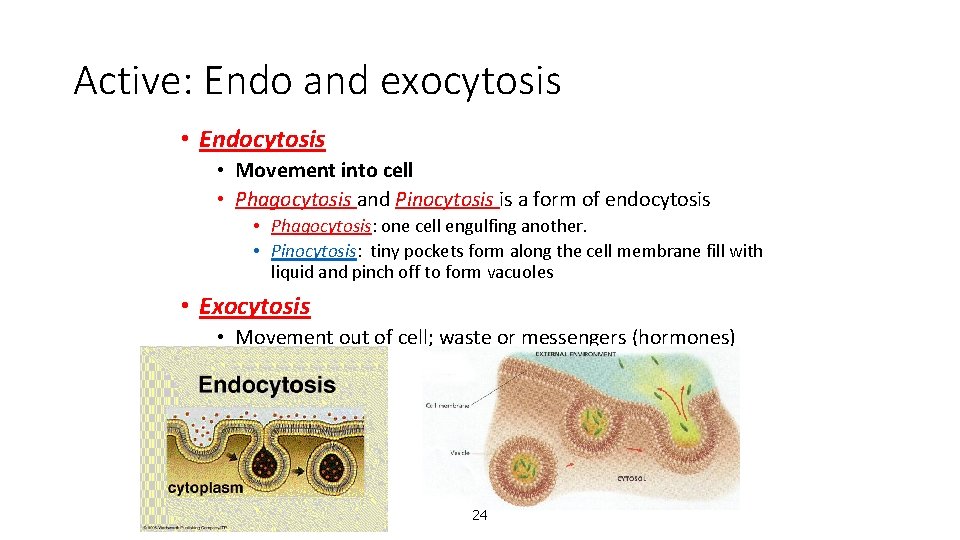
Active: Endo and exocytosis • Endocytosis • Movement into cell • Phagocytosis and Pinocytosis is a form of endocytosis • Phagocytosis: one cell engulfing another. • Pinocytosis: tiny pockets form along the cell membrane fill with liquid and pinch off to form vacuoles • Exocytosis • Movement out of cell; waste or messengers (hormones) 24
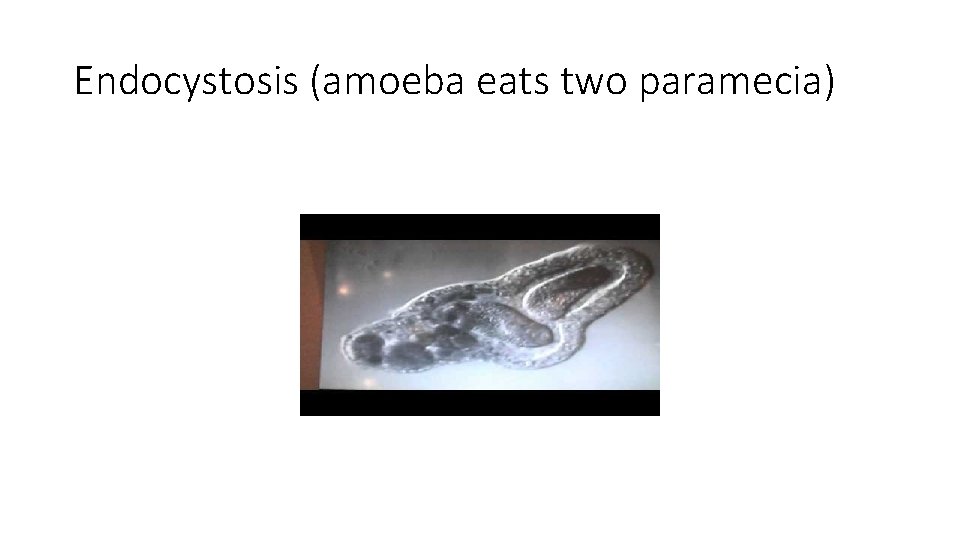
Endocystosis (amoeba eats two paramecia)
Checkpoint #3 1. How are active and passive transport different? 2. Where do cells get the energy required to perform active transport? 3. What role do you suppose DNA plays in active transport? 4. What is a concentration gradient? 5. How would transport help maintain homeostasis for the cell? 6. *Amoeba video – Once inside the cell, how do you think the paramecia are broken down? (review video on transport to follow)
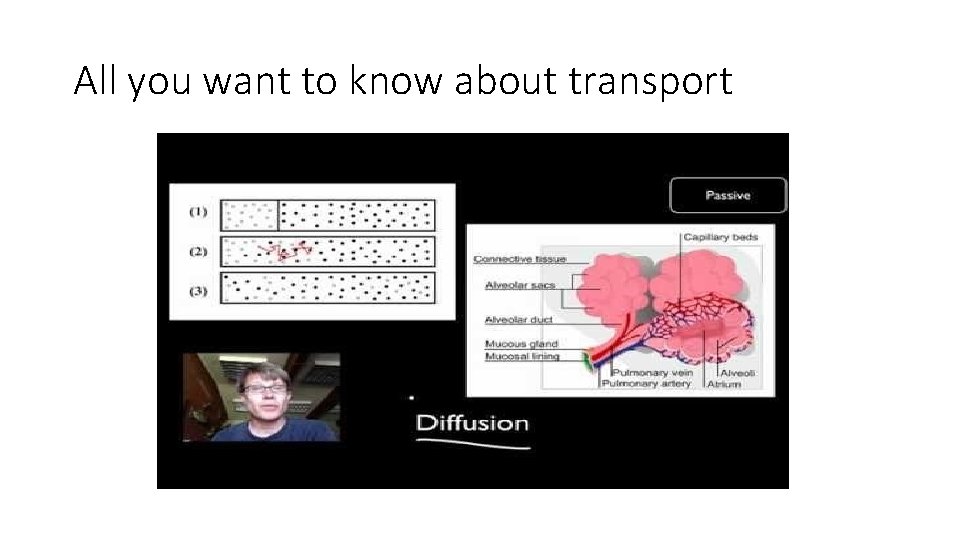
All you want to know about transport
- Slides: 27