
Lipids in cells Tissues Lipids are macromolecules composed
- Slides: 14
Lipids in cells & Tissues
Lipids : are macromolecules composed of C, H and O, and other atoms as Phosphor. They are water -insoluble but dissolve in organic solvents as alcohol and acetone.
Biological Significance of Lipids: 1 - Component of cellular membranes. 2 - Source of energy and contains more energy than carbohydrates. 3 - Some hormones are lipid-derivatives. 4 - Work as heat insulator, and shock absorbent. Fatty acids + Alcohols = Lipids
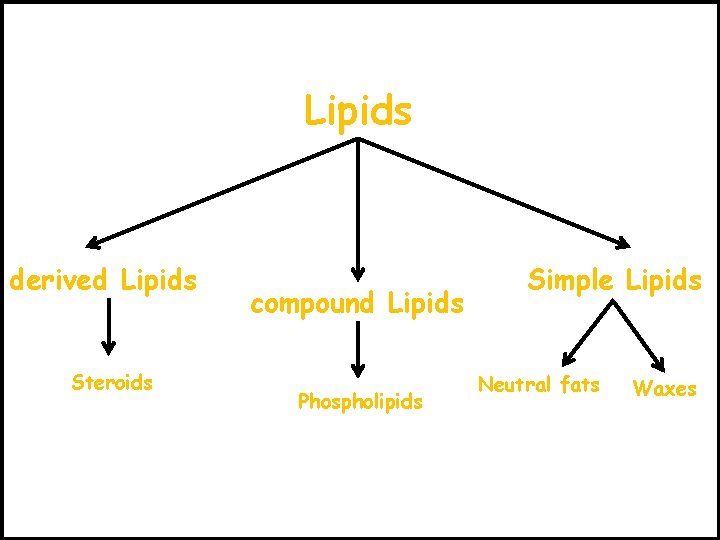
Lipids derived Lipids Steroids compound Lipids Phospholipids Simple Lipids Neutral fats Waxes
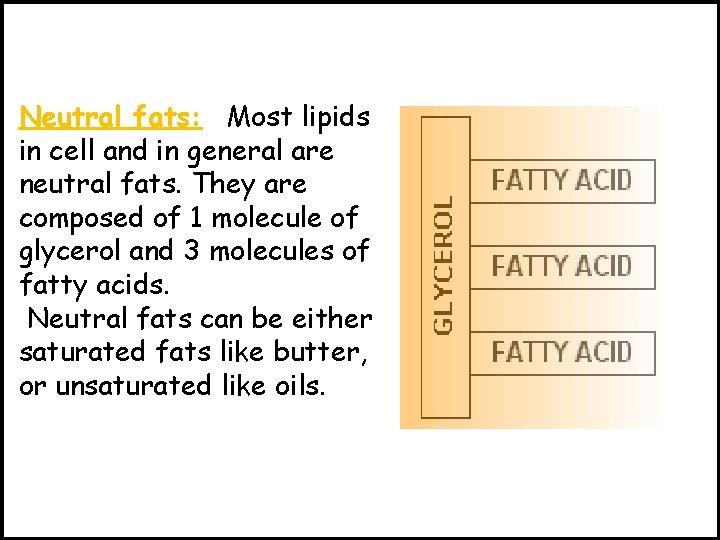
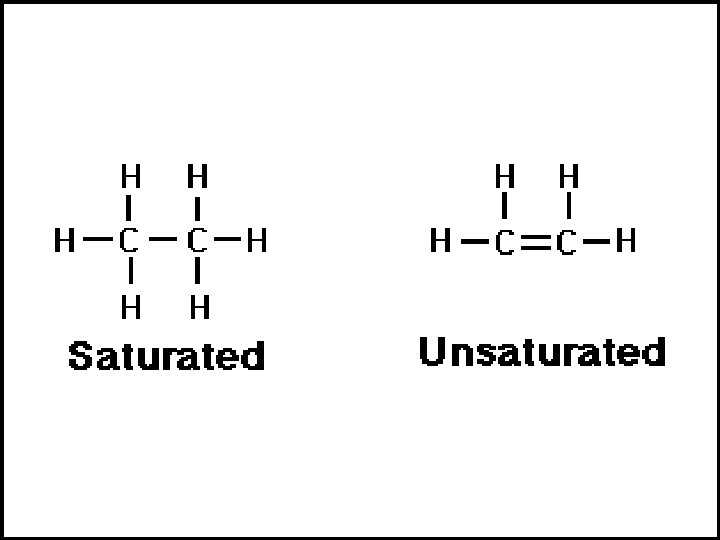
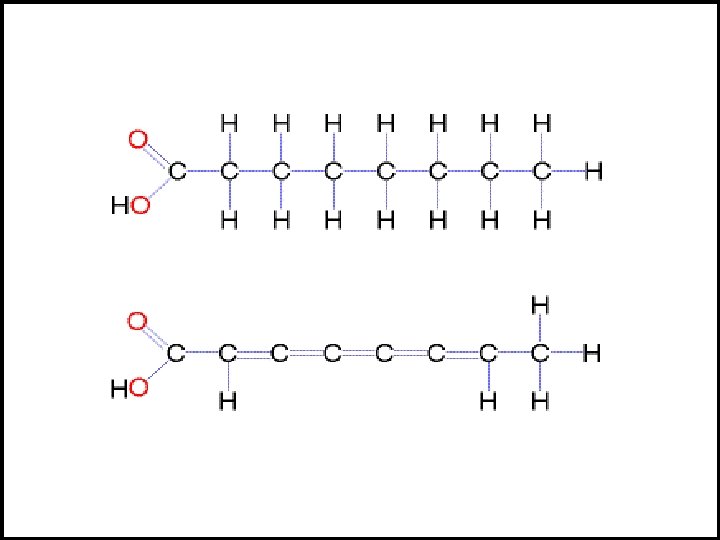
Neutral fats: Most lipids in cell and in general are neutral fats. They are composed of 1 molecule of glycerol and 3 molecules of fatty acids. Neutral fats can be either saturated fats like butter, or unsaturated like oils.
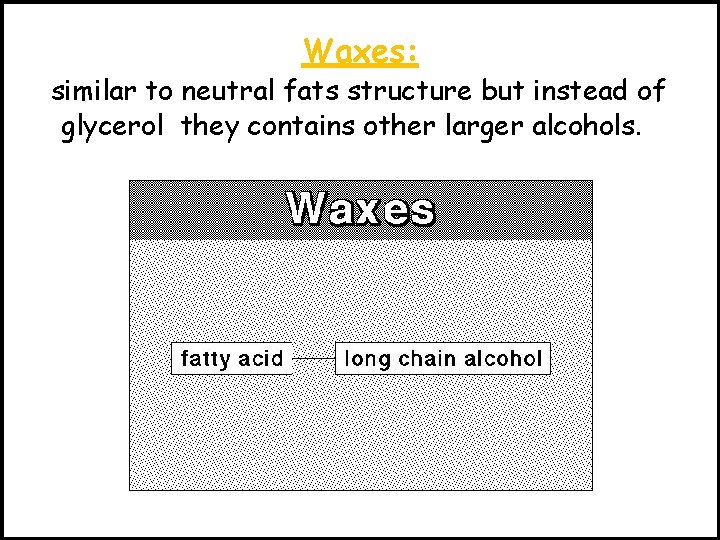
Waxes: similar to neutral fats structure but instead of glycerol they contains other larger alcohols.
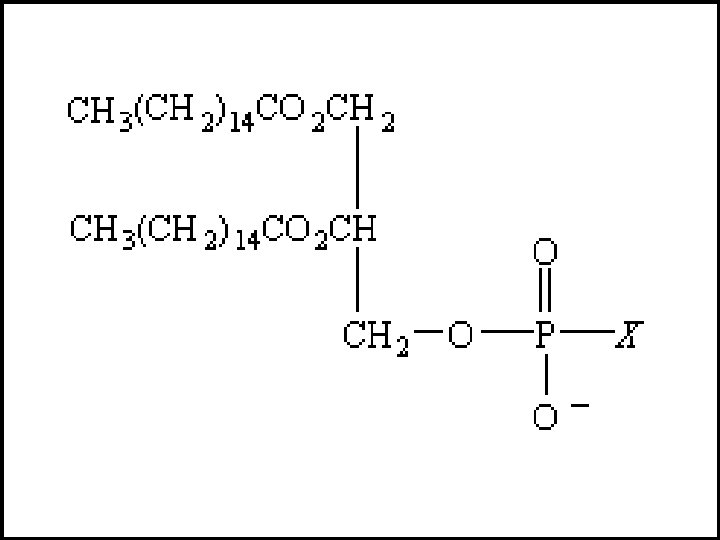
Phospholipids: Has 1 phosphate group (PO 4) instead of one fatty acid. Found in all cells as component of cellular membranes
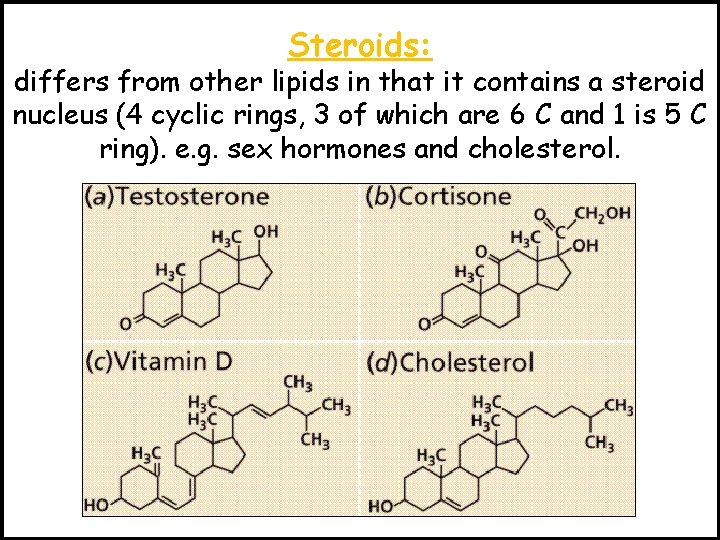
Steroids: differs from other lipids in that it contains a steroid nucleus (4 cyclic rings, 3 of which are 6 C and 1 is 5 C ring). e. g. sex hormones and cholesterol.
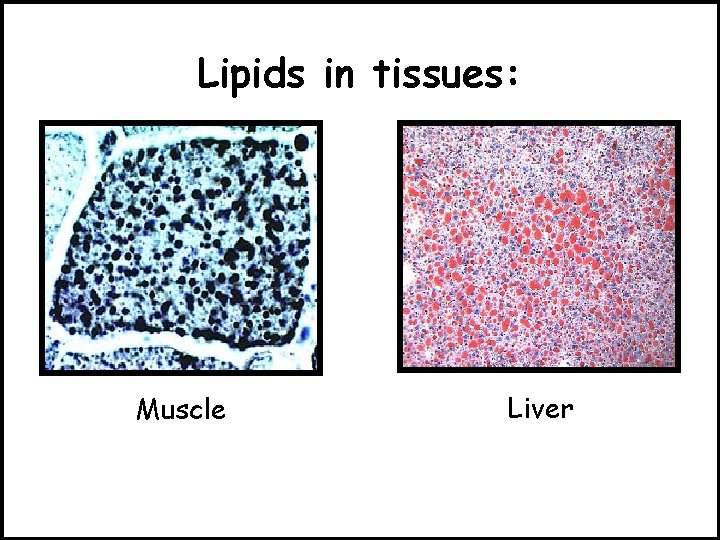
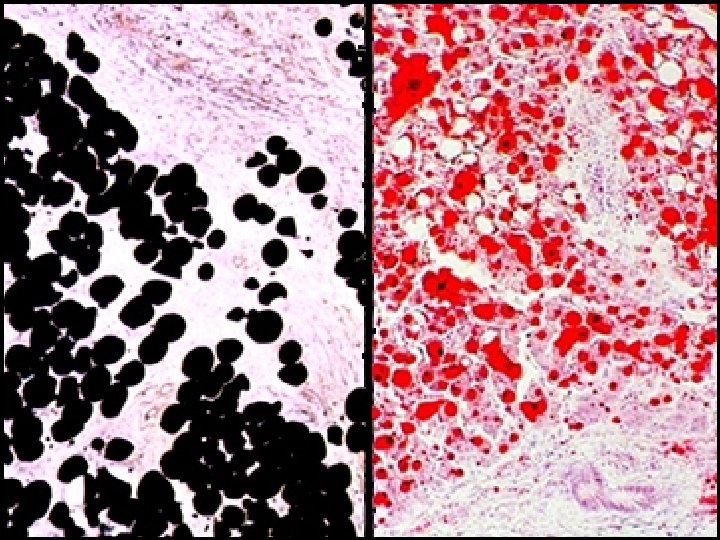
Lipids in tissues: Muscle Liver
Detection of Cholesterol in samples: milk, butter, margarine, olive and corn oil 1 - Mark 6 tubes from 1 -6, to each tube add 0. 5 ml of acidic potassium sulfate KHSO 4. Add 5 drops of each sample to each tube, then add 2. 5 ml of KHSO 4 Heat over flame for few minutes. 2 - Mark 6 new tubes from 1 -6, to each tube add 2 ml of sample + 1 ml chloroform + 1 ml of acetic anhydride (CH 3 CO)2 O + 2 ml of conc. Sulfuric acid (very carefully).