
Lipids Class Notes S Lipids S The main
- Slides: 28
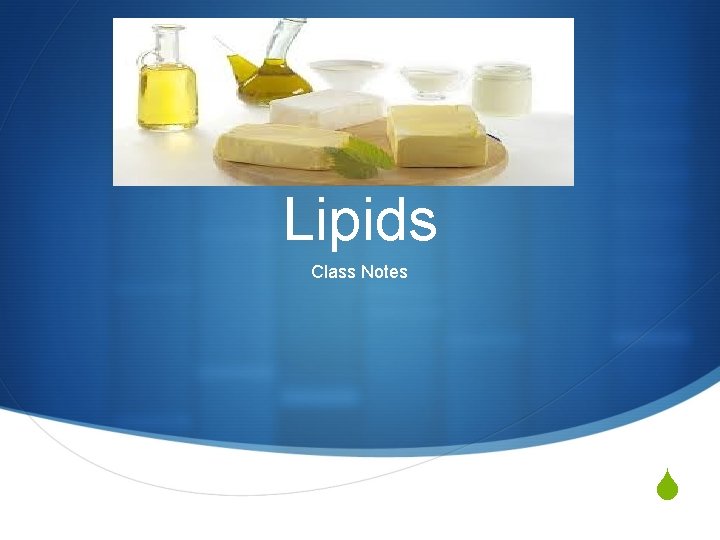
Lipids Class Notes S
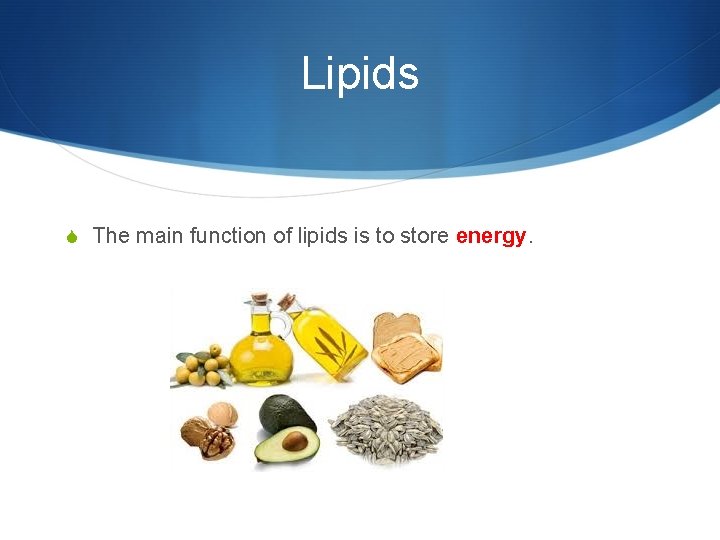
Lipids S The main function of lipids is to store energy.
Lipids S Lipids include: S 1. Fats S 2. Oils S 3. Waxes S 4. Phospholipids 5. Steroids
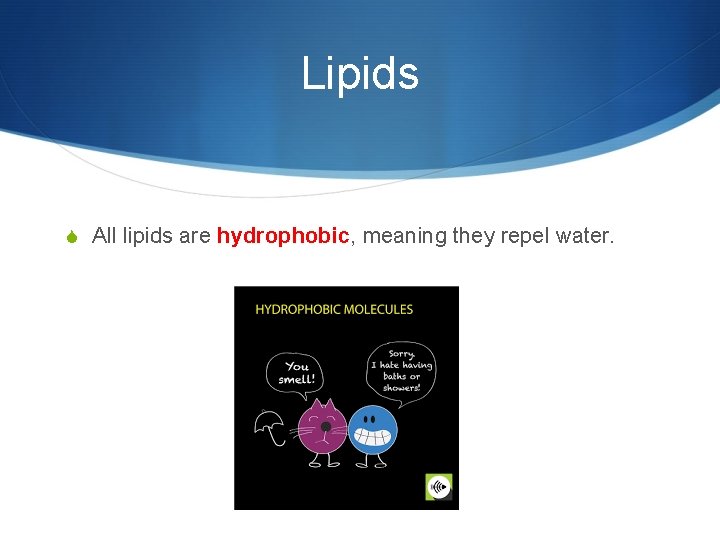
Lipids S All lipids are hydrophobic, meaning they repel water.
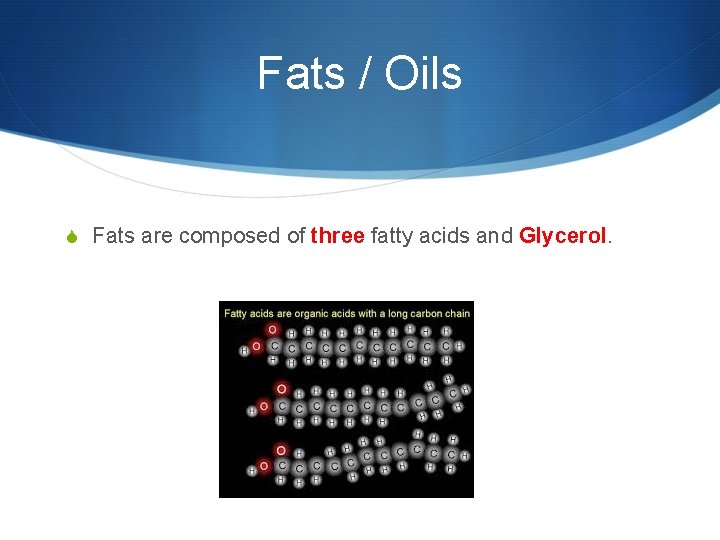
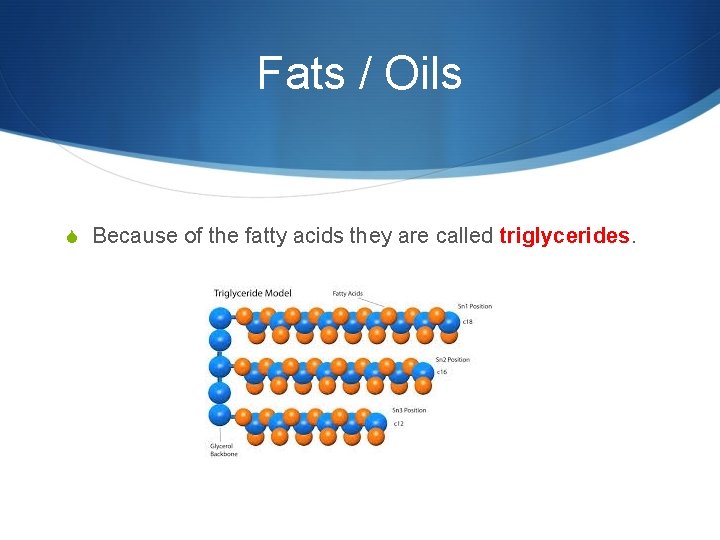
Fats / Oils S Fats are composed of three fatty acids and Glycerol.
Fats / Oils S Because of the fatty acids they are called triglycerides.
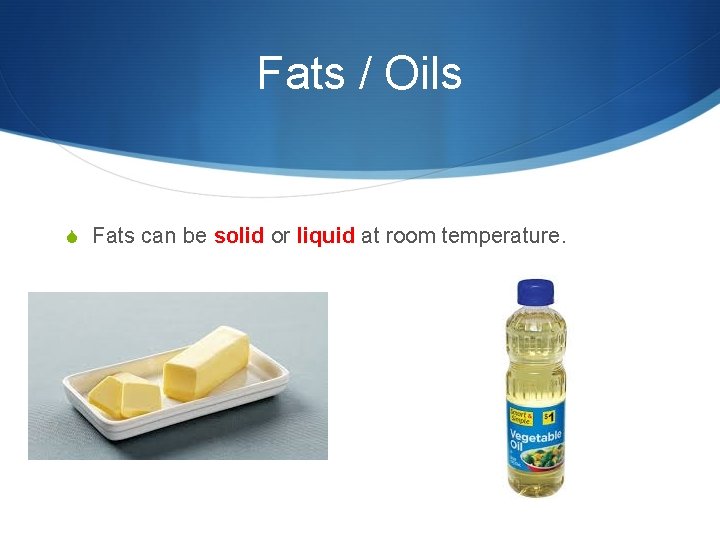
Fats / Oils S Fats can be solid or liquid at room temperature.
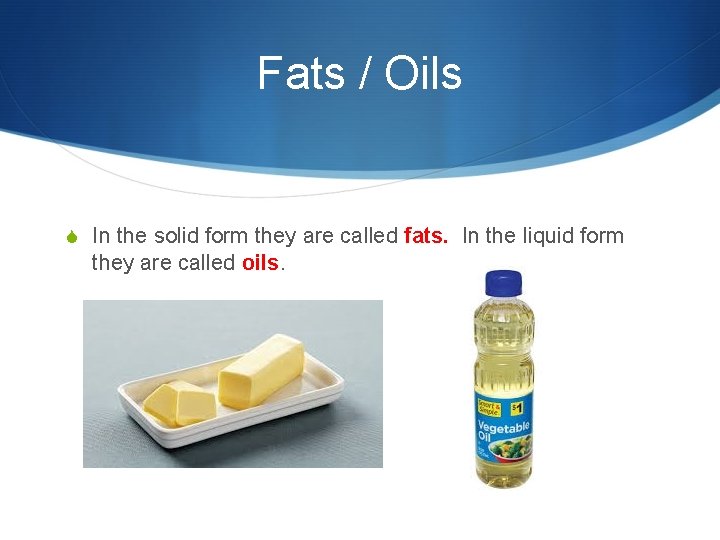
Fats / Oils S In the solid form they are called fats. In the liquid form they are called oils.
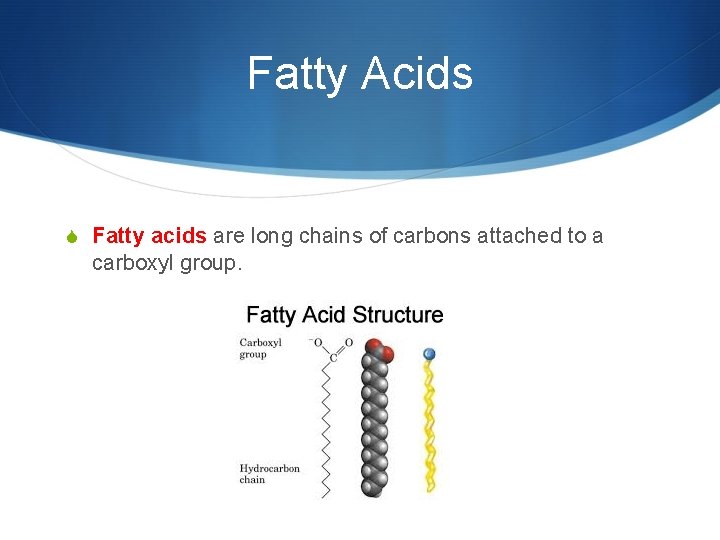
Fatty Acids S Fatty acids are long chains of carbons attached to a carboxyl group.
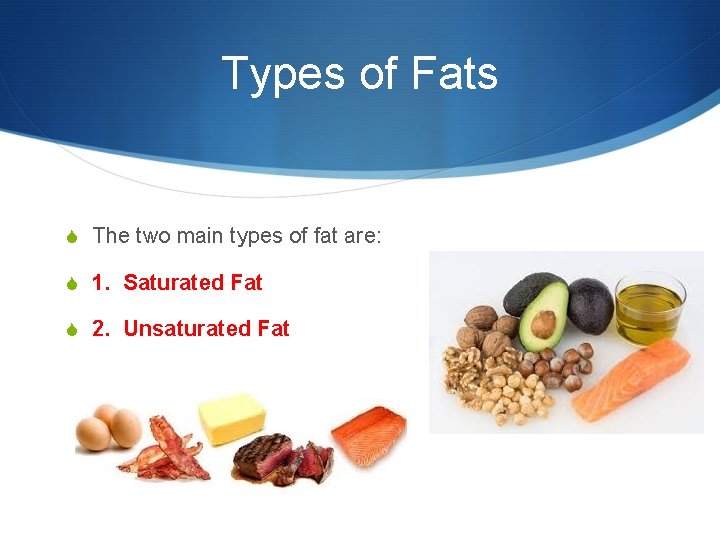
Types of Fats S The two main types of fat are: S 1. Saturated Fat S 2. Unsaturated Fat
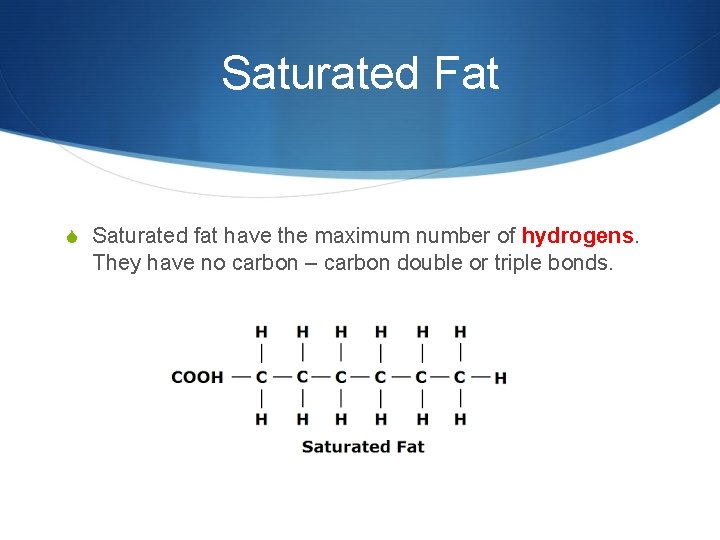
Saturated Fat S Saturated fat have the maximum number of hydrogens. They have no carbon – carbon double or triple bonds.
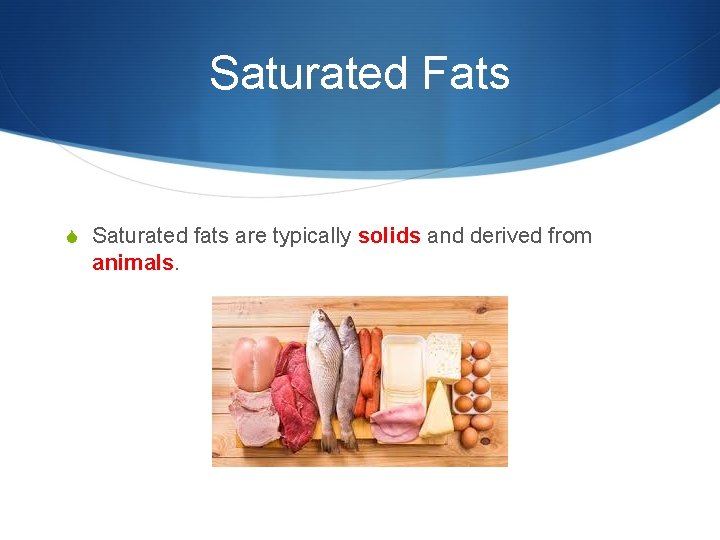
Saturated Fats S Saturated fats are typically solids and derived from animals.
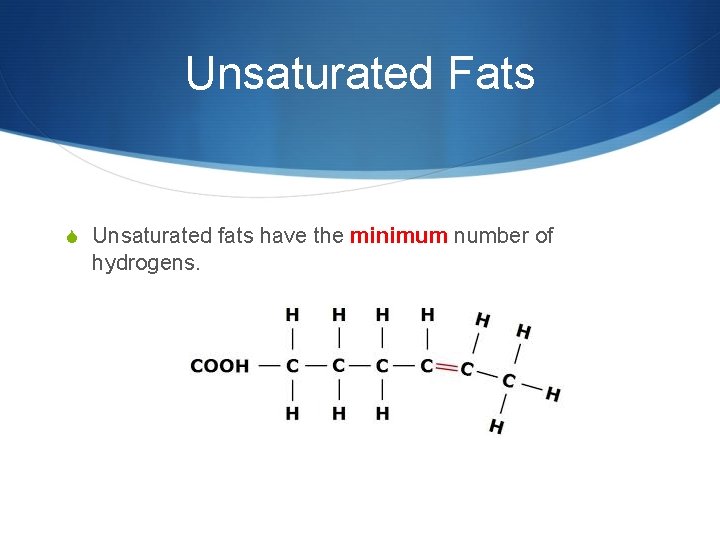
Unsaturated Fats S Unsaturated fats have the minimum number of hydrogens.
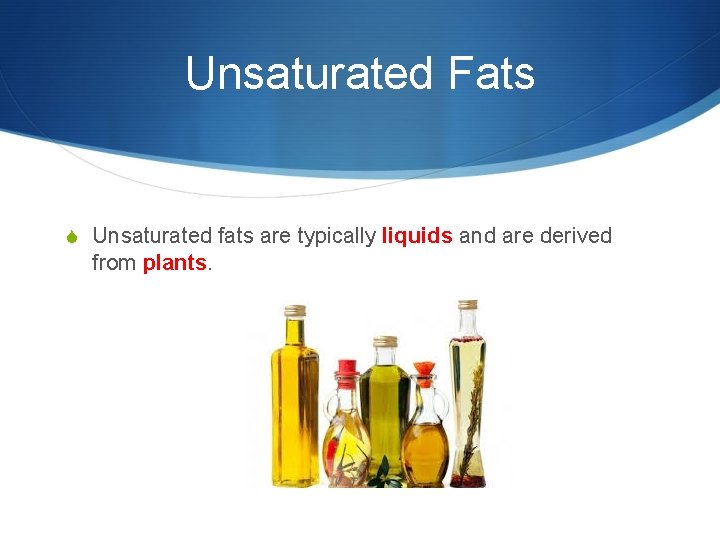
Unsaturated Fats S Unsaturated fats are typically liquids and are derived from plants.
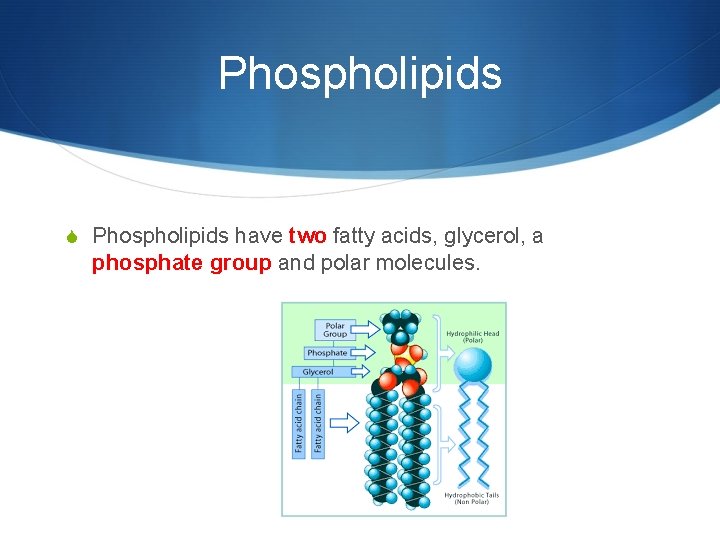
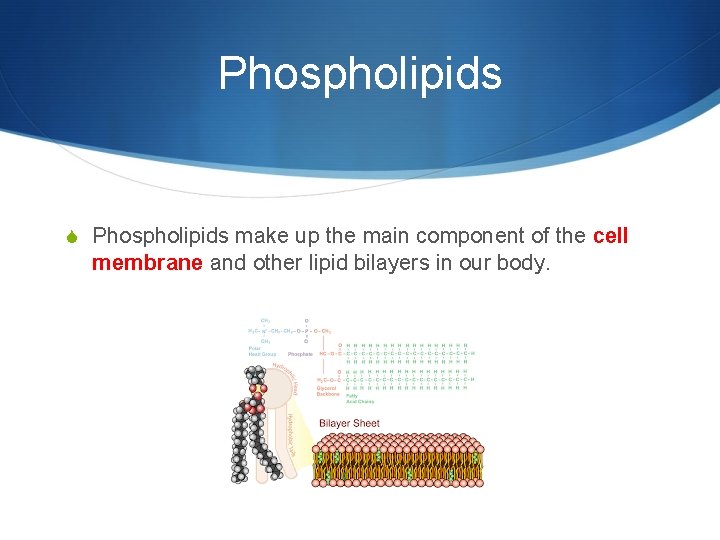
Phospholipids S Phospholipids have two fatty acids, glycerol, a phosphate group and polar molecules.
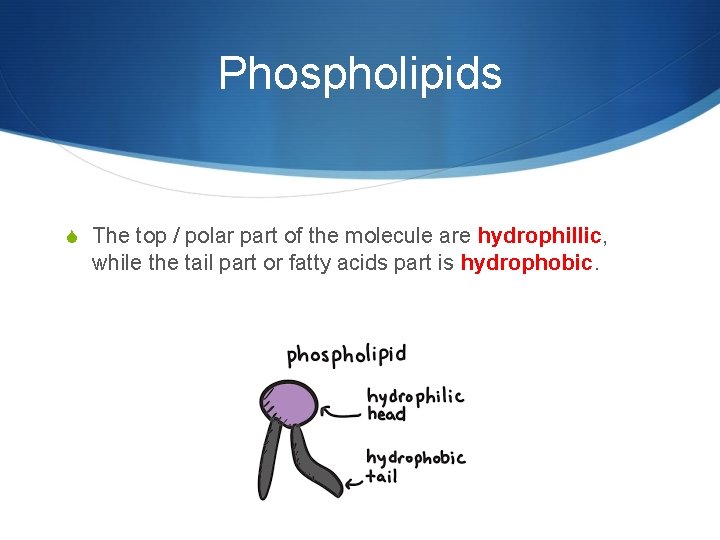
Phospholipids S The top / polar part of the molecule are hydrophillic, while the tail part or fatty acids part is hydrophobic.
Phospholipids S Phospholipids make up the main component of the cell membrane and other lipid bilayers in our body.
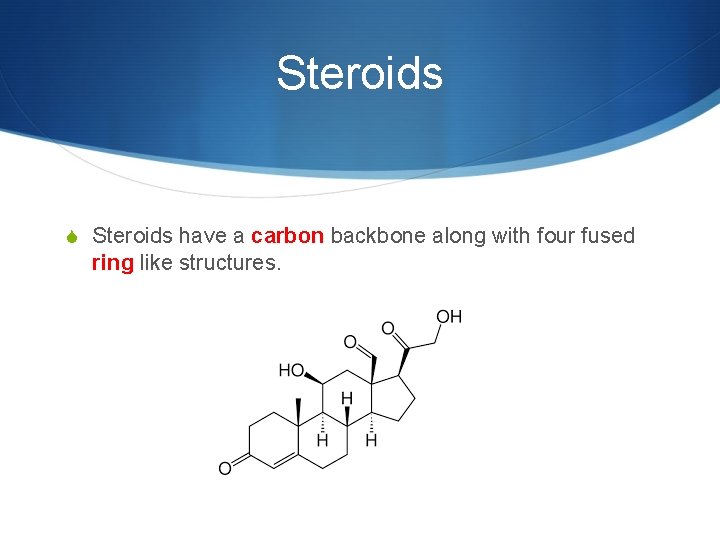
Steroids S Steroids have a carbon backbone along with four fused ring like structures.
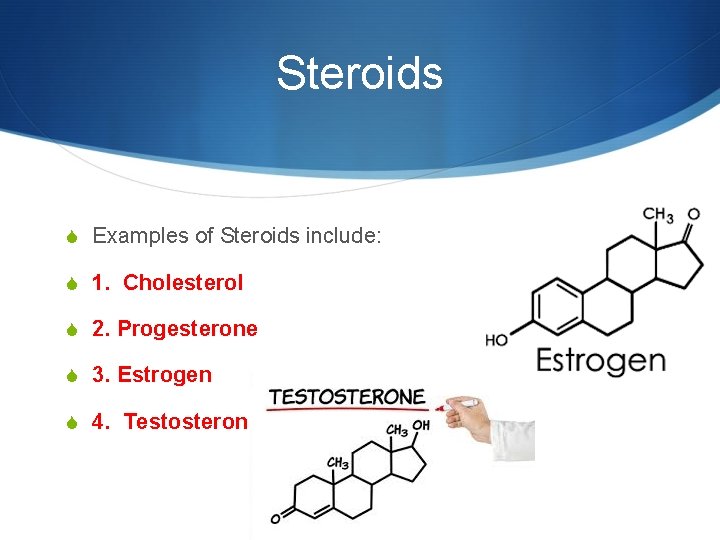
Steroids S Examples of Steroids include: S 1. Cholesterol S 2. Progesterone S 3. Estrogen S 4. Testosterone
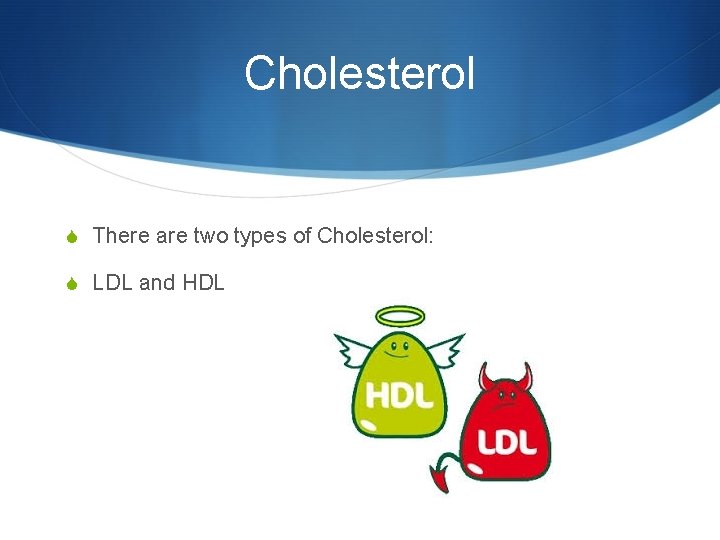
Cholesterol S There are two types of Cholesterol: S LDL and HDL
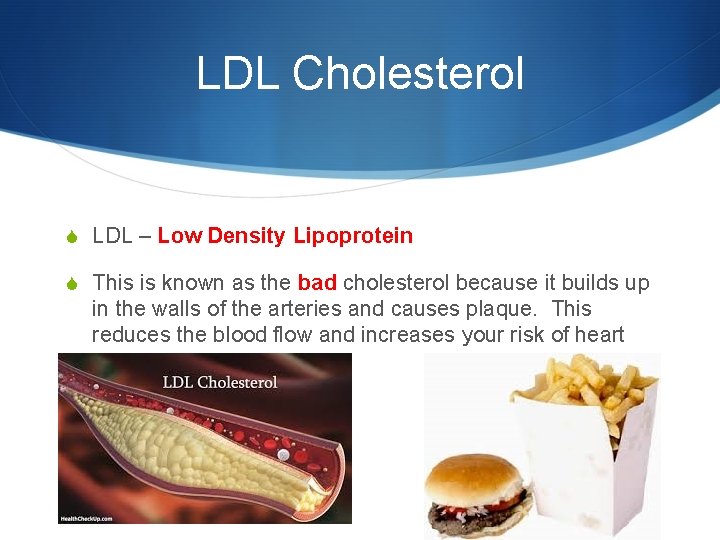
LDL Cholesterol S LDL – Low Density Lipoprotein S This is known as the bad cholesterol because it builds up in the walls of the arteries and causes plaque. This reduces the blood flow and increases your risk of heart disease.
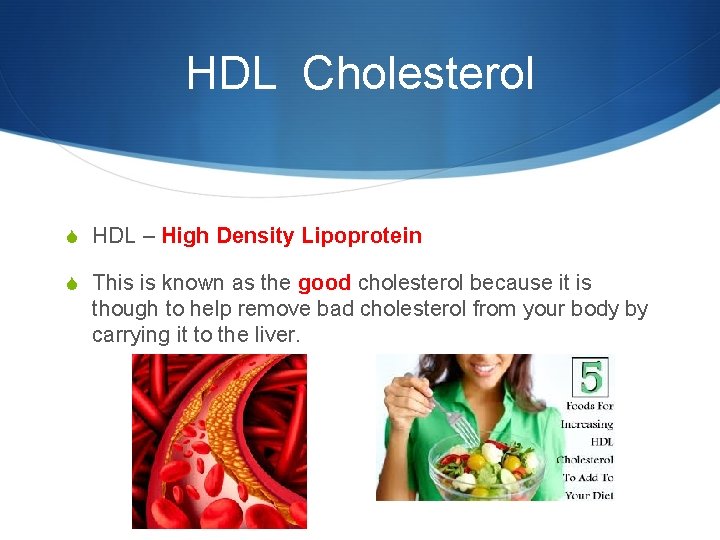
HDL Cholesterol S HDL – High Density Lipoprotein S This is known as the good cholesterol because it is though to help remove bad cholesterol from your body by carrying it to the liver.
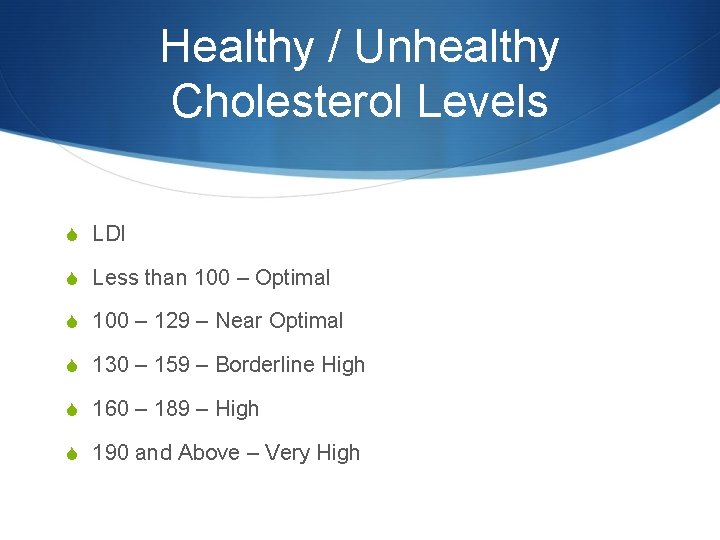
Healthy / Unhealthy Cholesterol Levels S LDl S Less than 100 – Optimal S 100 – 129 – Near Optimal S 130 – 159 – Borderline High S 160 – 189 – High S 190 and Above – Very High
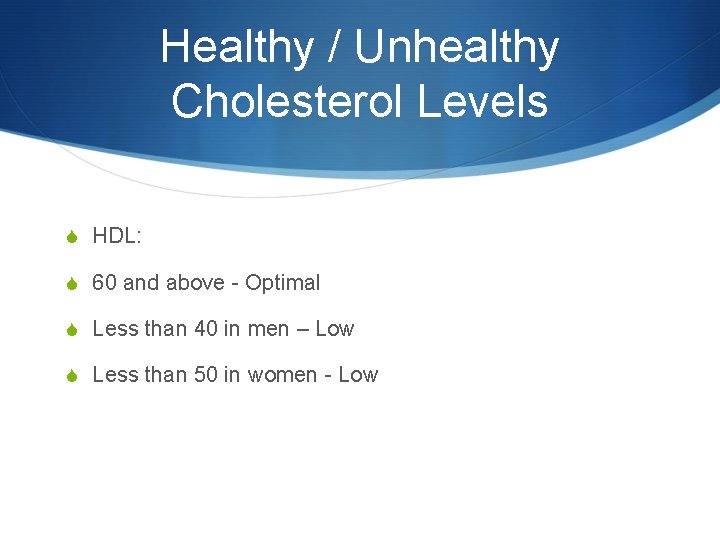
Healthy / Unhealthy Cholesterol Levels S HDL: S 60 and above - Optimal S Less than 40 in men – Low S Less than 50 in women - Low
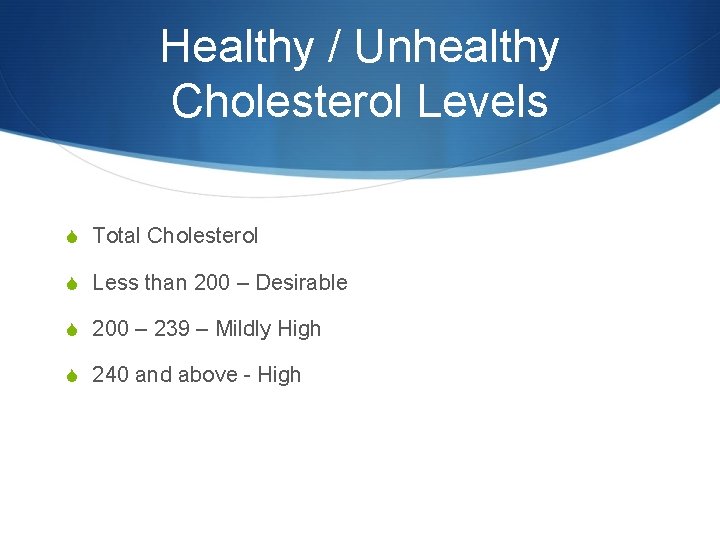
Healthy / Unhealthy Cholesterol Levels S Total Cholesterol S Less than 200 – Desirable S 200 – 239 – Mildly High S 240 and above - High
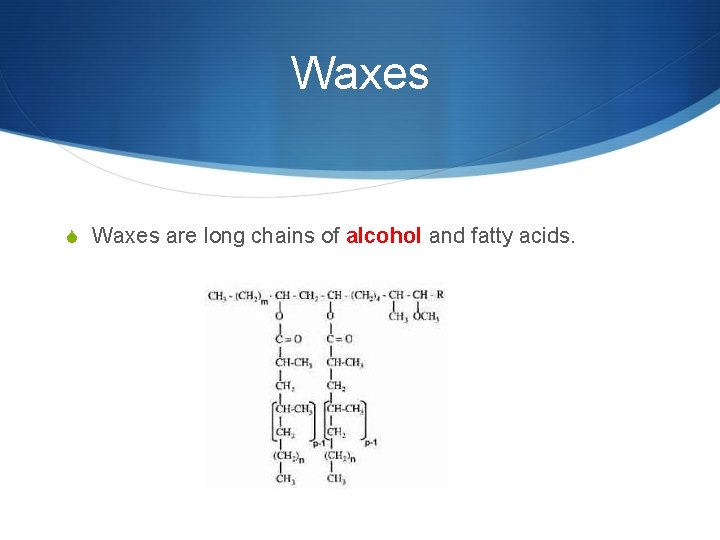
Waxes S Waxes are long chains of alcohol and fatty acids.
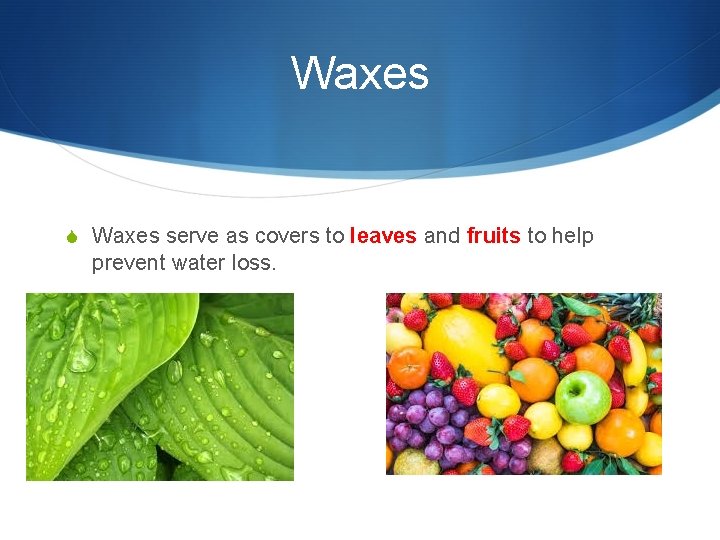
Waxes S Waxes serve as covers to leaves and fruits to help prevent water loss.
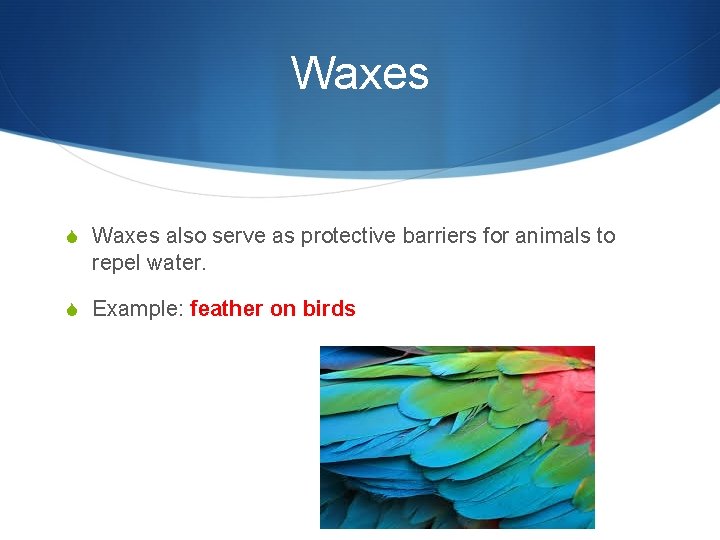
Waxes S Waxes also serve as protective barriers for animals to repel water. S Example: feather on birds