
LIPIDS BIOCHEMISTRY Lipids of physiological significane Harper Lipids

LIPIDS BIOCHEMISTRY Lipids of physiological significane (Harper)
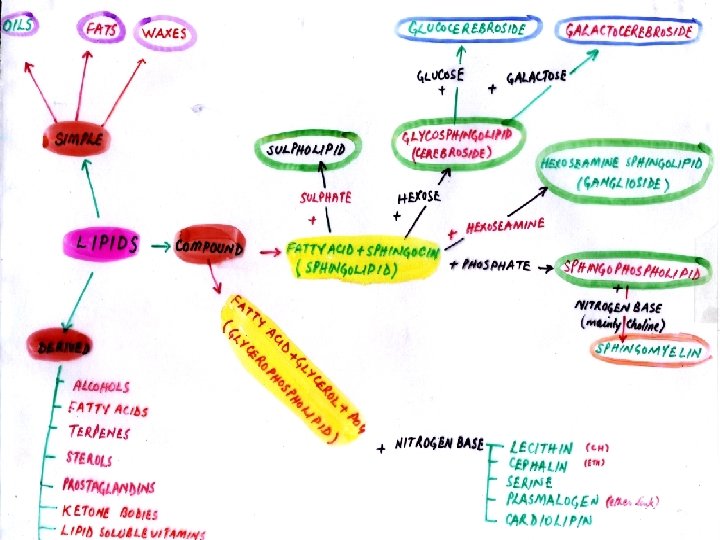
Lipids • Lipids: Lipids a heterogeneous class of naturally occurring organic compounds (mainly esters) classified together on the basis of common solubility properties
Lipids • Lipids include – ESTERS (of fatty acid with alcohol) – Triacylglycerols (triglycerides), phosphoacylglycerols (phospholipids), sphingolipids, glycolipids. – NON-ESTERS – cholesterol, steroid hormones, and bile acids – lipid-soluble vitamins, and prostaglandins
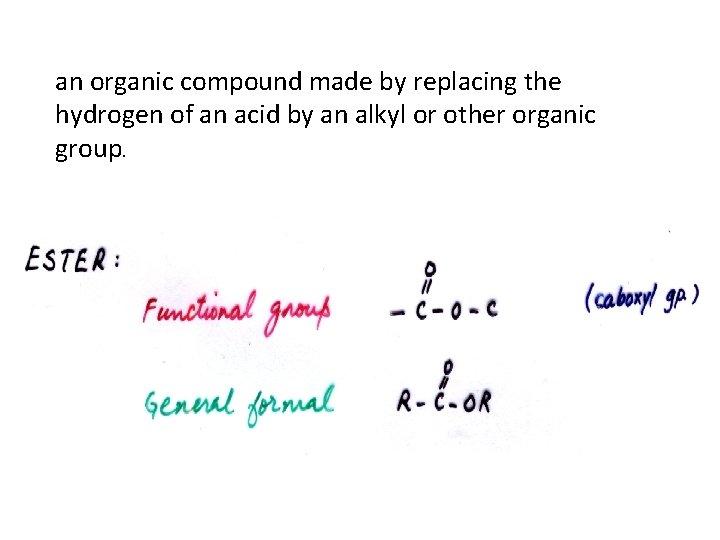
an organic compound made by replacing the hydrogen of an acid by an alkyl or other organic group.
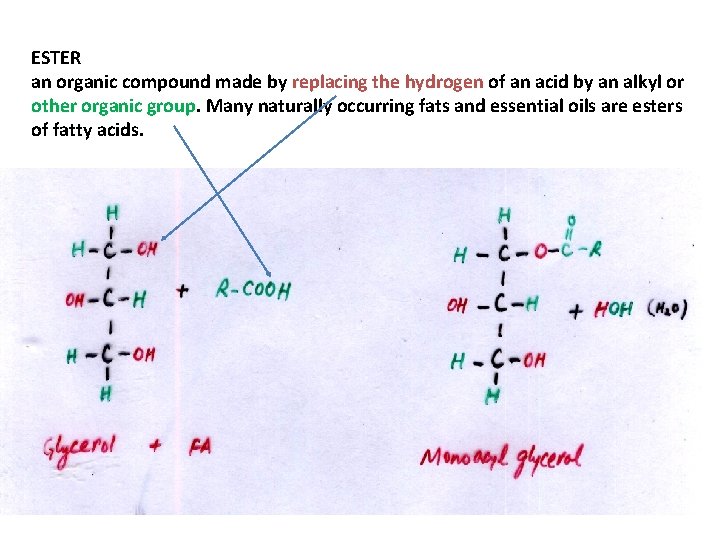
ESTER an organic compound made by replacing the hydrogen of an acid by an alkyl or other organic group. Many naturally occurring fats and essential oils are esters of fatty acids.
Waxes • Waxes are very water insoluble and high melting point. • They are widely distributed in nature as protective waterproof coatings on leaves, fruits, animal skin, fur, feathers and exoskeletons Prentice Hall c 2002 Chapter 9 9

Waxes • Esters of long-chain fatty acids and long chain monohydroxylic alcohols – from the Old English word weax = honeycomb
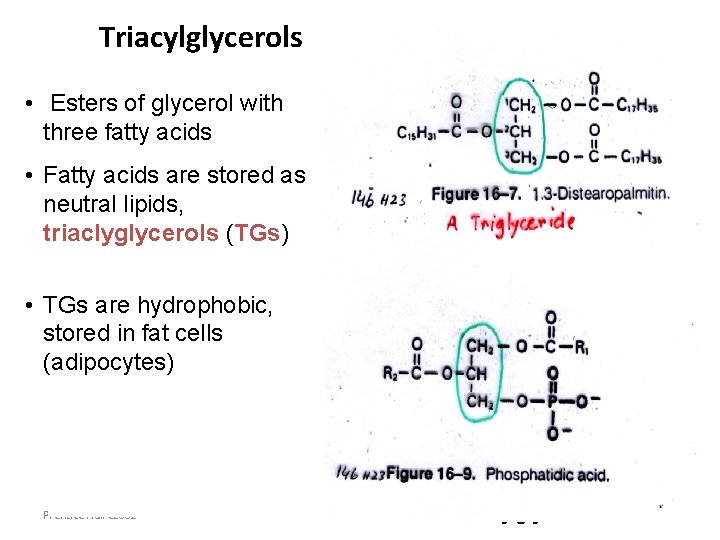
Triacylglycerols • Esters of glycerol with three fatty acids • Fatty acids are stored as neutral lipids, triaclyglycerols (TGs) • TGs are hydrophobic, stored in fat cells (adipocytes) Prentice Hall c 2002 Chapter 9 Structure of a triacylglycerol 11

Structures of glycerophospholipids Prentice Hall c 2002 Phosphatidylcholine (PC) Chapter 9 12
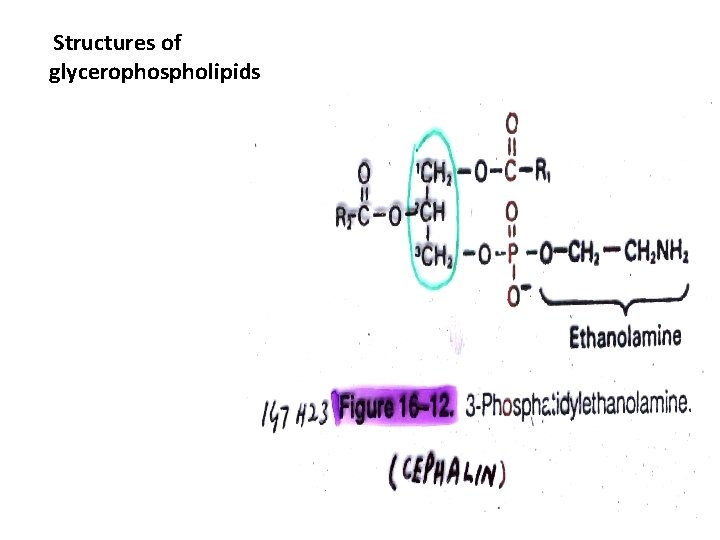
Structures of glycerophospholipids

Structures of glycerophospholipids Prentice Hall c 2002 Phosphatidylserine (PS) Chapter 9 14

Cardiolipin: • Two molecules of PA esterified through their phosphate groups to an additional molecule of glycerol is called cardiolipin
Importance of cardiolipin �Cardiolipin is found in bacteria and eukaryotes (inner mitochondrial membrane) �Cardiolipin is antigenic, and is recognized by antibodies raised against Treponema pallidum, the bacterium that causes syphilis �Anticardiolipin antibody test
Sphingolipids • Sphingolipids - sphingosine is the backbone. Abundant in central nervous system tissues • Ceramides - fatty acyl group linked to sphingosine • Sphingomyelins - phosphocholine attached to ceramide • Cerebrosides - glycosphingolipids with one monosaccharide residue attached to ceramide • Galactosylcerebrosides - a single b-D-galactose as a polar head group • Gangliosides - contain oligosaccharide chains with N-acetylneuraminic acid (Neu. NAc) attached to a ceramide Prentice Hall c 2002 Chapter 9 17
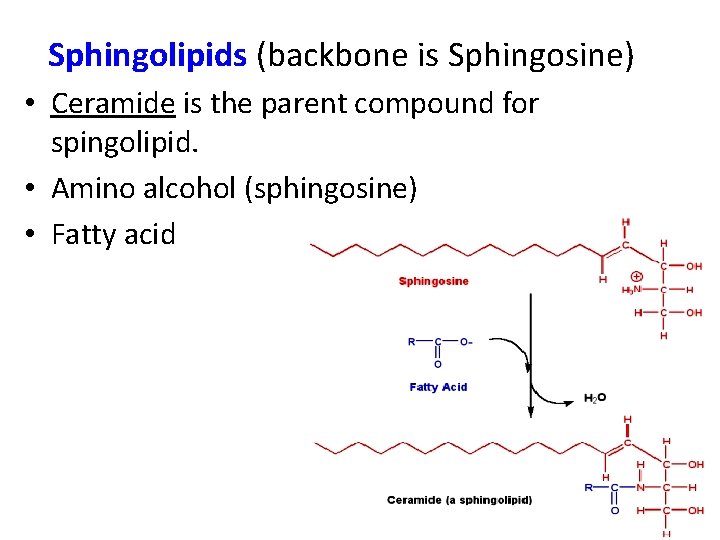
Sphingolipids (backbone is Sphingosine) • Ceramide is the parent compound for spingolipid. • Amino alcohol (sphingosine) • Fatty acid
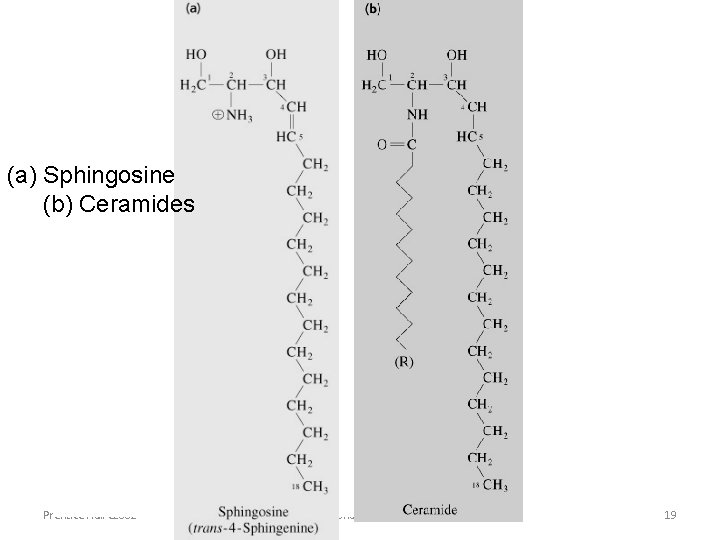
(a) Sphingosine (b) Ceramides Prentice Hall c 2002 Chapter 9 19
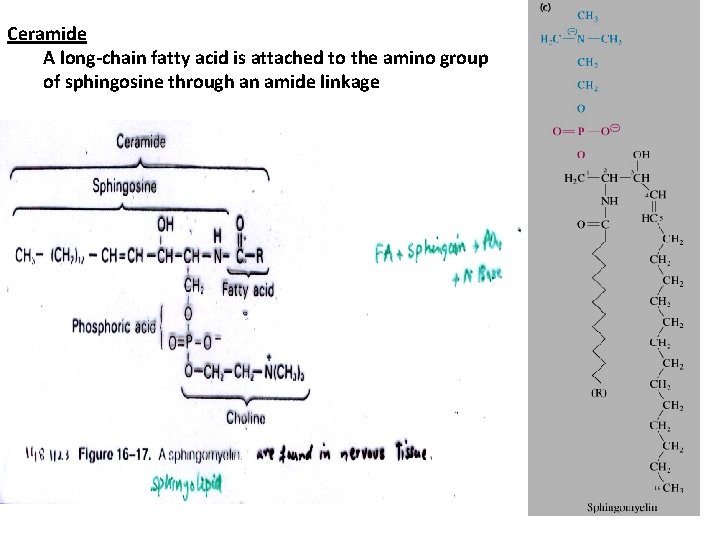
Ceramide A long-chain fatty acid is attached to the amino group of sphingosine through an amide linkage
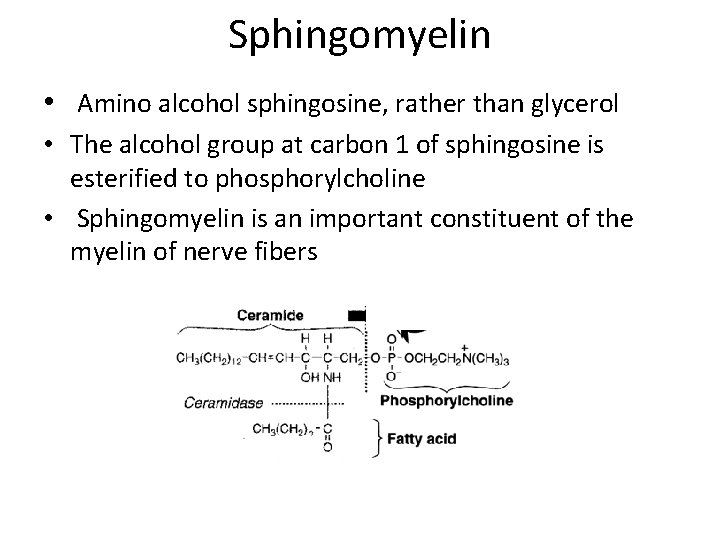
Sphingomyelin • Amino alcohol sphingosine, rather than glycerol • The alcohol group at carbon 1 of sphingosine is esterified to phosphorylcholine • Sphingomyelin is an important constituent of the myelin of nerve fibers
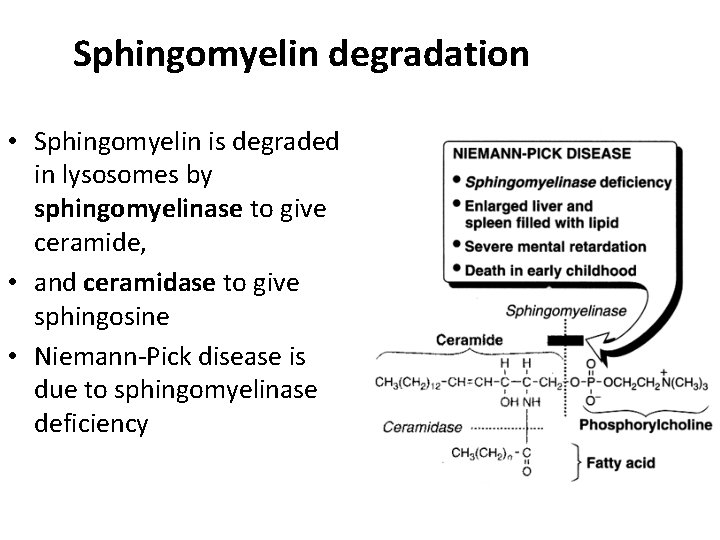
Sphingomyelin degradation • Sphingomyelin is degraded in lysosomes by sphingomyelinase to give ceramide, • and ceramidase to give sphingosine • Niemann-Pick disease is due to sphingomyelinase deficiency
Glycolipids • Also known as glycosphingolipids • contain both carbohydrate and lipid components • Ceramides plus a long-chain fatty acid attached to the amino alcohol sphingosine �essential components of: �All membranes �Nerve cells

Glycolipids Significance �Glycosphingolipids are antigenic a source of blood group antigens �The carbohydrate portion of a glycolipid is the antigenic determinant �serve as cell surface receptors for cholera and tetanus toxins
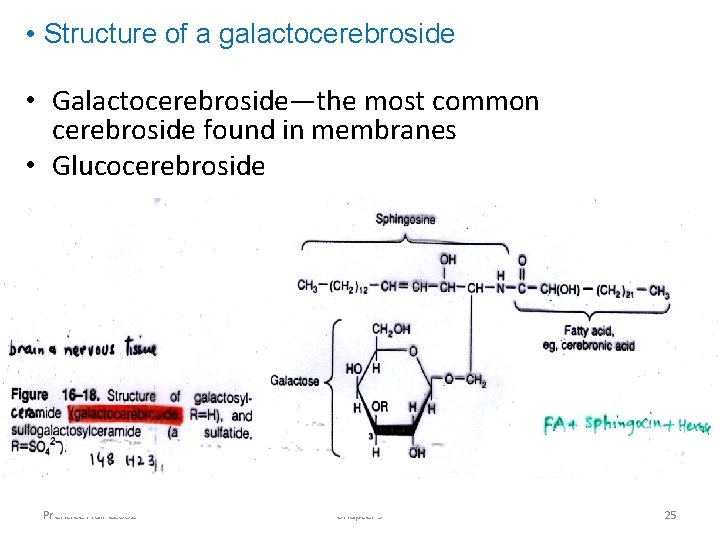
• Structure of a galactocerebroside • Galactocerebroside—the most common cerebroside found in membranes • Glucocerebroside Prentice Hall c 2002 Chapter 9 25
Location • cerebrosides predominantly in the brain and peripheral nervous tissue
Ganglioside (sphingolipid) • found in the ganglion cells • Derivatives of ceramide oligosaccharides, and contain one or more molecules of NANA. • negatively charged at physiologic p. H provided by N-acetylneuraminic acid (NANA). • [NANA is also referred to as sialic acid. ] •
- Slides: 27