
Lipid Lowering Agents Hamid Boulares Ph D Department
Lipid Lowering Agents Hamid Boulares, Ph. D. Department of Pharmacology, LSUHSC, Email: hboulr@lsuhsc. edu Tel: 568 -2304
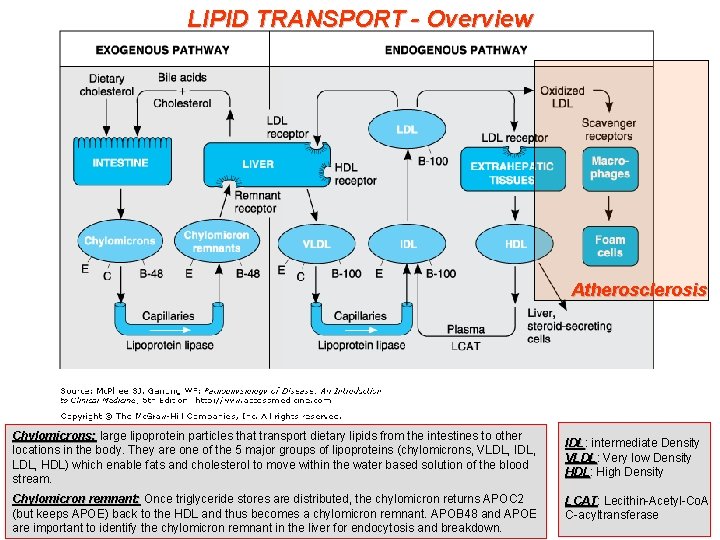
LIPID TRANSPORT - Overview Atherosclerosis Chylomicrons: large lipoprotein particles that transport dietary lipids from the intestines to other locations in the body. They are one of the 5 major groups of lipoproteins (chylomicrons, VLDL, IDL, LDL, HDL) which enable fats and cholesterol to move within the water based solution of the blood stream. IDL: IDL intermediate Density VLDL: VLDL Very low Density HDL: HDL High Density Chylomicron remnant: Once triglyceride stores are distributed, the chylomicron returns APOC 2 (but keeps APOE) back to the HDL and thus becomes a chylomicron remnant. APOB 48 and APOE are important to identify the chylomicron remnant in the liver for endocytosis and breakdown. LCAT: LCAT Lecithin-Acetyl-Co. A C-acyltransferase

Lipoproteins and Their Structure Surface: Surface monolayer of polar lipids, unesterified cholesterol and apolipoproteins Apolipoproteins: Apolipoproteins Add stability to structure; act as ligands for cell surface receptors or co-factors for enzymatic reactions Core: Core Cholesteryl esters (cholesterol esterified to fatty acid), TG

Characteristics of Lipoproteins Apo. E VLDL : endogenous triglycerides; catabolized by lipoprotein lipase (LPL), short half-life IDL: IDL cholesteryl esters, converted to LDL by hepatic lipase LDL: LDL apo. B-mediated uptake by LDL receptor, long half-life HDL: HDL phospholipids cholesteryl esters, removed by hepatic scavenger receptor B secreted to bile, steroid synthesis, VLDL synthesis.
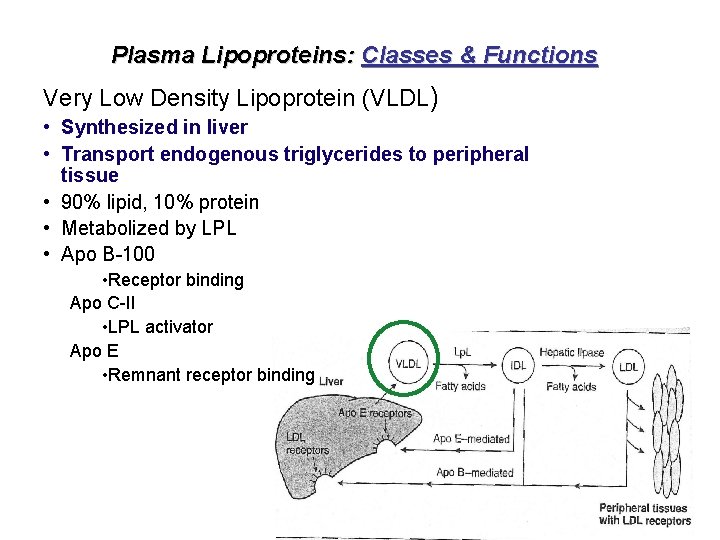
Plasma Lipoproteins: Classes & Functions Very Low Density Lipoprotein (VLDL) • Synthesized in liver • Transport endogenous triglycerides to peripheral tissue • 90% lipid, 10% protein • Metabolized by LPL • Apo B-100 • Receptor binding Apo C-II • LPL activator Apo E • Remnant receptor binding

Plasma Lipoproteins: Classes & Functions • Intermediate Density Lipoprotein (IDL) Synthesized from VLDL during VLDL degradation Triglyceride transport and precursor to LDL – Apo B-100 • Receptor binding – Apo C-II • LPL activator – Apo E • Receptor binding
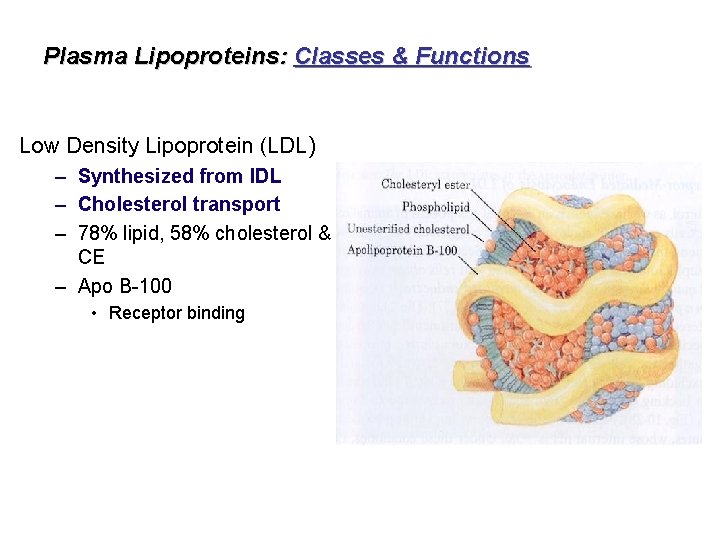
Plasma Lipoproteins: Classes & Functions Low Density Lipoprotein (LDL) – Synthesized from IDL – Cholesterol transport – 78% lipid, 58% cholesterol & CE – Apo B-100 • Receptor binding
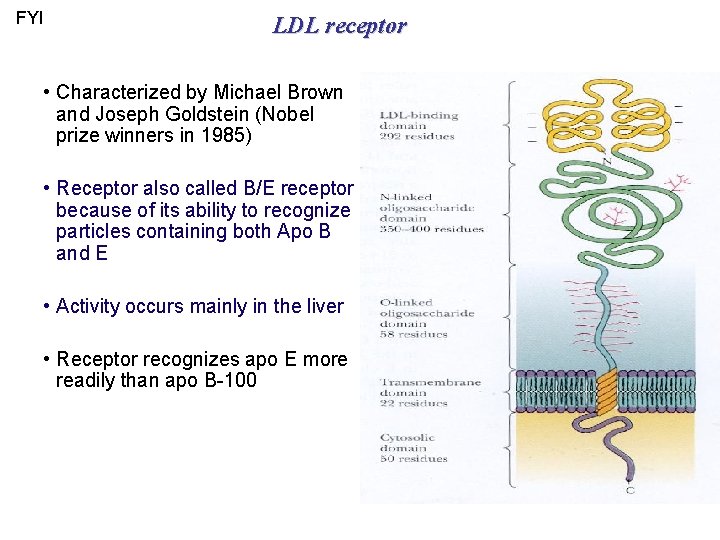
FYI LDL receptor • Characterized by Michael Brown and Joseph Goldstein (Nobel prize winners in 1985) • Receptor also called B/E receptor because of its ability to recognize particles containing both Apo B and E • Activity occurs mainly in the liver • Receptor recognizes apo E more readily than apo B-100
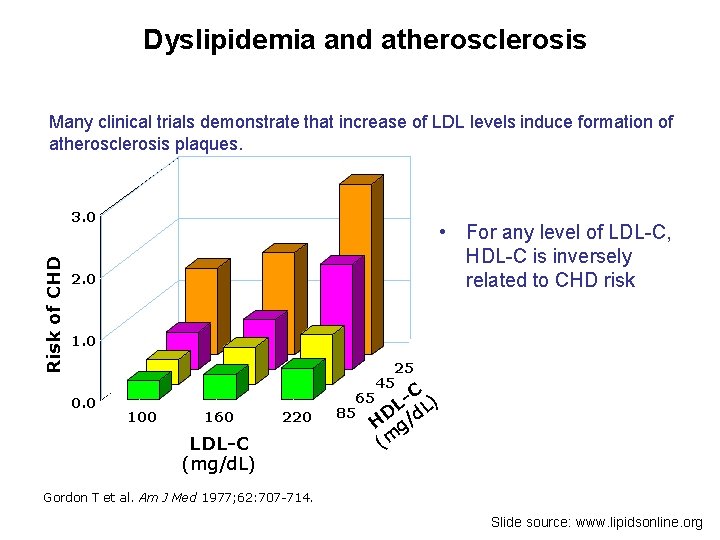
Dyslipidemia and atherosclerosis Many clinical trials demonstrate that increase of LDL levels induce formation of atherosclerosis plaques. Risk of CHD 3. 0 • For any level of LDL-C, HDL-C is inversely related to CHD risk 2. 0 1. 0 0. 0 100 160 220 LDL-C (mg/d. L) 25 45 65 -C ) L 85 D d. L H g/ (m Gordon T et al. Am J Med 1977; 62: 707 -714. Slide source: www. lipidsonline. org
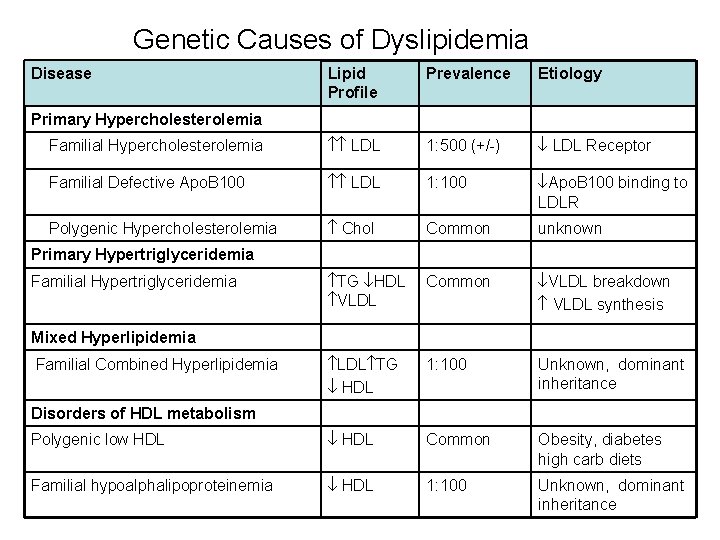
Genetic Causes of Dyslipidemia Disease Lipid Profile Prevalence Etiology Familial Hypercholesterolemia LDL 1: 500 (+/-) LDL Receptor Familial Defective Apo. B 100 LDL 1: 100 Apo. B 100 binding to LDLR Polygenic Hypercholesterolemia Chol Common unknown TG HDL VLDL Common VLDL breakdown VLDL synthesis LDL TG HDL 1: 100 Unknown, dominant inheritance Polygenic low HDL Common Obesity, diabetes high carb diets Familial hypoalphalipoproteinemia HDL 1: 100 Unknown, dominant inheritance Primary Hypercholesterolemia Primary Hypertriglyceridemia Familial Hypertriglyceridemia Mixed Hyperlipidemia Familial Combined Hyperlipidemia Disorders of HDL metabolism
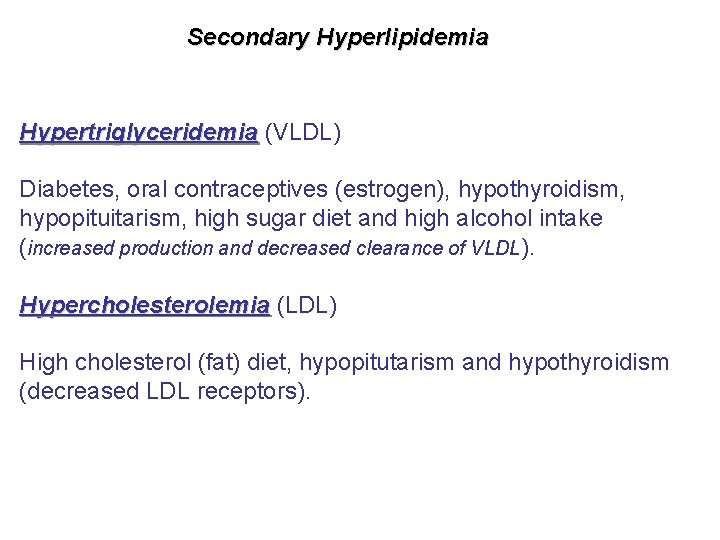
Secondary Hyperlipidemia Hypertriglyceridemia (VLDL) Diabetes, oral contraceptives (estrogen), hypothyroidism, hypopituitarism, high sugar diet and high alcohol intake (increased production and decreased clearance of VLDL). Hypercholesterolemia (LDL) High cholesterol (fat) diet, hypopitutarism and hypothyroidism (decreased LDL receptors).
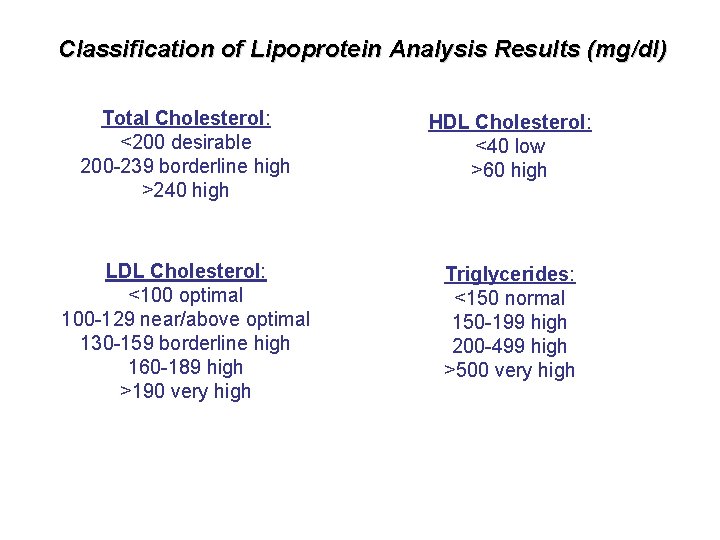
Classification of Lipoprotein Analysis Results (mg/dl) Total Cholesterol: <200 desirable 200 -239 borderline high >240 high HDL Cholesterol: <40 low >60 high LDL Cholesterol: <100 optimal 100 -129 near/above optimal 130 -159 borderline high 160 -189 high >190 very high Triglycerides: <150 normal 150 -199 high 200 -499 high >500 very high
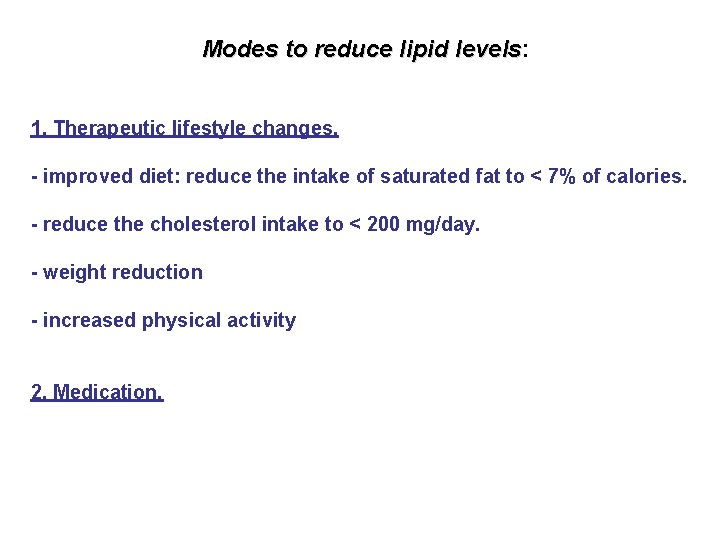
Modes to reduce lipid levels: levels 1. Therapeutic lifestyle changes. - improved diet: reduce the intake of saturated fat to < 7% of calories. - reduce the cholesterol intake to < 200 mg/day. - weight reduction - increased physical activity 2. Medication.
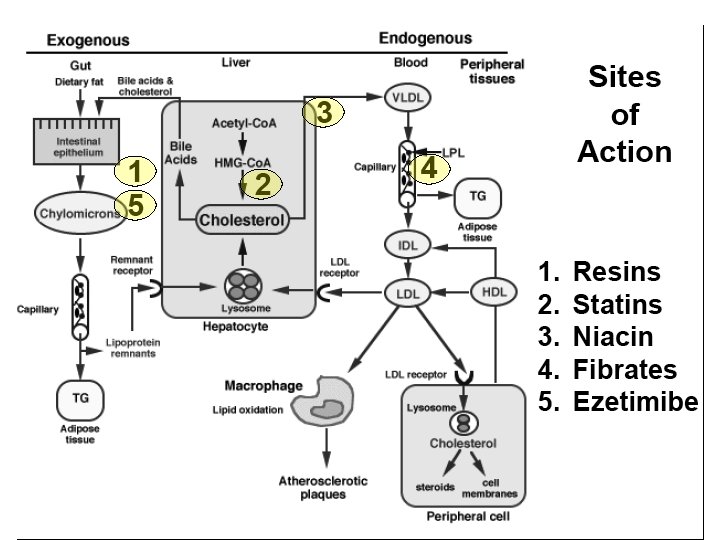
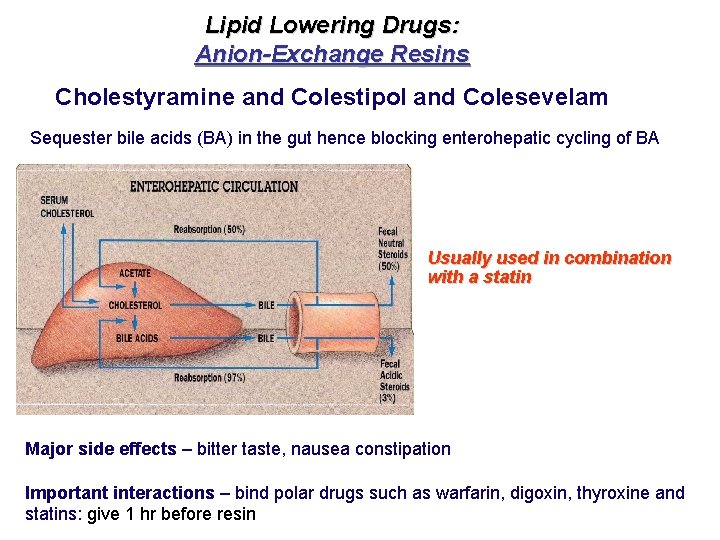
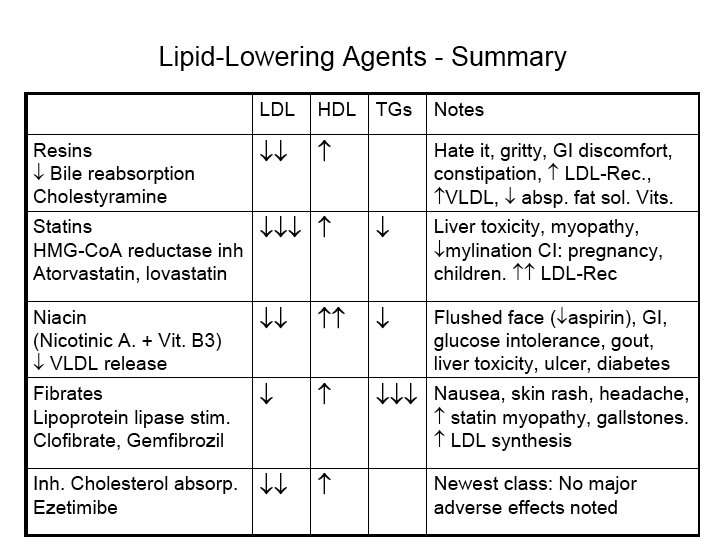
Lipid Lowering Drugs: Anion-Exchange Resins Cholestyramine and Colestipol and Colesevelam Sequester bile acids (BA) in the gut hence blocking enterohepatic cycling of BA Usually used in combination with a statin Major side effects – bitter taste, nausea constipation Important interactions – bind polar drugs such as warfarin, digoxin, thyroxine and statins: give 1 hr before resin
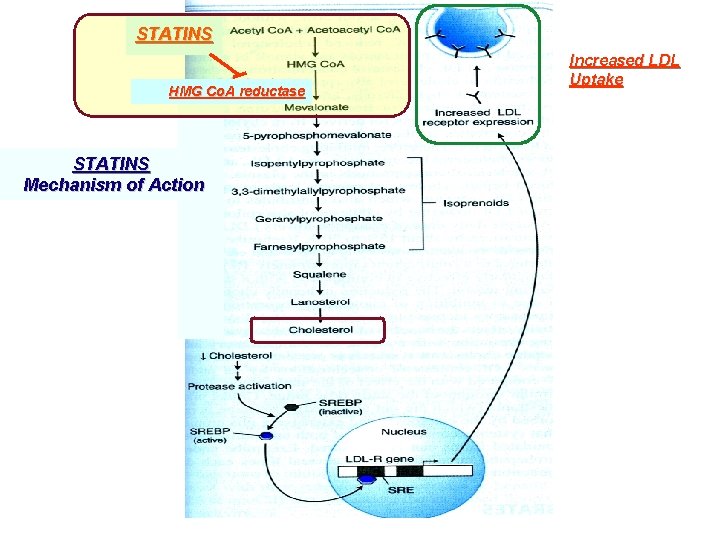
STATINS HMG Co. A reductase STATINS Mechanism of Action Increased LDL Uptake
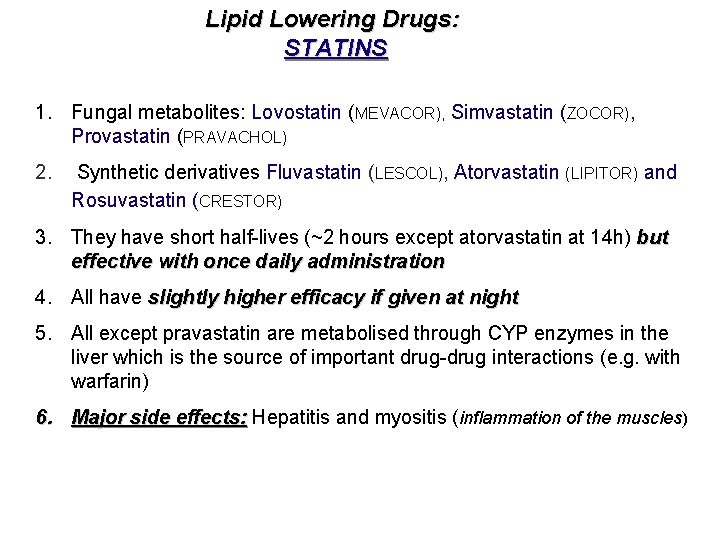
Lipid Lowering Drugs: STATINS 1. Fungal metabolites: Lovostatin (MEVACOR), Simvastatin (ZOCOR), Provastatin (PRAVACHOL) 2. Synthetic derivatives Fluvastatin (LESCOL), Atorvastatin (LIPITOR) and Rosuvastatin (CRESTOR) 3. They have short half-lives (~2 hours except atorvastatin at 14 h) but effective with once daily administration 4. All have slightly higher efficacy if given at night 5. All except pravastatin are metabolised through CYP enzymes in the liver which is the source of important drug-drug interactions (e. g. with warfarin) 6. Major side effects: Hepatitis and myositis (inflammation of the muscles)
Fatal Rhabdomyolysis with Statins • The major adverse effect of clinical significance associated with statin use is myopathy • Rhabdomyolysis; Breakdown of muscle proteins (myoglobin, creatine kinase) that leads to renal toxicity. Symptoms include muscle pain and weakness and dark urine due to muscle catabolism Reason for Cerivastatin (Baycol) withdrawal from the market (~20 -fold greater risk compared to other statins) • Risk increased by combination with: – Fibrates especially for gemfibrozil/cerivastatin – Nicotinic acid – Protease Inhibitors (HAART therapy)-Highly Active Anti. Retroviral Therapy
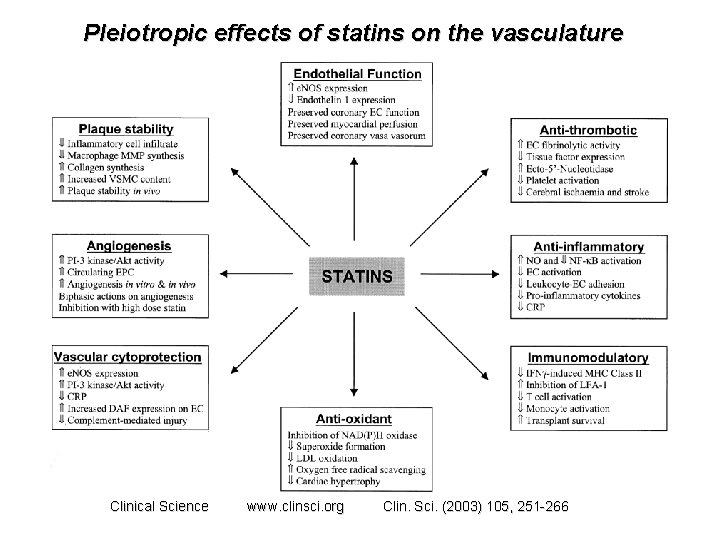
Pleiotropic effects of statins on the vasculature Clinical Science www. clinsci. org Clin. Sci. (2003) 105, 251 -266
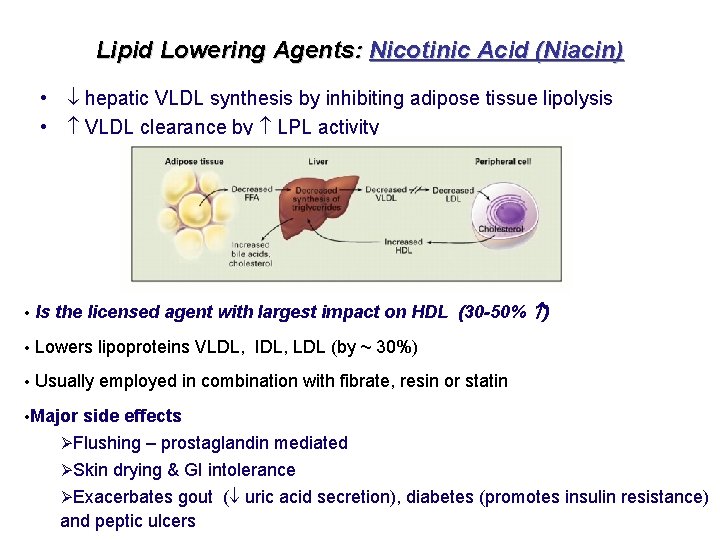
Lipid Lowering Agents: Nicotinic Acid (Niacin) • hepatic VLDL synthesis by inhibiting adipose tissue lipolysis • VLDL clearance by LPL activity • Is the licensed agent with largest impact on HDL (30 -50% ) • Lowers lipoproteins VLDL, IDL, LDL (by ~ 30%) • Usually employed in combination with fibrate, resin or statin • Major side effects ØFlushing – prostaglandin mediated ØSkin drying & GI intolerance ØExacerbates gout ( uric acid secretion), diabetes (promotes insulin resistance) and peptic ulcers
Lipid Lowering Drugs: Fibrates Gemfibrozil and Fenofibrate • Act as PPAR ligands- multiple changes • Apo. A HDL • LPL • FA uptake and oxidation in muscle cells • FA oxidation in hepatocytes and TG synthesis • Net Effects VLDL (TG), LDL and HDL • Absorbed efficiently (>90%) when given with a meal but not on an empty stomach • Main side effects Ø GI intolerance Ø 1 -2% in the incidence of gallstones due to cholesterol synthesis q Important interactions increased risk of myopathy in dose requirements (~30%) for warfarin- fibrates displace warfarin from albumin
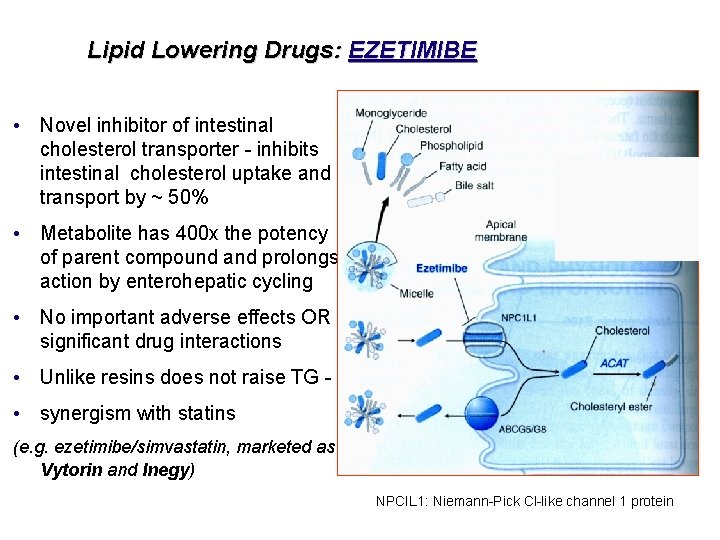
Lipid Lowering Drugs: EZETIMIBE • Novel inhibitor of intestinal cholesterol transporter - inhibits intestinal cholesterol uptake and transport by ~ 50% • Metabolite has 400 x the potency of parent compound and prolongs action by enterohepatic cycling • No important adverse effects OR significant drug interactions • Unlike resins does not raise TG • synergism with statins (e. g. ezetimibe/simvastatin, marketed as Vytorin and Inegy) NPCIL 1: Niemann-Pick Cl-like channel 1 protein
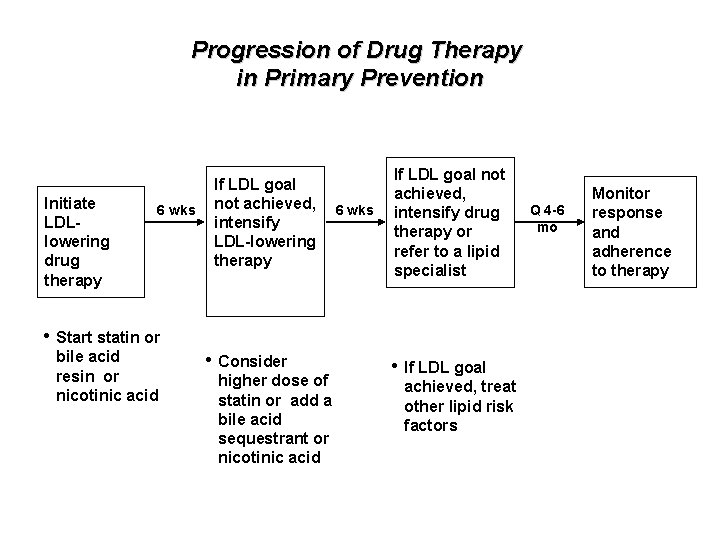
Progression of Drug Therapy in Primary Prevention Initiate LDLlowering drug therapy 6 wks If LDL goal not achieved, intensify LDL-lowering therapy 6 wks If LDL goal not achieved, intensify drug therapy or refer to a lipid specialist • Start statin or bile acid resin or nicotinic acid • Consider higher dose of statin or add a bile acid sequestrant or nicotinic acid • If LDL goal achieved, treat other lipid risk factors Q 4 -6 mo Monitor response and adherence to therapy
- Slides: 24