
Linking hypermobility pain disorders with their multisystemic comorbidities
Linking hypermobility pain disorders with their multisystemic comorbidities November 2 – 3, 2019
FACULTY/PRESENTER DISCLOSURE • Presenter: Dr. John W. Baird • Relationships with commercial interests: - None
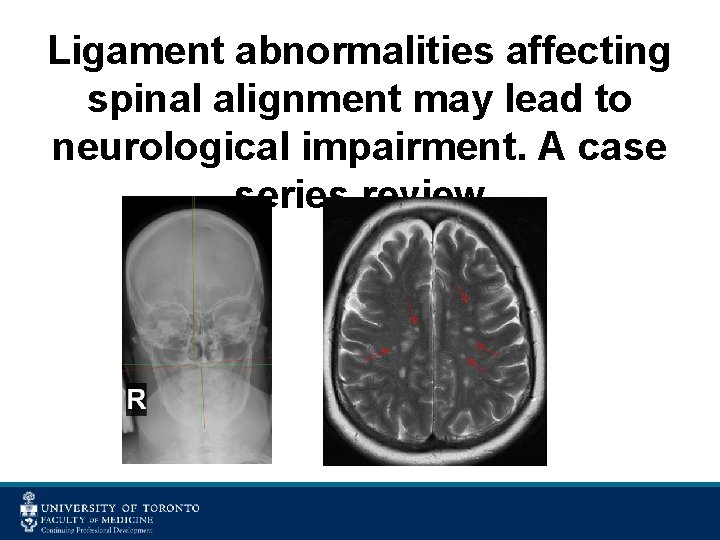
Ligament abnormalities affecting spinal alignment may lead to neurological impairment. A case series review
Abnormal Spinal Alignment • • May be due to trauma May be due to repetitive strain May result in abnormal posture May be associated with ligament abnormalities • Failure to constrain spinal motion • May result in mechanical stress on central nervous system (CNS) • May impair brain and CNS function
Reduction of Spinal Misalignment • • Reduces mechanical stress on the CNS Reduces loading on ligaments Reduces inflammation Improves cerebrospinal fluid (CSF) flow Improves blood flow to the brain Restores normal CNS physiology Improves health and well being
Case Series • Patients presenting with various history and complaints • Pre-Adjustment X-ray taken at intake • Post-Adjustment X-ray take after reduction with the Atlas Orthogonal Instrument • Patients all reported improvement
Case 1 BSk • • 32 year old Custodian Involved in a motor vehicle accident Subsequently diagnosed as schizophrenic Post-Adjustment X-ray shows significant reduction • Family reported improved responsiveness • Lost to follow up
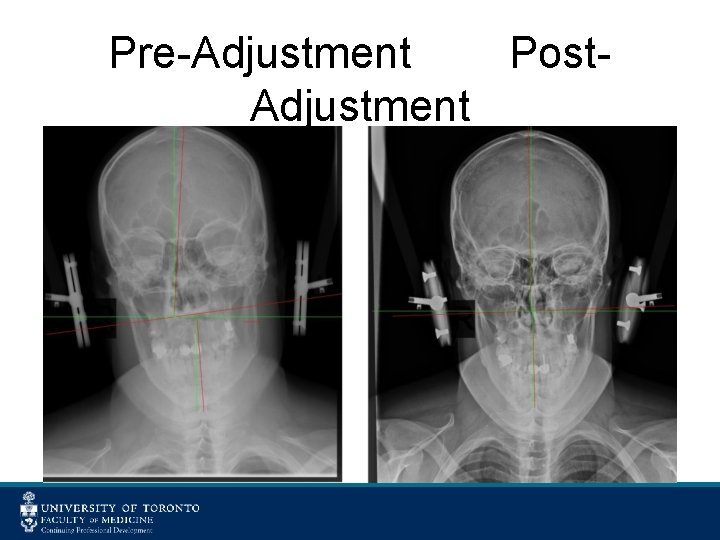
Pre-Adjustment Post. Adjustment
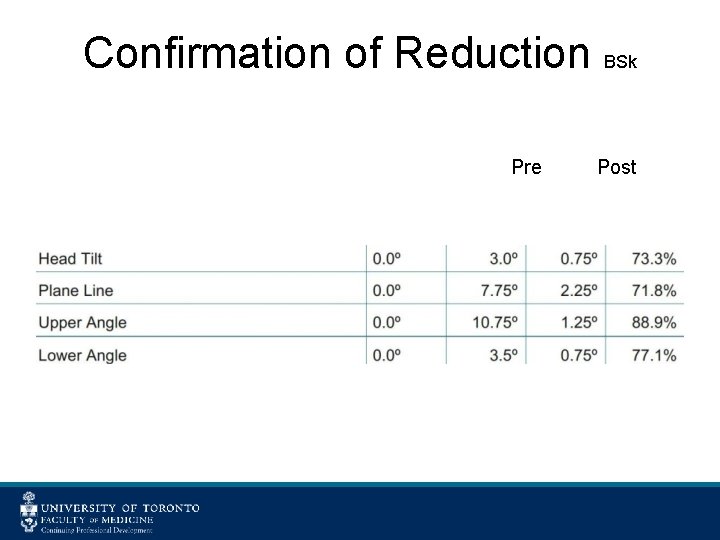
Confirmation of Reduction BSk Pre Post
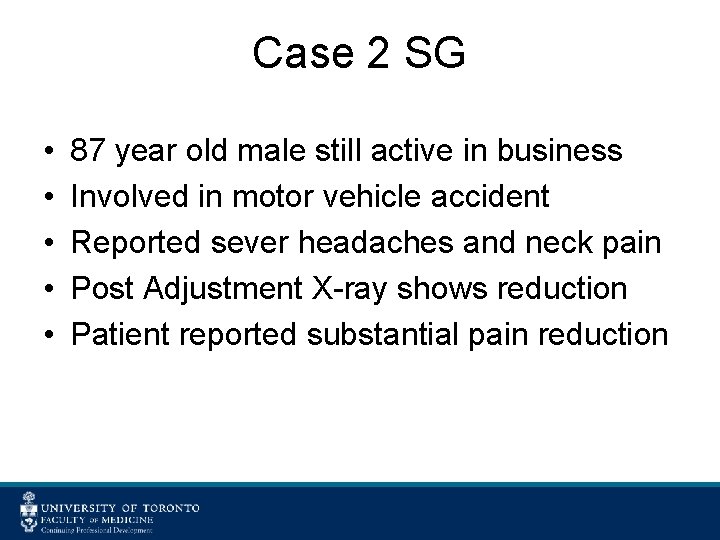
Case 2 SG • • • 87 year old male still active in business Involved in motor vehicle accident Reported sever headaches and neck pain Post Adjustment X-ray shows reduction Patient reported substantial pain reduction
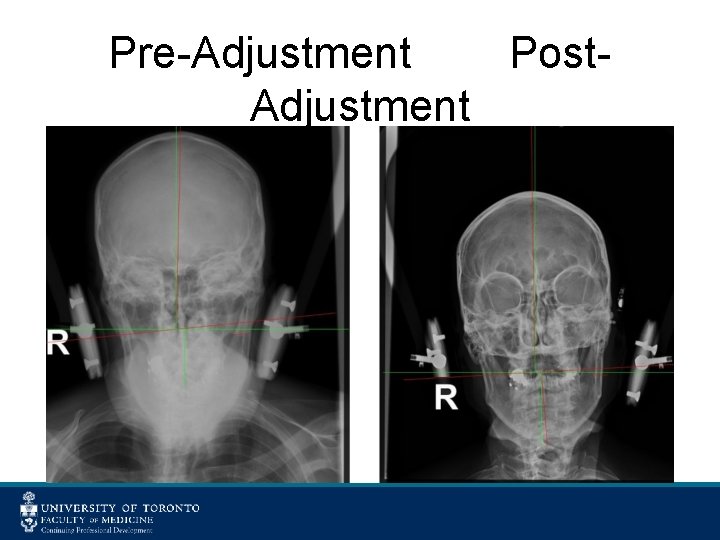
Pre-Adjustment Post. Adjustment
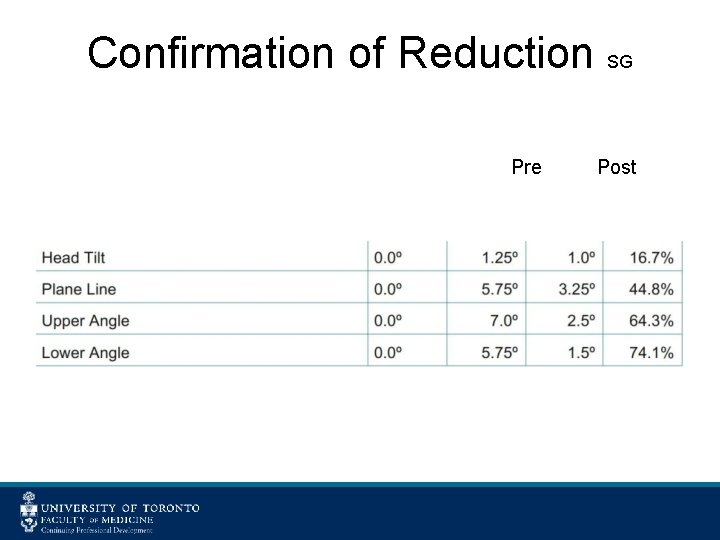
Confirmation of Reduction SG Pre Post
Case 3 AA • 36 year old male with history of two failed low back surgeries • Post-Adjustment X-ray showed reduction • Patient reported reduction of pain and increased physical endurance
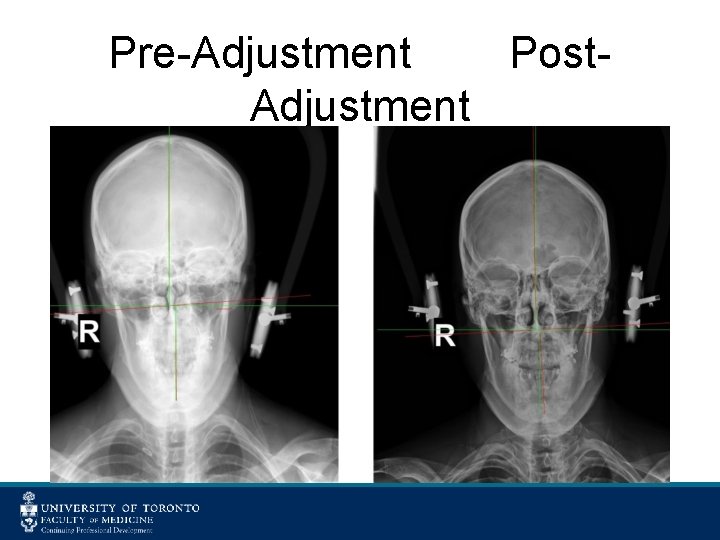
Pre-Adjustment Post. Adjustment
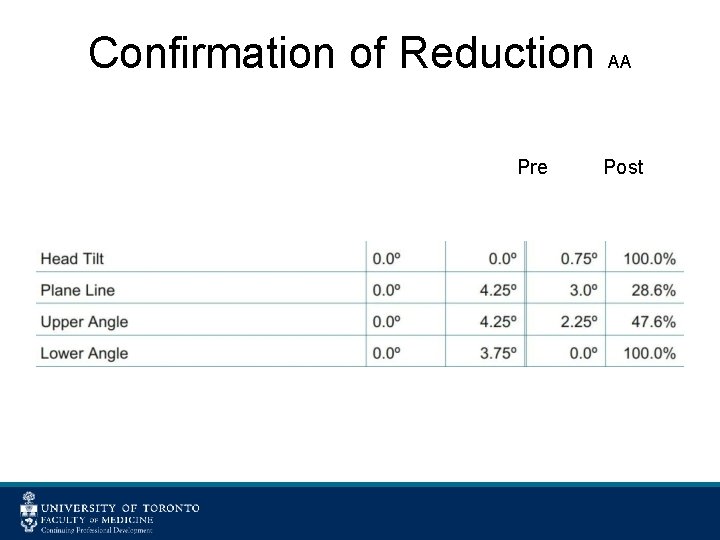
Confirmation of Reduction AA Pre Post
Case 4 BD • 43 year old male with dizziness chronic pain and fatigue • Post-Adjustment X-ray shows substantial reduction • Patient reported reduction in pain from 10/10 to 3/10 with increased energy and endurance • Patient reported dizziness resolved completely
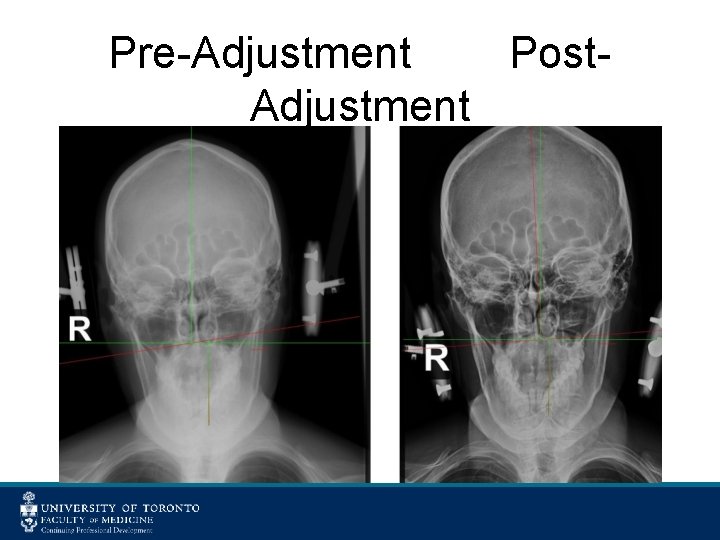
Pre-Adjustment Post. Adjustment
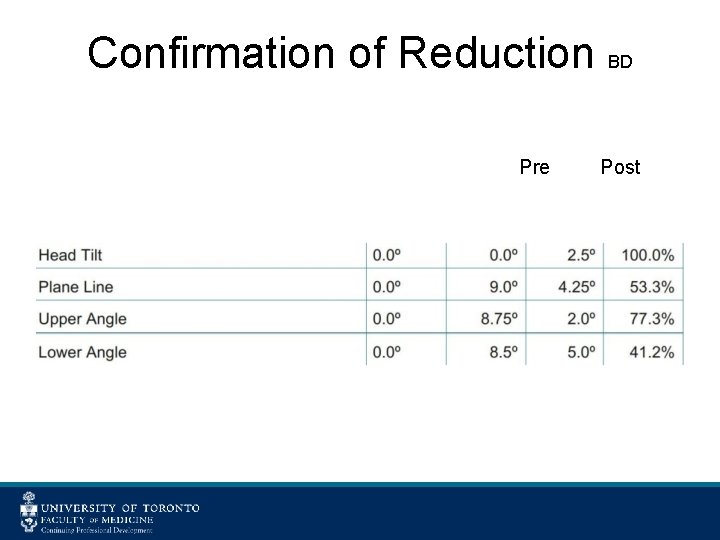
Confirmation of Reduction BD Pre Post
Case 5 HW • 22 year old female student suffered two concussion injuries over 1 week period • Patient was unable to continue with studies dizziness and “brain fog” • Post-Adjustment X-ray shows substantial reduction of plane line • Dizziness and brain fig resolved and patient was able to return to school to complete studies
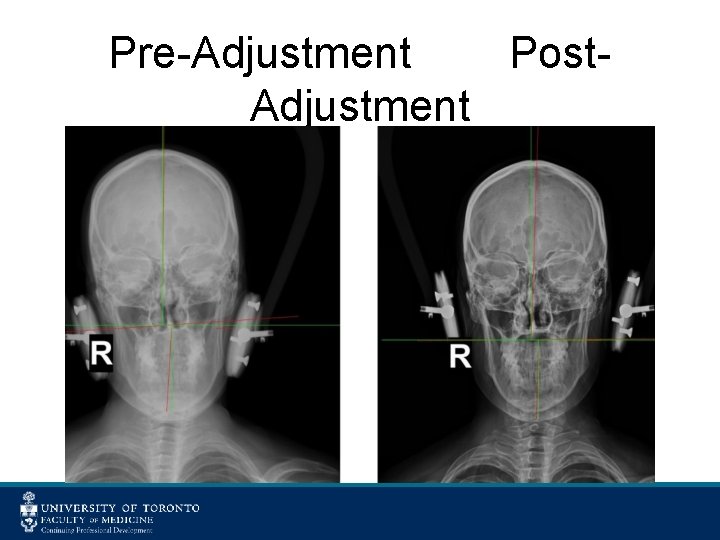
Pre-Adjustment Post. Adjustment
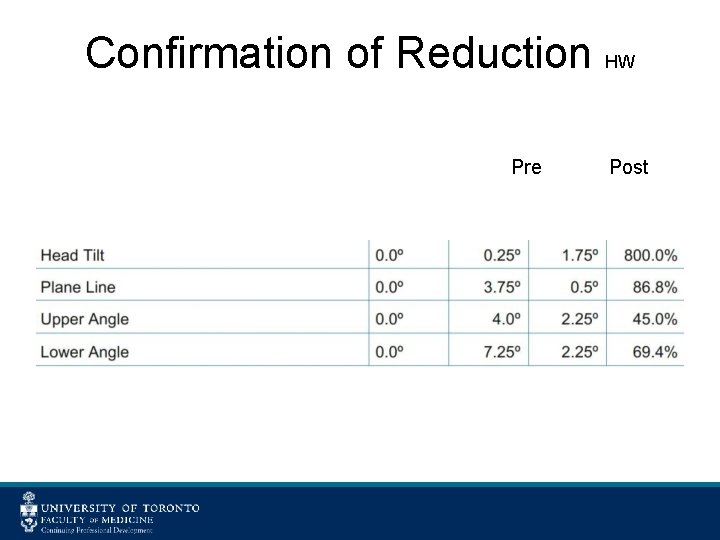
Confirmation of Reduction HW Pre Post
Case 6 JT • 33 year old male developed visual disturbance with blurry vision after waterskiing accident • Post-Adjustment X-ray shows significant reduction • Patient reported full recovery
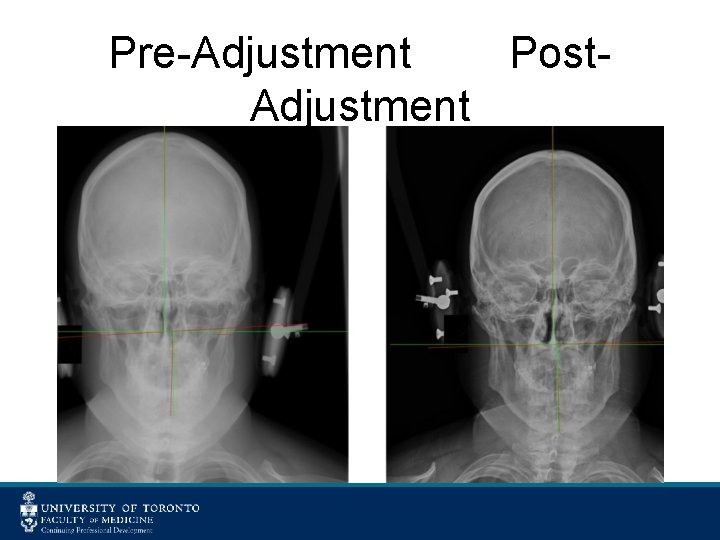
Pre-Adjustment Post. Adjustment
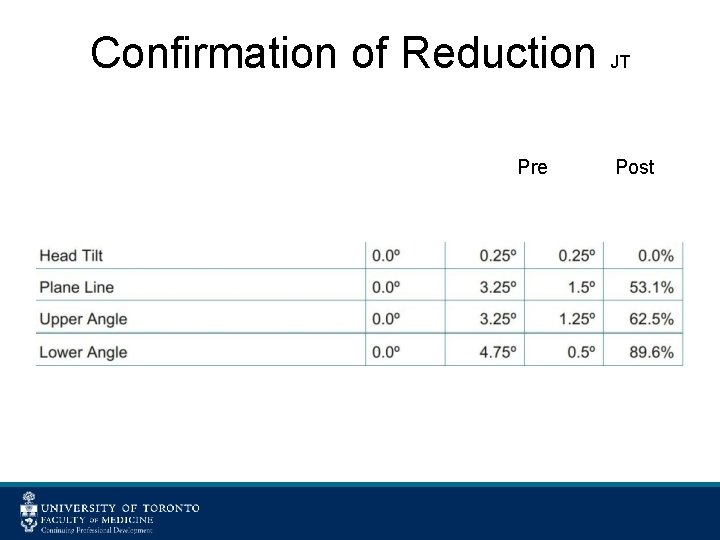
Confirmation of Reduction JT Pre Post
Case 7 BS • 46 year female with diagnosis of Multiple Sclerosis • Used a walker but required a wheelchair to travel distances greater than 50 feet • Post-Adjustment x-ray shows reduction of all angles • Patient no longer requires a walker • Follow up MRI shows reduction in plaques
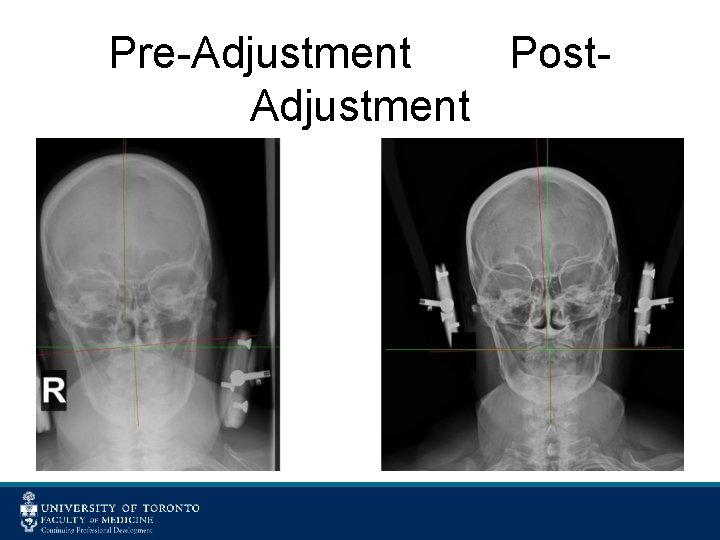
Pre-Adjustment Post. Adjustment
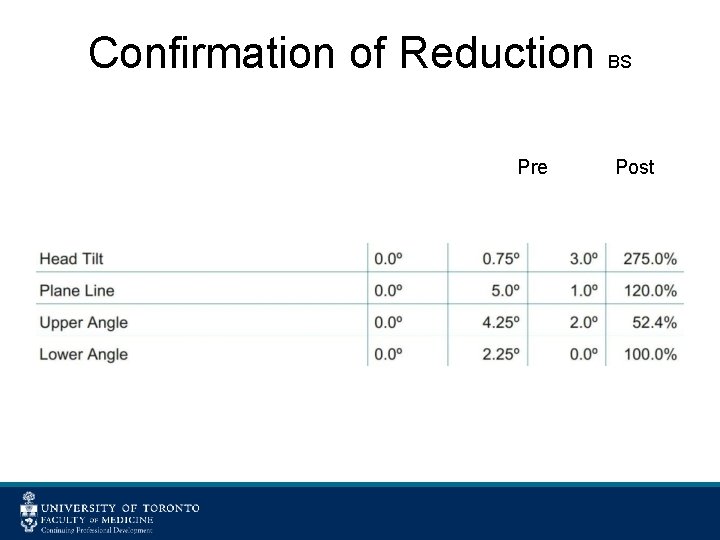
Confirmation of Reduction BS Pre Post
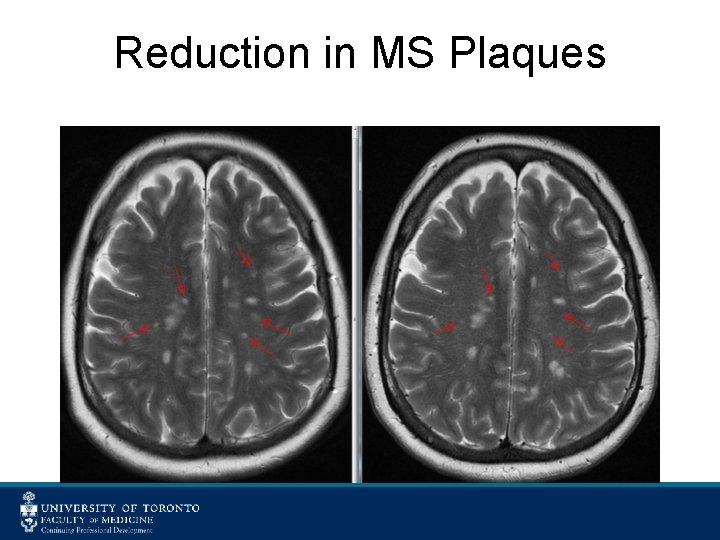
Reduction in MS Plaques
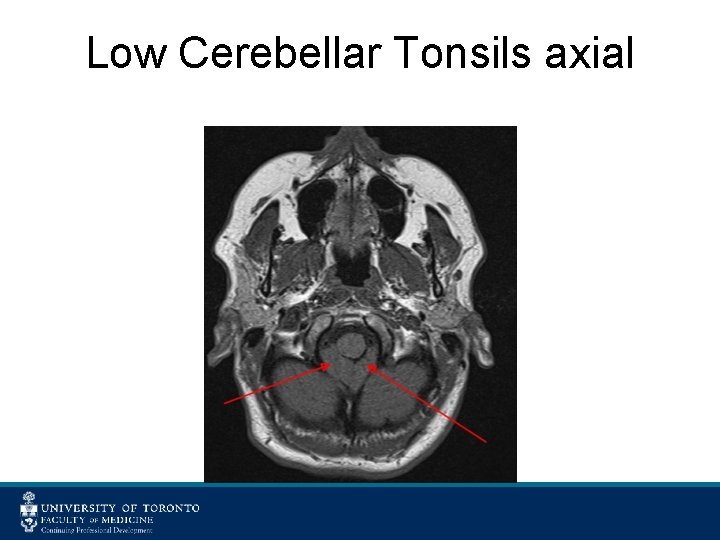
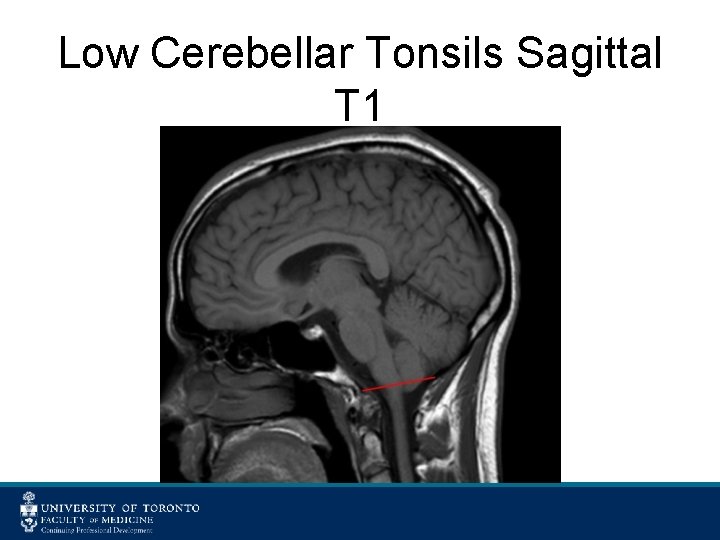
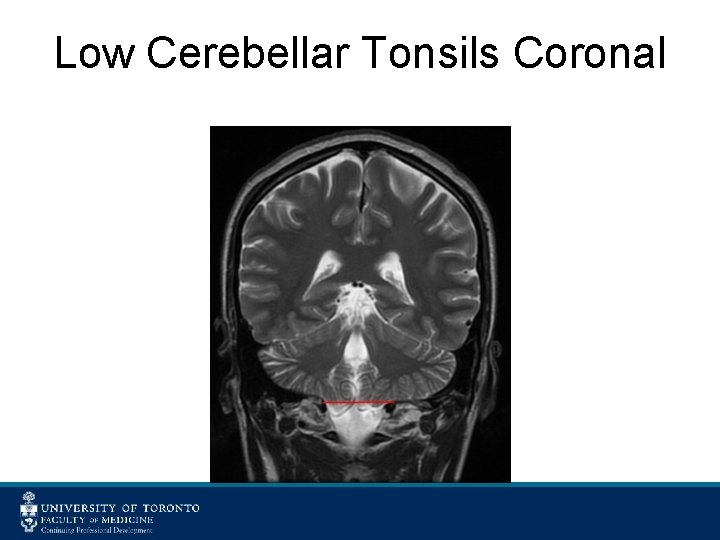
Low Cerebellar Tonsils • Underreported in MRI exams • Often acquired concurrently with misalignment of craniocervical junction • May obstruct CSF flow to spinal canal • May cause hydrocephalus • Obstruction of cranial blood flow may occur due to hydrostatic pressure when tonsils are “corking”
Low Cerebellar Tonsils axial
Low Cerebellar Tonsils Sagittal T 1
Low Cerebellar Tonsils Coronal
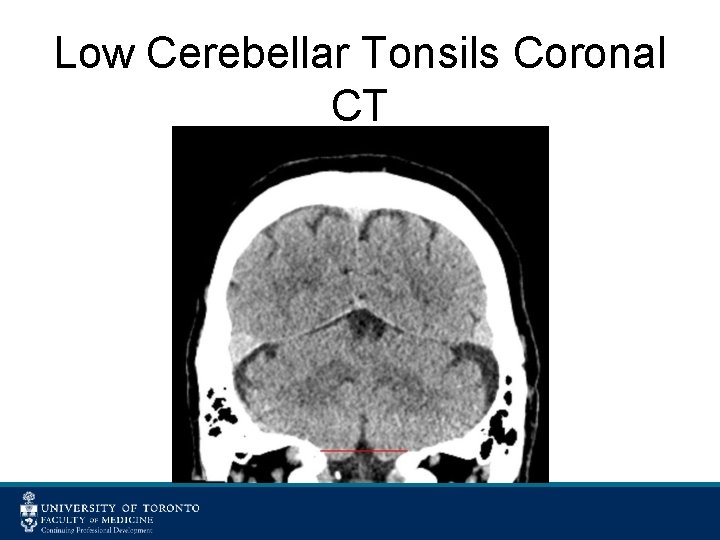
Low Cerebellar Tonsils Coronal CT
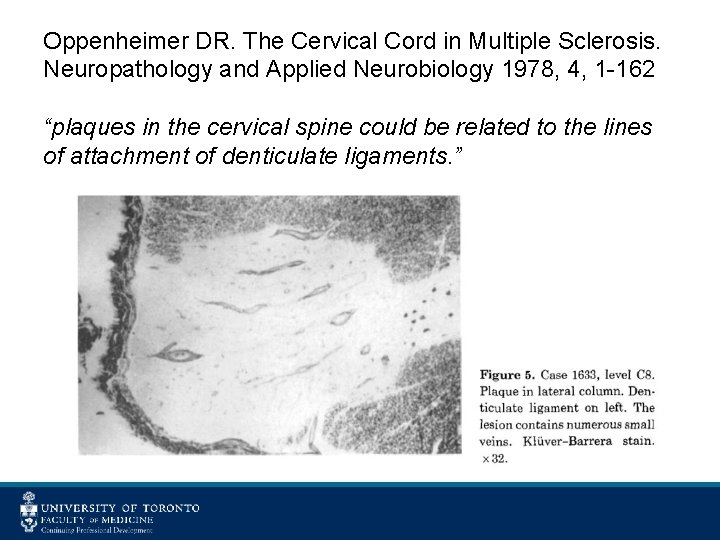
Oppenheimer DR. The Cervical Cord in Multiple Sclerosis. Neuropathology and Applied Neurobiology 1978, 4, 1 -162 “plaques in the cervical spine could be related to the lines of attachment of denticulate ligaments. ”
Anatomy • The cervical spine is stabilized by ligaments that limit the motion of the spine at the end ranges • Ligaments cannot initiate movement • The fibers of ligaments align with the direction of the load • Ligaments have elastic properties but serve mostly to hold a tensile load • Ligaments demonstrate piezoelectric properties and hysteresis ("failure of either one or another phenomena to keep pace with each other”) • Unloading causes a shortening of the ligaments due to elastic contraction
Anatomy (cont’d) • Loading causes stress relaxation and creep • Relaxation proceeds more rapidly than creep in a ligament • Piezoelectric effects are reversible such that a decreasing change in loading results in changes in creep • Permanent shortening can occur in unloaded ligaments known as negative creep • Negative creep may reverse marginal ligamentous instability in spinal modeling • Prolotherapy or stabilization may be necessary (neurological integrity)
Injury • Ligamentous injuries typically result from tensile overload with varying degrees of disruption • Mechanoreceptive innervation has been found in the cervical facet joints, ligaments and discs • Ligaments contain significant innervation • The innervation includes receptors that respond to slow tonic input, which is important in postural control, rather than ballistic movement • Ligaments are injured by sudden loads • Ligament injury may lead to instability patterns specific for the particular ligament
Injury (cont’d) • Coupling patterns have been well documented and described • Paradoxical motion occurs when normal coupling is not observed • Some authors suggest that paradoxical motion is simply a normal variant with no clinical significance • While there remains some debate as to whether paradoxical motion is pathognomic, identification is more straightforward • Videofluoroscopy provides visualization of coupling patterns and paradoxical motion
DMX Digital/Dynamic Motion Xray • DMX is a form of videofluoroscopy adapted to the assessment of spinal injury • The video stream is captured to create an original artifact • Digital radiographic analysis combines the power of a digital microscope with powerful Grey scale and composite filters. Abnormal geometry is identified and reported with accuracy far exceeding manual methods • Video frames are captured in the Flexion and Extension protocol as well as the Open Mouth Lateral Flexion protocol and forensically evaluated for geometry using digital radiographic analysis
Assessment • “To see is to know, to not see is to guess”. Dr. Christopher Kent • In order to make “evidence informed” clinical decisions, we must first have evidence • Our clinical assessment process must uncover the evidence needed to provide effective care • It is imperative that the assessment detects the nature and extent of the patient’s injuries • History dictates imaging decisions
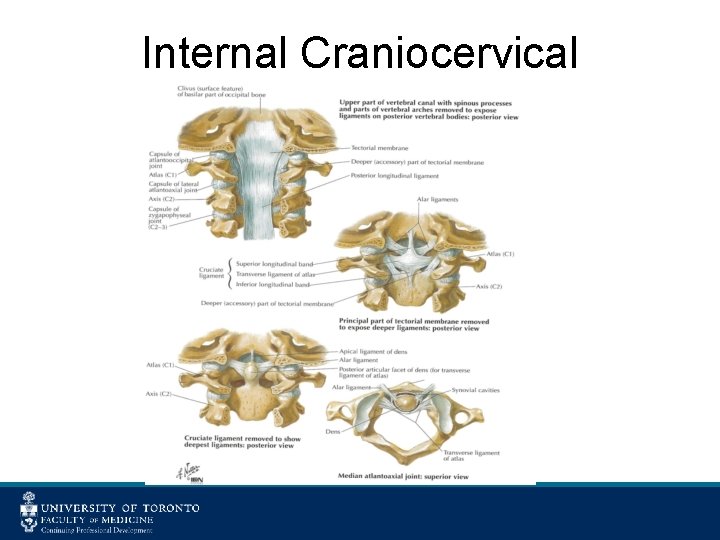
Internal Craniocervical Ligaments
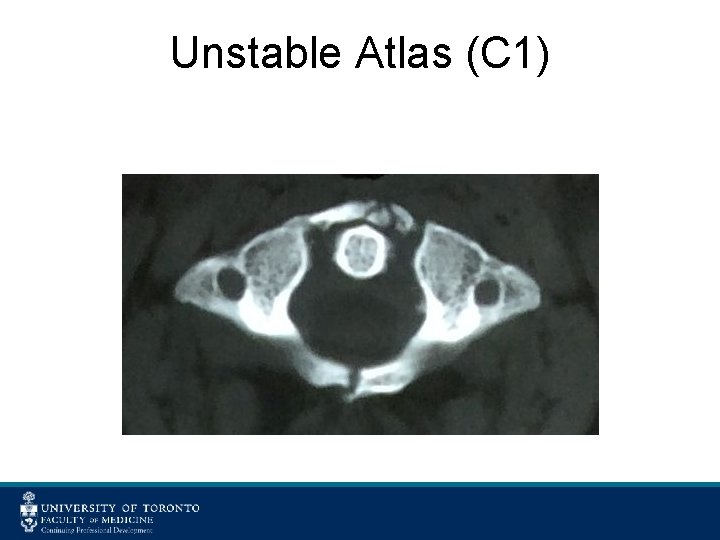
Unstable Atlas (C 1)
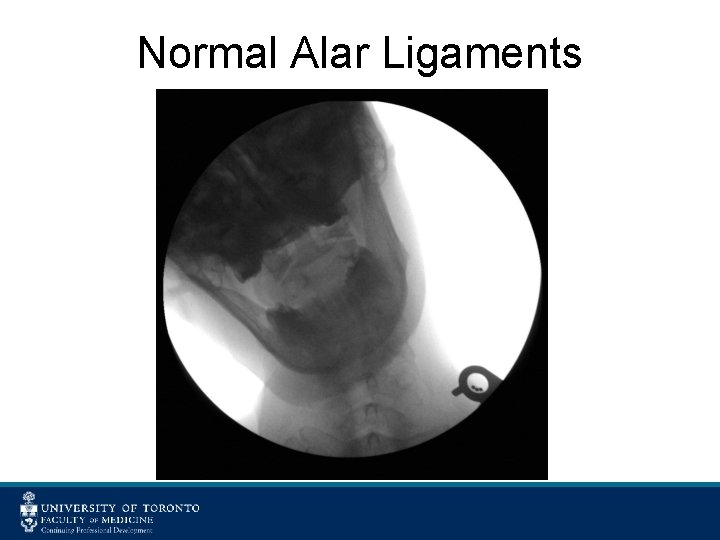
Normal Alar Ligaments
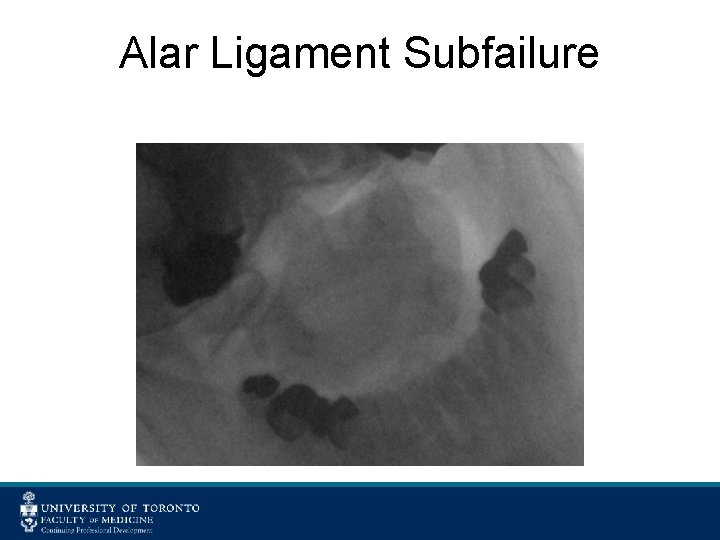
Alar Ligament Subfailure
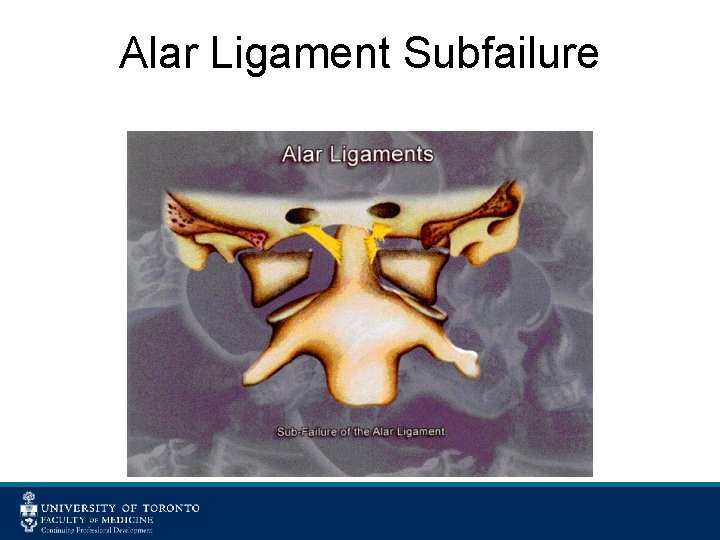
Alar Ligament Subfailure
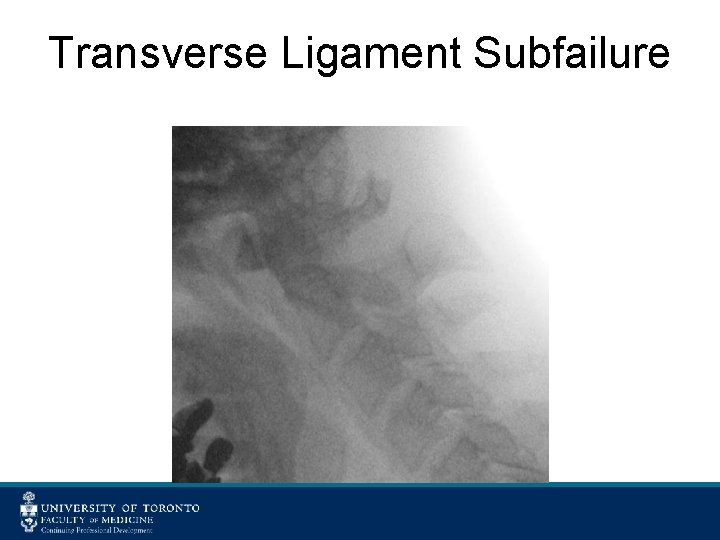
Transverse Ligament Subfailure
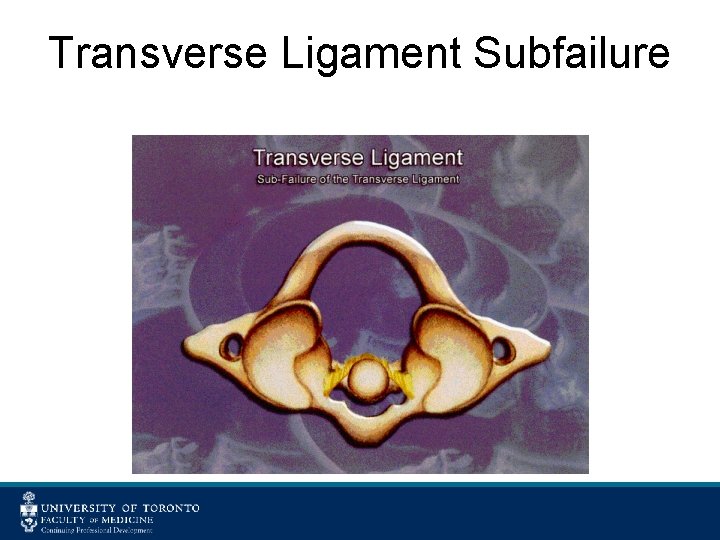
Transverse Ligament Subfailure
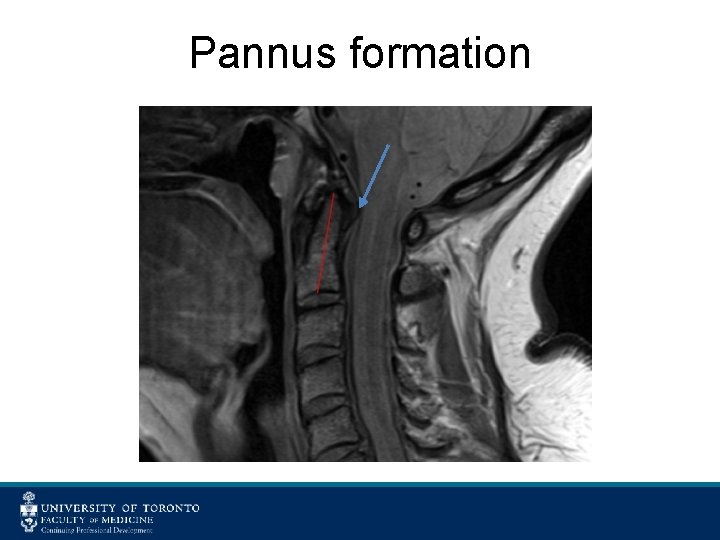
Pannus formation
Thank you
- Slides: 49