
Linear Techniques 2 1 dotted lines connect the
- Slides: 25
Linear Techniques 2 1
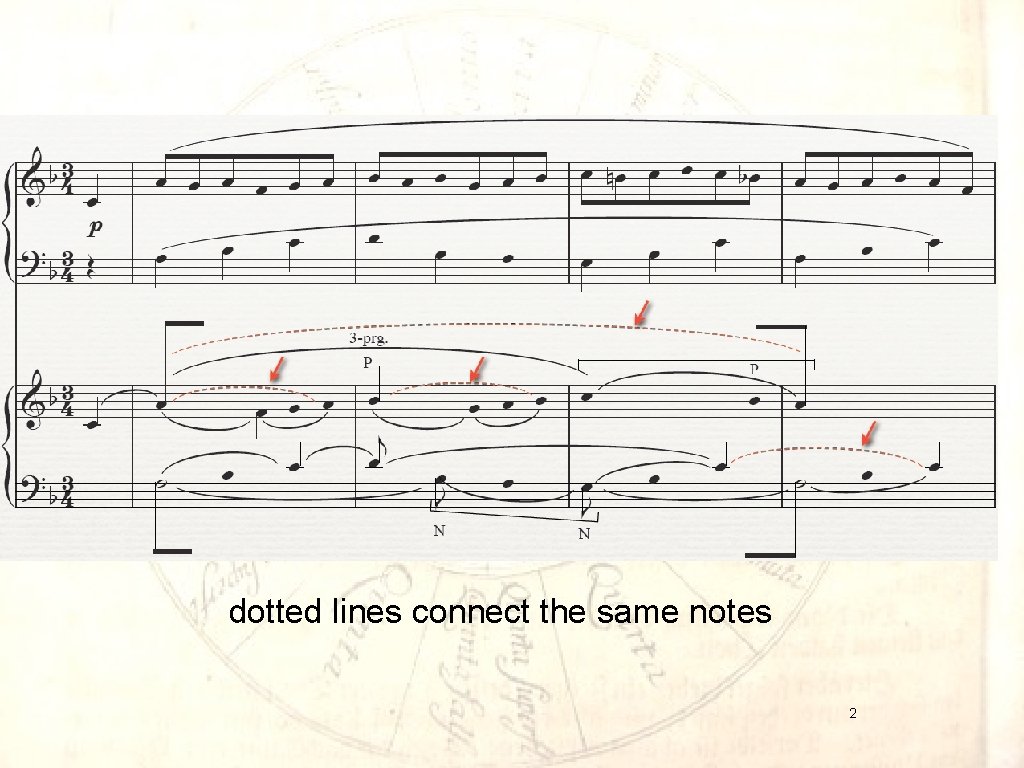
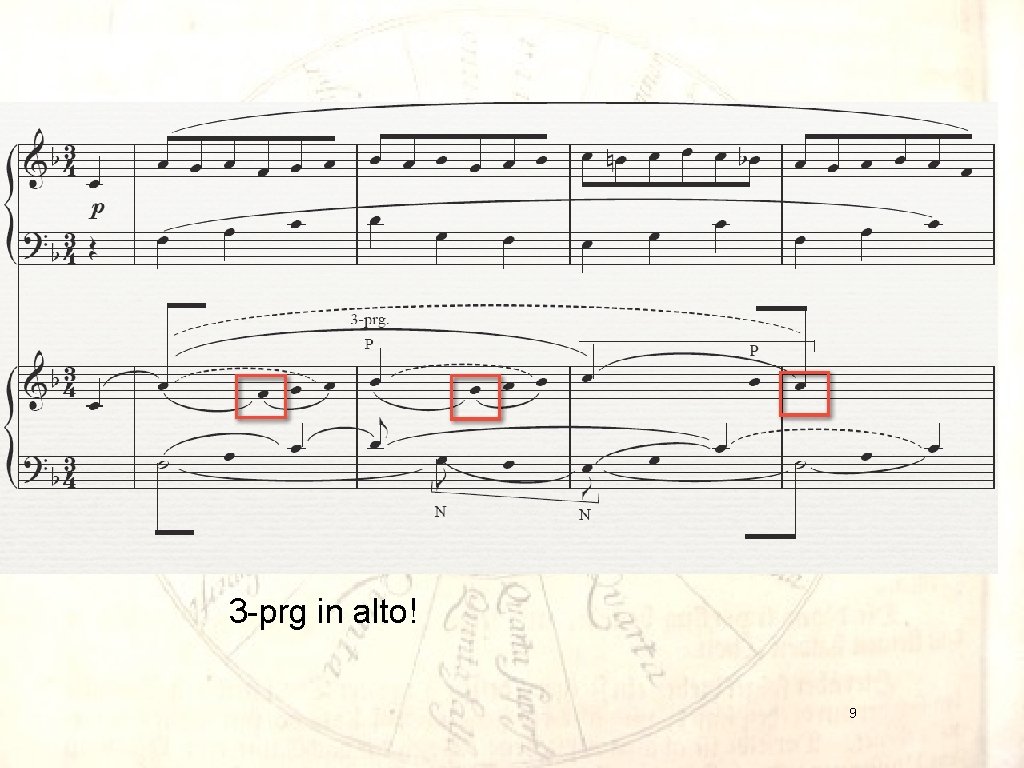
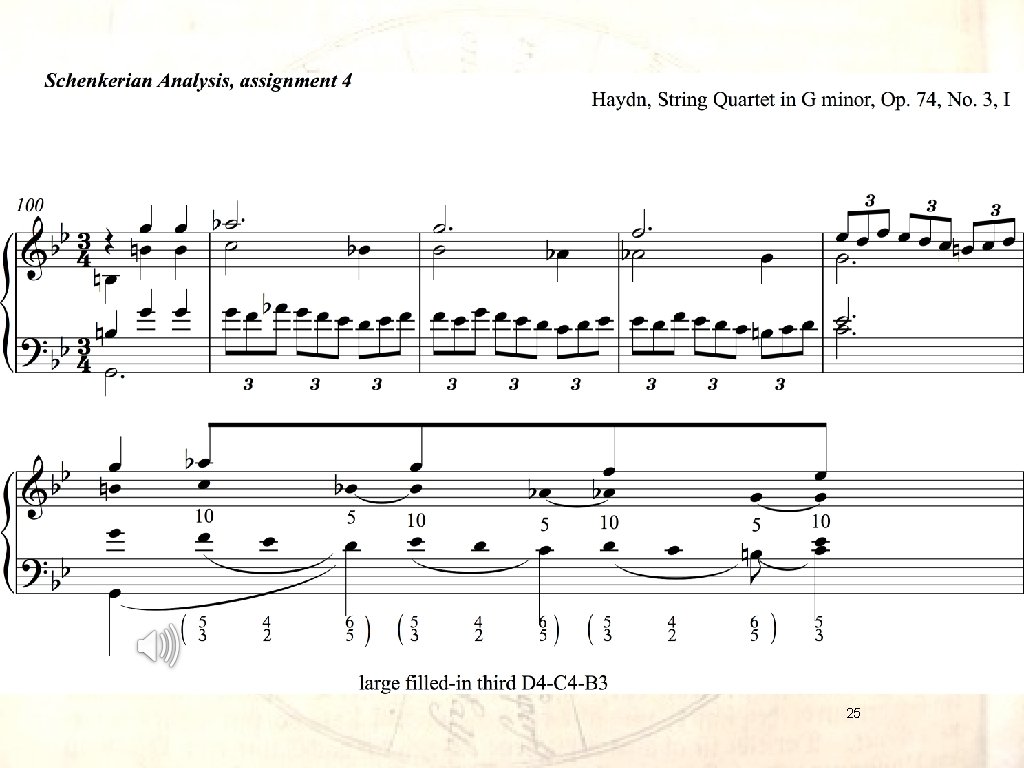
dotted lines connect the same notes 2
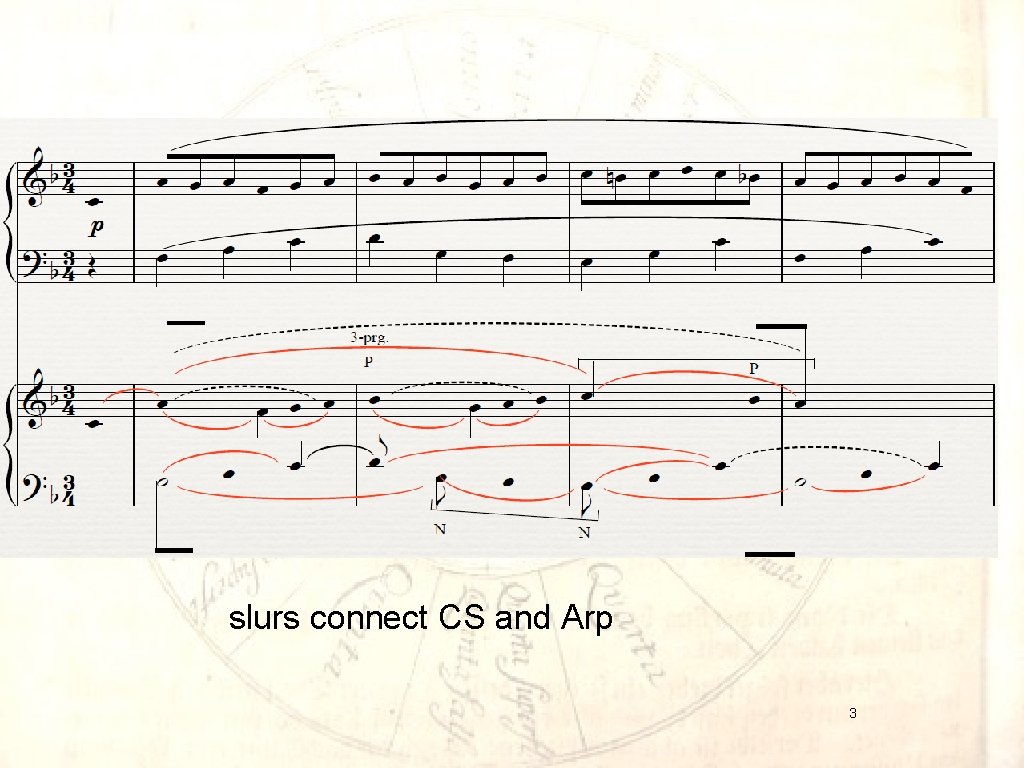
slurs connect CS and Arp 3
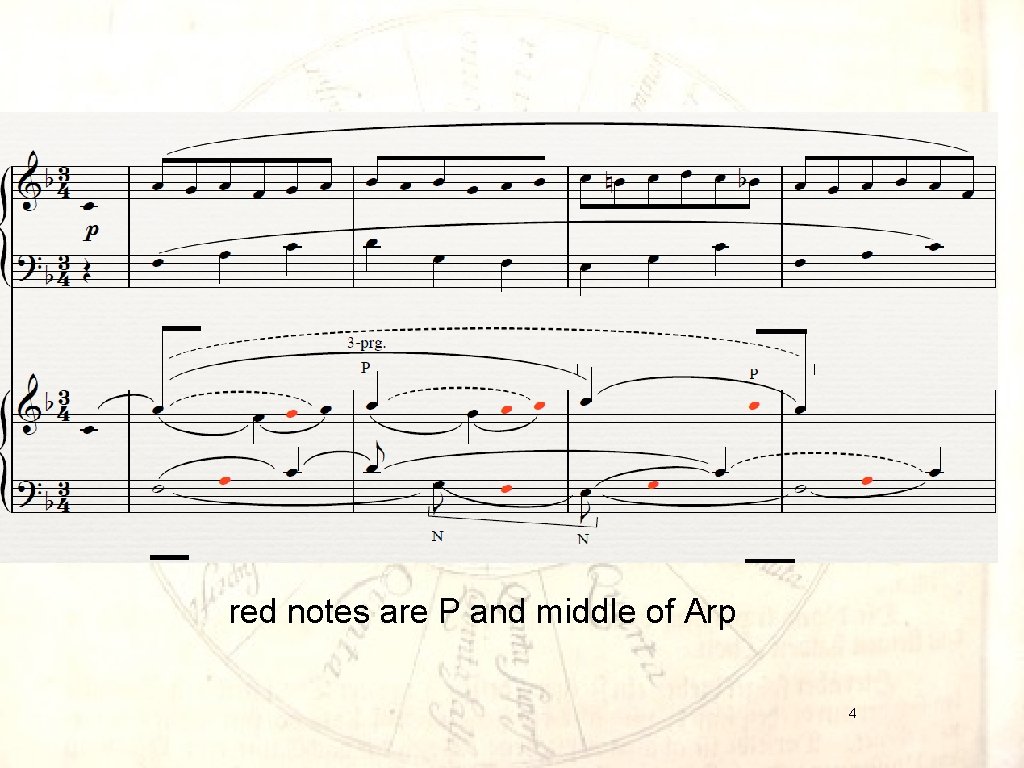
red notes are P and middle of Arp 4
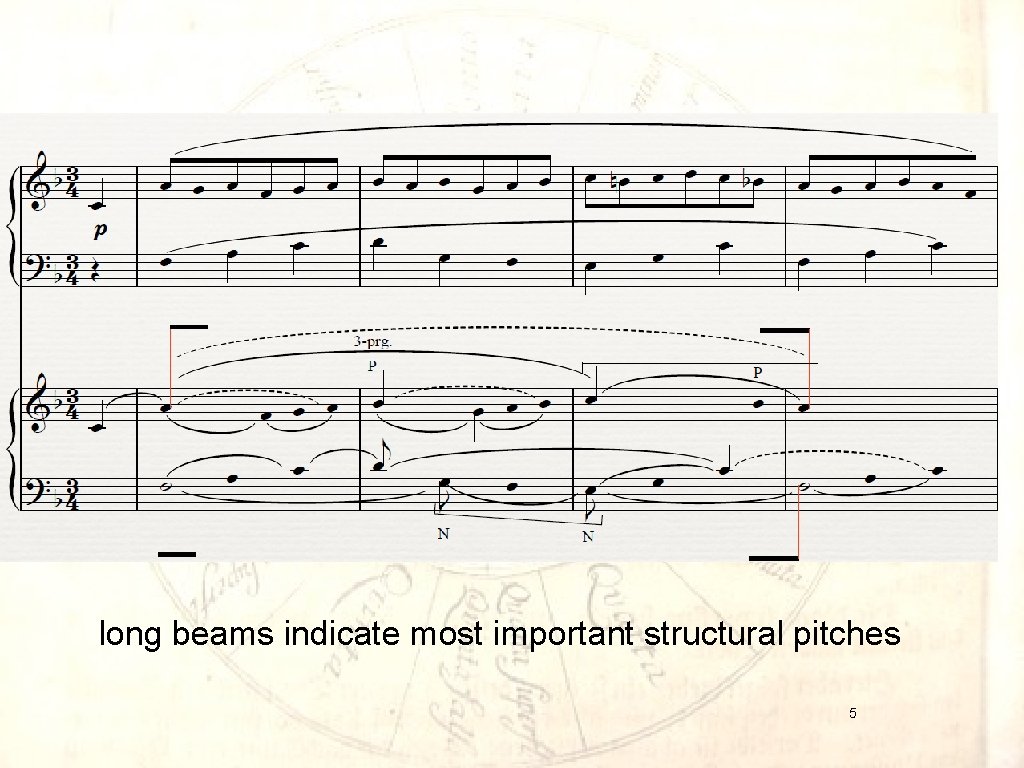
long beams indicate most important structural pitches 5
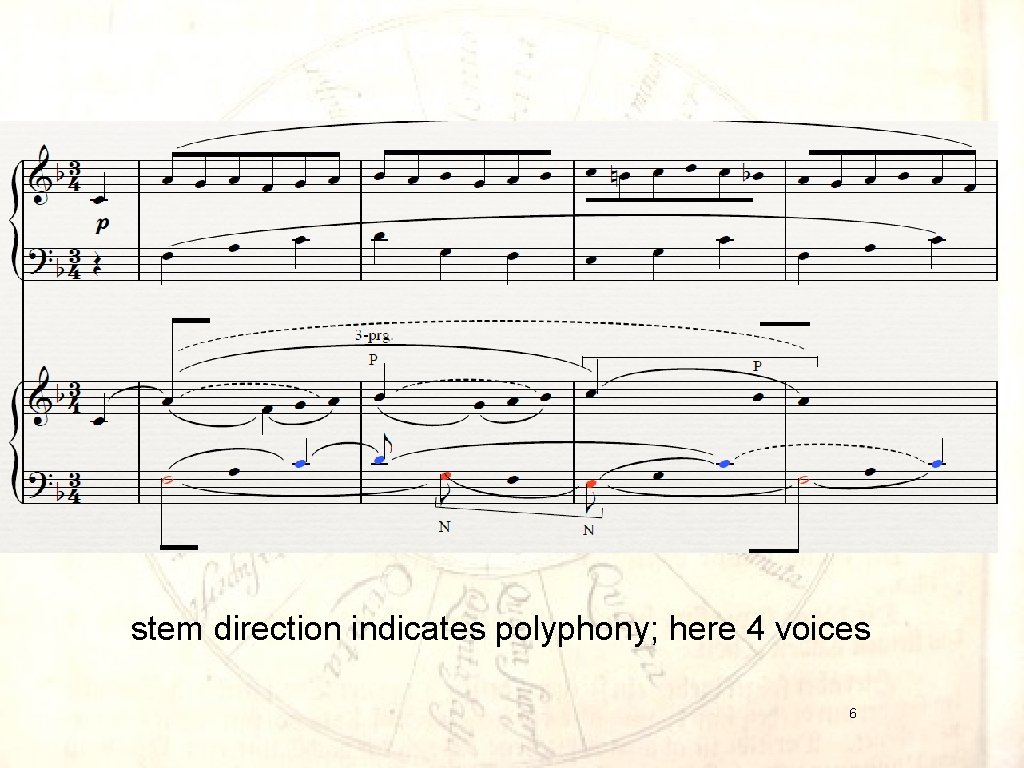
stem direction indicates polyphony; here 4 voices 6
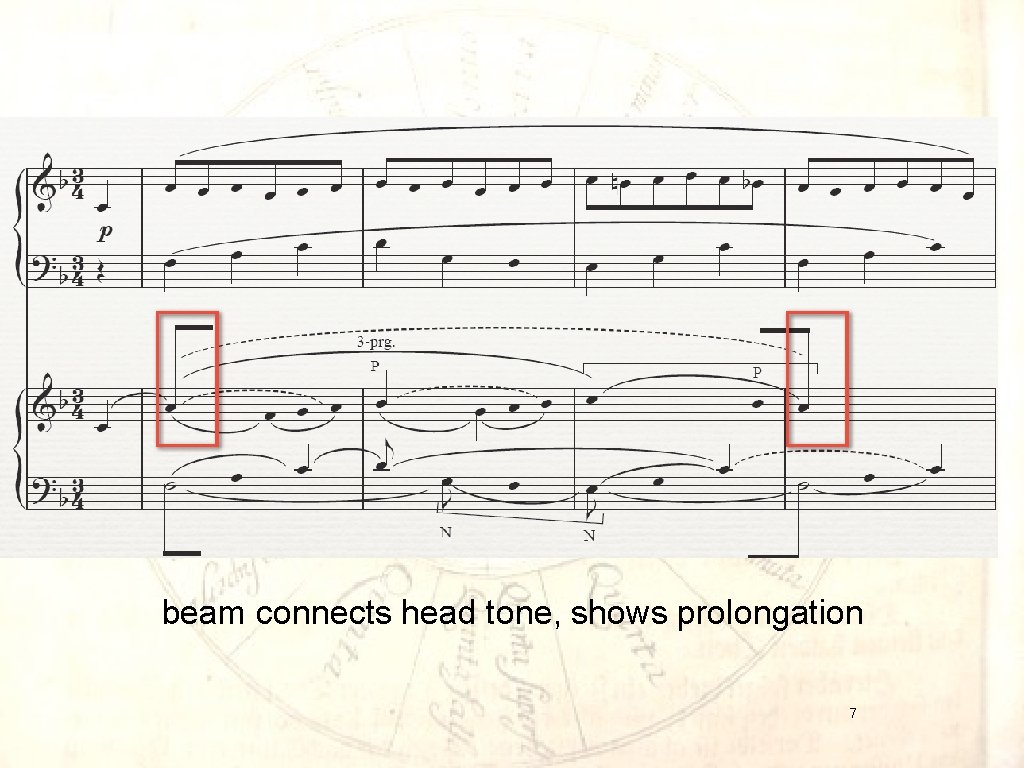
beam connects head tone, shows prolongation 7
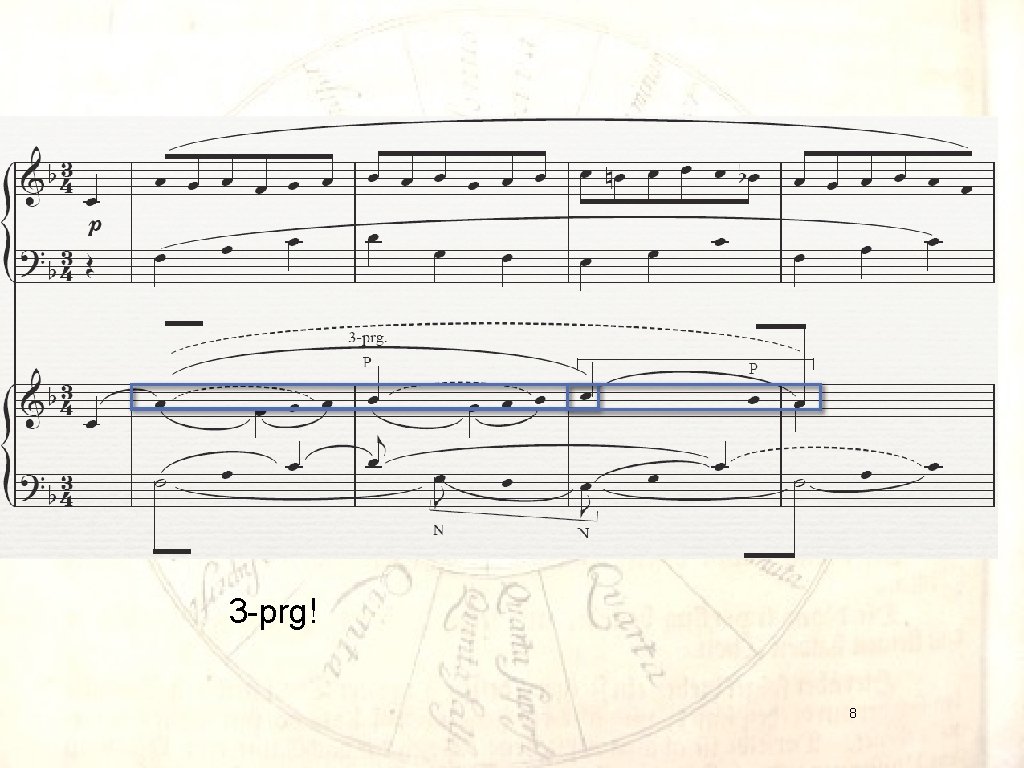
3 -prg! 8
3 -prg in alto! 9
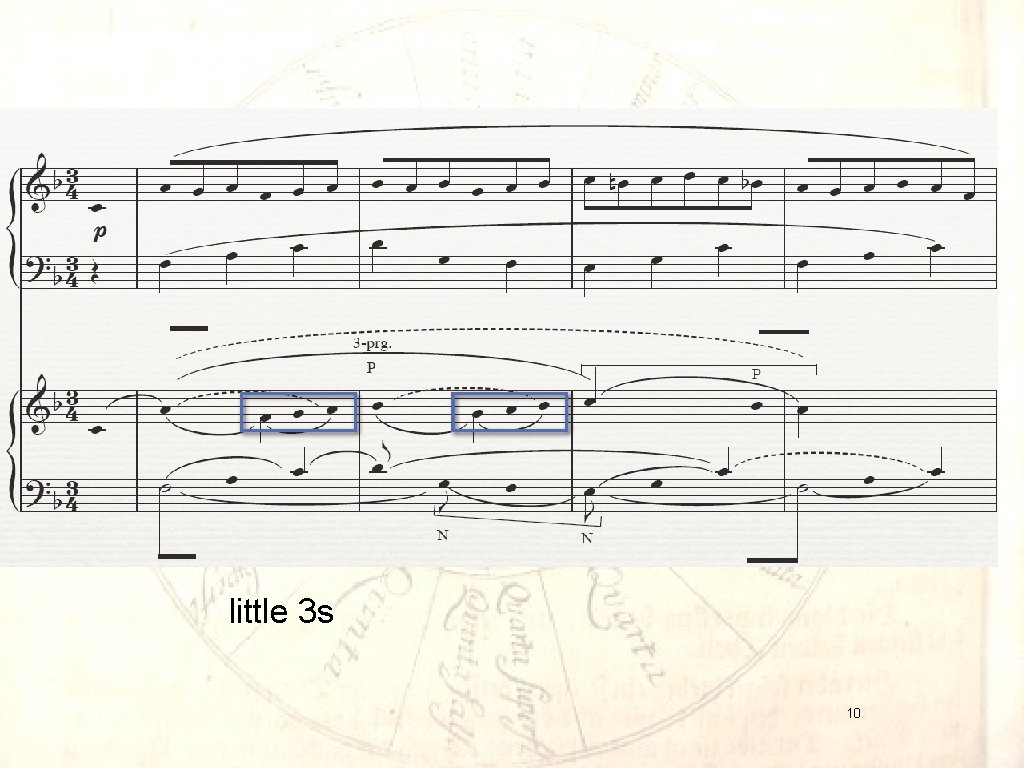
little 3 s 10
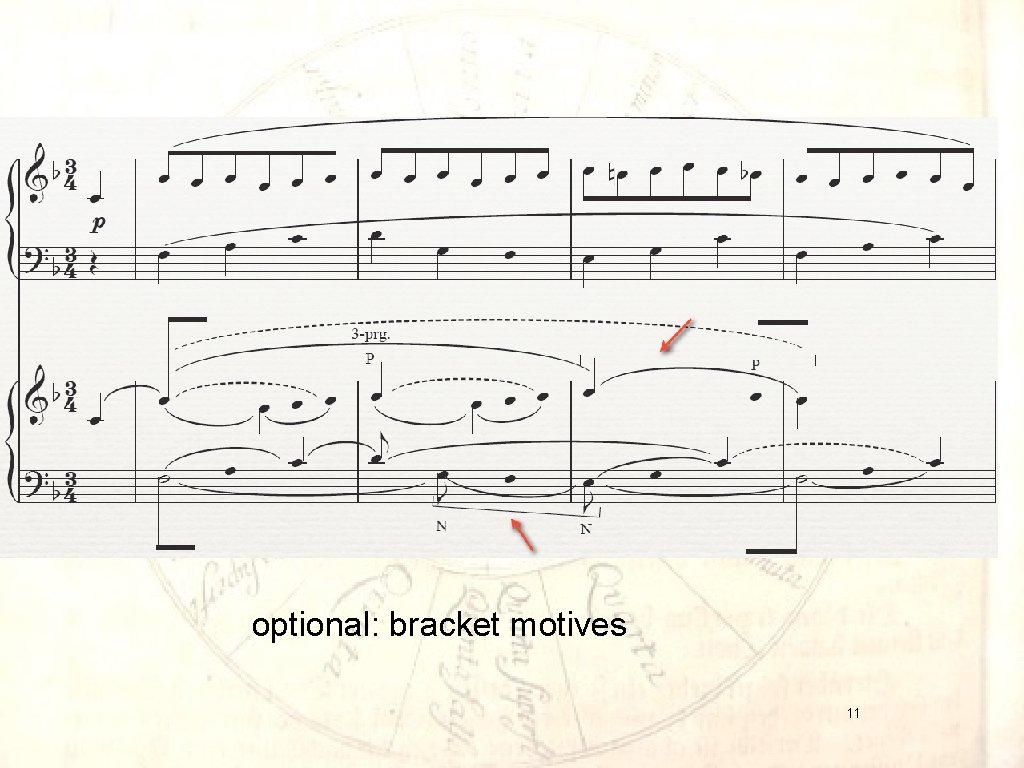
optional: bracket motives 11
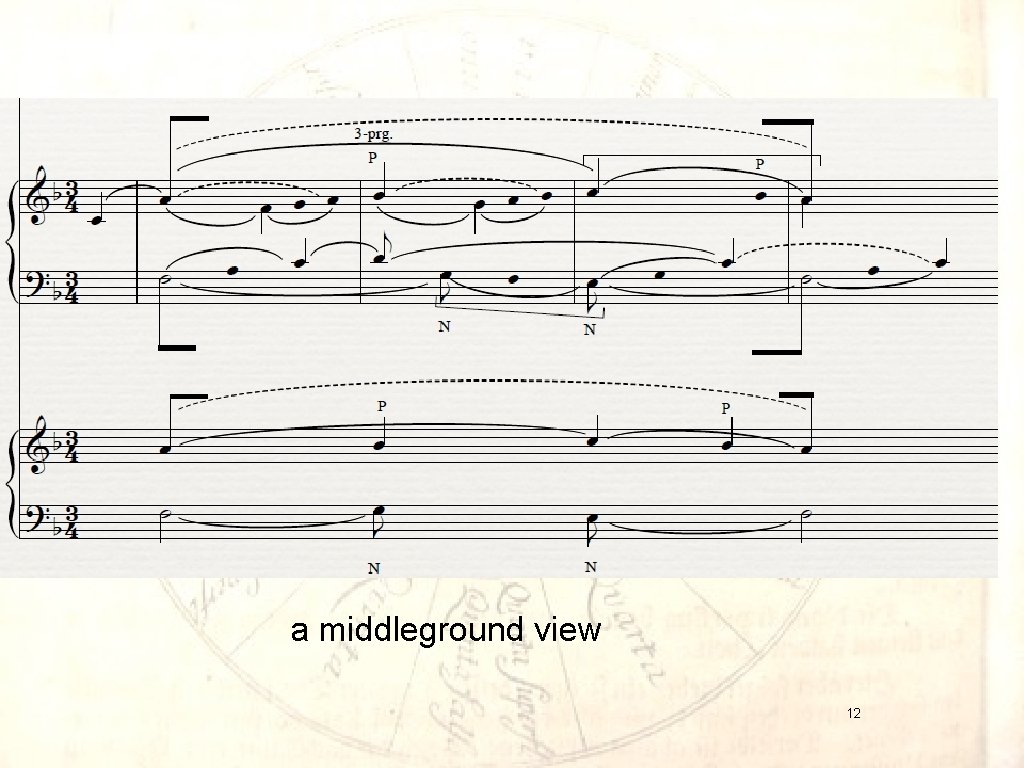
a middleground view 12
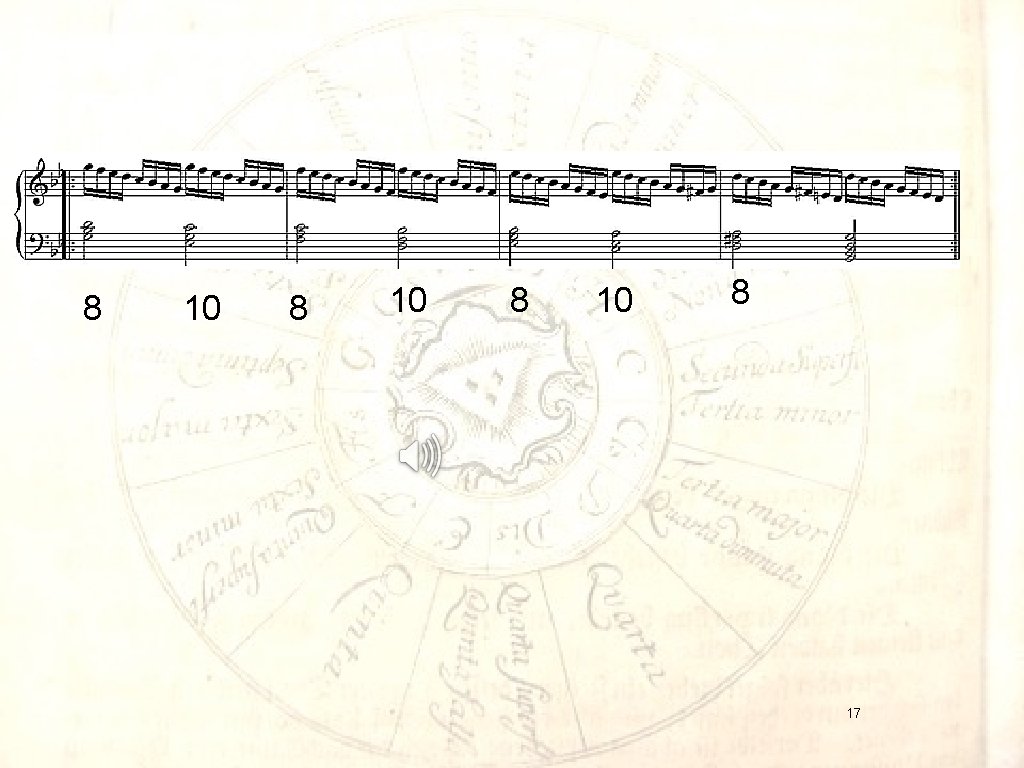
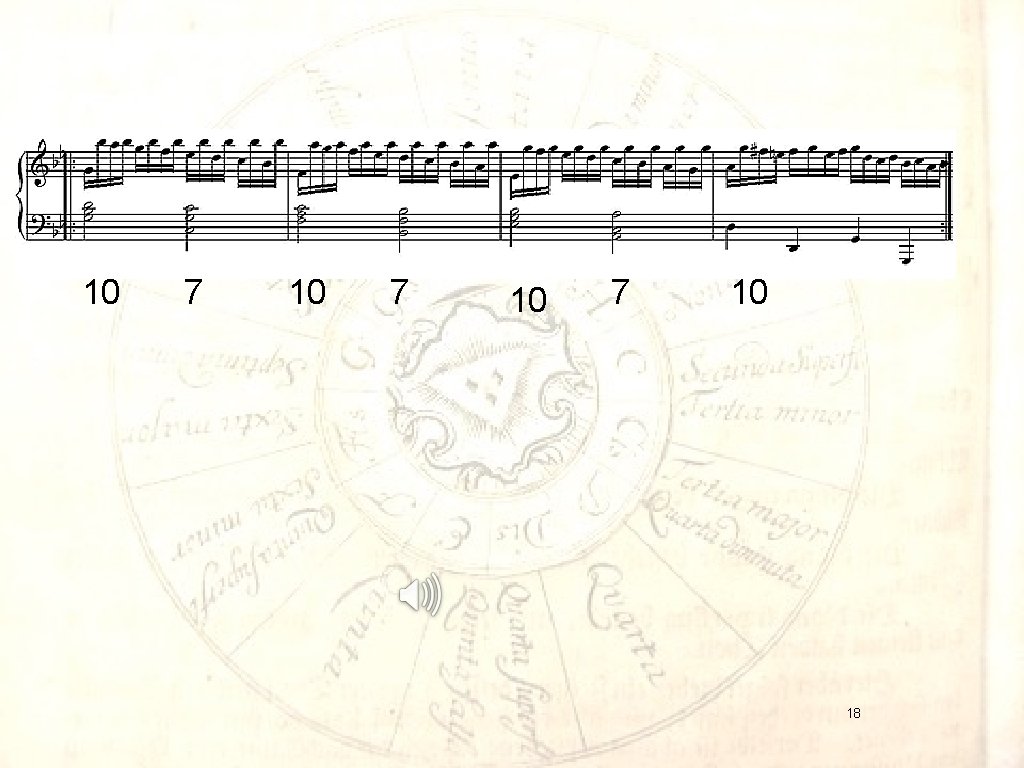
Harmonic sequences and Linear intervallic patterns o Linear Intervallic Patterns or LIP are directed intervallic patterns that appear between outer voices in free composition. o LIPs represent "directed tonal motion with complete precision and without ambiguity. " [Forte and Gilbert, p. 84] They represent "in the most concise and intensive way the basic voice-leading motion of tonal music. " [p. 89] 13
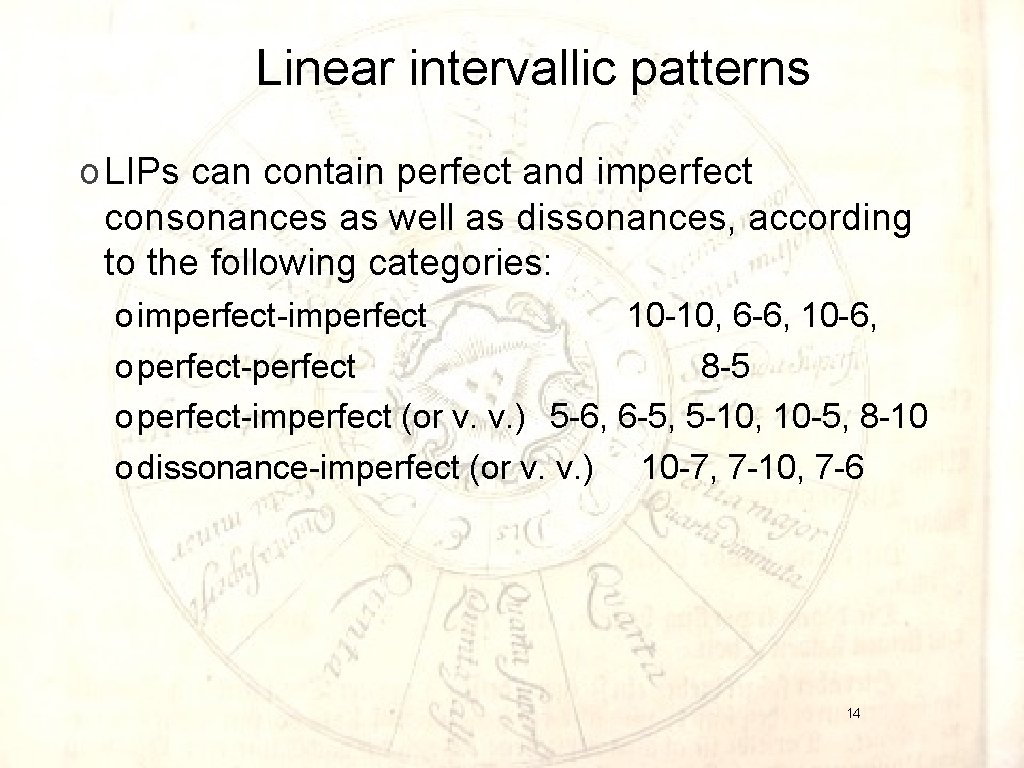
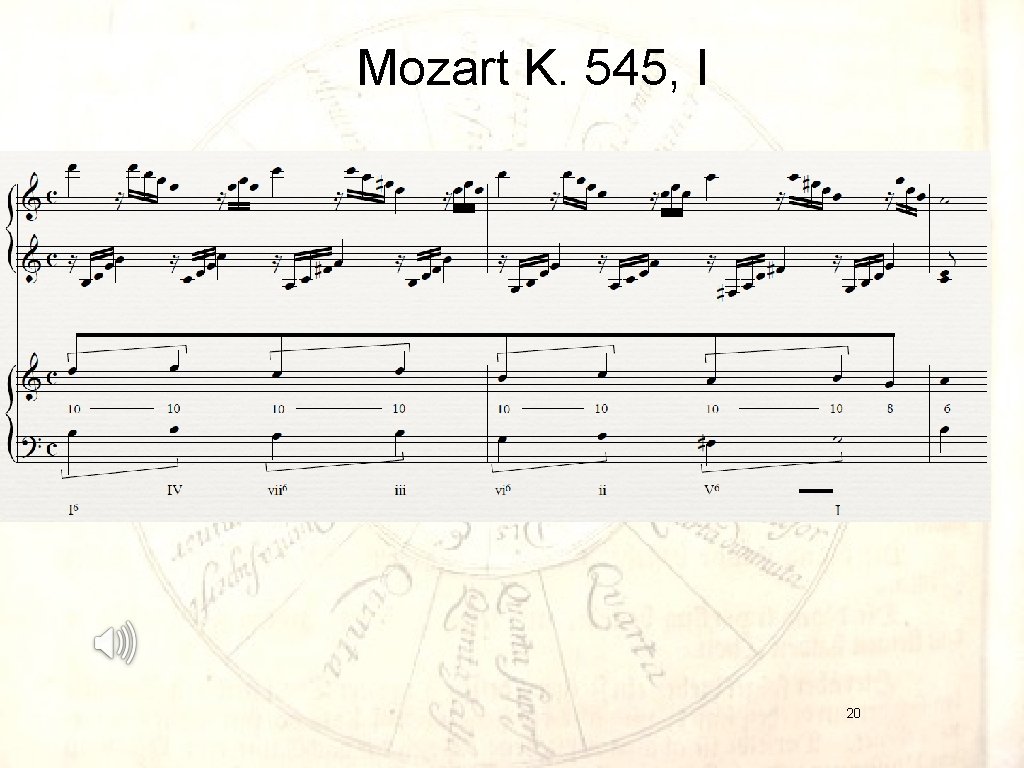
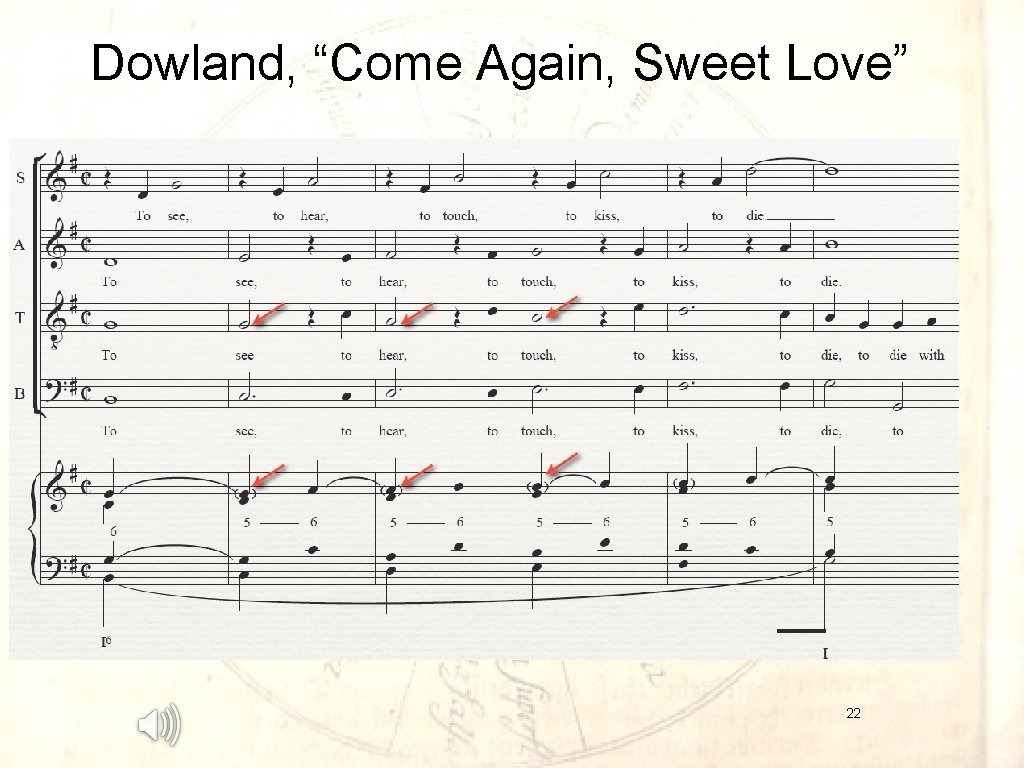
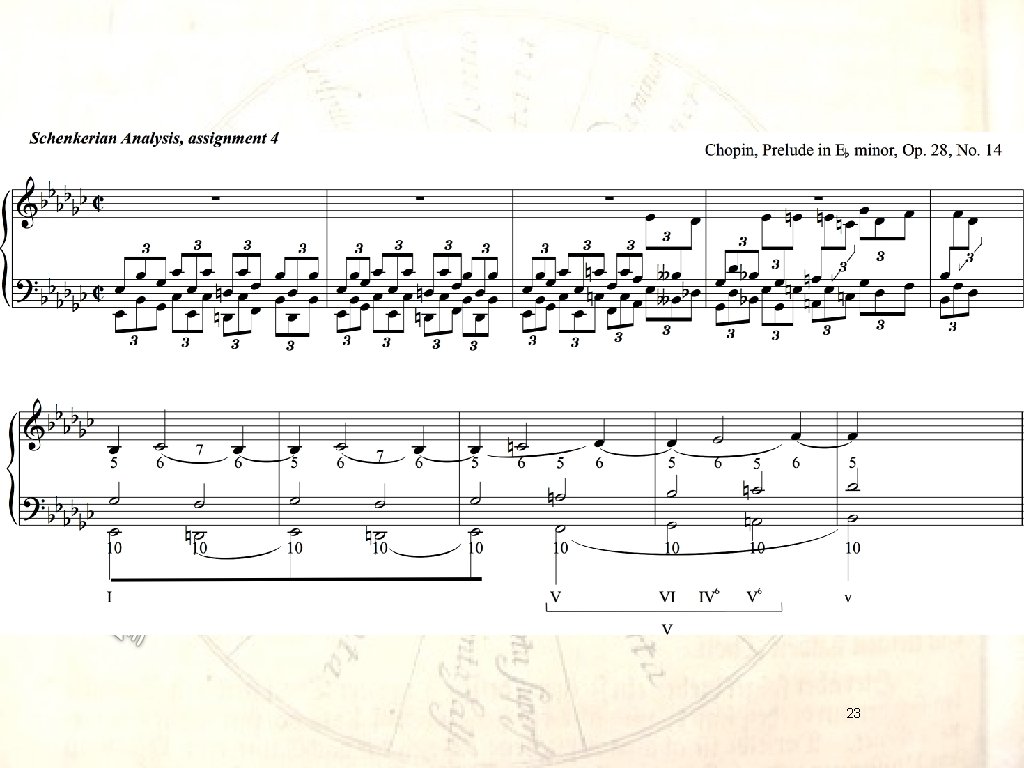
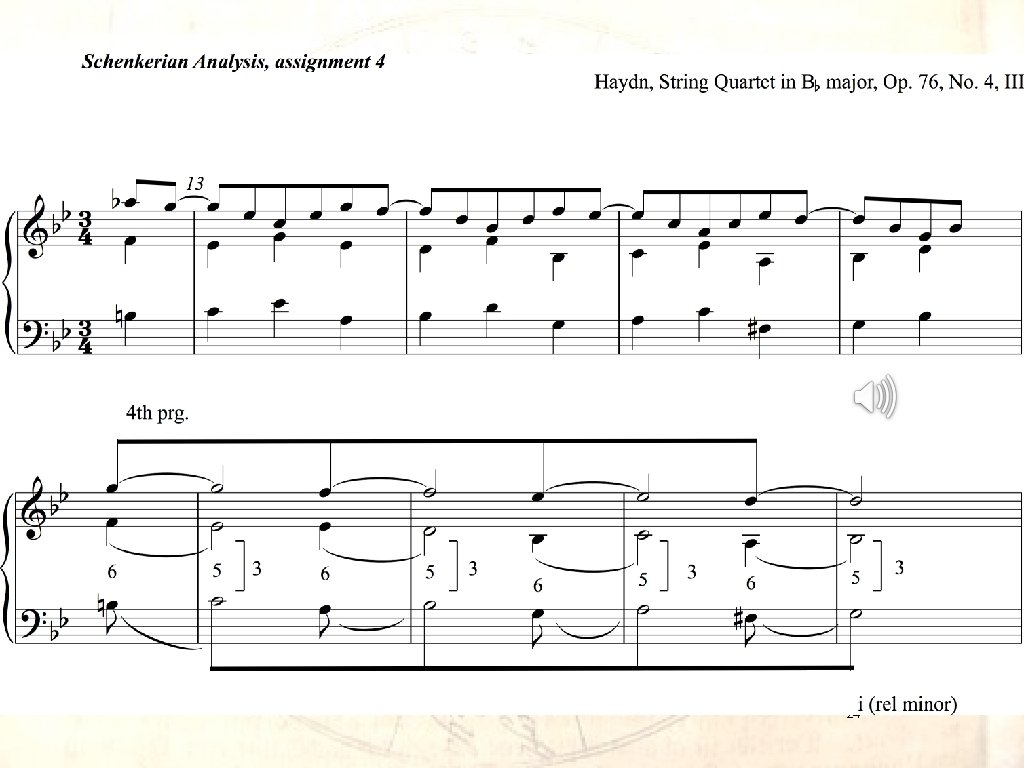
Linear intervallic patterns o LIPs can contain perfect and imperfect consonances as well as dissonances, according to the following categories: o imperfect-imperfect 10 -10, 6 -6, 10 -6, o perfect-perfect 8 -5 o perfect-imperfect (or v. v. ) 5 -6, 6 -5, 5 -10, 10 -5, 8 -10 o dissonance-imperfect (or v. v. ) 10 -7, 7 -10, 7 -6 14
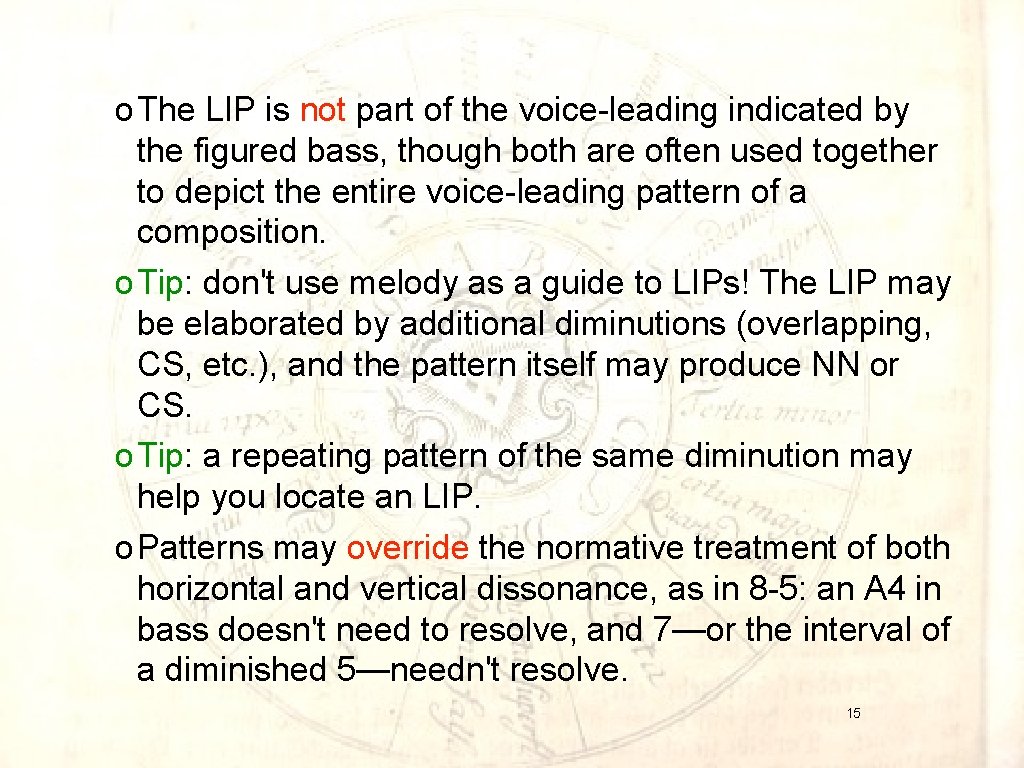
o The LIP is not part of the voice-leading indicated by the figured bass, though both are often used together to depict the entire voice-leading pattern of a composition. o Tip: don't use melody as a guide to LIPs! The LIP may be elaborated by additional diminutions (overlapping, CS, etc. ), and the pattern itself may produce NN or CS. o Tip: a repeating pattern of the same diminution may help you locate an LIP. o Patterns may override the normative treatment of both horizontal and vertical dissonance, as in 8 -5: an A 4 in bass doesn't need to resolve, and 7—or the interval of a diminished 5—needn't resolve. 15
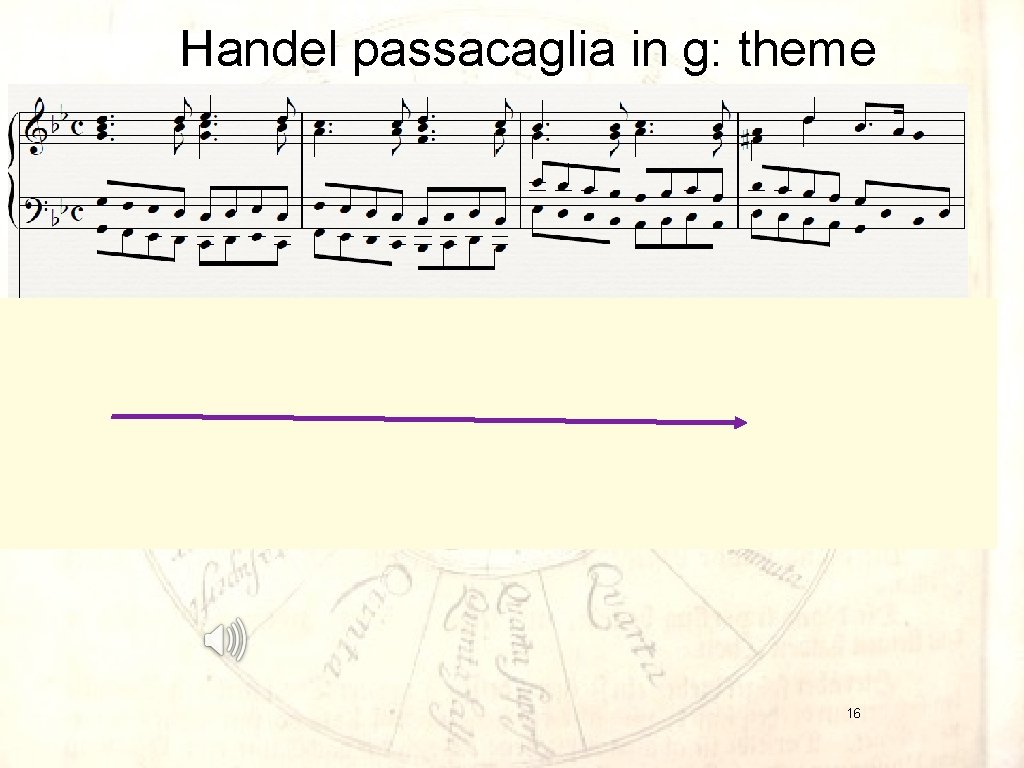
Handel passacaglia in g: theme 16
8 10 8 17
10 7 10 18
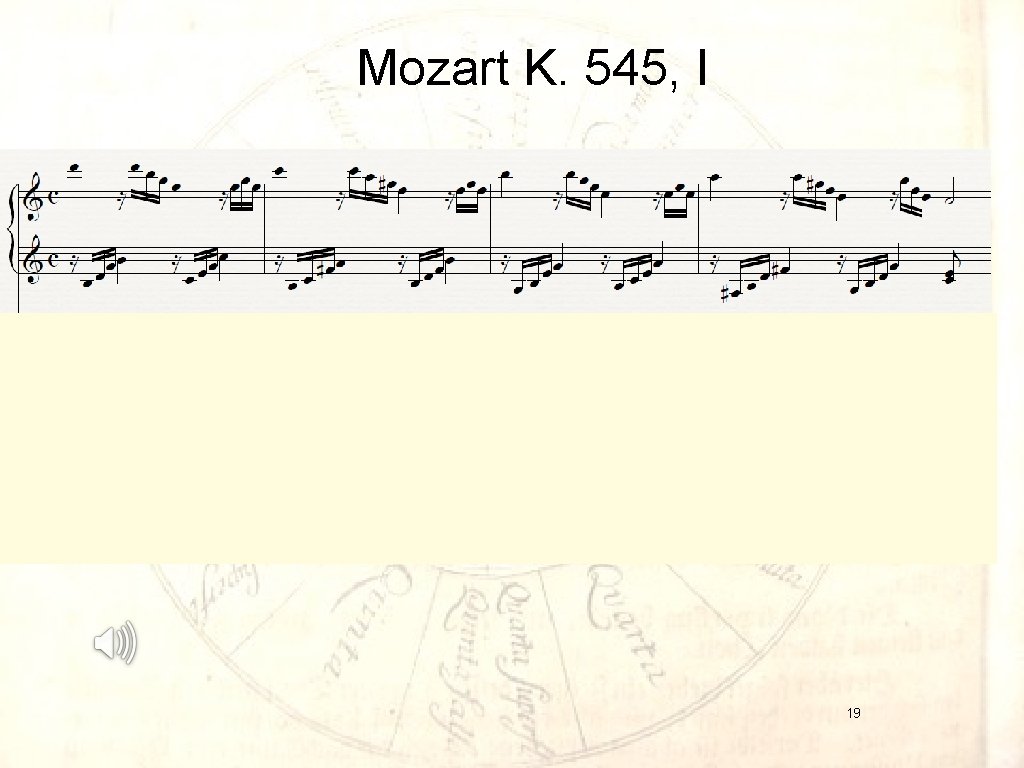
Mozart K. 545, I 19
Mozart K. 545, I 20
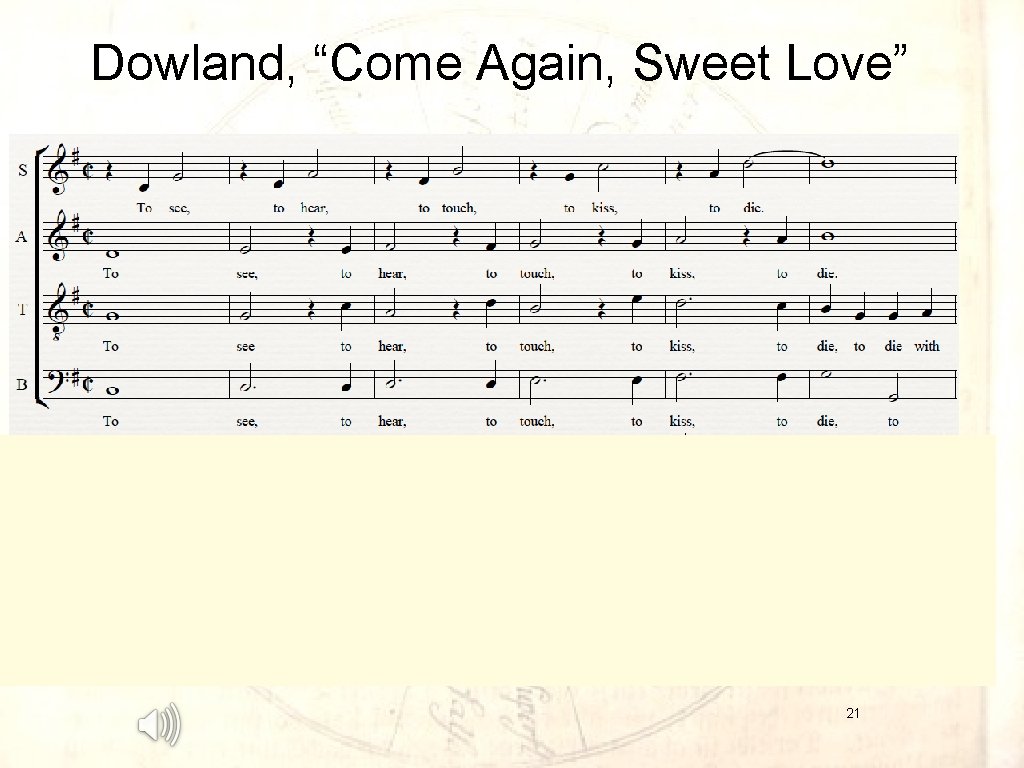
Dowland, “Come Again, Sweet Love” 21
Dowland, “Come Again, Sweet Love” 22
23
24
25