
LINE PACKE T Elements and Principles of Art




- Slides: 29
LINE PACKE T
Elements and Principles of Art and Design Element: Line To show Shape, Form, Space, Texture Pattern, Movement, etc.
Seven Elements of Art Line Shape Form Value Space Texture Color
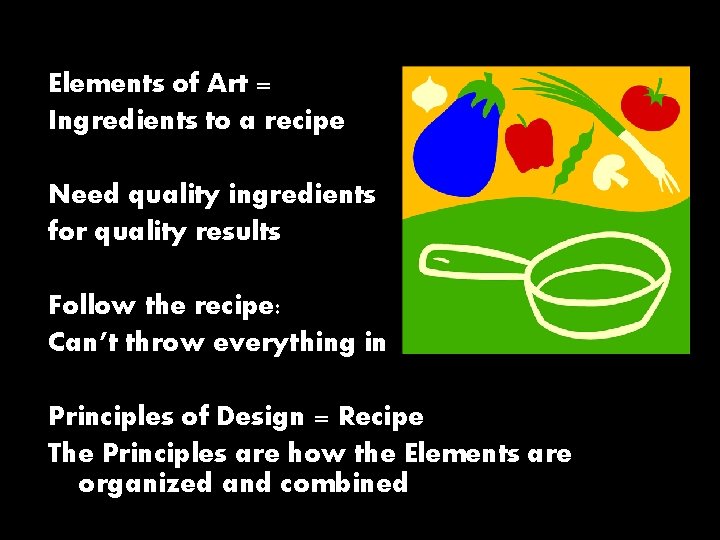
Elements of Art = Ingredients to a recipe Need quality ingredients for quality results Follow the recipe: Can’t throw everything in Principles of Design = Recipe The Principles are how the Elements are organized and combined
LINE: The most fundamental, simplest, universal element of art. Literal Definition: A mark that spans a distance between two points (or the path of a moving point), taking any form along the way; A moving dot. Definition as an Element of Art: The use of various marks, outlines and implied lines in artwork and design, most often used to define shape in two-dimensional work.
What is Line Used For? Line can be used to show movement, shape, form, value, space/perspective, gesture, expression/emotion, etc. “Drawing is like taking a line for a walk. . ”
Contour: Line, Outline, or Outside Edge Blind contour drawing: A contour drawing that is drawn while looking at the object being drawn without ever looking at the paper. Eyes remain on the object at all times. The eyes slowly follow the contours of the object being drawn. Every line, shape, and texture that is seen must be translated directly through the eyes, hand, pencil, and onto the paper. Pencil should never leave the paper. Exercise of the right brain: Visual, creative, objective, observational
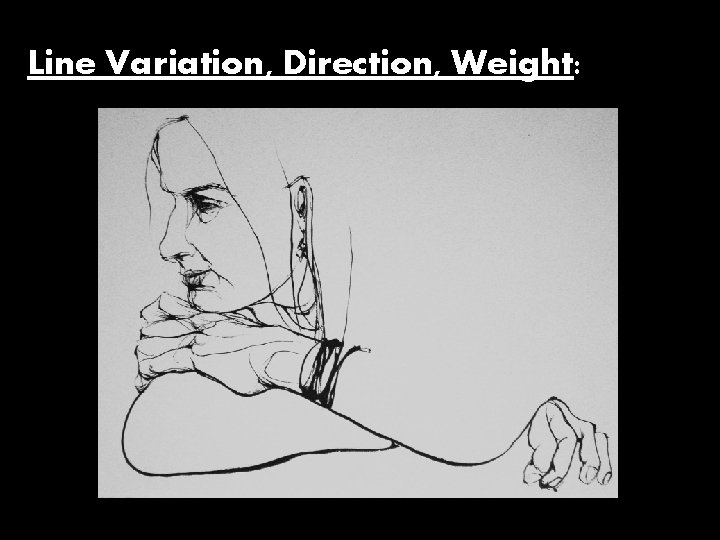
Line Variation: Different kinds of lines: Vary in direction, length, width/weight, texture Line Directions: Horizontal, Vertical, Diagonal, Zig Zag (Combination of diagonal lines), Curved (change direction gradually, can have different degrees)
Line Weight: Thickness or thinness of a line: Varying the line weight makes objects more 3 D and interesting, adds value, dimension, weight, and emphasis
Line Variation, Direction, Weight:
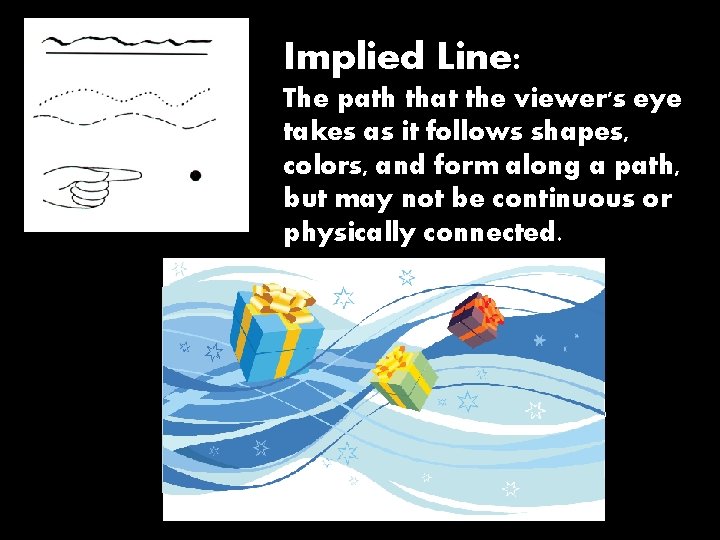
Implied Line: The path that the viewer's eye takes as it follows shapes, colors, and form along a path, but may not be continuous or physically connected.
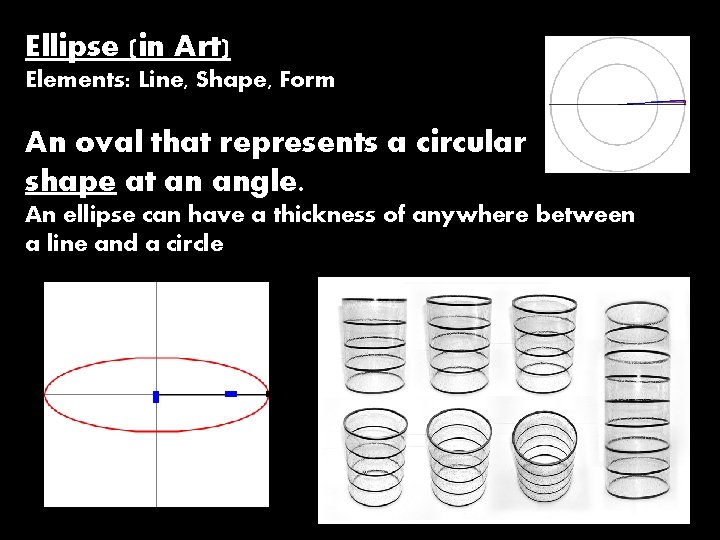
Ellipse (in Art) Elements: Line, Shape, Form An oval that represents a circular shape at an angle. An ellipse can have a thickness of anywhere between a line and a circle
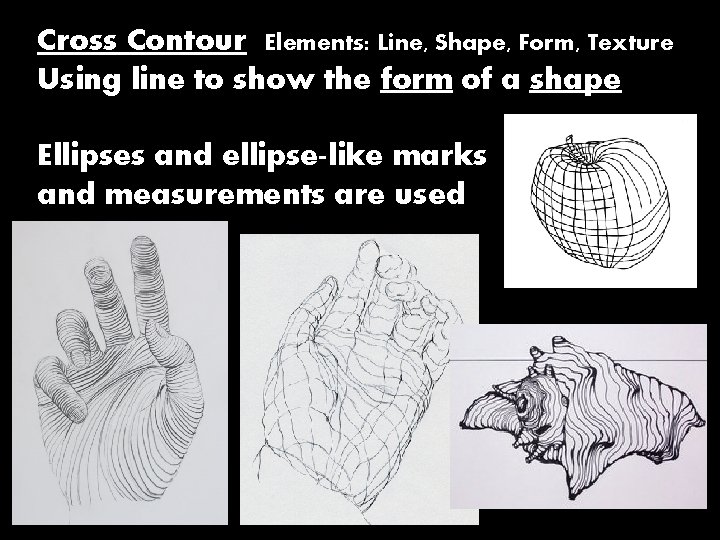
Cross Contour Elements: Line, Shape, Form, Texture Using line to show the form of a shape Ellipses and ellipse-like marks and measurements are used
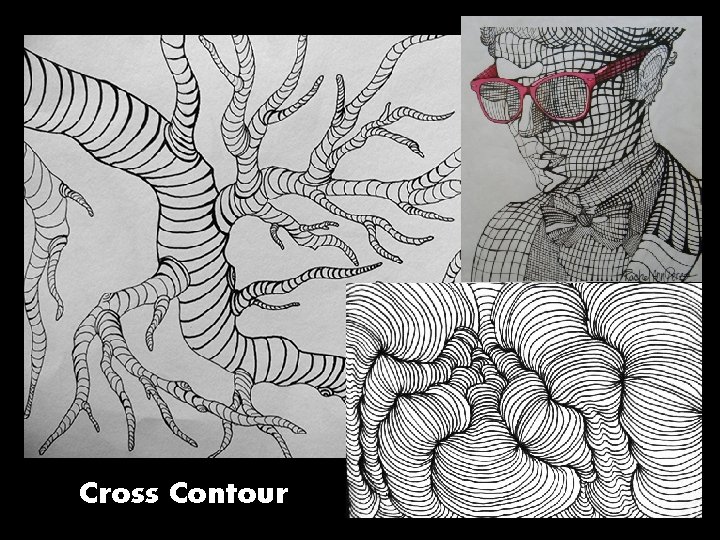
Cross Contour
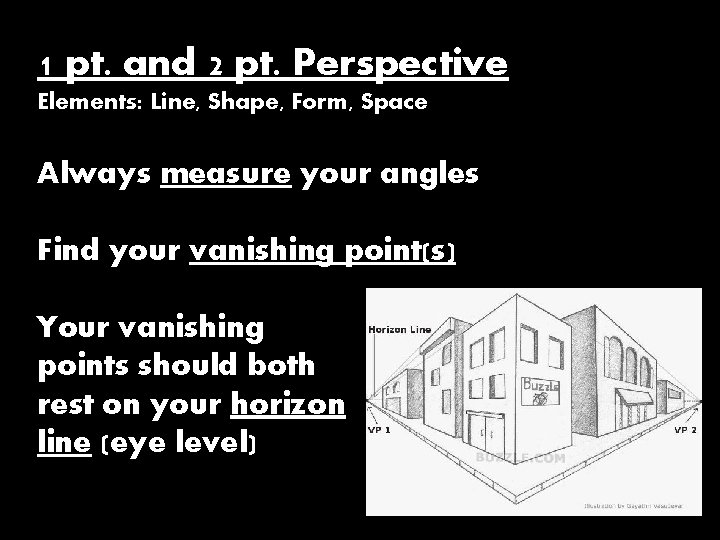
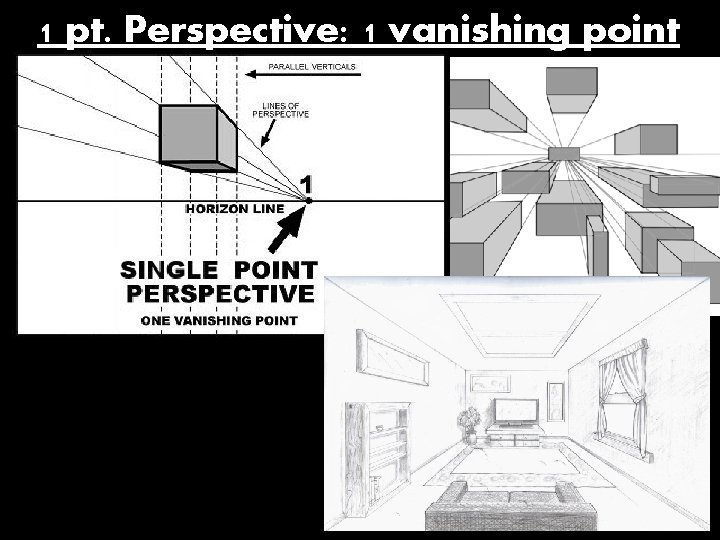
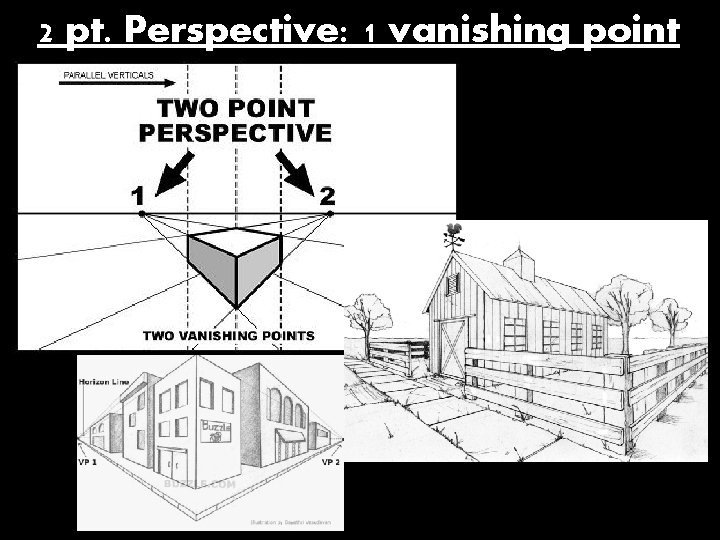
1 pt. and 2 pt. Perspective Elements: Line, Shape, Form, Space Always measure your angles Find your vanishing point(s) Your vanishing points should both rest on your horizon line (eye level)
1 pt. Perspective: 1 vanishing point
2 pt. Perspective: 1 vanishing point
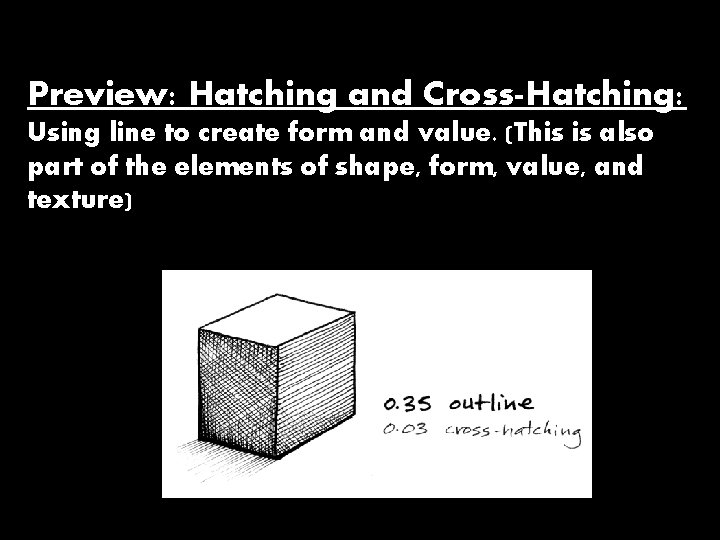
Preview: Hatching and Cross-Hatching: Using line to create form and value. (This is also part of the elements of shape, form, value, and texture)
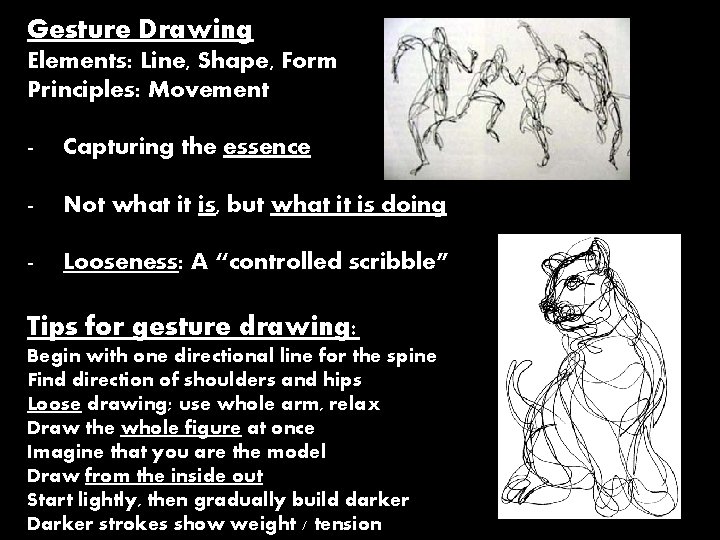
Gesture Drawing Elements: Line, Shape, Form Principles: Movement - Capturing the essence - Not what it is, but what it is doing - Looseness: A “controlled scribble” Tips for gesture drawing: Begin with one directional line for the spine Find direction of shoulders and hips Loose drawing; use whole arm, relax Draw the whole figure at once Imagine that you are the model Draw from the inside out Start lightly, then gradually build darker Darker strokes show weight / tension
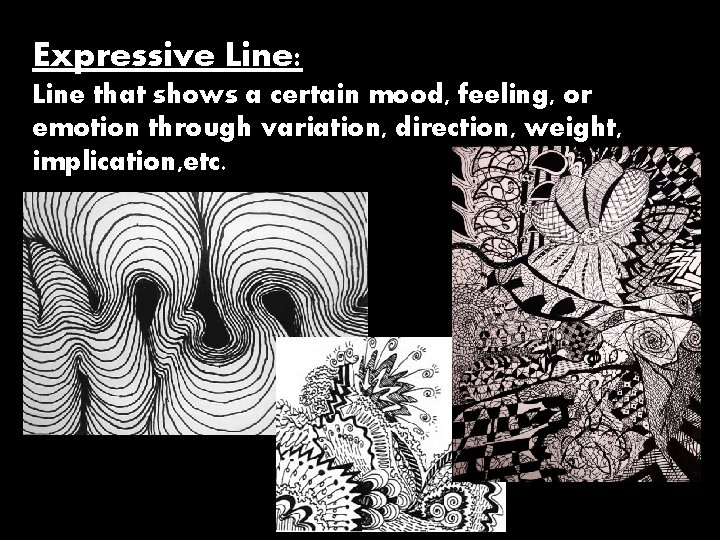
Expressive Line: Line that shows a certain mood, feeling, or emotion through variation, direction, weight, implication, etc.
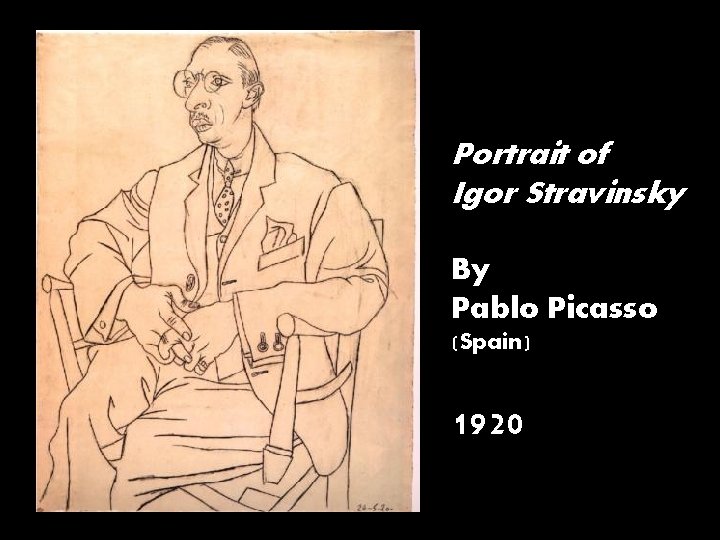
Portrait of Igor Stravinsky By Pablo Picasso (Spain) 1920
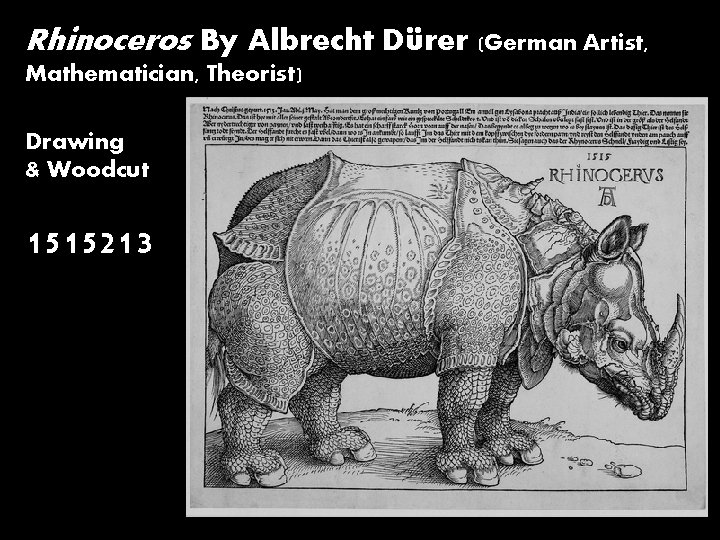
Rhinoceros By Albrecht Dürer (German Artist, Mathematician, Theorist) Drawing & Woodcut 1515213
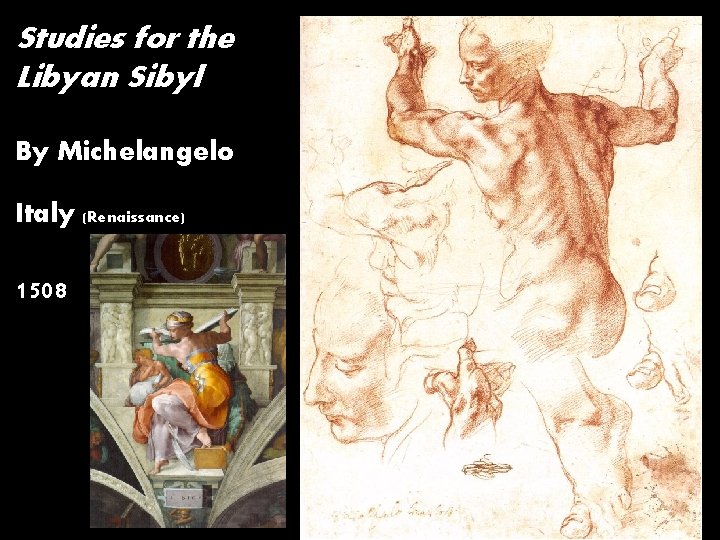
Studies for the Libyan Sibyl By Michelangelo Italy (Renaissance) 1508
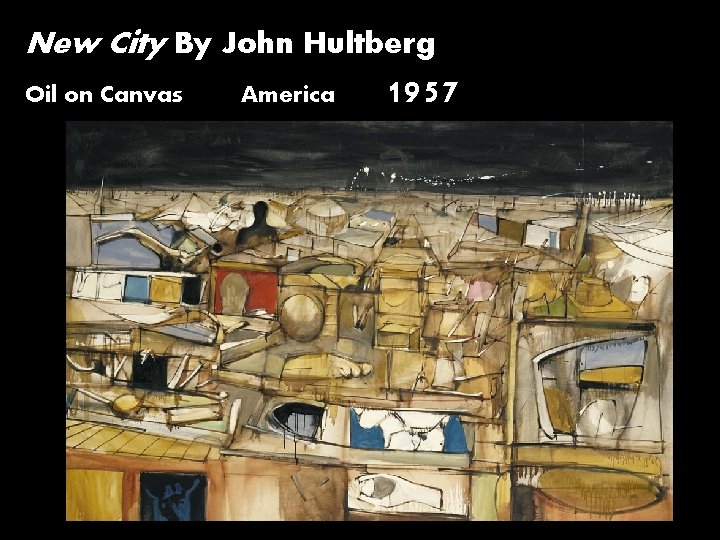
New City By John Hultberg Oil on Canvas America 1957
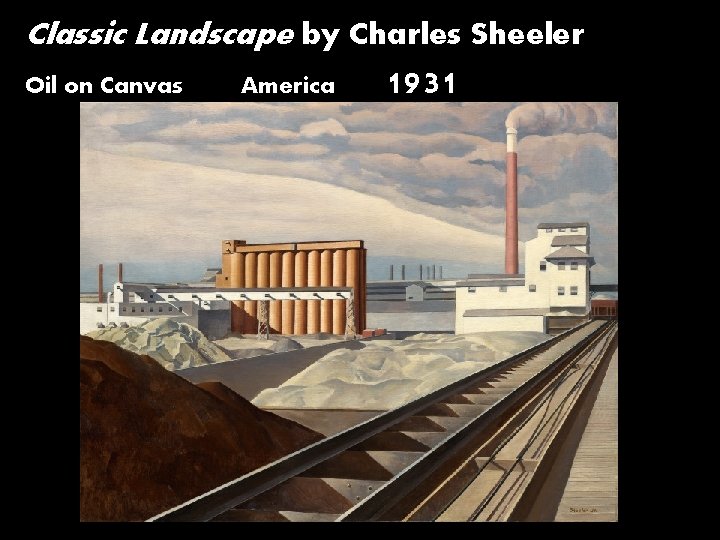
Classic Landscape by Charles Sheeler Oil on Canvas America 1931
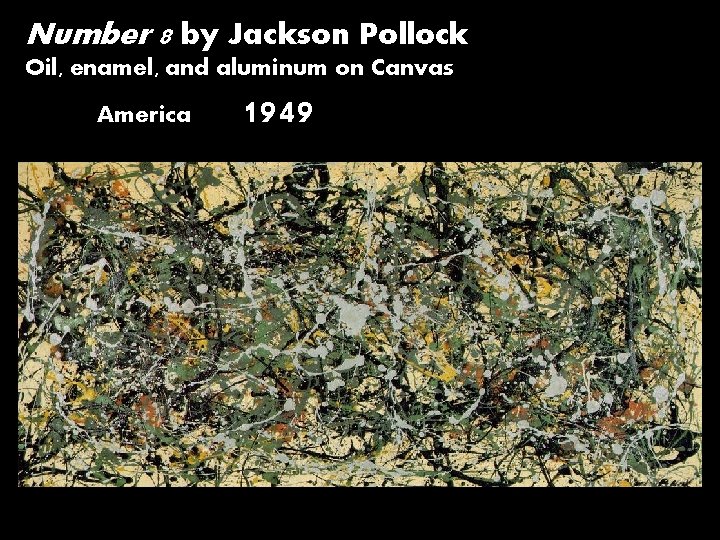
Number 8 by Jackson Pollock Oil, enamel, and aluminum on Canvas America 1949
Art History Questions (Write these questions and answers in your sketchbook): 1. 2. 3. 4. 5. 6. Where do you see implied line? How is the implied line working? Where do you see different line weight? Where is the heaviest line weight, and why is it there? What other types of line do you see? Where, and how? Where do you see movement? Where does it start, where does it go, and where does it end? What kind of mood or emotion do you get from this image? Why do you think that you get this reaction from this piece? Individual Question: Which of these artworks is your favorite, and why?
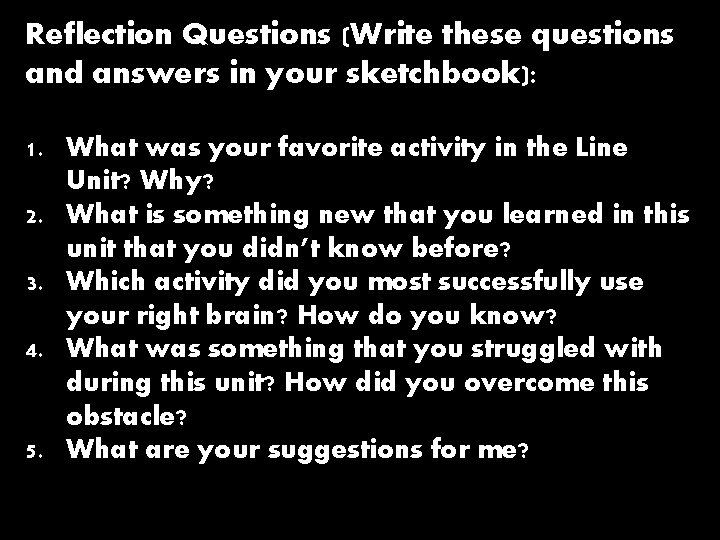
Reflection Questions (Write these questions and answers in your sketchbook): 1. What was your favorite activity in the Line Unit? Why? 2. What is something new that you learned in this unit that you didn’t know before? 3. Which activity did you most successfully use your right brain? How do you know? 4. What was something that you struggled with during this unit? How did you overcome this obstacle? 5. What are your suggestions for me?
Line Unit Activities Left Brain vs. Right Brain Drawing Symbols vs. Drawing from Observation Contour Blind Contour Drawing Expressive Line Direction & Variation Implied Line Weight Ellipses Cross-Contour 2 -Point Perspective Facial Proportions Gesture Drawing How line is used by various artists