
Liminal Spaces in Central and South Asia Ajanta
- Slides: 51
Liminal Spaces in Central and South Asia
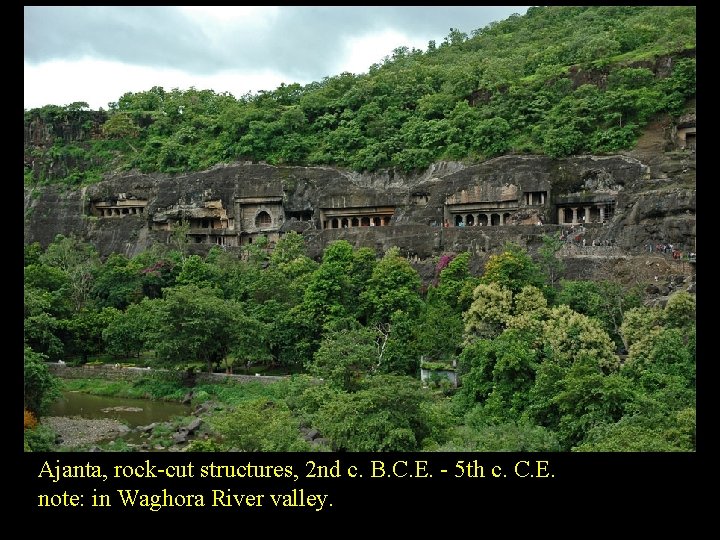
Ajanta, rock-cut structures, 2 nd c. B. C. E. - 5 th c. C. E. note: in Waghora River valley.
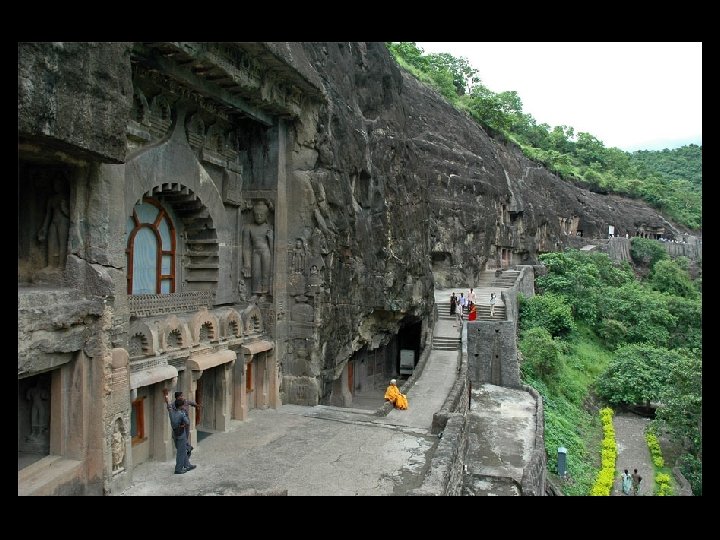
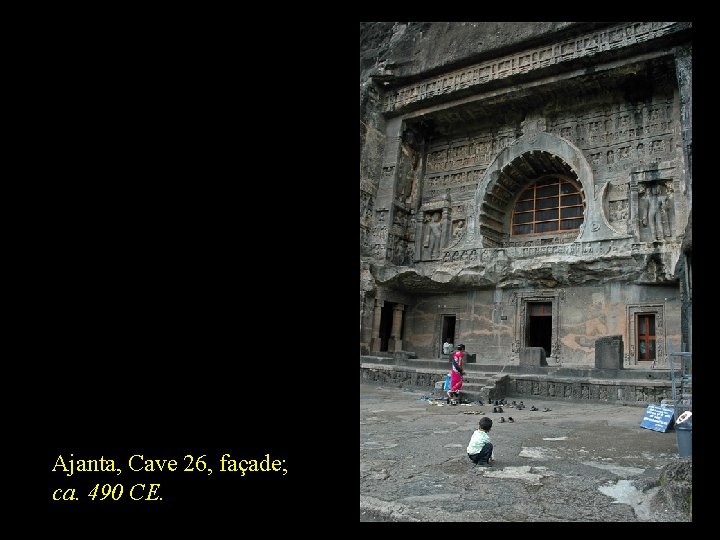
Ajanta, Cave 26, façade; ca. 490 CE.
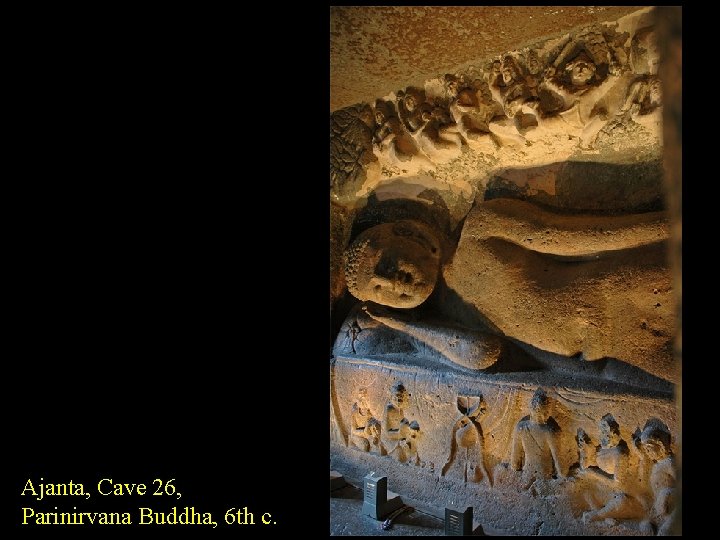
Ajanta, Cave 26, Parinirvana Buddha, 6 th c.
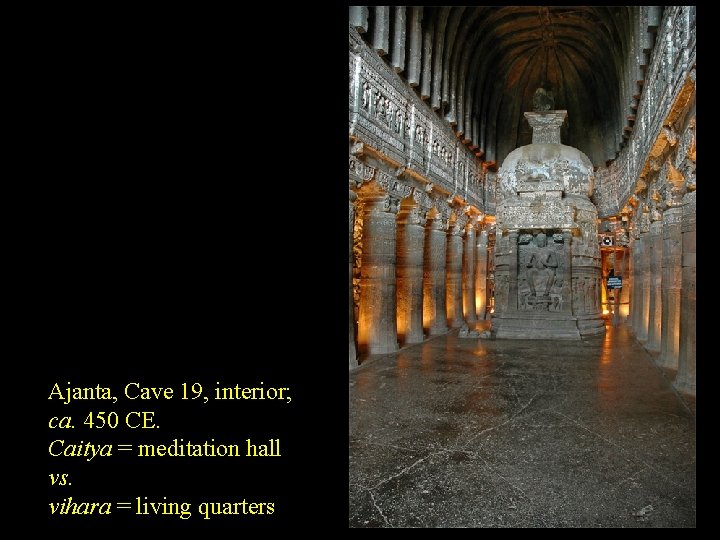
Ajanta, Cave 19, interior; ca. 450 CE. Caitya = meditation hall vs. vihara = living quarters
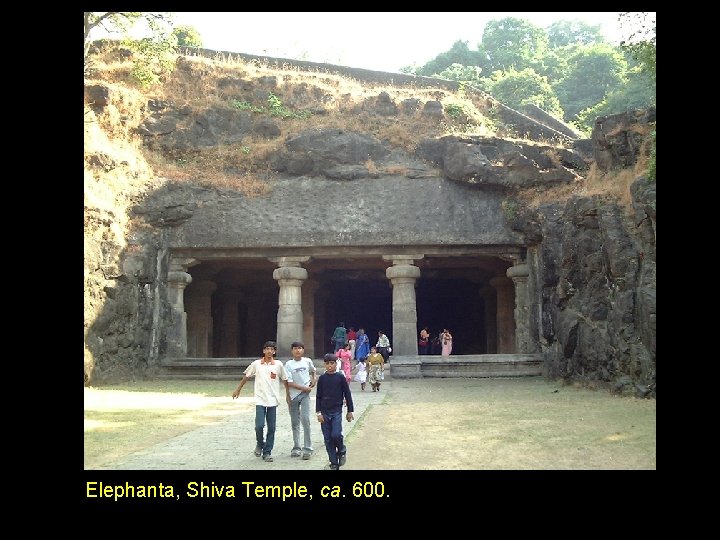
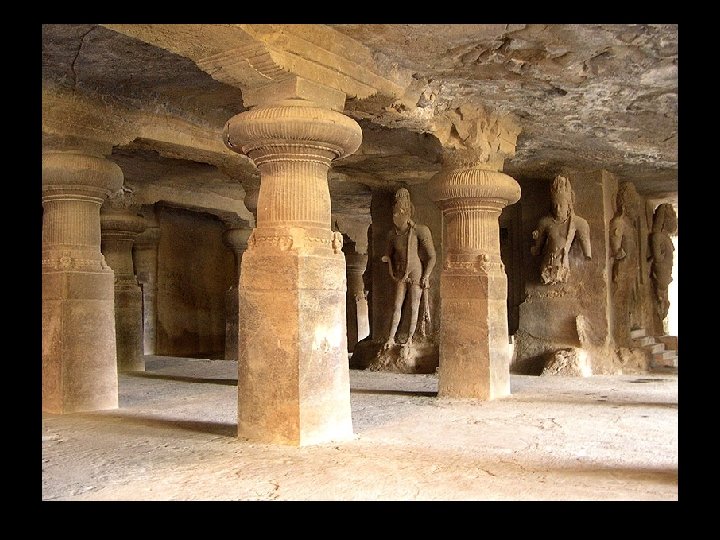
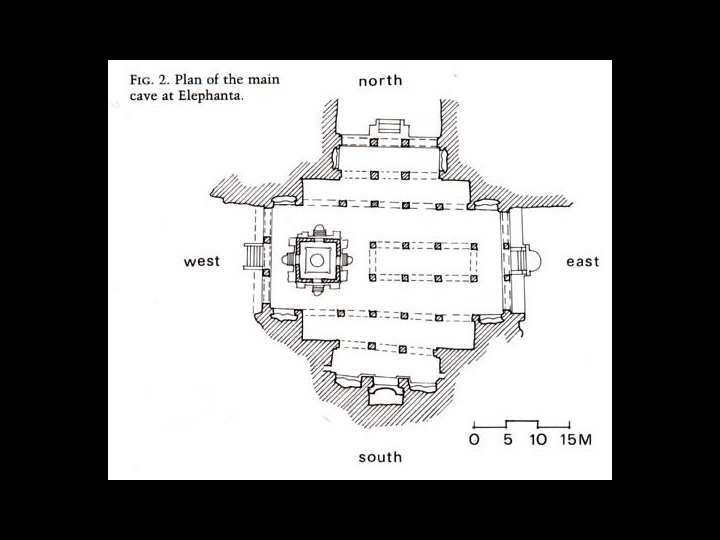
Elephanta, Shiva Temple, ca. 600.
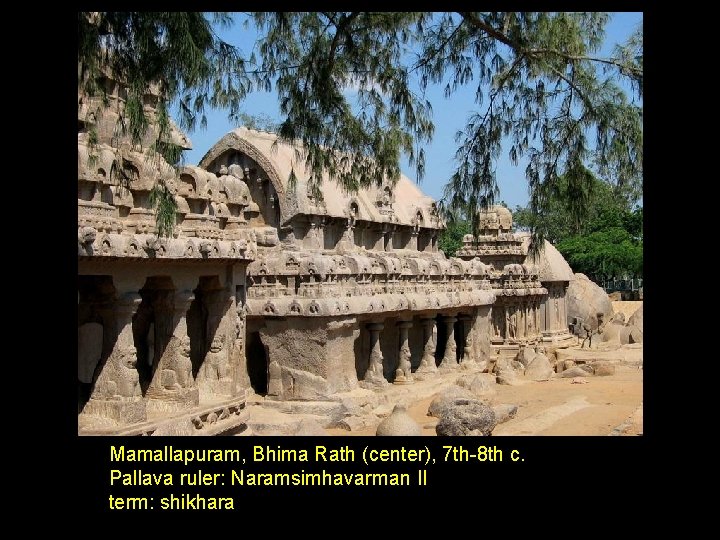
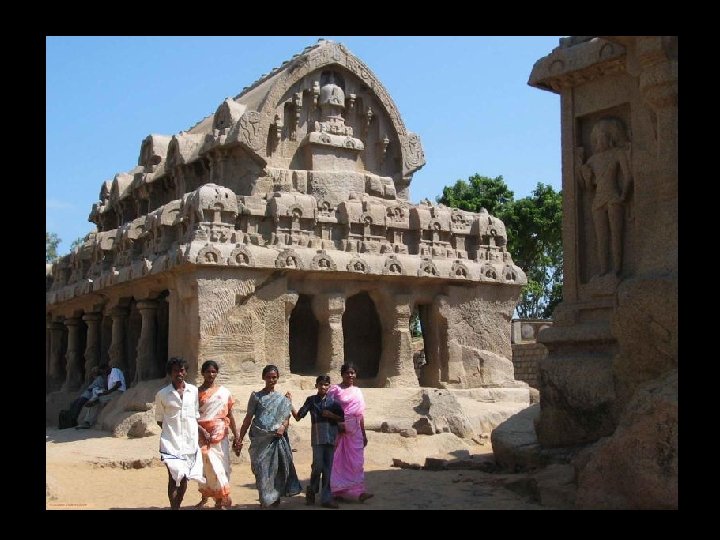
Mamallapuram, Bhima Rath (center), 7 th-8 th c. Pallava ruler: Naramsimhavarman II term: shikhara
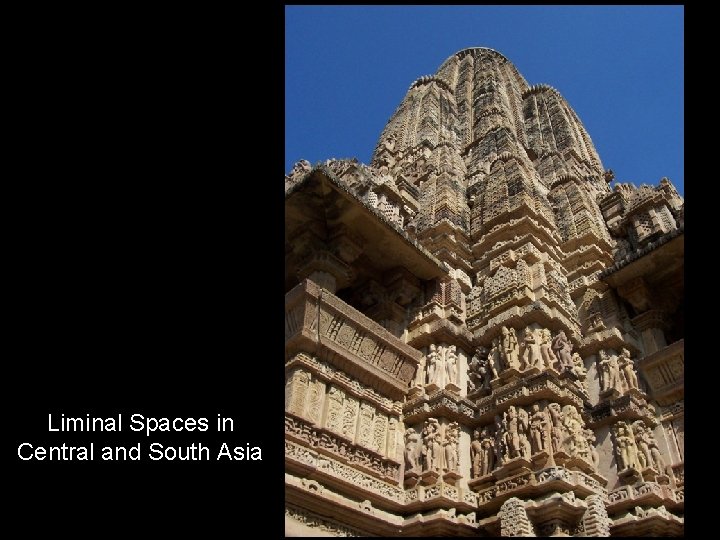
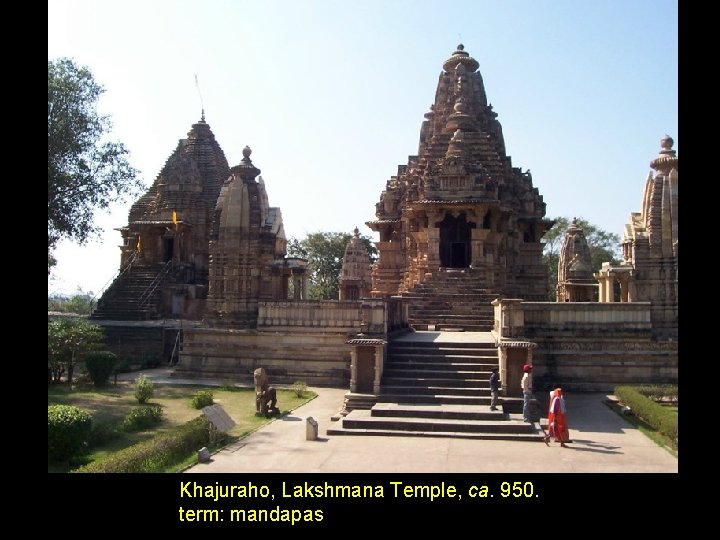
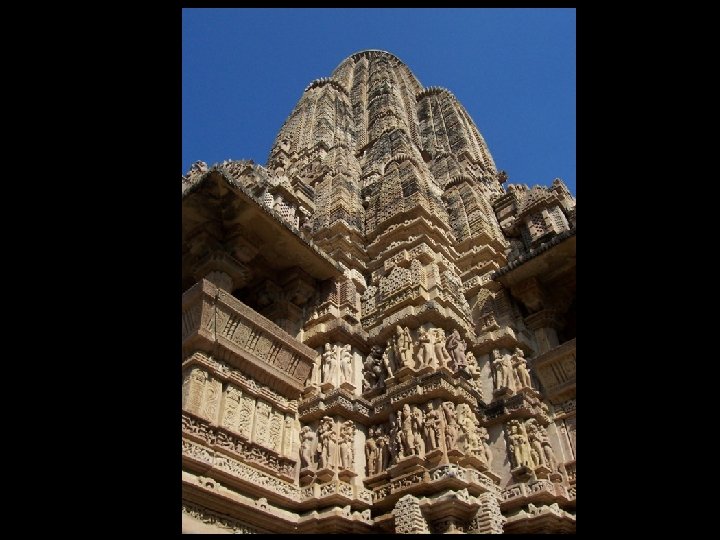
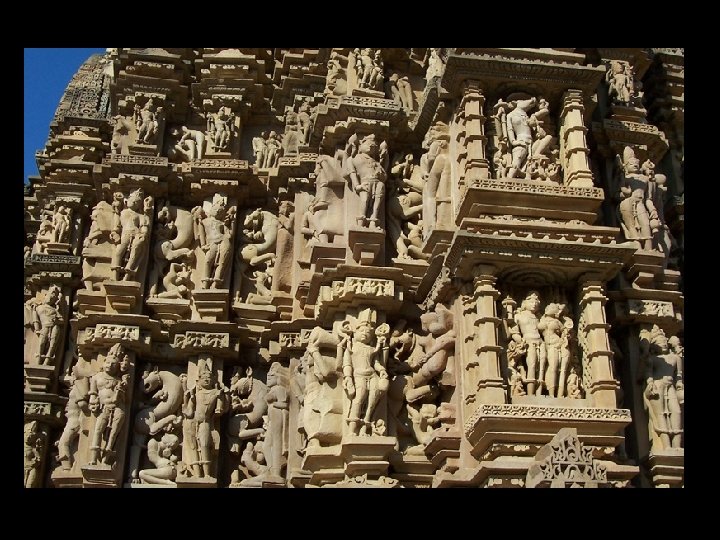
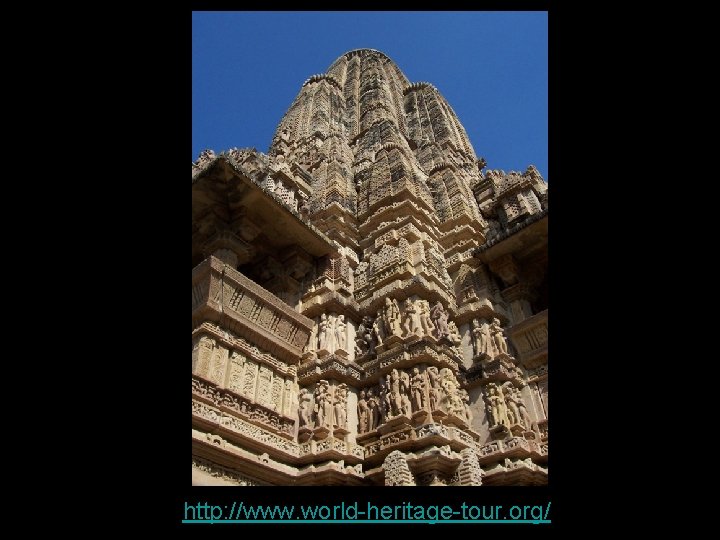
Khajuraho, Lakshmana Temple, ca. 950. term: mandapas
http: //www. world-heritage-tour. org/
Space, place, cosmos, and scale: some design principles in early Chinese design
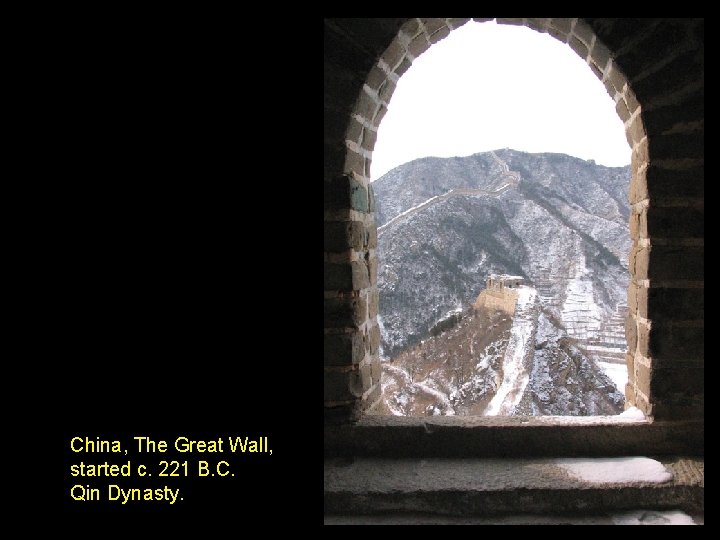
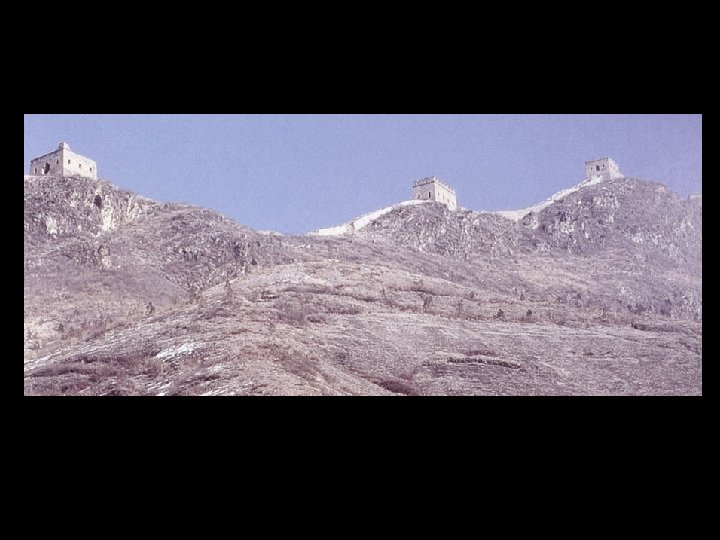
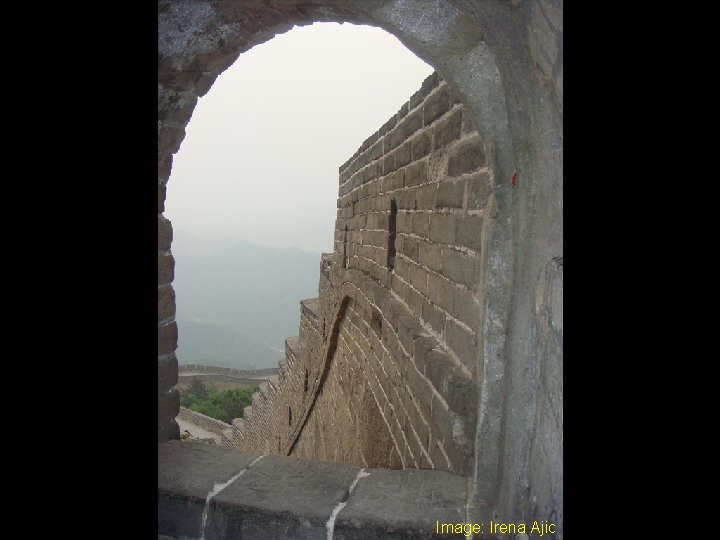
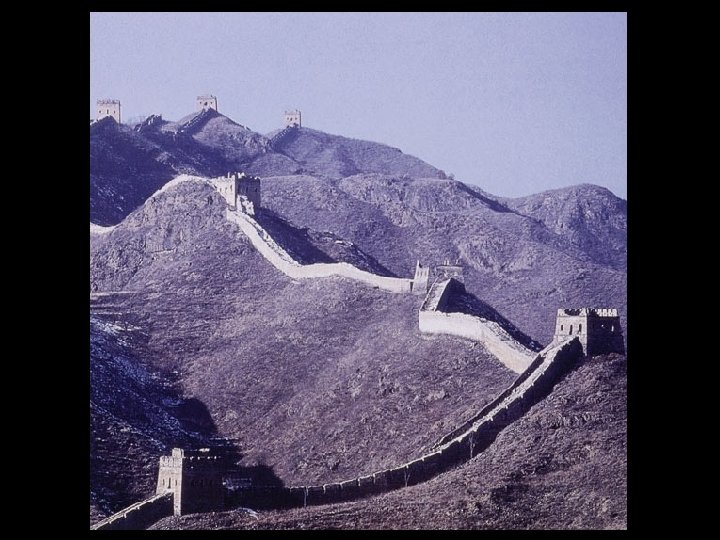
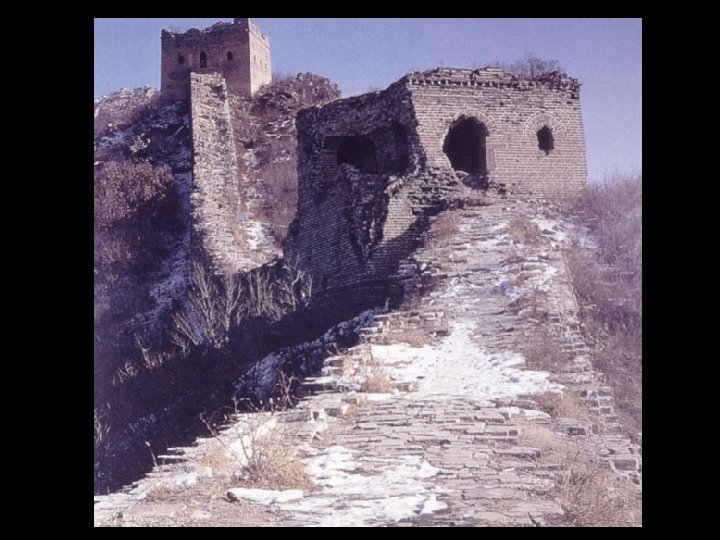
China, The Great Wall, started c. 221 B. C. Qin Dynasty.
Image: Irena Ajic
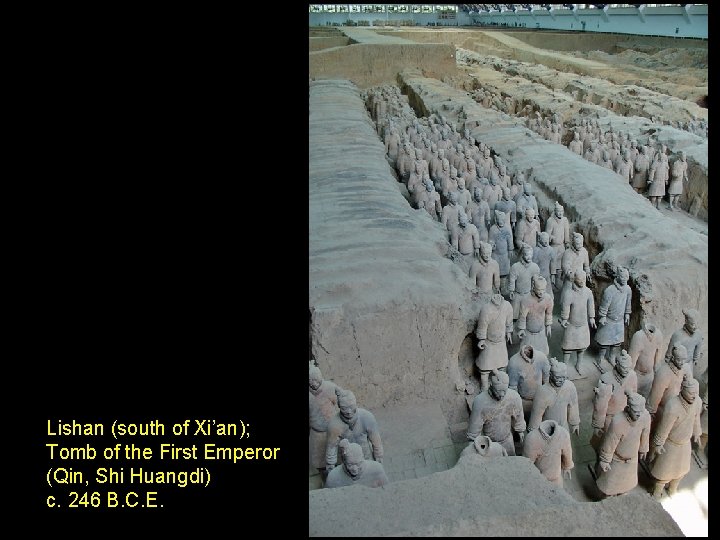
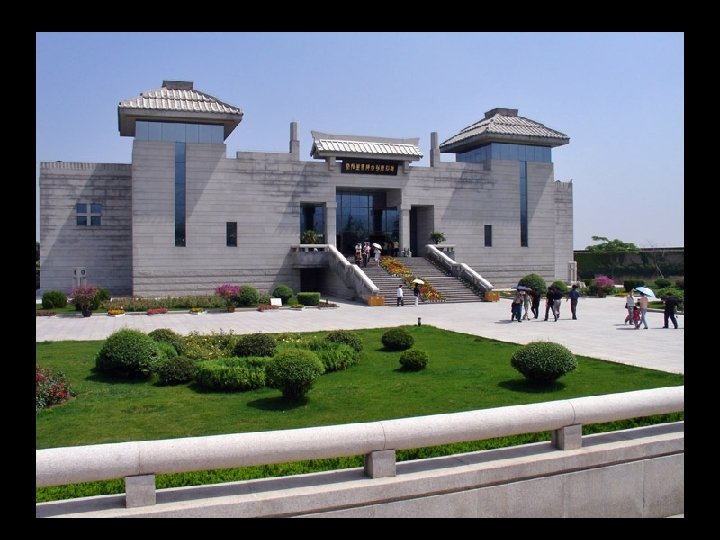
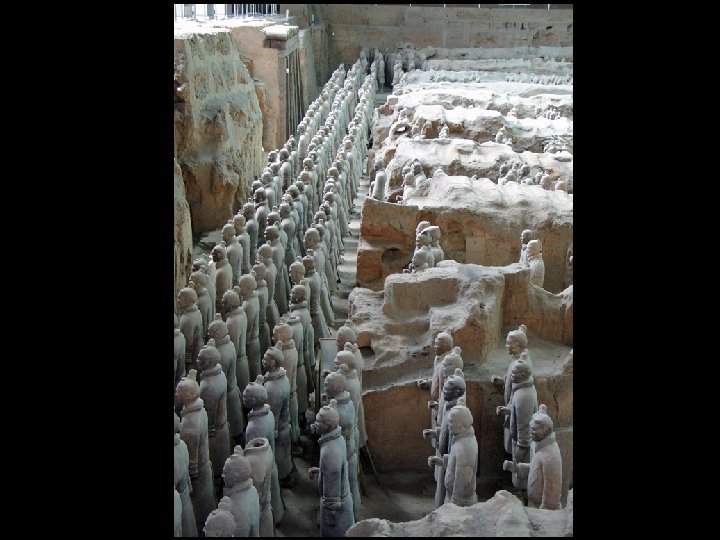
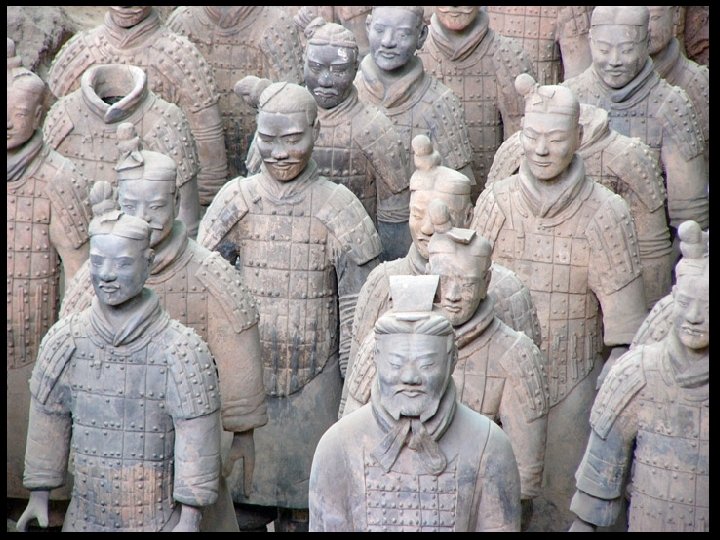
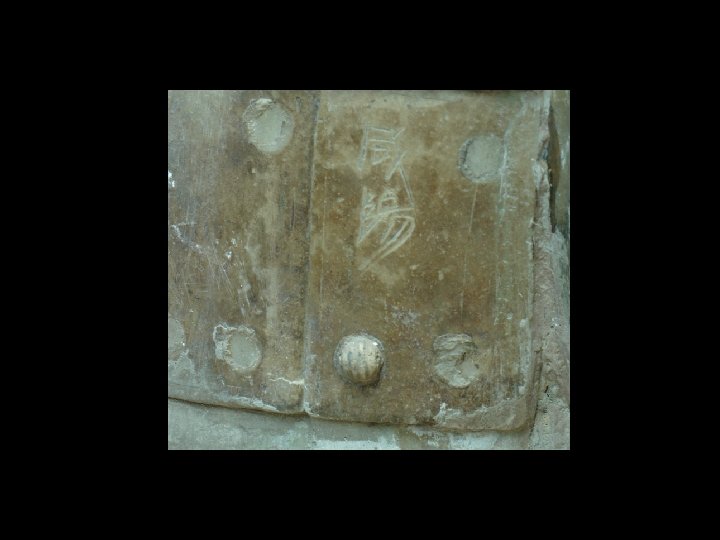
Lishan (south of Xi’an); Tomb of the First Emperor (Qin, Shi Huangdi) c. 246 B. C. E.
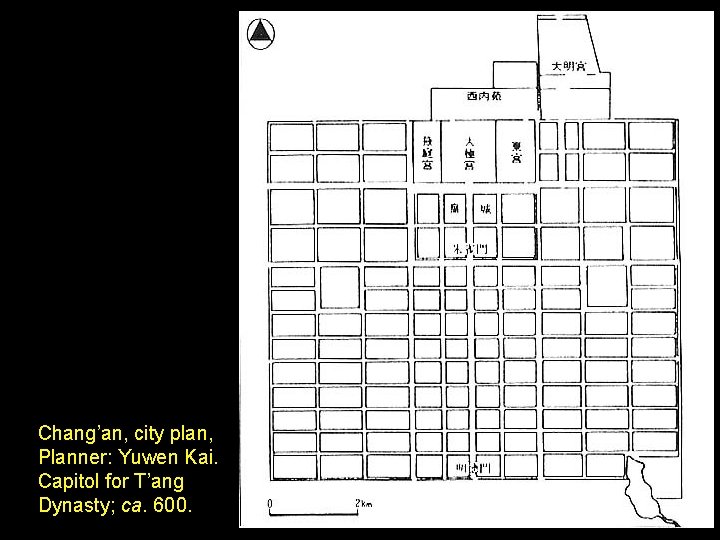
Chang’an, city plan, Planner: Yuwen Kai. Capitol for T’ang Dynasty; ca. 600.
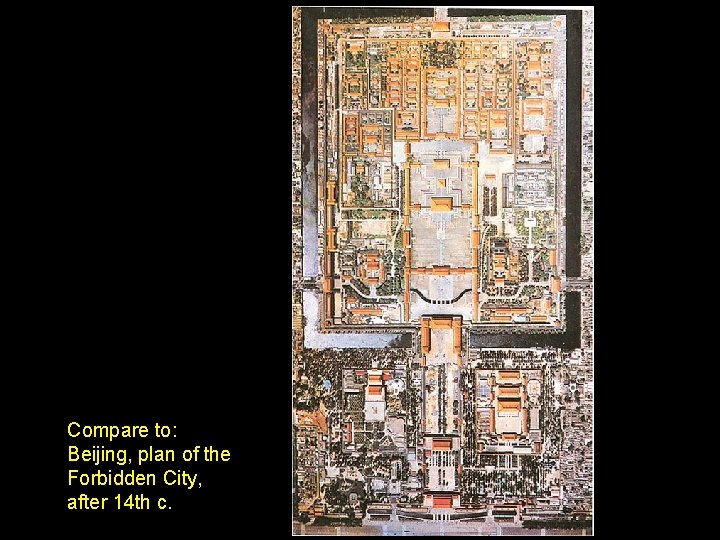
Compare to: Beijing, plan of the Forbidden City, after 14 th c.
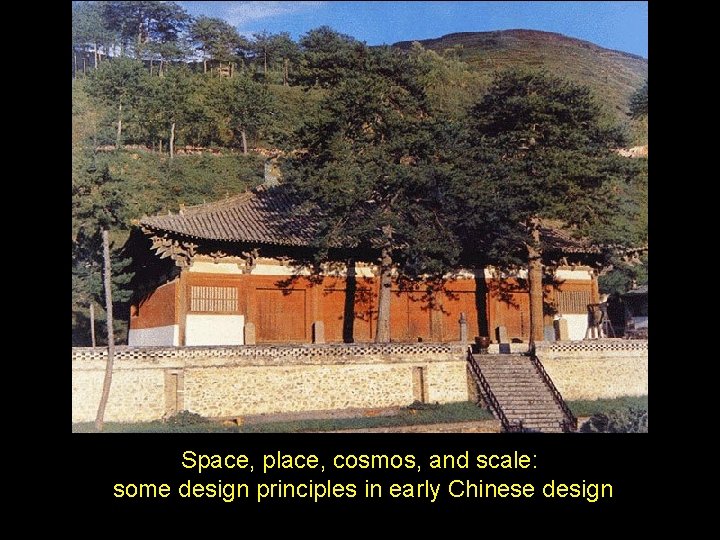
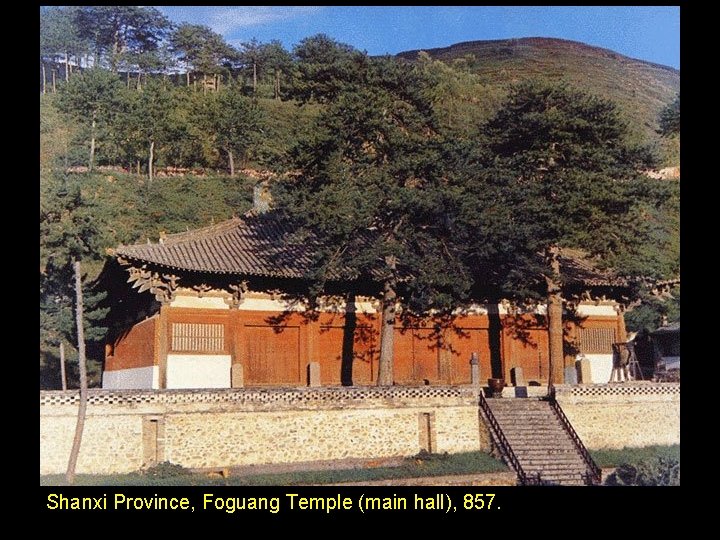
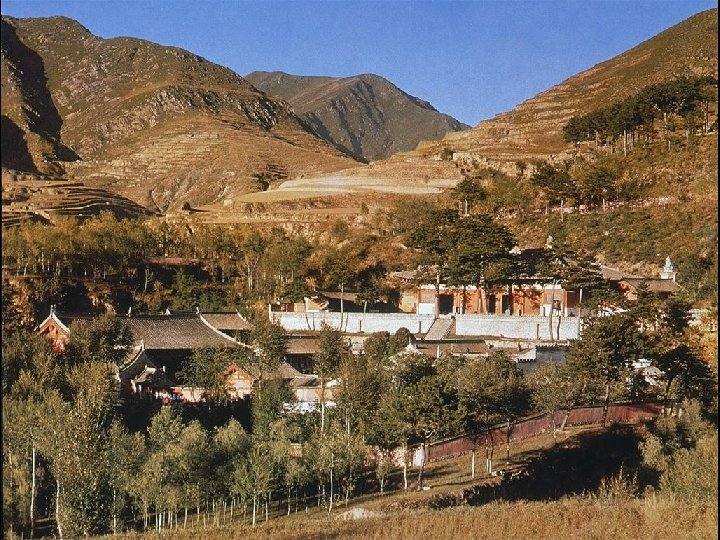
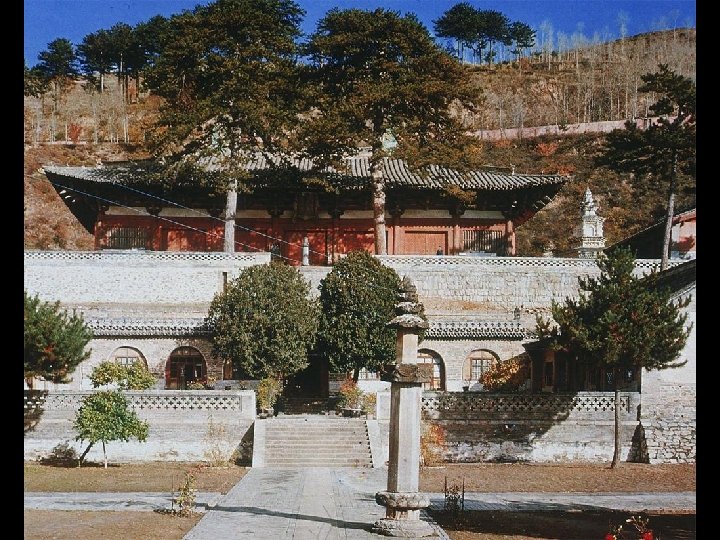
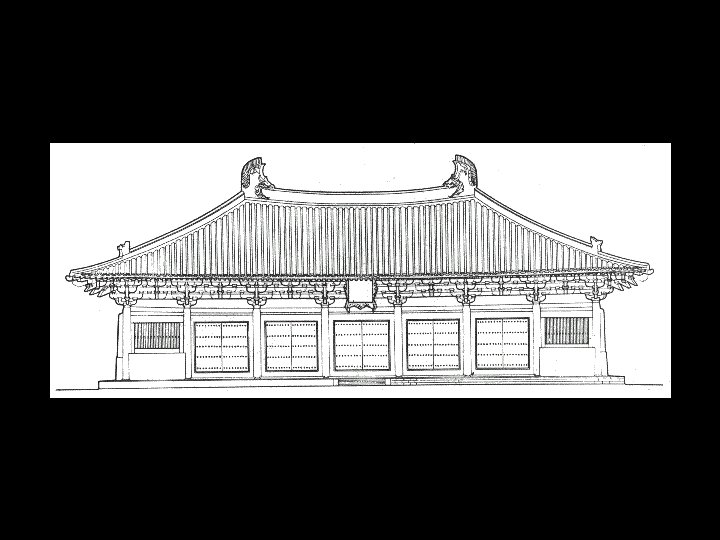
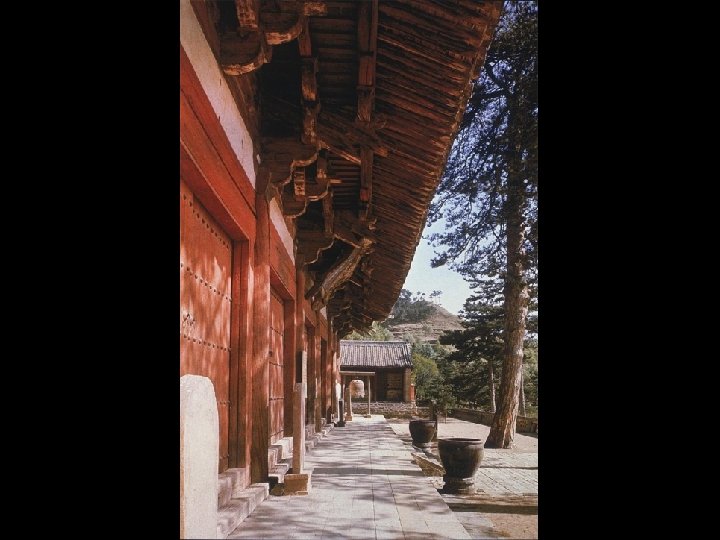
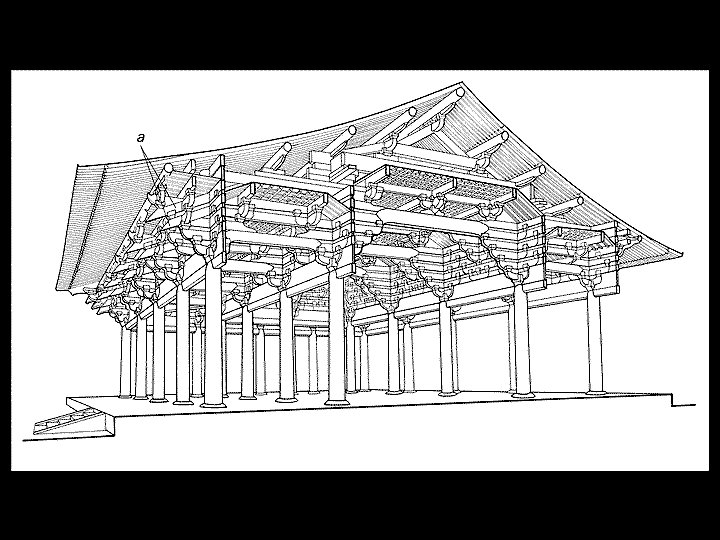
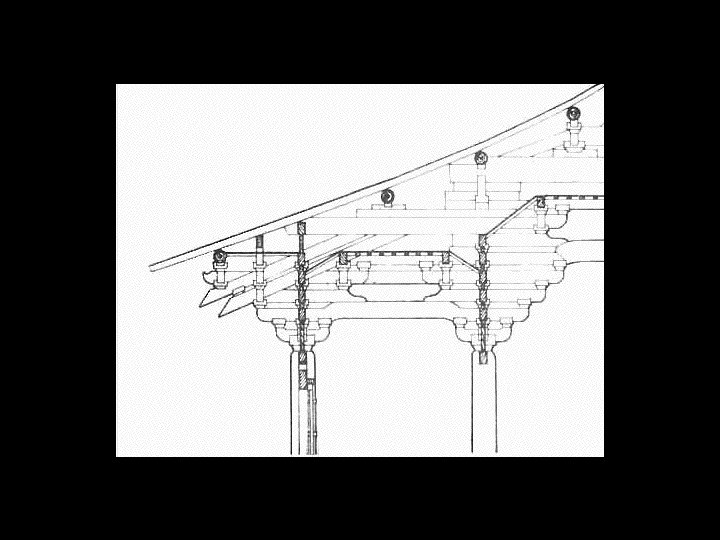
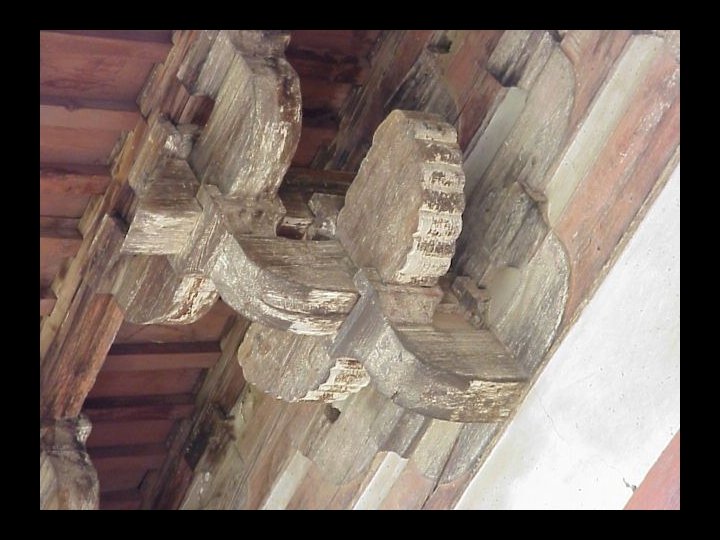
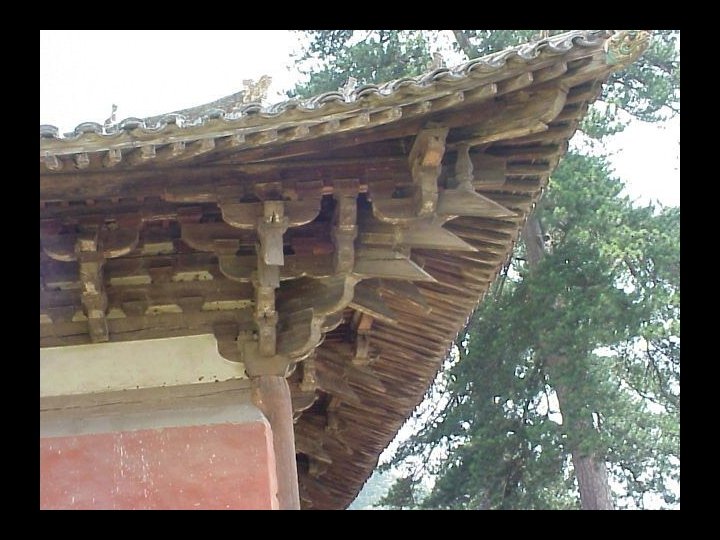
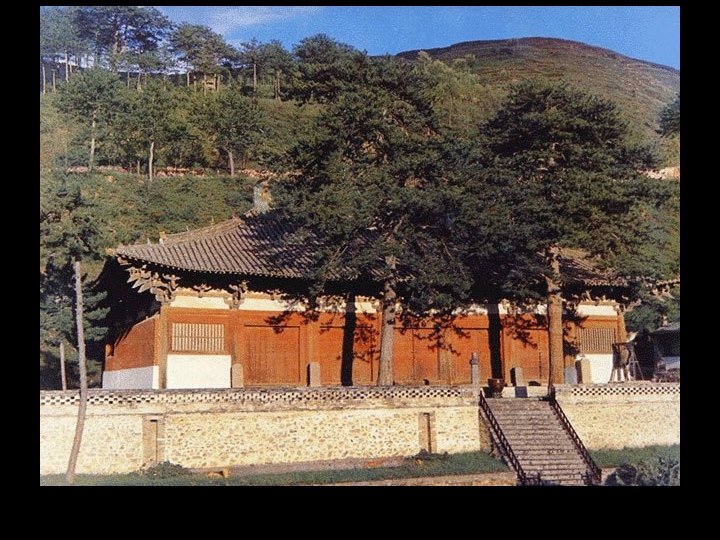
Shanxi Province, Foguang Temple (main hall), 857.
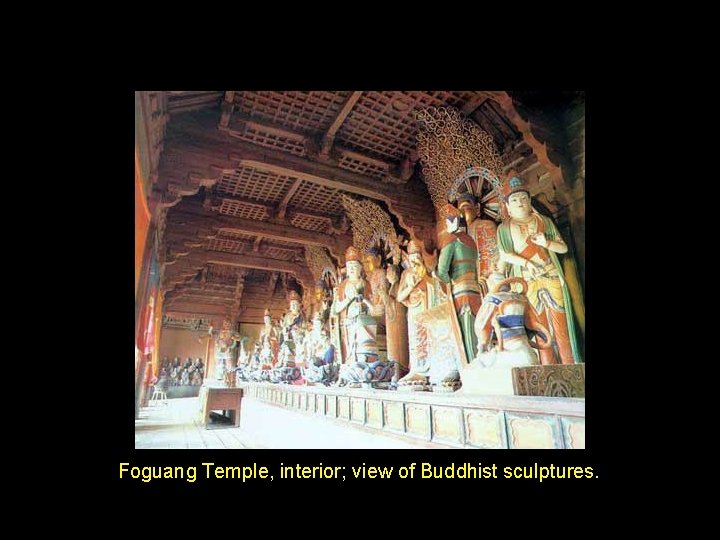
Foguang Temple, interior; view of Buddhist sculptures.
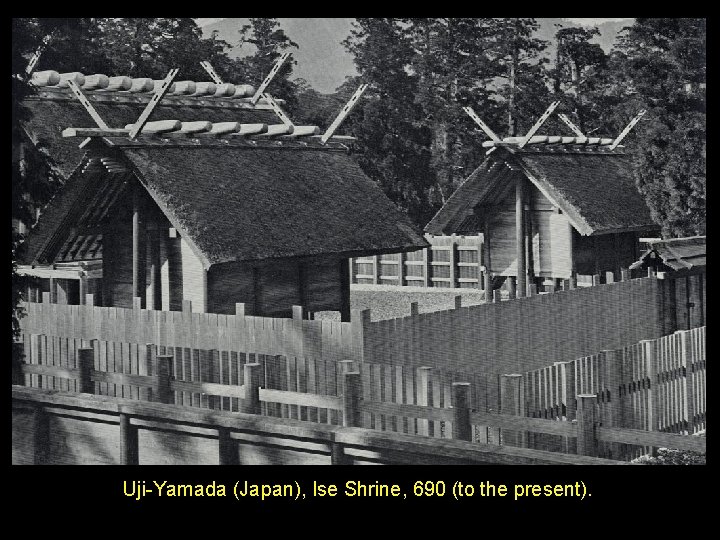
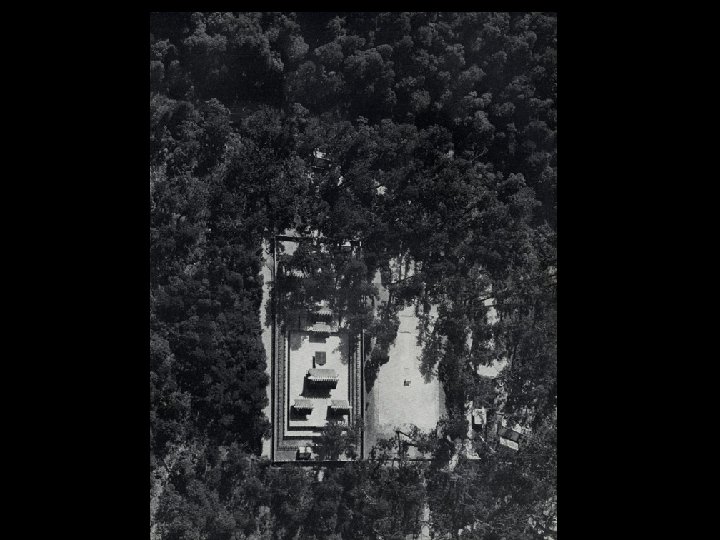
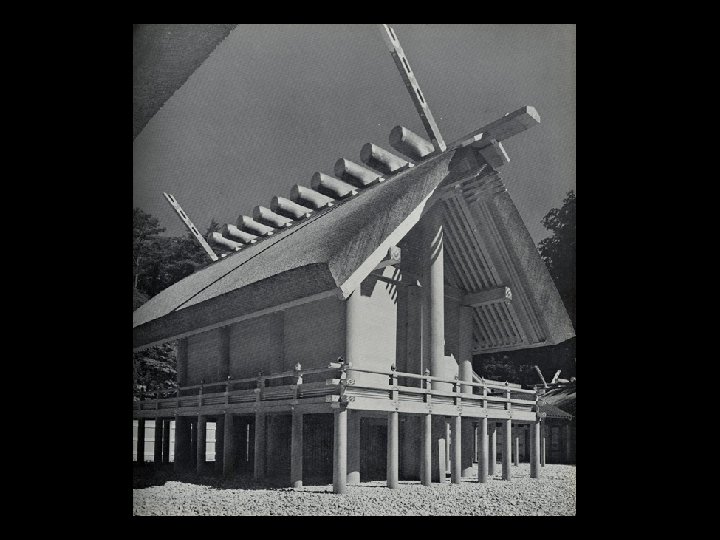
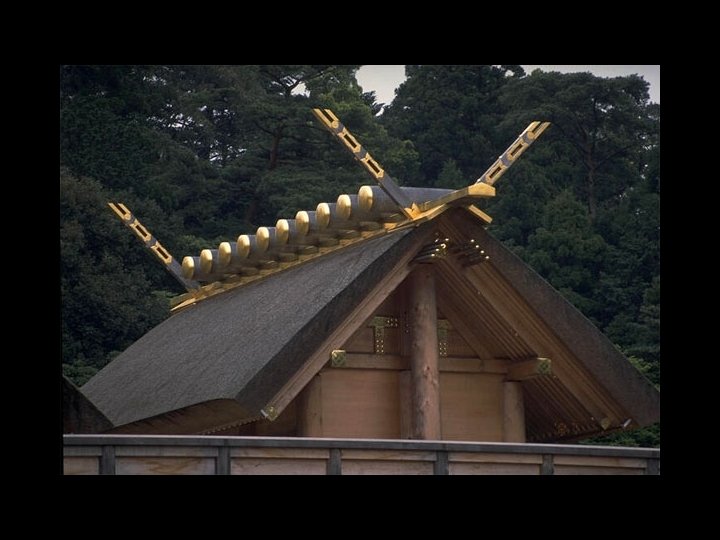
Uji-Yamada (Japan), Ise Shrine, 690 (to the present).
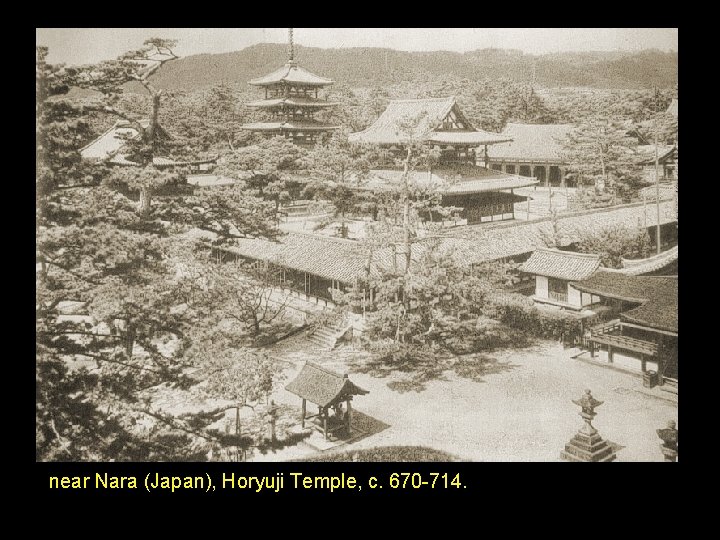
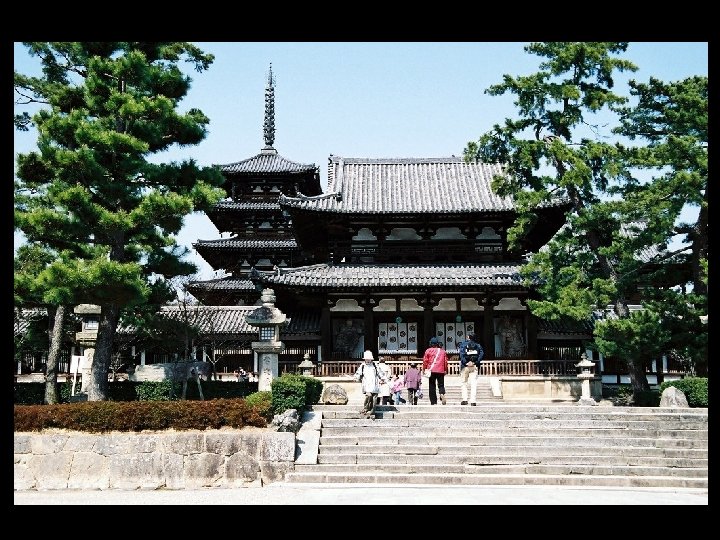
near Nara (Japan), Horyuji Temple, c. 670 -714.
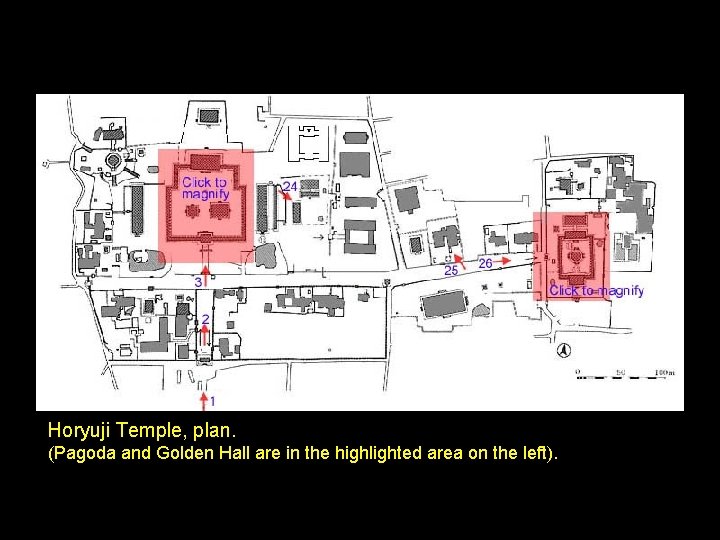
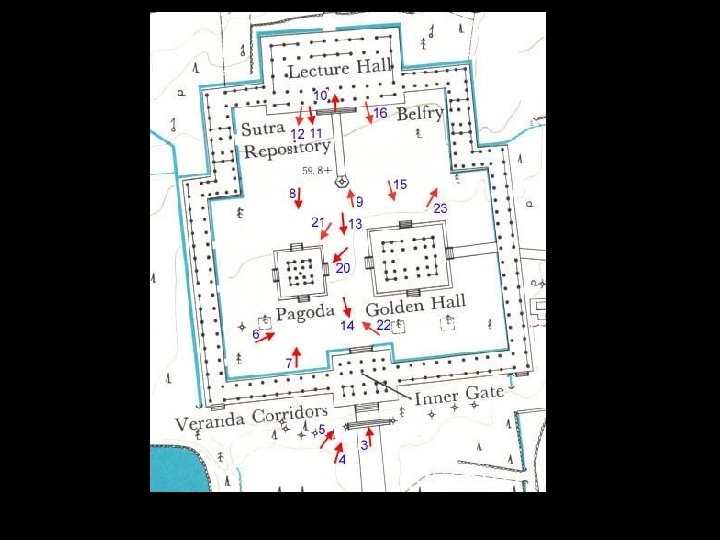
Horyuji Temple, plan. (Pagoda and Golden Hall are in the highlighted area on the left).
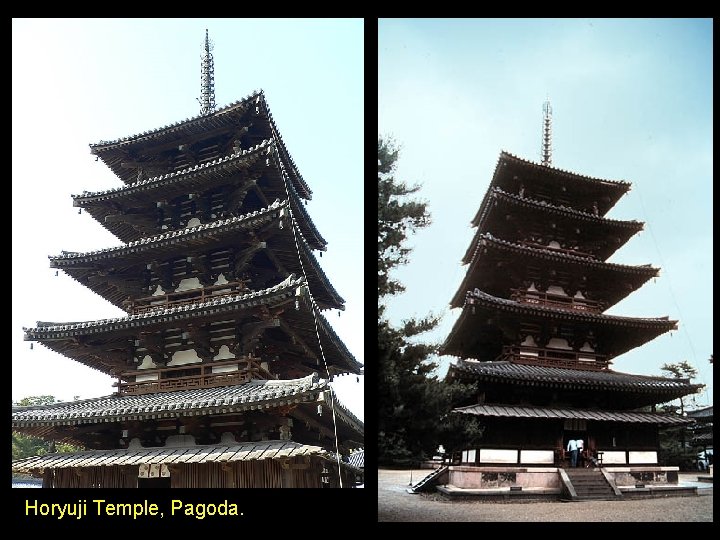
Horyuji Temple, Pagoda.
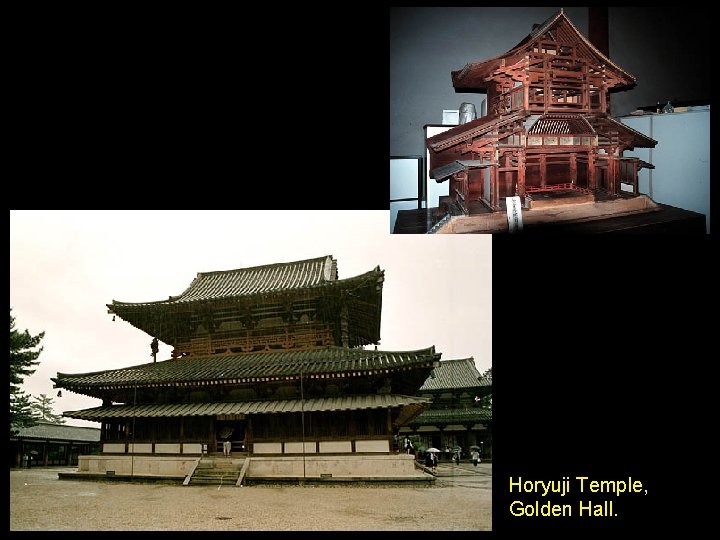
Horyuji Temple, Golden Hall.