
LIMBIC SYSTEM 182022 1 Outline objectives Introduction Anatomy
LIMBIC SYSTEM 1/8/2022 1
Outline/ objectives ØIntroduction ØAnatomy, physiology of the limbic system ØStructures of Limbic system ØFunctions of structures ØRelated problems 1/8/2022 2
1/8/2022 3
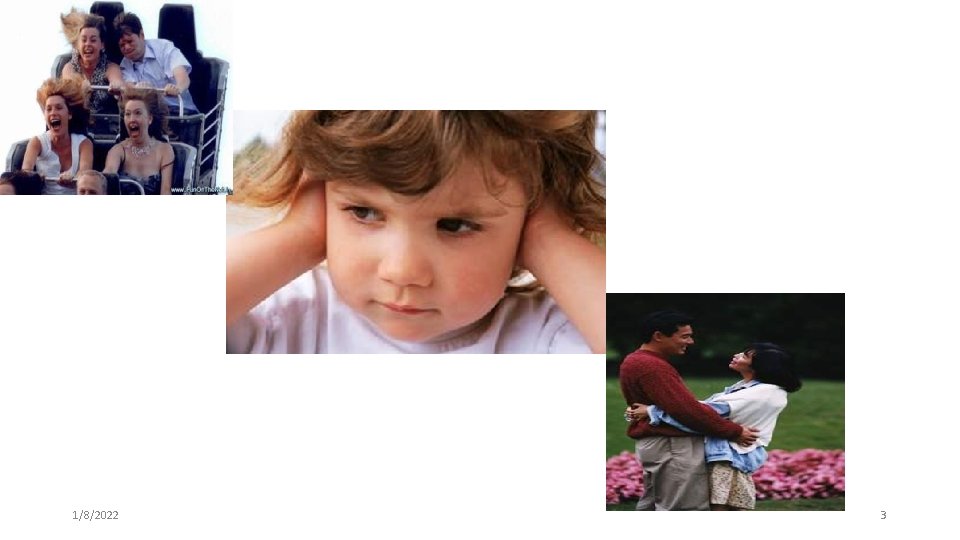
• Your limbic system is one of the most essential parts of the brain that help you live your daily life. The primary structures of the brain involved work together to enable us • to be active in society, • engage in social relationships, • and be a well-rounded person. 1/8/2022 4
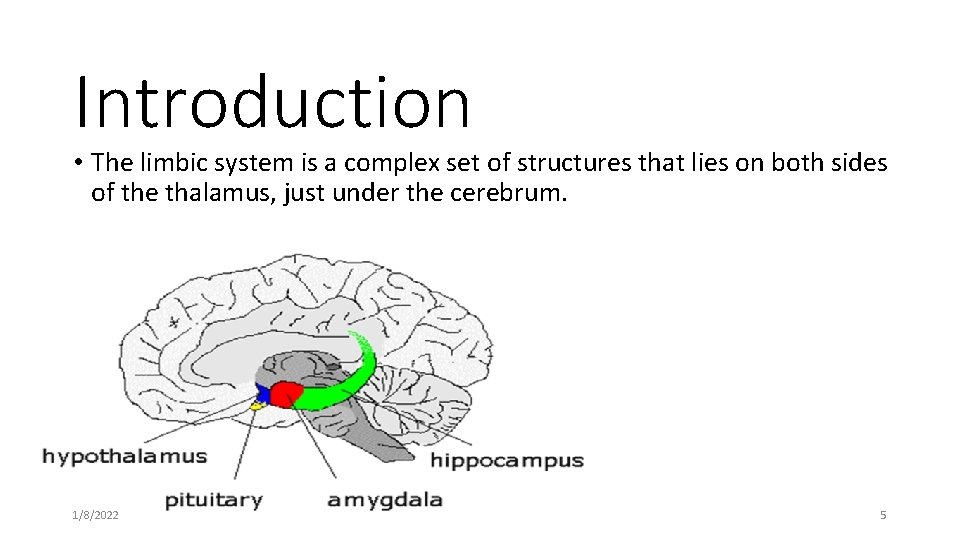
Introduction • The limbic system is a complex set of structures that lies on both sides of the thalamus, just under the cerebrum. 1/8/2022 5
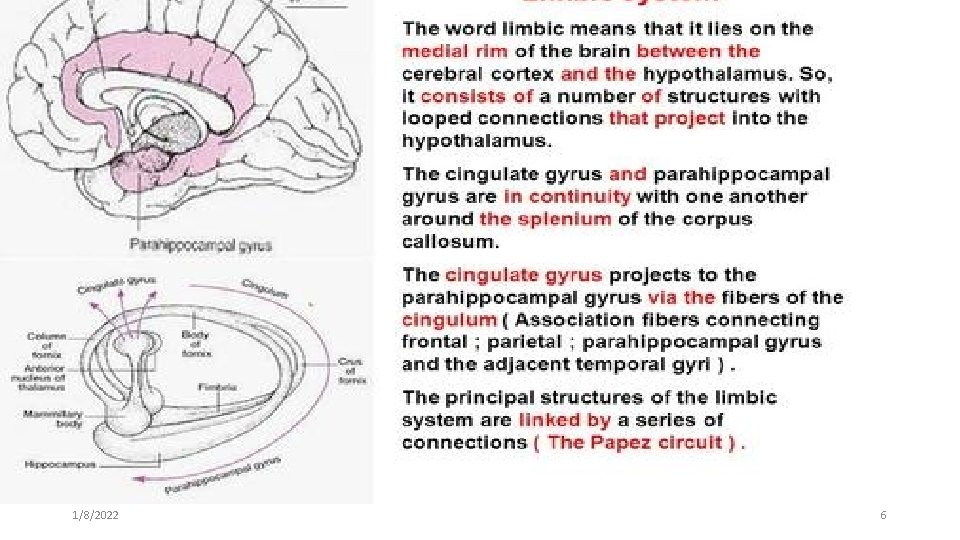
1/8/2022 6
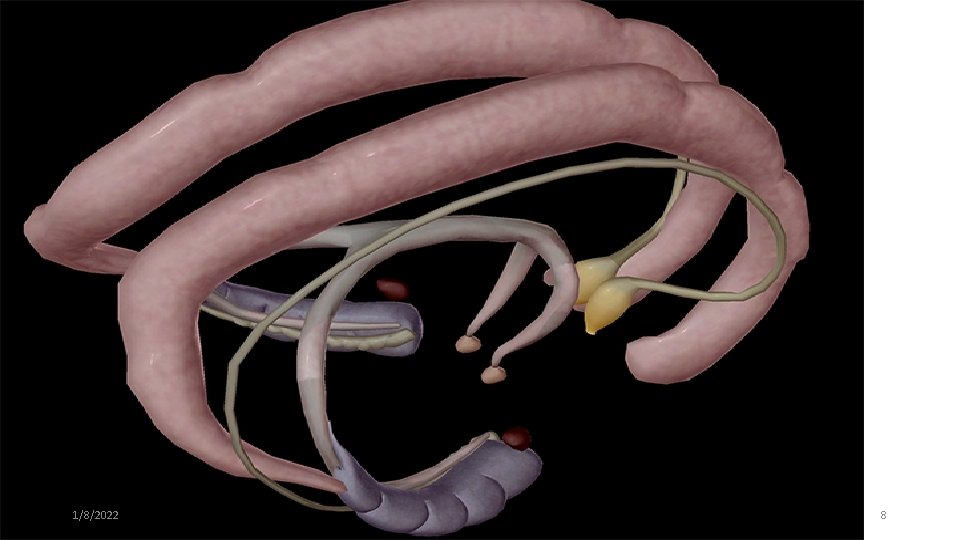
Structures of Limbic system • When one speaks aloud about the limbic system, it sounds as though they consider it to be a single structure. That's simply not true. While there’s some debate in the scientific community about which structures are part of the limbic system, • The structures of the limbic system are considered based on the brain areas where they are found. 1/8/2022 7
1/8/2022 8
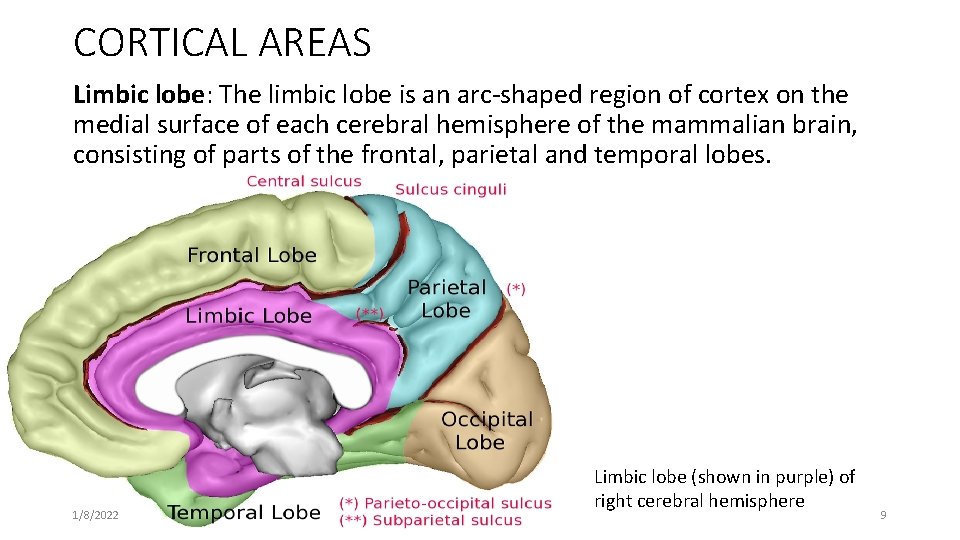
CORTICAL AREAS Limbic lobe: The limbic lobe is an arc-shaped region of cortex on the medial surface of each cerebral hemisphere of the mammalian brain, consisting of parts of the frontal, parietal and temporal lobes. 1/8/2022 Limbic lobe (shown in purple) of right cerebral hemisphere 9
ØEver been so excited about something that your arms flail around, or so angry that your hands clench into fists? The cingulate gyrus, a large arch-shaped structure, plays a role in expressing emotions through gestures. ØConventionally, the limbic lobe includes • cingulate gyrus, • subcallosal cortex, • parahippocampal gyrus 1/8/2022 10
1/8/2022 11

• Orbitofrontal cortex ØThe orbitofrontal cortex (OFC) is a prefrontal cortex region in the frontal lobes in the brain which is involved in the cognitive processing of decisionmaking. In non-human primates it consists of the association cortex areas Brodmann area 11, 12 and 13; in humans it consists of Brodmann area 10, 11 and 47. 1/8/2022 12

ØPiriform cortex • The piriform cortex, or pyriform cortex, is a region in the brain, part of the rhinencephalon situated in the cerebrum. The function of the piriform cortex relates to the sense of smell. ØThe entorhinal cortex (EC) • The entorhinal cortex (Brodman area 28) derives its name from the fact that it is partially enclosed by the rhinal (olfactory) sulcus. 1/8/2022 13
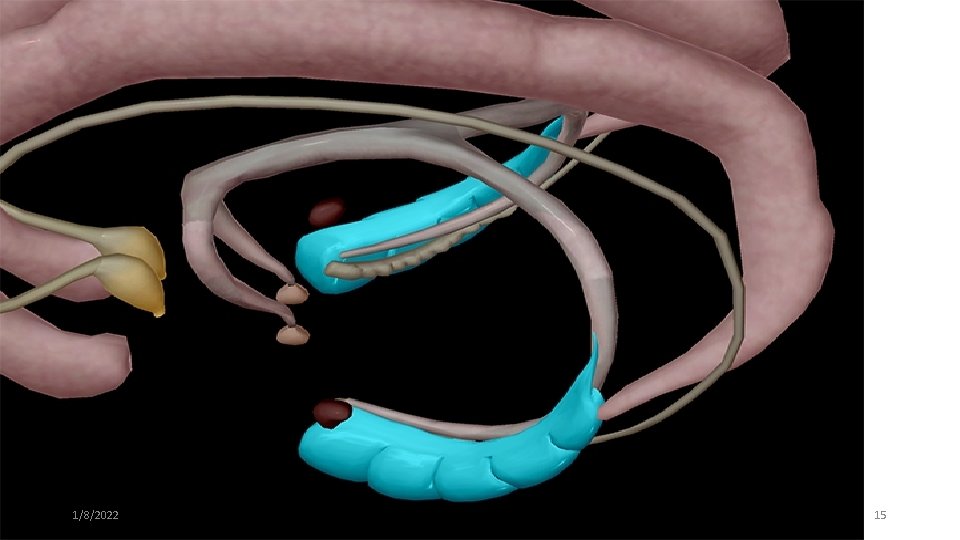
• Hippocampus aka Memory Consolidator • The actual anatomical structure is named for its resemblance to the curved tail of the seahorse-like creature. The hippocampus is found in the medial temporal lobe and consists mostly of gray matter. Not very pretty for a memory-forming center, all things considered. • It located under the cerebral cortex in humans and its forms an important part of limbic system. • Memories aren’t stored in the hippocampus, but rather cognitive and sensory experiences are organized into a unified, long-term memory. 1/8/2022 14
1/8/2022 15
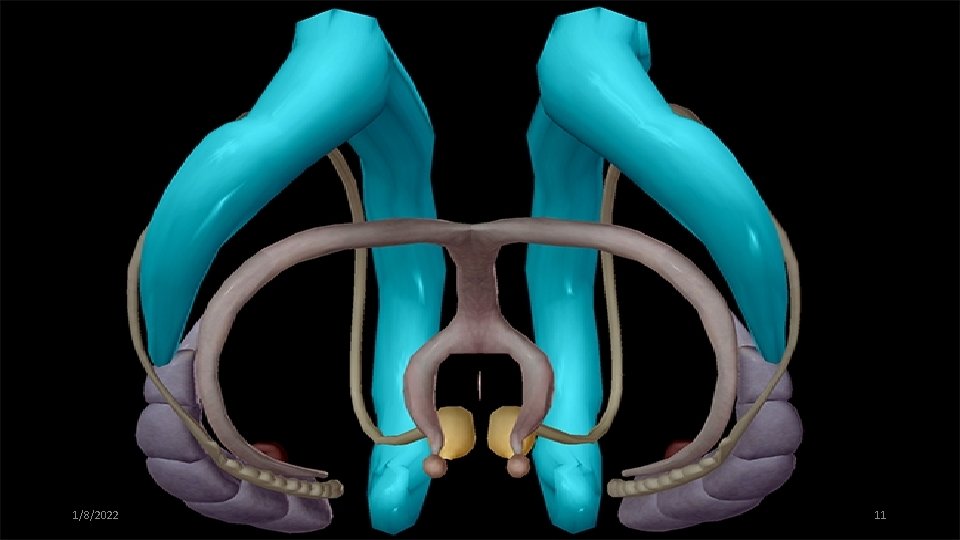
The fornix • The fornix is a C-shaped bundle of fibrous commissural fibers (axons) that extends from the hippocampus to the mammillary bodies of the hypothalamus, the anterior nuclei of the thalamus, and forms an arch over the thalamus • The fornix is the main efferent system of the hippocampus and an important part of the limbic system 1/8/2022 16
Amygdala 1/8/2022 17
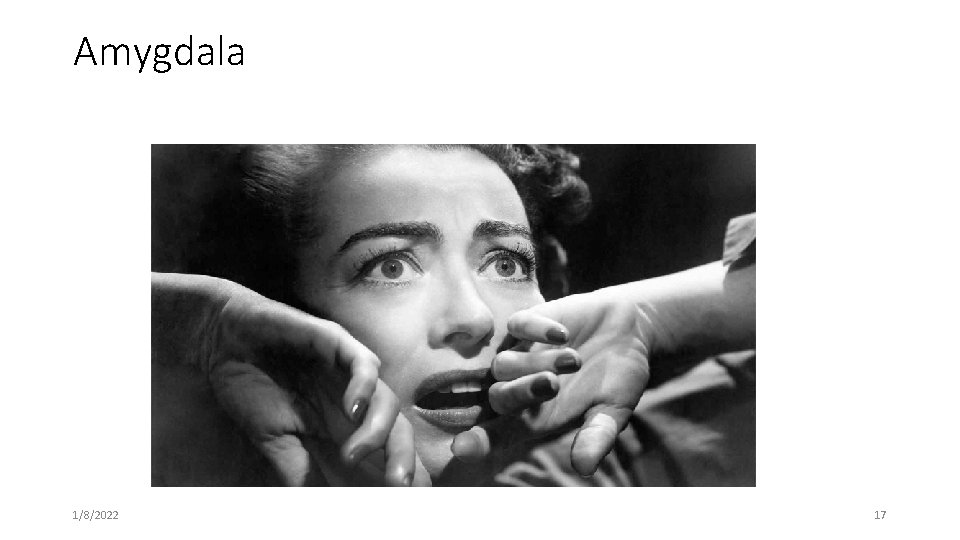
SUBCORTICAL AREA Ø Amygdala • The amygdala is an almond-shaped section of nervous tissue located in the temporal (side) lobe of the brain. • They are thought to be a part of the limbic system within the brain, which plays a key role in processing of emotions and survival instincts. • it is linked to both fear and pleasure • In humans it also plays a role in sexual activity and libido, or sex drive. 1/8/2022 18
• The amygdala is part of the limbic system. It is also heavily involved in processing of facial expression – social cues. • Allows humans to understand interact with • each other. • These functions include recognition of faces and • bodily gestures, evaluation of what another • person is thinking or feeling, prediction of what • that person is about to do next and • communication with the person 1/8/2022 19
• While small, the amygdala has the big job of acting as the link between a stimulus and how you react to that stimulus. • By receiving processed information from the general senses (your eyes, your skin, your tongue, etc. ), it’s able to mediate the proper emotional responses. • For example, I'm allergic to chocolate, so smelling it invokes a response of disgust in me. For others, it would invoke a kinder response. In my friend's case, it would send her into a euphoria. 1/8/2022 20
1/8/2022 21
Ø Septal nuclei (medial olfactory area) • The septal nuclei is not involved in smell rather its considered the pleasure zone of animals. • It plays an important role in reward and reinforcement 1/8/2022 22
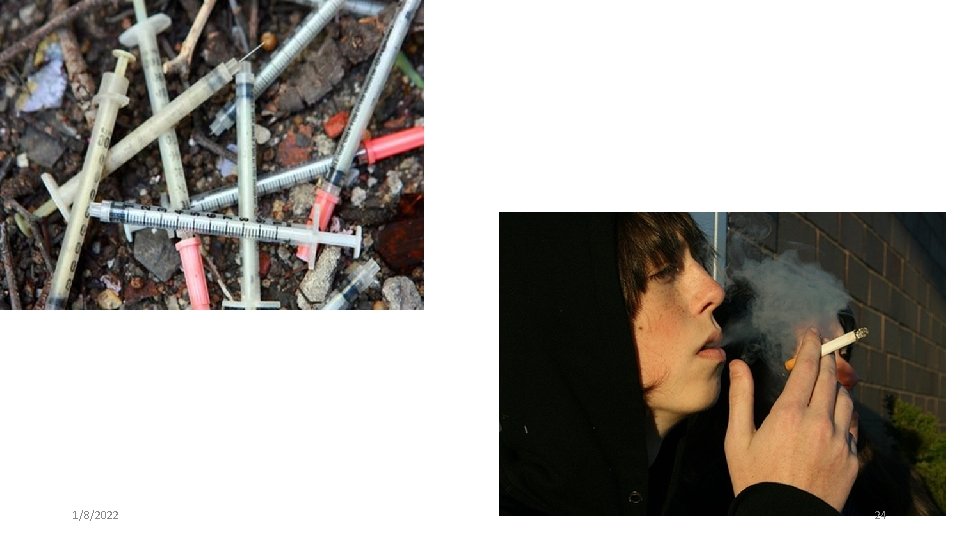
Ø Nucleus accumbens (NAc) • A region in the basal fore brain rostral to the preoptic area of the hypothalamus. • It is the pleasure center as it plays a rule in motivation. • It plays a significant rule in drug abuse, reward and pleasure 1/8/2022 23
1/8/2022 24
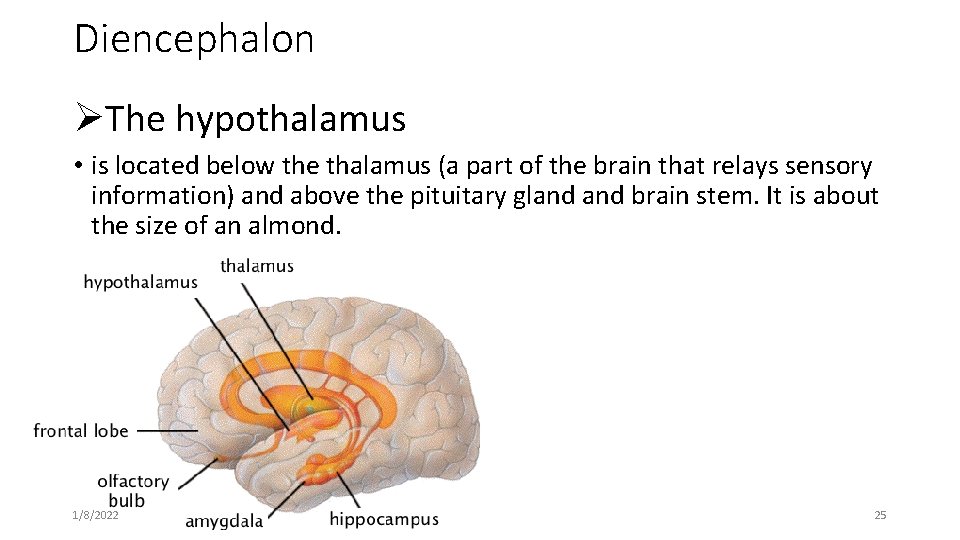
Diencephalon ØThe hypothalamus • is located below the thalamus (a part of the brain that relays sensory information) and above the pituitary gland brain stem. It is about the size of an almond. 1/8/2022 25
• Some functions are intrinsic to the hypothalamus. • Maintain homeostasis • Monitors the internal melieu and produces a regulatory response such as • regulation of endocrine functions and appetite. • Regulation of blood pressure • Feeling of being full after feeding 1/8/2022 26
Other structures in the diencephalon ØThe mammillary bodies are a pair of small round bodies, located on the undersurface of the brain that, as part of the diencephalon, form part of the limbic system ØAnterior nuclei of the thalamus. • This gives imput from the mammillary bodies • Its involved in memory processing. 1/8/2022 27
General function of the limbic systm • MOTIVATION • EMOTIONS • LEARNING AND MEMORY • PLEASURE • SEXUAL /DRUG AROUSAL • REGULATES FEELING OF FULLNESS (hunger and taste) 1/8/2022 28
Clinical significance • Alzhimers disease • Antergrade amnesia • Kulver bucy syndrome • Hypersexuality. 1/8/2022 29

• Thank you 1/8/2022 30
- Slides: 30