
Lignin and the cell wall Trees are the
- Slides: 26
Lignin and the cell wall
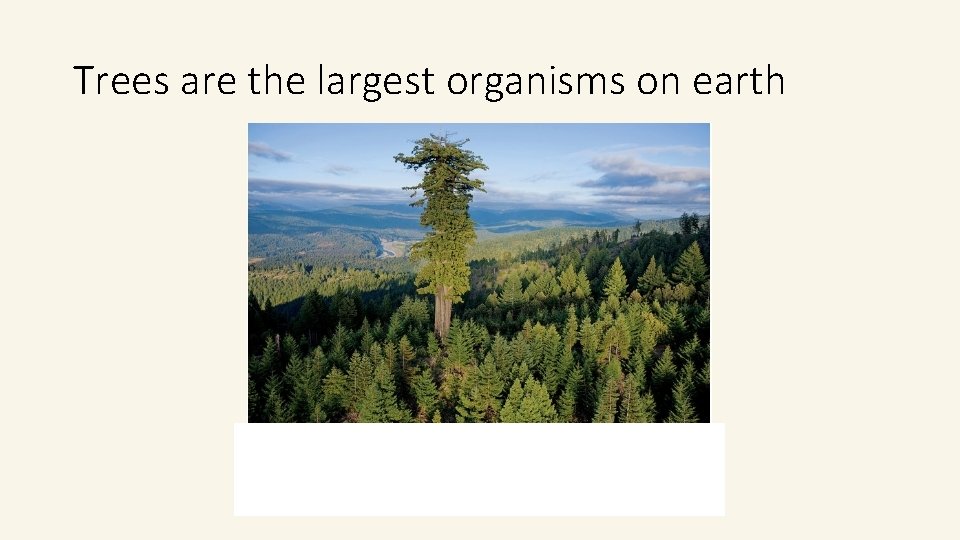
Trees are the largest organisms on earth
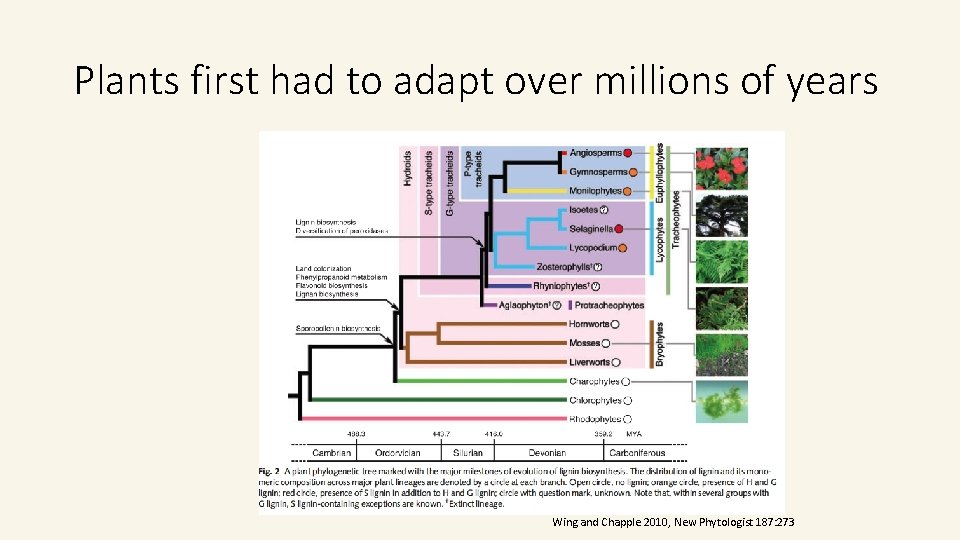
Plants first had to adapt over millions of years Wing and Chapple 2010, New Phytologist 187: 273
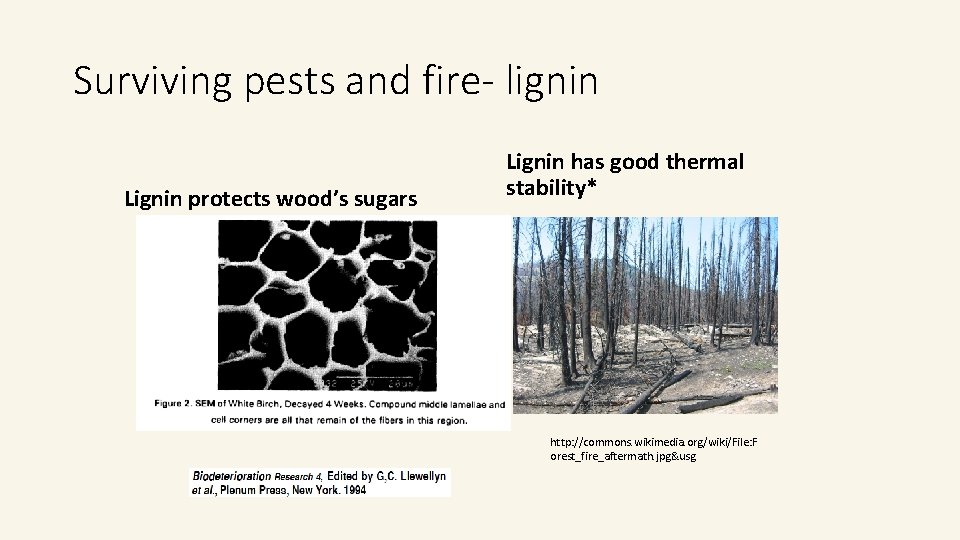
Surviving pests and fire- lignin Lignin protects wood’s sugars Lignin has good thermal stability* http: //commons. wikimedia. org/wiki/File: F orest_fire_aftermath. jpg&usg
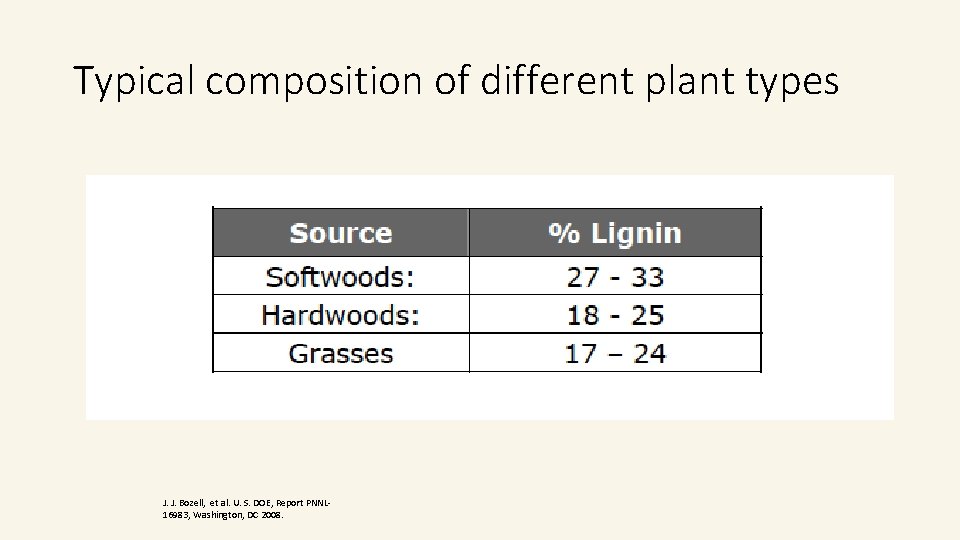
Typical composition of different plant types J. J. Bozell, et al. U. S. DOE, Report PNNL 16983, Washington, DC 2008.
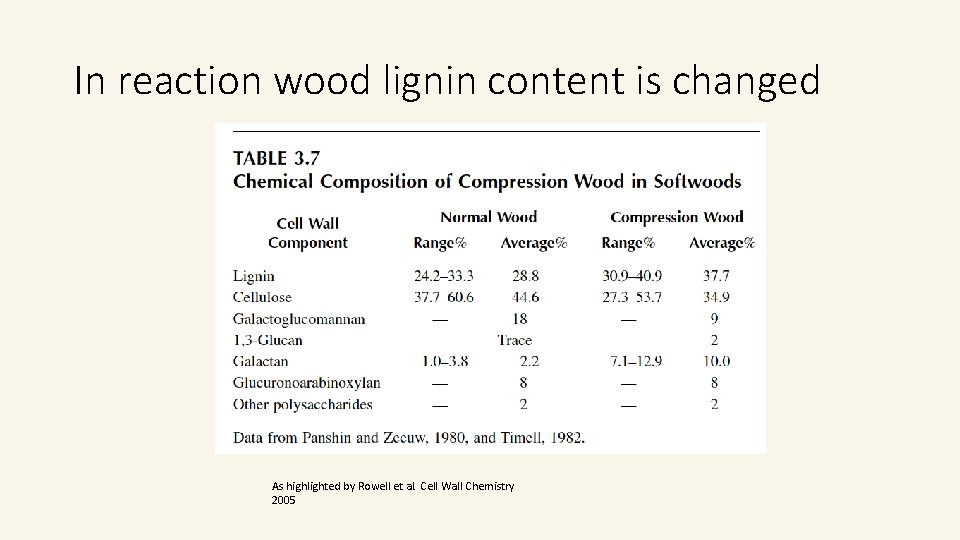
In reaction wood lignin content is changed As highlighted by Rowell et al. Cell Wall Chemistry 2005
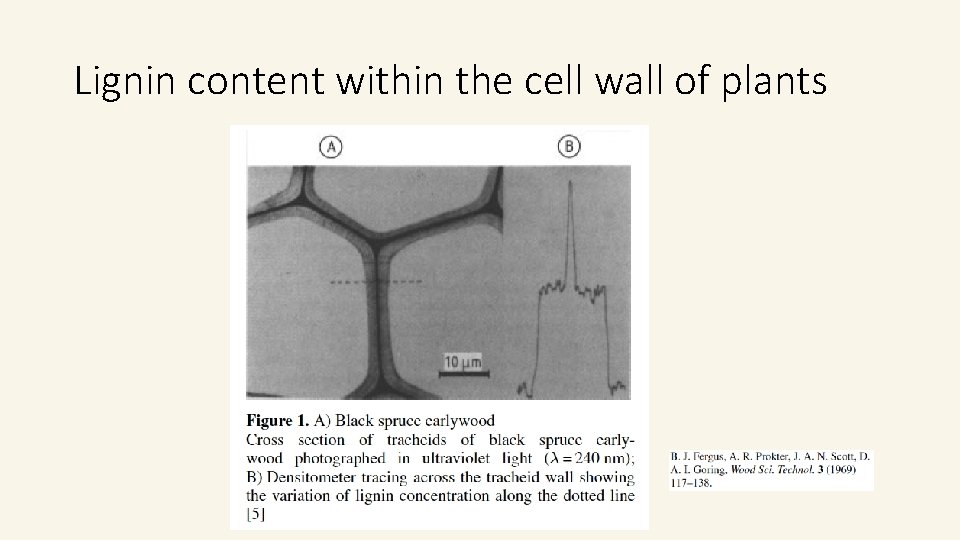
Lignin content within the cell wall of plants
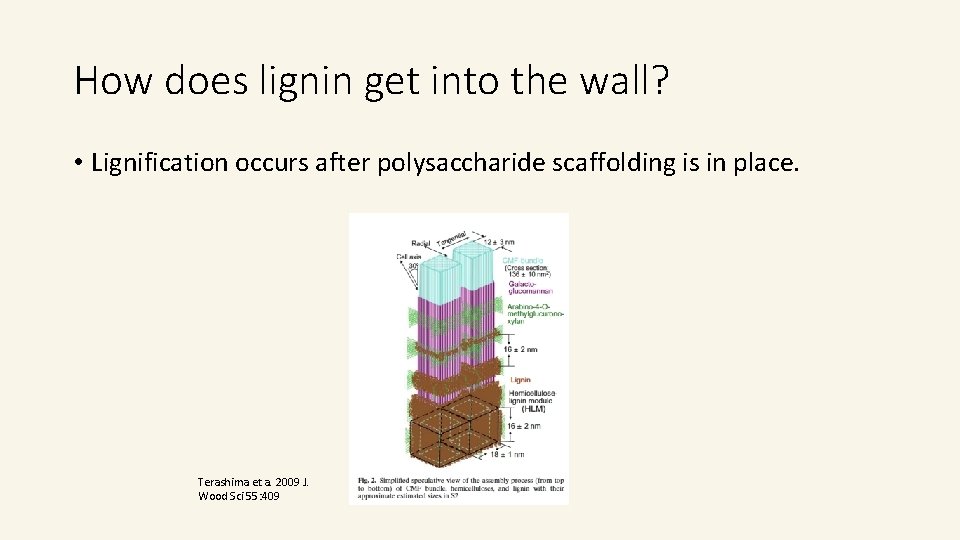
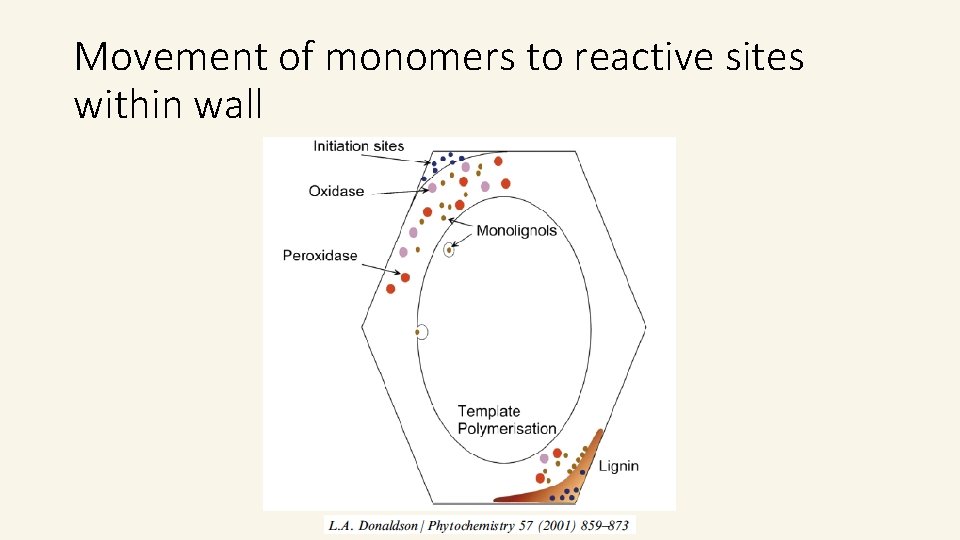
How does lignin get into the wall? • Lignification occurs after polysaccharide scaffolding is in place. Terashima et a. 2009 J. Wood Sci 55: 409
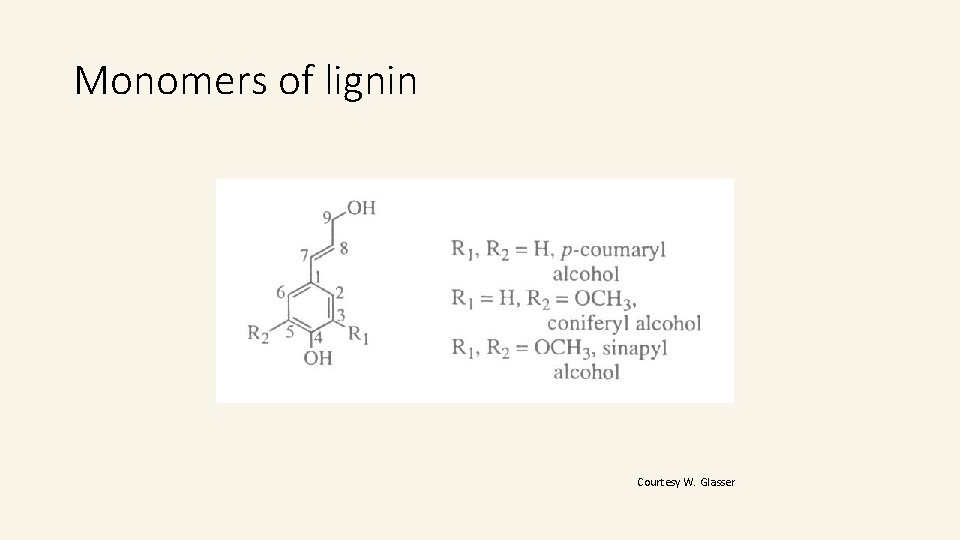
Monomers of lignin Courtesy W. Glasser
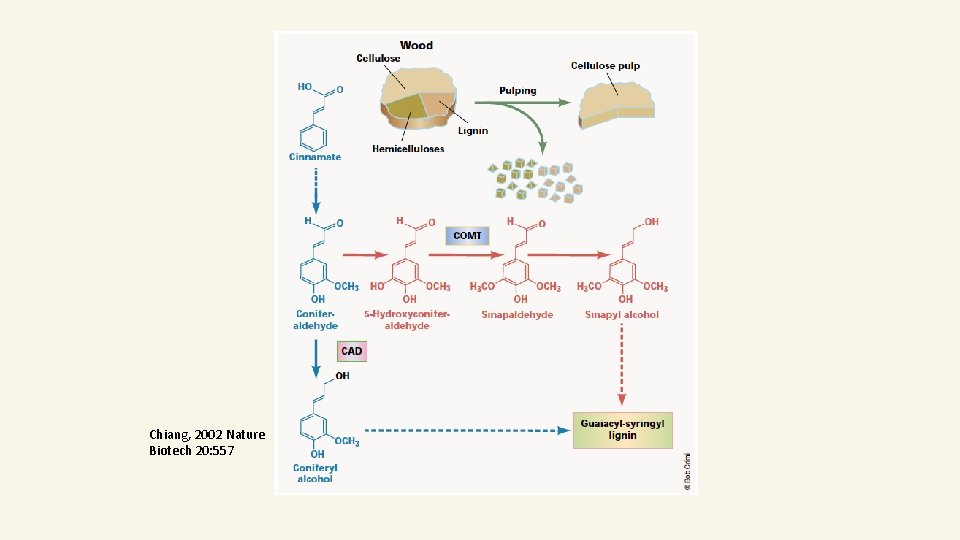
Chiang, 2002 Nature Biotech 20: 557
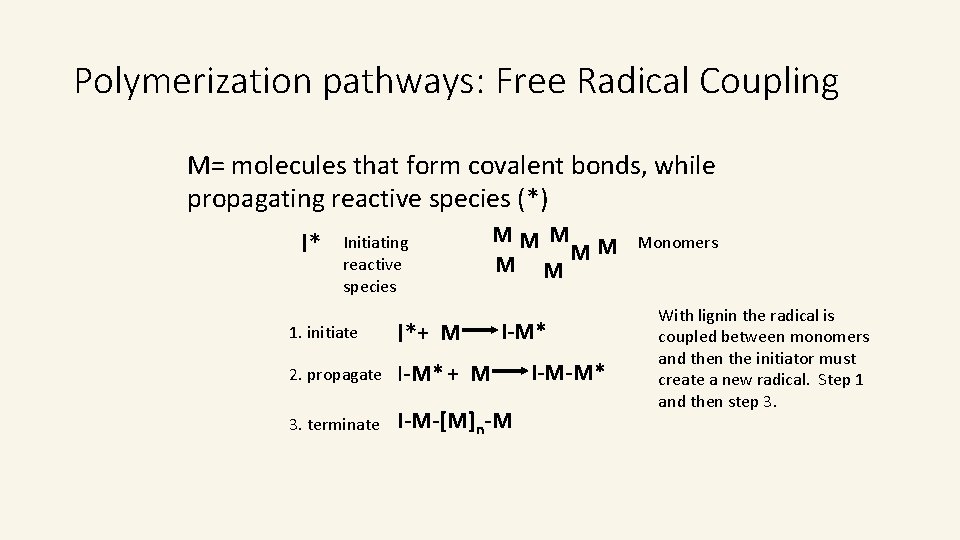
Polymerization pathways: Free Radical Coupling M= molecules that form covalent bonds, while propagating reactive species (*) I* Initiating reactive species MM M MM 1. initiate I*+ M 2. propagate I-M* + M 3. terminate I-M-[M]n-M I-M* I-M-M* Monomers With lignin the radical is coupled between monomers and then the initiator must create a new radical. Step 1 and then step 3.
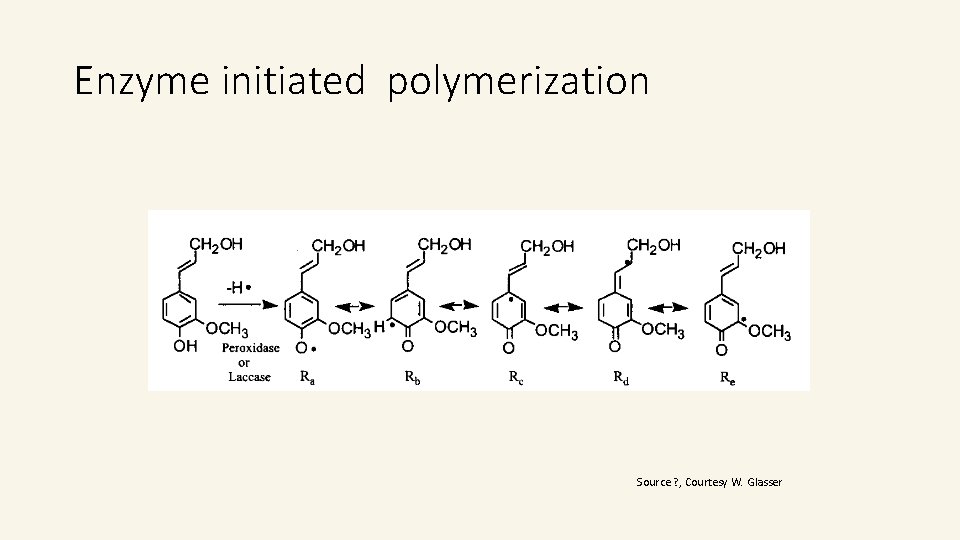
Enzyme initiated polymerization Source ? , Courtesy W. Glasser
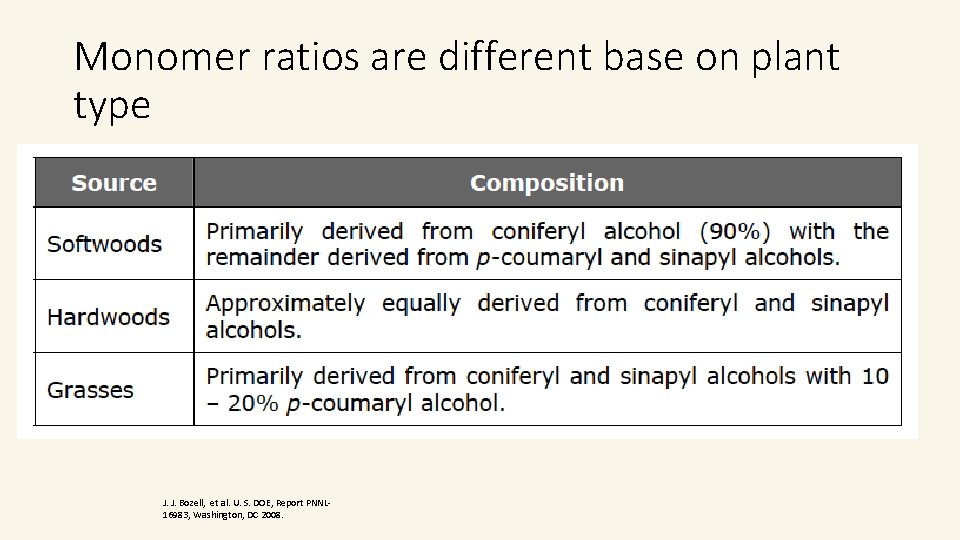
Monomer ratios are different base on plant type J. J. Bozell, et al. U. S. DOE, Report PNNL 16983, Washington, DC 2008.
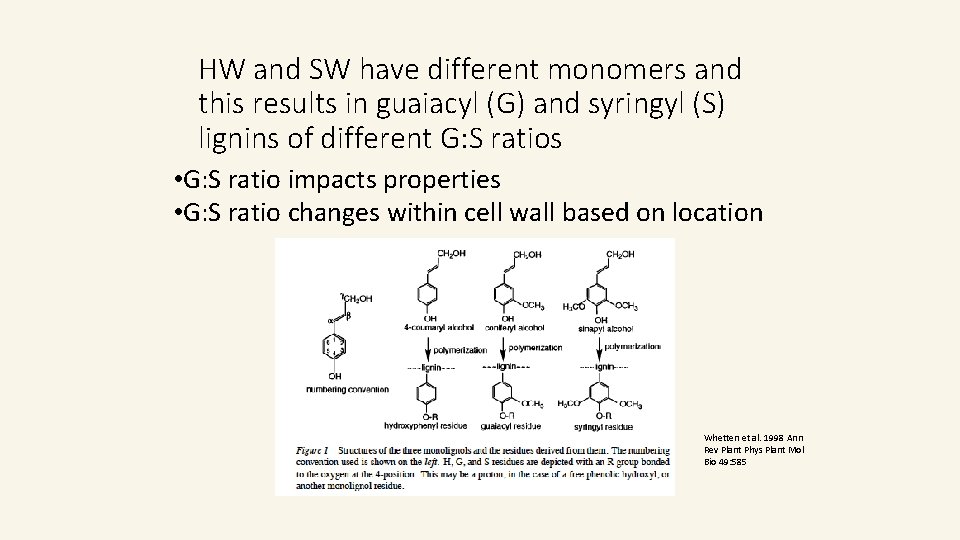
HW and SW have different monomers and this results in guaiacyl (G) and syringyl (S) lignins of different G: S ratios • G: S ratio impacts properties • G: S ratio changes within cell wall based on location Whetten et al. 1998 Ann Rev Plant Phys Plant Mol Bio 49: 585
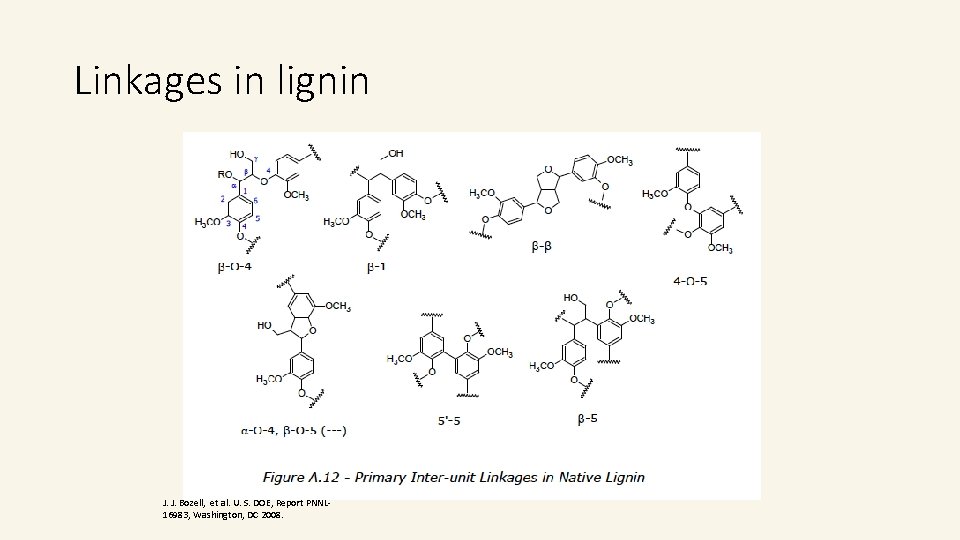
Linkages in lignin J. J. Bozell, et al. U. S. DOE, Report PNNL 16983, Washington, DC 2008.
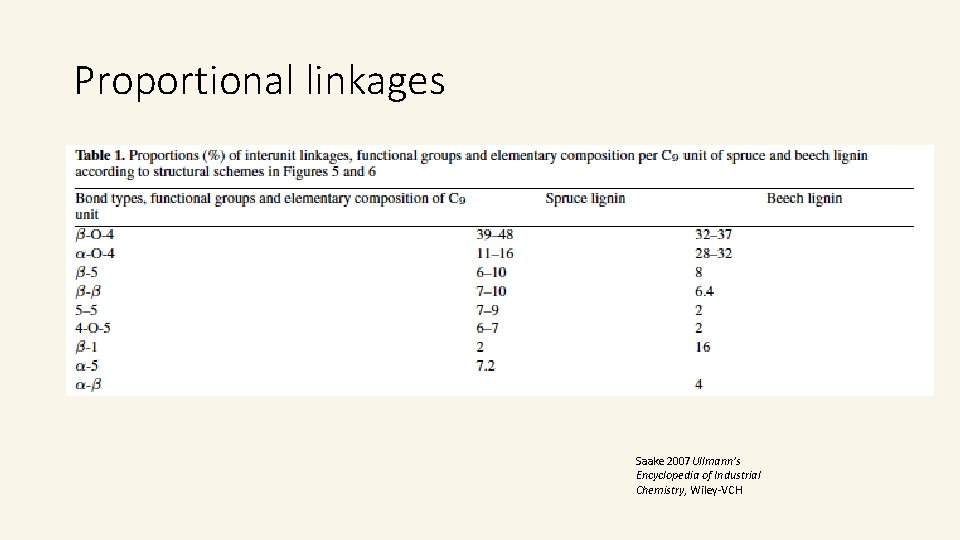
Proportional linkages Saake 2007 Ullmann’s Encyclopedia of Industrial Chemistry, Wiley-VCH
Movement of monomers to reactive sites within wall
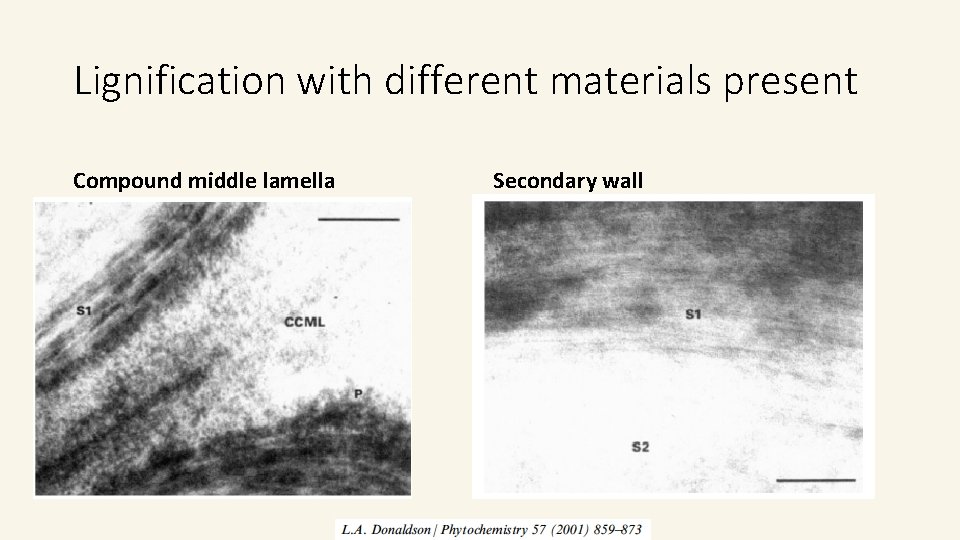
Lignification with different materials present Compound middle lamella Secondary wall
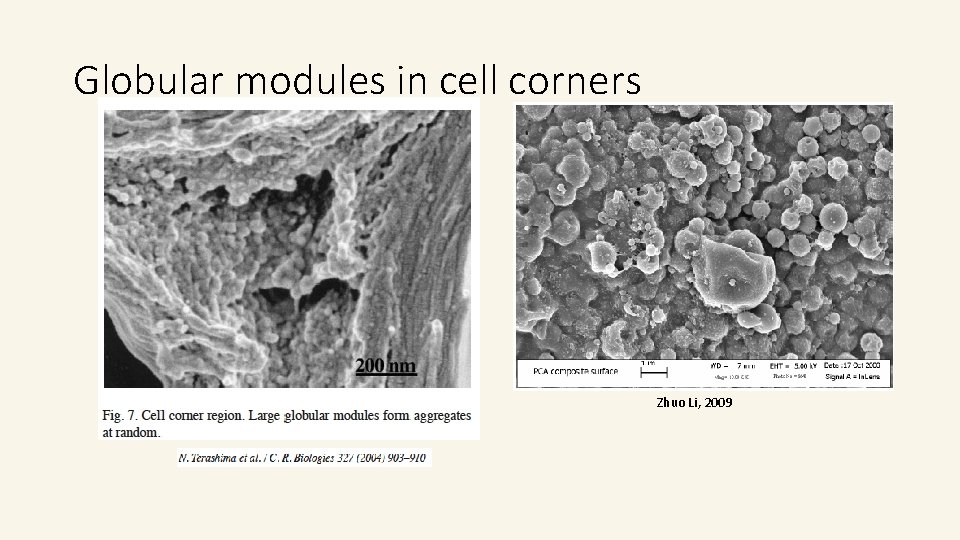
Globular modules in cell corners Zhuo Li, 2009
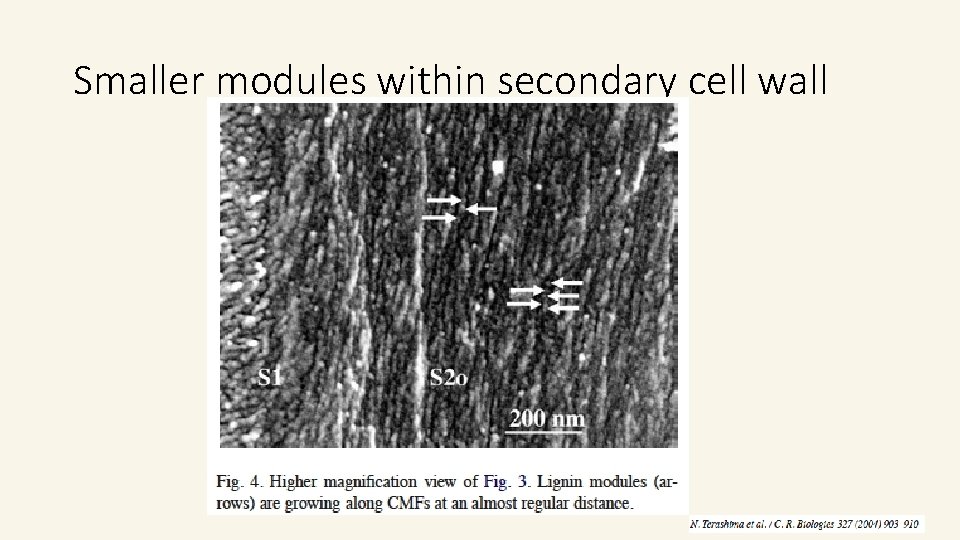
Smaller modules within secondary cell wall
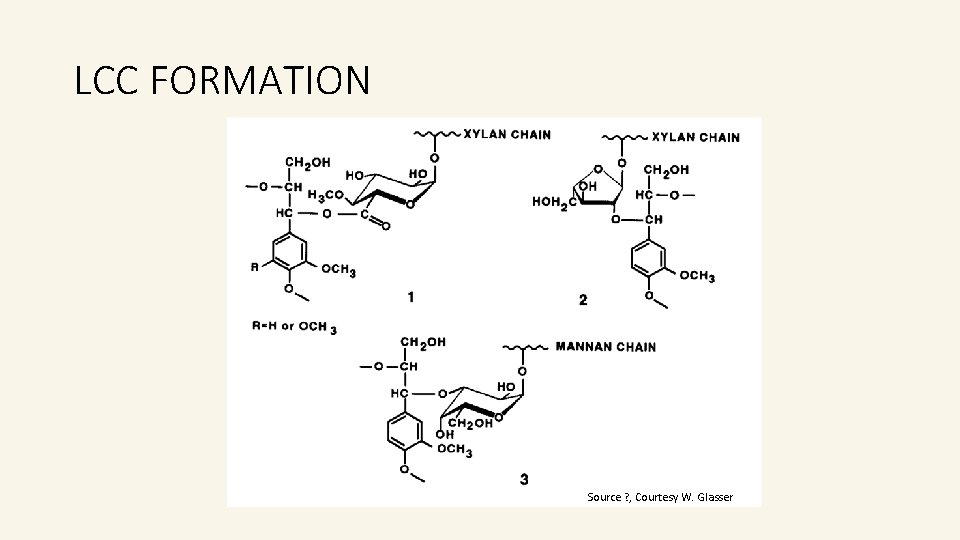
LCC FORMATION Source ? , Courtesy W. Glasser
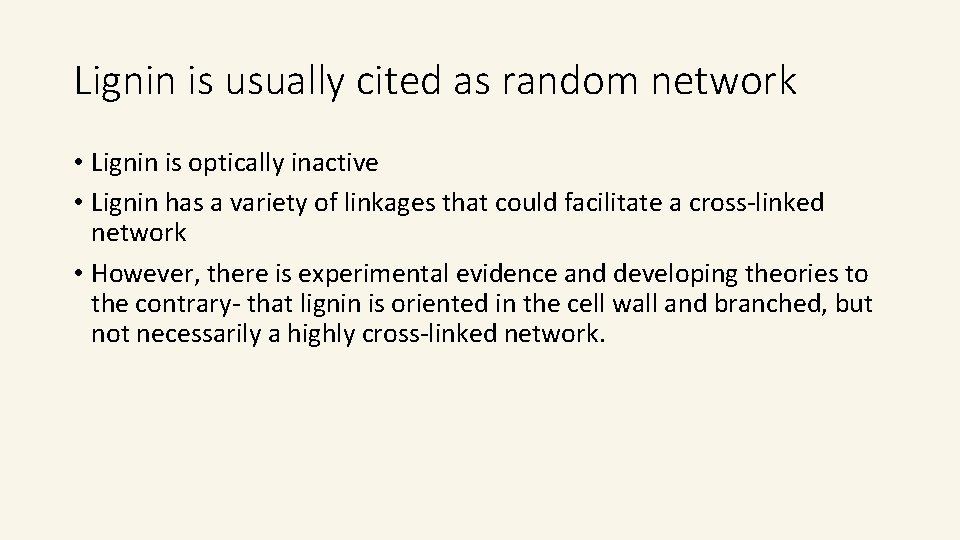
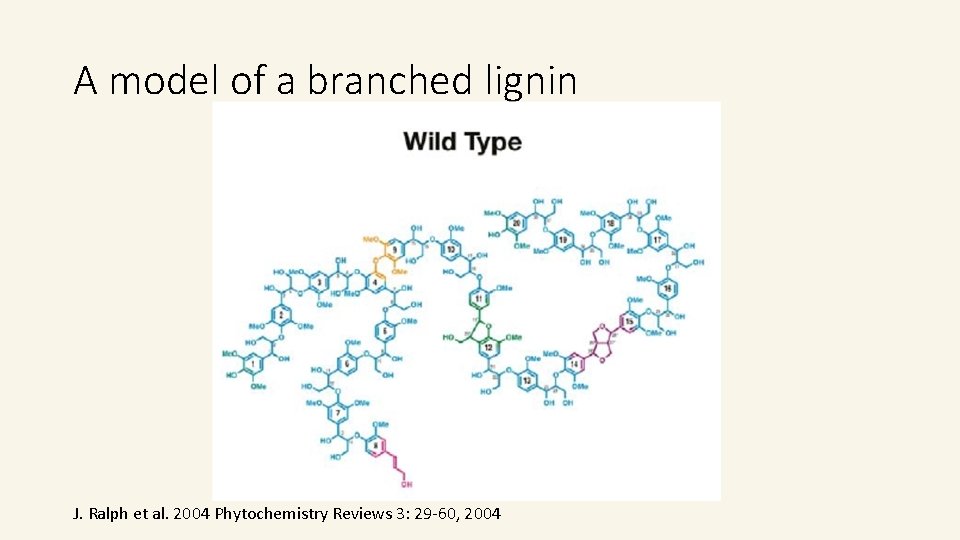
Lignin is usually cited as random network • Lignin is optically inactive • Lignin has a variety of linkages that could facilitate a cross-linked network • However, there is experimental evidence and developing theories to the contrary- that lignin is oriented in the cell wall and branched, but not necessarily a highly cross-linked network.
A model of a branched lignin J. Ralph et al. 2004 Phytochemistry Reviews 3: 29 -60, 2004
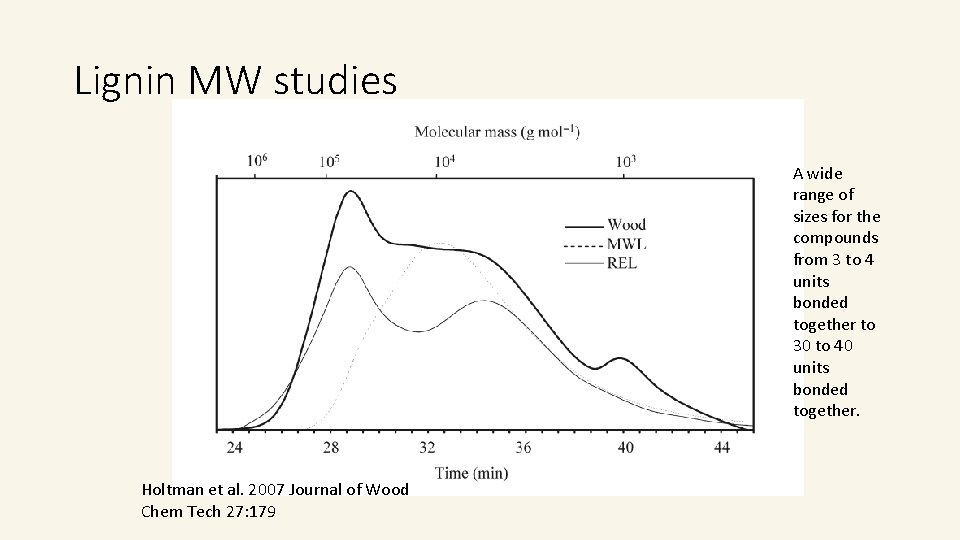
How big are lignin chains of isolated lignin? • Polymer properties are always influenced by their molecular weight (MW) and molecular weight distribution (MWD) • Isolating lignin disrupts native lignin bonds • Technical lignins are isolated through kraft pulping and sulfite pulping • These technologies impact size of chains • Break linkages and form new linkages • Newer conversion methods for biofuels are being developed (organosolv pulping and steam-explosion processing) • “Gentle” isolation can be used to limit the number of broken bonds in lignin for laboratory isolation • Obtain 20 to 50% of the lignin using a “milled-wood” acidolysis process
Lignin MW studies A wide range of sizes for the compounds from 3 to 4 units bonded together to 30 to 40 units bonded together. Holtman et al. 2007 Journal of Wood Chem Tech 27: 179
Summary • Lignin is a polymer made out of phenylpropane units • The polymer is built by a process of radical polymerization outside of the cytoplasm • More than one monomer type influences lignin structure for different plants • There is some spatial patterning of lignin linkages • Lignin can bond with carbohydrate creating lignin carbohydrate complexes • Attempts to examine lignin’s structure disrupts lignin’s structure • Progress has been made to view in situ lignin with newer analytical techniques • HSQC 2 -D NMR