
LIGHT TRAVELS IN A STRAIGHT LINE IN TRANSPARENT
- Slides: 34
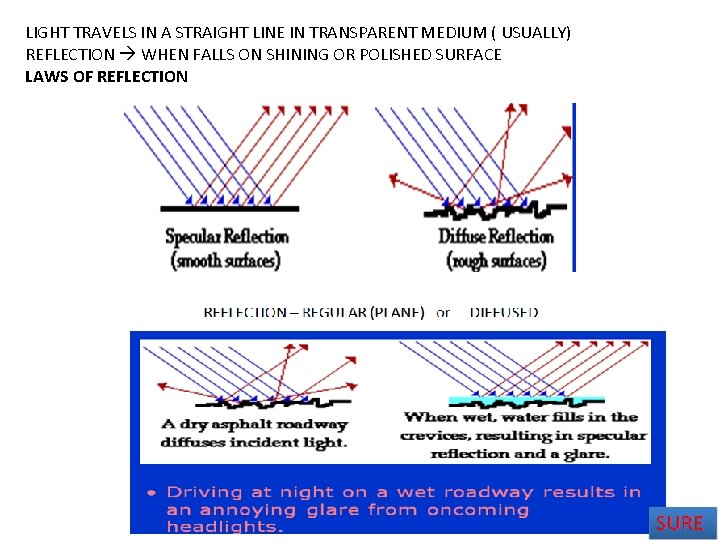
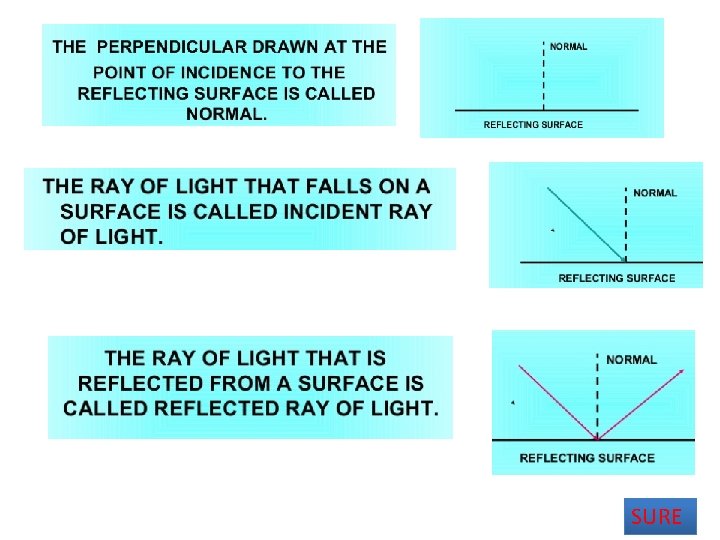
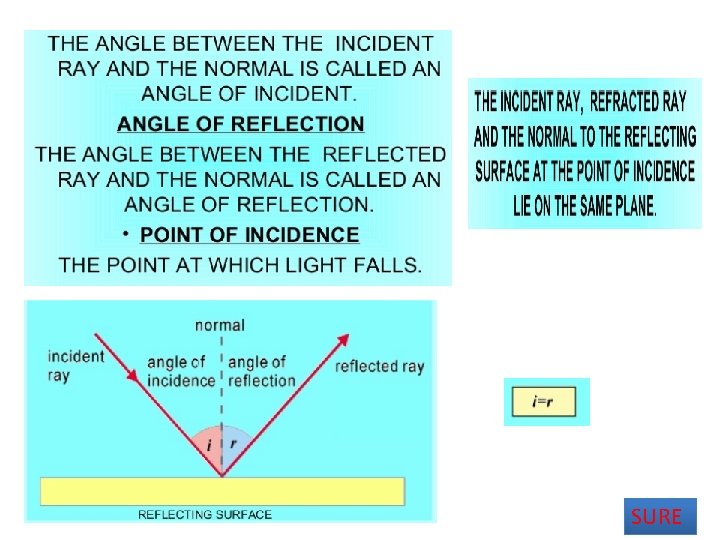
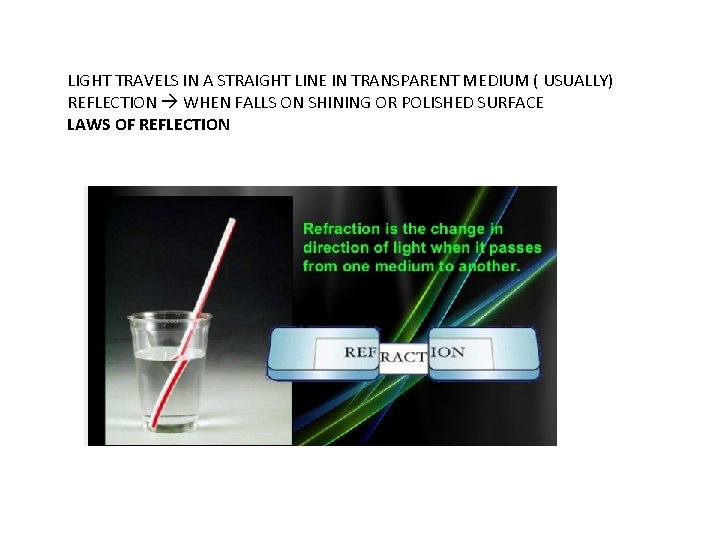
LIGHT TRAVELS IN A STRAIGHT LINE IN TRANSPARENT MEDIUM ( USUALLY) REFLECTION WHEN FALLS ON SHINING OR POLISHED SURFACE LAWS OF REFLECTION
SURE
SURE
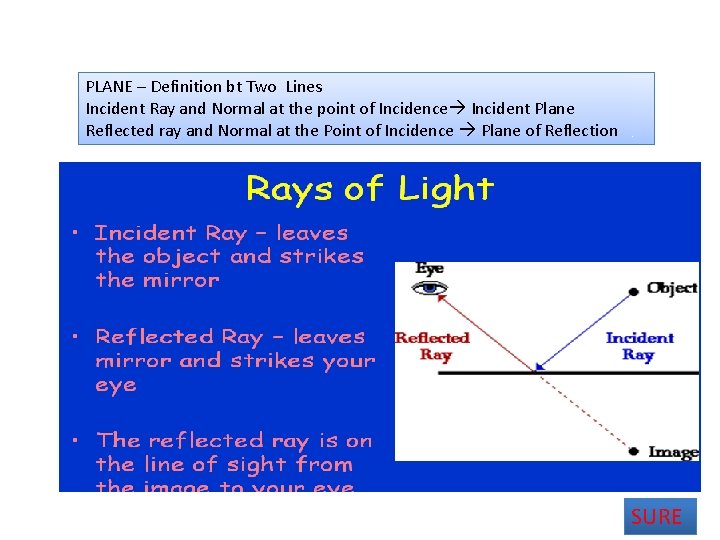
PLANE – Definition bt Two Lines Incident Ray and Normal at the point of Incidence Incident Plane Reflected ray and Normal at the Point of Incidence Plane of Reflection SURE
LIGHT TRAVELS IN A STRAIGHT LINE IN TRANSPARENT MEDIUM ( USUALLY) REFLECTION WHEN FALLS ON SHINING OR POLISHED SURFACE LAWS OF REFLECTION
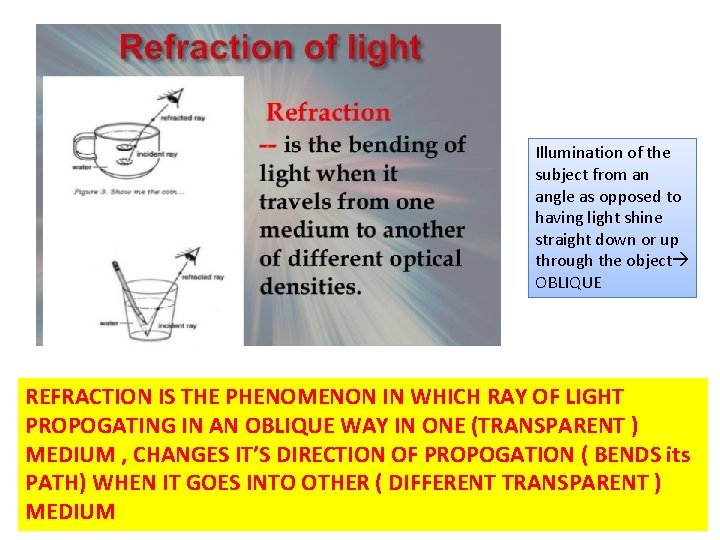
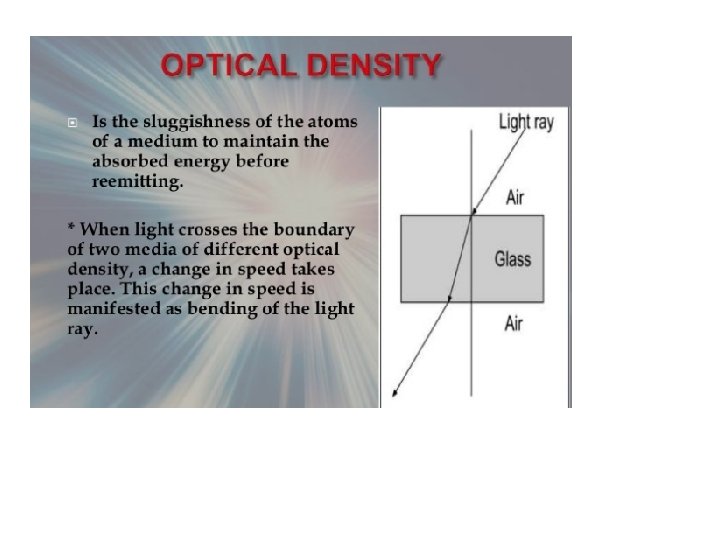
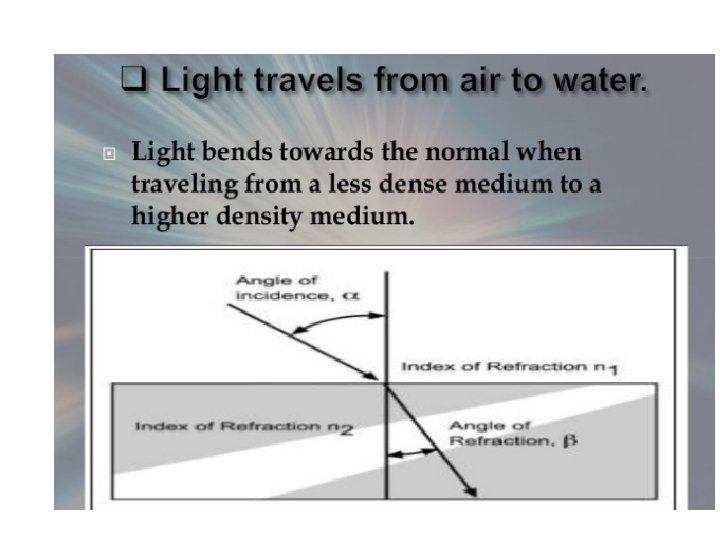
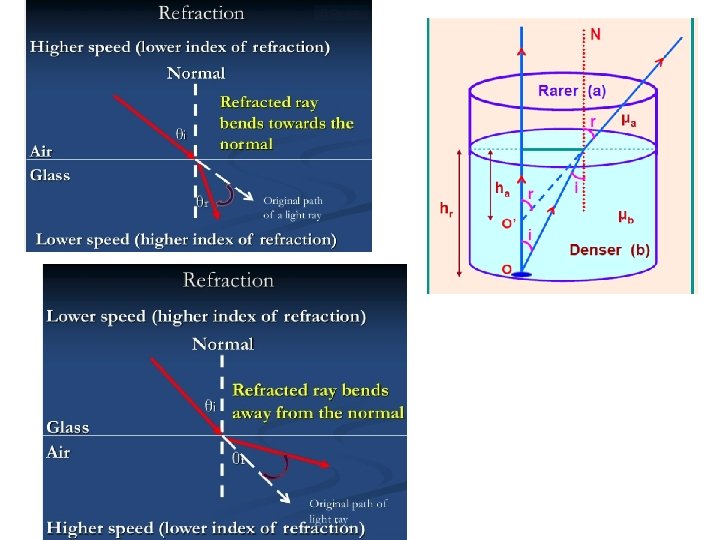
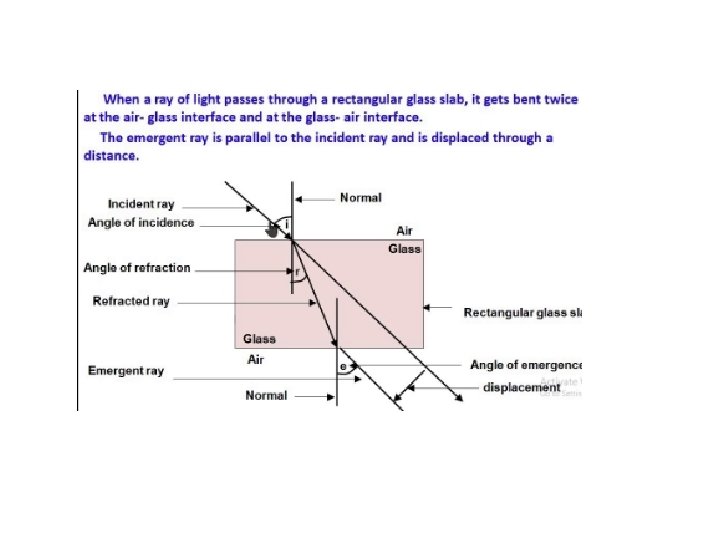
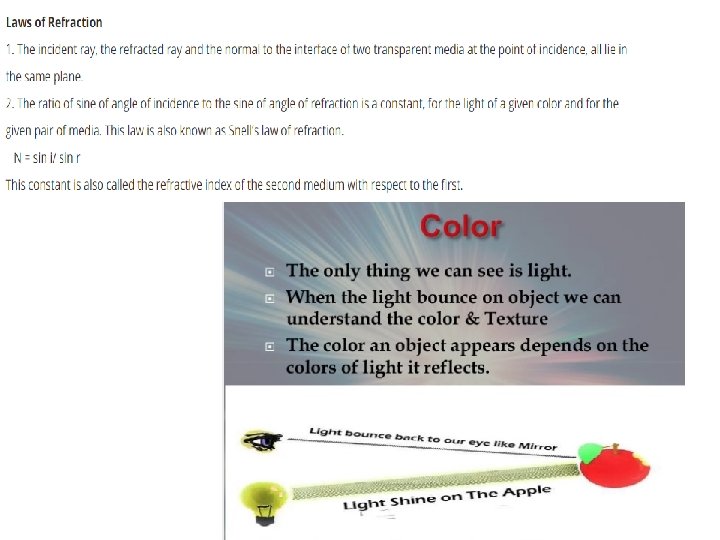
Illumination of the subject from an angle as opposed to having light shine straight down or up through the object OBLIQUE REFRACTION IS THE PHENOMENON IN WHICH RAY OF LIGHT PROPOGATING IN AN OBLIQUE WAY IN ONE (TRANSPARENT ) MEDIUM , CHANGES IT’S DIRECTION OF PROPOGATION ( BENDS its PATH) WHEN IT GOES INTO OTHER ( DIFFERENT TRANSPARENT ) MEDIUM
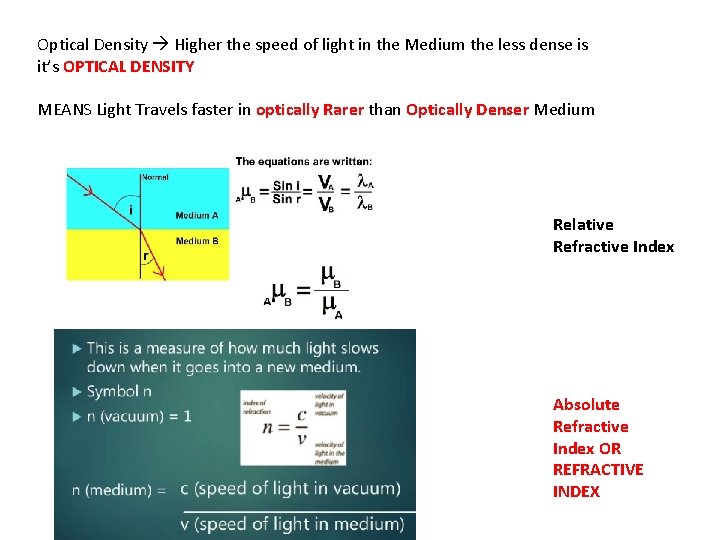
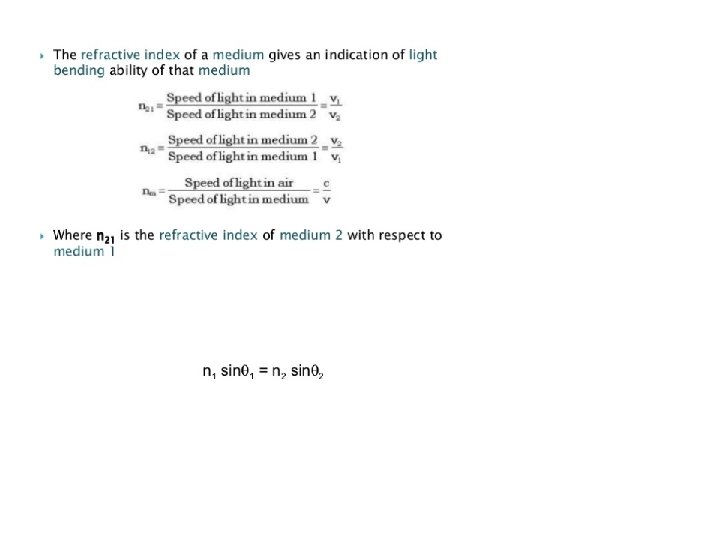
Optical Density Higher the speed of light in the Medium the less dense is it’s OPTICAL DENSITY MEANS Light Travels faster in optically Rarer than Optically Denser Medium Relative Refractive Index Absolute Refractive Index OR REFRACTIVE INDEX
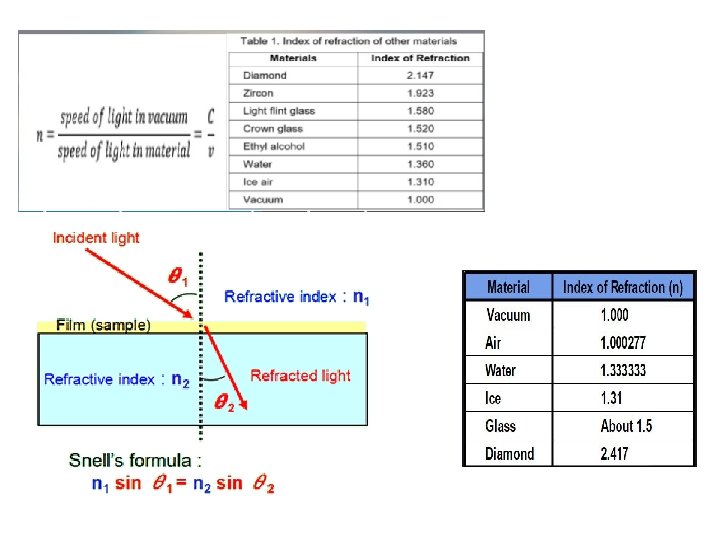
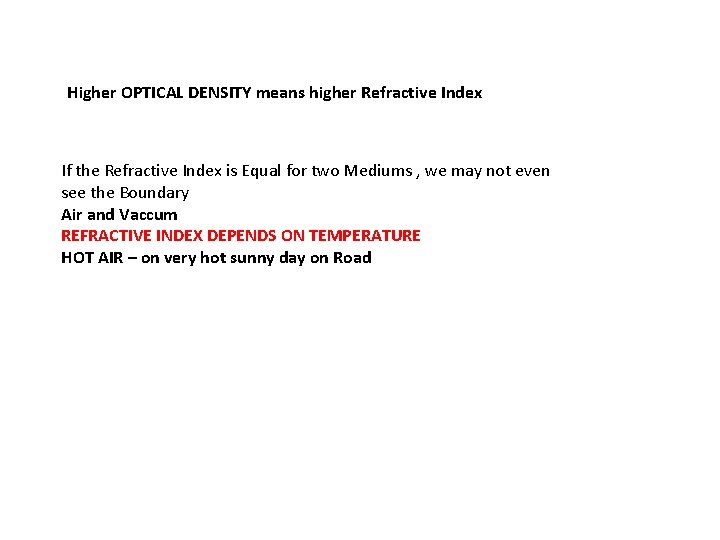
Higher OPTICAL DENSITY means higher Refractive Index If the Refractive Index is Equal for two Mediums , we may not even see the Boundary Air and Vaccum REFRACTIVE INDEX DEPENDS ON TEMPERATURE HOT AIR – on very hot sunny day on Road
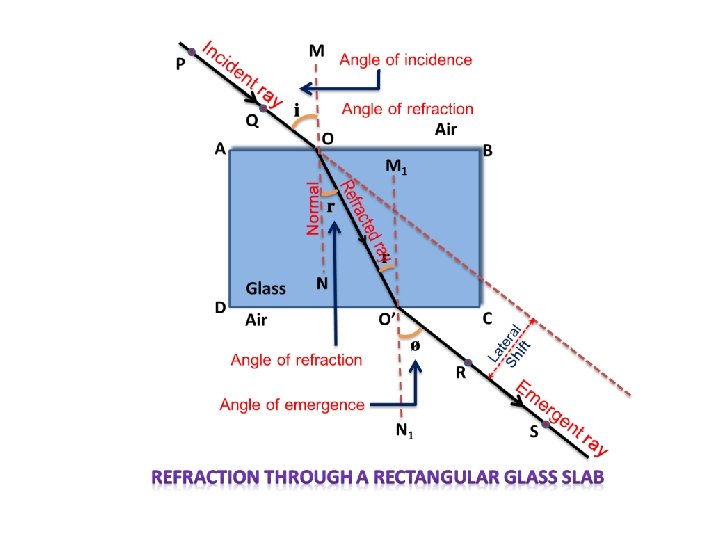
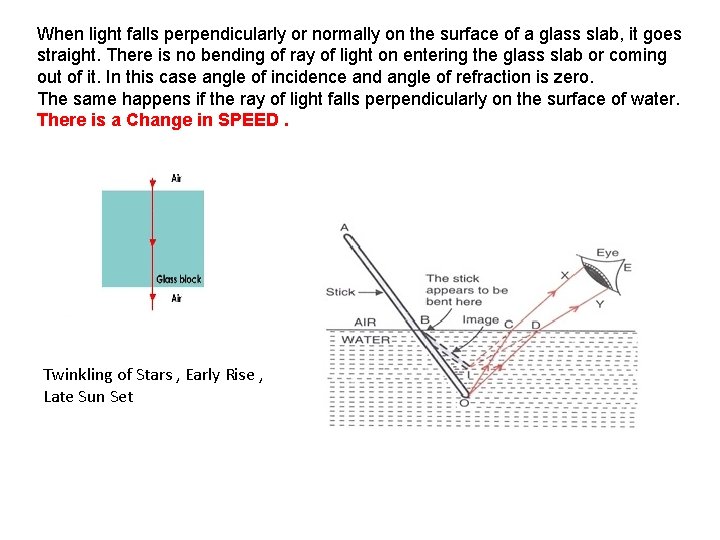
When light falls perpendicularly or normally on the surface of a glass slab, it goes straight. There is no bending of ray of light on entering the glass slab or coming out of it. In this case angle of incidence and angle of refraction is zero. The same happens if the ray of light falls perpendicularly on the surface of water. There is a Change in SPEED. Twinkling of Stars , Early Rise , Late Sun Set
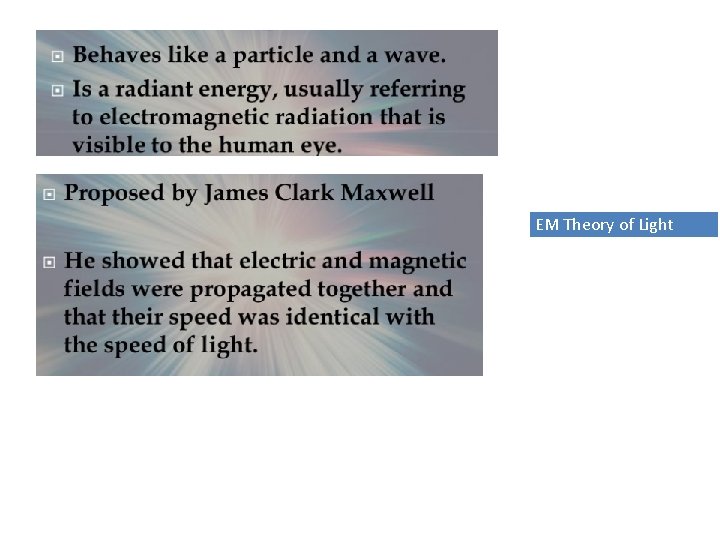
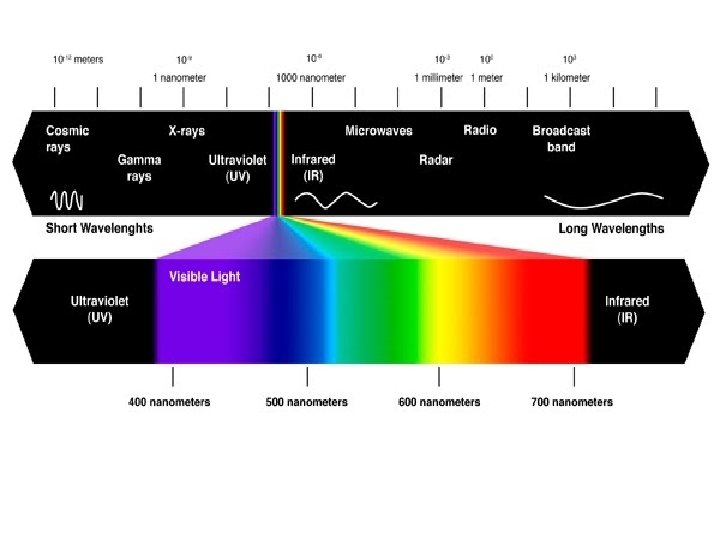
EM Theory of Light
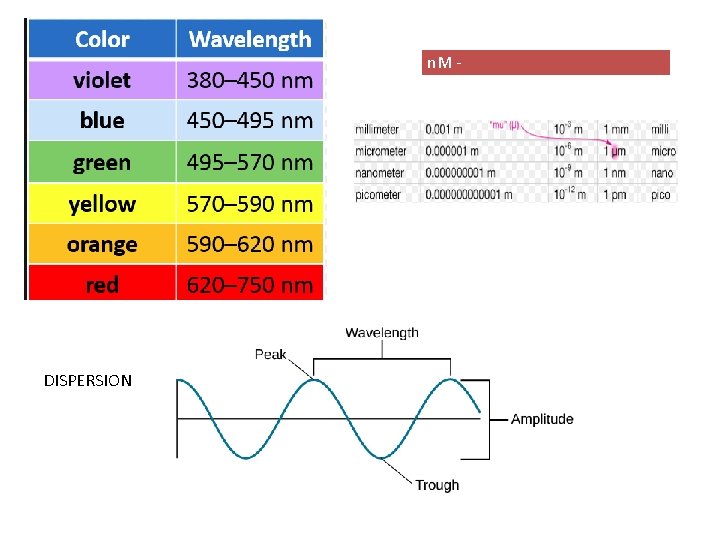
n. M - DISPERSION
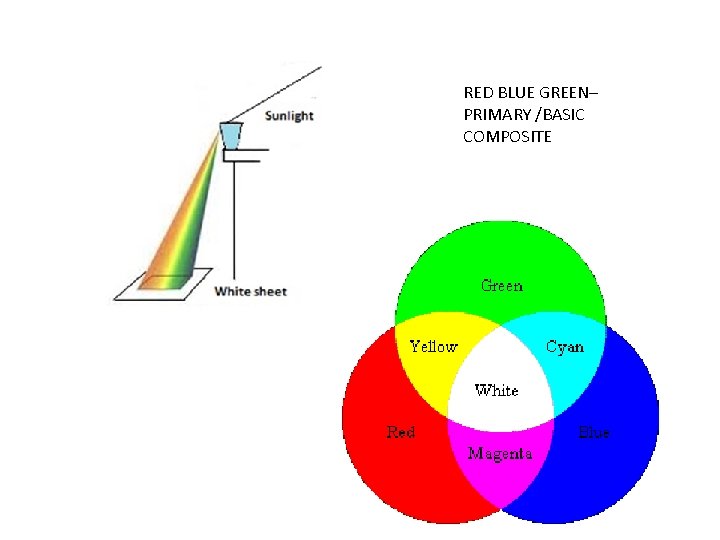
RED BLUE GREEN– PRIMARY /BASIC COMPOSITE
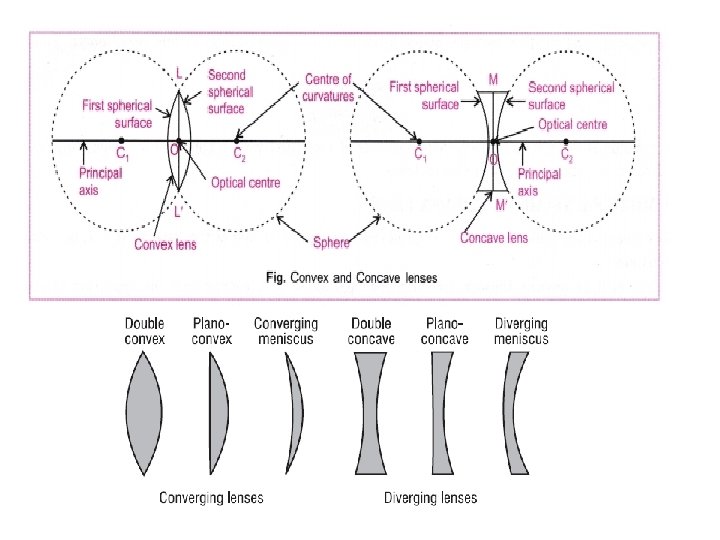
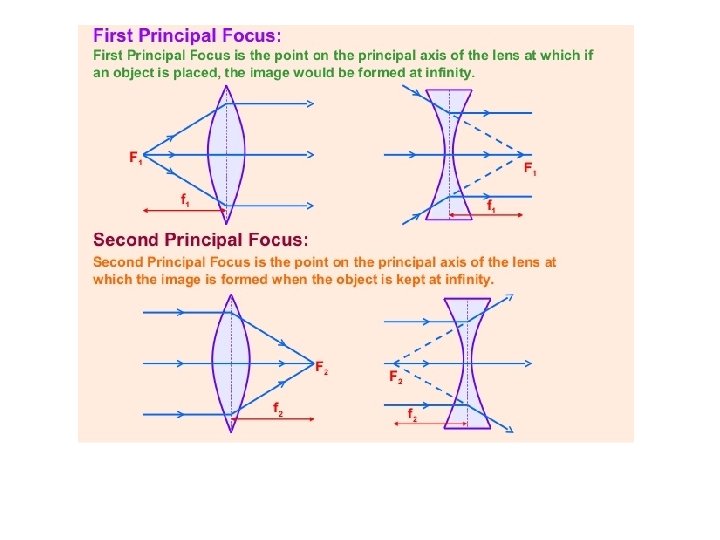
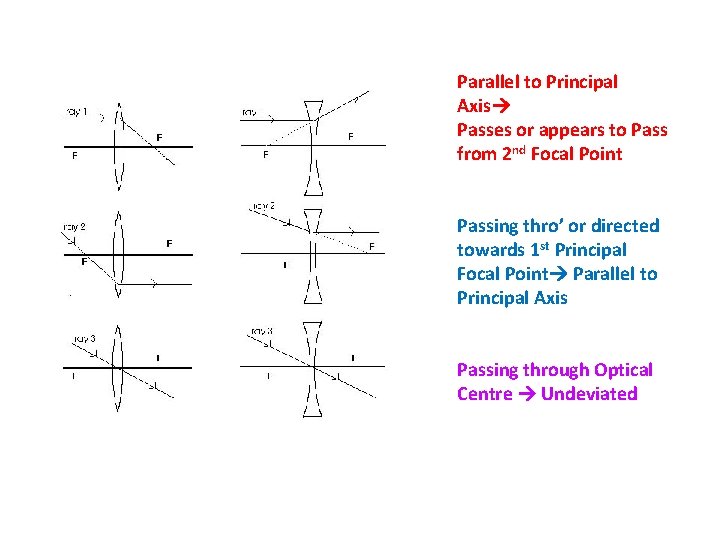
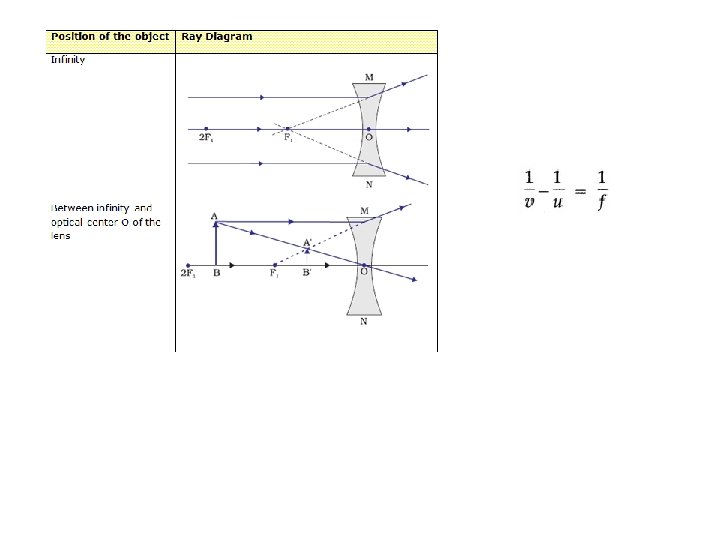
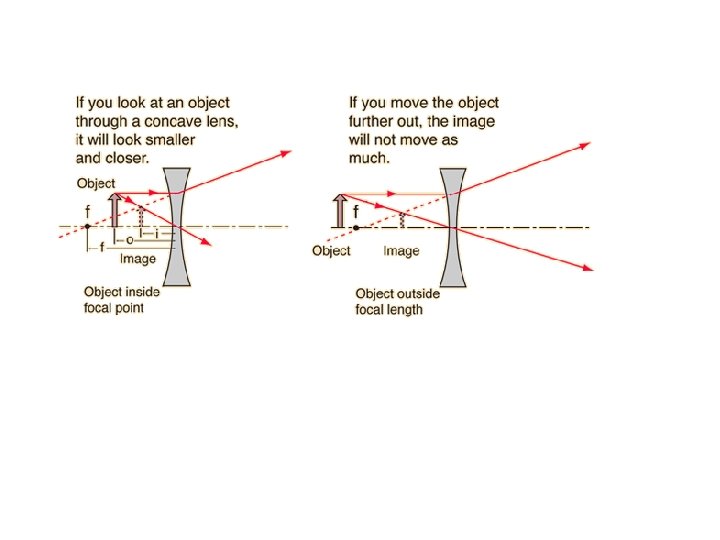
Parallel to Principal Axis Passes or appears to Pass from 2 nd Focal Point Passing thro’ or directed towards 1 st Principal Focal Point Parallel to Principal Axis Passing through Optical Centre Undeviated
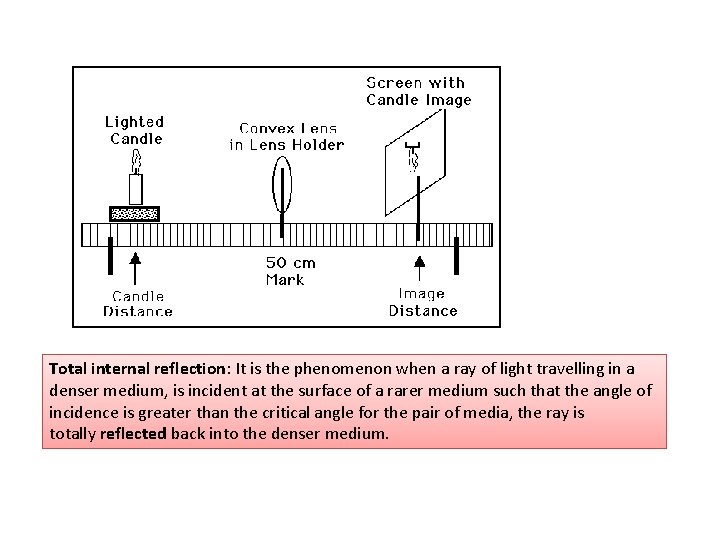
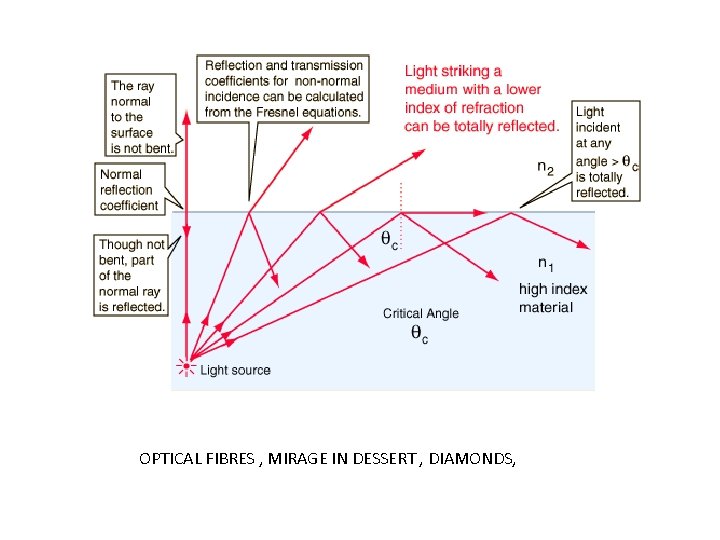
Total internal reflection: It is the phenomenon when a ray of light travelling in a denser medium, is incident at the surface of a rarer medium such that the angle of incidence is greater than the critical angle for the pair of media, the ray is totally reflected back into the denser medium.
OPTICAL FIBRES , MIRAGE IN DESSERT , DIAMONDS,
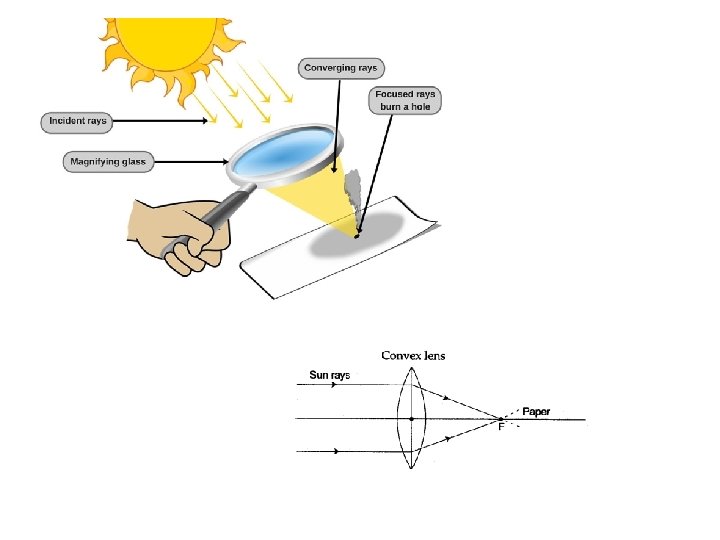
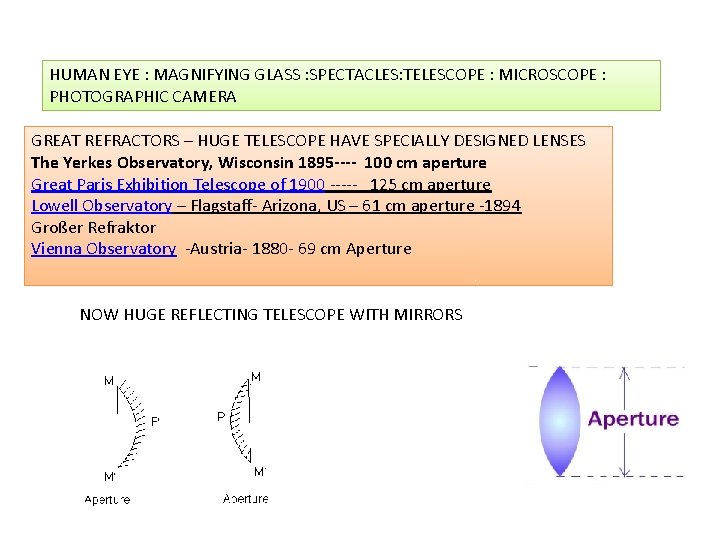
HUMAN EYE : MAGNIFYING GLASS : SPECTACLES: TELESCOPE : MICROSCOPE : PHOTOGRAPHIC CAMERA GREAT REFRACTORS – HUGE TELESCOPE HAVE SPECIALLY DESIGNED LENSES The Yerkes Observatory, Wisconsin 1895 ---- 100 cm aperture Great Paris Exhibition Telescope of 1900 ----- 125 cm aperture Lowell Observatory – Flagstaff- Arizona, US – 61 cm aperture -1894 Großer Refraktor Vienna Observatory -Austria- 1880 - 69 cm Aperture NOW HUGE REFLECTING TELESCOPE WITH MIRRORS