
Life Span Development Modules 4 6 Physical Changes






- Slides: 50
Life Span Development Modules 4 -6
Physical Changes
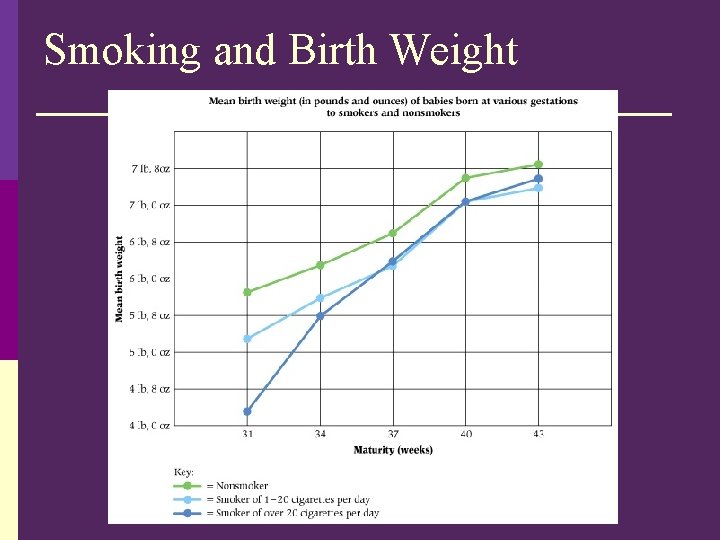
Smoking and Birth Weight
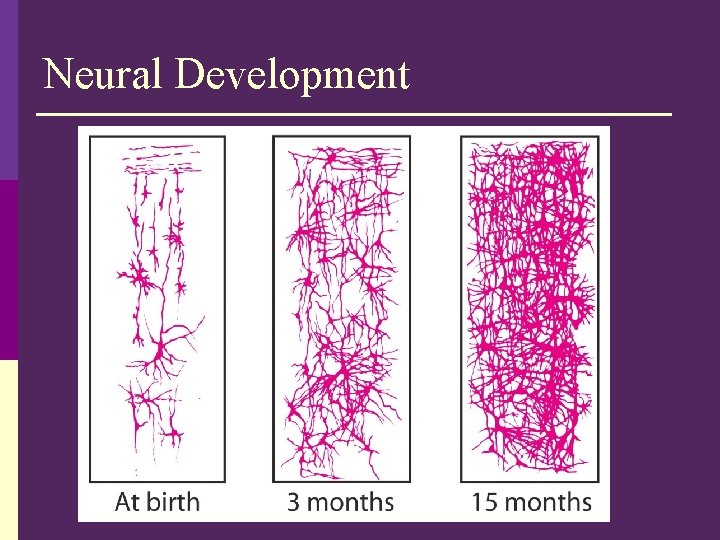
Neural Development
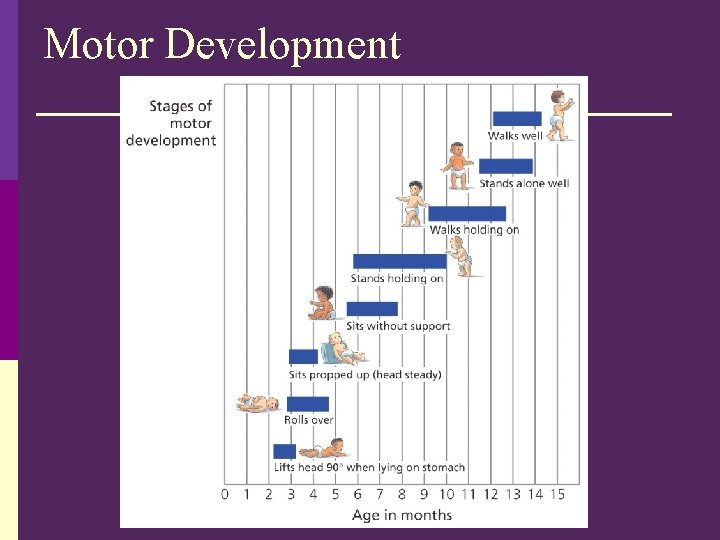
Motor Development
Language: Acquisition & Critical Periods
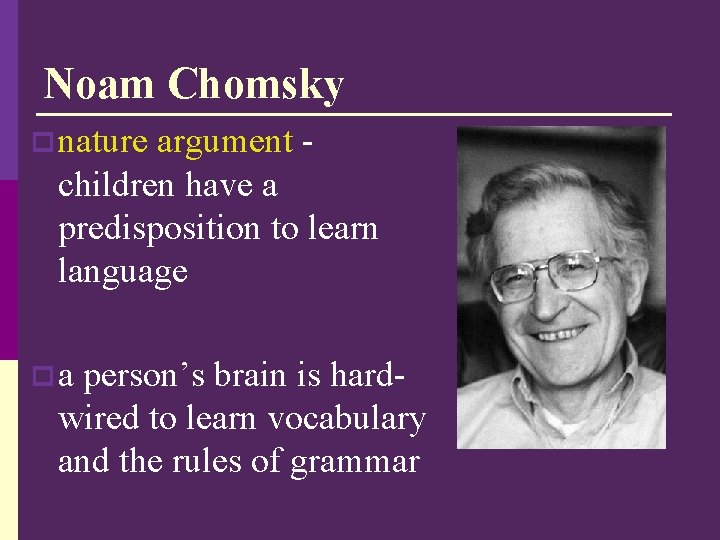
Noam Chomsky p nature argument children have a predisposition to learn language pa person’s brain is hardwired to learn vocabulary and the rules of grammar
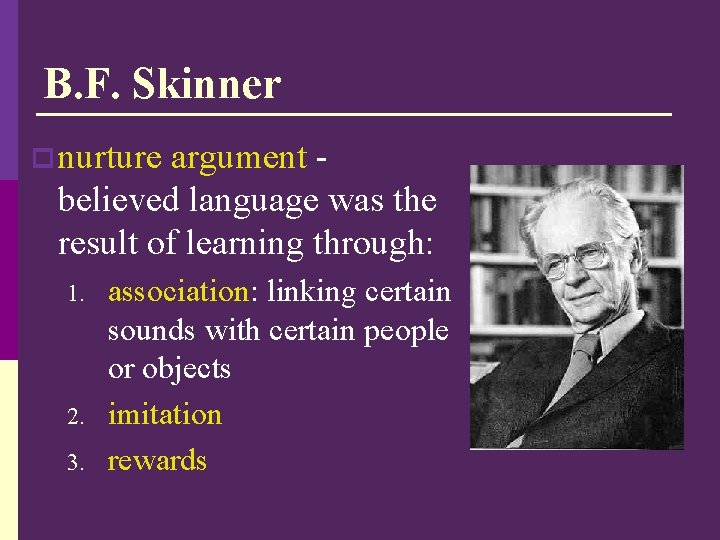
B. F. Skinner p nurture argument believed language was the result of learning through: 1. 2. 3. association: linking certain sounds with certain people or objects imitation rewards
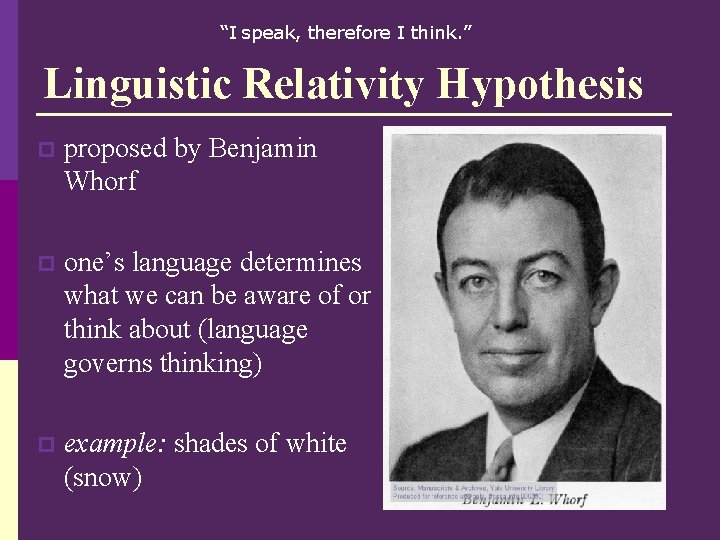
“I speak, therefore I think. ” Linguistic Relativity Hypothesis p proposed by Benjamin Whorf p one’s language determines what we can be aware of or think about (language governs thinking) p example: shades of white (snow)
Critical Period & Language p critical period – limited time when an event can occur; may be difficult, less successful, or impossible to develop it later p language critical period: around age 10 p example: Genie case (video clip)
Cognitive Development Piaget’s Cognitive Stages pages 63 -68
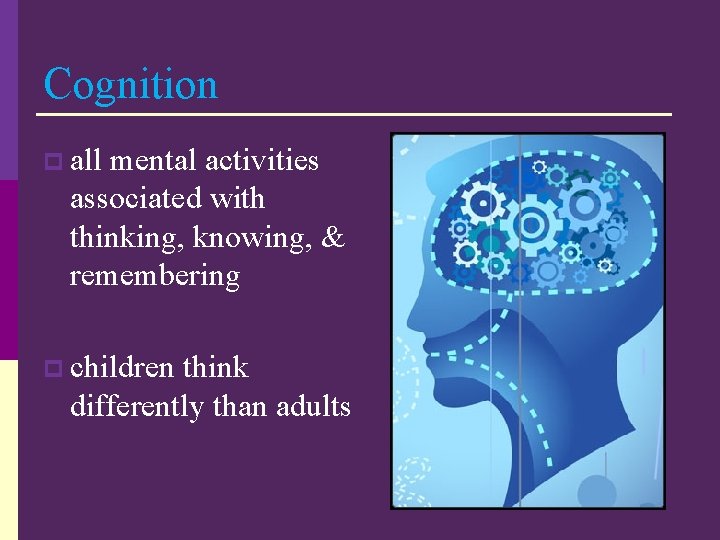
Cognition p all mental activities associated with thinking, knowing, & remembering p children think differently than adults
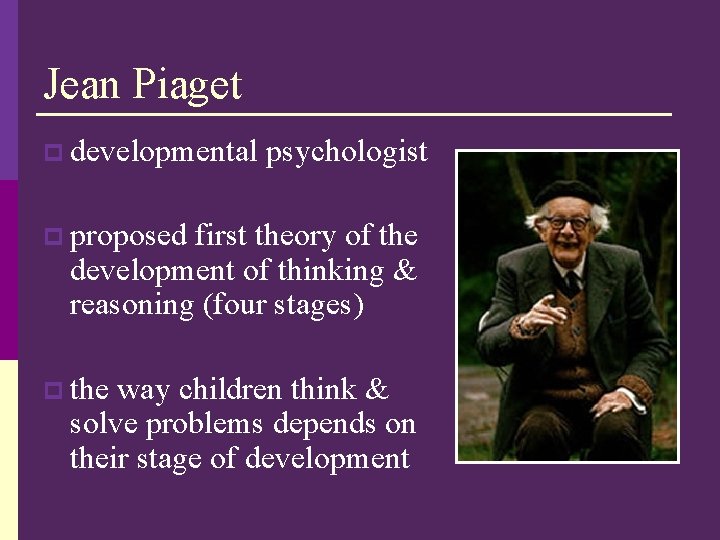
Jean Piaget p developmental psychologist p proposed first theory of the development of thinking & reasoning (four stages) p the way children think & solve problems depends on their stage of development
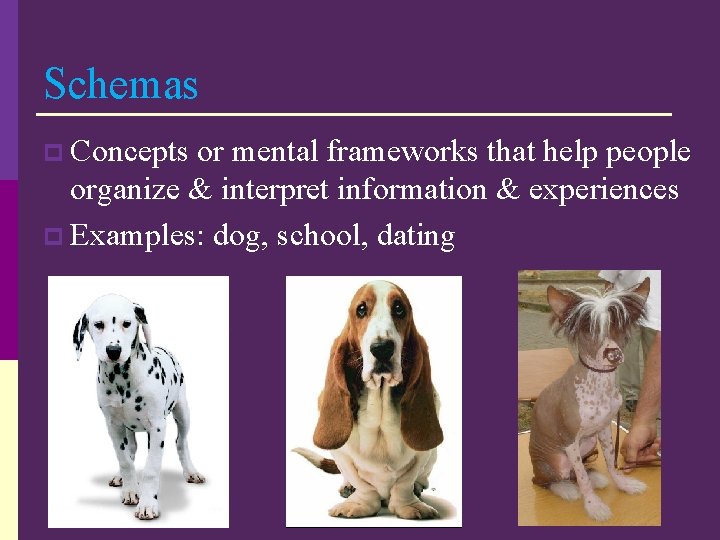
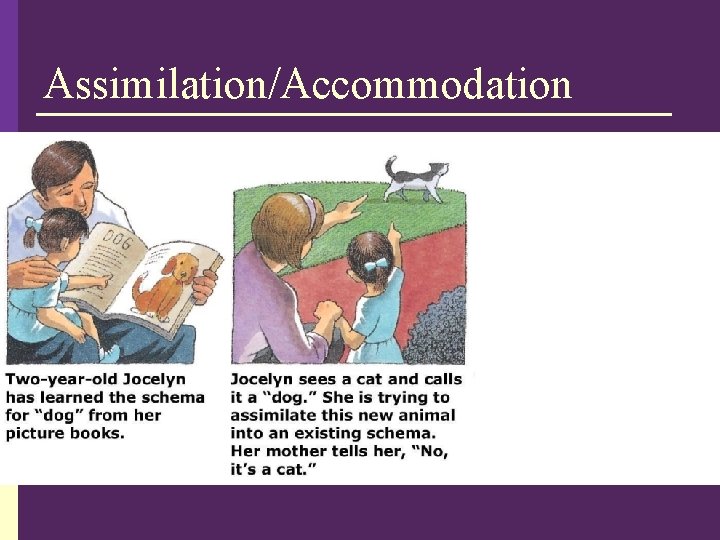
Schemas p Concepts or mental frameworks that help people organize & interpret information & experiences p Examples: dog, school, dating
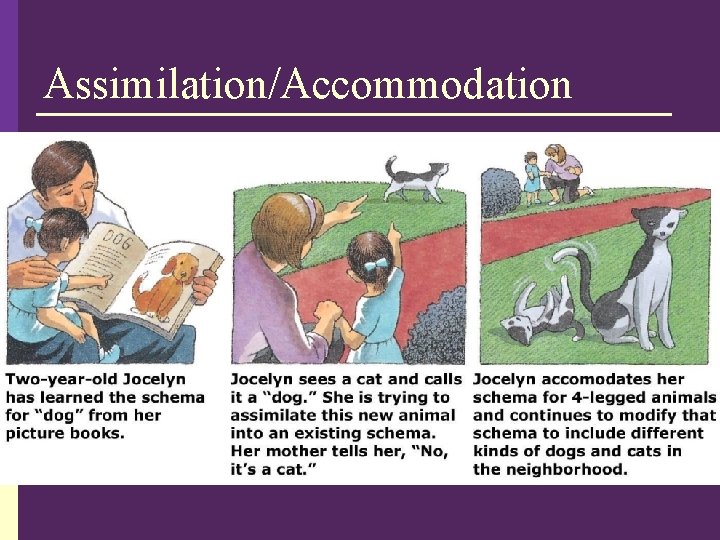
How do you create schemas? 1. Assimilation 2. Accommodation
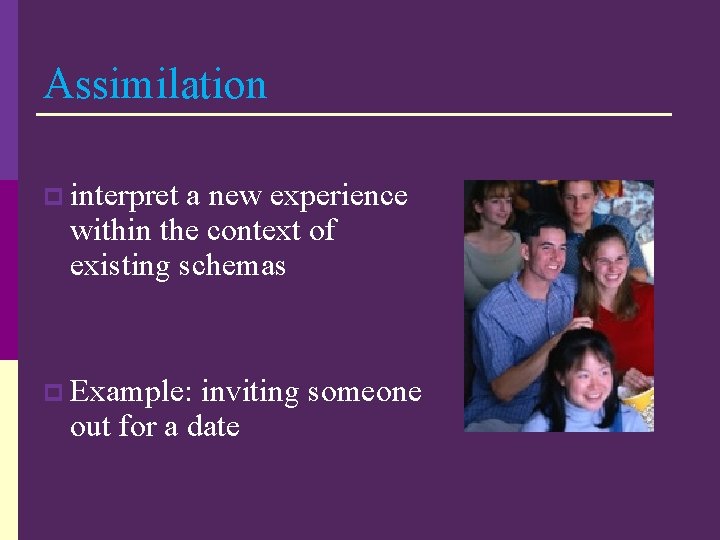
Assimilation p interpret a new experience within the context of existing schemas p Example: inviting someone out for a date
Accommodation p adapt (change) one’s current schemas to incorporate new information
Assimilation/Accommodation
Assimilation/Accommodation
Assimilation/Accommodation
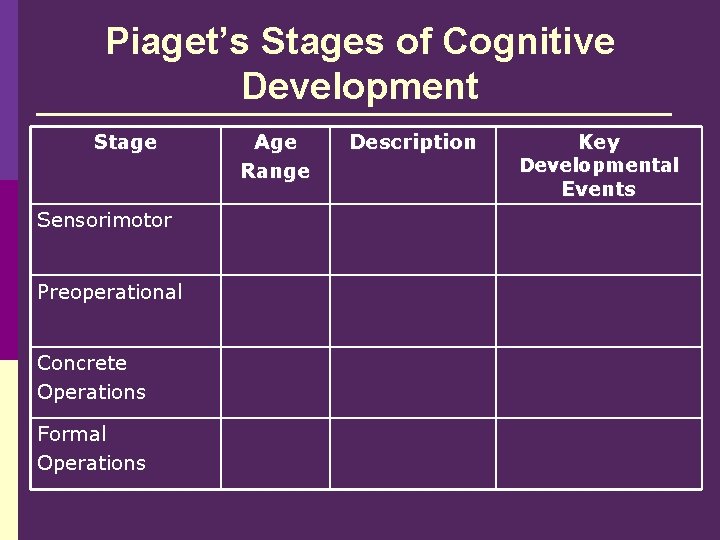
Piaget’s Stages of Cognitive Development Stage Sensorimotor Preoperational Concrete Operations Formal Operations Age Range Description Key Developmental Events
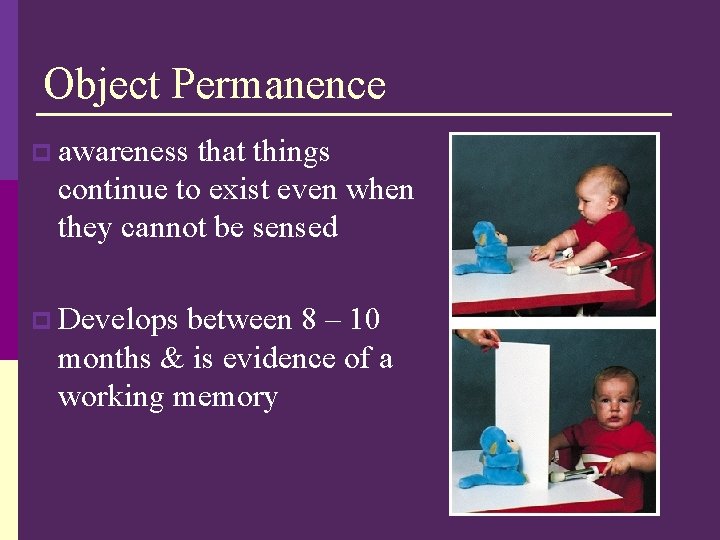
1) Sensorimotor Stage p birth – 2 years p child gathers information about world through senses & motor functions (grasping, touching) p key developmental event: object permanence
Object Permanence p awareness that things continue to exist even when they cannot be sensed p Develops between 8 – 10 months & is evidence of a working memory
2) Preoperational Stage p age 2 to 6 – 7 p can understand language but does not think logically, egocentric in thought, doesn’t fully understand cause-and-effect connections p key developmental events: lack conservation, develop language, pretend play
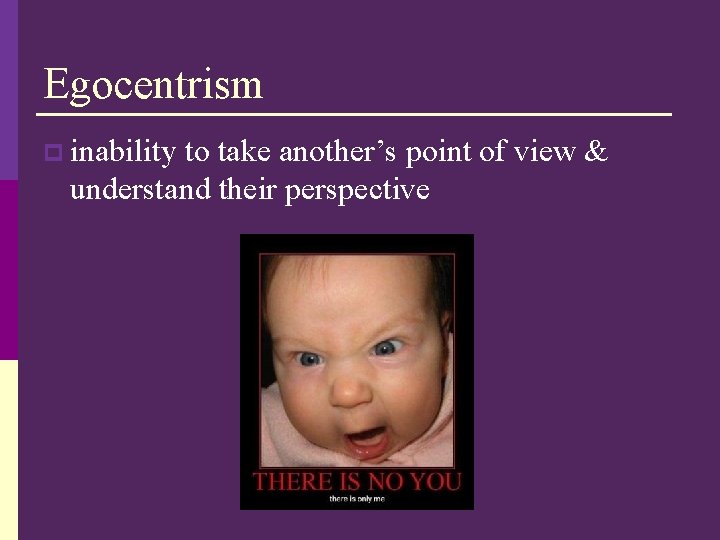
Egocentrism p inability to take another’s point of view & understand their perspective
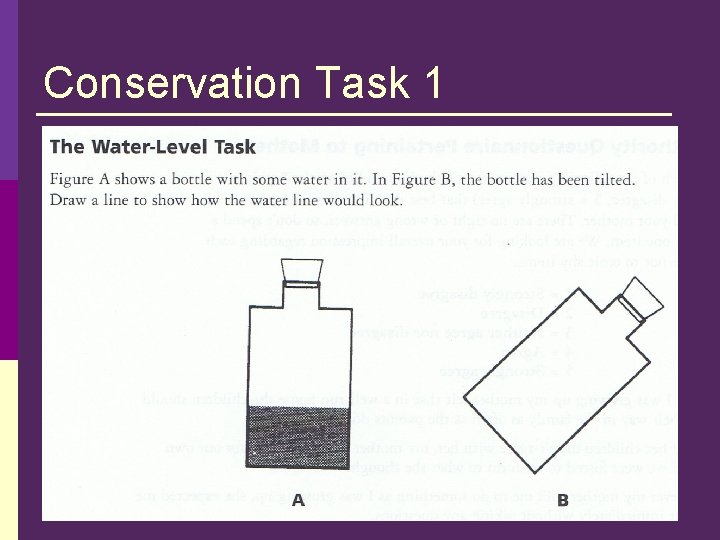
Conservation Task 1
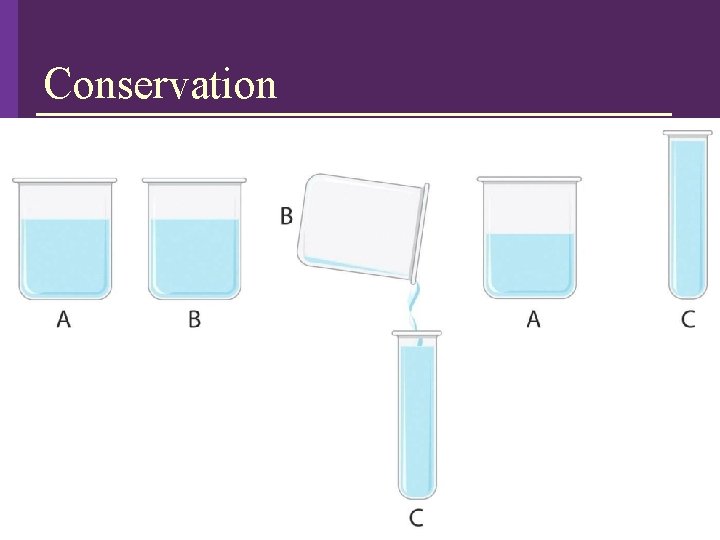
Conservation p understanding that properties (mass, volume, numbers) remain the same even if you change an object’s form
Conservation
Conservation
Conservation
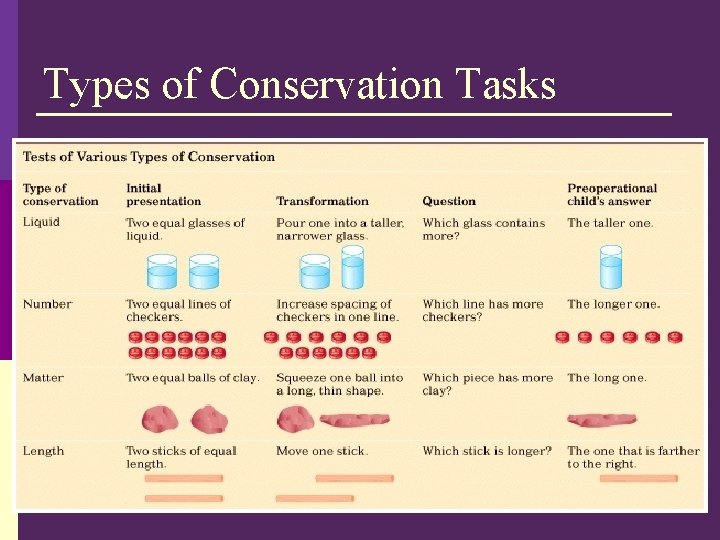
Types of Conservation Tasks
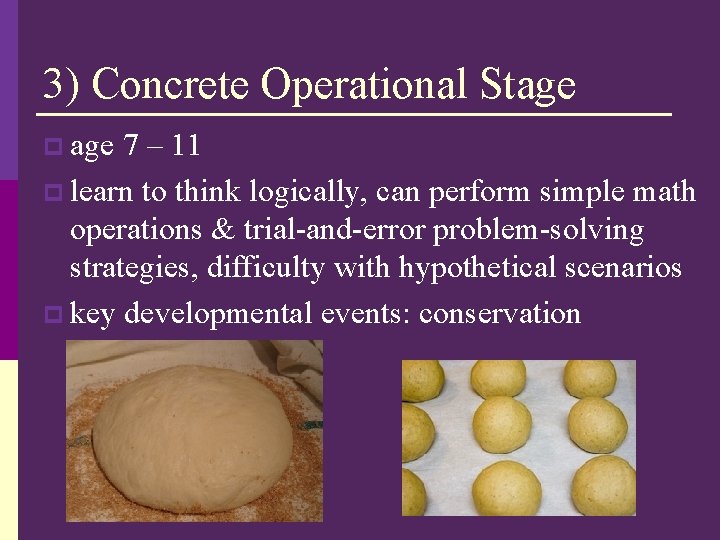
3) Concrete Operational Stage p age 7 – 11 p learn to think logically, can perform simple math operations & trial-and-error problem-solving strategies, difficulty with hypothetical scenarios p key developmental events: conservation
4) Formal Operational Stage p age 12 – adulthood p can think logically and in the abstract, can solve hypothetical problems (what if…. problems), can handle moral & ethical dilemmas p key developmental events: abstract logic, mature moral reasoning
Examples of Formal Operational Thought p Whenever Emily goes to school, Meredith also goes to school. Emily went to school. What can you say about Meredith? p “What would happen if there was no sun? ”
Social Development in Infancy & Childhood: Attachment pages 68 - 71
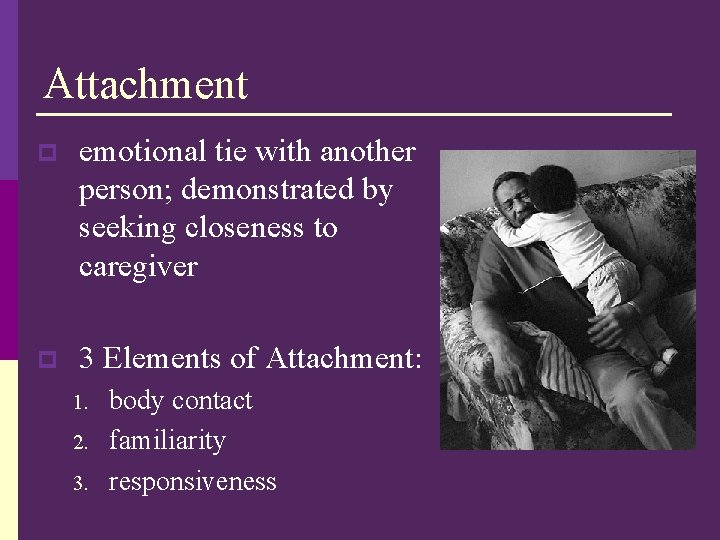
Attachment p emotional tie with another person; demonstrated by seeking closeness to caregiver p 3 Elements of Attachment: 1. 2. 3. body contact familiarity responsiveness
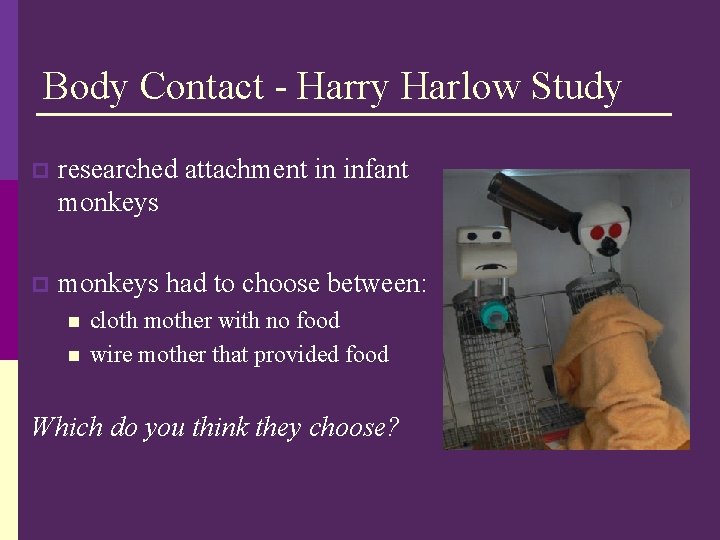
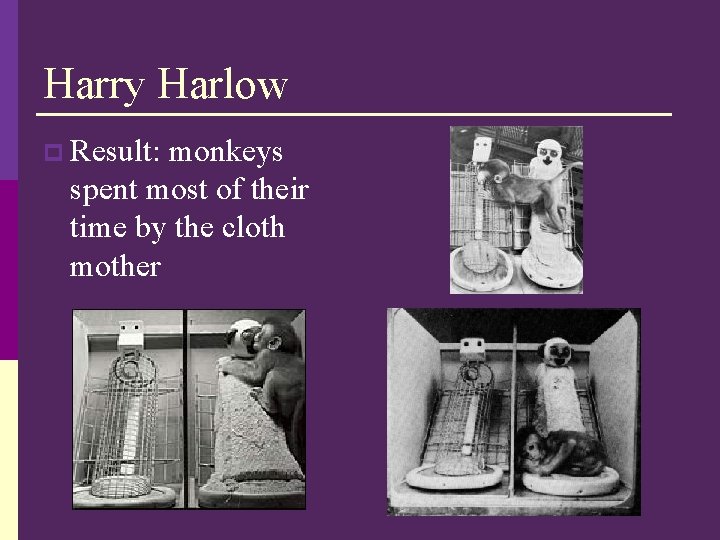
Body Contact - Harry Harlow Study p researched attachment in infant monkeys p monkeys had to choose between: n n cloth mother with no food wire mother that provided food Which do you think they choose?
Harry Harlow p Result: monkeys spent most of their time by the cloth mother
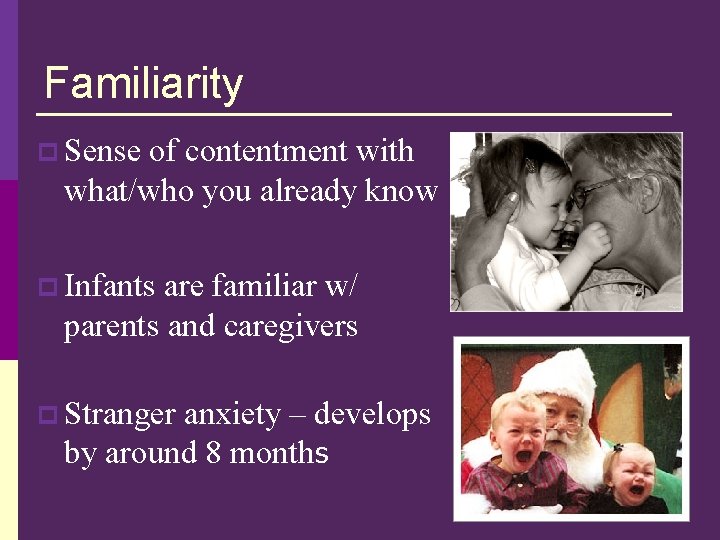
Familiarity p Sense of contentment with what/who you already know p Infants are familiar w/ parents and caregivers p Stranger anxiety – develops by around 8 months
Social Development in Adolescence page 88 - 89
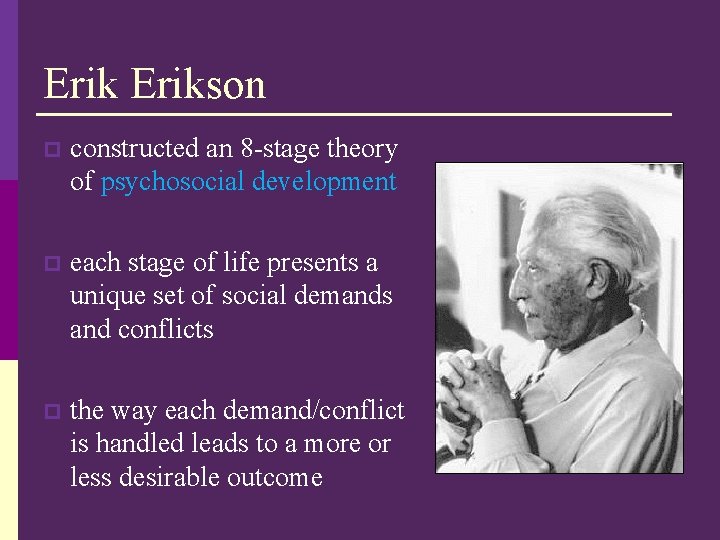
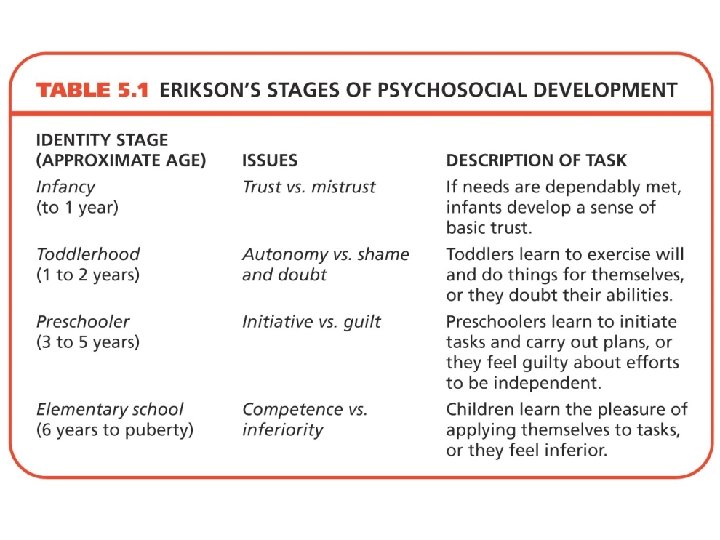
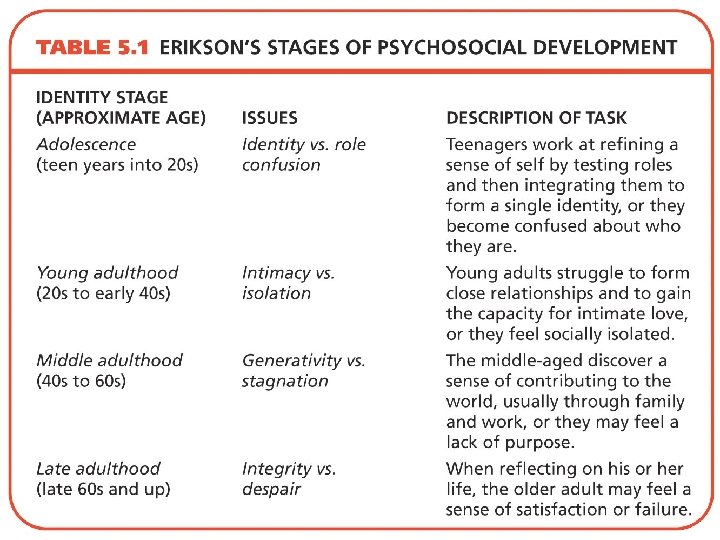
Erikson p constructed an 8 -stage theory of psychosocial development p each stage of life presents a unique set of social demands and conflicts p the way each demand/conflict is handled leads to a more or less desirable outcome
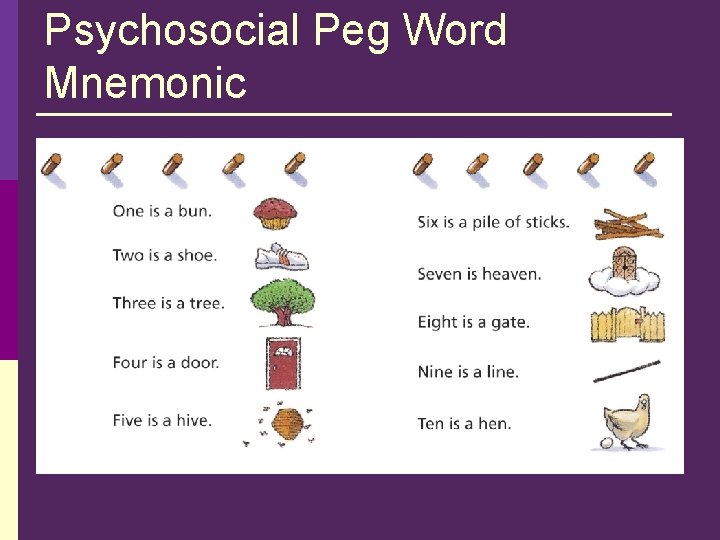
Psychosocial Peg Word Mnemonic
Moral Development: Lawrence Kohlberg pages 85 -88
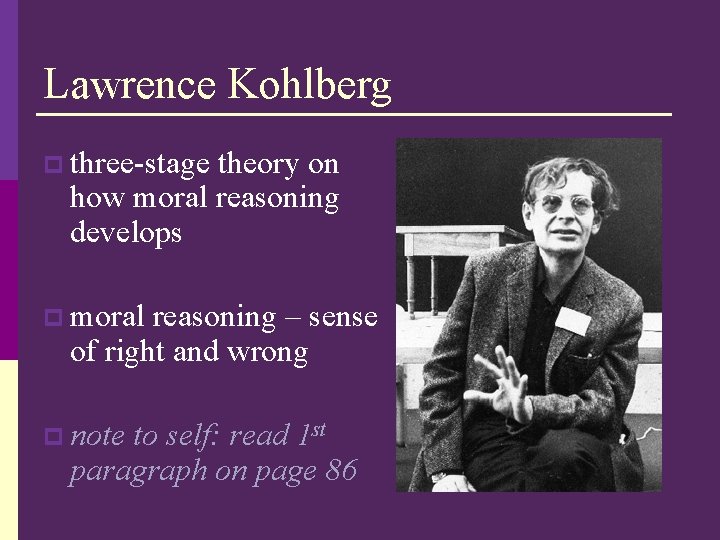
Lawrence Kohlberg p three-stage theory on how moral reasoning develops p moral reasoning – sense of right and wrong p note to self: read 1 st paragraph on page 86
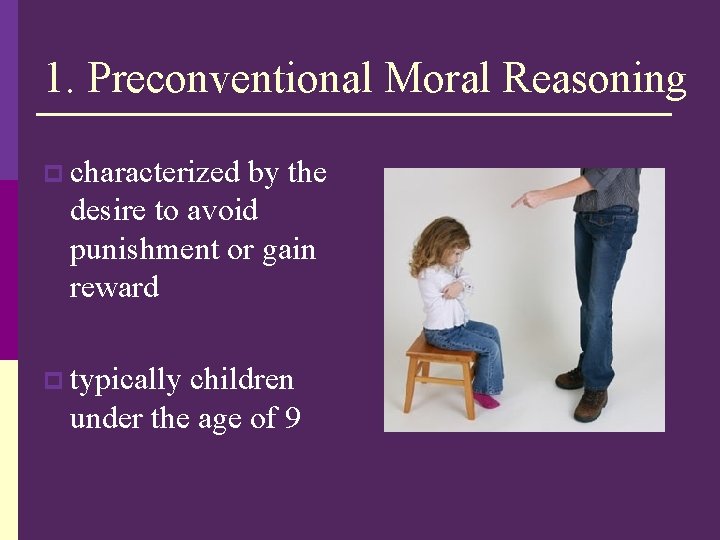
1. Preconventional Moral Reasoning p characterized by the desire to avoid punishment or gain reward p typically children under the age of 9
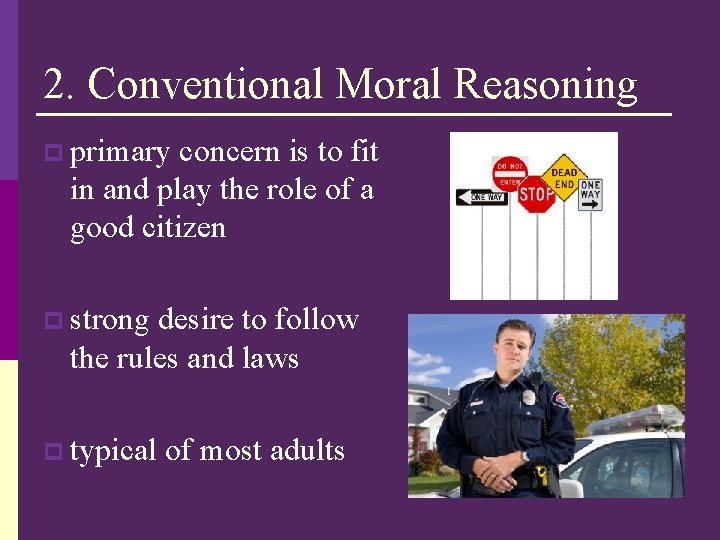
2. Conventional Moral Reasoning p primary concern is to fit in and play the role of a good citizen p strong desire to follow the rules and laws p typical of most adults
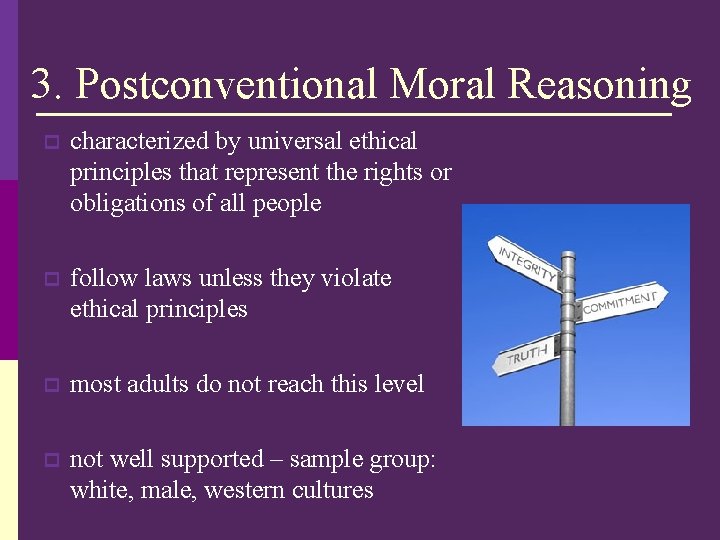
3. Postconventional Moral Reasoning p characterized by universal ethical principles that represent the rights or obligations of all people p follow laws unless they violate ethical principles p most adults do not reach this level p not well supported – sample group: white, male, western cultures