
Life Span Development 8 stages of the Lifespan










- Slides: 69
Life Span Development
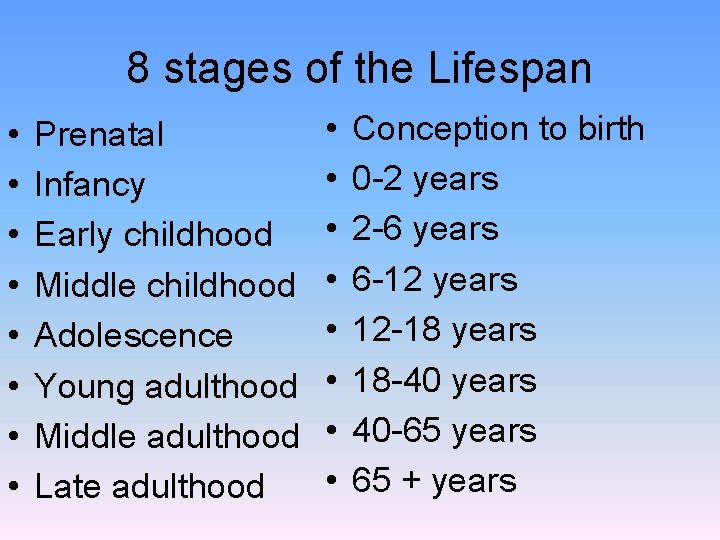
8 stages of the Lifespan • • Prenatal Infancy Early childhood Middle childhood Adolescence Young adulthood Middle adulthood Late adulthood • • Conception to birth 0 -2 years 2 -6 years 6 -12 years 12 -18 years 18 -40 years 40 -65 years 65 + years
Prenatal and Childhood Development
Genetics in Brief
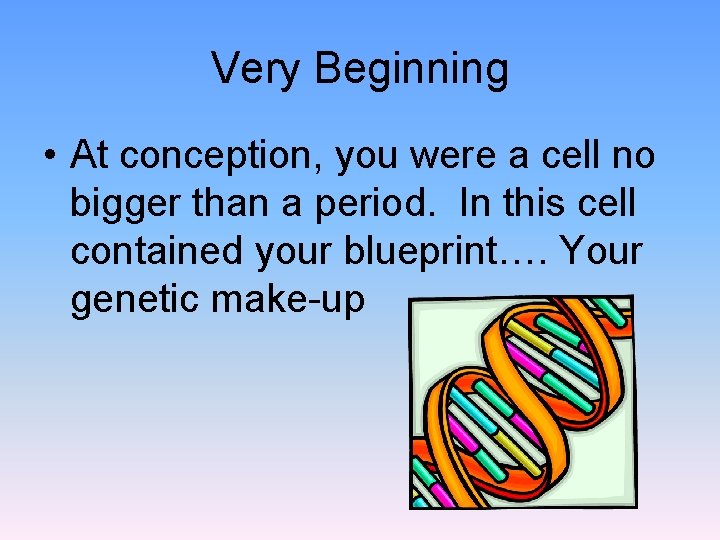
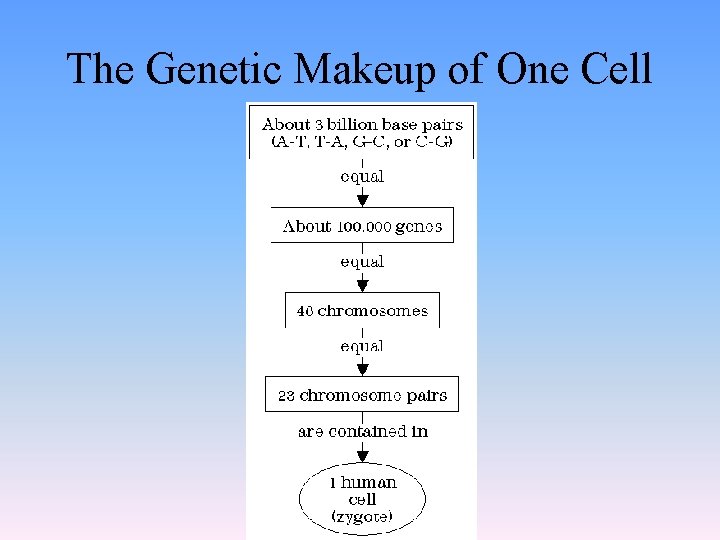
Very Beginning • At conception, you were a cell no bigger than a period. In this cell contained your blueprint…. Your genetic make-up
The Genetic Makeup of One Cell
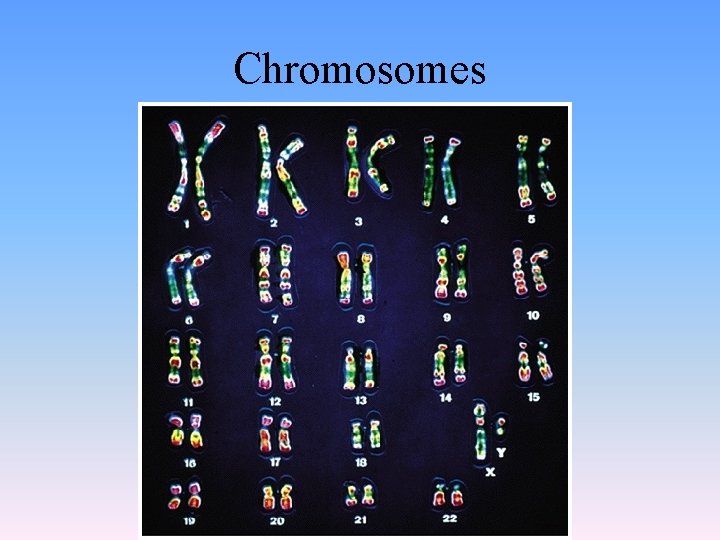
Chromosomes • Are the blueprint to you • Threadlike structures made up of DNA – chemical basis of heredity • 46 in each cell • 23 received from each parent
Chromosomes
Deoxyribonucleic Acid (DNA) • A complex molecule • Contains the genetic information of each chromosome • Each gene has information like eye color, hair color, height, handedness
Prenatal Development • Prenatal defined as “before birth” • Prenatal stage begins at conception and ends with the birth of the child.
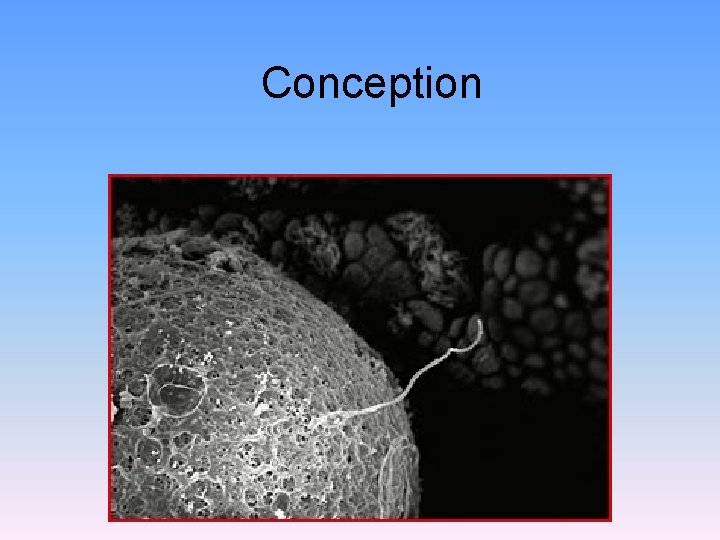
Conception
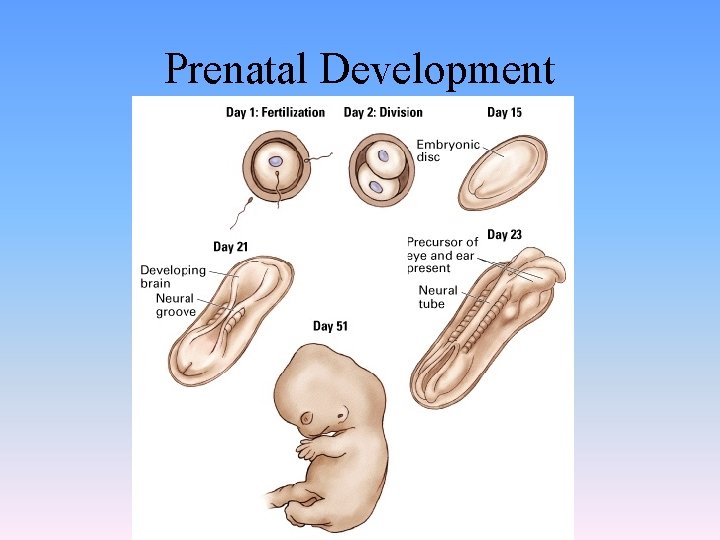
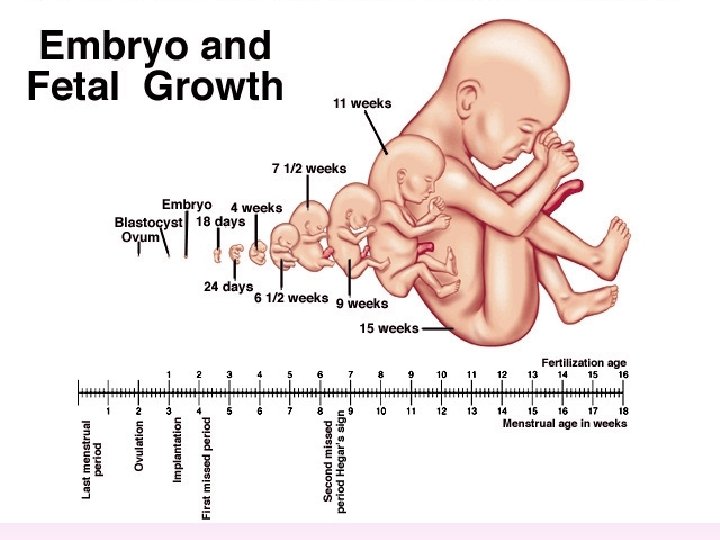
From conception to the first year – 3 stages of prenatal development • Zygote period – first 2 weeks • Embryonic period – 2 weeks to 8 weeks • Fetal period – 8 weeks to birth
Zygote • A newly fertilized egg • The first two weeks are a period of rapid cell division.
Zygote cont. • In the week after about 7 divisions, • the cells start to differentiate to specialize in function st 1
Zygote cont. • After 10 days zygote attaches to the mother’s uterine wall • It stays there for approximately the next 37 weeks
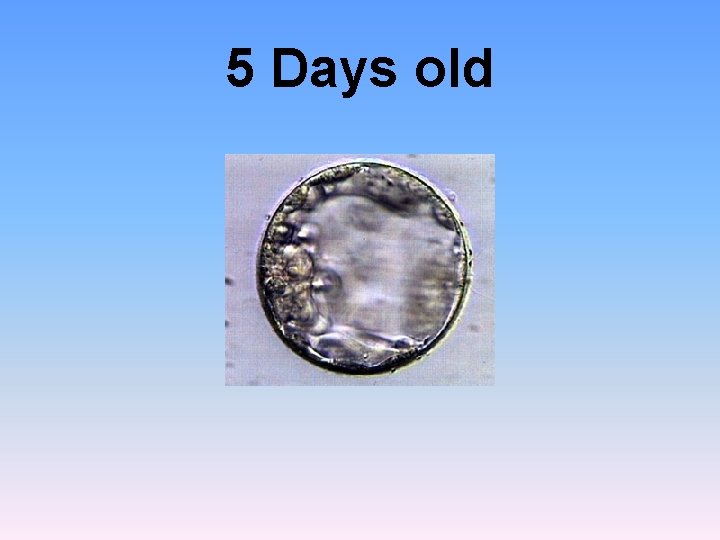
5 Days old
Prenatal Development
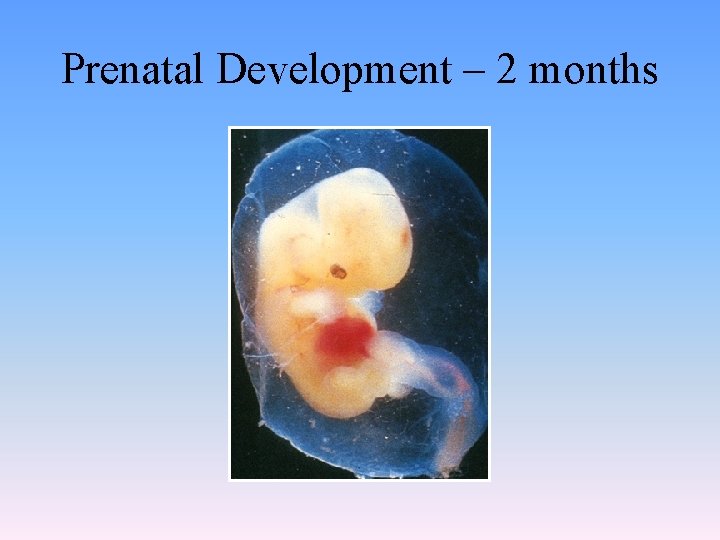
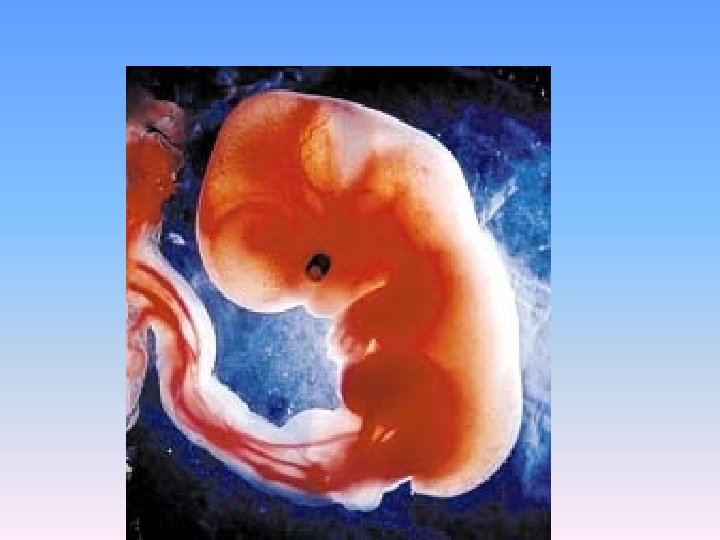
Embryo • Developing human from about 14 days until the end of the eight week • Most of the major organs are formed during this time.
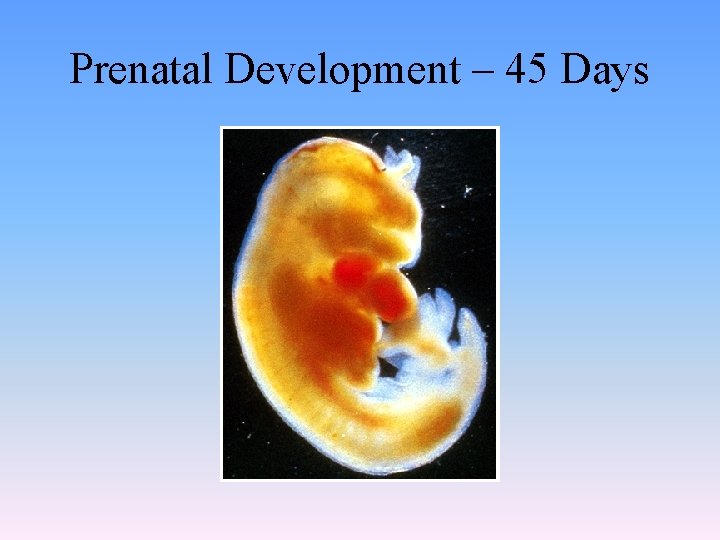
Prenatal Development – 45 Days
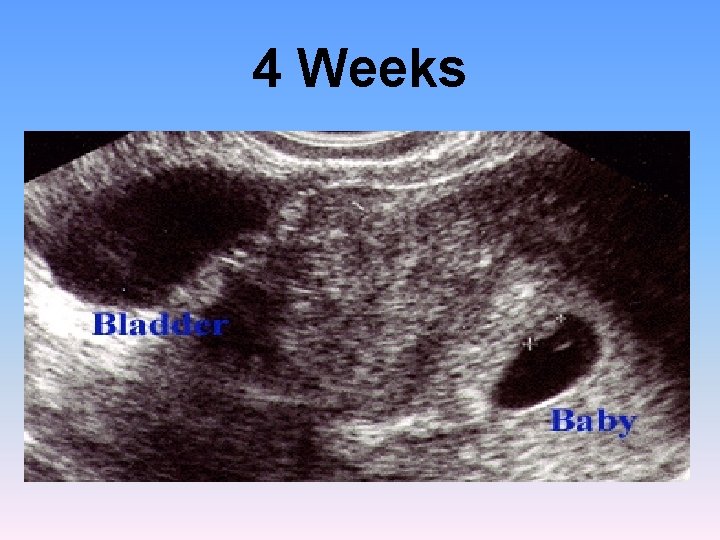
4 Weeks
Prenatal Development – 2 months
Fetal Period • The period between the beginning of the ninth week until birth
From conception to the first year • Fetal stage— the week on • Unmistakably human in form • further development of organs and systems: marked increase in nervous system development and brain weight th 9
• http: //www. youtube. com/watch? v=k. KMLf. Q _EH 7 c&feature=related
9 Weeks
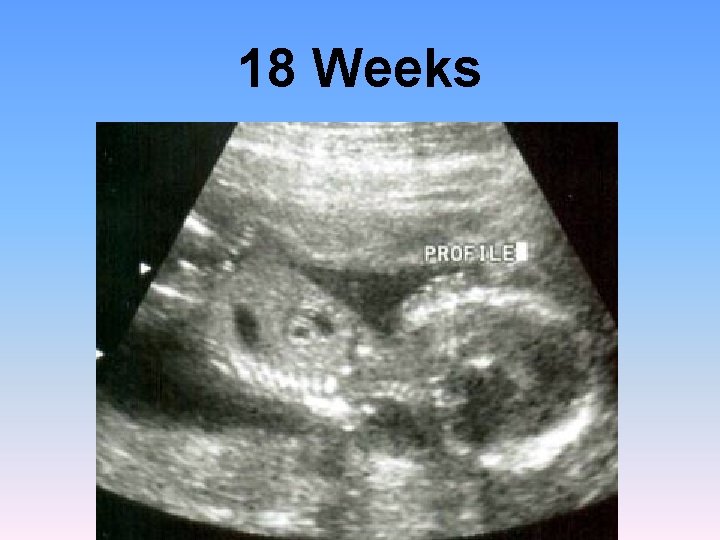
18 Weeks
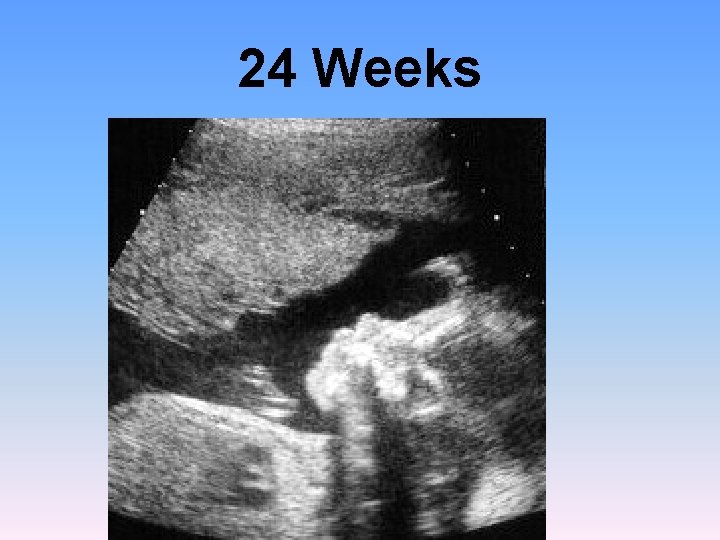
24 Weeks
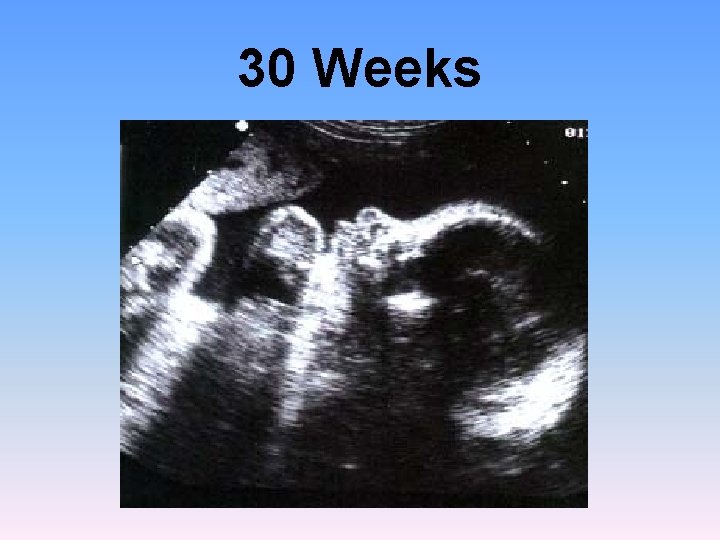
30 Weeks
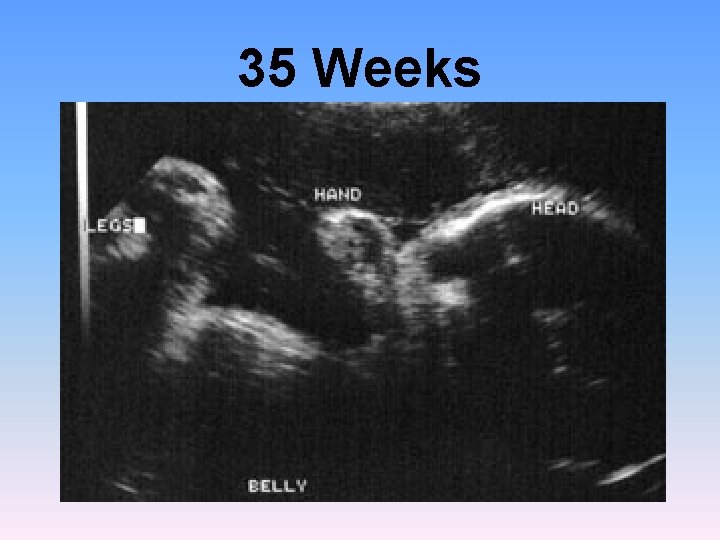
35 Weeks
Placenta • A cushion of cells in the mother by which the fetus receives oxygen and nutrition • Acts as a filter to screen out substances that could harm the fetus
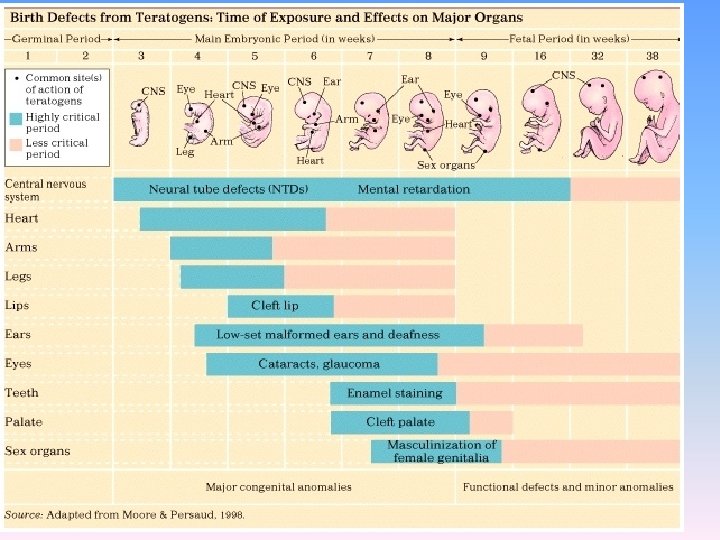
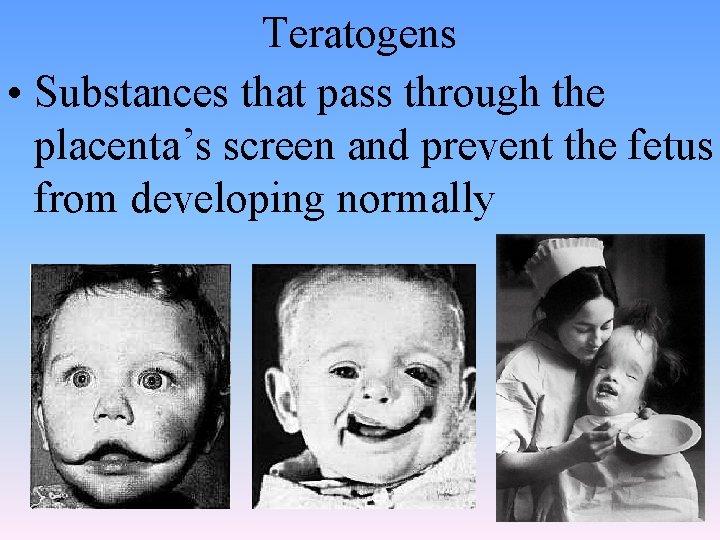
Teratogens • Substances that pass through the placenta’s screen and prevent the fetus from developing normally
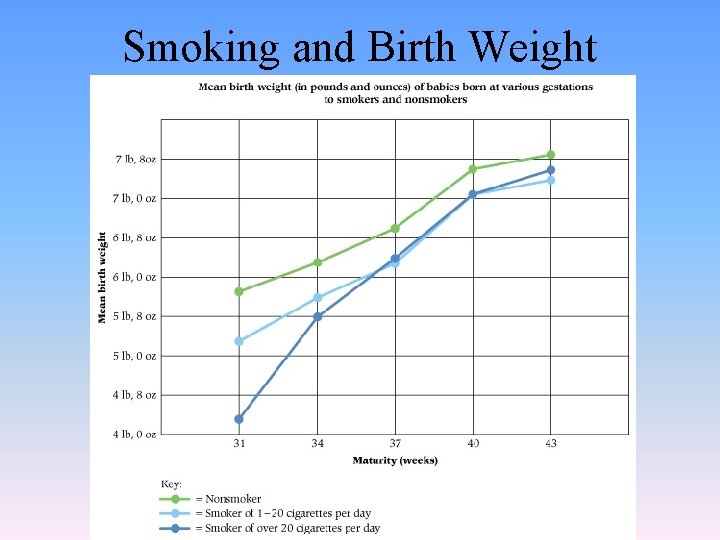
• Problems: –Harmful influences that can cross the placental barrier –Teratogens include: German measles, radiation, toxic chemicals, std’s, cigarette smoking, heavy alcohol consumption, prescription and nonprescription drugs.
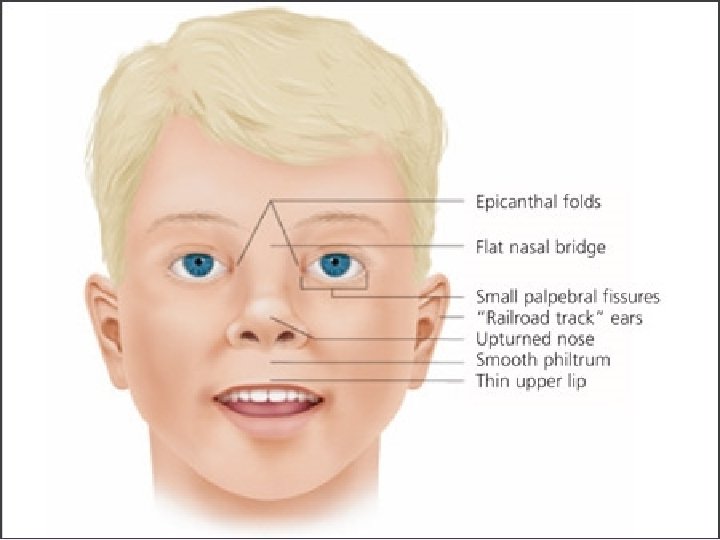
Fetal Alcohol Syndrome (FAS) • A series of physical and cognitive abnormalities in children due to their mother drinking large amounts of alcohol during pregnancy
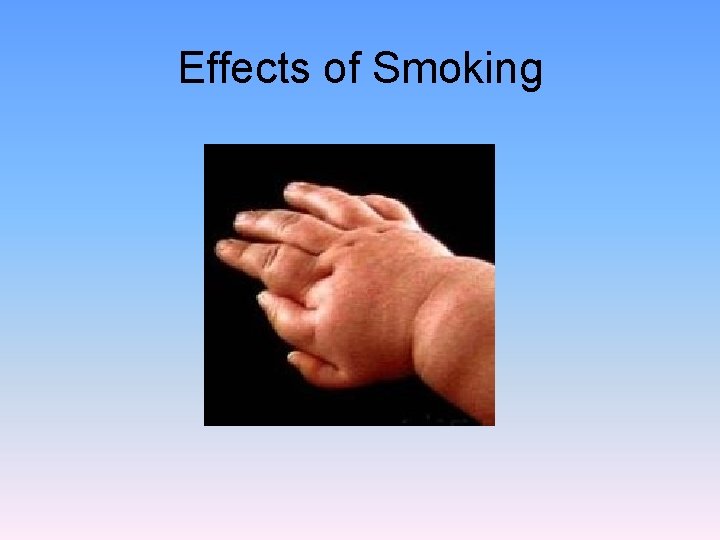
Effects of Smoking
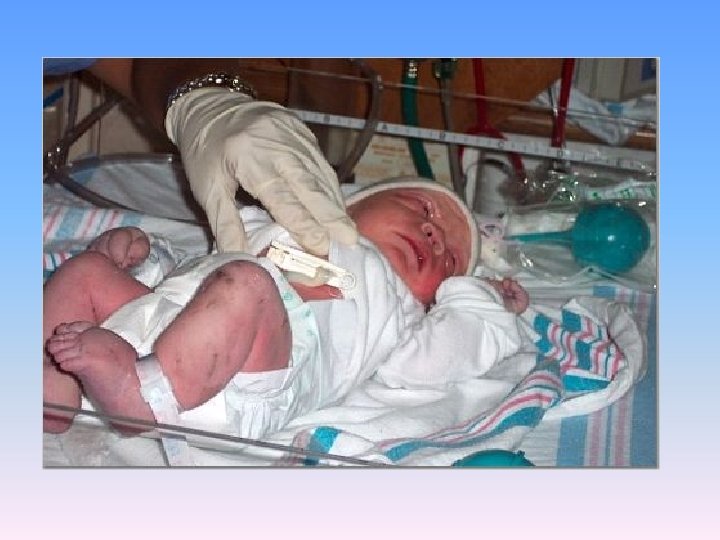
Smoking and Birth Weight
Are humans completely helpless at Birth?
From conception to the first year • Newborns are able to see, but are nearsighted • 20/500 legally blind. • -prefer faces over other stimuli in the environment.
The Beginnings of Life: The Newborn
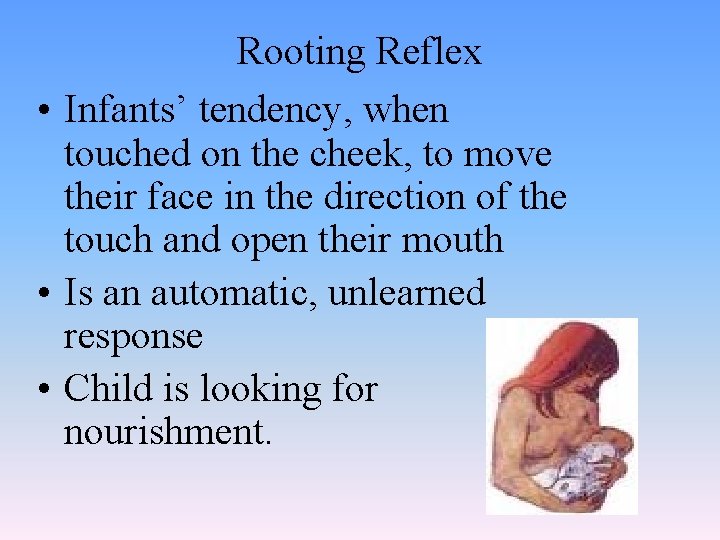
Rooting Reflex • Infants’ tendency, when touched on the cheek, to move their face in the direction of the touch and open their mouth • Is an automatic, unlearned response • Child is looking for nourishment.
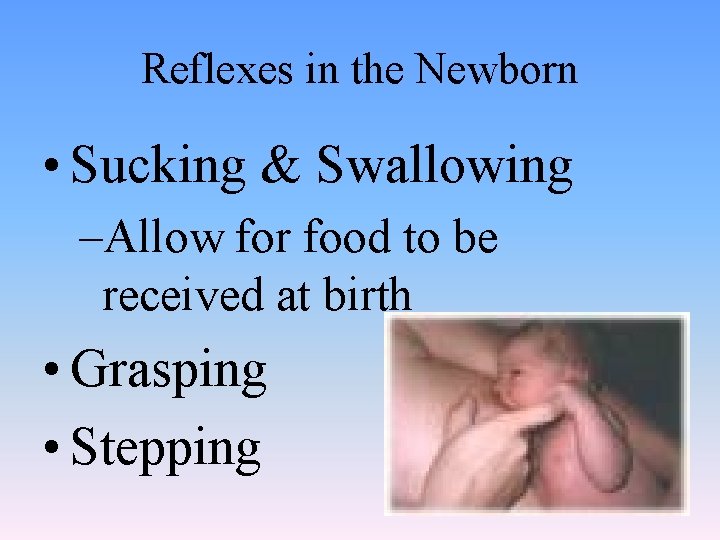
Reflexes in the Newborn • Sucking & Swallowing –Allow for food to be received at birth • Grasping • Stepping
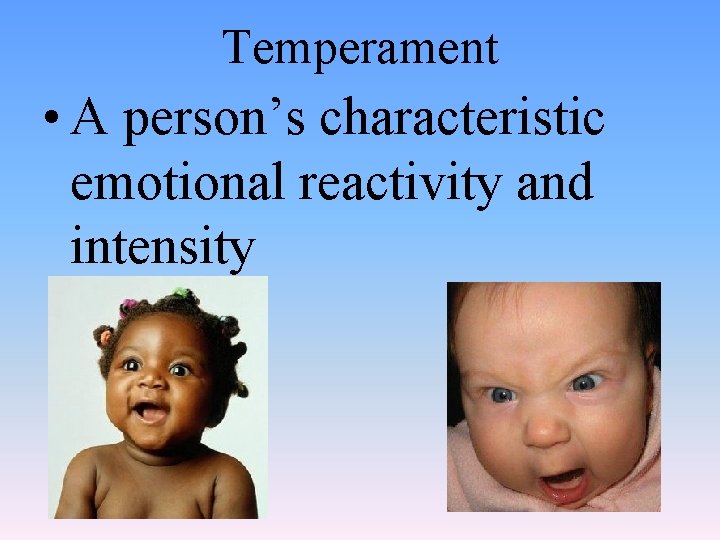
Temperament • A person’s characteristic emotional reactivity and intensity
Temperament • A baby’s temperament is apparent after just a few hours of birth –“easy” babies – eat and sleep regularly –“difficult” – unpredictable, intense, & irritable
Physical Development in Infancy and Childhood
Infant, Toddler, Child • Infant: First year • Toddler: From about 1 year to 3 years of age • Child: Span between toddler and teen
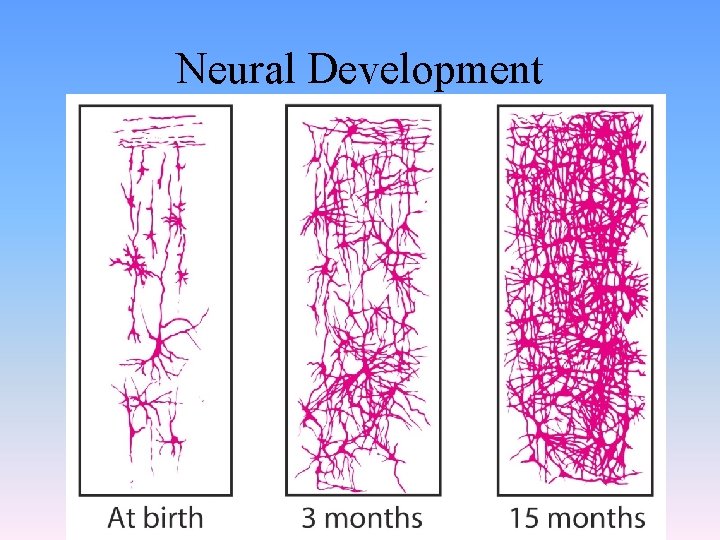
Neural Development
Maturation • Biological growth processes that enable orderly changes in behavior
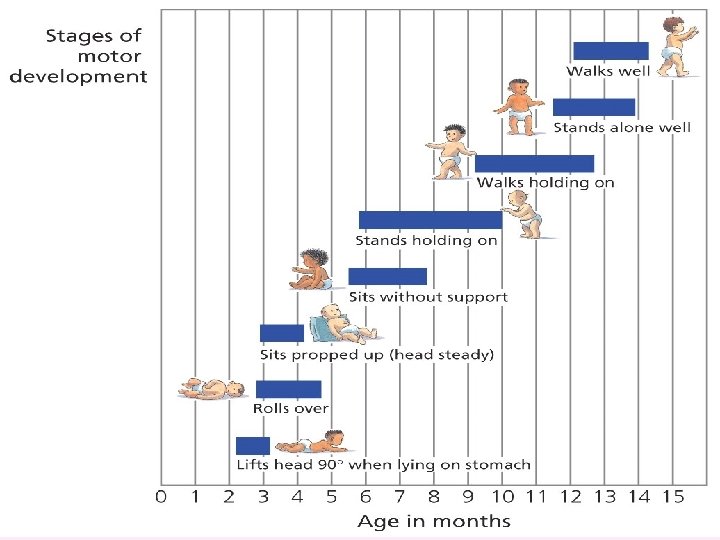
Motor Development • Includes all physical skills and muscular coordination • When did you first roll over, sit up, walk, ride a bike? ? ?
Social Development in Infancy and Childhood
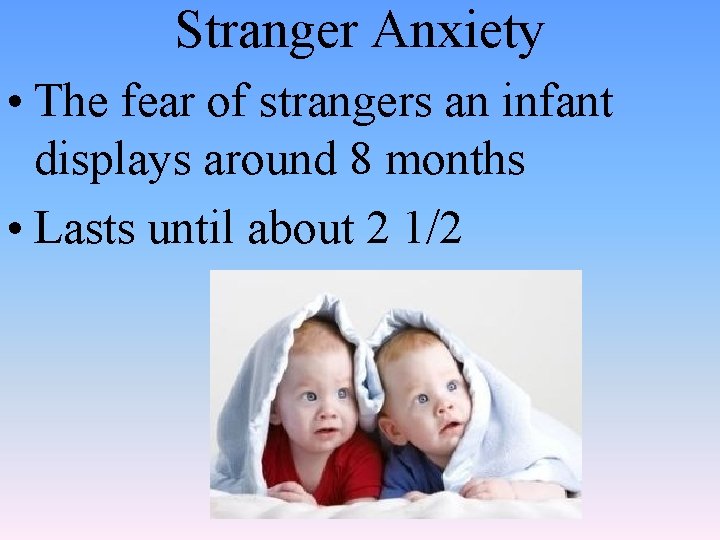
Stranger Anxiety • The fear of strangers an infant displays around 8 months • Lasts until about 2 1/2
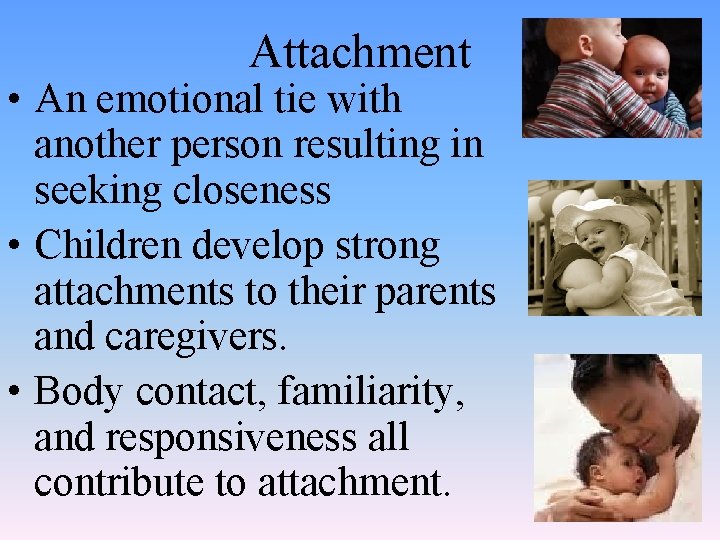
Attachment • An emotional tie with another person resulting in seeking closeness • Children develop strong attachments to their parents and caregivers. • Body contact, familiarity, and responsiveness all contribute to attachment.
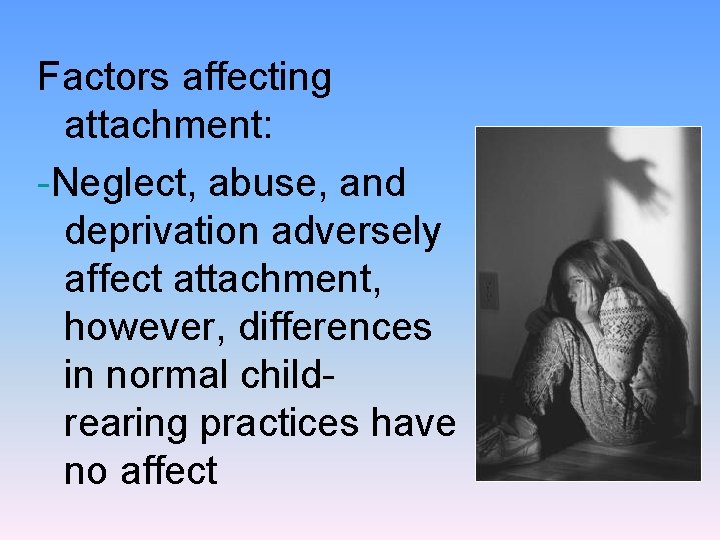
Factors affecting attachment: -Neglect, abuse, and deprivation adversely affect attachment, however, differences in normal childrearing practices have no affect
• Daycare does not affect attachment • Temperament, chronic stress, and rejection can affect attachment • Cultural expectations can also play a role
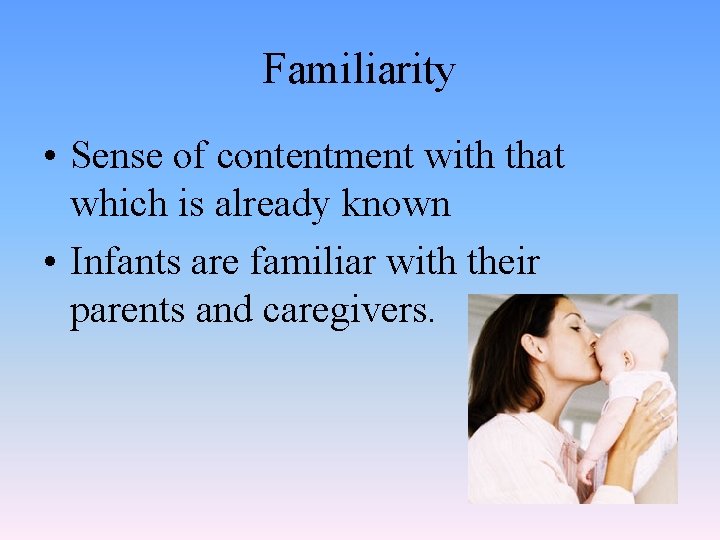
Familiarity • Sense of contentment with that which is already known • Infants are familiar with their parents and caregivers.
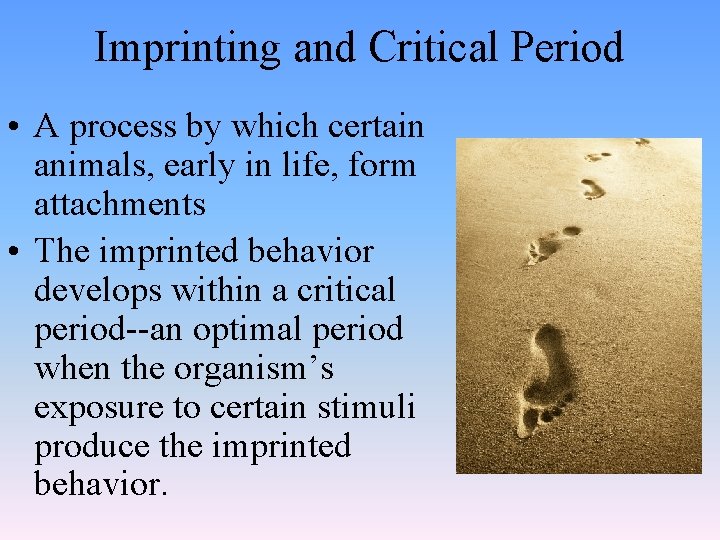
Imprinting and Critical Period • A process by which certain animals, early in life, form attachments • The imprinted behavior develops within a critical period--an optimal period when the organism’s exposure to certain stimuli produce the imprinted behavior.
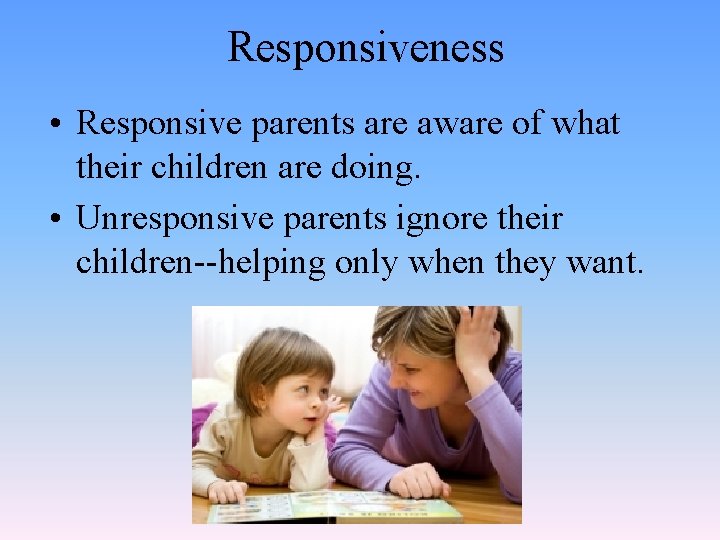
Responsiveness • Responsive parents are aware of what their children are doing. • Unresponsive parents ignore their children--helping only when they want.
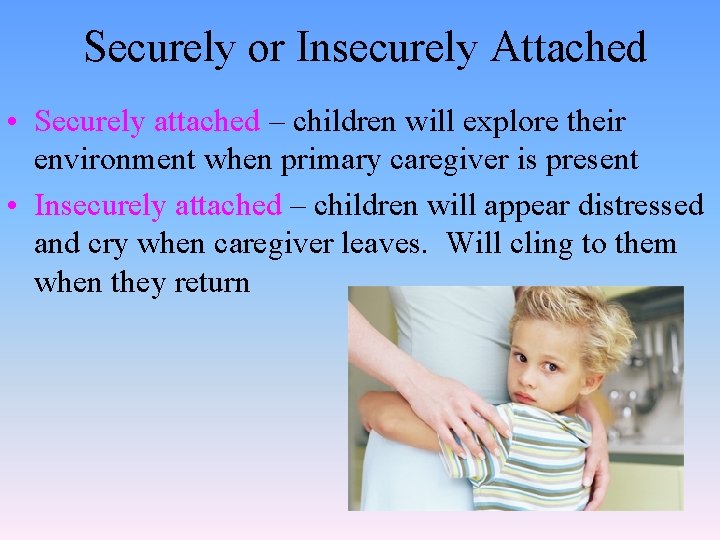
Securely or Insecurely Attached • Securely attached – children will explore their environment when primary caregiver is present • Insecurely attached – children will appear distressed and cry when caregiver leaves. Will cling to them when they return
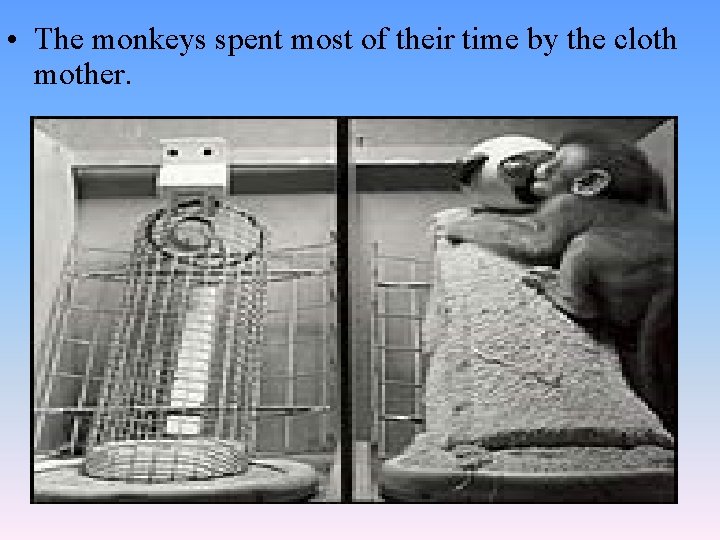
Harry Harlow • Did research with infant monkeys on how body contact relates to attachment • The monkeys had to chose between a cloth mother or a wire mother that provided food.
• The monkeys spent most of their time by the cloth mother.
Effects of Attachment • Secure attachment predicts social competence. • Deprivation of attachment is linked to negative outcome. • A responsive environment helps most infants recover from attachment disruption.
Any questions from my future parents?