
Life Processes What are the characteristics of life




- Slides: 29
Life Processes What are the characteristics of life?
LIFE PROCESSES Looking at living things
What is a living thing? • Imagine that you are space traveler who lands on an unknown planet. How could you determine if what you are looking at is alive. Ex. A rock and a blade of grass.
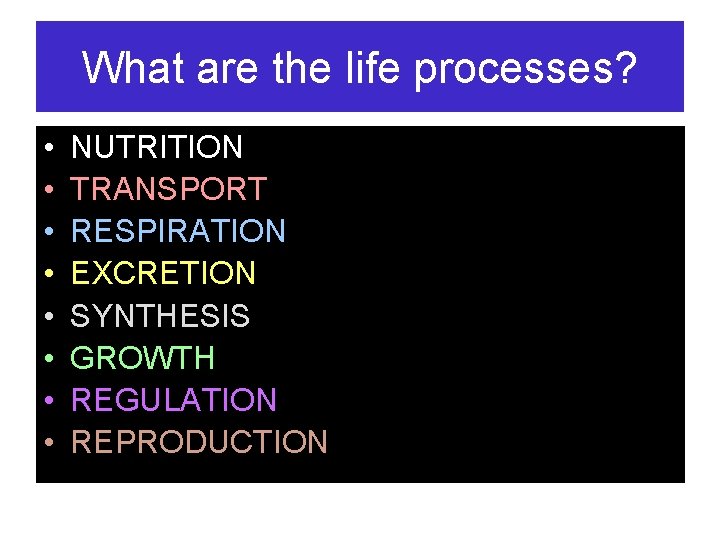
What are the life processes? • • NUTRITION TRANSPORT RESPIRATION EXCRETION SYNTHESIS GROWTH REGULATION REPRODUCTION
Key Concepts • Metabolism – all the chemical activities an organism must carry on to sustain life. • Homeostasis – the maintenance of a stable internal environment in spite of changes in the external environment.
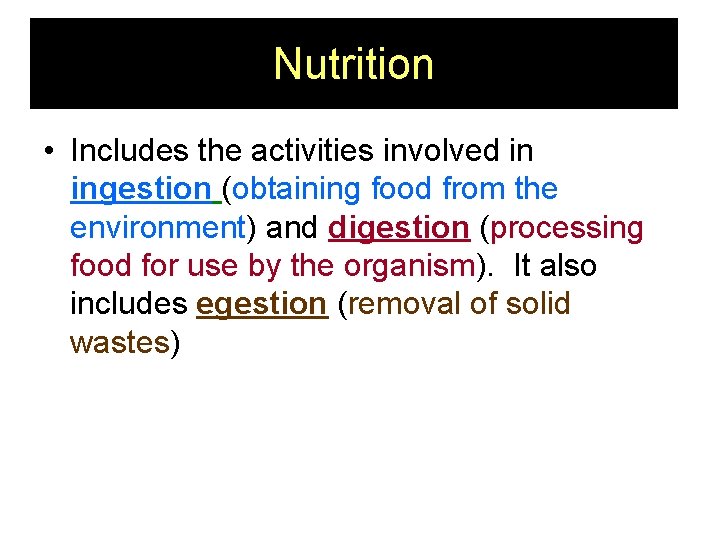
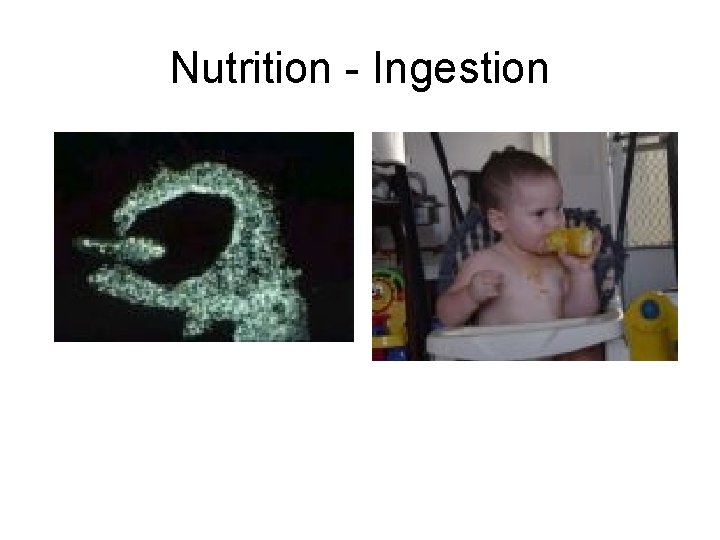
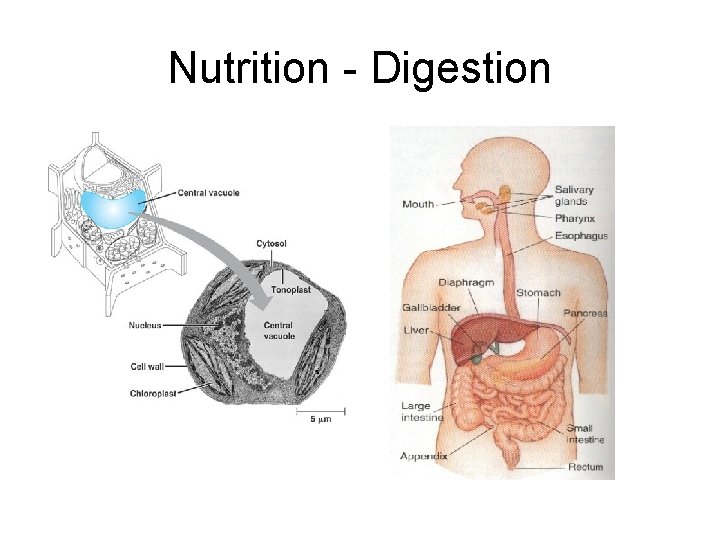
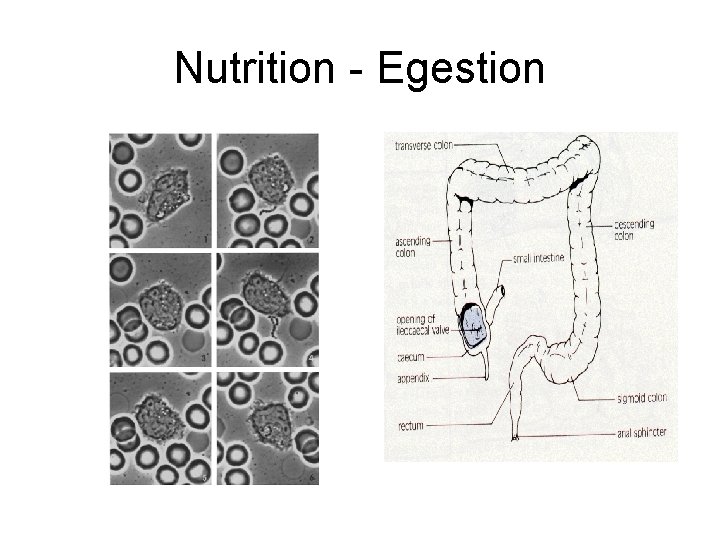
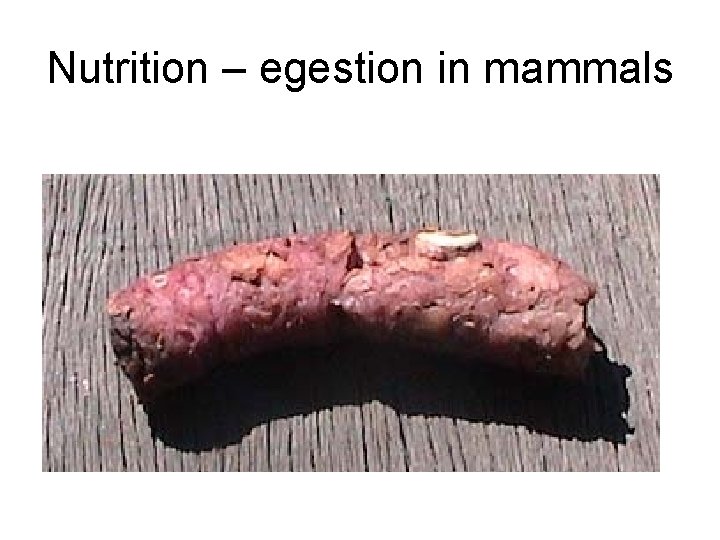
Nutrition • Includes the activities involved in ingestion (obtaining food from the environment) and digestion (processing food for use by the organism). It also includes egestion (removal of solid wastes)
Nutrition - Ingestion
Nutrition - Digestion
Nutrition - Egestion
Nutrition – Egestion in Leukocytes • in which the bacteria, having been ingested and enclosed in a digestive vacuole by the leukocyte, are ejected by the living cellto the outside
Nutrition – egestion in mammals
TRANSPORT • The absorption of materials through cell membranes and the circulation, or distribution of materials to all the cells of an organism.
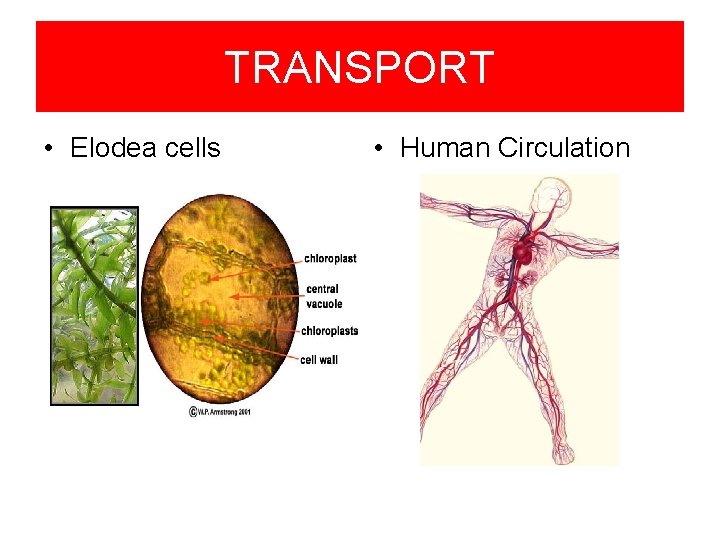
TRANSPORT • Elodea cells • Human Circulation
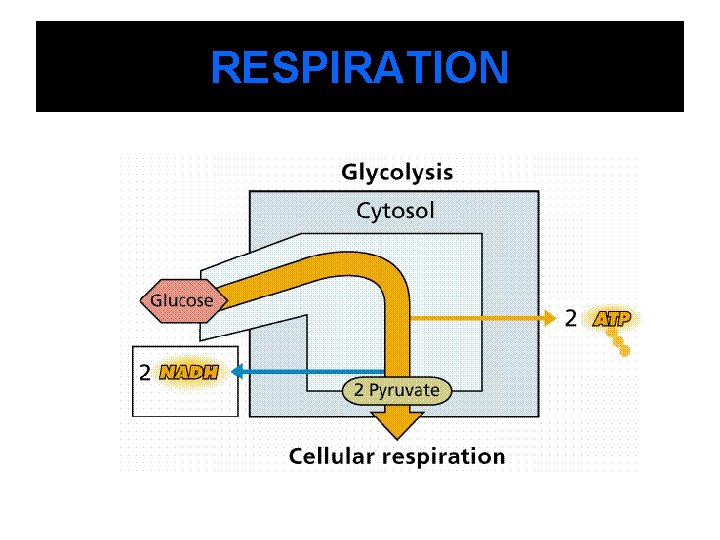
RESPIRATION • The process of releasing energy from organic molecules for use by cells. • During respiration glucose is broken down, and the energy released is stored in the compound ATP. • Energy released by the compound ATP is used by organisms to perform life functions.
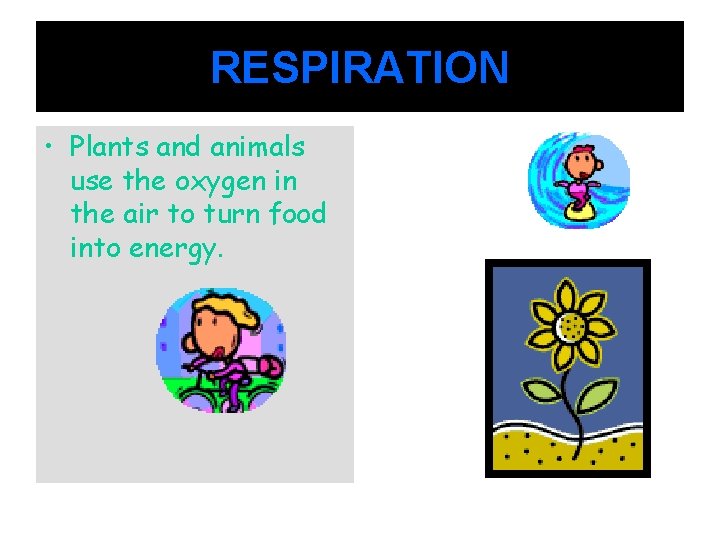
RESPIRATION • Plants and animals use the oxygen in the air to turn food into energy.
RESPIRATION
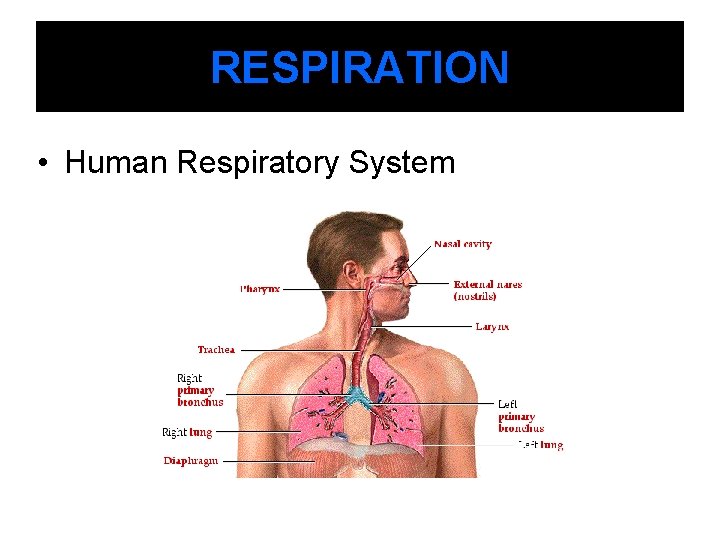
RESPIRATION • Human Respiratory System
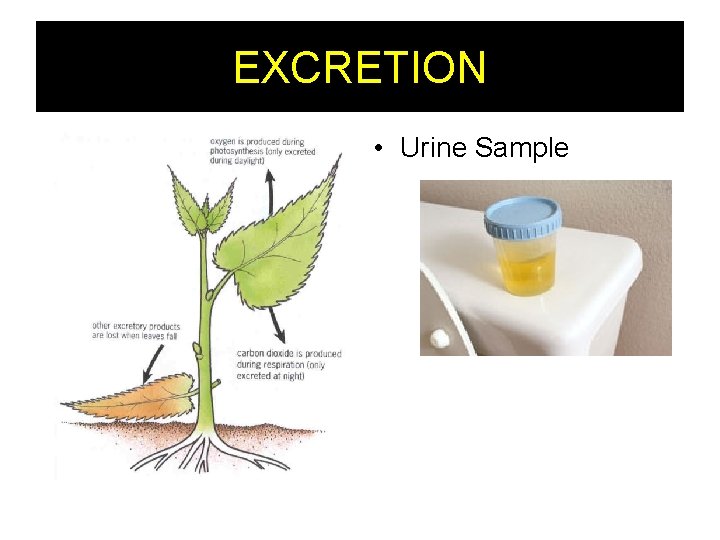
EXCRETION • The elimination of cellular waste products from the organism. • These wastes include water, carbon dioxide, salts, and nitrogen-containing compounds.
EXCRETION • Urine Sample
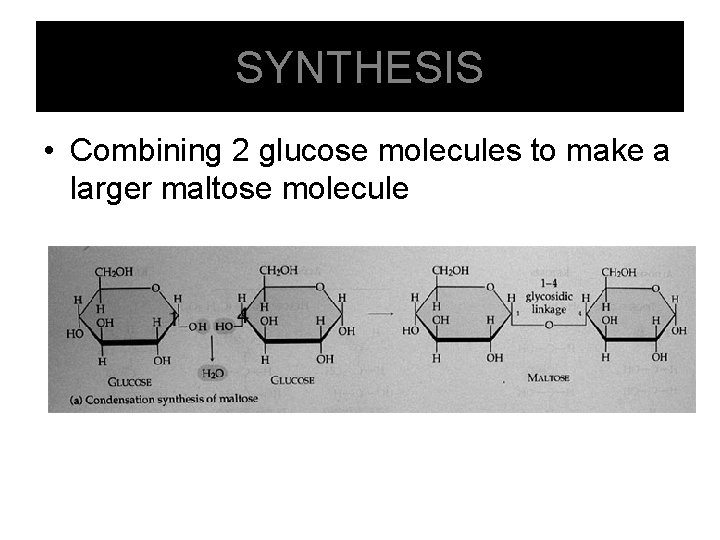
SYNTHESIS • Chemical reactions in which small molecules combine to form larger ones.
SYNTHESIS • Combining 2 glucose molecules to make a larger maltose molecule
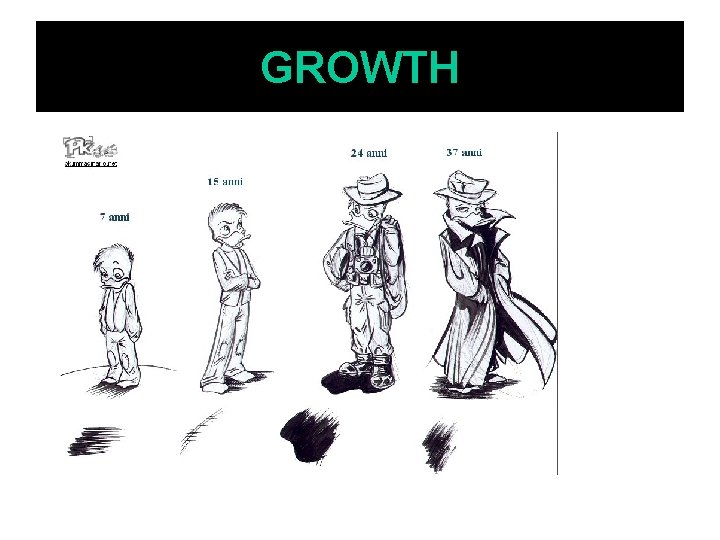
GROWTH • An increase in size brought about by increases in cell size and cell number. • The raw materials for growth are the products of synthesis.
GROWTH
REGULATION • The control and coordination of life functions.
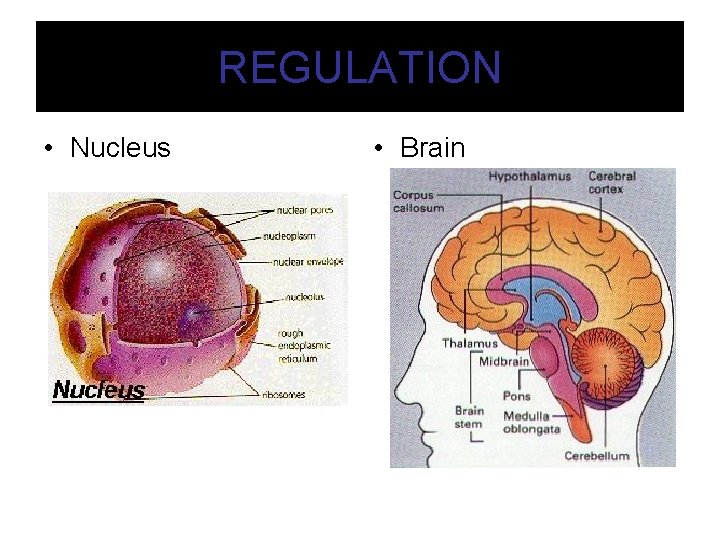
REGULATION • Nucleus • Brain
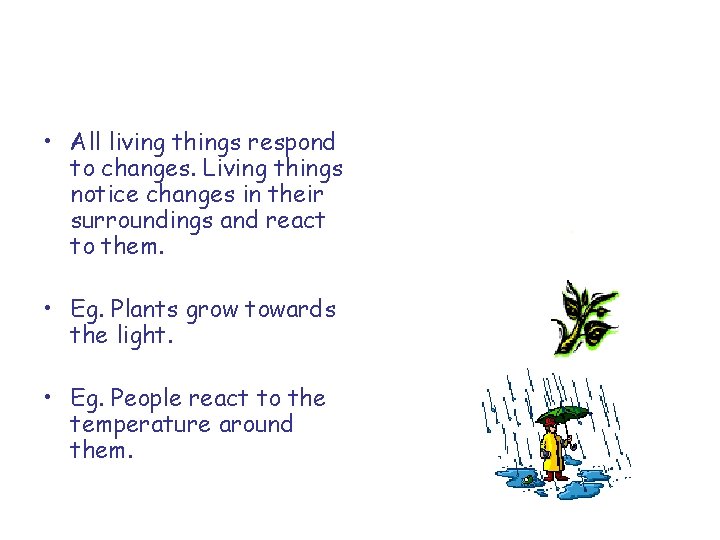
• All living things respond to changes. Living things notice changes in their surroundings and react to them. • Eg. Plants grow towards the light. • Eg. People react to the temperature around them.
REPRODUCTION • The production of new individuals. • Reproduction is necessary for the survival of a species, or kind of organism.
REPRODUCTION
• LIFE PROCESSES VIDEO