
Life Orientation Life Skills NQF 3 Life Orientation
- Slides: 28
Life Orientation: Life Skills NQF 3 Life Orientation NQF Level 3
Indicate strategies & lifestyle changes to avoid risky behaviour Module 8 *see terms and conditions
Think about it… • How do you refuse something harmful or bad when the pressure is on? • Can you grow stronger in refusal skills? • How will you know when you are being abused?
Unit 8. 1 Peer pressure Life Orientation NQF Level 3
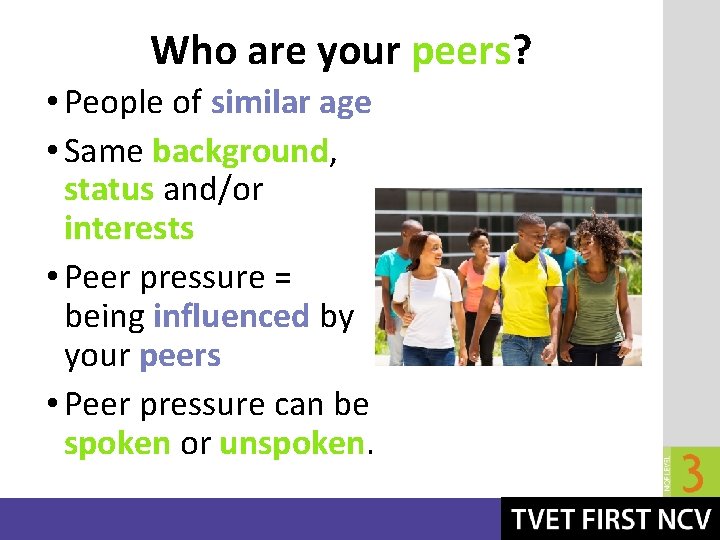
Who are your peers? • People of similar age • Same background, status and/or interests • Peer pressure = being influenced by your peers • Peer pressure can be spoken or unspoken.
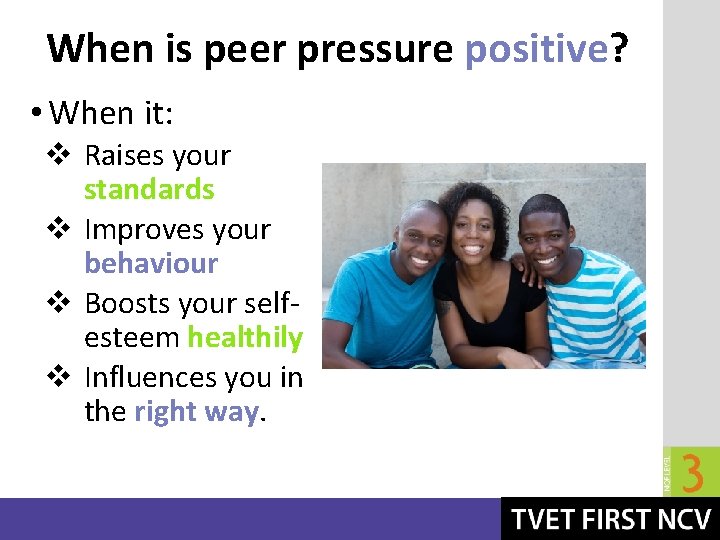
When is peer pressure positive? • When it: v Raises your standards v Improves your behaviour v Boosts your selfesteem healthily v Influences you in the right way.
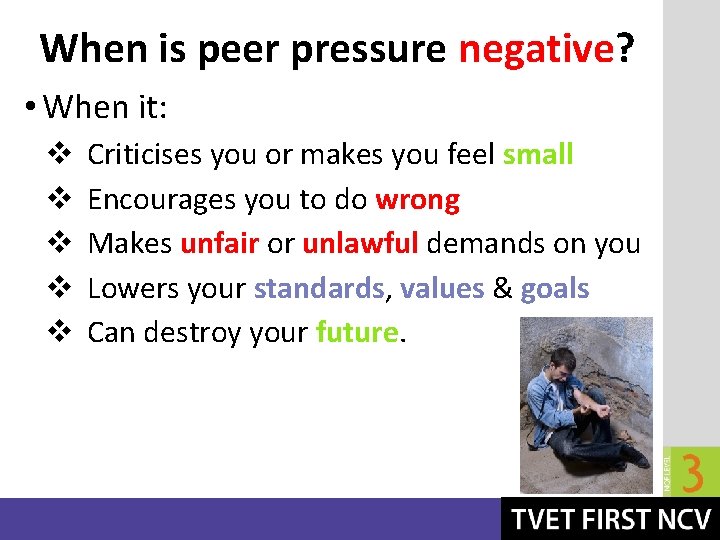
When is peer pressure negative? • When it: v v v Criticises you or makes you feel small Encourages you to do wrong Makes unfair or unlawful demands on you Lowers your standards, values & goals Can destroy your future.
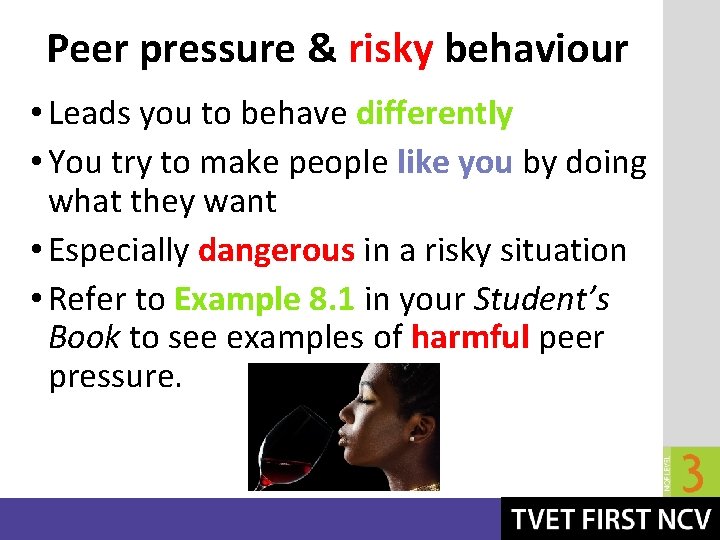
Peer pressure & risky behaviour • Leads you to behave differently • You try to make people like you by doing what they want • Especially dangerous in a risky situation • Refer to Example 8. 1 in your Student’s Book to see examples of harmful peer pressure.
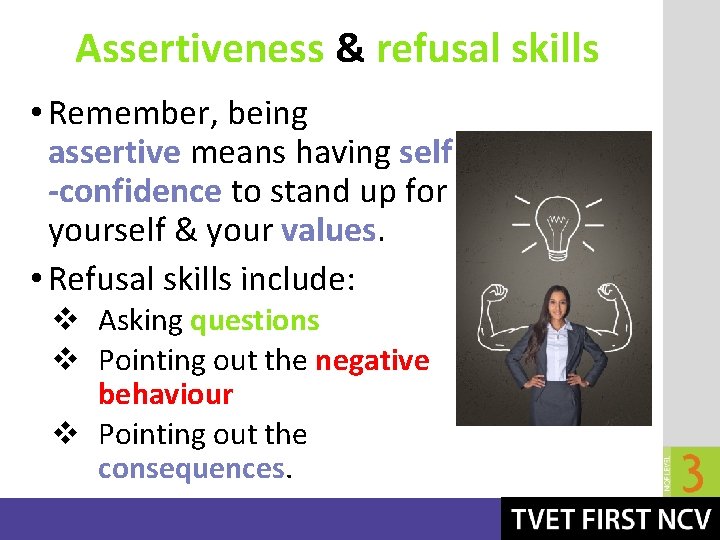
Assertiveness & refusal skills • Remember, being assertive means having self -confidence to stand up for yourself & your values. • Refusal skills include: v Asking questions v Pointing out the negative behaviour v Pointing out the consequences.
Assertiveness & refusal skills • Refusal skills include: Delaying the issue Suggesting other options Standing firm Leaving the scene Being dramatic Reversing the pressure by challenging the peer(s) v Ignoring the issue or comment, & trying to change the subject v v v
Assertiveness & refusal skills • Refer to Table 8. 1 in your Student’s Book for examples of responses.
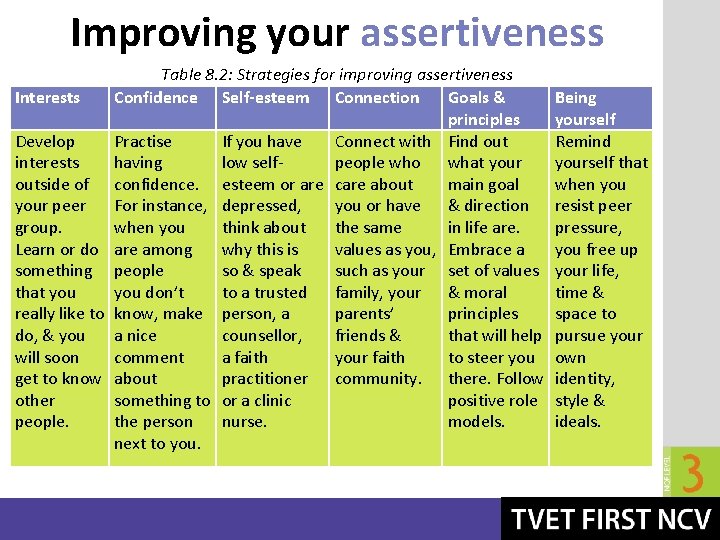
Improving your assertiveness Table 8. 2: Strategies for improving assertiveness Interests Confidence Self-esteem Connection Goals & principles Develop Practise If you have Connect with Find out interests having low selfpeople who what your outside of confidence. esteem or are care about main goal your peer For instance, depressed, you or have & direction group. when you think about the same in life are. Learn or do are among why this is values as you, Embrace a something people so & speak such as your set of values that you don’t to a trusted family, your & moral really like to know, make person, a parents’ principles do, & you a nice counsellor, friends & that will help will soon comment a faith your faith to steer you get to know about practitioner community. there. Follow other something to or a clinic positive role people. the person nurse. models. next to you. Being yourself Remind yourself that when you resist peer pressure, you free up your life, time & space to pursue your own identity, style & ideals.
Module 8 Learning activity 8. 1 Test your knowledge of this unit – and assess your assertiveness and refusal skills – by completing Learning activity 8. 1 in your Student’s Book. Life Orientation NQF Level 3
Unit 8. 2 Situations that encourage abuse Life Orientation NQF Level 3
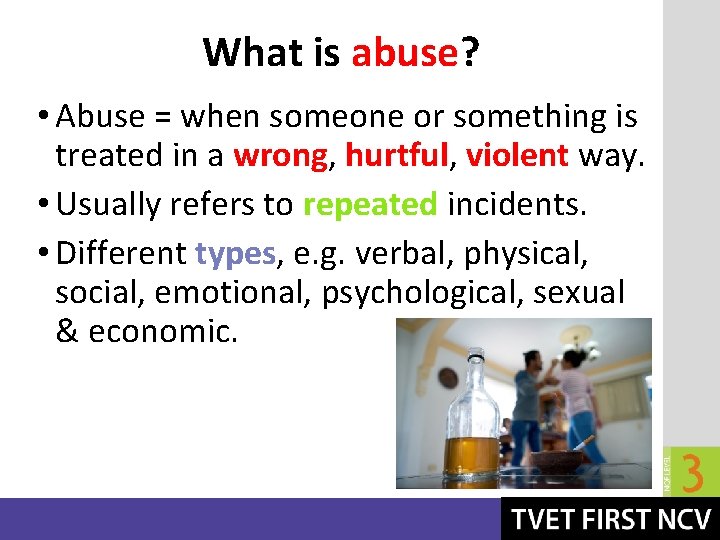
What is abuse? • Abuse = when someone or something is treated in a wrong, hurtful, violent way. • Usually refers to repeated incidents. • Different types, e. g. verbal, physical, social, emotional, psychological, sexual & economic.
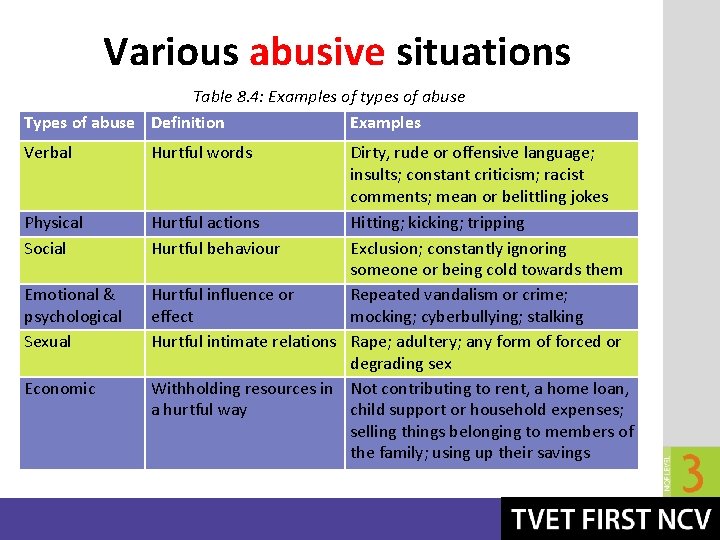
Various abusive situations Table 8. 4: Examples of types of abuse Types of abuse Definition Examples Verbal Physical Social Emotional & psychological Sexual Economic Hurtful words Dirty, rude or offensive language; insults; constant criticism; racist comments; mean or belittling jokes Hurtful actions Hitting; kicking; tripping Hurtful behaviour Exclusion; constantly ignoring someone or being cold towards them Hurtful influence or Repeated vandalism or crime; effect mocking; cyberbullying; stalking Hurtful intimate relations Rape; adultery; any form of forced or degrading sex Withholding resources in Not contributing to rent, a home loan, a hurtful way child support or household expenses; selling things belonging to members of the family; using up their savings
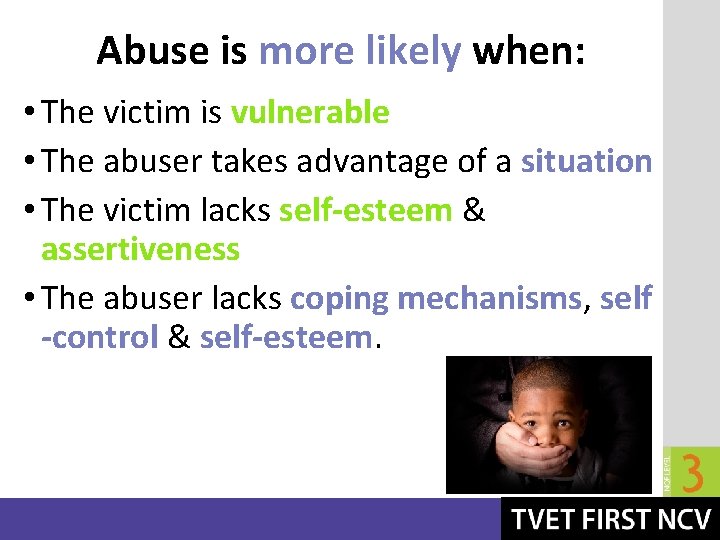
Abuse is more likely when: • The victim is vulnerable • The abuser takes advantage of a situation • The victim lacks self-esteem & assertiveness • The abuser lacks coping mechanisms, self -control & self-esteem.
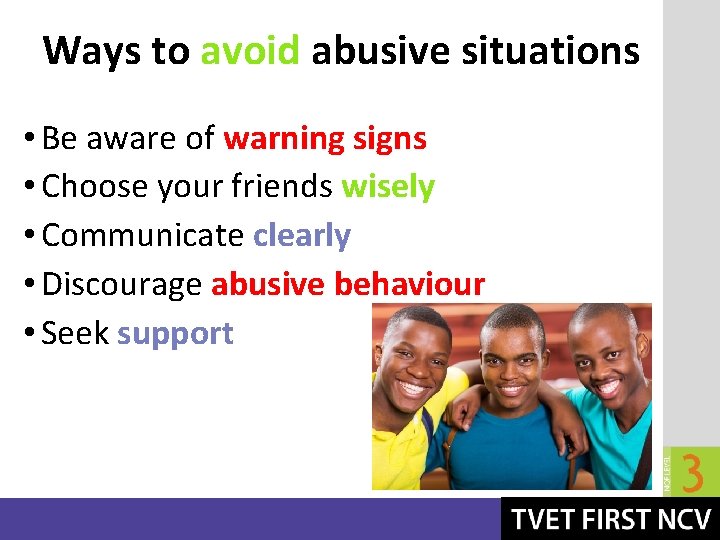
Ways to avoid abusive situations • Be aware of warning signs • Choose your friends wisely • Communicate clearly • Discourage abusive behaviour • Seek support
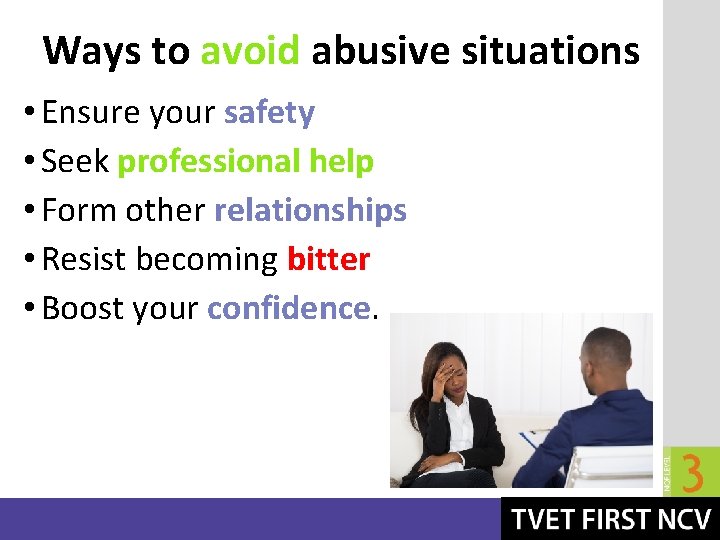
Ways to avoid abusive situations • Ensure your safety • Seek professional help • Form other relationships • Resist becoming bitter • Boost your confidence.
Module 8 Learning activity 8. 2 Test your knowledge of this unit by completing Learning activity 8. 2 in your Student’s Book. Life Orientation NQF Level 3
Unit 8. 3 Date rape drugs Life Orientation NQF Level 3
What is rape? • Rape = forced sexual intercourse/penetrative acts • Can happen anywhere at any time • Rapist(s) can be male or female, or a group • Date rape is committed by rapist(s) who go on a date with the victim • Rapist(s) may use physical force or drugs.
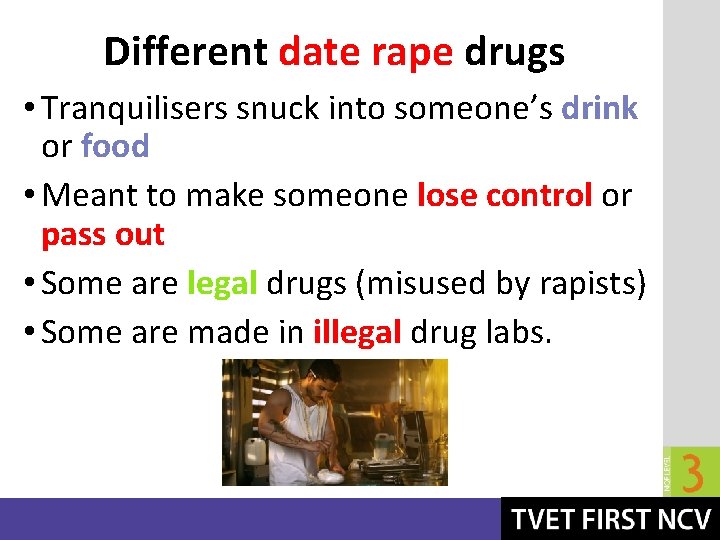
Different date rape drugs • Tranquilisers snuck into someone’s drink or food • Meant to make someone lose control or pass out • Some are legal drugs (misused by rapists) • Some are made in illegal drug labs.
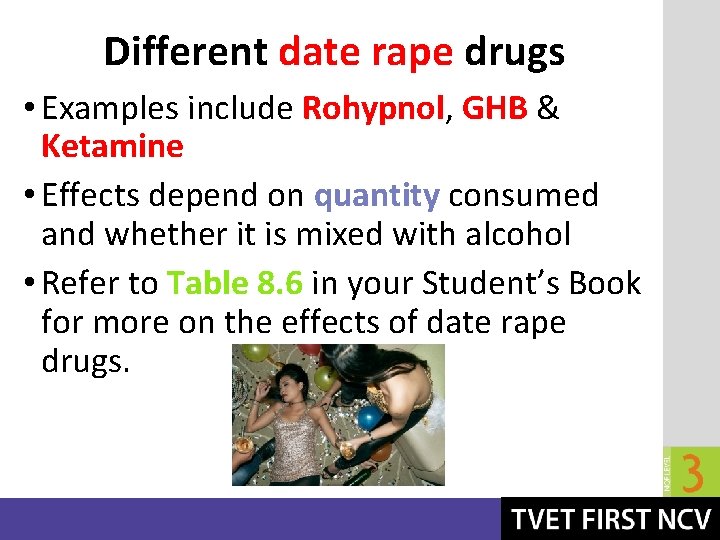
Different date rape drugs • Examples include Rohypnol, GHB & Ketamine • Effects depend on quantity consumed and whether it is mixed with alcohol • Refer to Table 8. 6 in your Student’s Book for more on the effects of date rape drugs.
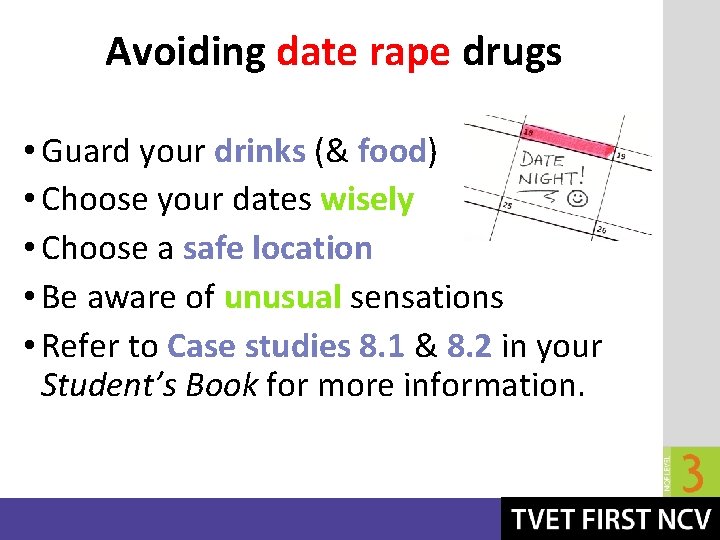
Avoiding date rape drugs • Guard your drinks (& food) • Choose your dates wisely • Choose a safe location • Be aware of unusual sensations • Refer to Case studies 8. 1 & 8. 2 in your Student’s Book for more information.
Module 8 Learning activity 8. 3 Test your knowledge of this unit – and think about your own safety – by completing Learning activity 8. 3 in your Student’s Book. Life Orientation NQF Level 3
Summative assessment Module 8 Test your knowledge of this module by completing the Summative assessment of Module 8 in your Student’s Book. Life Orientation NQF Level 3
Mathematics NQF Level 2 Life Orientation (Life Skills) NQF Level 3