
Life in Two CityStates Athens and Sparta History

- Slides: 27
Life in Two City-States: Athens and Sparta History Alive Chapter 27
Athens and Sparta ■ ■ ■ Government Economy Education
Comparing Two City-States ■ ■ ■ Athens and Sparta Greek City-States 150 miles apart
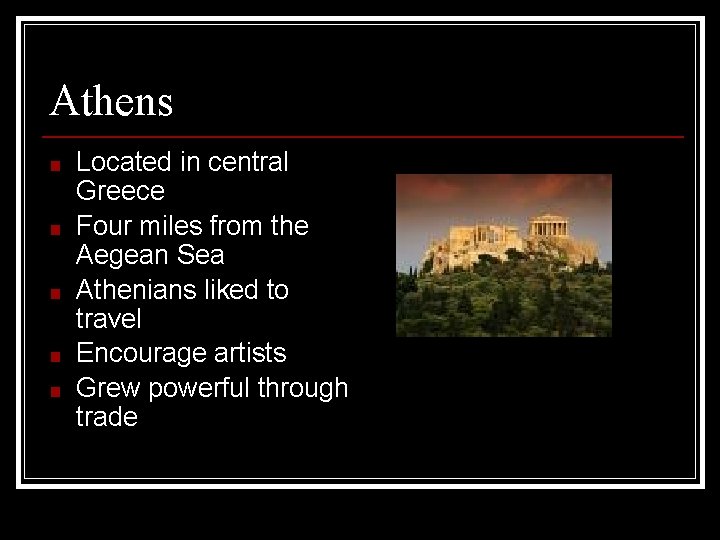
Athens ■ ■ ■ Located in central Greece Four miles from the Aegean Sea Athenians liked to travel Encourage artists Grew powerful through trade
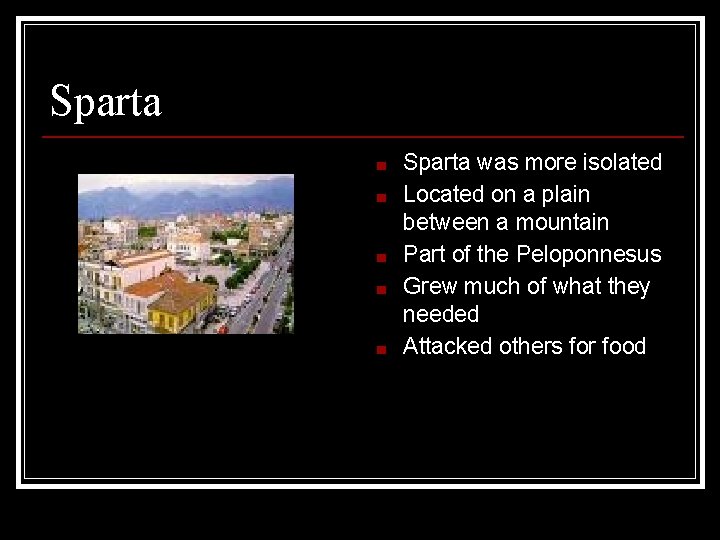
Sparta ■ ■ ■ Sparta was more isolated Located on a plain between a mountain Part of the Peloponnesus Grew much of what they needed Attacked others for food
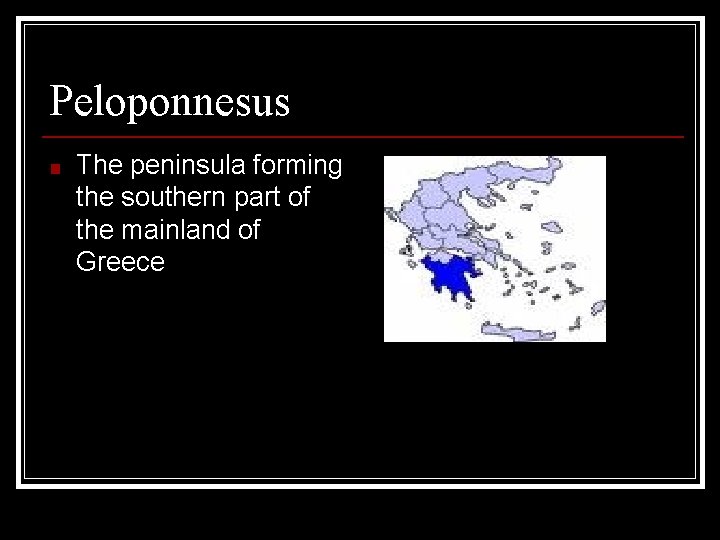
Peloponnesus ■ The peninsula forming the southern part of the mainland of Greece
Athens and Sparta ■ Athenians boasted of their art and culture ■ compare and contrast with Mr. Corwin Spartans valued strength and simplicity Horrible history ■ What was spartan training like - 8 mins
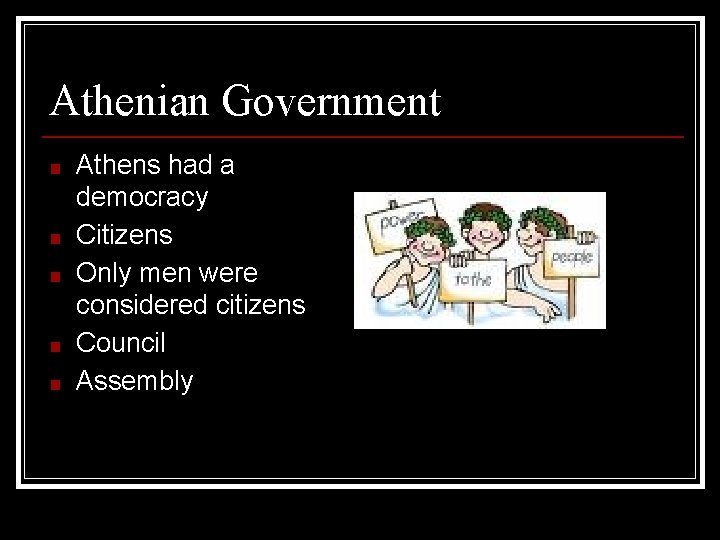
Athenian Government ■ ■ ■ Athens had a democracy Citizens Only men were considered citizens Council Assembly
Economy ■ ■ A system of managing the wealth of a community or region. Is the way a community or region organized the manufacture and exchange of money, food, products, and services.
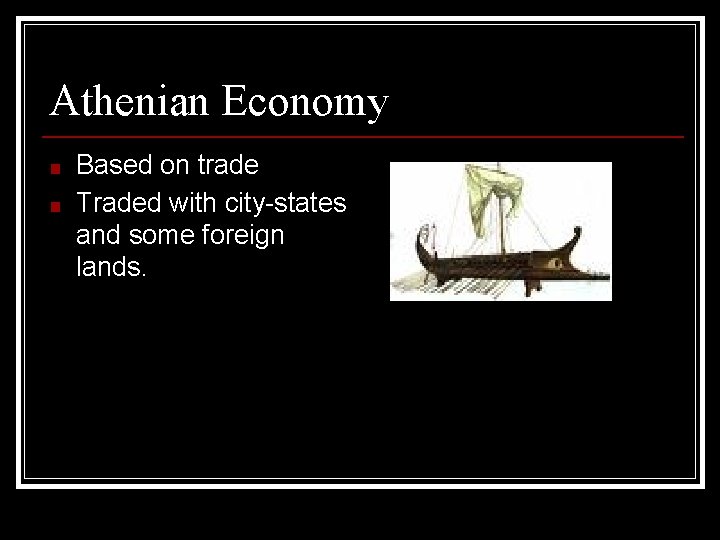
Athenian Economy ■ ■ Based on trade Traded with city-states and some foreign lands.
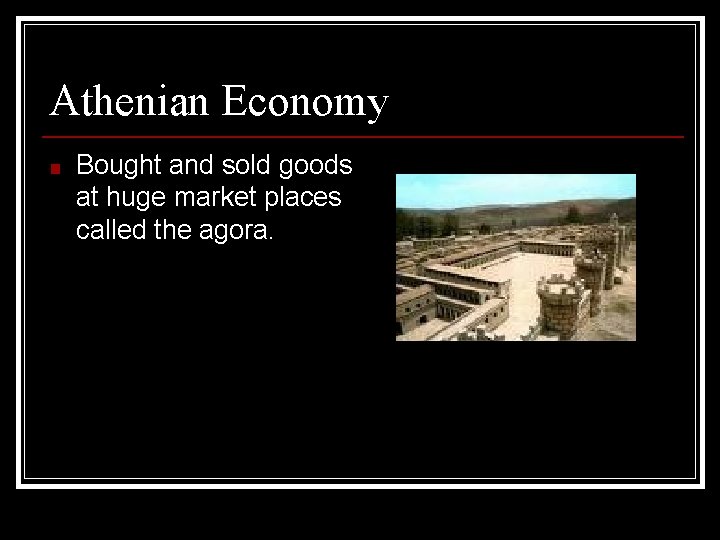
Athenian Economy ■ Bought and sold goods at huge market places called the agora.
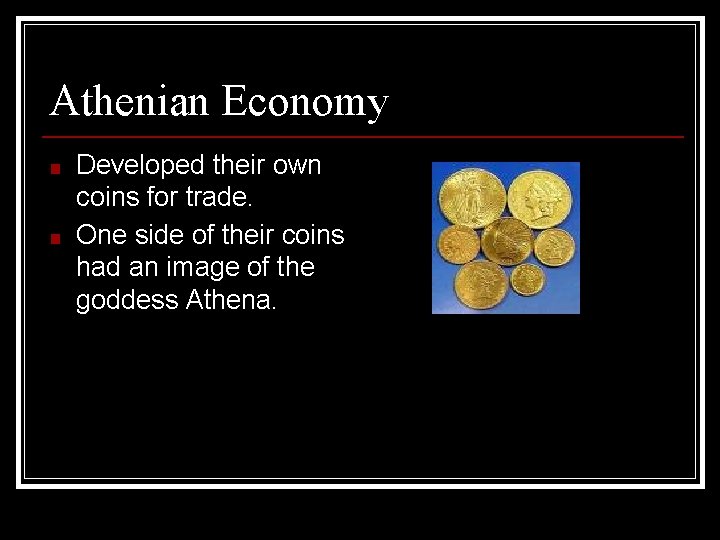
Athenian Economy ■ ■ Developed their own coins for trade. One side of their coins had an image of the goddess Athena.
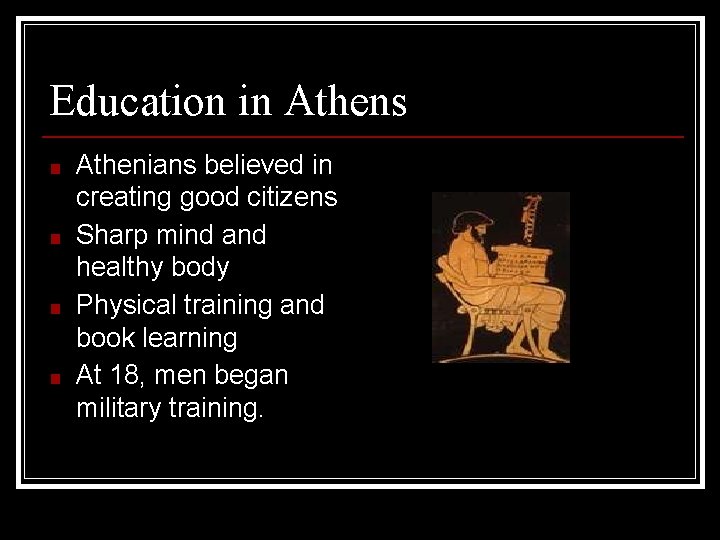
Education in Athens ■ ■ Athenians believed in creating good citizens Sharp mind and healthy body Physical training and book learning At 18, men began military training.
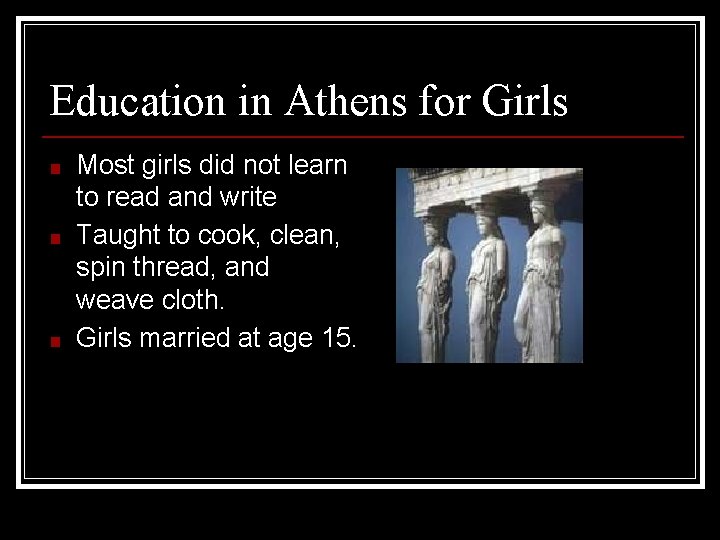
Education in Athens for Girls ■ ■ ■ Most girls did not learn to read and write Taught to cook, clean, spin thread, and weave cloth. Girls married at age 15.
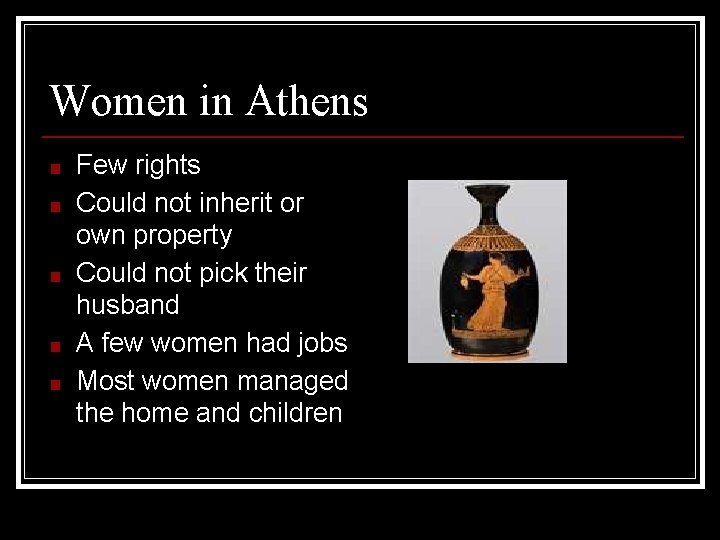
Women in Athens ■ ■ ■ Few rights Could not inherit or own property Could not pick their husband A few women had jobs Most women managed the home and children
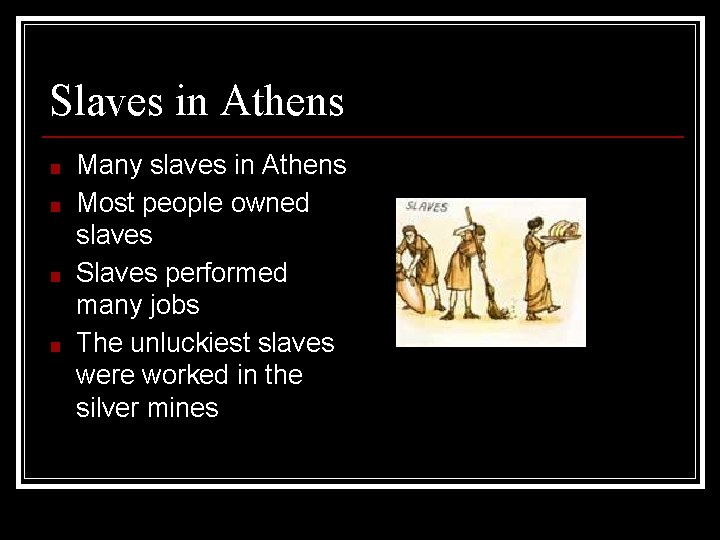
Slaves in Athens ■ ■ Many slaves in Athens Most people owned slaves Slaves performed many jobs The unluckiest slaves were worked in the silver mines
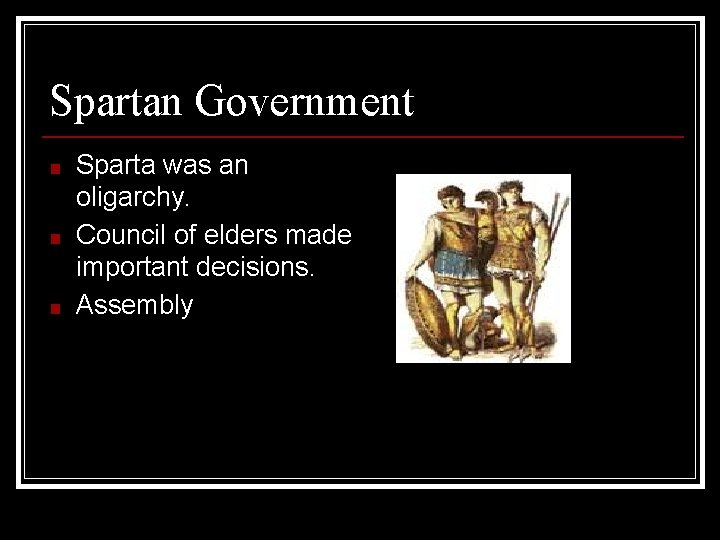
Spartan Government ■ ■ ■ Sparta was an oligarchy. Council of elders made important decisions. Assembly
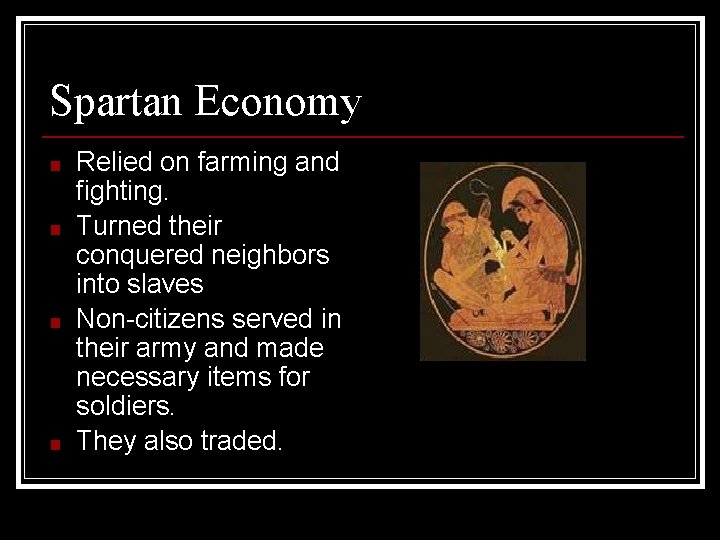
Spartan Economy ■ ■ Relied on farming and fighting. Turned their conquered neighbors into slaves Non-citizens served in their army and made necessary items for soldiers. They also traded.
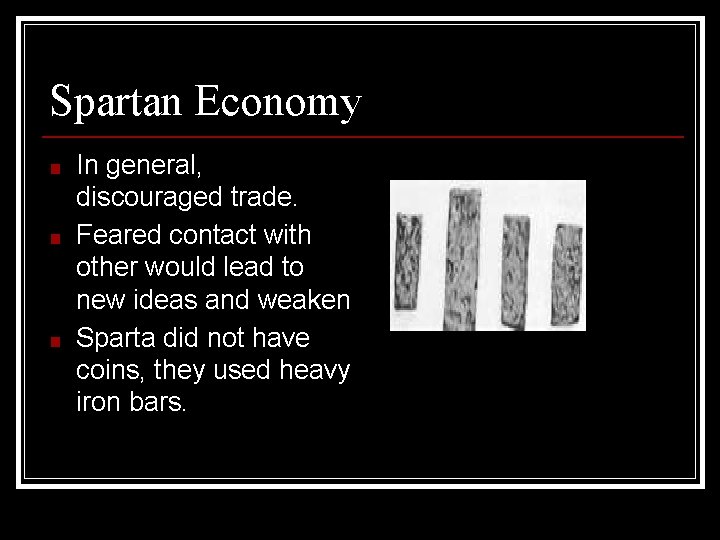
Spartan Economy ■ ■ ■ In general, discouraged trade. Feared contact with other would lead to new ideas and weaken Sparta did not have coins, they used heavy iron bars.
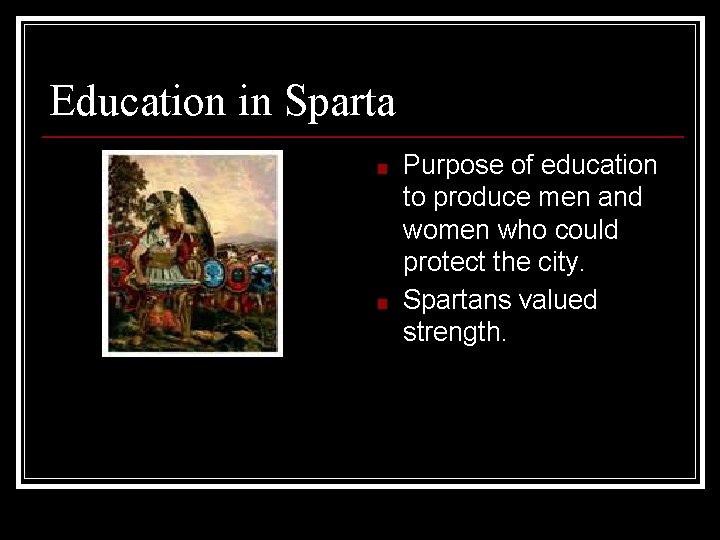
Education in Sparta ■ ■ Purpose of education to produce men and women who could protect the city. Spartans valued strength.
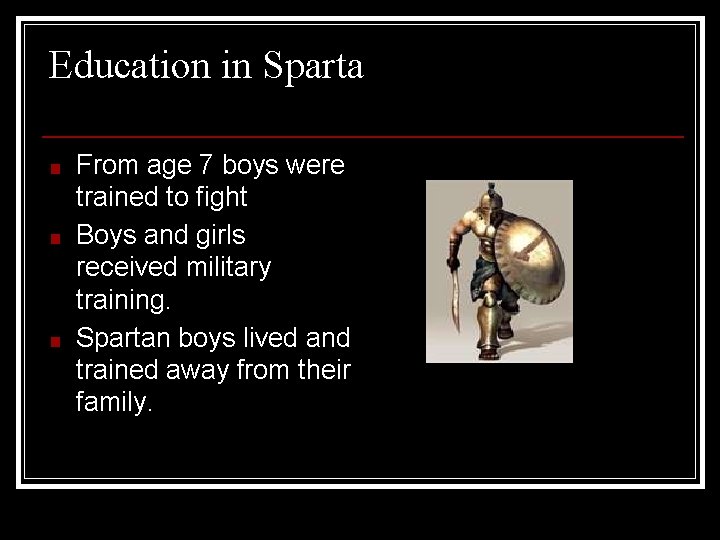
Education in Sparta ■ ■ ■ From age 7 boys were trained to fight Boys and girls received military training. Spartan boys lived and trained away from their family.
Spartan boys ■ ■ ■ Were taught to suffer without complaining. Marched without shoes. Were not fed well. Encouraged to steal food. Beaten for being good or bad.
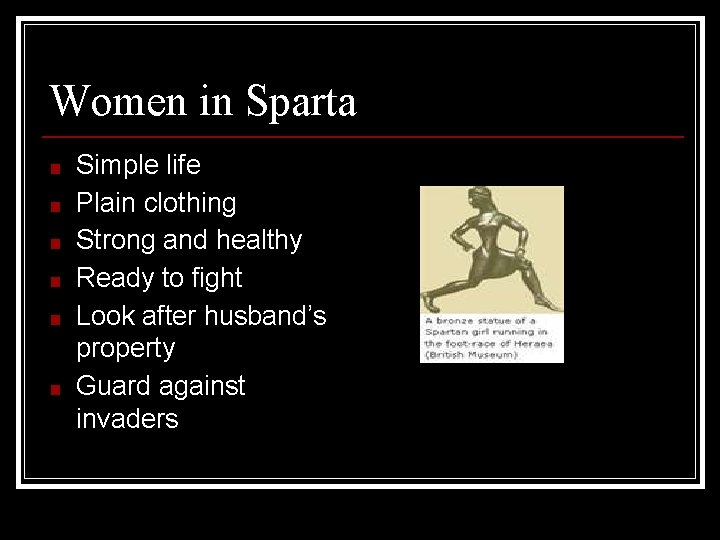
Women in Sparta ■ ■ ■ Simple life Plain clothing Strong and healthy Ready to fight Look after husband’s property Guard against invaders
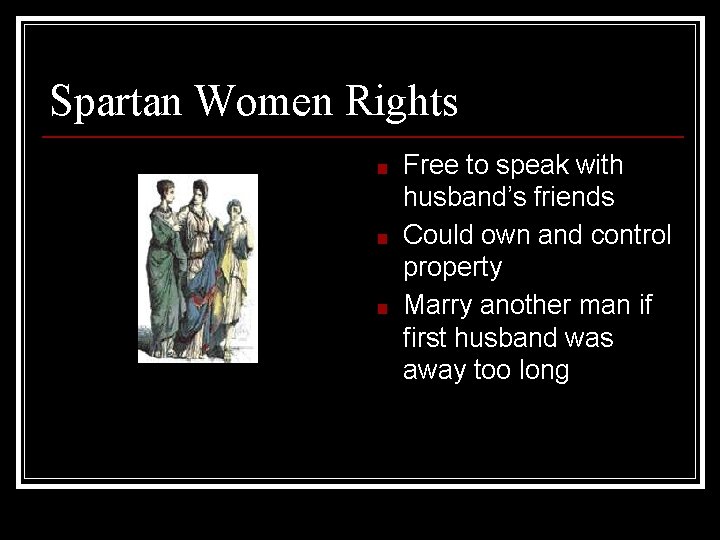
Spartan Women Rights ■ ■ ■ Free to speak with husband’s friends Could own and control property Marry another man if first husband was away too long
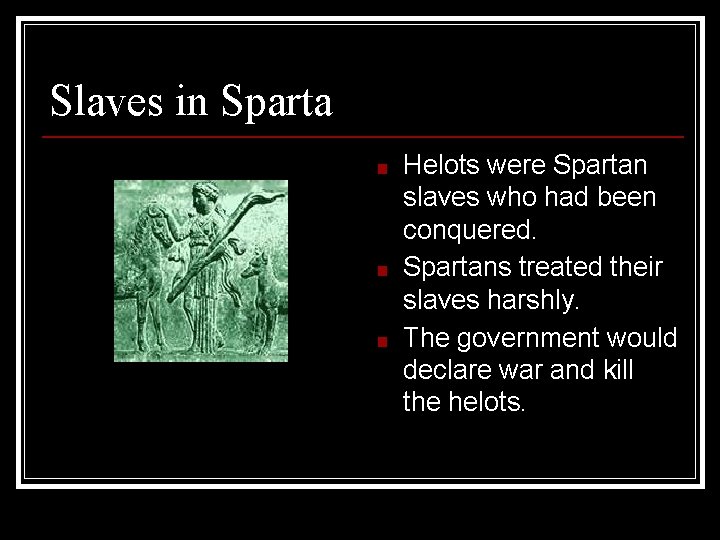
Slaves in Sparta ■ ■ ■ Helots were Spartan slaves who had been conquered. Spartans treated their slaves harshly. The government would declare war and kill the helots.
Spartan Slave Rights ■ ■ Marry who they wanted. Pass on name to their children. Sell any extra crops. Saved enough money they could buy their freedom.
The End