
Life in the Industrial Age The World of

- Slides: 11
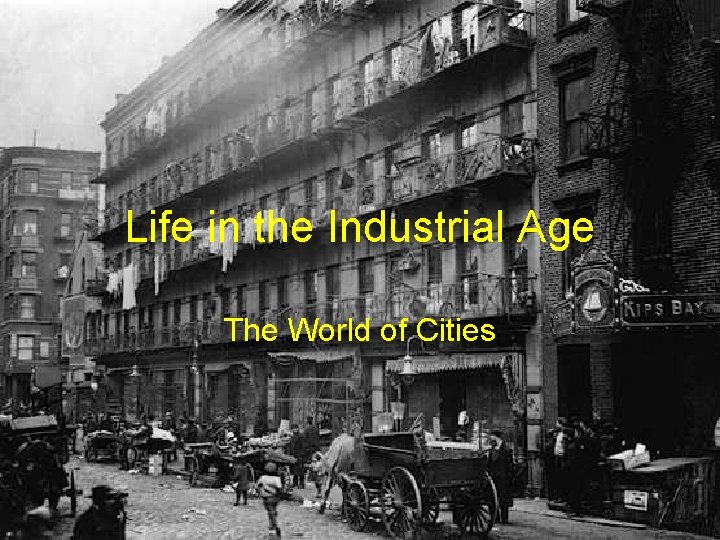
Life in the Industrial Age The World of Cities
Population Boom • Population of Europe more than doubled between 1800 and 1900 • Families in industrial nations had fewer children • Death rates declined due to: – Better medicine and hygiene – More food
Medicine • Louis Pasteur – Proved that there was a connection between germs and diseases – Developed a vaccine for rabies – Developed a process for pasteurizing milk • Robert Koch – Identified the bacteria that caused tuberculosis • William Morton – Introduced anesthesia to relieve pain, which allowed doctors to perform more complicated operations • Florence Nightingale – Improved sanitary conditions in field hospitals and British hospitals – Founded the first school of nursing • Joseph Lister – Introduced the use of antiseptics to prevent infections
City Planning • Rich settled on the outskirts of the cities, while the poor settled in the center slums close to the factories. • New Inventions – Paved Streets – Street Lamps – Expanded Police and Fire Departments – Sewerage Systems – Skyscrapers
Working Conditions • Mutual Aid Societies – designed to help sick or injured workers • Unions – bargained on workers behalf, worked to improve conditions • Labor Laws • Limited or outlaws child labor • Banned the employment of women in mines • Limited work hours • Improved safety conditions • Pensions and Disability Insurance
Class work • In your group- create a graphic organizer that effectively discusses the inventions/innovations discussed in chapter 22 sections 1 and 2 (p. 556 -566) and categorizes them as to social/economic/political advances.
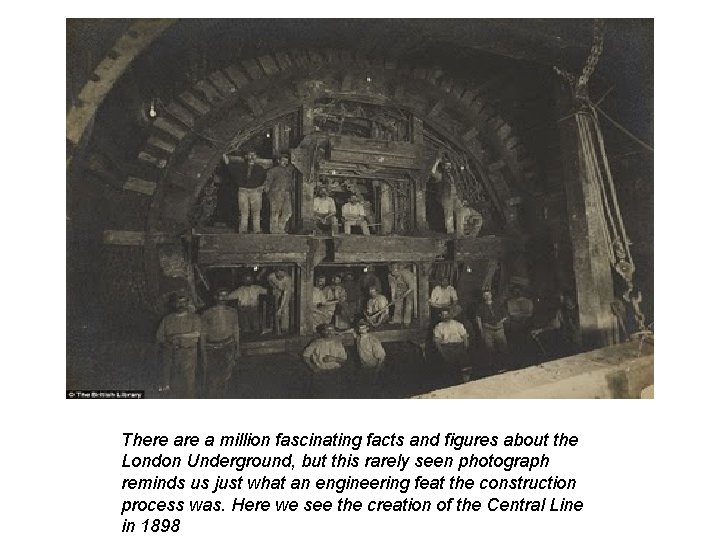
There a million fascinating facts and figures about the London Underground, but this rarely seen photograph reminds us just what an engineering feat the construction process was. Here we see the creation of the Central Line in 1898
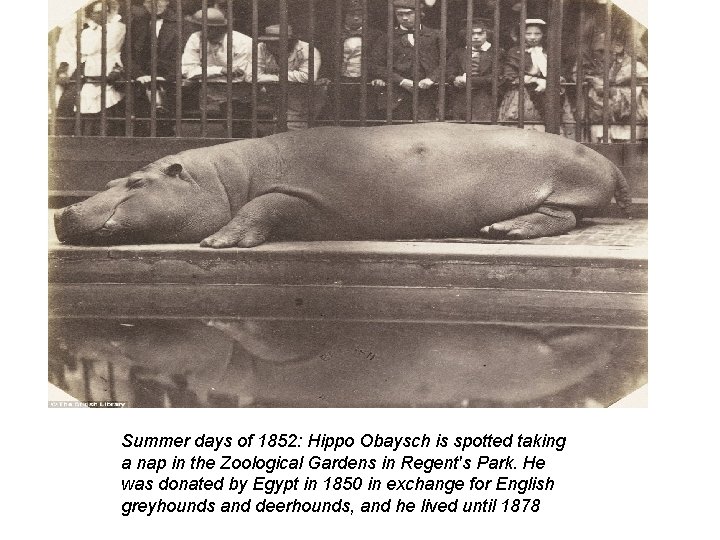
Summer days of 1852: Hippo Obaysch is spotted taking a nap in the Zoological Gardens in Regent's Park. He was donated by Egypt in 1850 in exchange for English greyhounds and deerhounds, and he lived until 1878
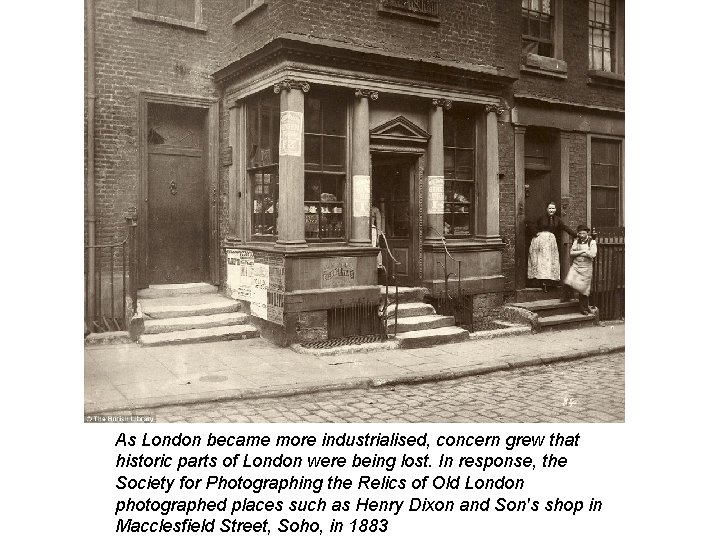
As London became more industrialised, concern grew that historic parts of London were being lost. In response, the Society for Photographing the Relics of Old London photographed places such as Henry Dixon and Son's shop in Macclesfield Street, Soho, in 1883
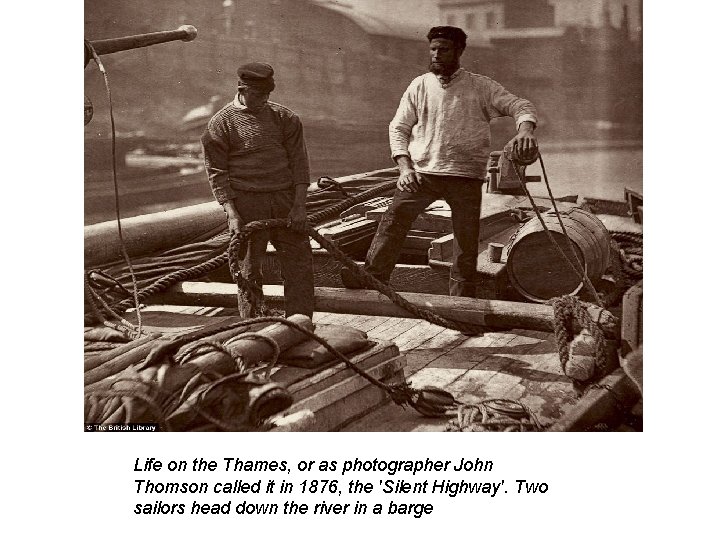
Life on the Thames, or as photographer John Thomson called it in 1876, the 'Silent Highway'. Two sailors head down the river in a barge