
Life during the Great Depression In 1932 30
- Slides: 30
Life during the Great Depression
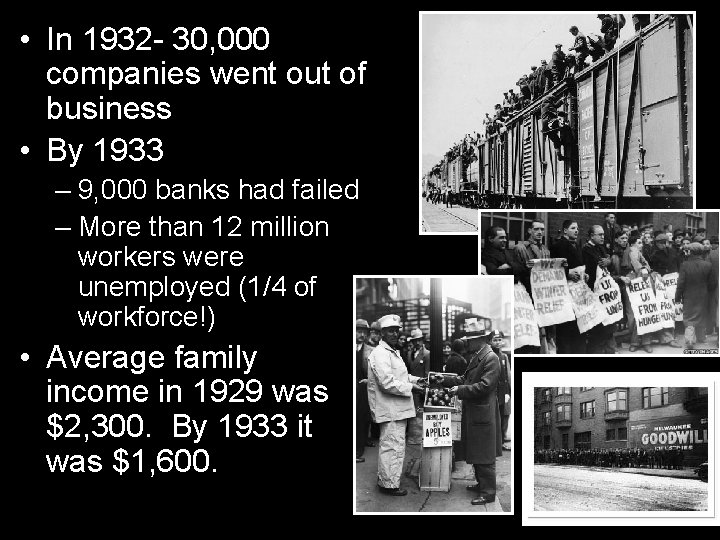
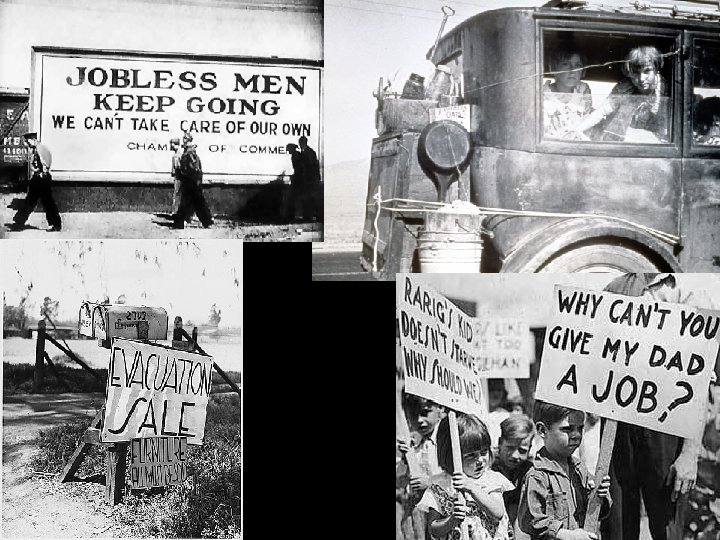
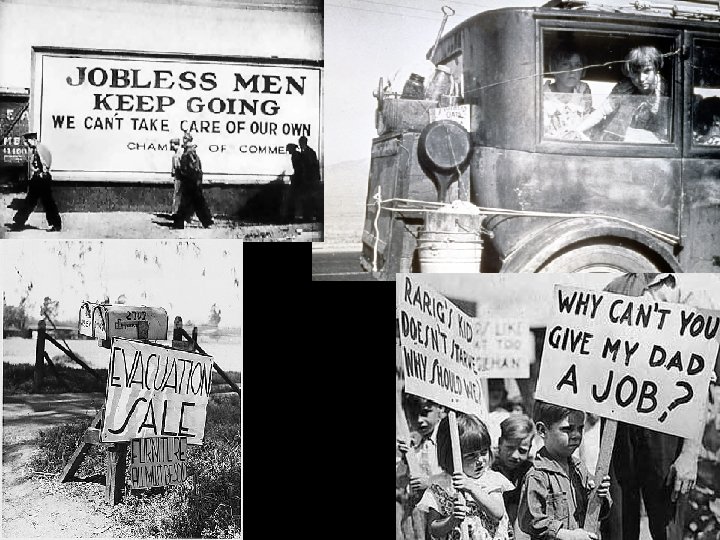
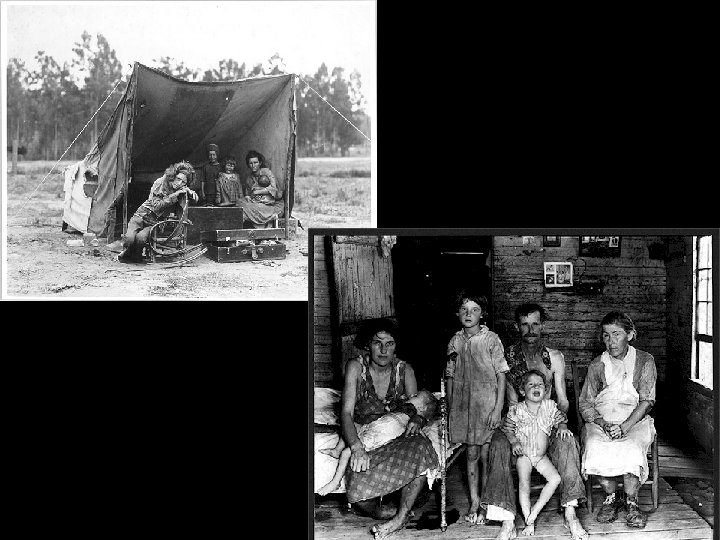
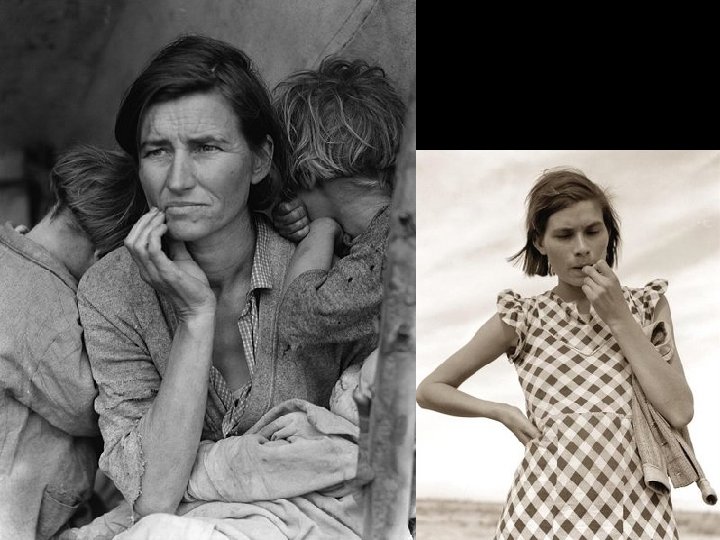
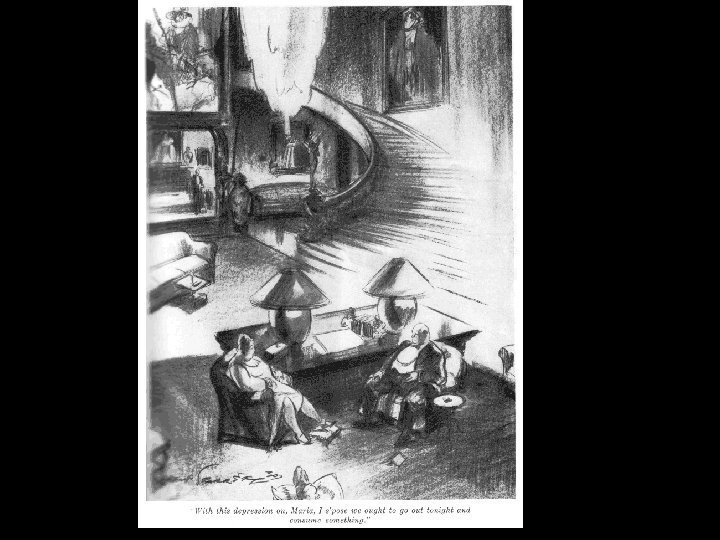
• In 1932 - 30, 000 companies went out of business • By 1933 – 9, 000 banks had failed – More than 12 million workers were unemployed (1/4 of workforce!) • Average family income in 1929 was $2, 300. By 1933 it was $1, 600.
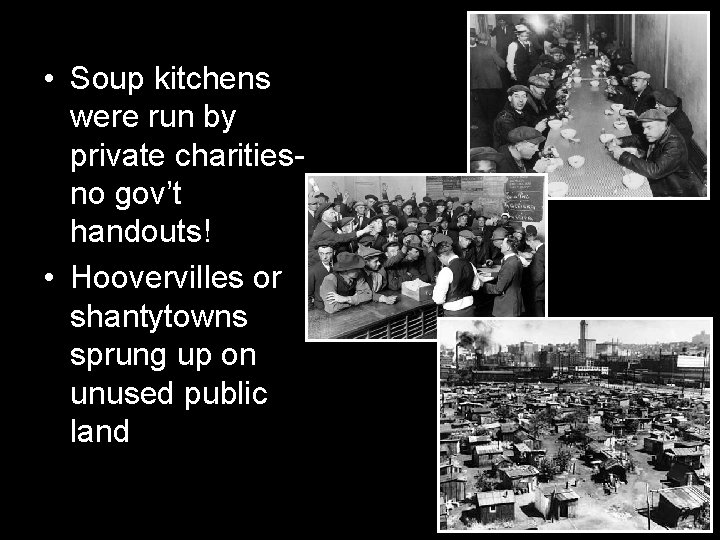
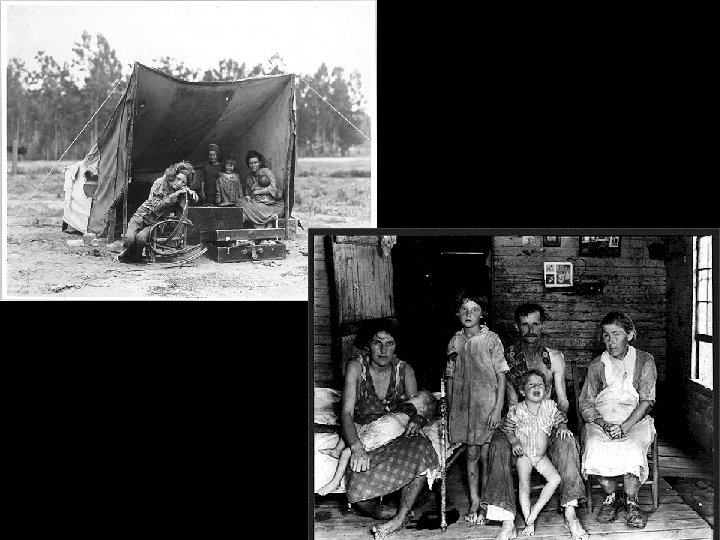
• Soup kitchens were run by private charitiesno gov’t handouts! • Hoovervilles or shantytowns sprung up on unused public land
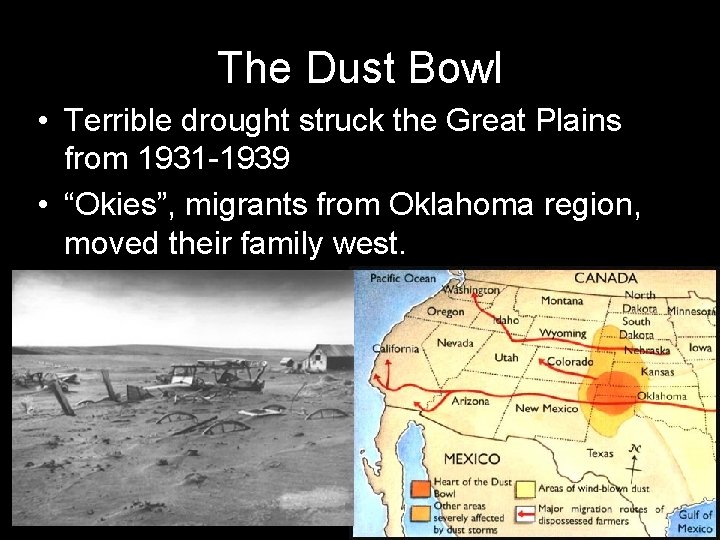
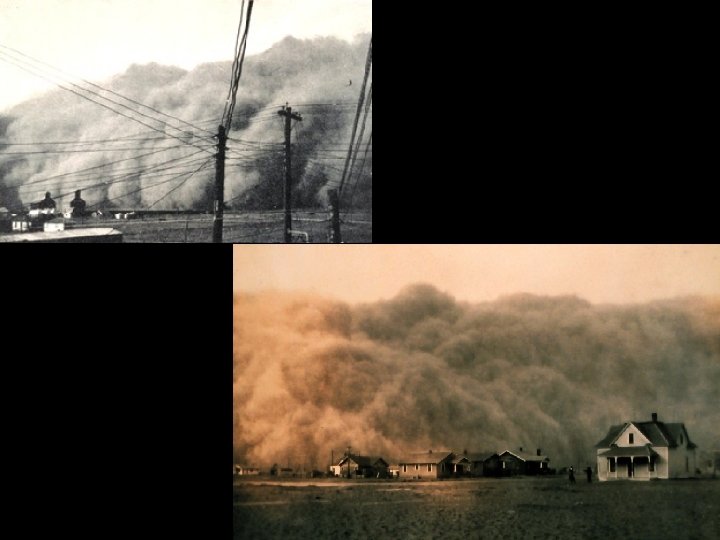
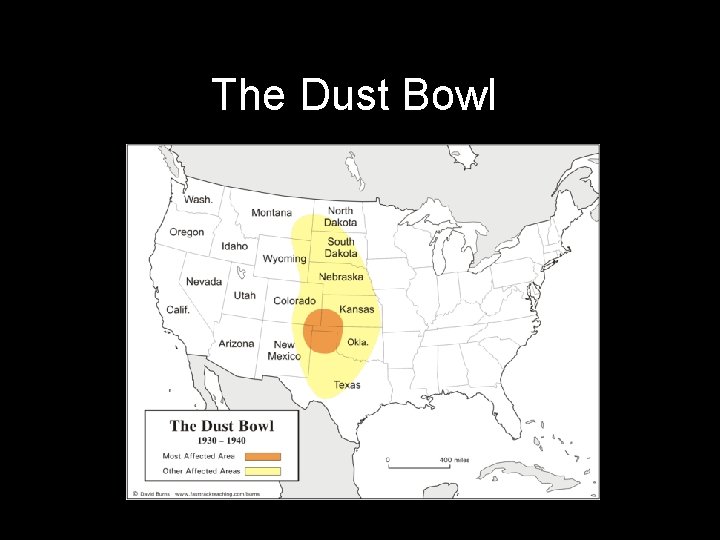
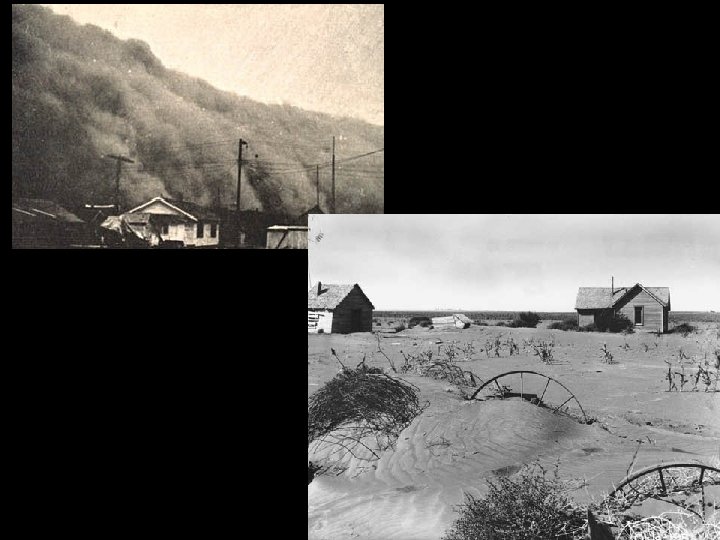
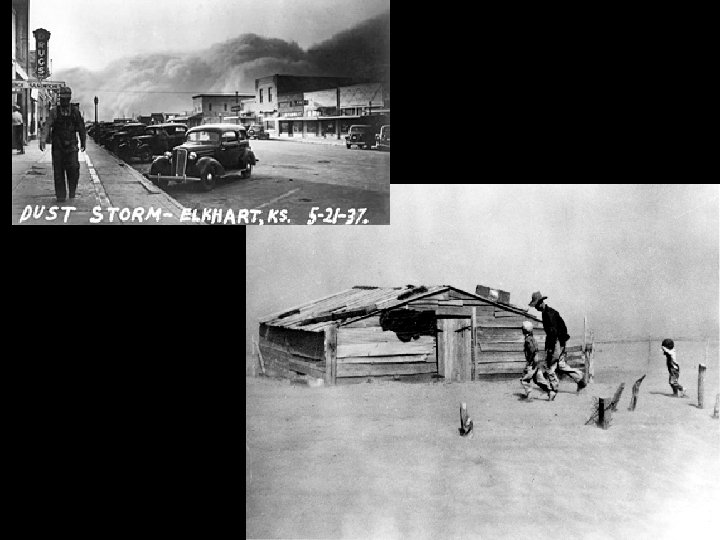
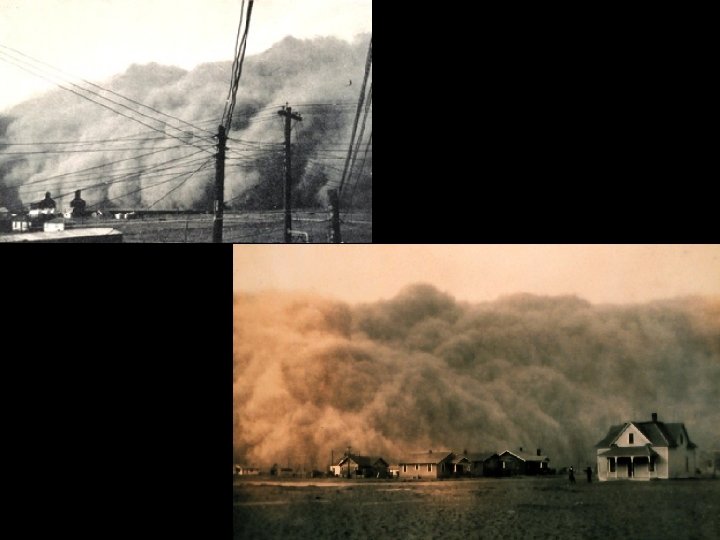
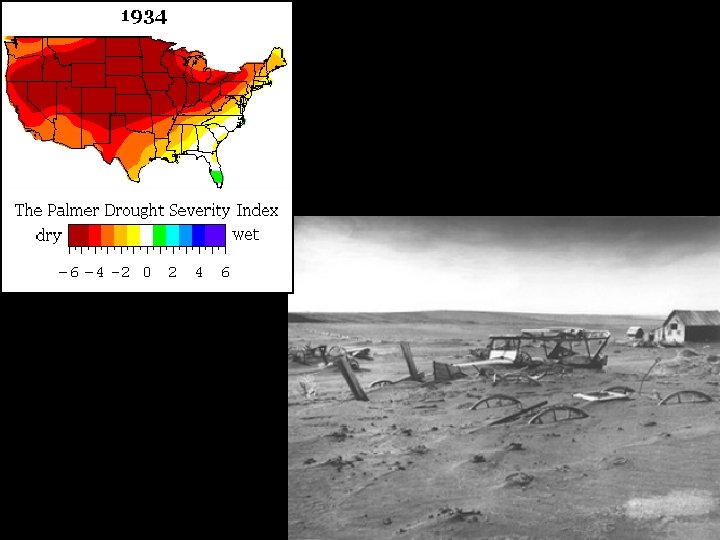
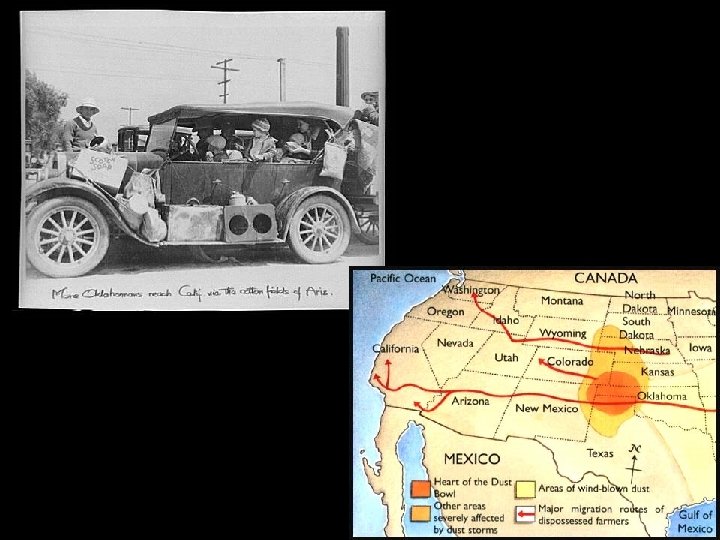
The Dust Bowl • Terrible drought struck the Great Plains from 1931 -1939 • “Okies”, migrants from Oklahoma region, moved their family west.
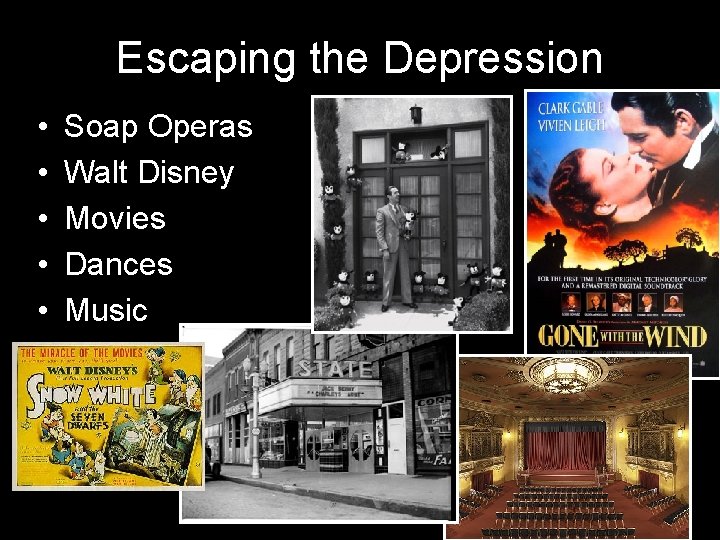
Escaping the Depression • • • Soap Operas Walt Disney Movies Dances Music
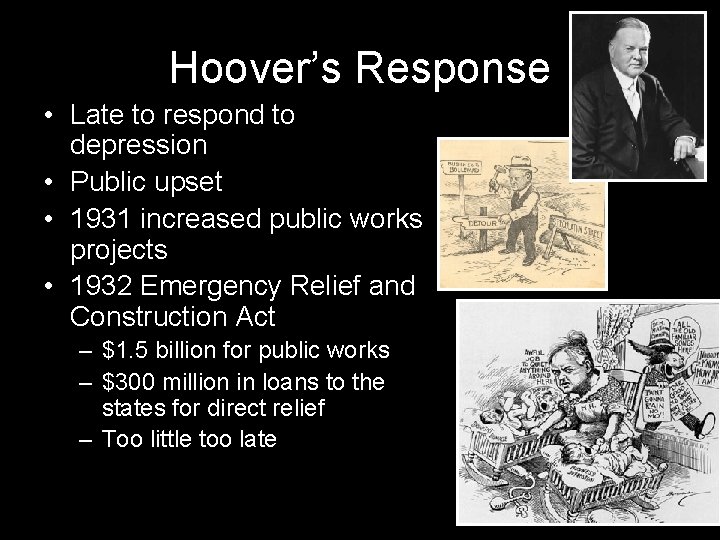
Hoover’s Response • Late to respond to depression • Public upset • 1931 increased public works projects • 1932 Emergency Relief and Construction Act – $1. 5 billion for public works – $300 million in loans to the states for direct relief – Too little too late
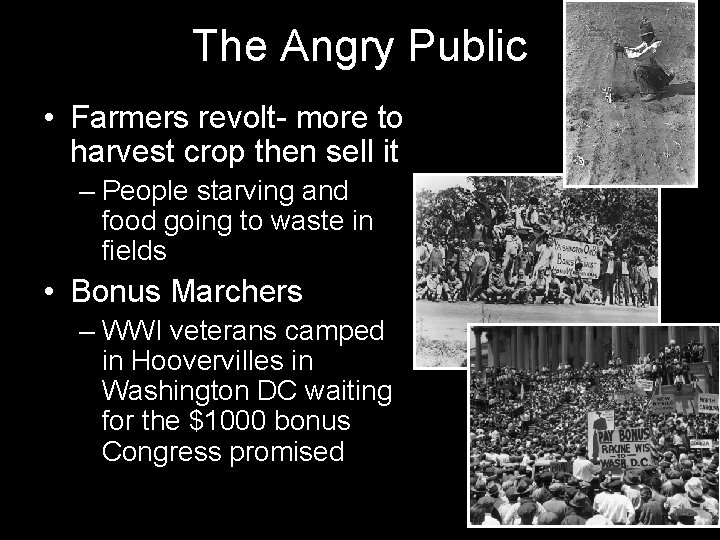
The Angry Public • Farmers revolt- more to harvest crop then sell it – People starving and food going to waste in fields • Bonus Marchers – WWI veterans camped in Hoovervilles in Washington DC waiting for the $1000 bonus Congress promised
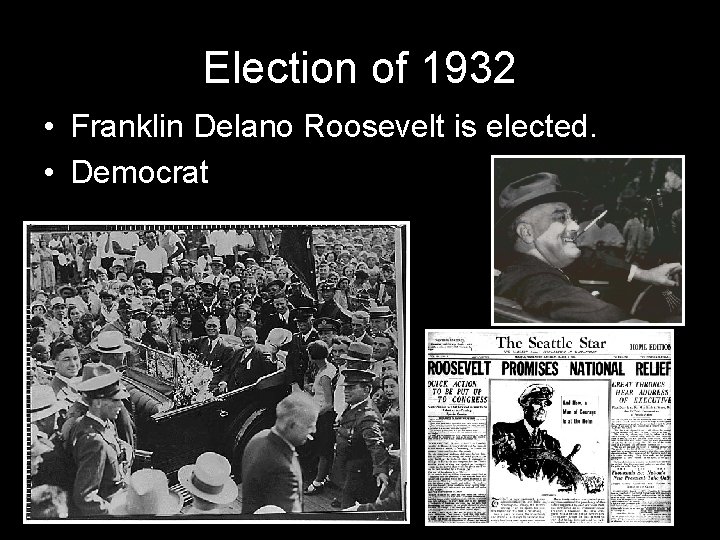
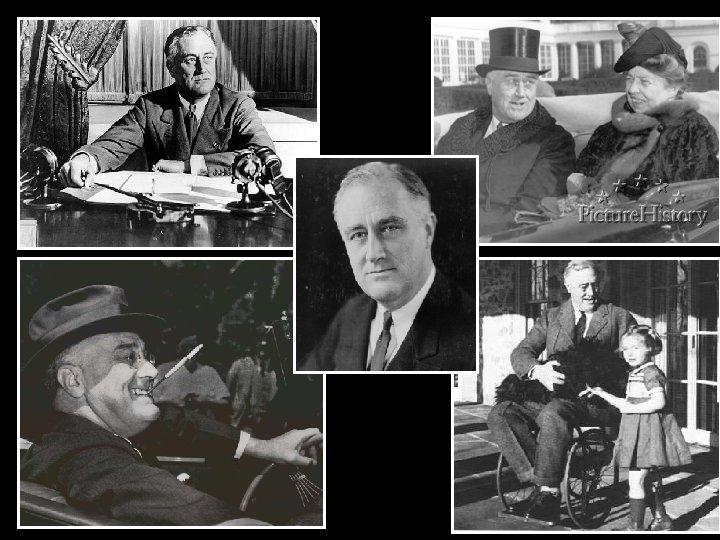
Election of 1932 • Franklin Delano Roosevelt is elected. • Democrat
The Dust Bowl
FDR and the New Deal
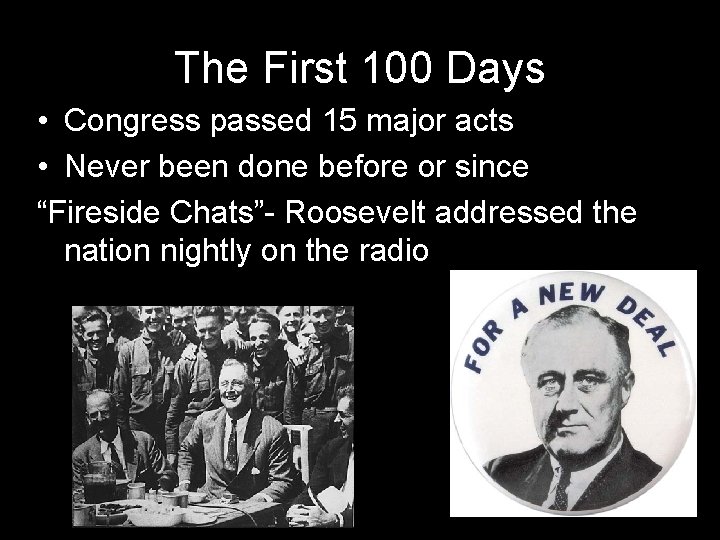
The First 100 Days • Congress passed 15 major acts • Never been done before or since “Fireside Chats”- Roosevelt addressed the nation nightly on the radio
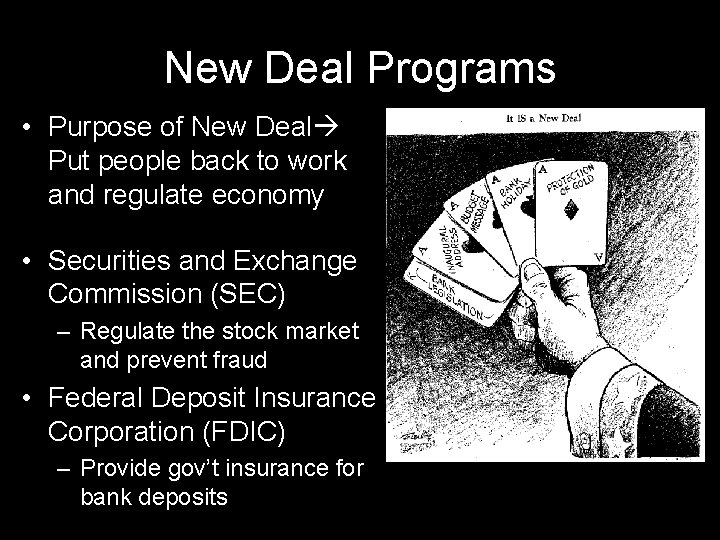
New Deal Programs • Purpose of New Deal Put people back to work and regulate economy • Securities and Exchange Commission (SEC) – Regulate the stock market and prevent fraud • Federal Deposit Insurance Corporation (FDIC) – Provide gov’t insurance for bank deposits
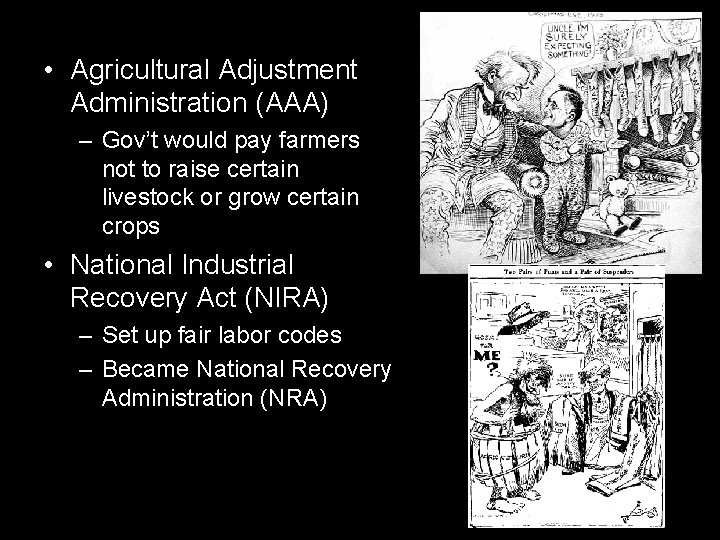
• Agricultural Adjustment Administration (AAA) – Gov’t would pay farmers not to raise certain livestock or grow certain crops • National Industrial Recovery Act (NIRA) – Set up fair labor codes – Became National Recovery Administration (NRA)
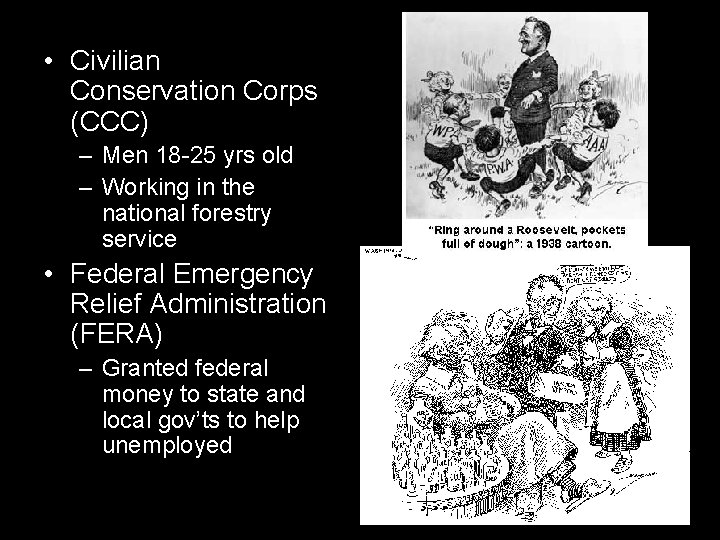
• Civilian Conservation Corps (CCC) – Men 18 -25 yrs old – Working in the national forestry service • Federal Emergency Relief Administration (FERA) – Granted federal money to state and local gov’ts to help unemployed
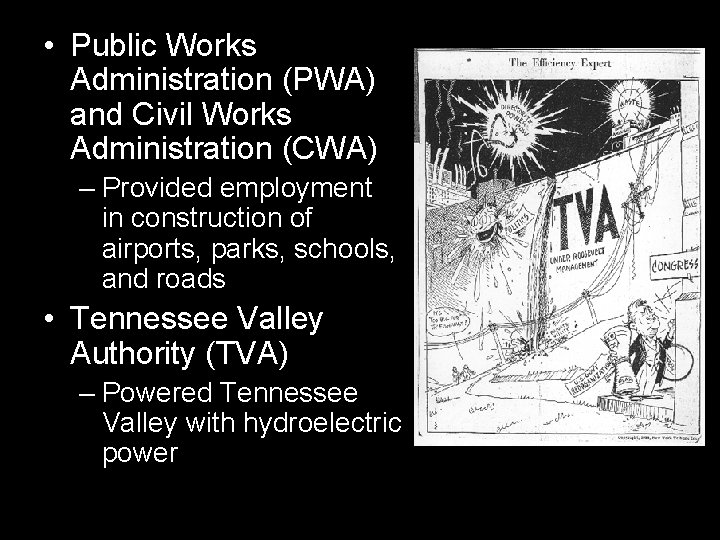
• Public Works Administration (PWA) and Civil Works Administration (CWA) – Provided employment in construction of airports, parks, schools, and roads • Tennessee Valley Authority (TVA) – Powered Tennessee Valley with hydroelectric power
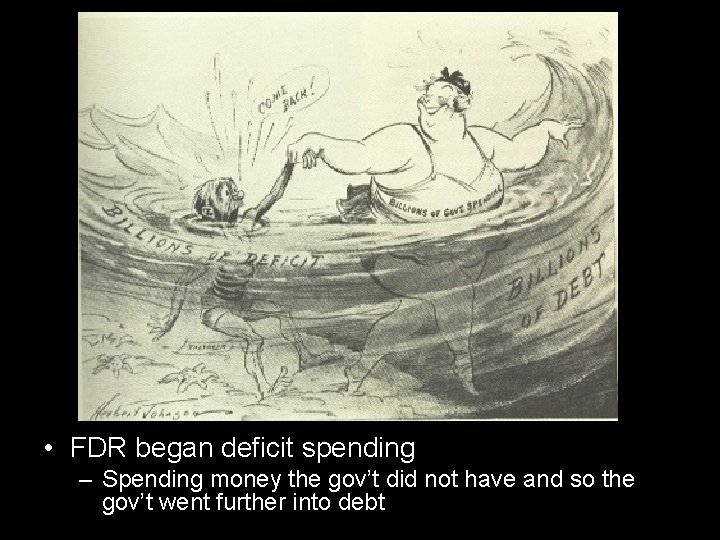
• FDR began deficit spending – Spending money the gov’t did not have and so the gov’t went further into debt