
Licensed under the Creative Commons AttributionShare Alike License

Licensed under the Creative Commons Attribution-Share. Alike License
See the Future. . . or What you can expect to learn.
See the Future. . . or What you can expect to learn. The three main categories of audio signal types
See the Future. . . or What you can expect to learn. The three main categories of audio signal types. What is a decibel and why do we care?
See the Future. . . or What you can expect to learn. The three main categories of audio signal types. What is a decibel and why do we care? Audio flow through a typical mixing console
See the Future. . . or What you can expect to learn. The three main categories of audio signal types. What is a decibel and why do we care? Audio flow through a typical mixing console. Equalizer basics
See the Future. . . or What you can expect to learn. The three main categories of audio signal types. What is a decibel and why do we care? Audio flow through a typical mixing console. Equalizer basics Signal to Noise Ratio and Gain Structure
See the Future. . . or What you can expect to learn. The three main categories of audio signal types. What is a decibel and why do we care? Audio flow through a typical mixing console. Equalizer basics Signal to Noise Ratio and Gain Structure. Polar plots
See the Future. . . or What you can expect to learn. The three main categories of audio signal types. What is a decibel and why do we care? Audio flow through a typical mixing console. Equalizer basics Signal to Noise Ratio and Gain Structure. Polar plots Understanding Feedback
The Signals we Know and Love
The Signals we Know and Love Mic level Line level Speaker level
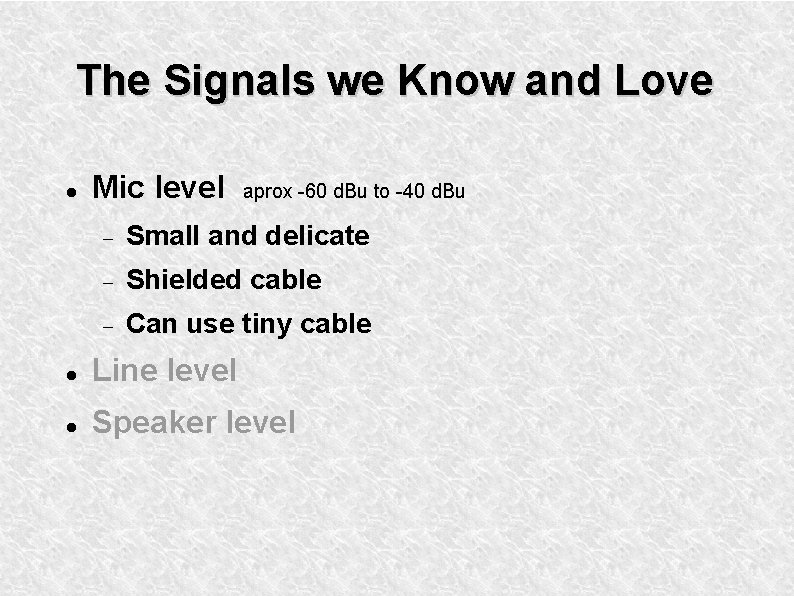
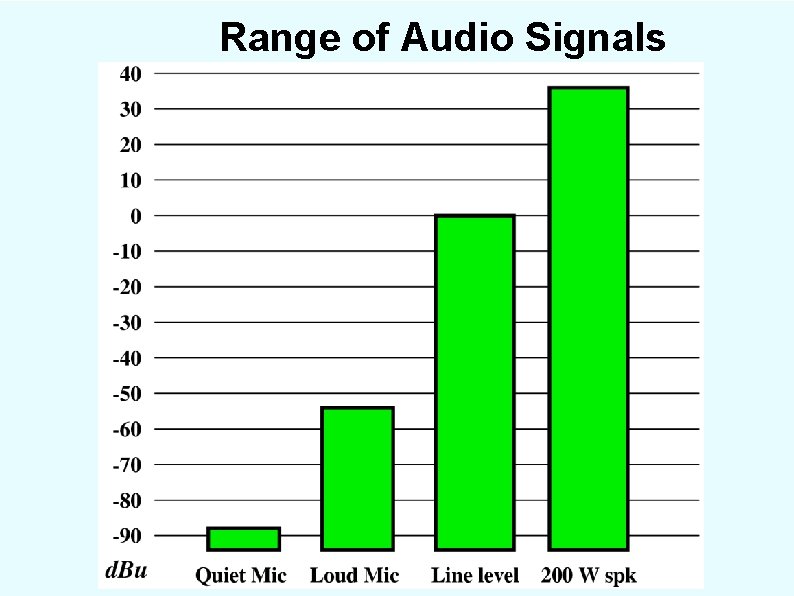
The Signals we Know and Love Mic level aprox -60 d. Bu to -40 d. Bu Small and delicate Shielded cable Can use tiny cable Line level Speaker level
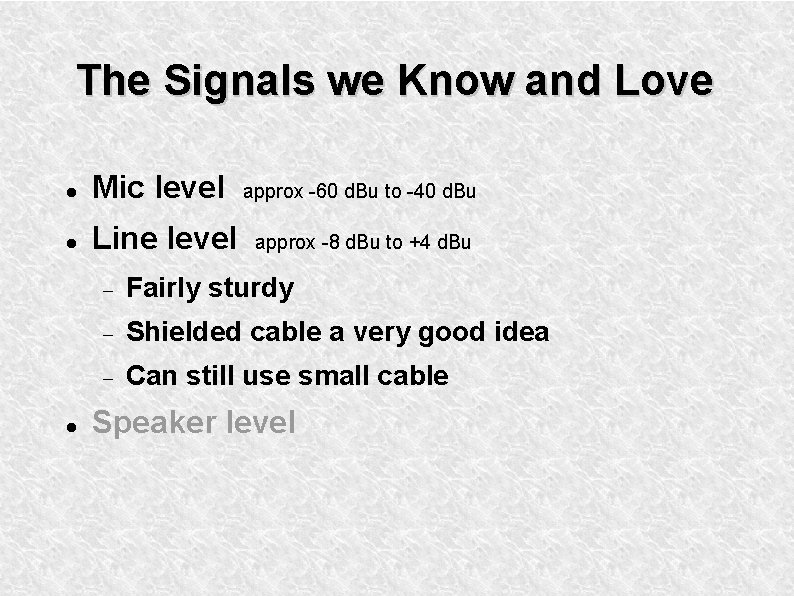
The Signals we Know and Love Mic level Line level approx -60 d. Bu to -40 d. Bu approx -8 d. Bu to +4 d. Bu Fairly sturdy Shielded cable a very good idea Can still use small cable Speaker level
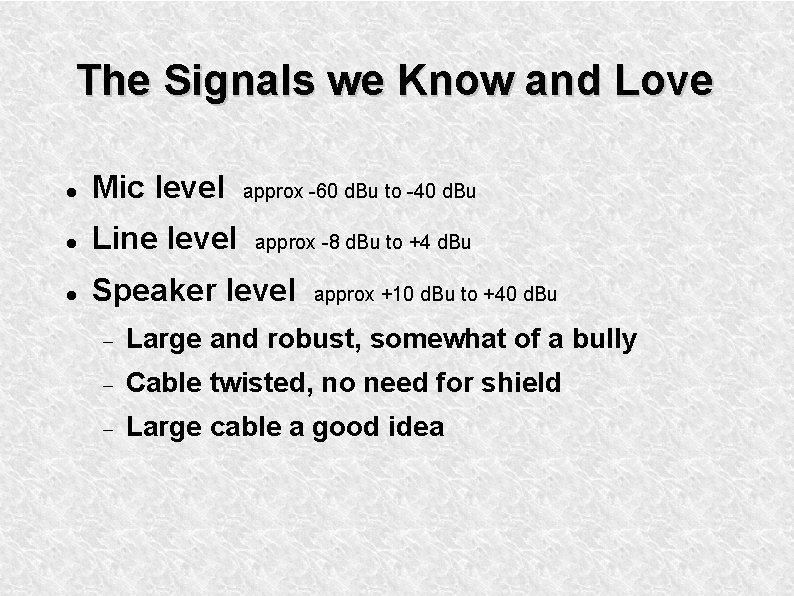
The Signals we Know and Love Mic level Line level Speaker level approx -60 d. Bu to -40 d. Bu approx -8 d. Bu to +4 d. Bu approx +10 d. Bu to +40 d. Bu Large and robust, somewhat of a bully Cable twisted, no need for shield Large cable a good idea
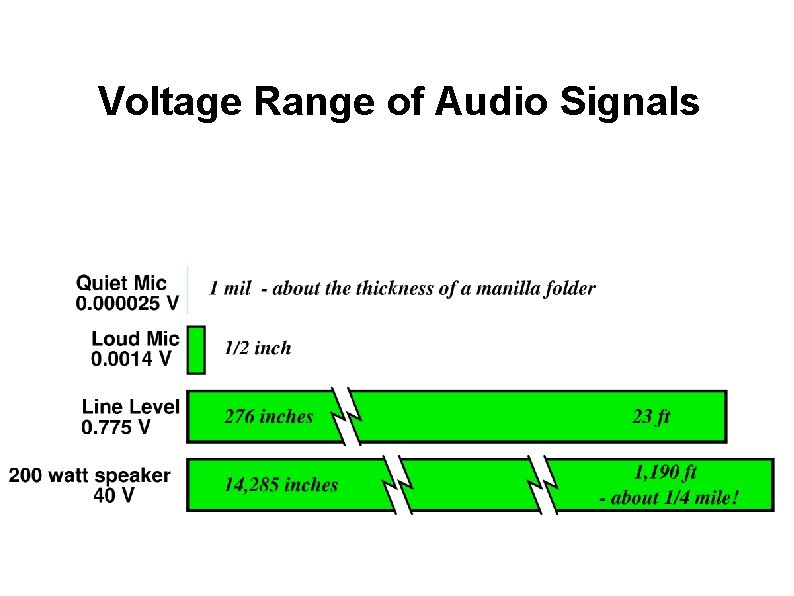
Voltage Range of Audio Signals
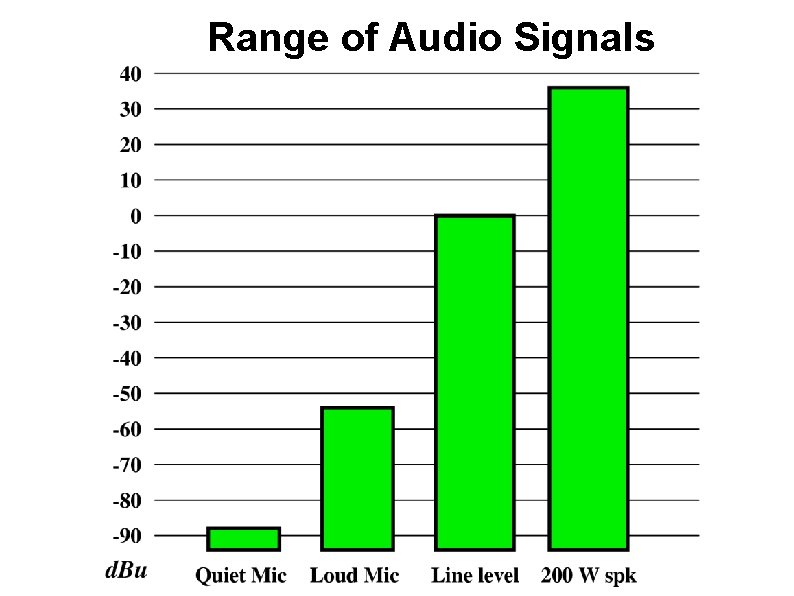
Range of Audio Signals
What is a decibel?
What is a decibel? A decibel is one tenth of a bel (B). Devised by engineers of the Bell Telephone Laboratary to quantify the reduction in audio level over a 1 mile (approximately 1. 6 km) length of standard telephone cable, the bel was originally called the transmission unit or TU, but was renamed in 1923 or 1924 in honor of the Bell System's founder and telecommunications pioneer Alexander Graham Bell. In many situations, however, the bel proved inconveniently large, so the decibel has become more common. From Wikipedia
What is a decibel? A ratio or comparison It is useless without a reference!
What is a decibel? A ratio or comparison It is useless without a reference! “Nice mixer, how much did it cost? ” "Twice as much”
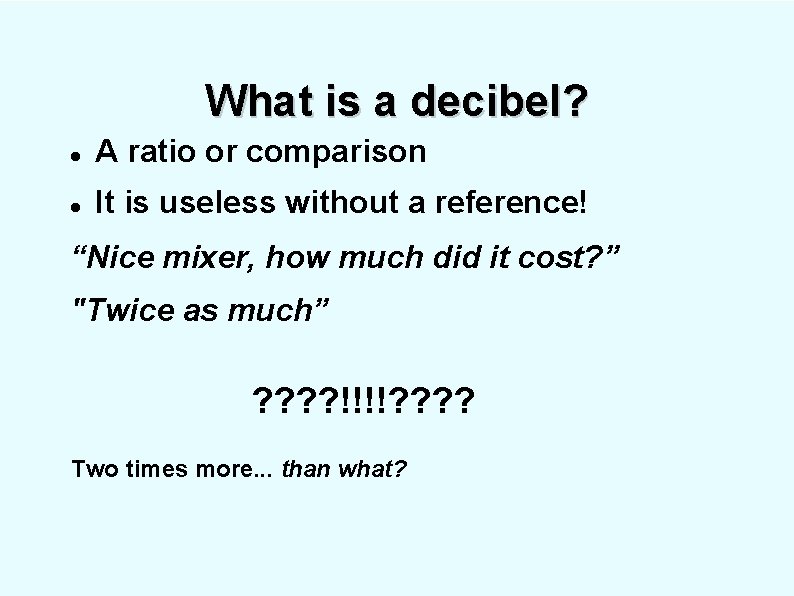
What is a decibel? A ratio or comparison It is useless without a reference! “Nice mixer, how much did it cost? ” "Twice as much” ? ? !!!!? ? Two times more. . . than what?
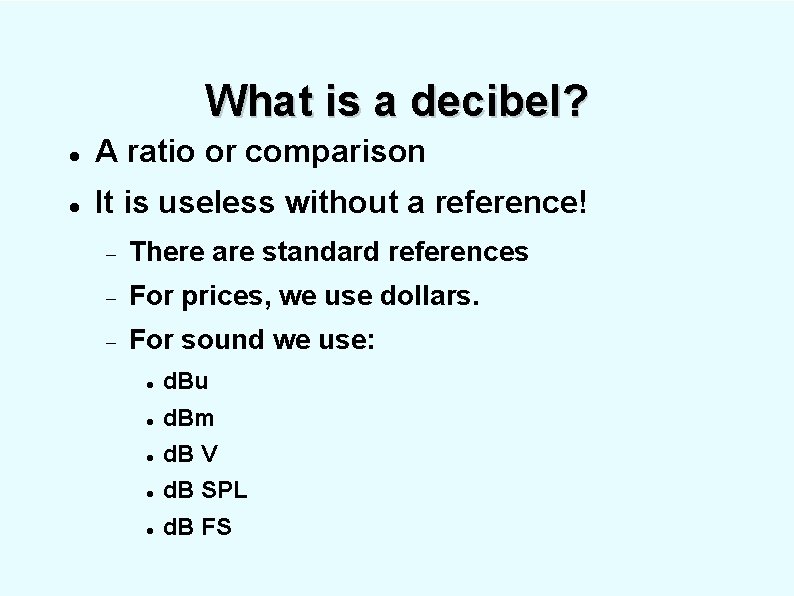
What is a decibel? A ratio or comparison It is useless without a reference! There are standard references For prices, we use dollars. For sound we use: d. Bu d. Bm d. B V d. B SPL d. B FS
Range of Audio Signals
One channel of an average mixing console.
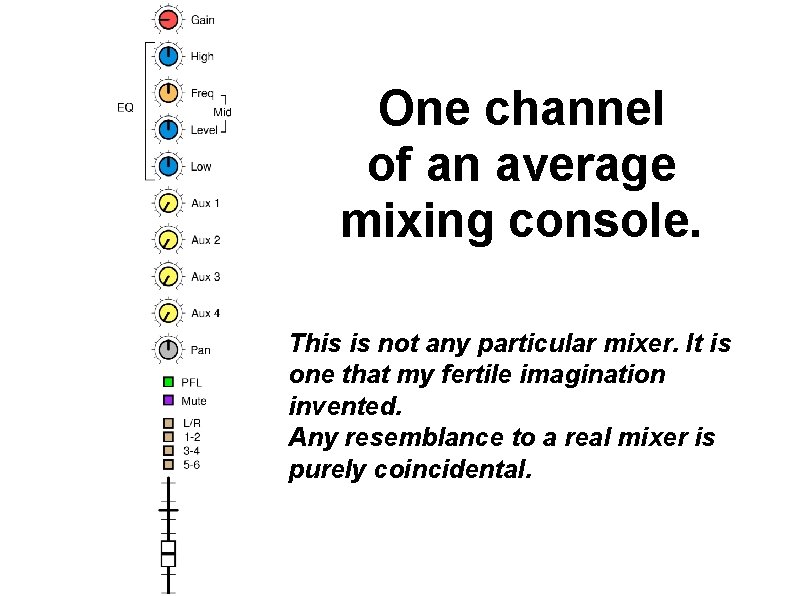
One channel of an average mixing console. This is not any particular mixer. It is one that my fertile imagination invented. Any resemblance to a real mixer is purely coincidental.

Input Block Diagram
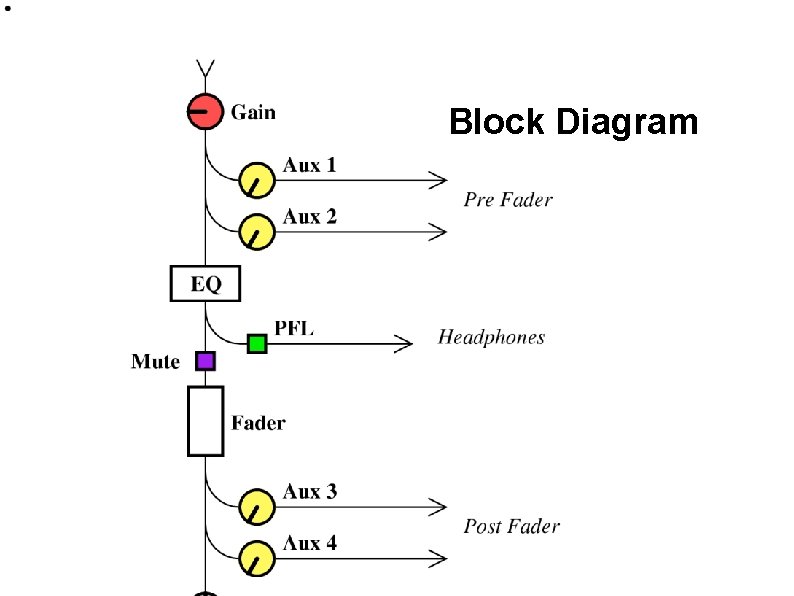
Block Diagram
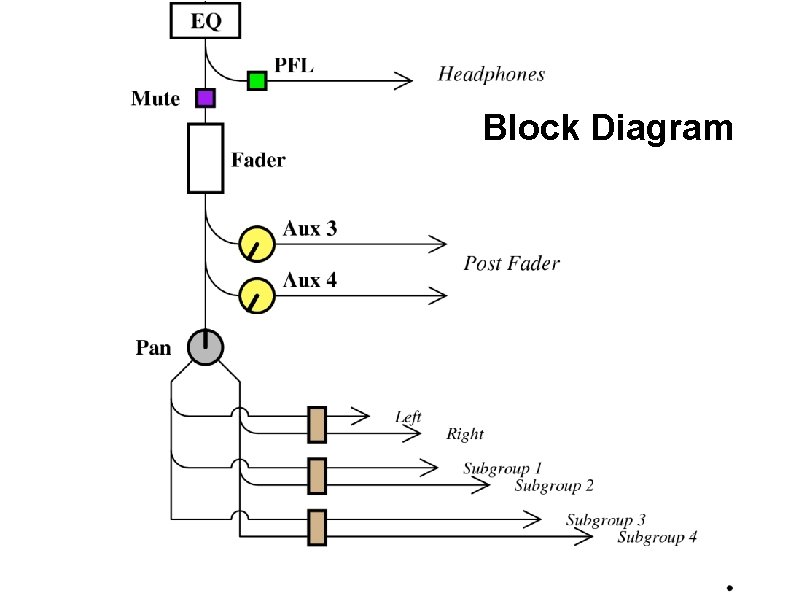
Block Diagram
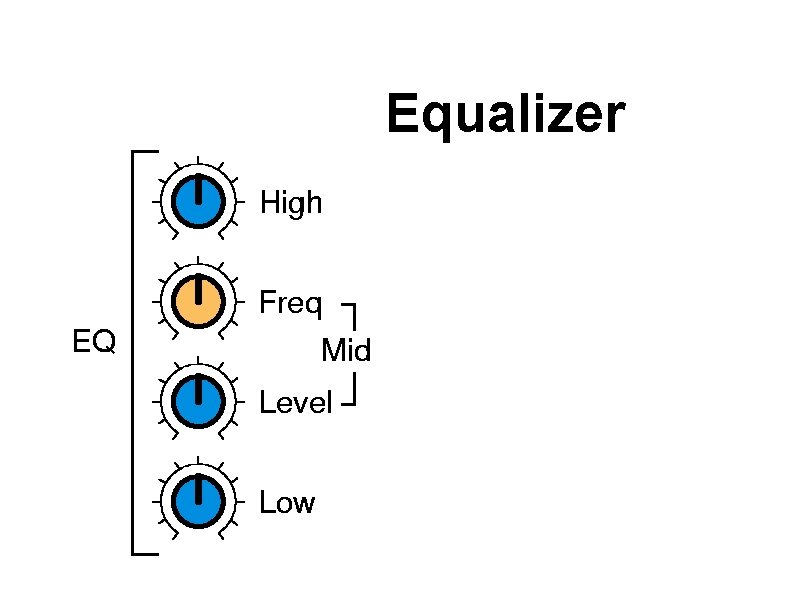
Equalizer
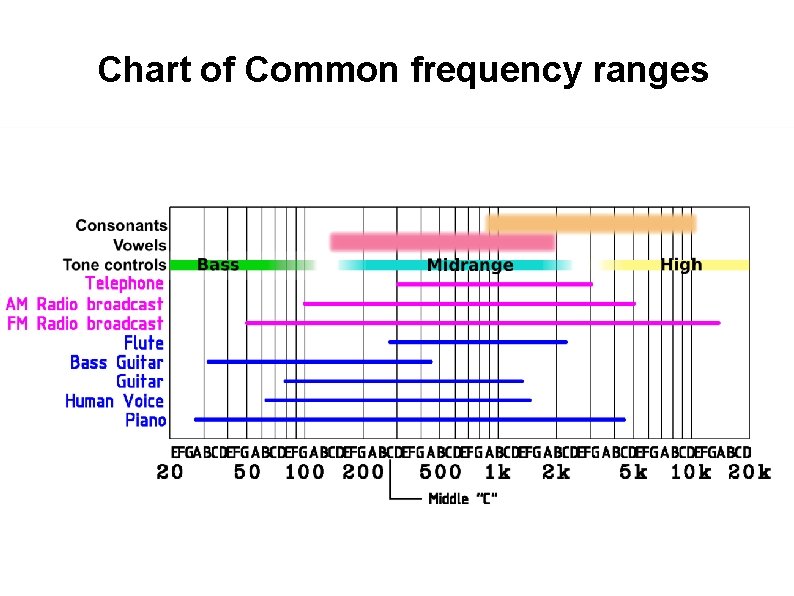
Chart of Common frequency ranges
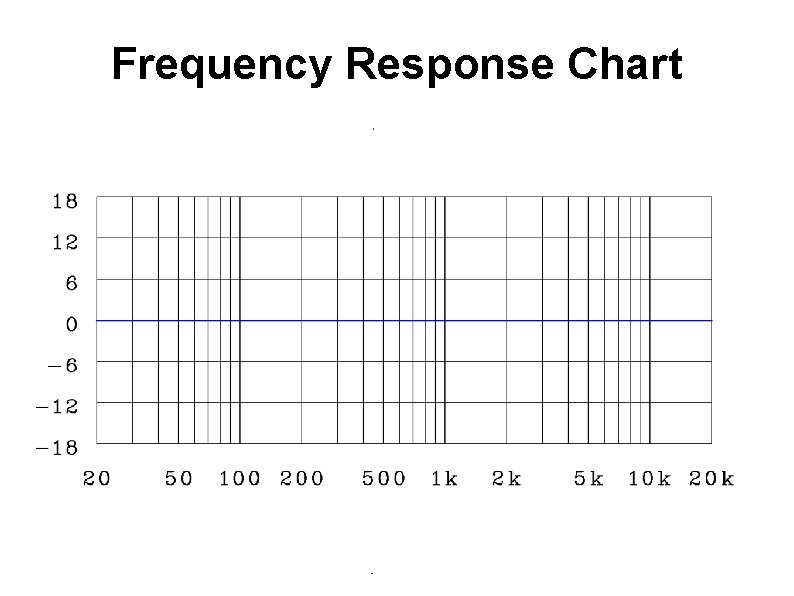
Frequency Response Chart
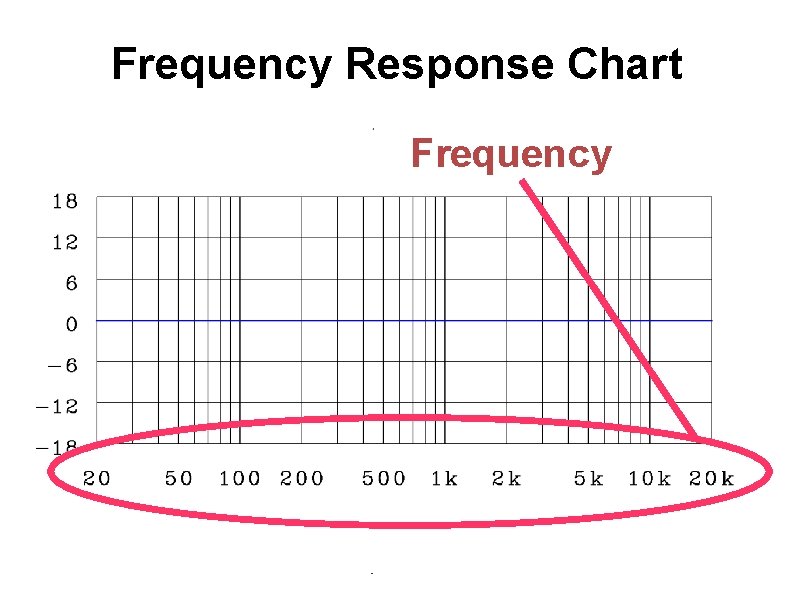
Frequency Response Chart Frequency
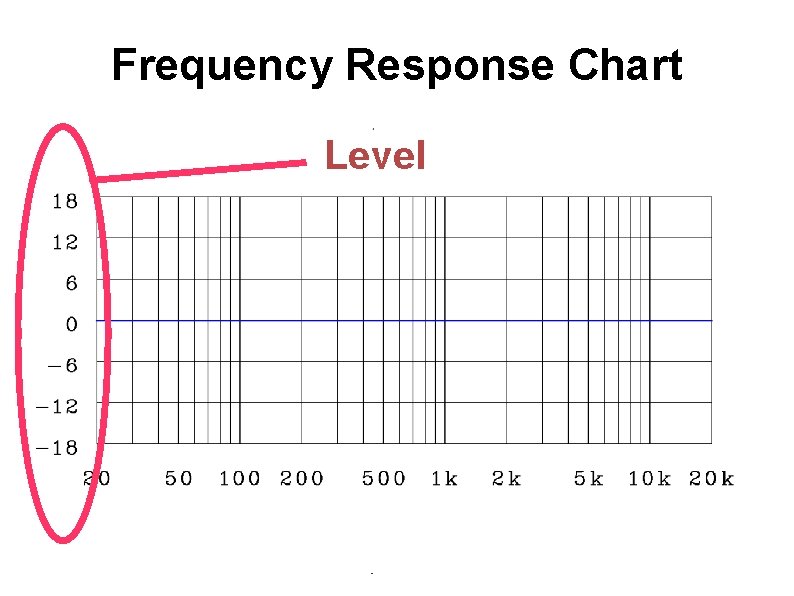
Frequency Response Chart Level
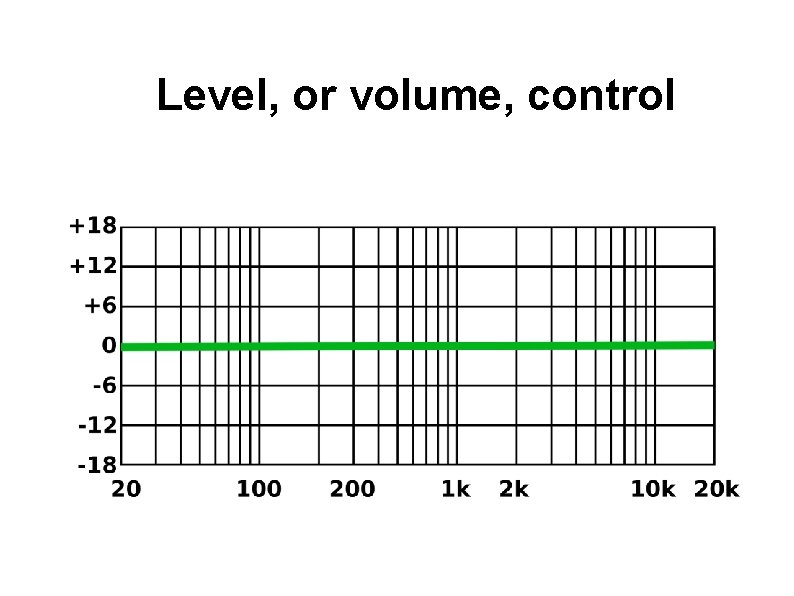
Level, or volume, control
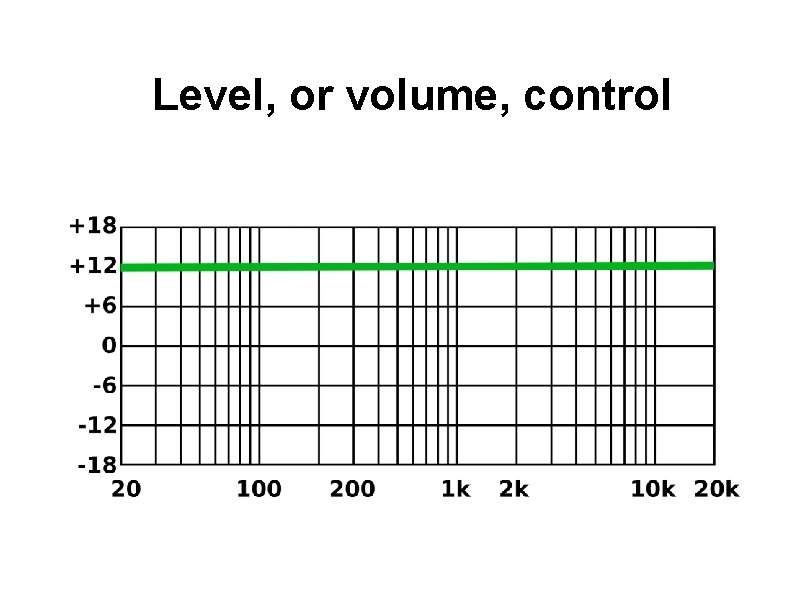
Level, or volume, control
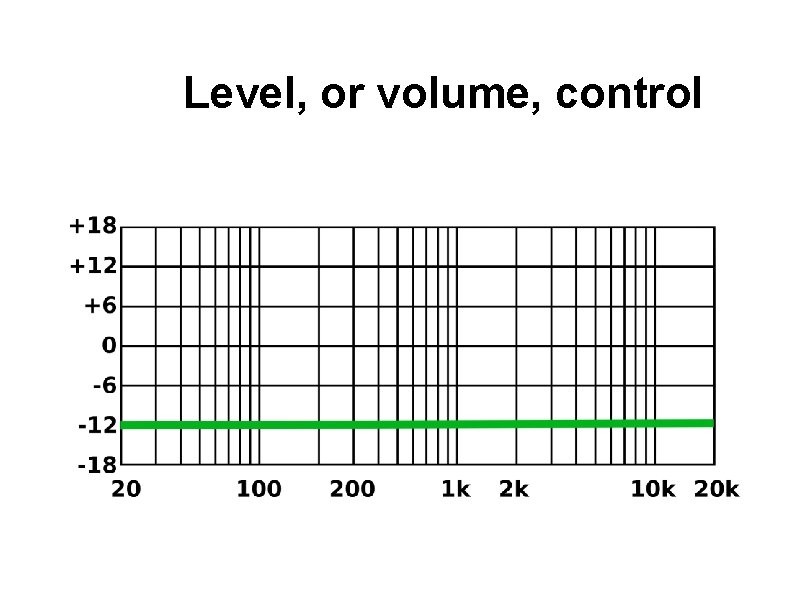
Level, or volume, control
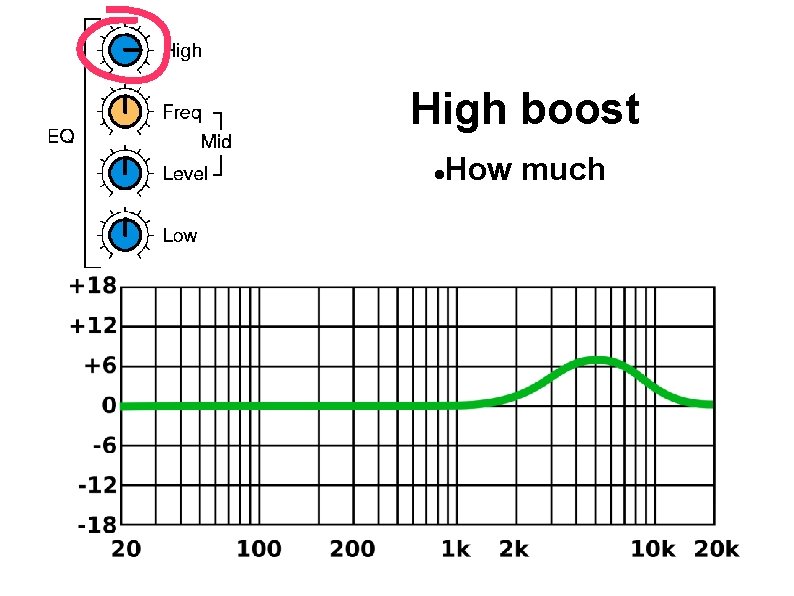
High boost How much
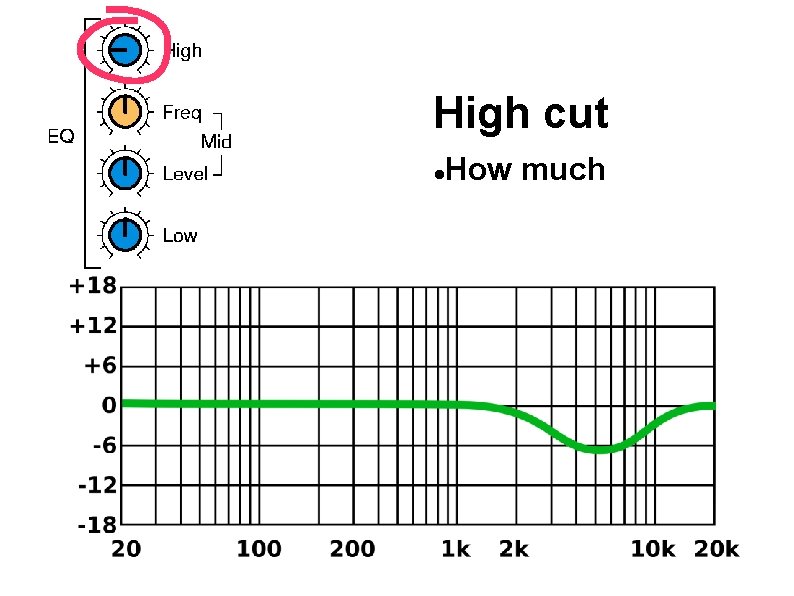
High cut How much
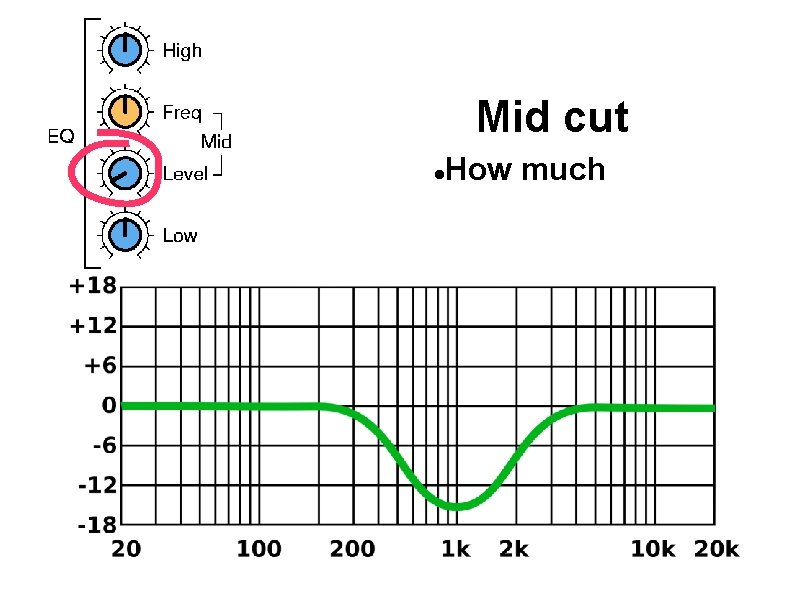
Mid cut How much
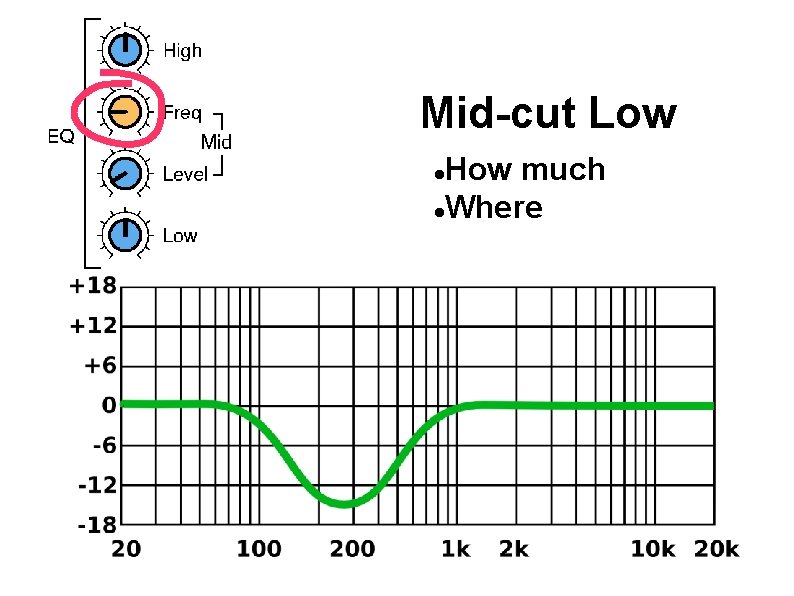
Mid-cut Low How much Where
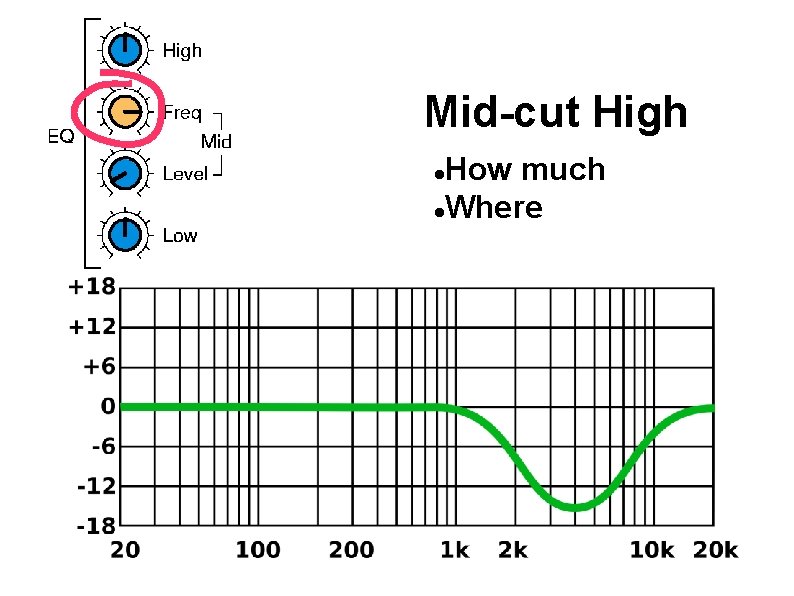
Mid-cut High How much Where
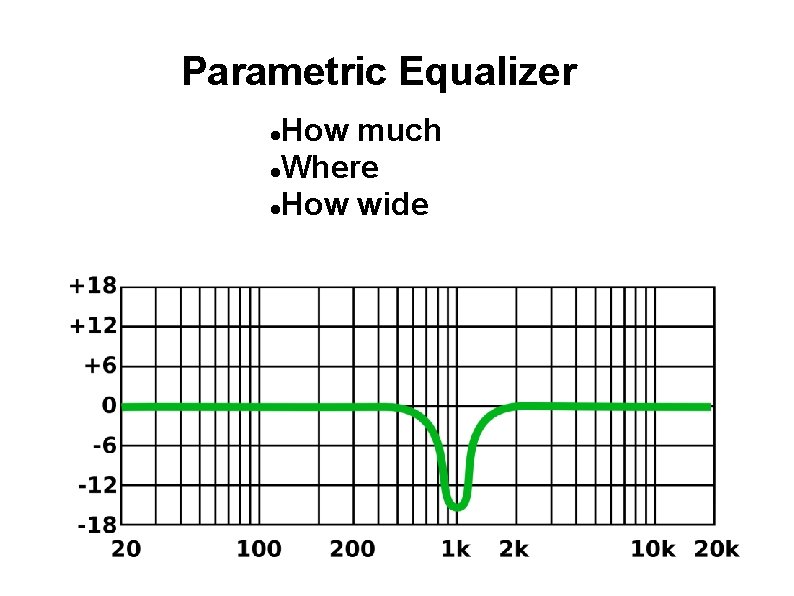
Parametric Equalizer How much Where How wide
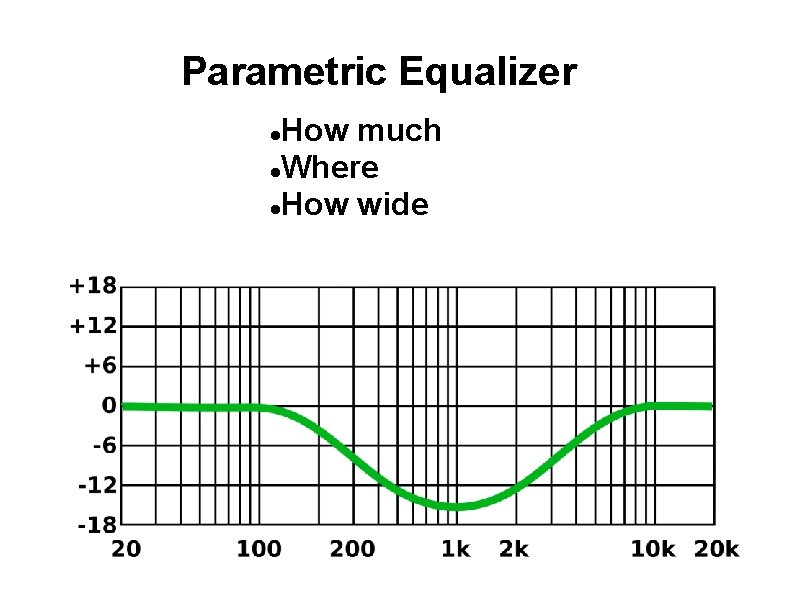
Parametric Equalizer How much Where How wide
Signal to Noise Ratio
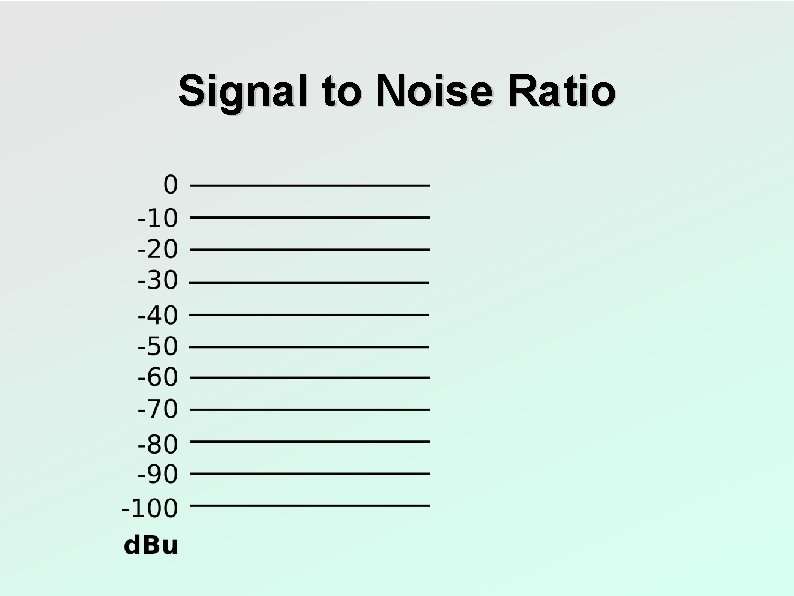
Signal to Noise Ratio
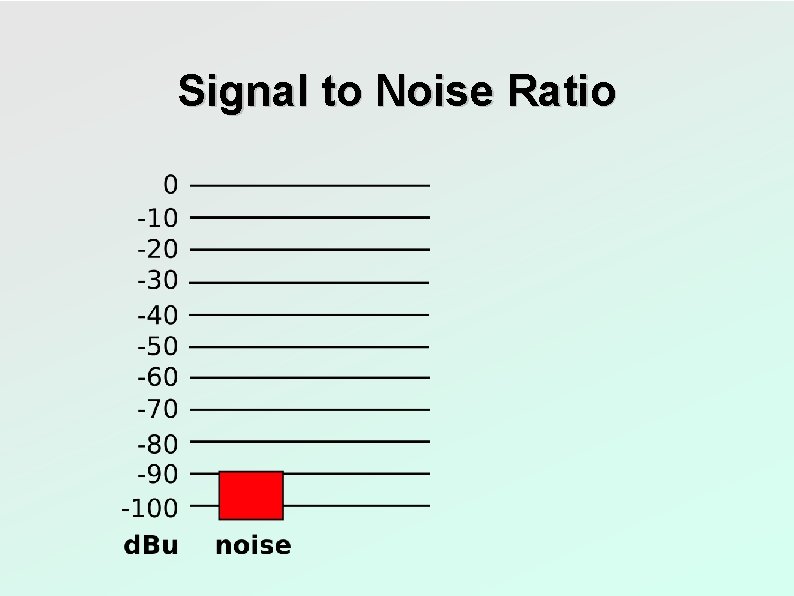
Signal to Noise Ratio
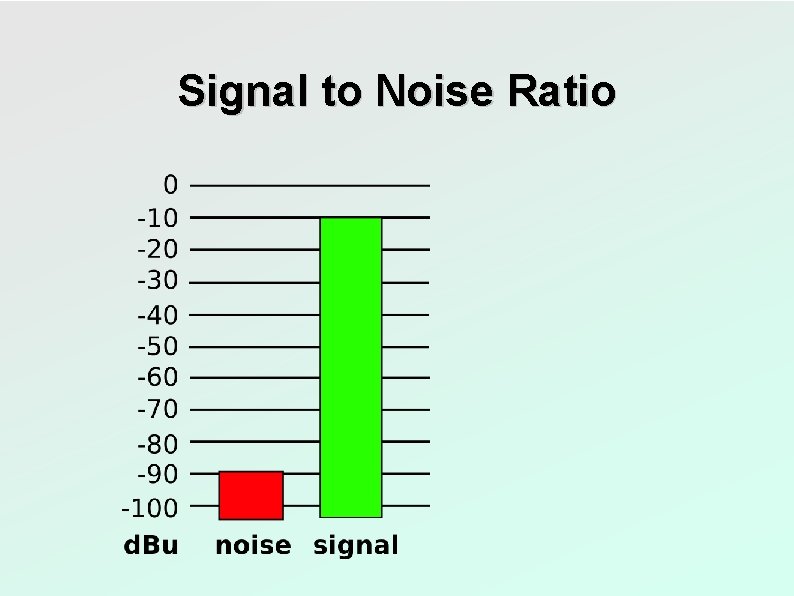
Signal to Noise Ratio
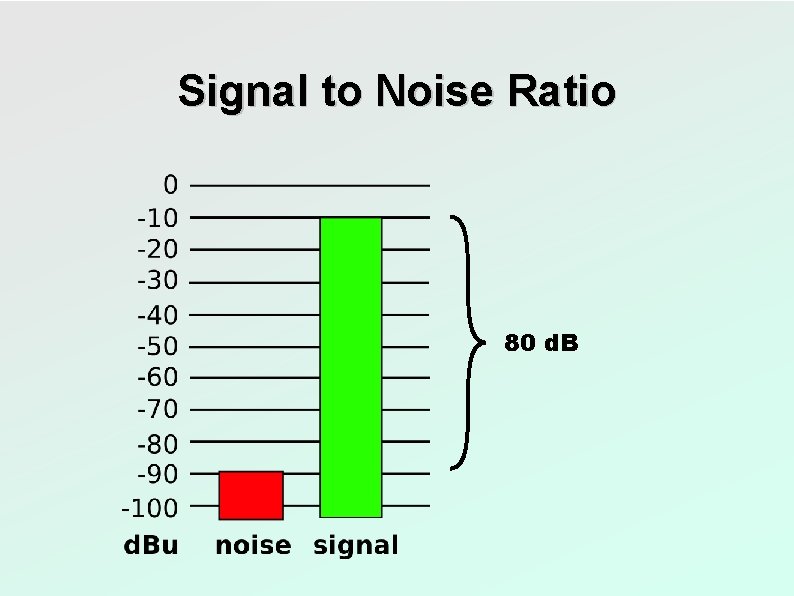
Signal to Noise Ratio 80 d. B
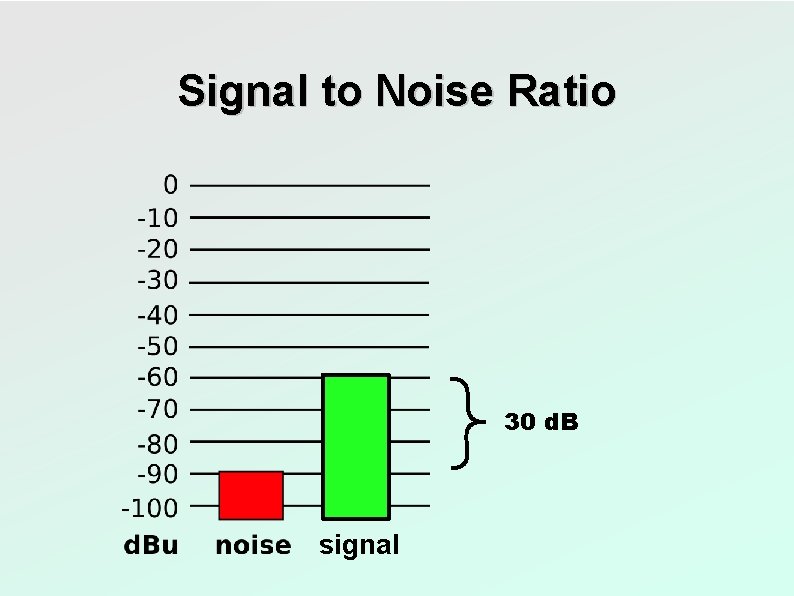
Signal to Noise Ratio 30 d. B signal
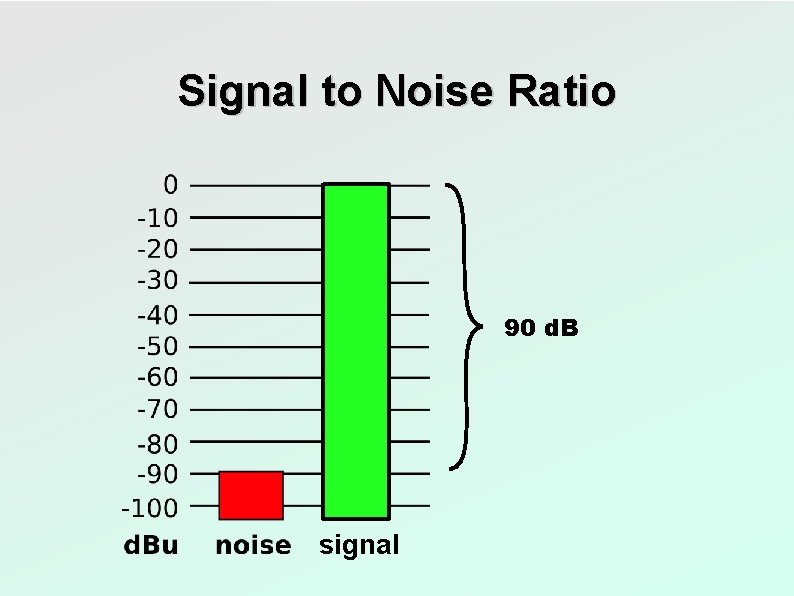
Signal to Noise Ratio 90 d. B signal
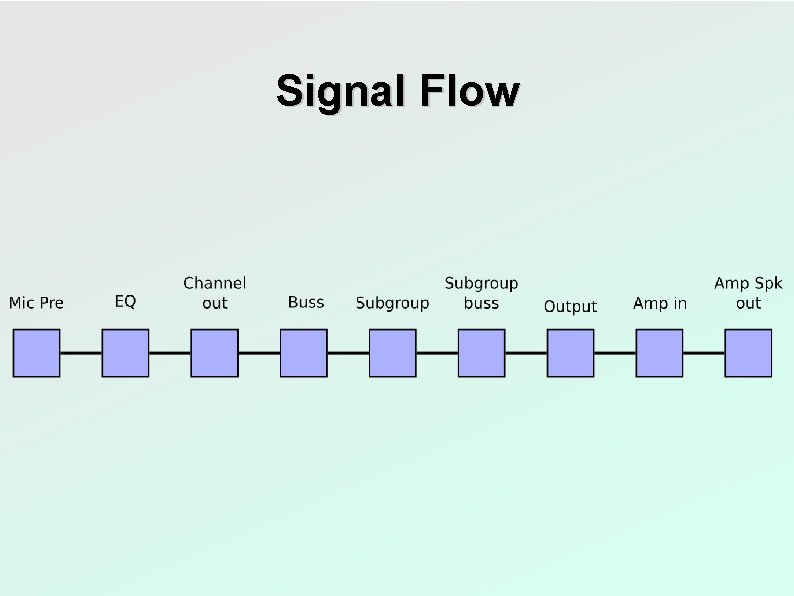
Signal Flow
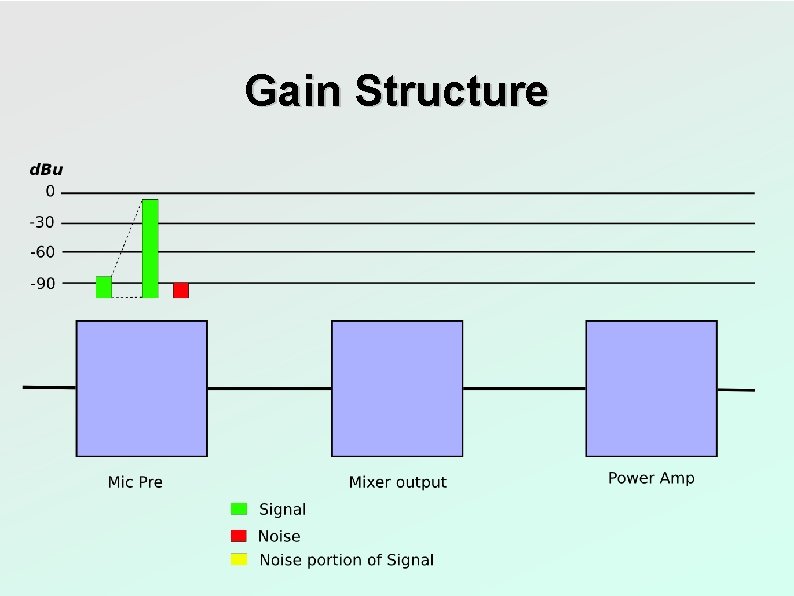
Gain Structure
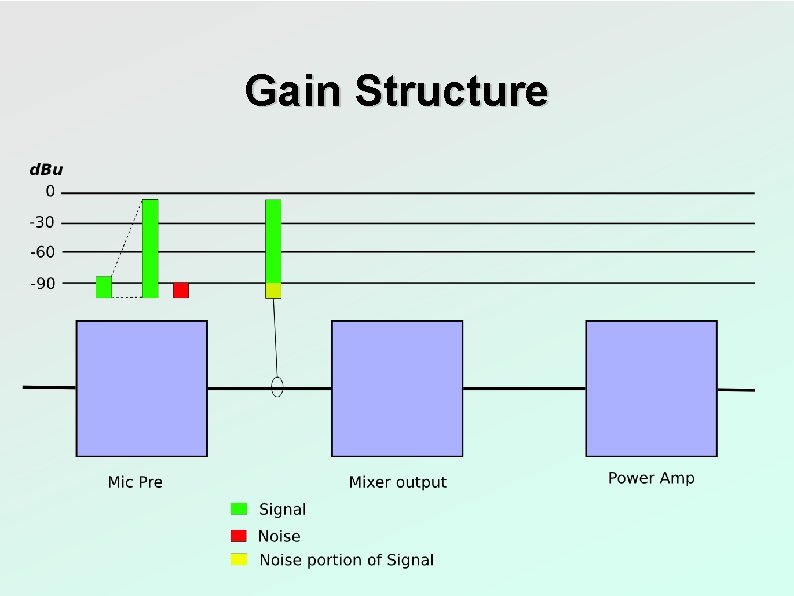
Gain Structure
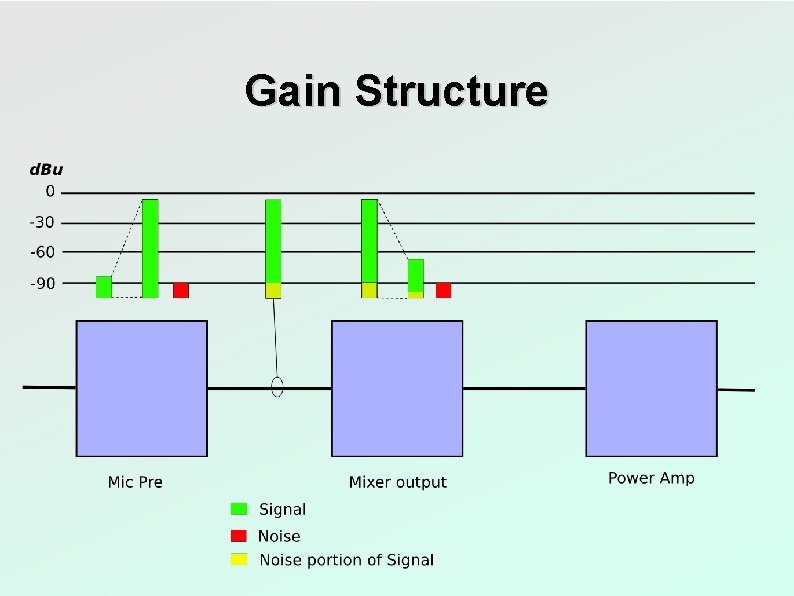
Gain Structure
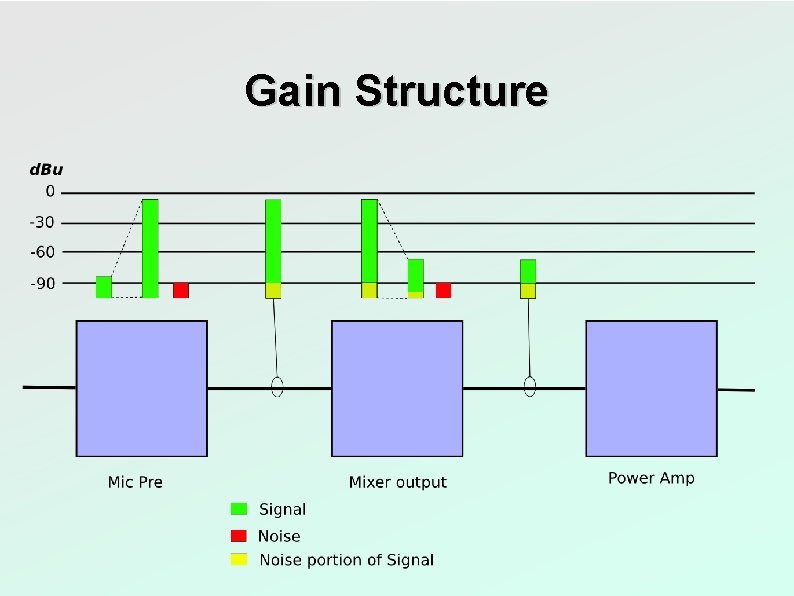
Gain Structure
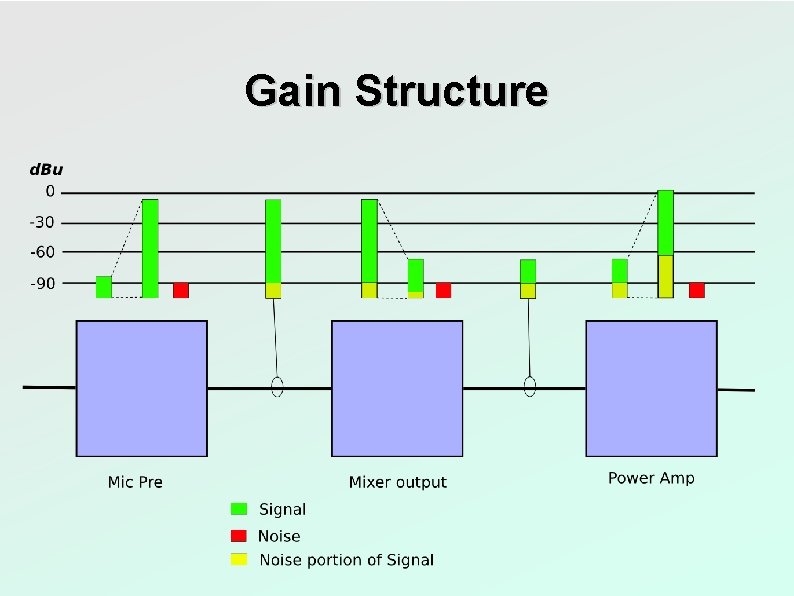
Gain Structure

Polar Plots
Polar Plots It is not: B-rate movie about the North Pole Anything to do with polar bears
Polar Plots It is not: B-rate movie about the North Pole Anything to do with polar bears It is a way to chart signal levels as they relate to physical space.
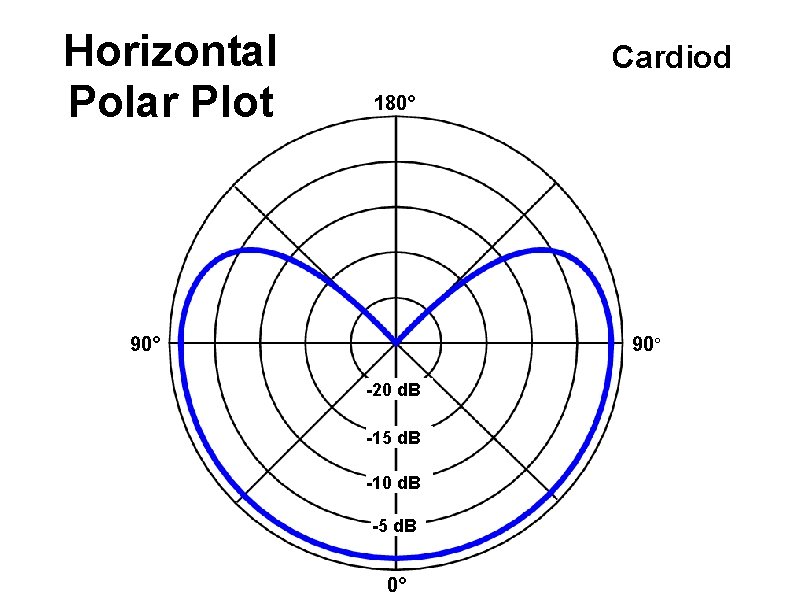
Horizontal Polar Plot Cardiod 180° 90° -20 d. B -15 d. B -10 d. B -5 d. B 0°
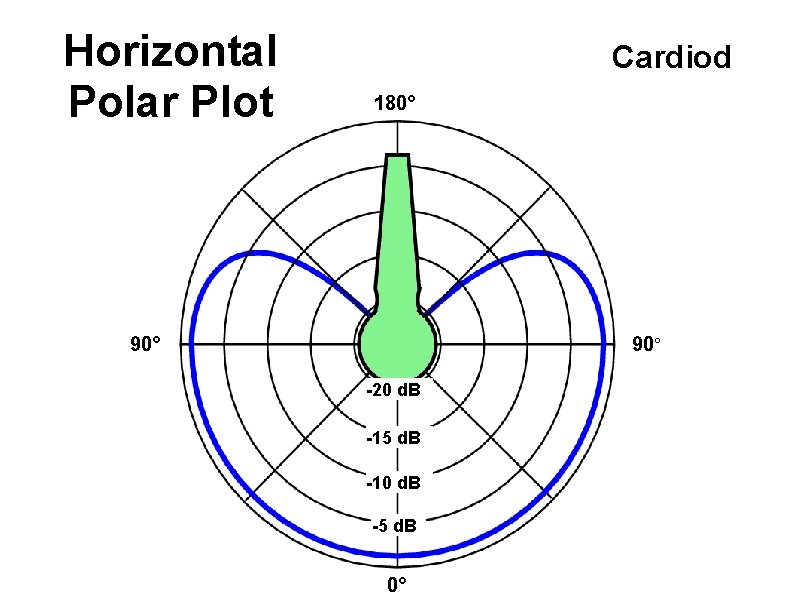
Horizontal Polar Plot Cardiod 180° 90° -20 d. B -15 d. B -10 d. B -5 d. B 0°
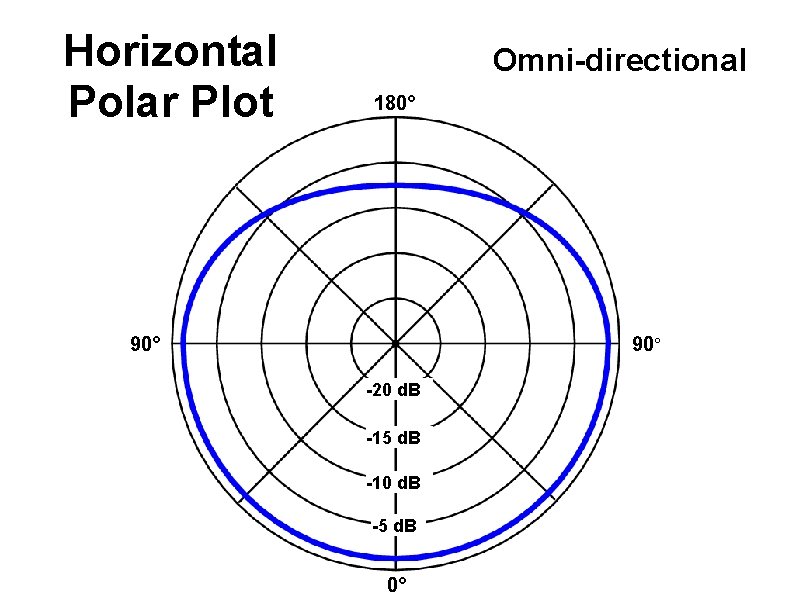
Horizontal Polar Plot Omni-directional 180° 90° -20 d. B -15 d. B -10 d. B -5 d. B 0°
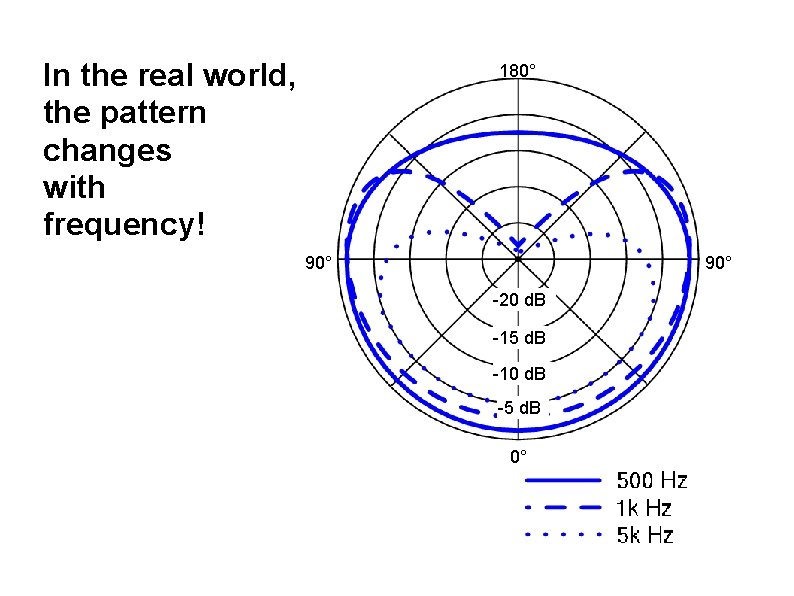
In the real world, the pattern changes with frequency! 180° 90° -20 d. B -15 d. B -10 d. B -5 d. B 0°
What is “Feedback”? What does it sound like? What is it not. What causes it?
What is “Feedback”? What does it sound like? Usually a single tone - or two. . . Often high-pitched What is it not. What causes it?
What is “Feedback”? What does it sound like? What is it not. Crackles Pops Static Other noises What causes it?
What is “Feedback”? What does it sound like? What is it not. What causes it? More electronic gain than acoustic loss
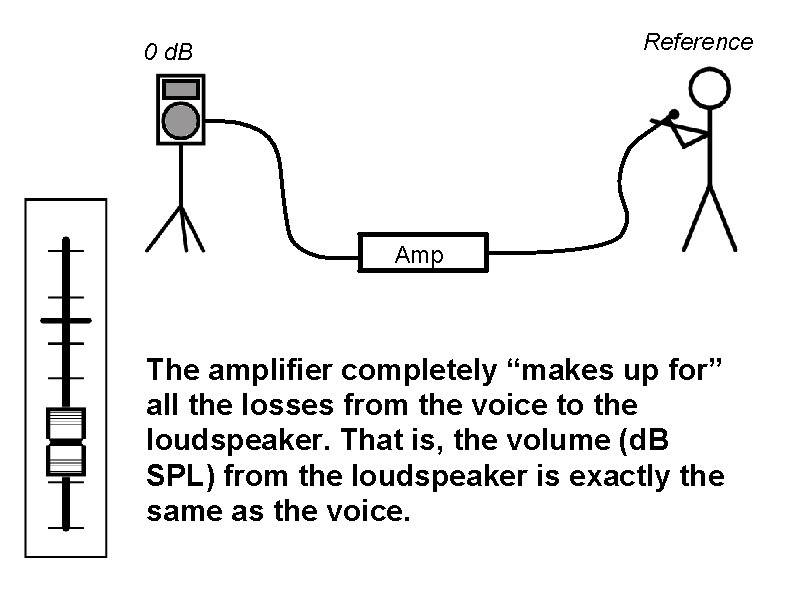
Reference 0 d. B Amp The amplifier completely “makes up for” all the losses from the voice to the loudspeaker. That is, the volume (d. B SPL) from the loudspeaker is exactly the same as the voice.
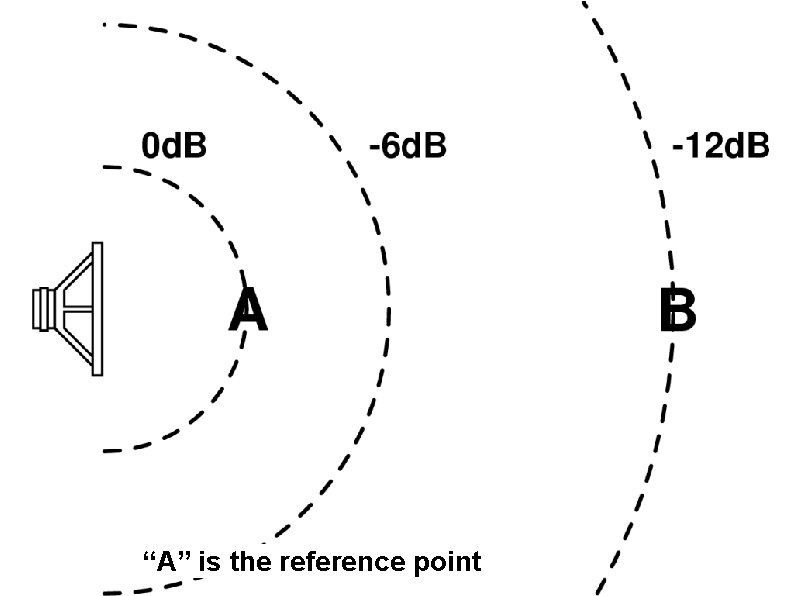
“A” is the reference point
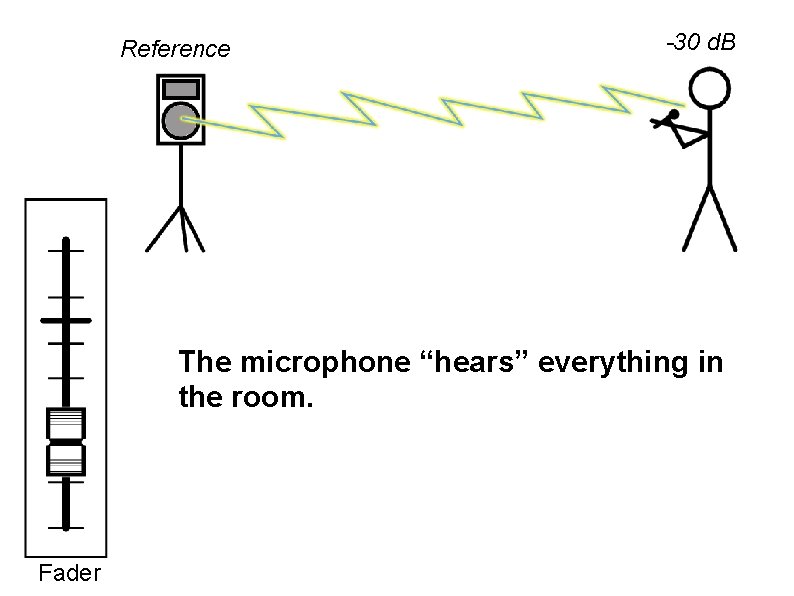
Reference -30 d. B The microphone “hears” everything in the room. Fader
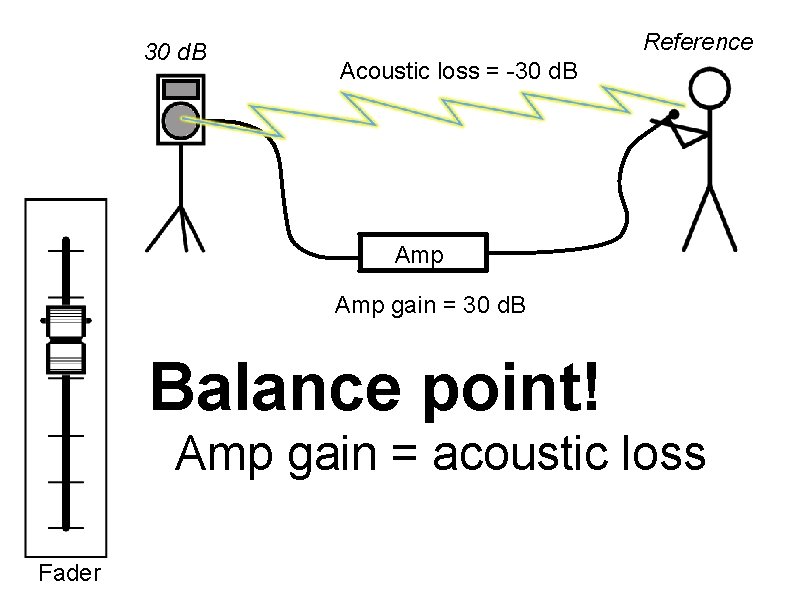
30 d. B Reference Acoustic loss = -30 d. B Amp gain = 30 d. B Balance point! Amp gain = acoustic loss Fader
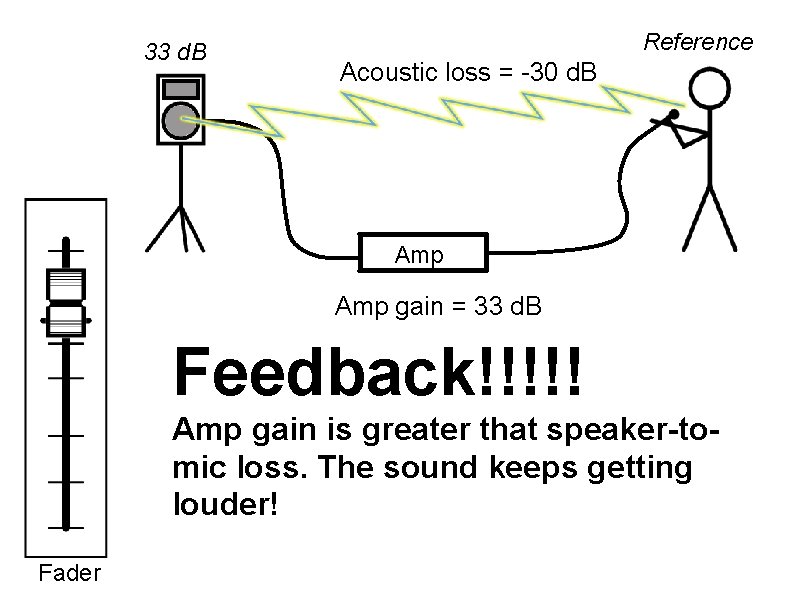
33 d. B Reference Acoustic loss = -30 d. B Amp gain = 33 d. B Feedback!!!!! Amp gain is greater that speaker-tomic loss. The sound keeps getting louder! Fader
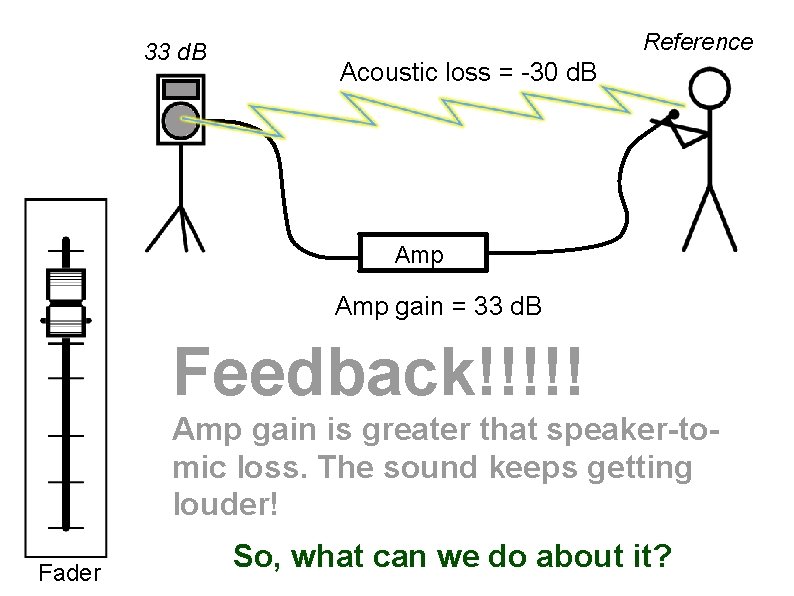
33 d. B Reference Acoustic loss = -30 d. B Amp gain = 33 d. B Feedback!!!!! Amp gain is greater that speaker-tomic loss. The sound keeps getting louder! Fader So, what can we do about it?
So what can we do about it? ?
So what can we do about it? ? Increase the acoustic loss. Decrease the electronic gain.
So what can we do about it? ? Increase the acoustic loss. Move the mic and loudspeaker farther apart. Change the angle of the loudspeaker. Change the angle of the microphone. Decrease the electronic gain.
So what can we do about it? ? Increase the acoustic loss. Move the mic and loudspeaker farther apart. Remember that sound get weaker the further it has to travel. Change the angle of the loudspeaker. Change the angle of the microphone. Decrease the electronic gain.
So what can we do about it? ? Increase the acoustic loss. Move the mic and loudspeaker farther apart. Change the angle of the loudspeaker. Speakers are rarely omni-directional. Get the mic to a spot that the loudspeaker doesn't cover well. Change the angle of the microphone. Decrease the electronic gain.
So what can we do about it? ? Increase the acoustic loss. Move the mic and loudspeaker farther apart. Change the angle of the loudspeaker. Change the angle of the microphone. Use the mic's polar plot to “point” the weak pickup area toward the loudspeaker. Decrease the electronic gain.
So what can we do about it? ? Increase the acoustic loss. Decrease the electronic gain. Change the frequency response of the system. Turn down the fader.
So what can we do about it? ? Increase the acoustic loss. Decrease the electronic gain. Change the frequency response of the system. Adjust an equalizer to turn down the frequency to which the mic/speaker/room system is most responsive. Turn down the fader.
So what can we do about it? ? Increase the acoustic loss. Decrease the electronic gain. Change the frequency response of the system. Adjust an equalizer to turn down the frequency to which the mic/speaker/room system is most responsive. It will affect the desirable sound too! Turn down the fader.
So what can we do about it? ? Increase the acoustic loss. Decrease the electronic gain. Change the frequency response of the system. Turn down the fader.
So what can we do about it? ? Increase the acoustic loss. Decrease the electronic gain. Change the frequency response of the system. Turn down the fader. But now we can't hear because it is too quiet!
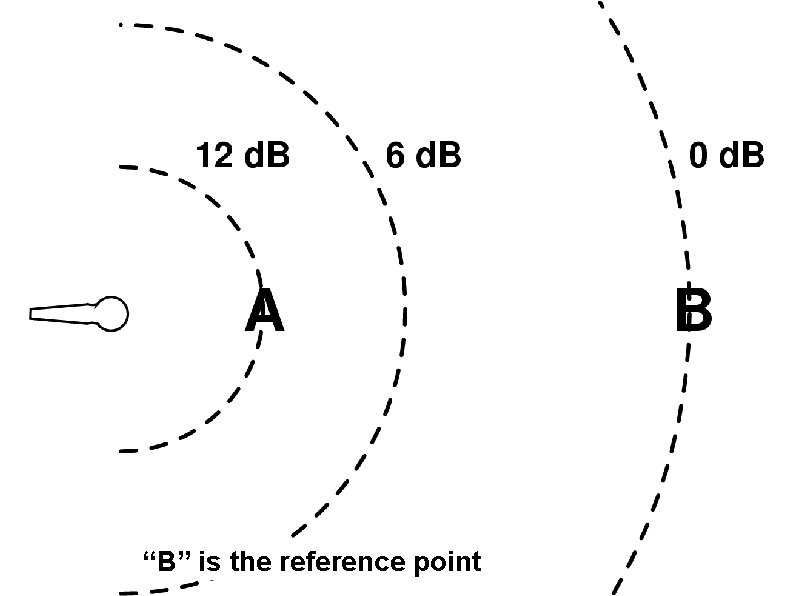
“B” is the reference point
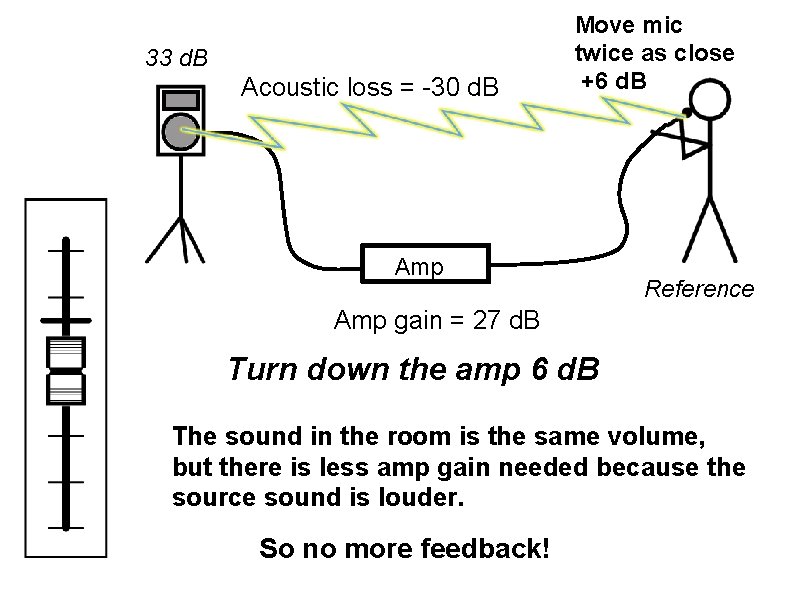
33 d. B Acoustic loss = -30 d. B Move mic twice as close +6 d. B Amp Reference Amp gain = 27 d. B Turn down the amp 6 d. B The sound in the room is the same volume, but there is less amp gain needed because the source sound is louder. So no more feedback!
Instant Replay
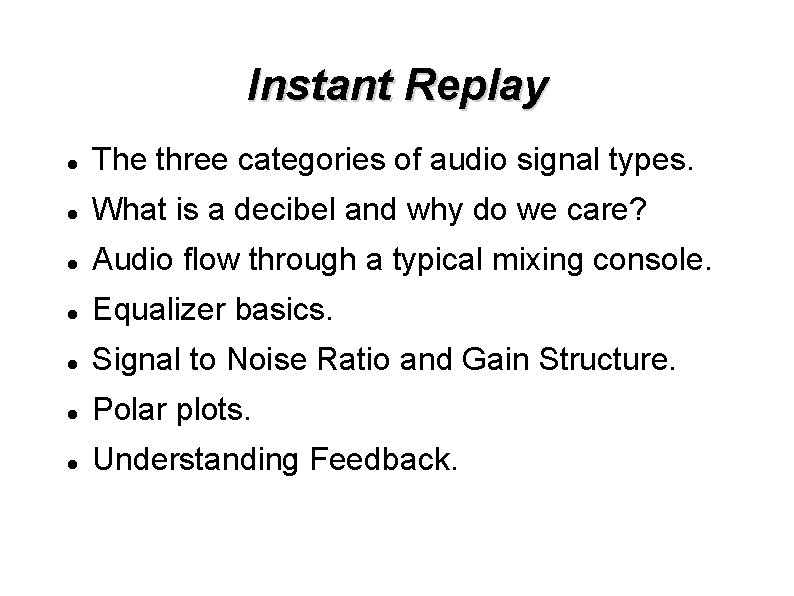
Instant Replay The three categories of audio signal types. What is a decibel and why do we care? Audio flow through a typical mixing console. Equalizer basics. Signal to Noise Ratio and Gain Structure. Polar plots. Understanding Feedback.
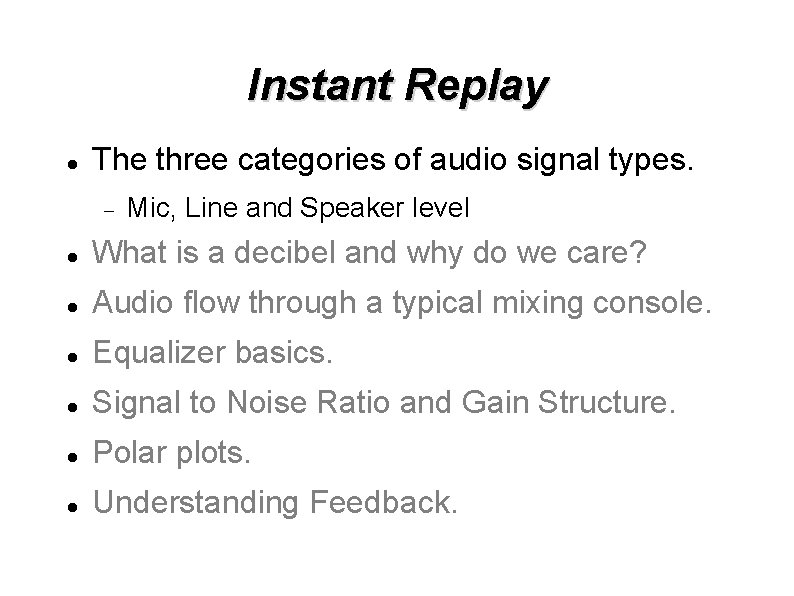
Instant Replay The three categories of audio signal types. Mic, Line and Speaker level What is a decibel and why do we care? Audio flow through a typical mixing console. Equalizer basics. Signal to Noise Ratio and Gain Structure. Polar plots. Understanding Feedback.
Instant Replay The three categories of audio signal types. What is a decibel and why do we care? A convenient way to manage a large range of signal ratios. Audio flow through a typical mixing console. Equalizer basics. Signal to Noise Ratio and Gain Structure. Polar plots. Understanding Feedback.
Instant Replay The three categories of audio signal types. What is a decibel and why do we care? Audio flow through a typical mixing console. Don't be afraid of your owner's manual. Equalizer basics. Signal to Noise Ratio and Gain Structure. Polar plots. Understanding Feedback.
Instant Replay The three categories of audio signal types. What is a decibel and why do we care? Audio flow through a typical mixing console. Equalizer basics. Practices - just not during the service. Signal to Noise Ratio and Gain Structure. Polar plots. Understanding Feedback.
Instant Replay The three categories of audio signal types. What is a decibel and why do we care? Audio flow through a typical mixing console. Equalizer basics. Signal to Noise Ratio and Gain Structure. Apply the gain early in the chain. Polar plots. Understanding Feedback.
Instant Replay The three categories of audio signal types. What is a decibel and why do we care? Audio flow through a typical mixing console. Equalizer basics. Signal to Noise Ratio and Gain Structure. Polar plots. A picture of the sound in 3 D space. Understanding Feedback.
Instant Replay The three categories of audio signal types. What is a decibel and why do we care? Audio flow through a typical mixing console. Equalizer basics. Signal to Noise Ratio and Gain Structure. Polar plots. Understanding Feedback. Move the mic closer.
It's all over it's safe to wake up! Licensed under the Creative Commons Attribution-Share. Alike License
- Slides: 98