
LHC electrical circuits with superconducting magnets and their



- Slides: 62
LHC electrical circuits with superconducting magnets and their protection Tomasz Podzorny (TE-MPE-EP)
Agenda • • • Layout of the LHC Components of the circuits Protection schemes of SC devices Safety critical interfaces Overview of the circuits Summary 1/16/2022 3
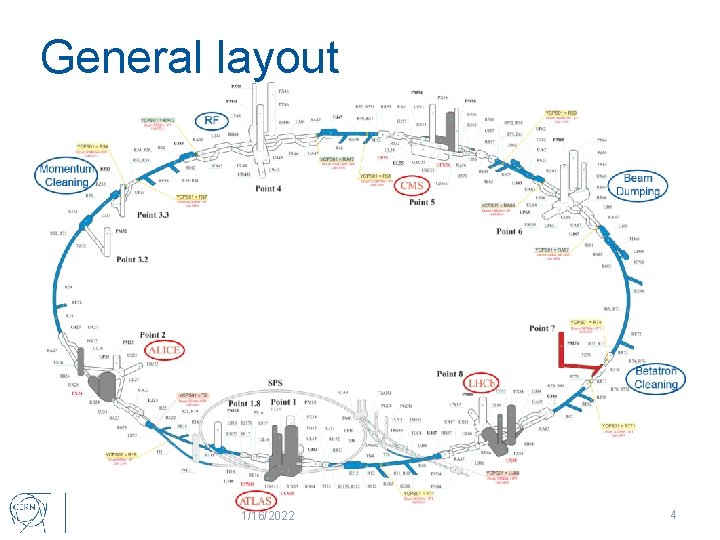
General layout 1/16/2022 4
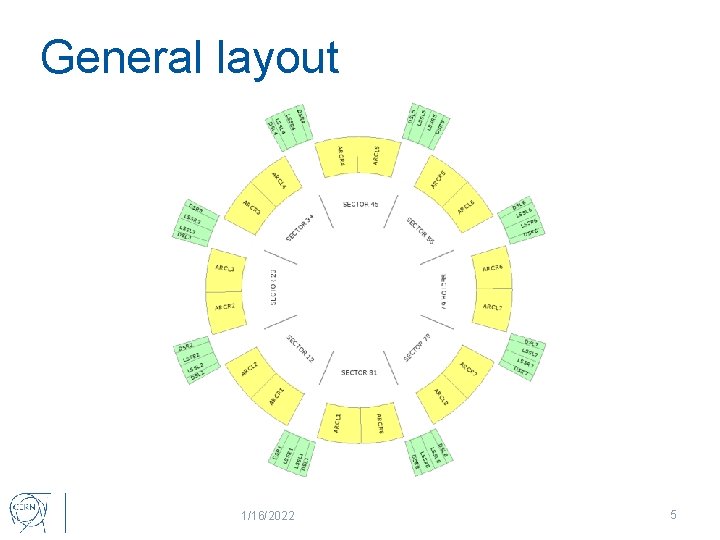
General layout 1/16/2022 5
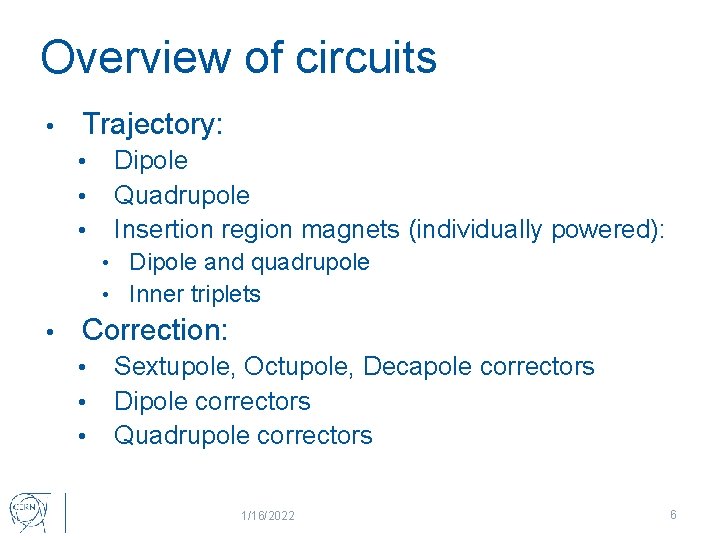
Overview of circuits • Trajectory: • • • Dipole Quadrupole Insertion region magnets (individually powered): • Dipole and quadrupole • Inner triplets • Correction: • • • Sextupole, Octupole, Decapole correctors Dipole correctors Quadrupole correctors 1/16/2022 6
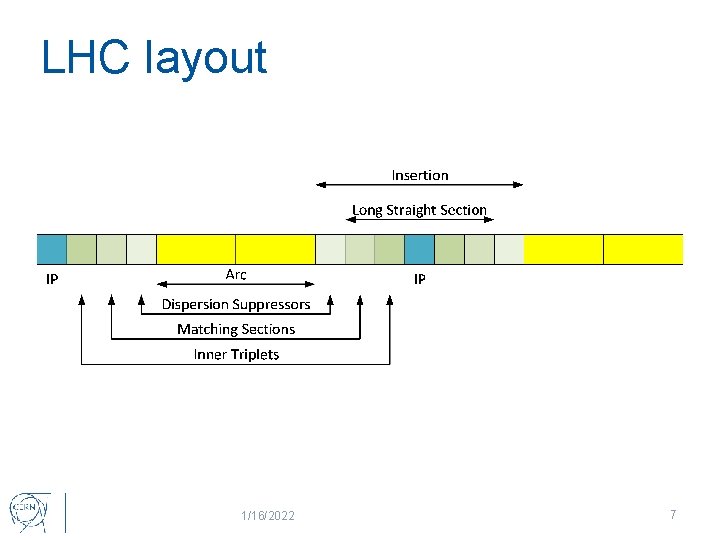
LHC layout 1/16/2022 7
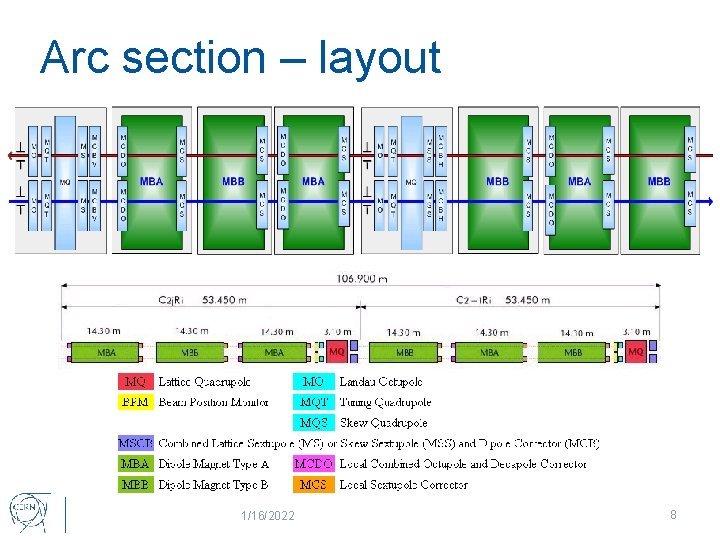
Arc section – layout 1/16/2022 8
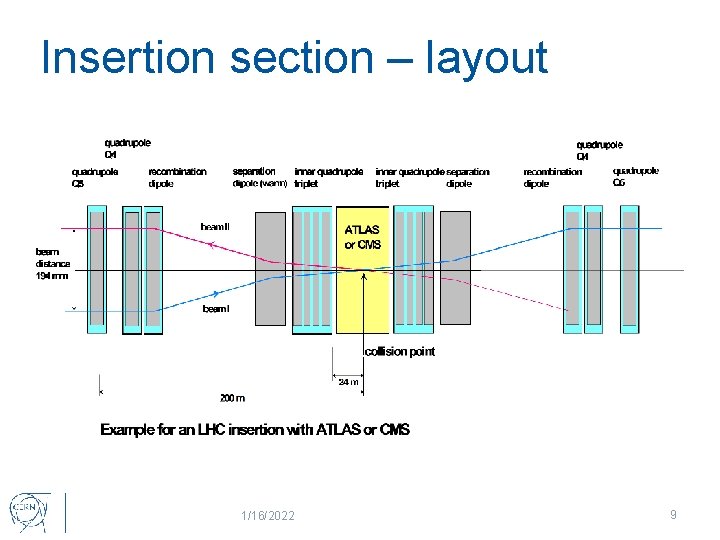
Insertion section – layout 1/16/2022 9
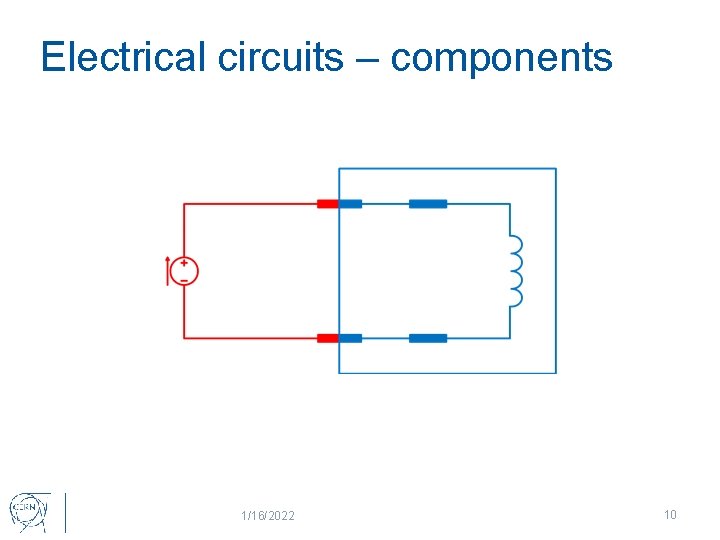
Electrical circuits – components 1/16/2022 10
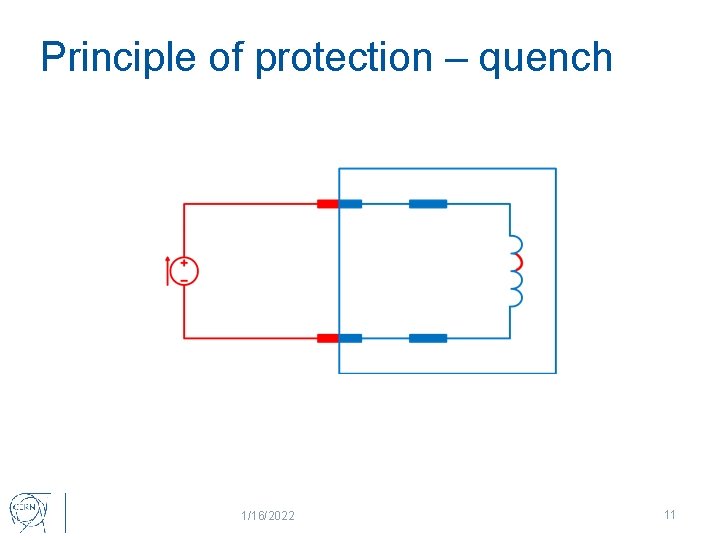
Principle of protection – quench 1/16/2022 11
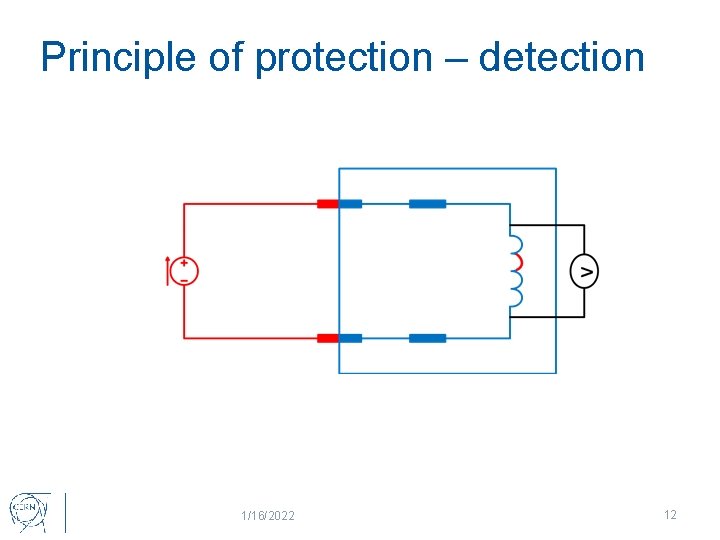
Principle of protection – detection 1/16/2022 12
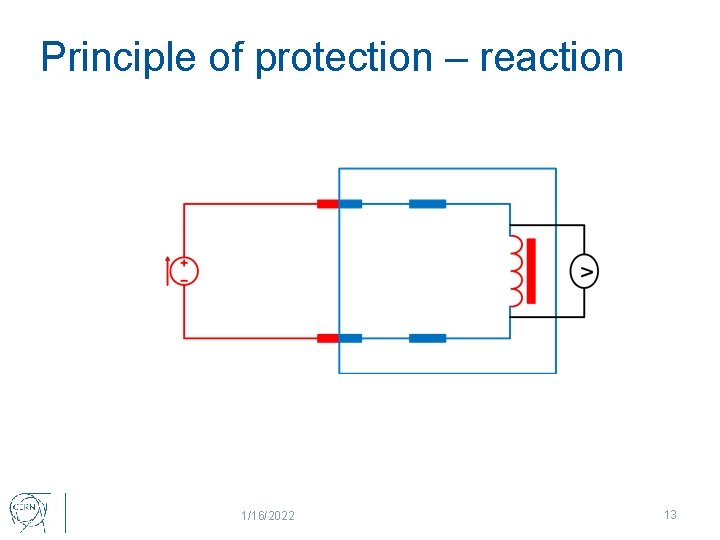
Principle of protection – reaction 1/16/2022 13
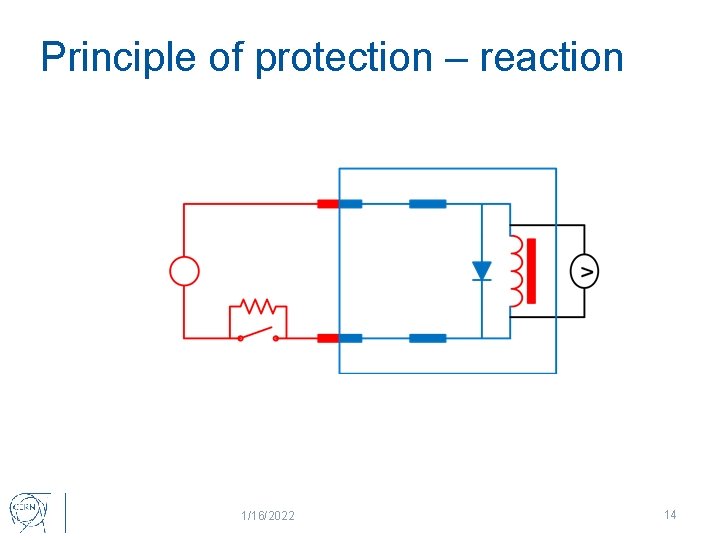
Principle of protection – reaction 1/16/2022 14
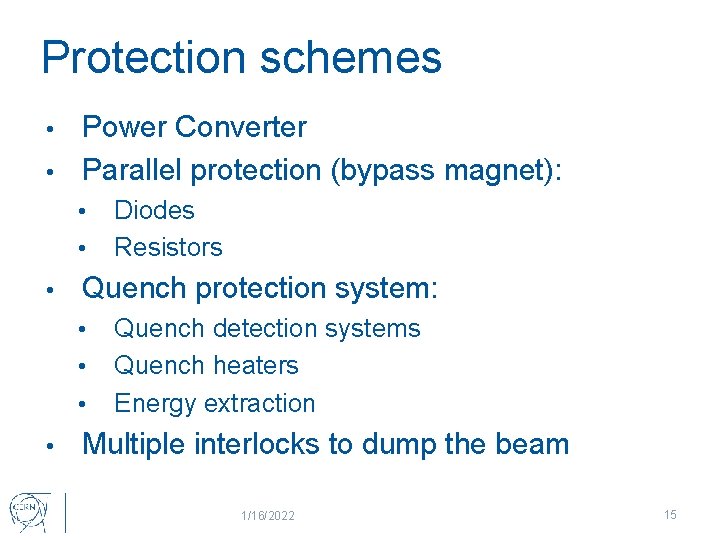
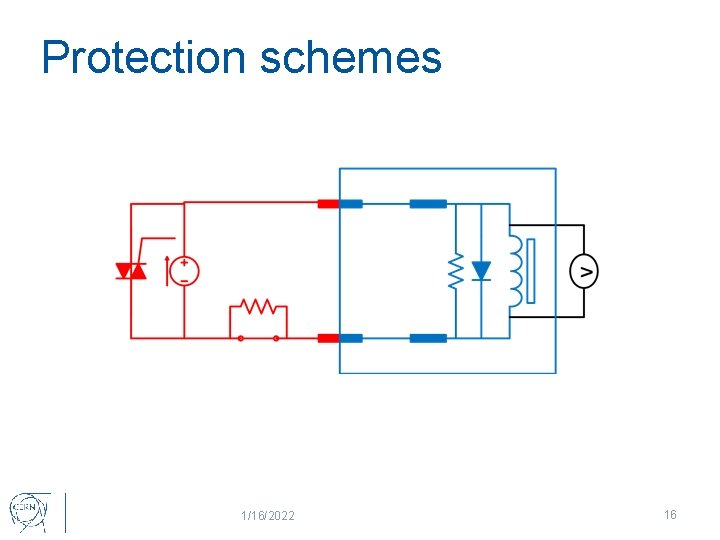
Protection schemes Power Converter • Parallel protection (bypass magnet): • • Quench protection system: • • Diodes Resistors Quench detection systems Quench heaters Energy extraction Multiple interlocks to dump the beam 1/16/2022 15
Protection schemes 1/16/2022 16
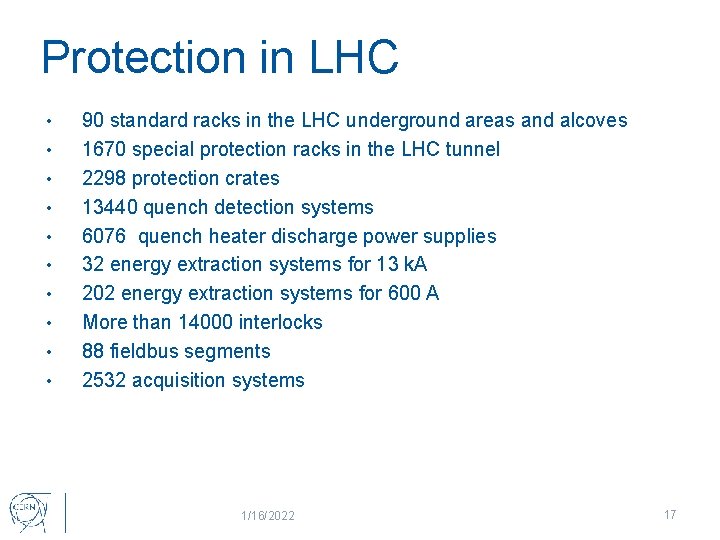
Protection in LHC • • • 90 standard racks in the LHC underground areas and alcoves 1670 special protection racks in the LHC tunnel 2298 protection crates 13440 quench detection systems 6076 quench heater discharge power supplies 32 energy extraction systems for 13 k. A 202 energy extraction systems for 600 A More than 14000 interlocks 88 fieldbus segments 2532 acquisition systems 1/16/2022 17
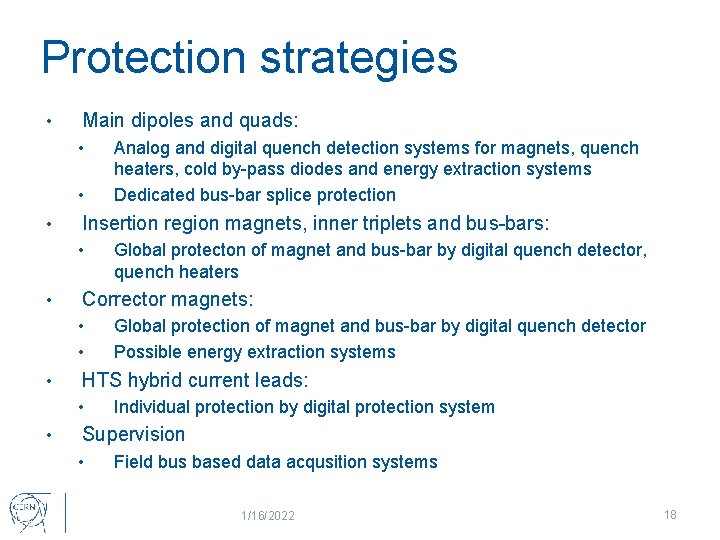
Protection strategies • Main dipoles and quads: • • • Insertion region magnets, inner triplets and bus-bars: • • • Global protection of magnet and bus-bar by digital quench detector Possible energy extraction systems HTS hybrid current leads: • • Global protecton of magnet and bus-bar by digital quench detector, quench heaters Corrector magnets: • • Analog and digital quench detection systems for magnets, quench heaters, cold by-pass diodes and energy extraction systems Dedicated bus-bar splice protection Individual protection by digital protection system Supervision • Field bus based data acqusition systems 1/16/2022 18
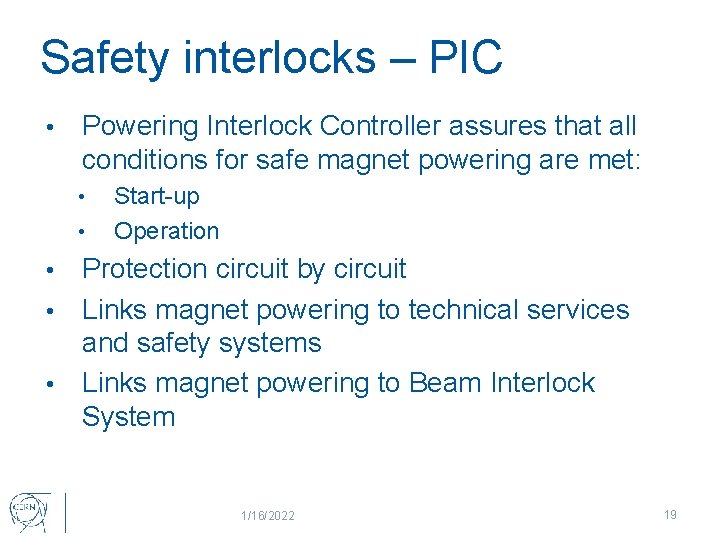
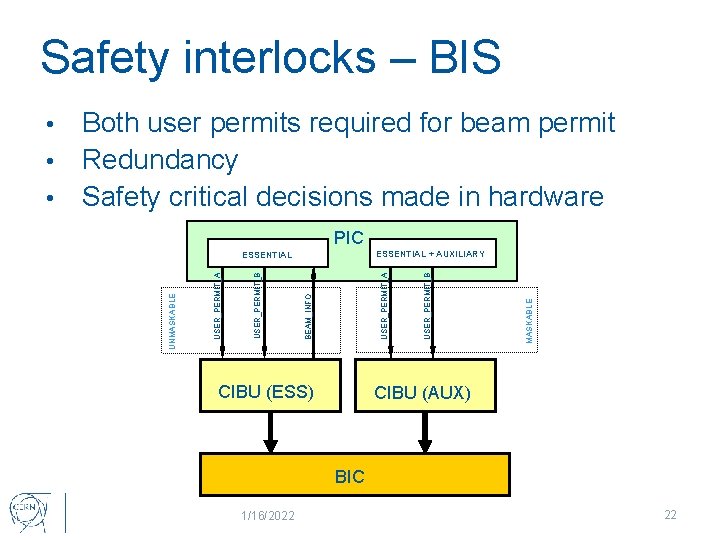
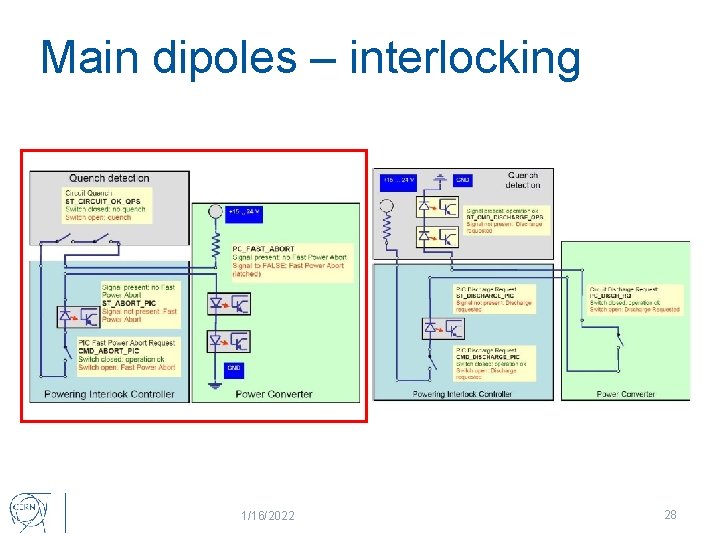
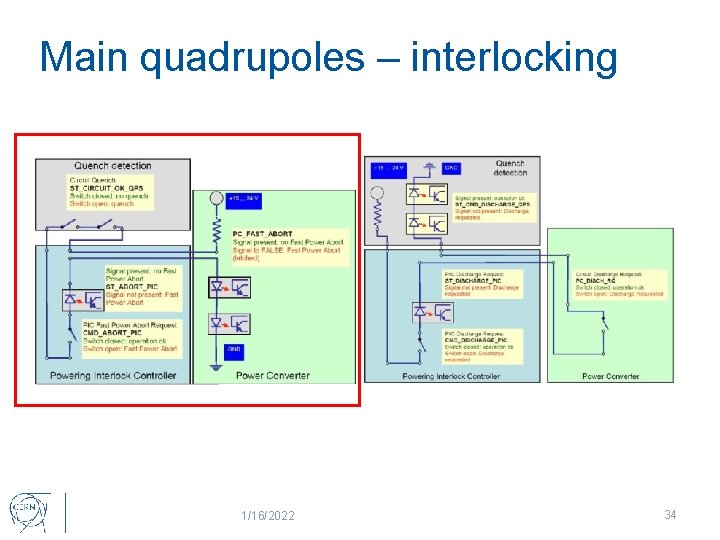
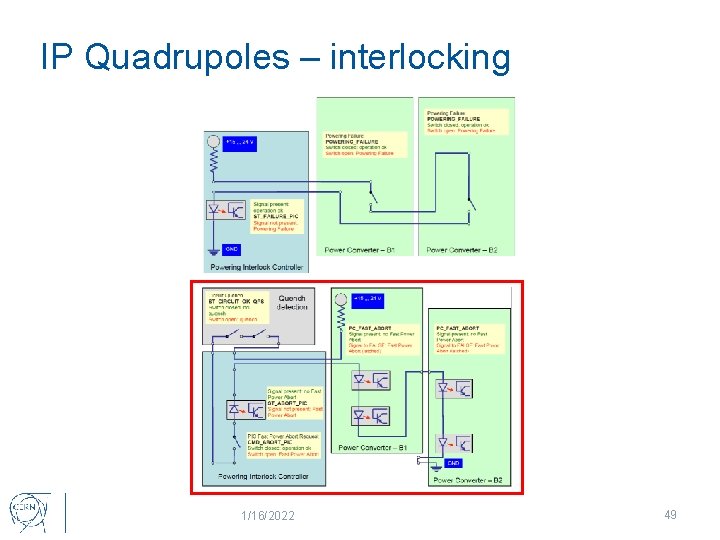
Safety interlocks – PIC • Powering Interlock Controller assures that all conditions for safe magnet powering are met: • • Start-up Operation Protection circuit by circuit • Links magnet powering to technical services and safety systems • Links magnet powering to Beam Interlock System • 1/16/2022 19
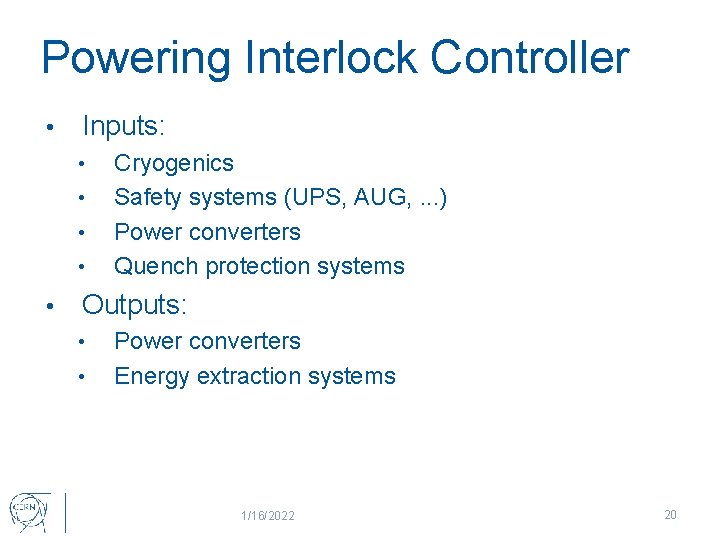
Powering Interlock Controller • Inputs: • • • Cryogenics Safety systems (UPS, AUG, . . . ) Power converters Quench protection systems Outputs: • • Power converters Energy extraction systems 1/16/2022 20
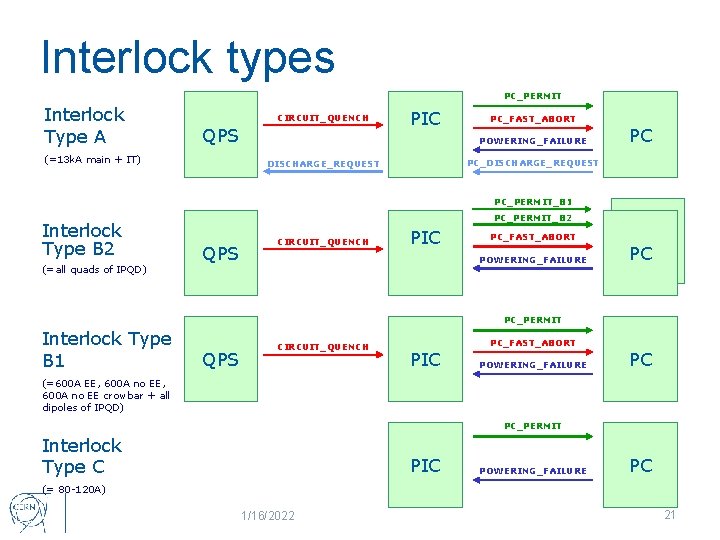
Interlock types PC_PERMIT Interlock Type A CIRCUIT_QUENCH QPS (=13 k. A main + IT) PIC PC_FAST_ABORT POWERING_FAILURE PC PC_DISCHARGE_REQUEST PC_PERMIT_B 1 Interlock Type B 2 (=all quads of IPQD) PC_PERMIT_B 2 QPS CIRCUIT_QUENCH PIC PC_FAST_ABORT POWERING_FAILURE PC PC PC_PERMIT Interlock Type B 1 QPS CIRCUIT_QUENCH PC_FAST_ABORT PIC POWERING_FAILURE PC (=600 A EE, 600 A no EE crowbar + all dipoles of IPQD) PC_PERMIT Interlock Type C PIC POWERING_FAILURE PC (= 80 -120 A) 1/16/2022 21
Safety interlocks – BIS Both user permits required for beam permit • Redundancy • Safety critical decisions made in hardware • PIC MASKABLE USER_PERMIT_A BEAM_INFO USER_PERMIT_B UNMASKABLE USER_PERMIT_A CIBU (ESS) USER_PERMIT_B ESSENTIAL + AUXILIARY ESSENTIAL CIBU (AUX) BIC 1/16/2022 22
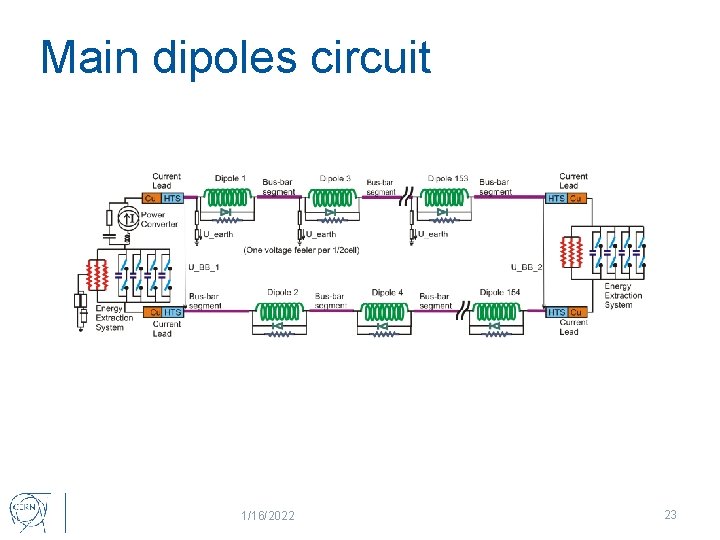
Main dipoles circuit 1/16/2022 23
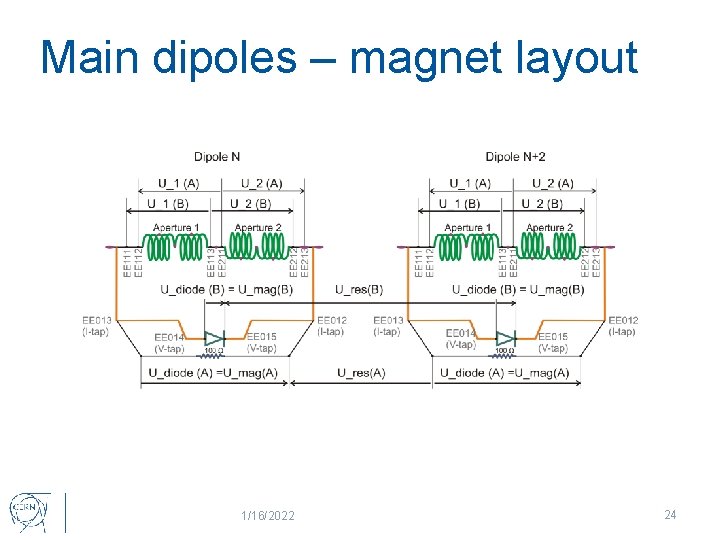
Main dipoles – magnet layout 1/16/2022 24
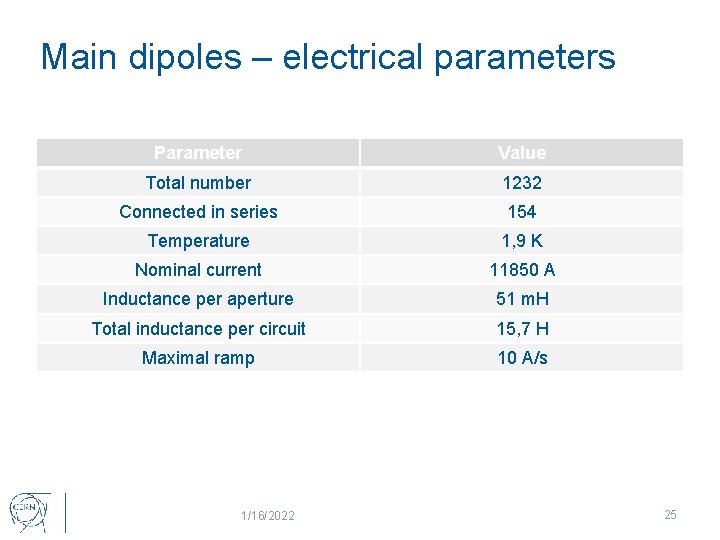
Main dipoles – electrical parameters Parameter Value Total number 1232 Connected in series 154 Temperature 1, 9 K Nominal current 11850 A Inductance per aperture 51 m. H Total inductance per circuit 15, 7 H Maximal ramp 10 A/s 1/16/2022 25
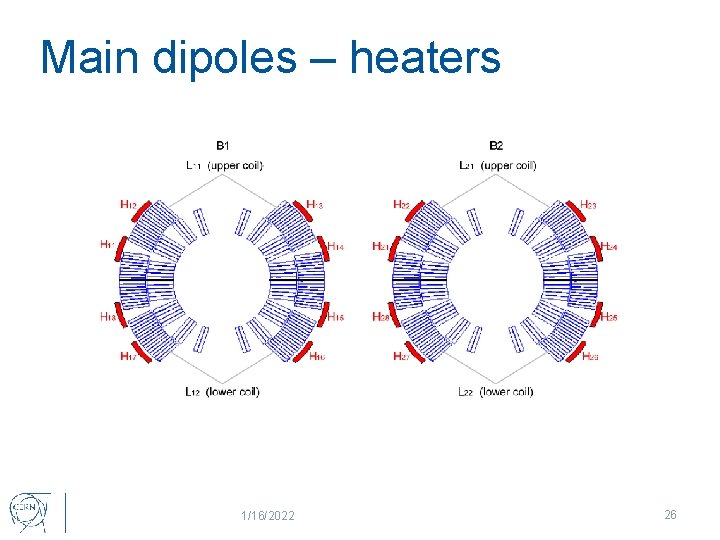
Main dipoles – heaters 1/16/2022 26
Main dipoles – protection • Analog and digital quench detection: • • • Analog Wheastone bridge Digital heater power supply supervision units Digital symmetric quench detector Digital bus-bar splice detector Digital voltage to ground monitor Global bus-bar: • • Bus-bar quench detector Quench detector for HTS Four heaters per magnet fired by four idependent power supplies • Energy extraction for 13 k. A • 1/16/2022 27
Main dipoles – interlocking 1/16/2022 28
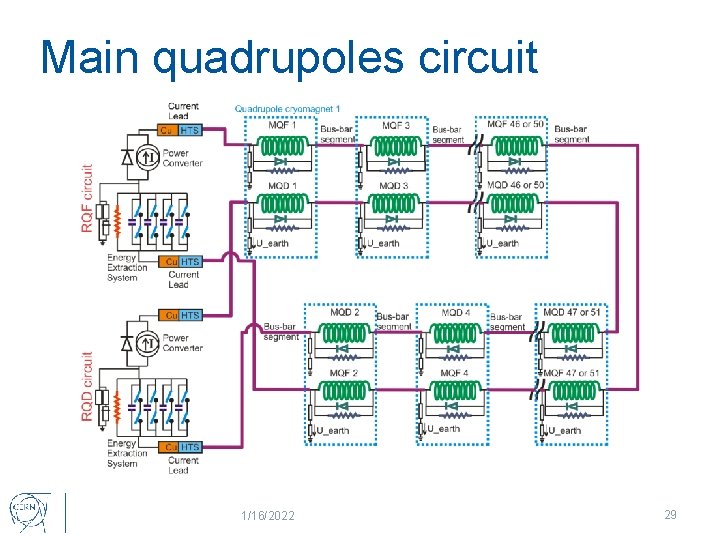
Main quadrupoles circuit 1/16/2022 29
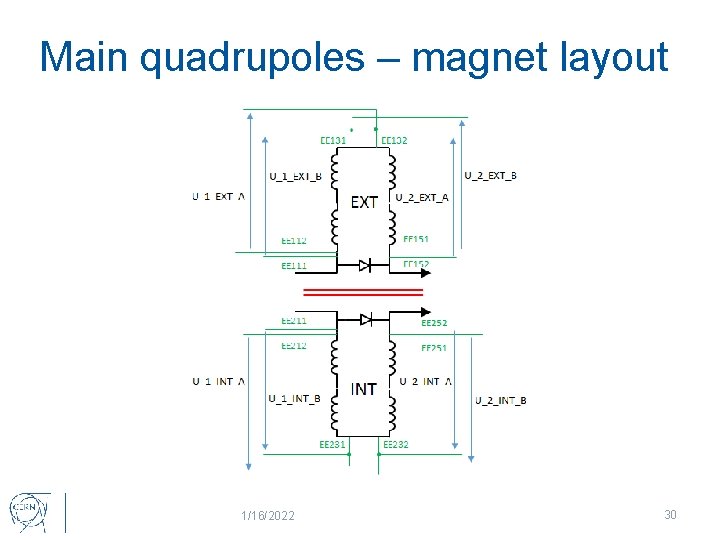
Main quadrupoles – magnet layout 1/16/2022 30
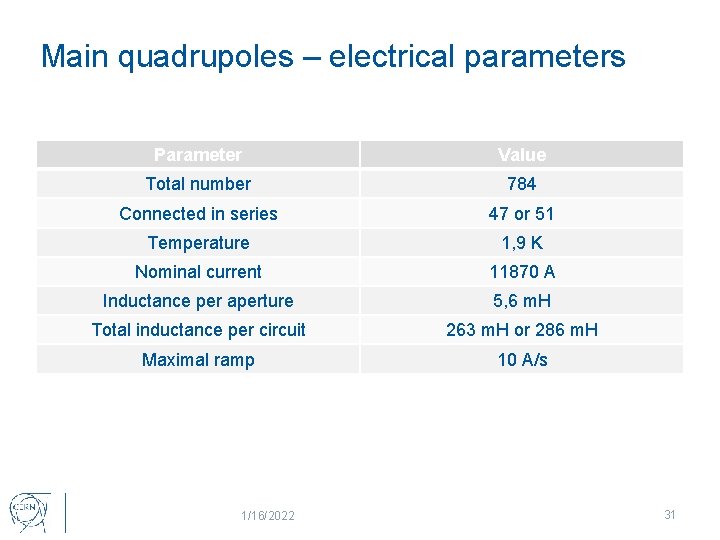
Main quadrupoles – electrical parameters Parameter Value Total number 784 Connected in series 47 or 51 Temperature 1, 9 K Nominal current 11870 A Inductance per aperture 5, 6 m. H Total inductance per circuit 263 m. H or 286 m. H Maximal ramp 10 A/s 1/16/2022 31
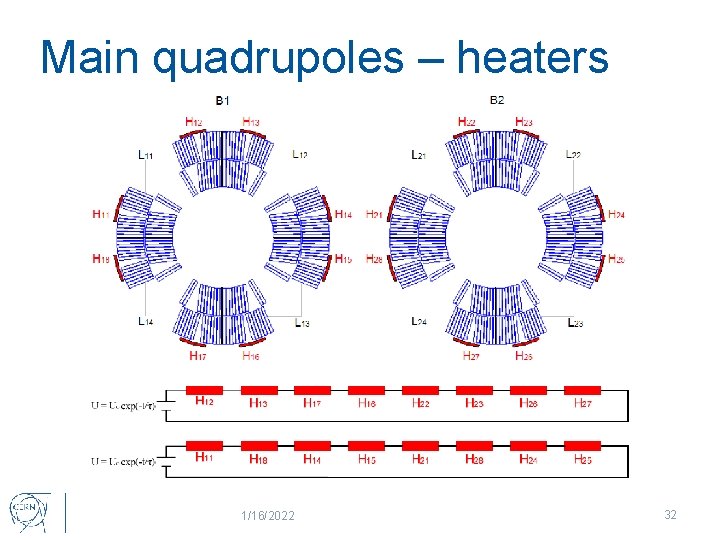
Main quadrupoles – heaters 1/16/2022 32
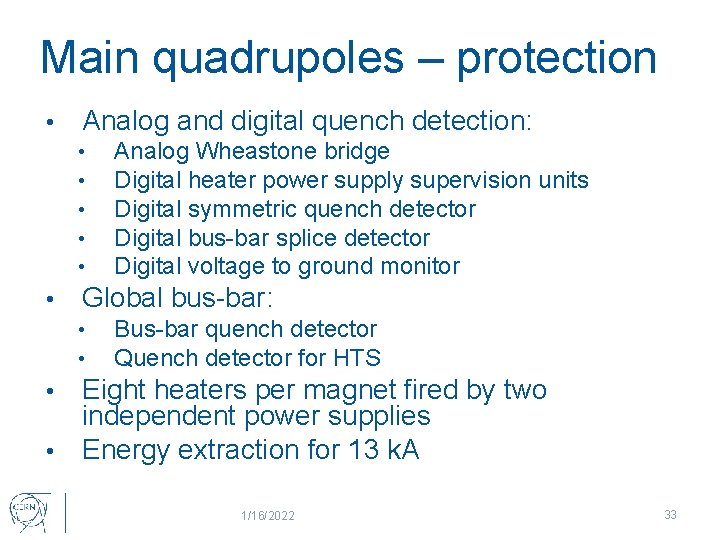
Main quadrupoles – protection • Analog and digital quench detection: • • • Analog Wheastone bridge Digital heater power supply supervision units Digital symmetric quench detector Digital bus-bar splice detector Digital voltage to ground monitor Global bus-bar: • • Bus-bar quench detector Quench detector for HTS Eight heaters per magnet fired by two independent power supplies • Energy extraction for 13 k. A • 1/16/2022 33
Main quadrupoles – interlocking 1/16/2022 34
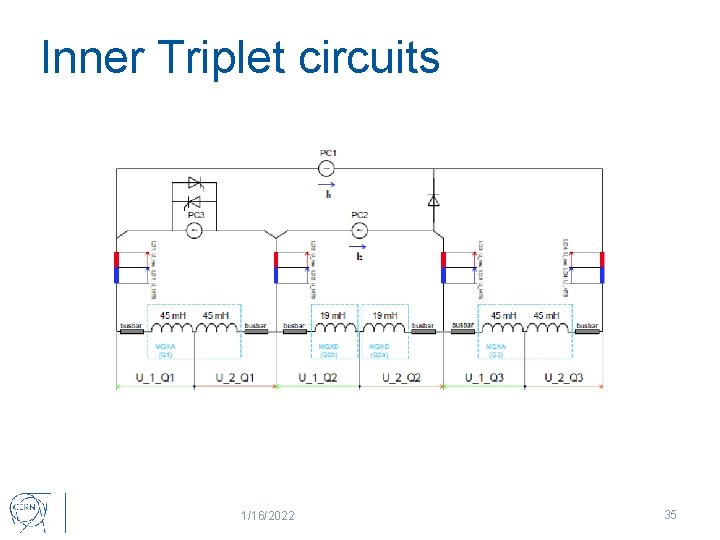
Inner Triplet circuits 1/16/2022 35
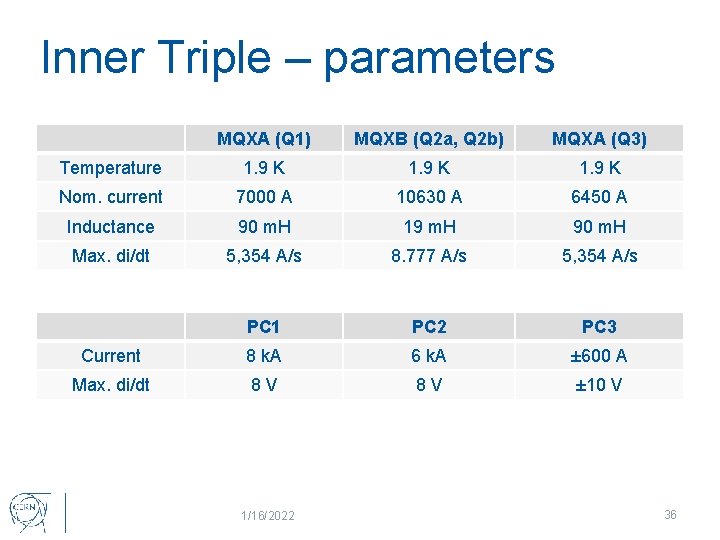
Inner Triple – parameters MQXA (Q 1) MQXB (Q 2 a, Q 2 b) MQXA (Q 3) Temperature 1. 9 K Nom. current 7000 A 10630 A 6450 A Inductance 90 m. H 19 m. H 90 m. H Max. di/dt 5, 354 A/s 8. 777 A/s 5, 354 A/s PC 1 PC 2 PC 3 Current 8 k. A 6 k. A ± 600 A Max. di/dt 8 V 8 V ± 10 V 1/16/2022 36
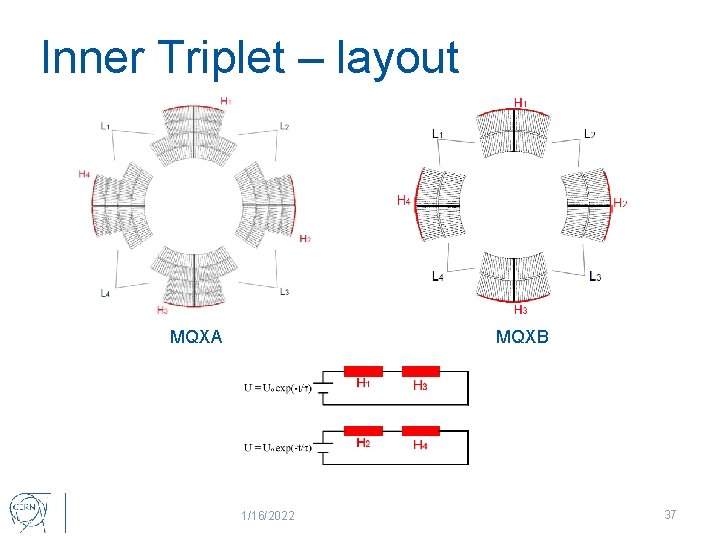
Inner Triplet – layout MQXA MQXB 1/16/2022 37
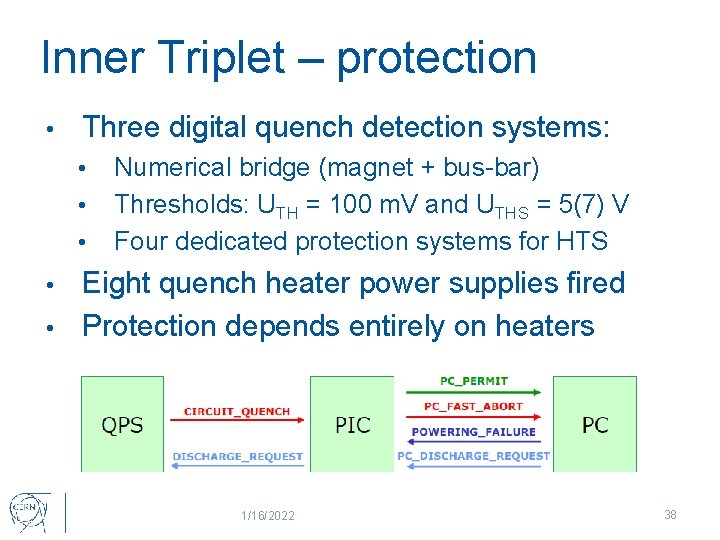
Inner Triplet – protection • Three digital quench detection systems: • • • Numerical bridge (magnet + bus-bar) Thresholds: UTH = 100 m. V and UTHS = 5(7) V Four dedicated protection systems for HTS Eight quench heater power supplies fired • Protection depends entirely on heaters • 1/16/2022 38
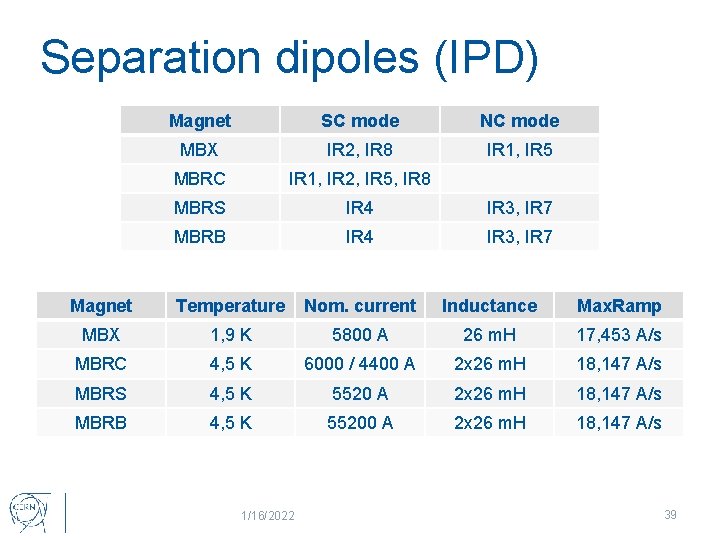
Separation dipoles (IPD) Magnet SC mode NC mode MBX IR 2, IR 8 IR 1, IR 5 MBRC IR 1, IR 2, IR 5, IR 8 MBRS IR 4 IR 3, IR 7 MBRB IR 4 IR 3, IR 7 Magnet Temperature Nom. current Inductance Max. Ramp MBX 1, 9 K 5800 A 26 m. H 17, 453 A/s MBRC 4, 5 K 6000 / 4400 A 2 x 26 m. H 18, 147 A/s MBRS 4, 5 K 5520 A 2 x 26 m. H 18, 147 A/s MBRB 4, 5 K 55200 A 2 x 26 m. H 18, 147 A/s 1/16/2022 39
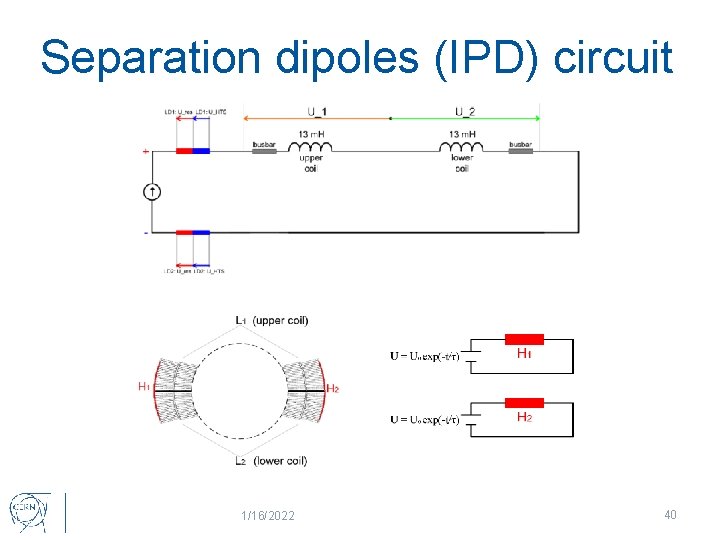
Separation dipoles (IPD) circuit 1/16/2022 40
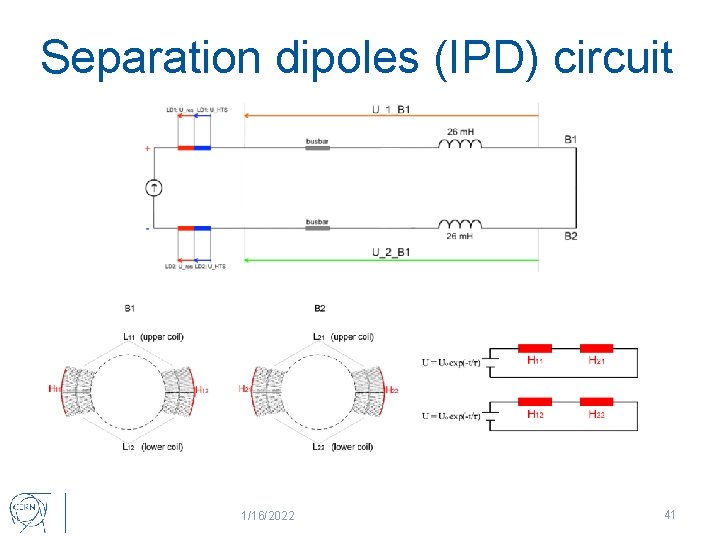
Separation dipoles (IPD) circuit 1/16/2022 41
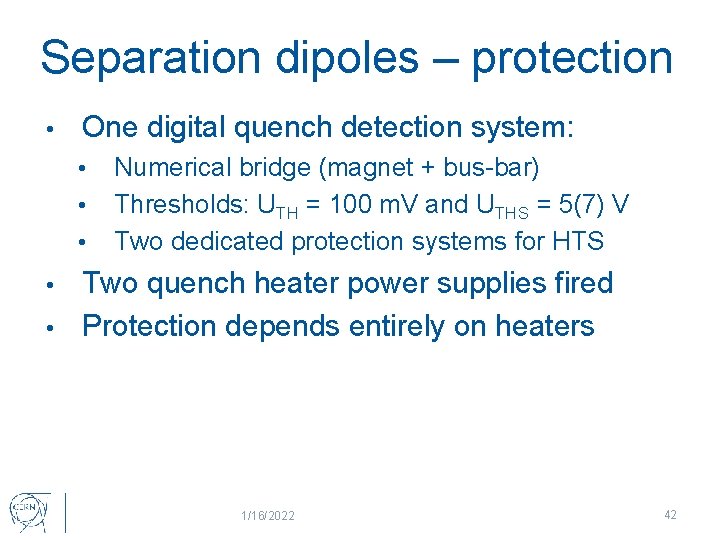
Separation dipoles – protection • One digital quench detection system: • • • Numerical bridge (magnet + bus-bar) Thresholds: UTH = 100 m. V and UTHS = 5(7) V Two dedicated protection systems for HTS Two quench heater power supplies fired • Protection depends entirely on heaters • 1/16/2022 42
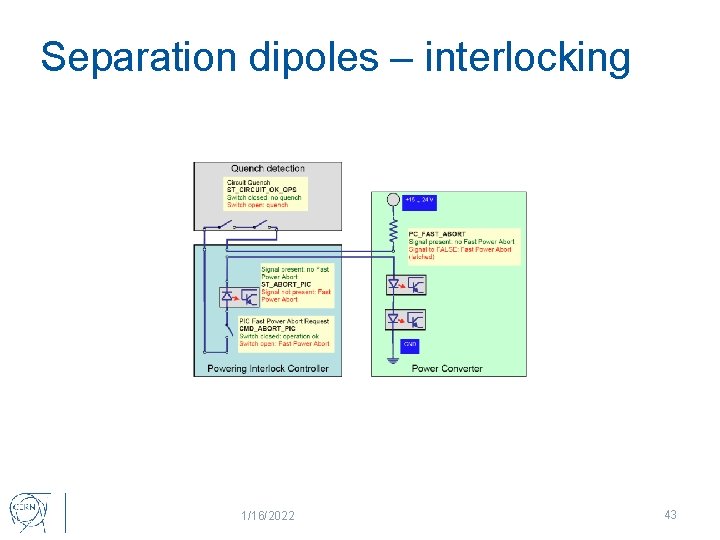
Separation dipoles – interlocking 1/16/2022 43
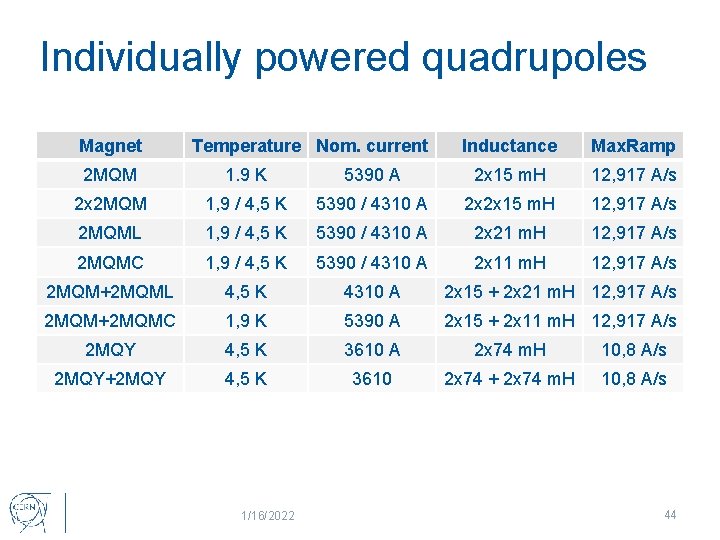
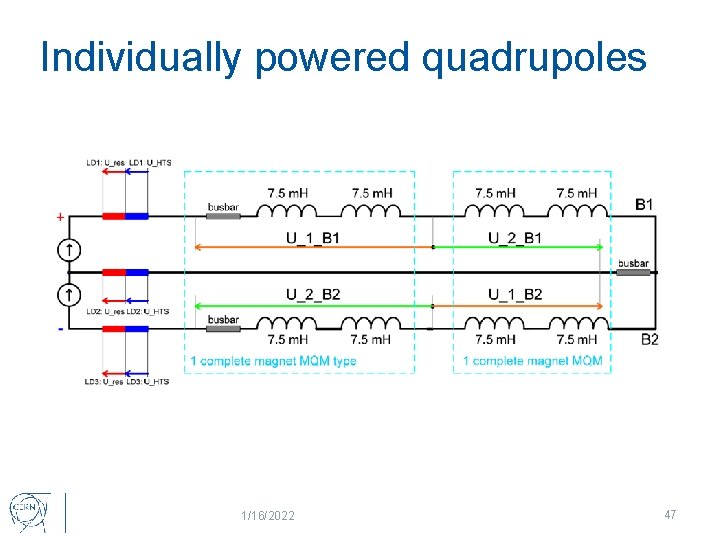
Individually powered quadrupoles Magnet Temperature Nom. current Inductance Max. Ramp 2 MQM 1. 9 K 5390 A 2 x 15 m. H 12, 917 A/s 2 x 2 MQM 1, 9 / 4, 5 K 5390 / 4310 A 2 x 2 x 15 m. H 12, 917 A/s 2 MQML 1, 9 / 4, 5 K 5390 / 4310 A 2 x 21 m. H 12, 917 A/s 2 MQMC 1, 9 / 4, 5 K 5390 / 4310 A 2 x 11 m. H 12, 917 A/s 2 MQM+2 MQML 4, 5 K 4310 A 2 x 15 + 2 x 21 m. H 12, 917 A/s 2 MQM+2 MQMC 1, 9 K 5390 A 2 x 15 + 2 x 11 m. H 12, 917 A/s 2 MQY 4, 5 K 3610 A 2 x 74 m. H 10, 8 A/s 2 MQY+2 MQY 4, 5 K 3610 2 x 74 + 2 x 74 m. H 10, 8 A/s 1/16/2022 44
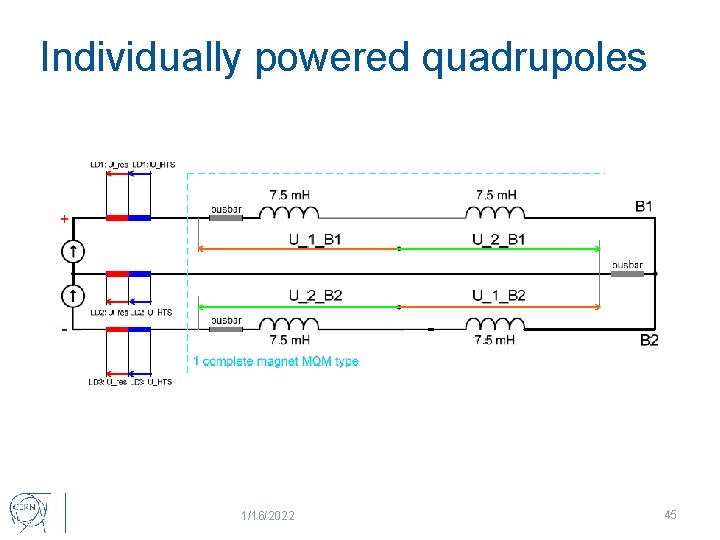
Individually powered quadrupoles 1/16/2022 45
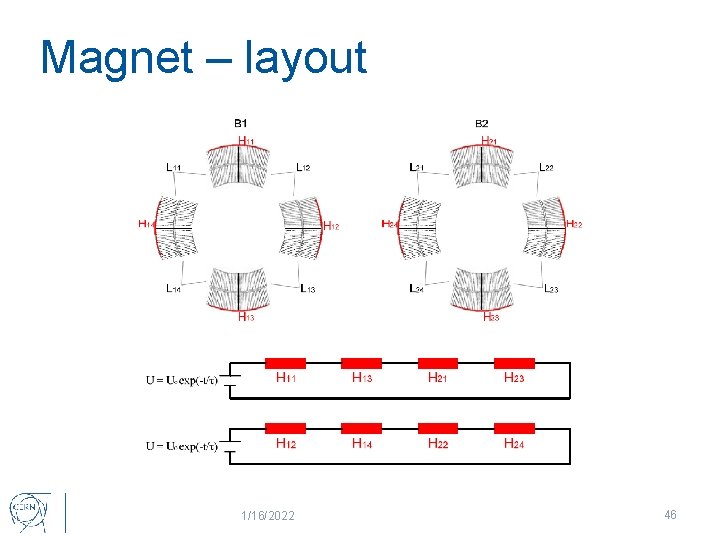
Magnet – layout 1/16/2022 46
Individually powered quadrupoles 1/16/2022 47
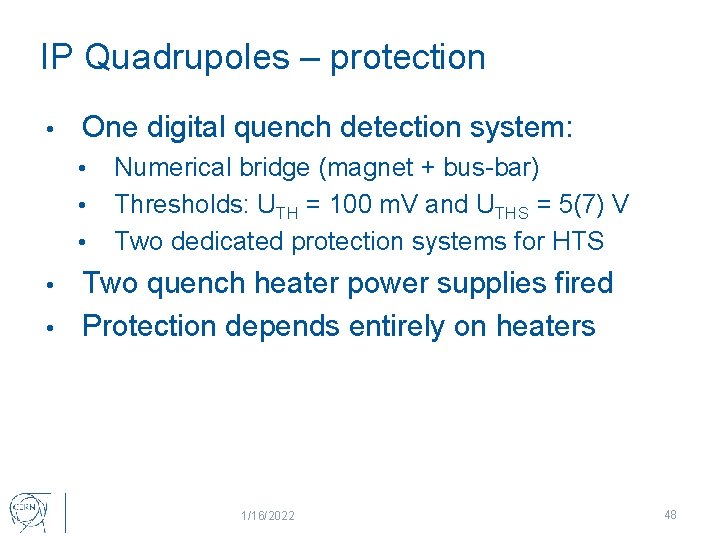
IP Quadrupoles – protection • One digital quench detection system: • • • Numerical bridge (magnet + bus-bar) Thresholds: UTH = 100 m. V and UTHS = 5(7) V Two dedicated protection systems for HTS Two quench heater power supplies fired • Protection depends entirely on heaters • 1/16/2022 48
IP Quadrupoles – interlocking 1/16/2022 49
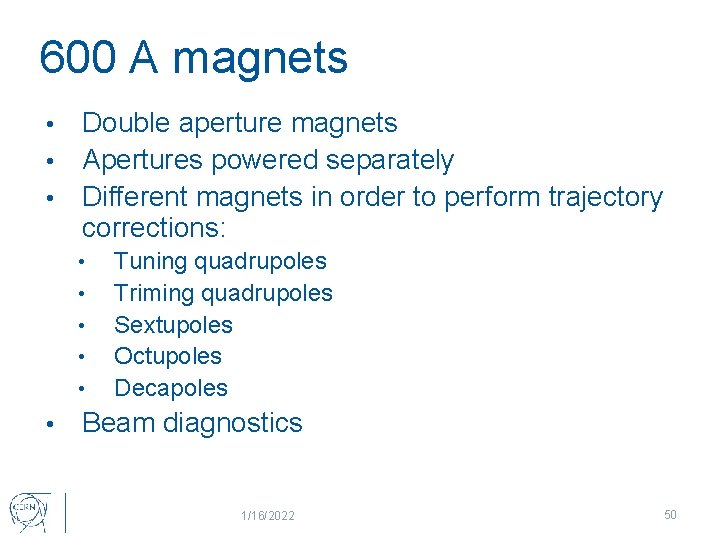
600 A magnets Double aperture magnets • Apertures powered separately • Different magnets in order to perform trajectory corrections: • • Tuning quadrupoles Triming quadrupoles Sextupoles Octupoles Decapoles Beam diagnostics 1/16/2022 50
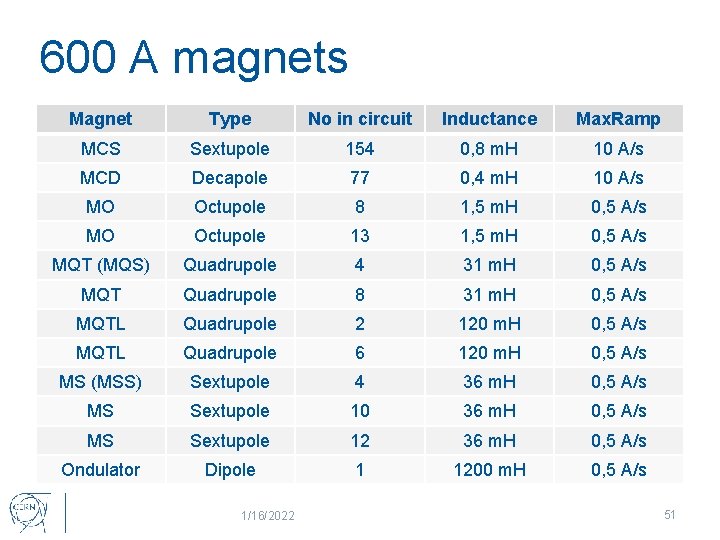
600 A magnets Magnet Type No in circuit Inductance Max. Ramp MCS Sextupole 154 0, 8 m. H 10 A/s MCD Decapole 77 0, 4 m. H 10 A/s MO Octupole 8 1, 5 m. H 0, 5 A/s MO Octupole 13 1, 5 m. H 0, 5 A/s MQT (MQS) Quadrupole 4 31 m. H 0, 5 A/s MQT Quadrupole 8 31 m. H 0, 5 A/s MQTL Quadrupole 2 120 m. H 0, 5 A/s MQTL Quadrupole 6 120 m. H 0, 5 A/s MS (MSS) Sextupole 4 36 m. H 0, 5 A/s MS Sextupole 10 36 m. H 0, 5 A/s MS Sextupole 12 36 m. H 0, 5 A/s Ondulator Dipole 1 1200 m. H 0, 5 A/s 1/16/2022 51
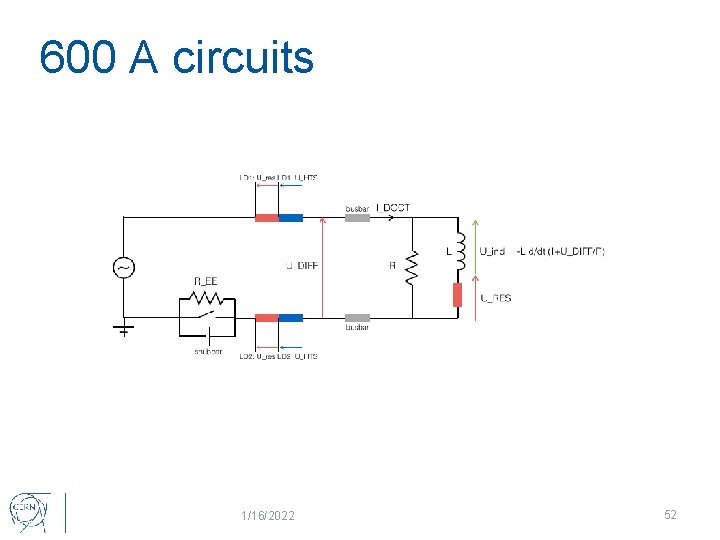
600 A circuits 1/16/2022 52
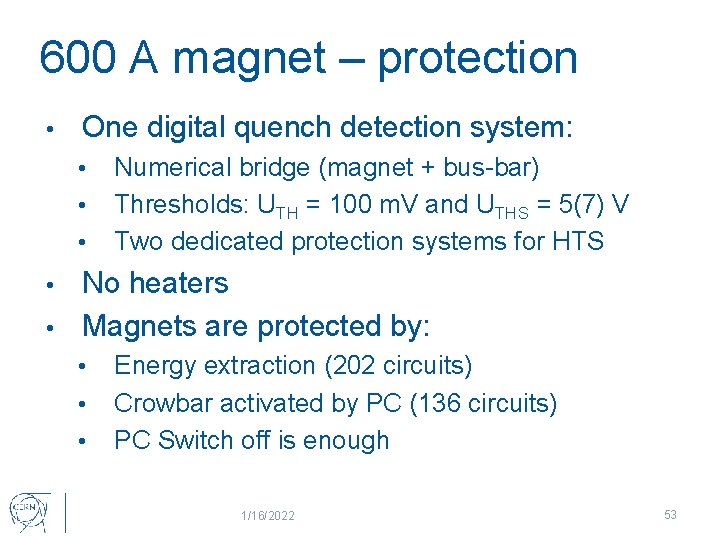
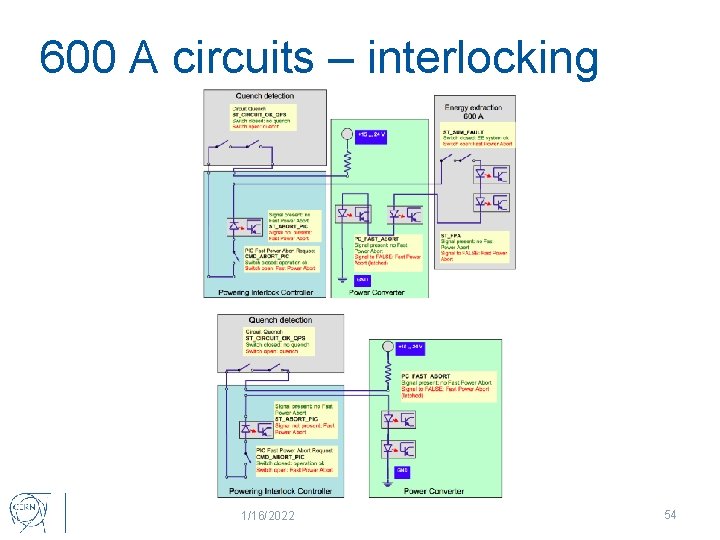
600 A magnet – protection • One digital quench detection system: • • • Numerical bridge (magnet + bus-bar) Thresholds: UTH = 100 m. V and UTHS = 5(7) V Two dedicated protection systems for HTS No heaters • Magnets are protected by: • • Energy extraction (202 circuits) Crowbar activated by PC (136 circuits) PC Switch off is enough 1/16/2022 53
600 A circuits – interlocking 1/16/2022 54
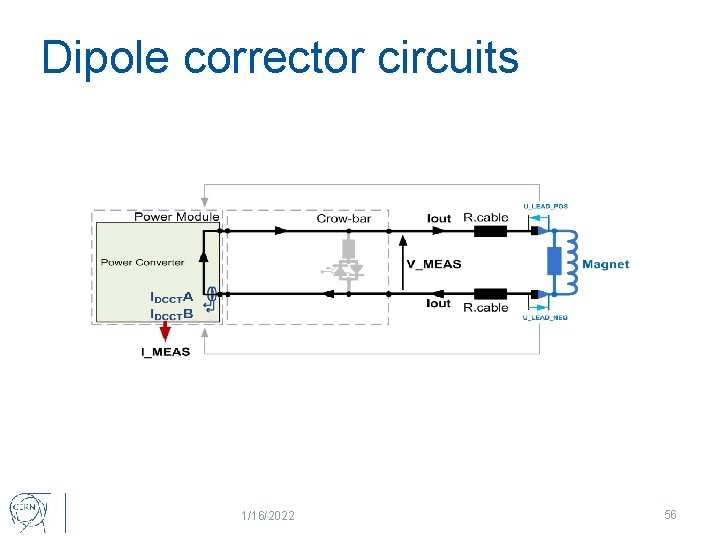
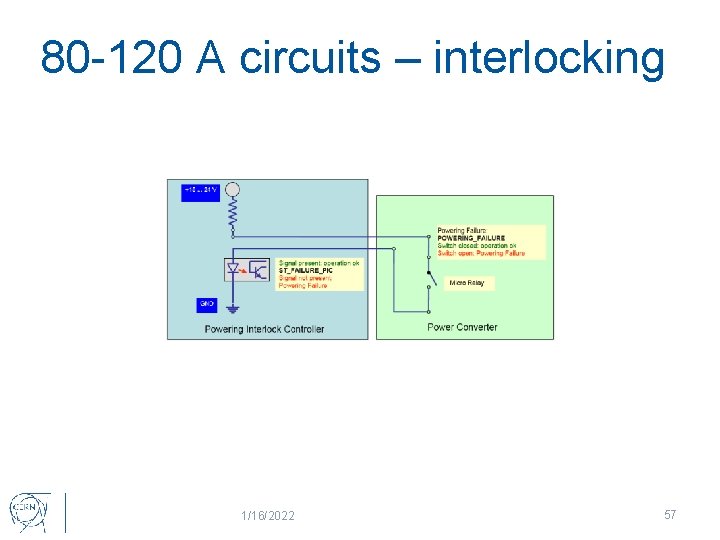
Dipole corrector circuits (80 -120 A) • • • Magnets used for trajectory corrections About 284 units installed Different magnets from 3 m. H to 5. 3 H Operating with 72 – 100 A current No quench detection system Magnets are protected by PC: • • Impedance growth Crowbar activation 1/16/2022 55
Dipole corrector circuits 1/16/2022 56
80 -120 A circuits – interlocking 1/16/2022 57
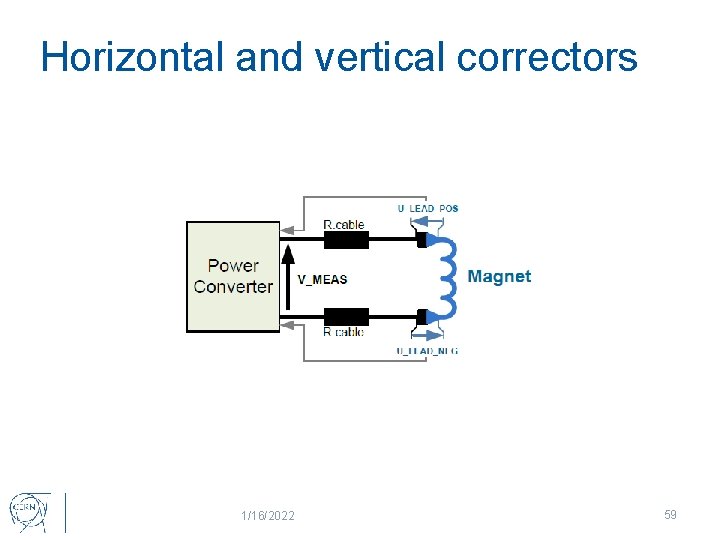
Horizontal and vertical correctors • • • Magnets used for trajectory corrections 752 units installed Operating with 60 A current No quench detection system Magnets are protected by PC: • • Impedance growth PC switch off 1/16/2022 58
Horizontal and vertical correctors 1/16/2022 59
Summary • • • LHC contains a vast number of superconducting magnets – majority requires active protection Different type of magnets require tailored detection and protection schemes Safety is a crucial factor – redundancy is essential Achieving high safety and availability levels is not straightforward due to a scale of machine Interlock systems play very important role in assuring safety – carefull design is required 1/16/2022 60
Thank you for your attention 1/16/2022 61