
Leveraging CrossGenerational Differences to Build Talent and Grow
Leveraging Cross-Generational Differences to Build Talent and Grow Businesses Dr. Patti Ippoliti October 28, 2016
Agenda • Today’s Multi-Generational Mix • Multiple Generations@Work • Leveraging Cross-Generational Differences to Build Businesses
Multi-Generational Workforce Baby Boomers (born 1947 -1964): Generation X (born 1965 -1980): Millennials (born 1981 -1996) 75 million 50 million 83 million

Generational Differences At your table, identify 1 -2 key characteristics for each Generation: • Baby Boom • Gen X • Millennial Be prepared to explain why you selected those characteristics.
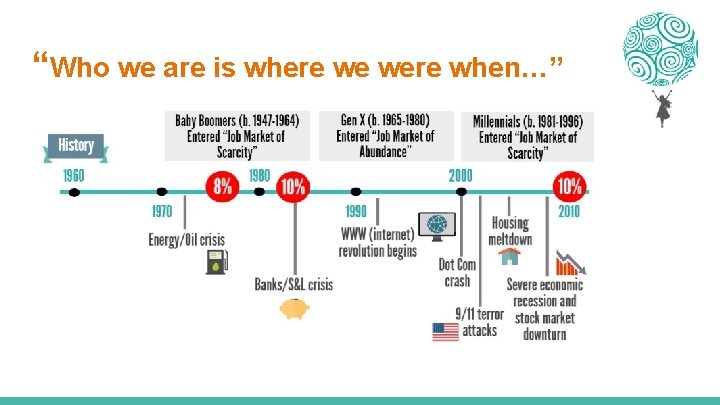
“Who we are is where we were when…”

What Motivates Each Generation? Baby Boomer Gen X Millennials
Pw. C Next. Gen Study Global generational study conducted by Pw. C, the University of Southern California and the London Business School. More than 40, 000 employee responses from Millennials, Gen X and Baby Boomers.
Pw. C Next. Gen Study Findings The Next. Gen study identified the following factors that drive employee connection and improve retention with an organization: ○ Balance and workload ○ Engaging work, development and career opportunities ○ People and teams - community ○ Competitive pay and job opportunities
Some Key Considerations for Building and Retaining Talent • Create a more flexible work environment • Fully leverage technology • Build a sense of community • Provide transparency on pay, rewards and career decisions • Actively engage in listening and staying connected with your people • Remember that one size does not fit all
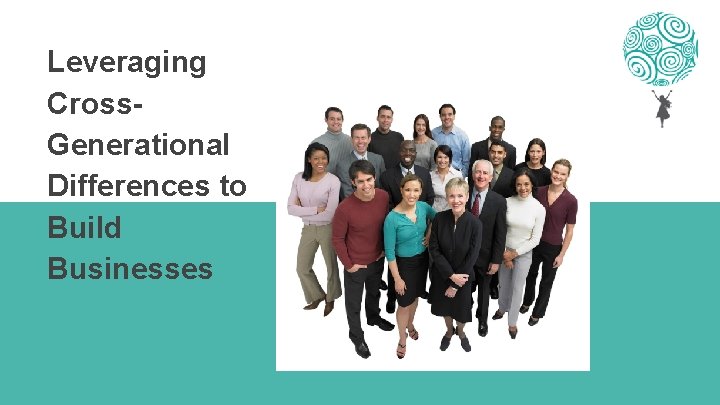
Leveraging Cross. Generational Differences to Build Businesses
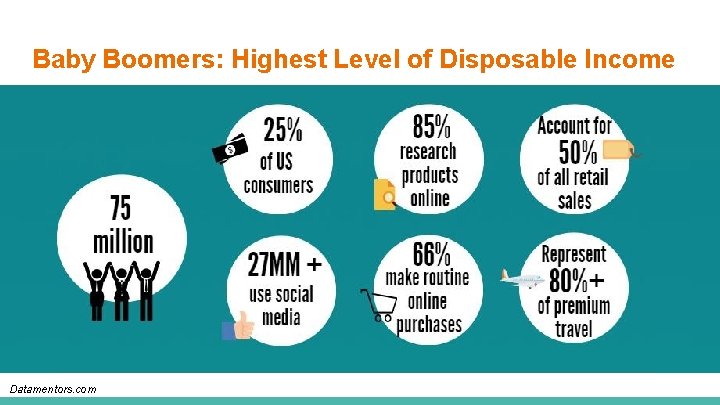
Baby Boomers: Highest Level of Disposable Income Datamentors. com
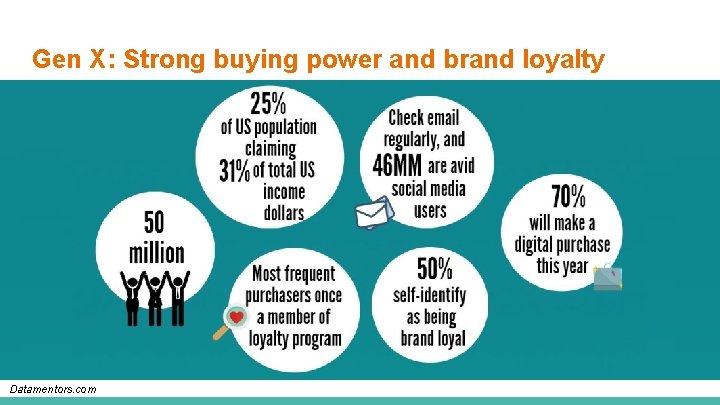
Gen X: Strong buying power and brand loyalty Datamentors. com
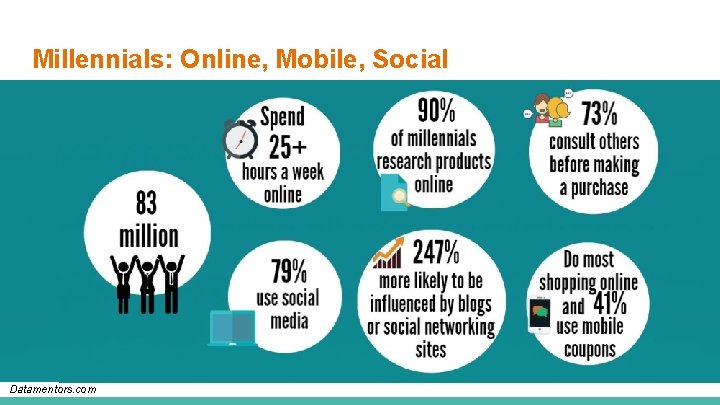
Millennials: Online, Mobile, Social Datamentors. com
Business-Building Opportunities At your table, identify : • 2 -3 business opportunities with each generation • How you would you go about pursuing those opportunities?
Business-Building Strategies • Be consumer-centric • Invest in identifying consumer insights to continually innovate and improve, and concentrate “spend” strategically to those that are likely to purchase • Build relationships with consumers • Consumer care, loyalty programs and high levels of interaction are valued • Leverage digital channels • Each generation has strong digital/online presence • Provide authentic product/service information • Consumers spend lots of time researching pre-purchase • Differentiate from competitors • Demonstrate the benefits of products/services relative to competition

The Power is in You!
- Slides: 16