
Levels of Biological Organization Biosphere Our entire planet

Levels of Biological Organization
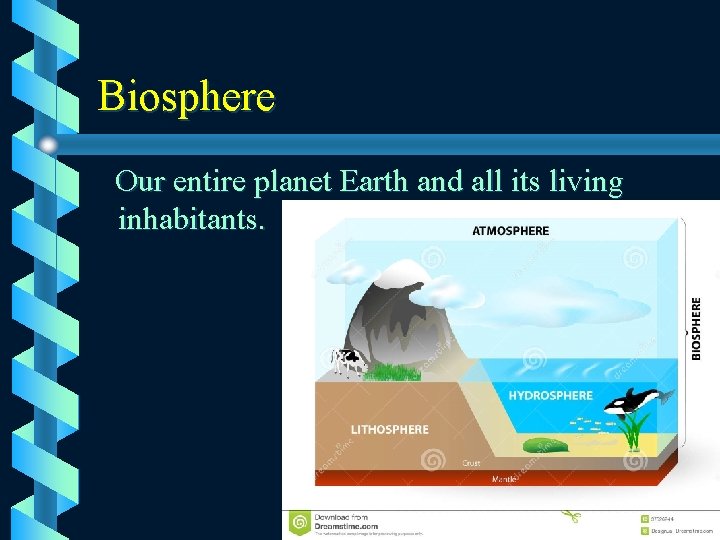
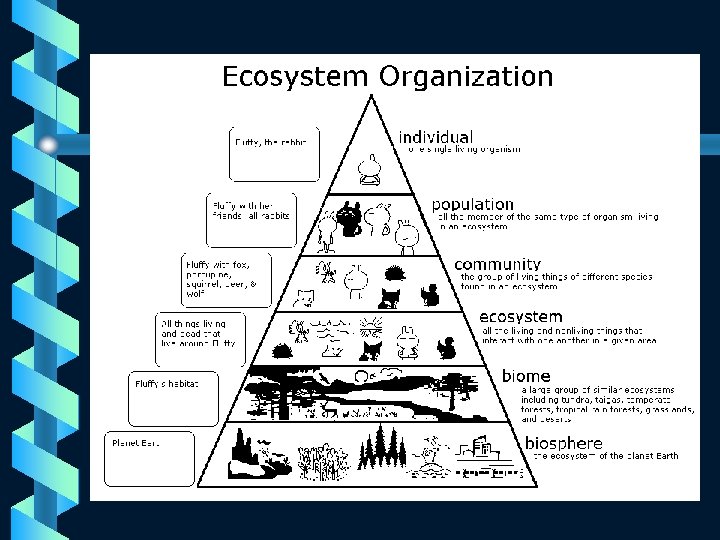
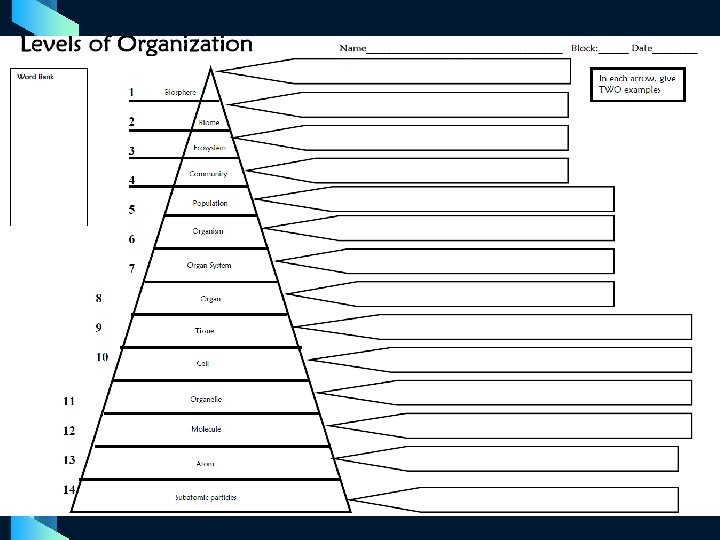
Biosphere Our entire planet Earth and all its living inhabitants.
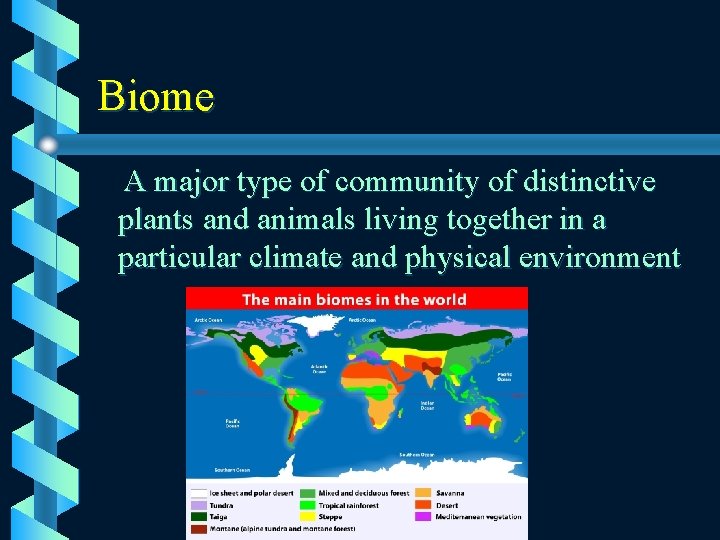
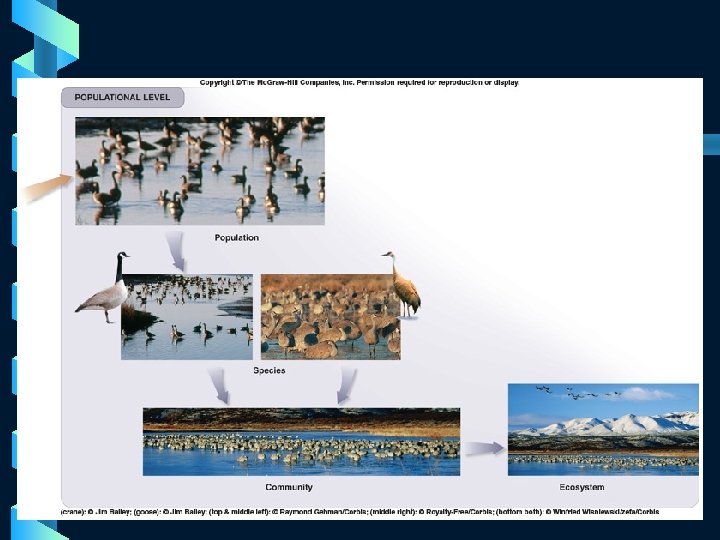
Biome A major type of community of distinctive plants and animals living together in a particular climate and physical environment
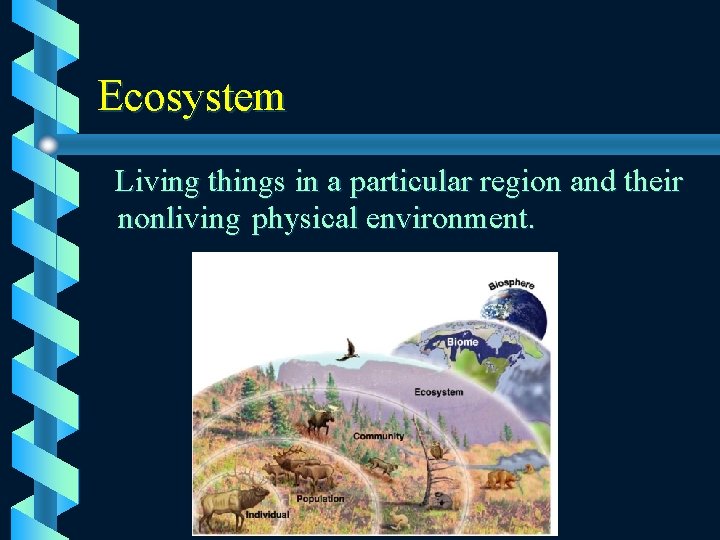
Ecosystem Living things in a particular region and their nonliving physical environment.
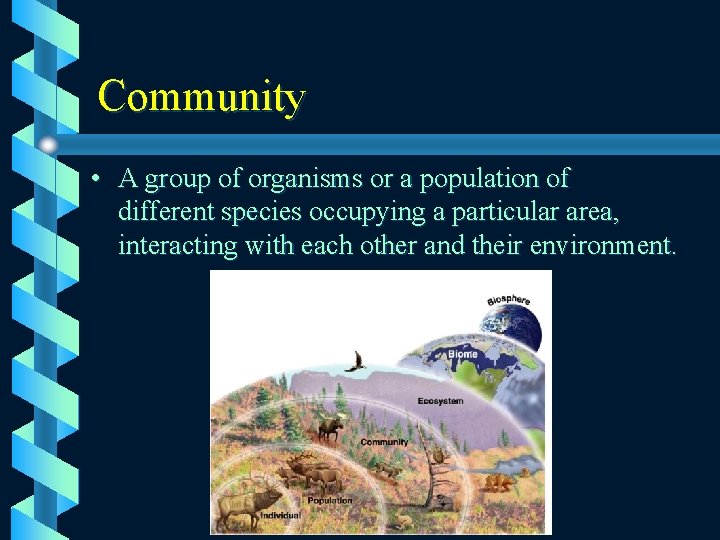
Community • A group of organisms or a population of different species occupying a particular area, interacting with each other and their environment.
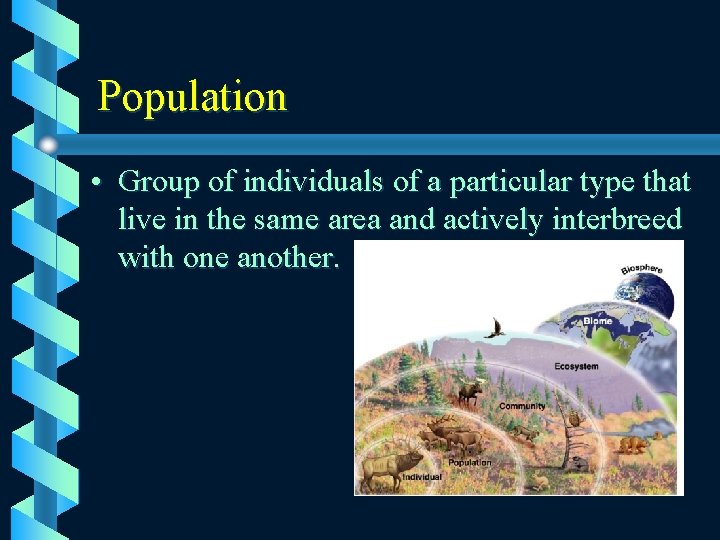
Population • Group of individuals of a particular type that live in the same area and actively interbreed with one another.
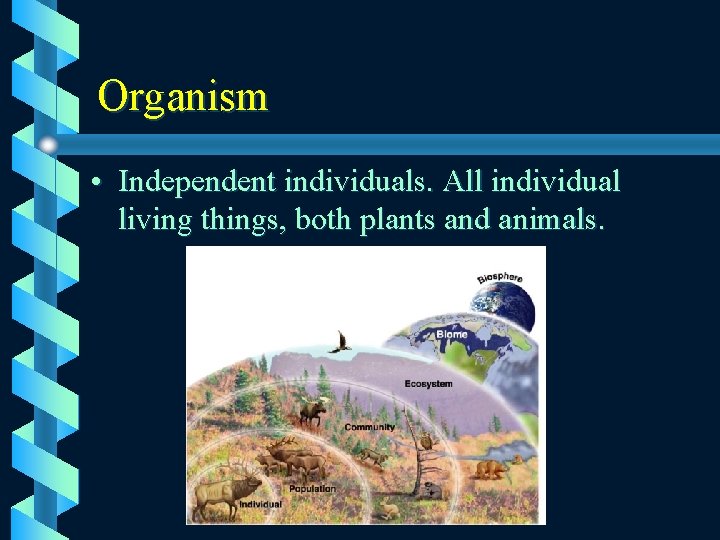
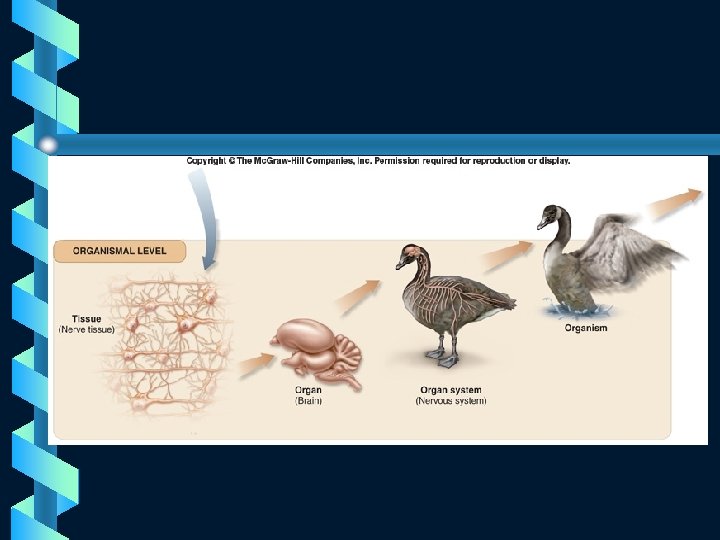
Organism • Independent individuals. All individual living things, both plants and animals.
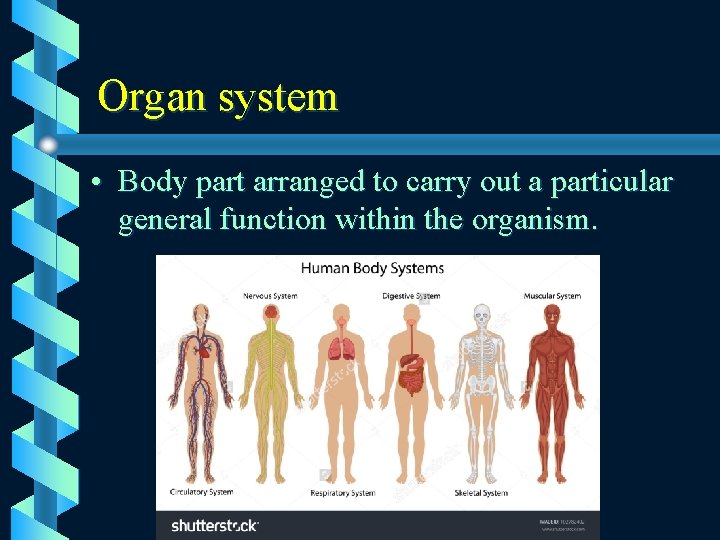
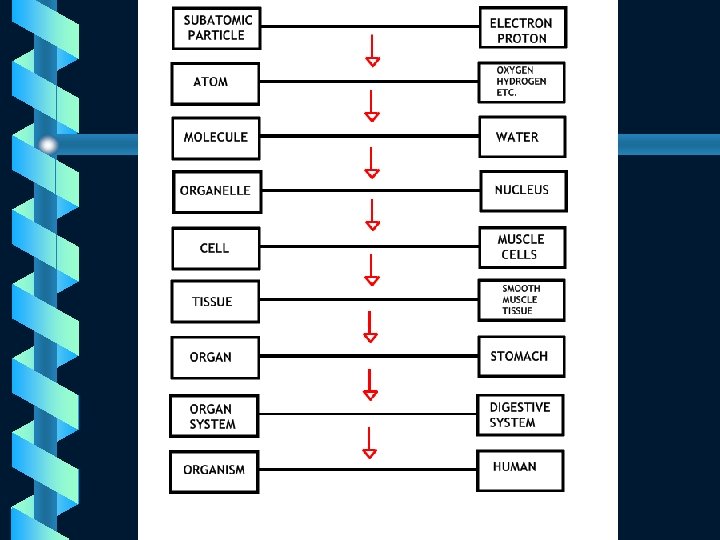
Organ system • Body part arranged to carry out a particular general function within the organism.
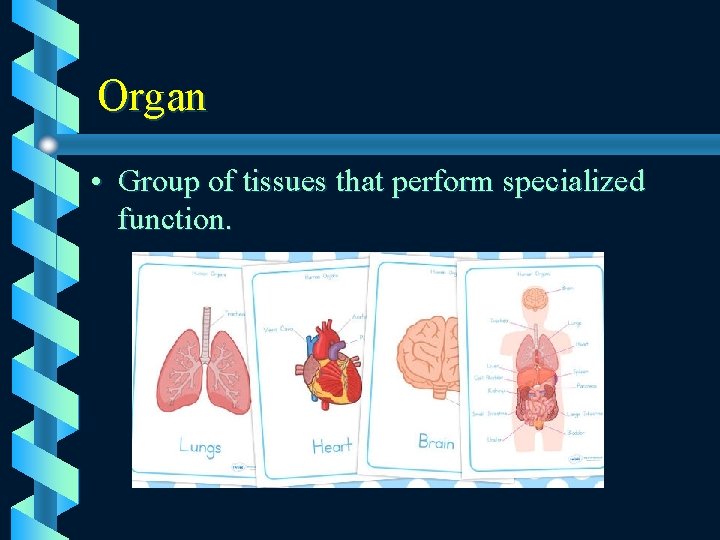
Organ • Group of tissues that perform specialized function.
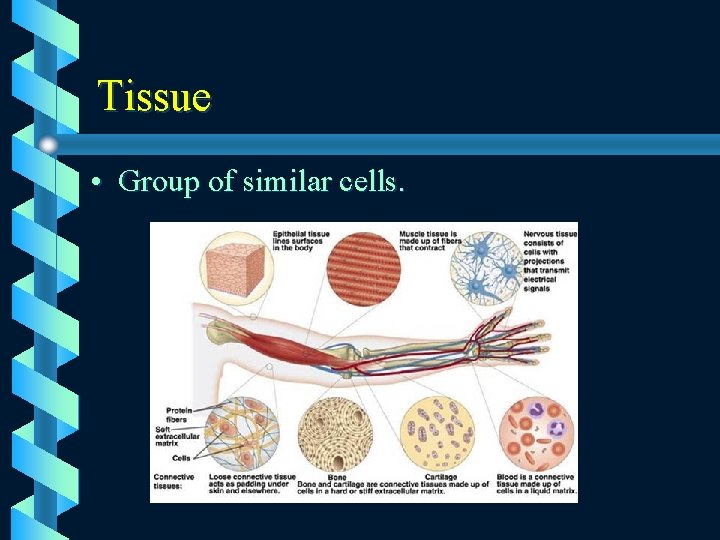
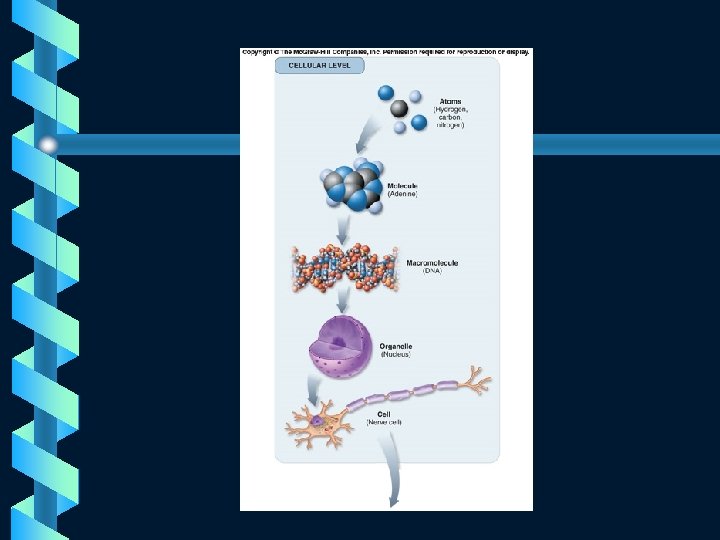
Tissue • Group of similar cells.
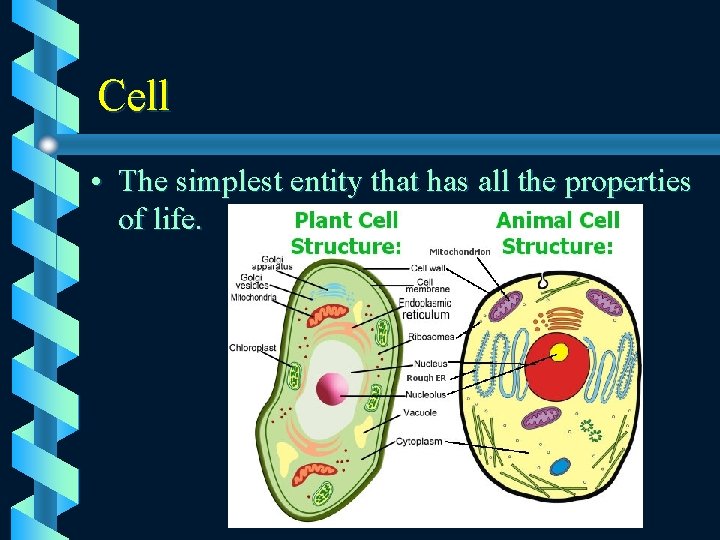
Cell • The simplest entity that has all the properties of life.
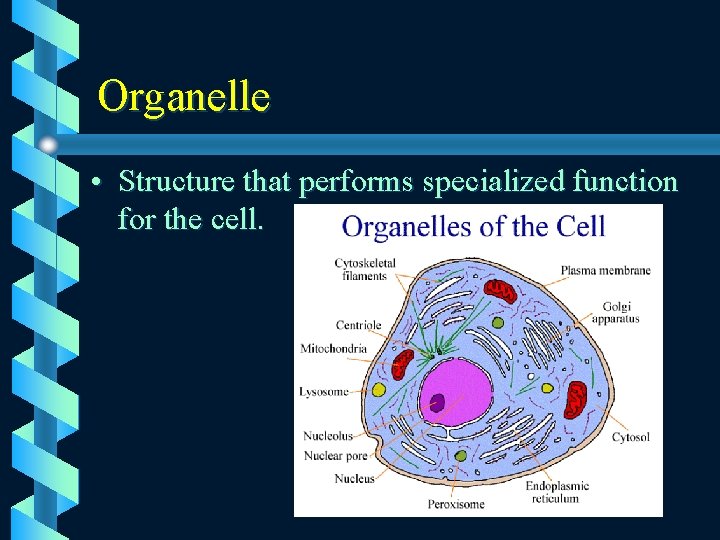
Organelle • Structure that performs specialized function for the cell.
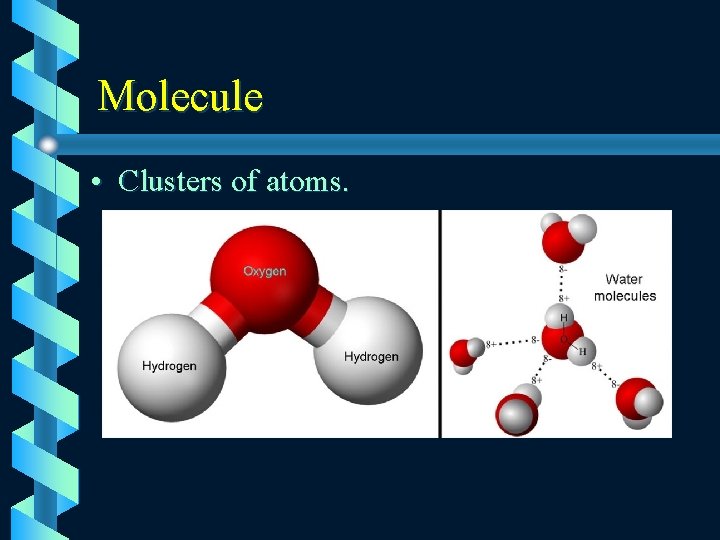
Molecule • Clusters of atoms.
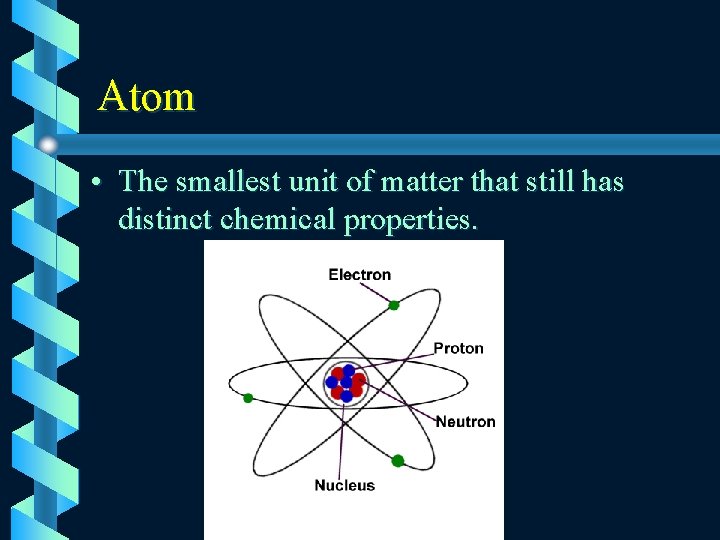
Atom • The smallest unit of matter that still has distinct chemical properties.
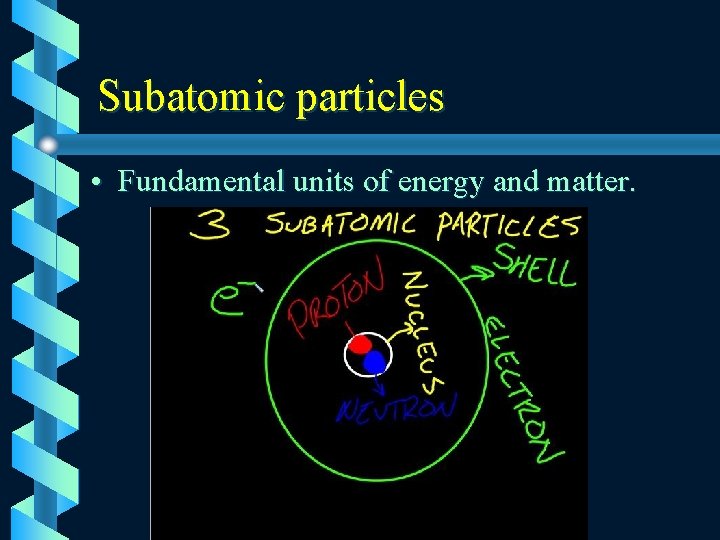
Subatomic particles • Fundamental units of energy and matter.
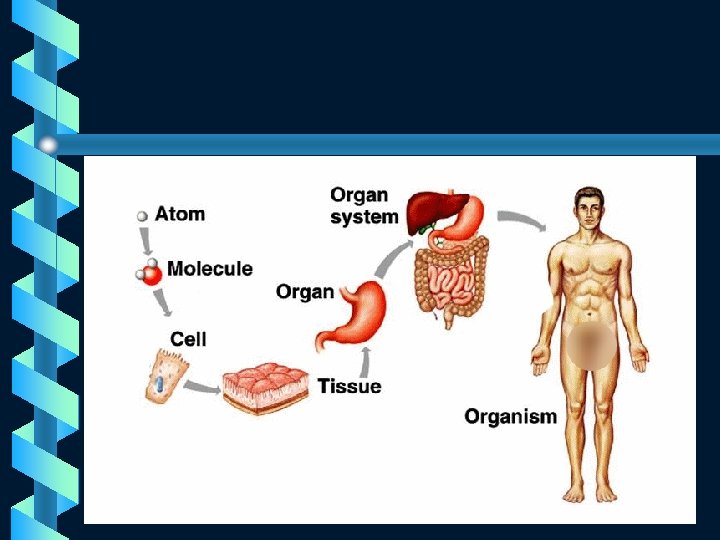
All levels can be grouped in 3: • • • Cellular Organismal Populational
Review • • • Clusters of atoms. (molecules) Our entire planet earth. ( ? ) Independent individual. ( ? ) Group of similar cells. ( ? ) All of the various species living in the same area. ( ? ) • Structure that performs specialized function for the cell. ( ? )
Question 1 • Which of the following is defined as “the living part of an ecosystem? ” • A. biosphere. • B. community. • C. organism. • D. population. • E. ecosystem.
Question 2 • Which of the following is defined as “group of individuals of a particular type that live in the same area and actively interbreed with one another? ” • A. ecosystem. • B. community. • C. population. • D. organism.
Answers Question 1: B. community. Question 2: C. population.
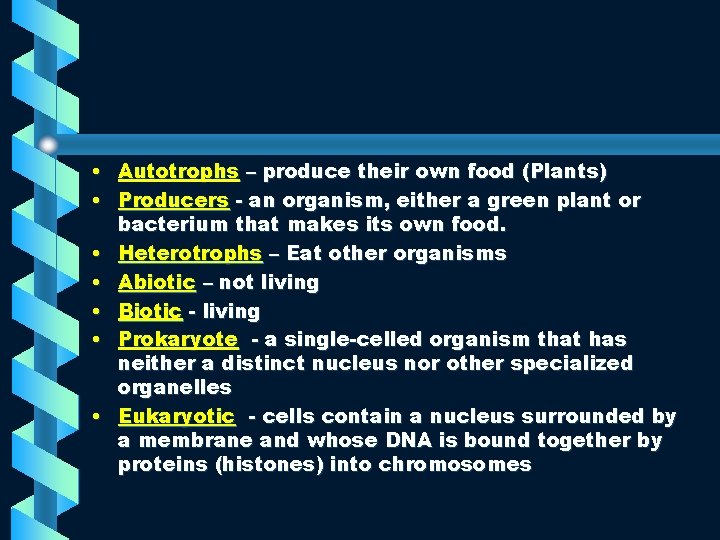
• Autotrophs – produce their own food (Plants) • Producers - an organism, either a green plant or bacterium that makes its own food. • Heterotrophs – Eat other organisms • Abiotic – not living • Biotic - living • Prokaryote - a single-celled organism that has neither a distinct nucleus nor other specialized organelles • Eukaryotic - cells contain a nucleus surrounded by a membrane and whose DNA is bound together by proteins (histones) into chromosomes
- Slides: 28