
Leukocytes White Blood Cells Leukocytes WBC have nuclei
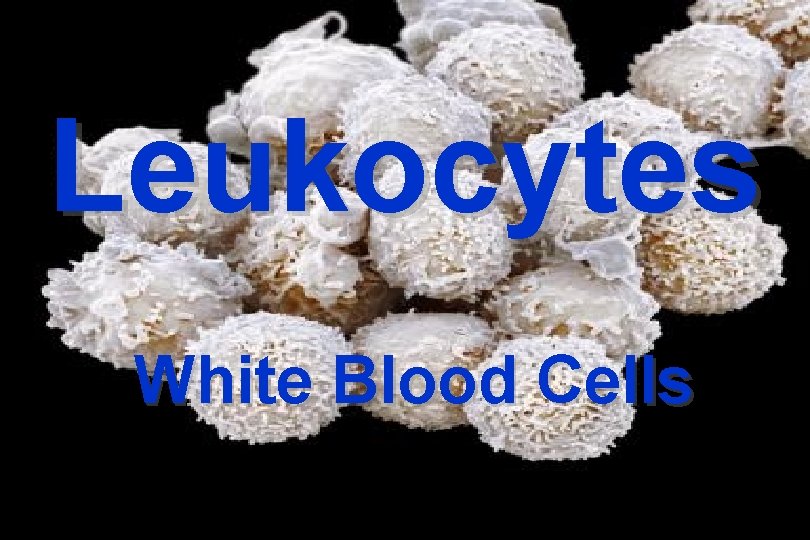
Leukocytes White Blood Cells
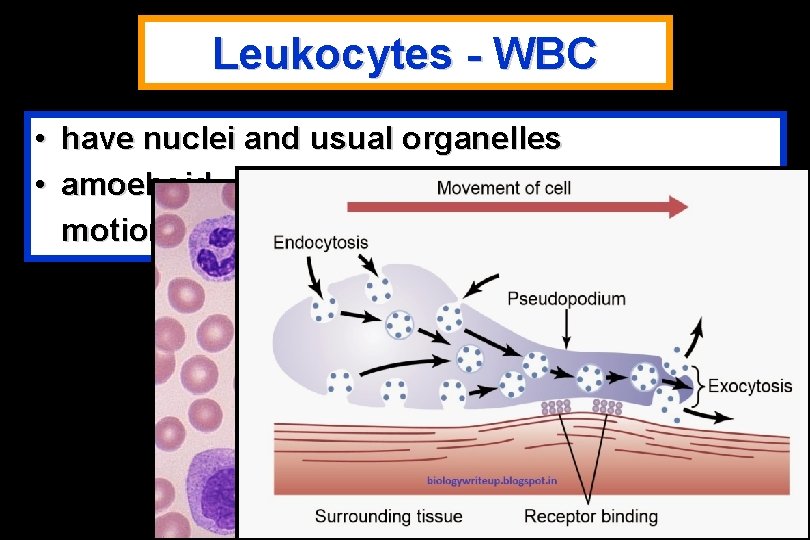
Leukocytes - WBC • have nuclei and usual organelles • amoeboid motion
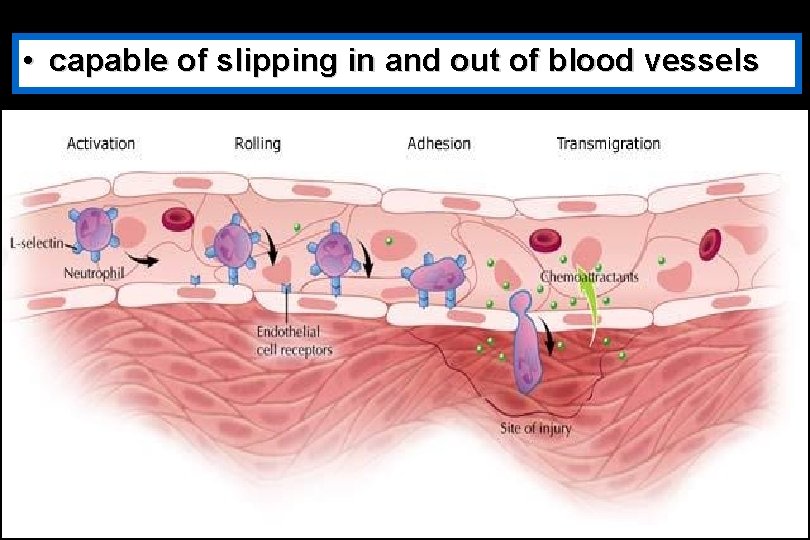
• capable of slipping in and out of blood vessels
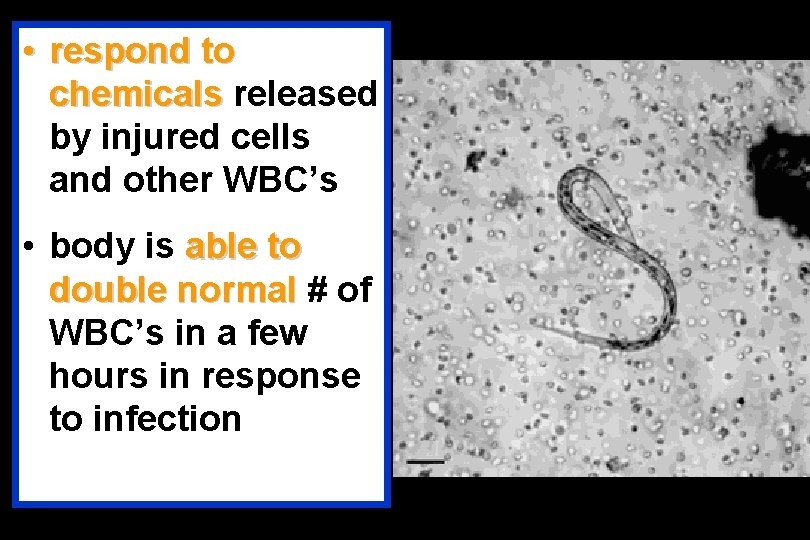
• respond to chemicals released by injured cells and other WBC’s • body is able to double normal # of WBC’s in a few hours in response to infection
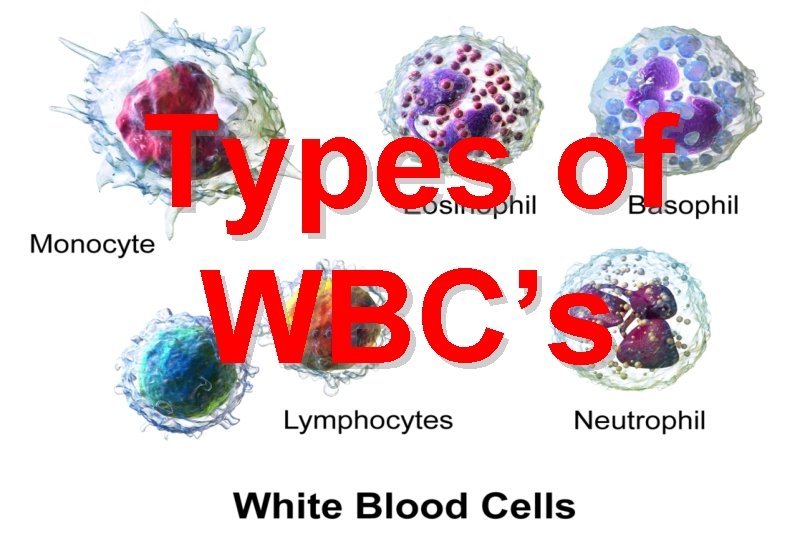
Types of WBC’s
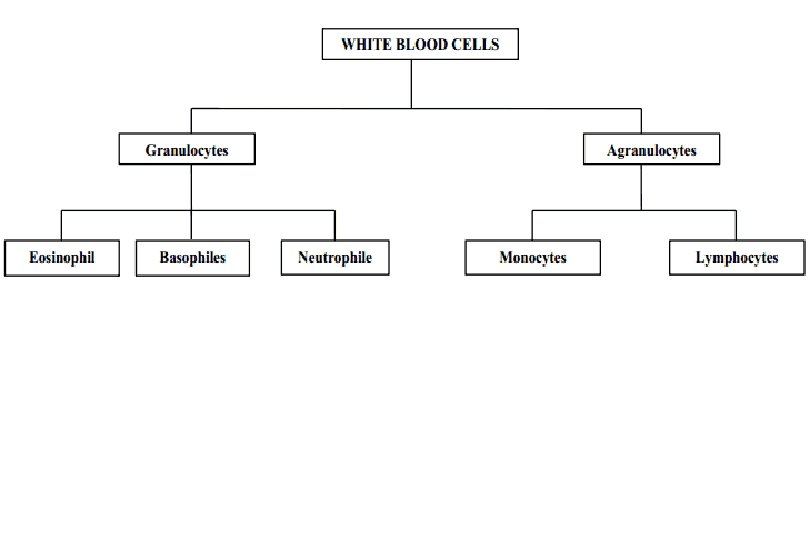
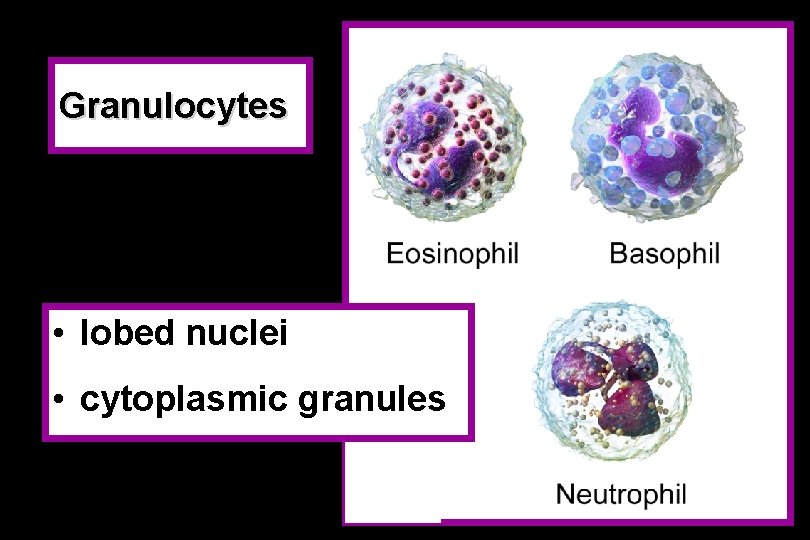
Granulocytes • lobed nuclei • cytoplasmic granules
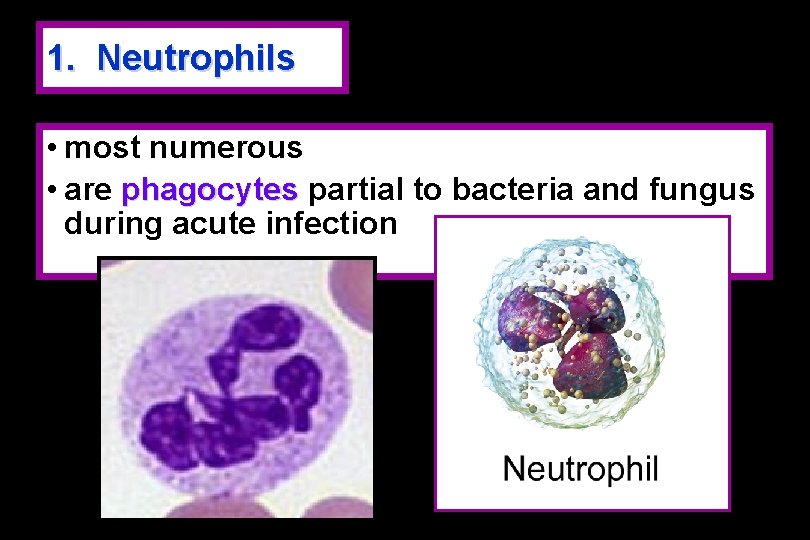
1. Neutrophils • most numerous • are phagocytes partial to bacteria and fungus during acute infection
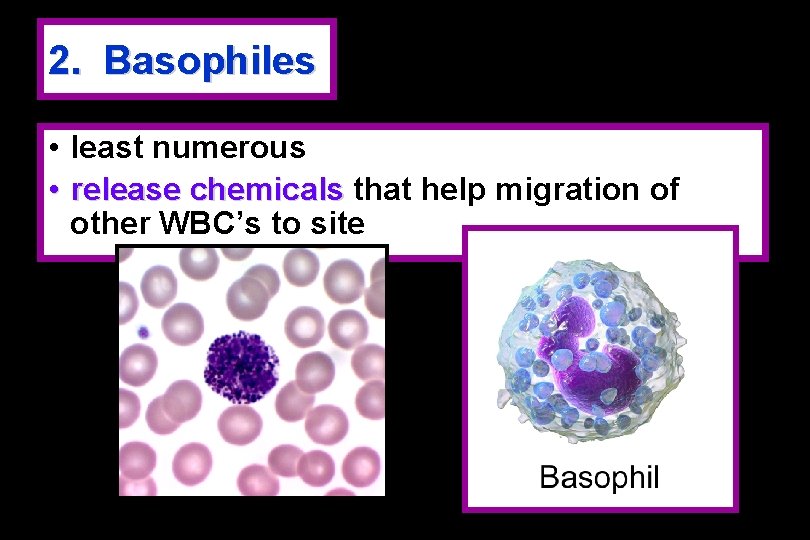
2. Basophiles • least numerous • release chemicals that help migration of other WBC’s to site
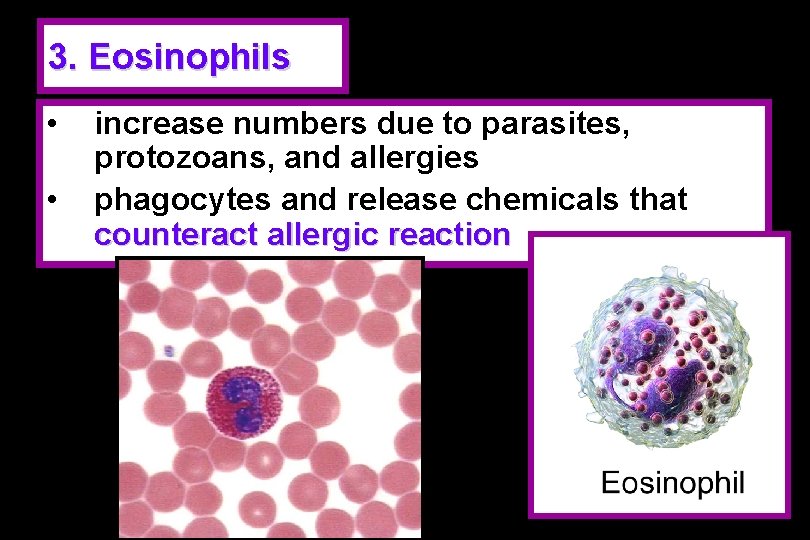
3. Eosinophils • • increase numbers due to parasites, protozoans, and allergies phagocytes and release chemicals that counteract allergic reaction
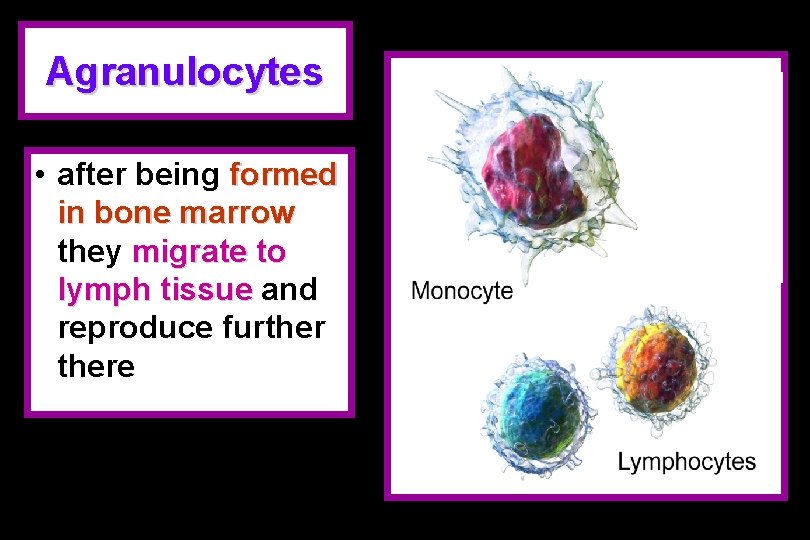
Agranulocytes • after being formed in bone marrow they migrate to lymph tissue and reproduce furthere
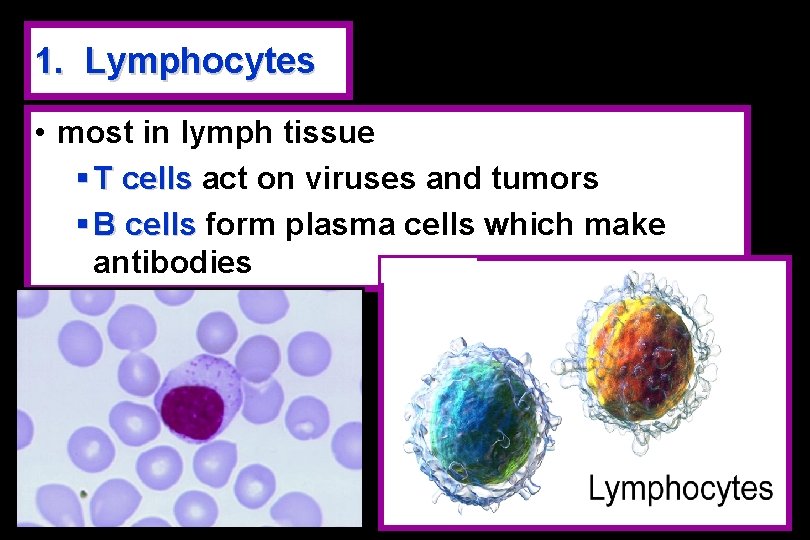
1. Lymphocytes • most in lymph tissue § T cells act on viruses and tumors § B cells form plasma cells which make antibodies
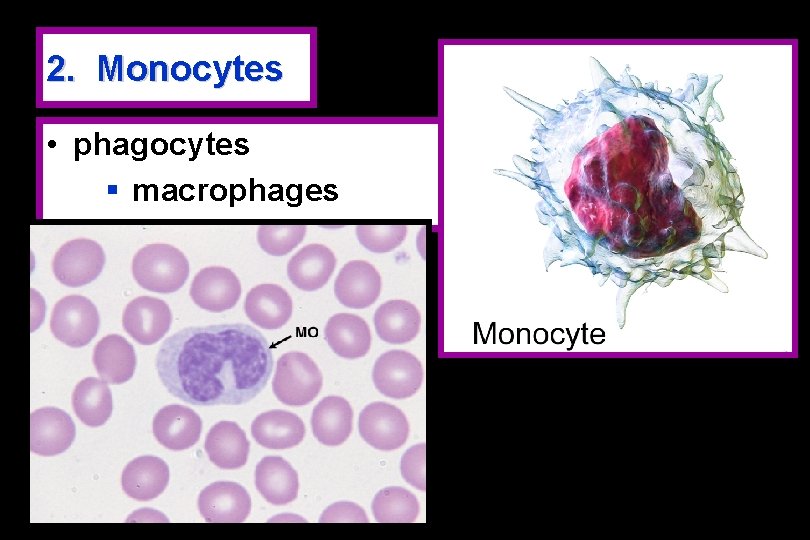
2. Monocytes • phagocytes § macrophages
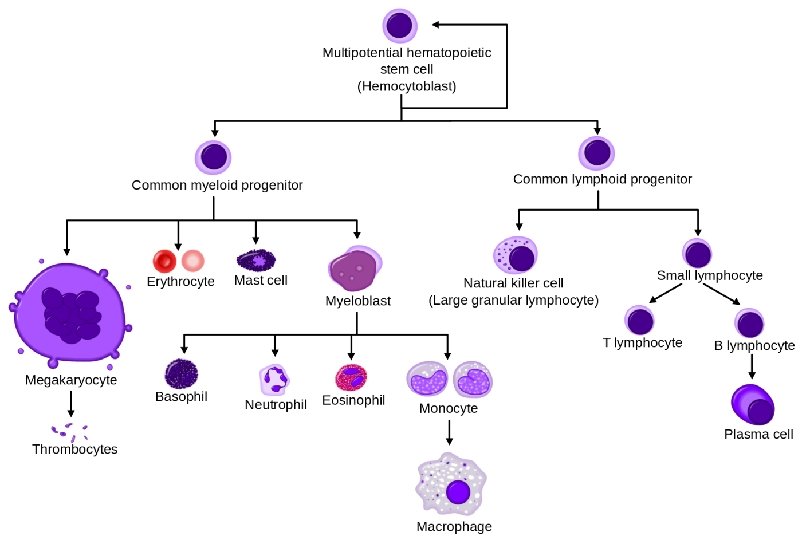
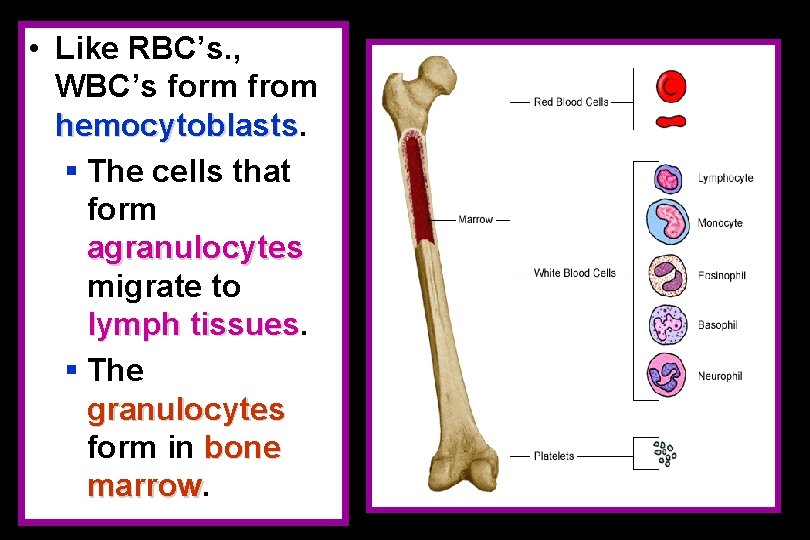
• Like RBC’s. , WBC’s form from hemocytoblasts § The cells that form agranulocytes migrate to lymph tissues § The granulocytes form in bone marrow
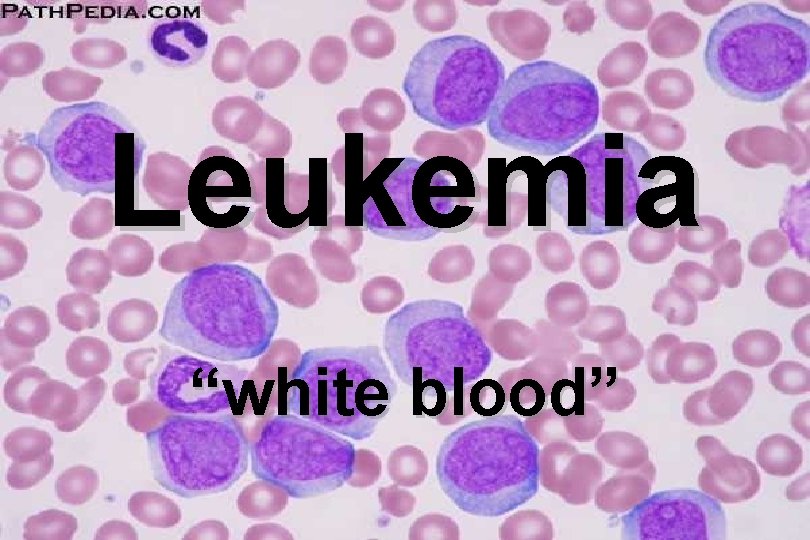
Leukemia “white blood”
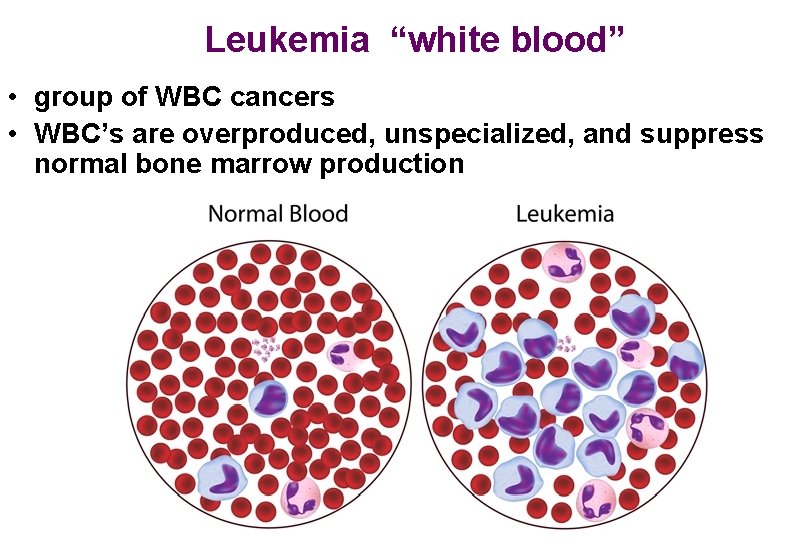
Leukemia “white blood” • group of WBC cancers • WBC’s are overproduced, unspecialized, and suppress normal bone marrow production
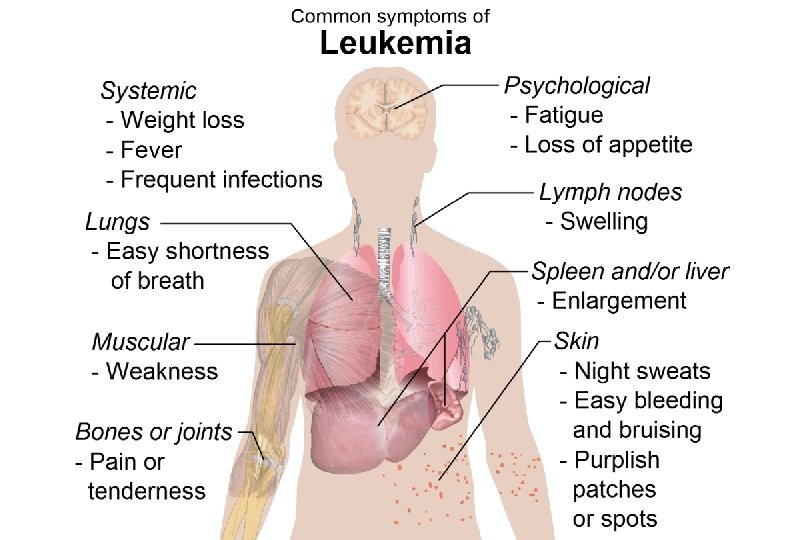
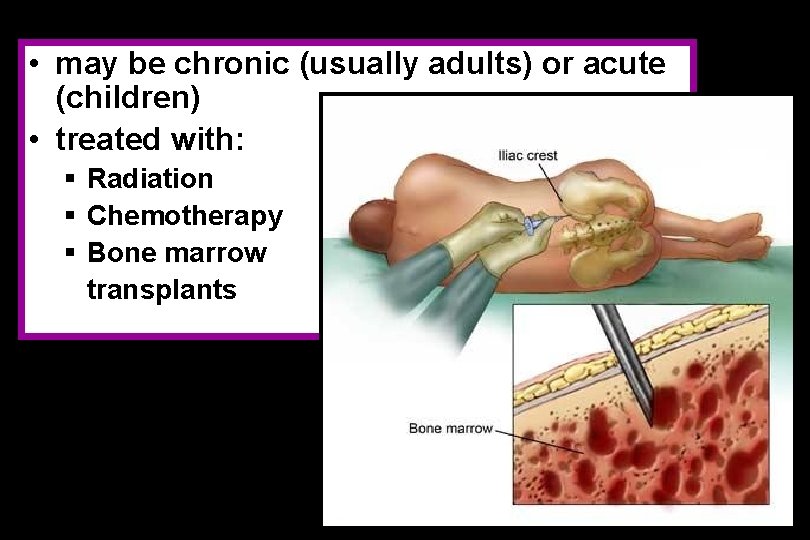
• may be chronic (usually adults) or acute (children) • treated with: § Radiation § Chemotherapy § Bone marrow transplants
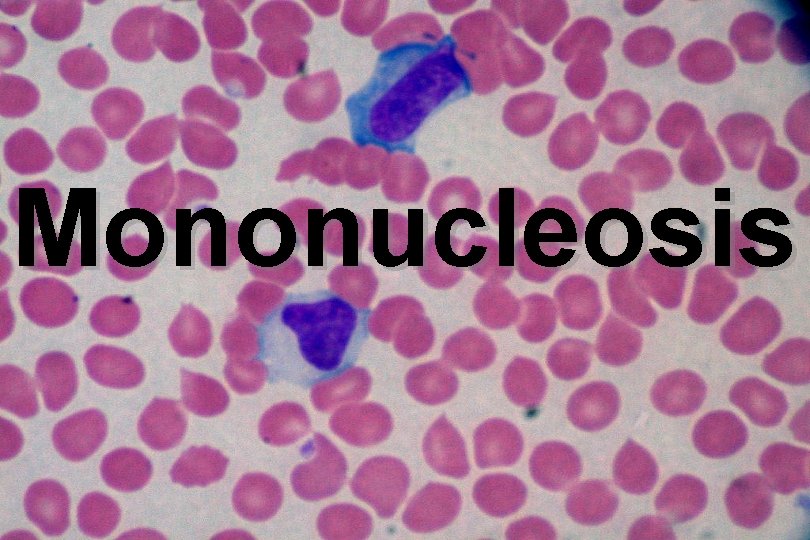
Mononucleosis
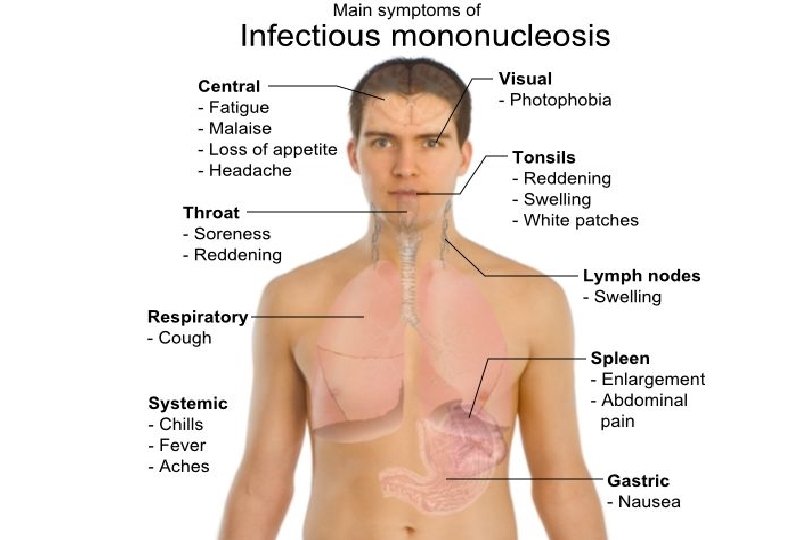
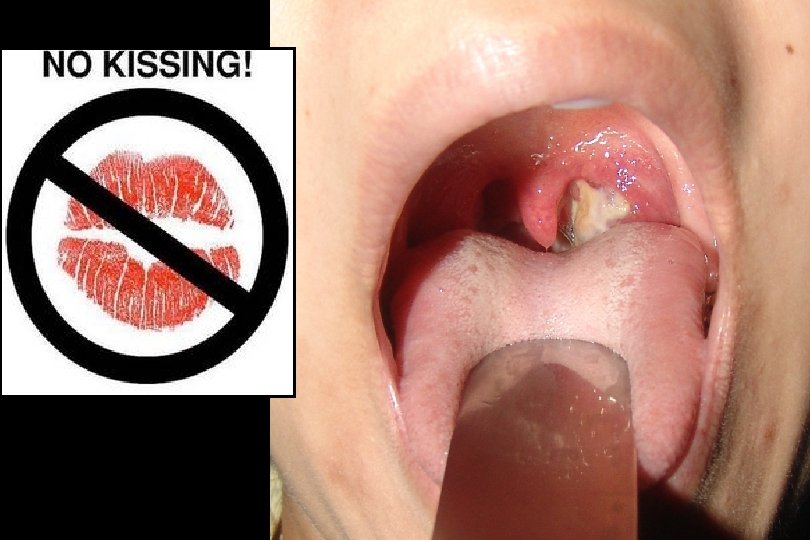
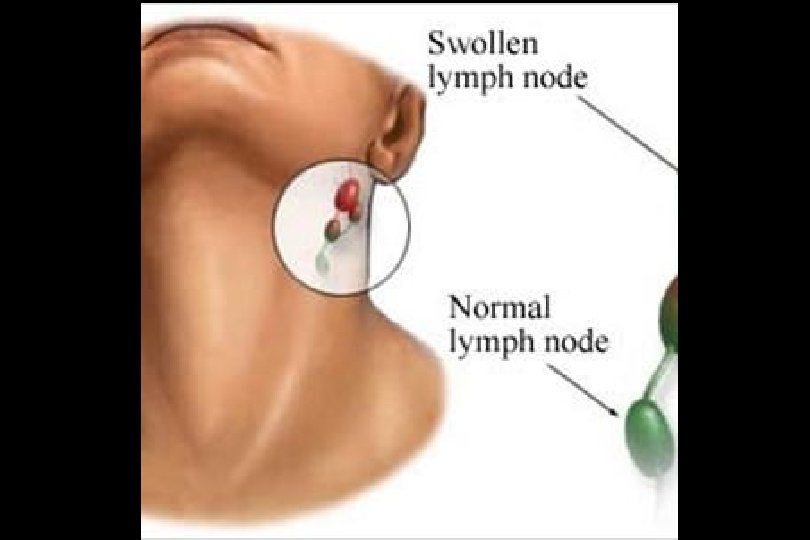
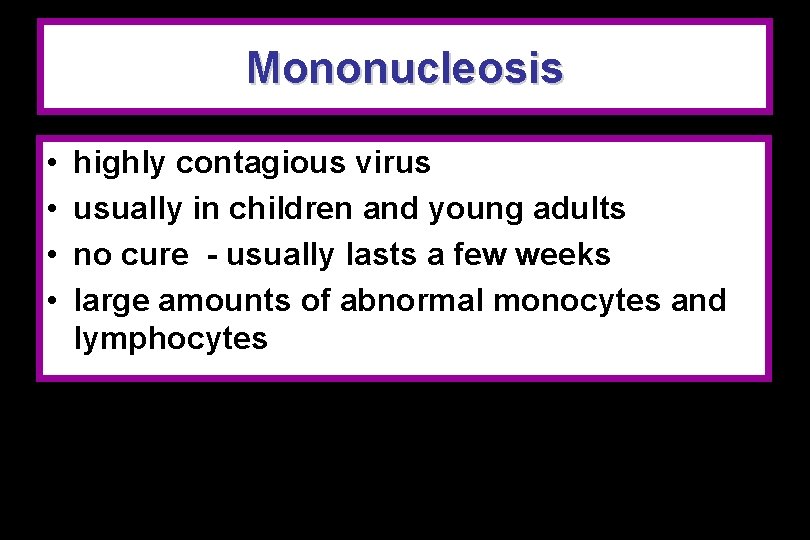
Mononucleosis • • highly contagious virus usually in children and young adults no cure - usually lasts a few weeks large amounts of abnormal monocytes and lymphocytes
- Slides: 24