
Lets recap last lesson What did we do
- Slides: 21
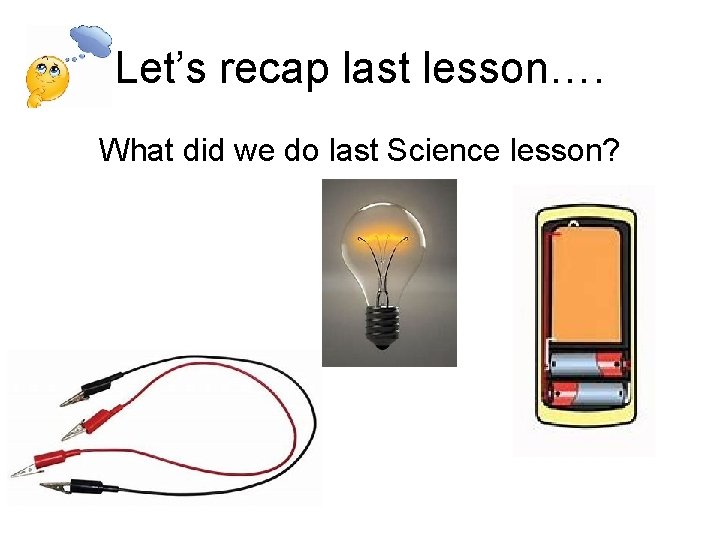
Let’s recap last lesson…. What did we do last Science lesson?
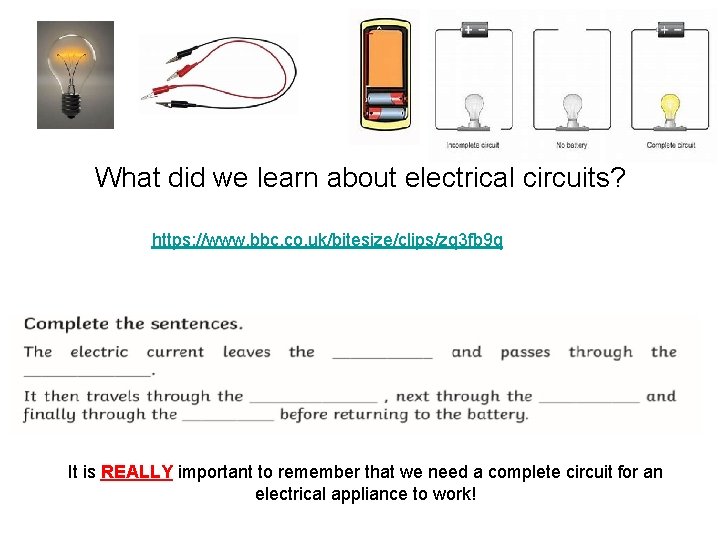
What did we learn about electrical circuits? https: //www. bbc. co. uk/bitesize/clips/zq 3 fb 9 q It is REALLY important to remember that we need a complete circuit for an electrical appliance to work!
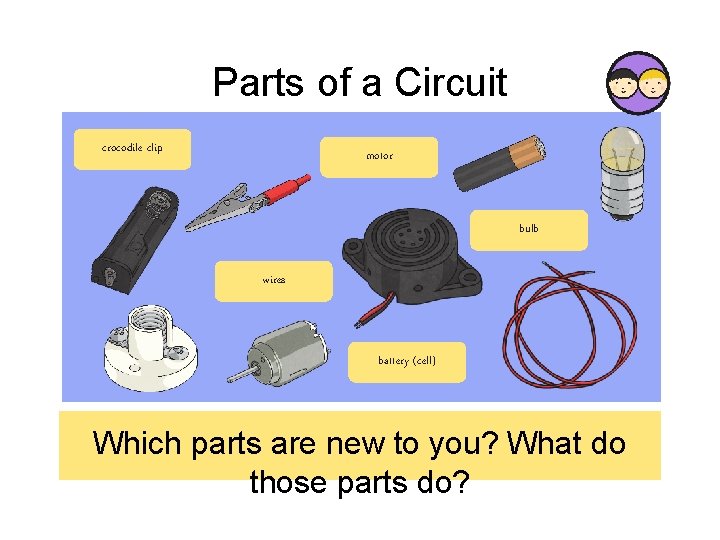
Parts of a Circuit crocodile clip motor bulb wires battery (cell) Which parts are new to you? What do those parts do?
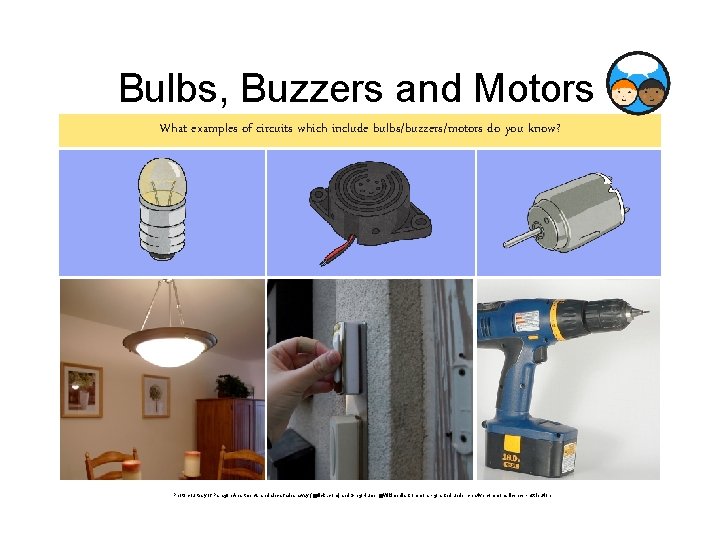
Bulbs, Buzzers and Motors What examples of circuits which include bulbs/buzzers/motors do you know? Photo courtesy of Paragon Apartments and alexa fades away (@flickr. com) and Greg Hume @Wikimedia Commons - granted under creative commons licence - attribution
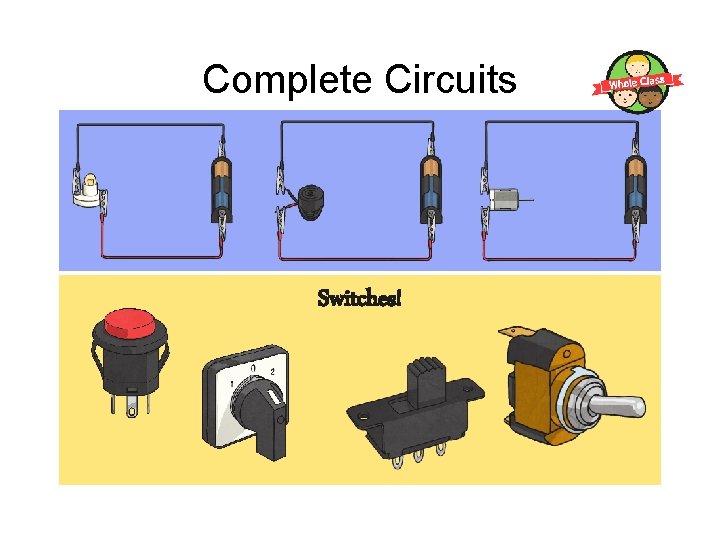
Complete Circuits Switches! Do you want your doorbell ringing constantly? Would you want the lights in your house to be on all the time? Why is it a problem for the drill to be on all the time? What are the practical problems of complete circuits in everyday life? What is the solution? (Remember, an incomplete circuit will not work at all)
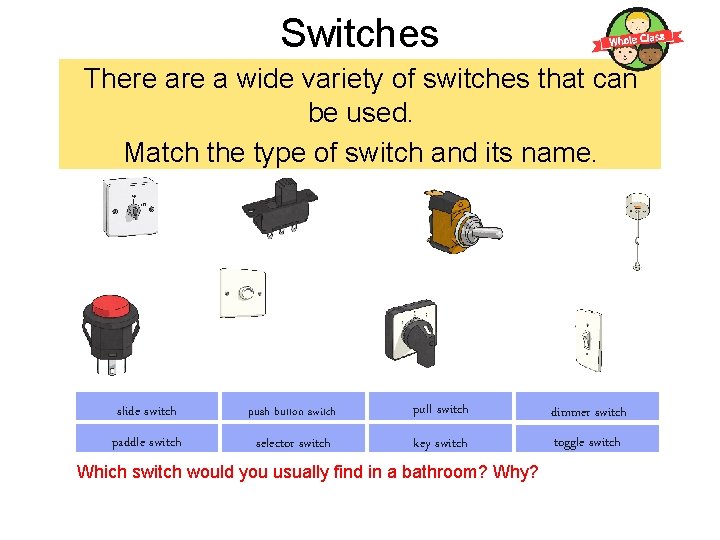
Switches There a wide variety of switches that can be used. Match the type of switch and its name. slide switch push button switch pull switch dimmer switch paddle switch selector switch key switch toggle switch Which switch would you usually find in a bathroom? Why?
Task 1 Create an electrical circuit using a switch that turns the different components on and off
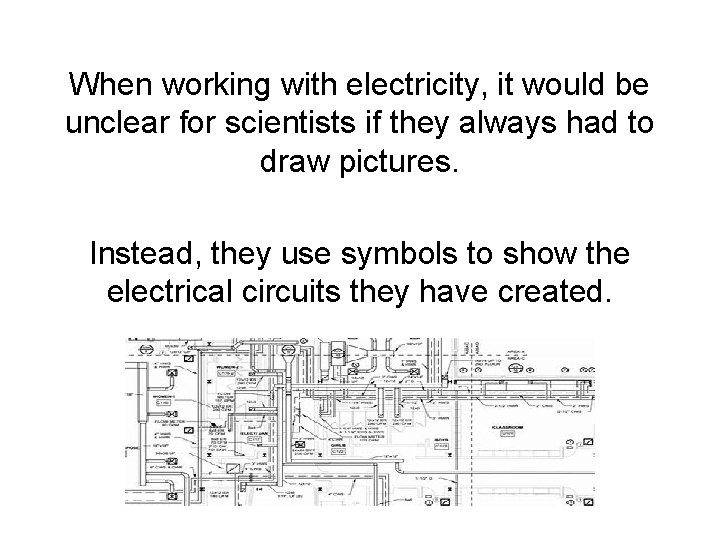
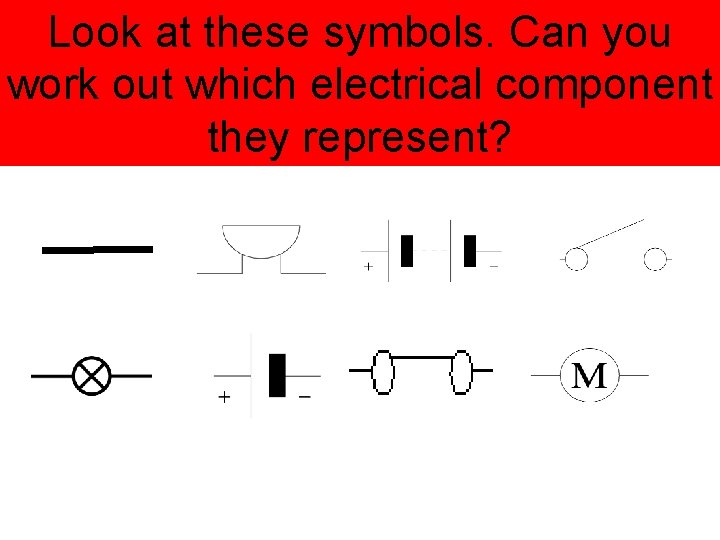
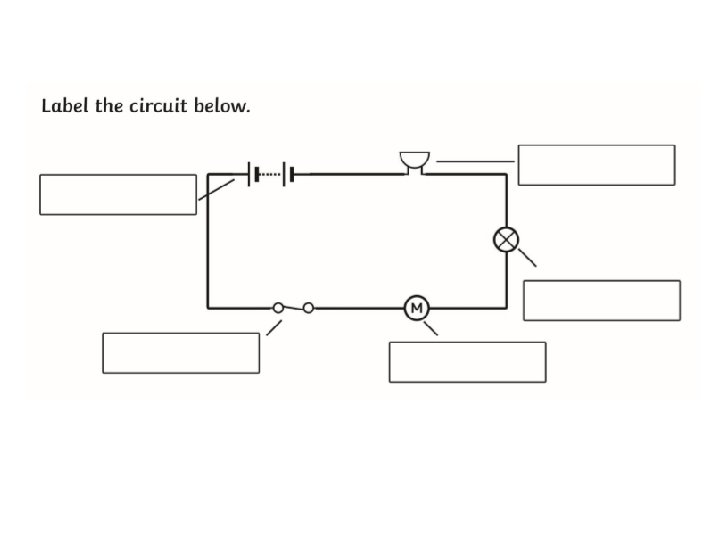
When working with electricity, it would be unclear for scientists if they always had to draw pictures. Instead, they use symbols to show the electrical circuits they have created.
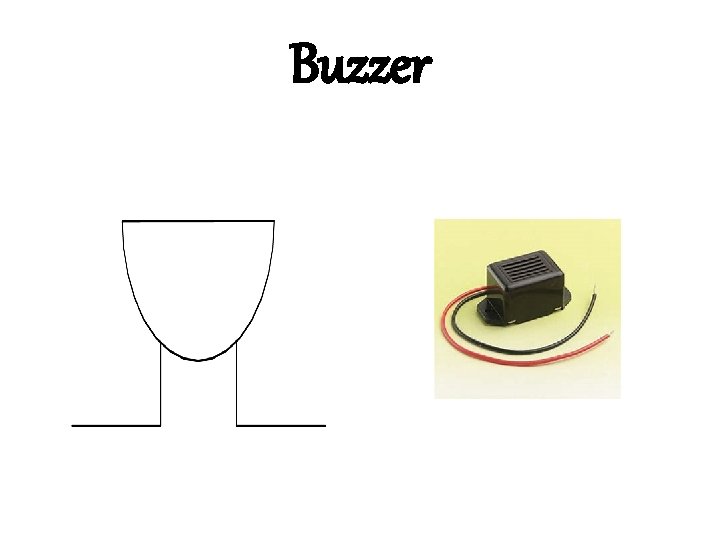
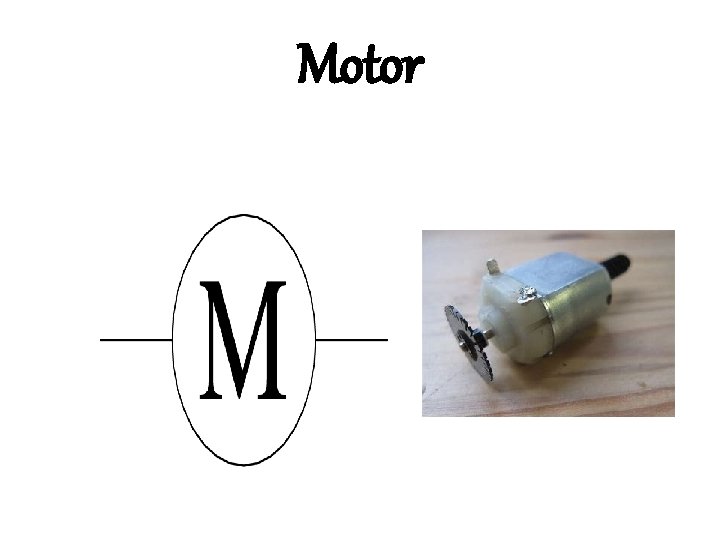
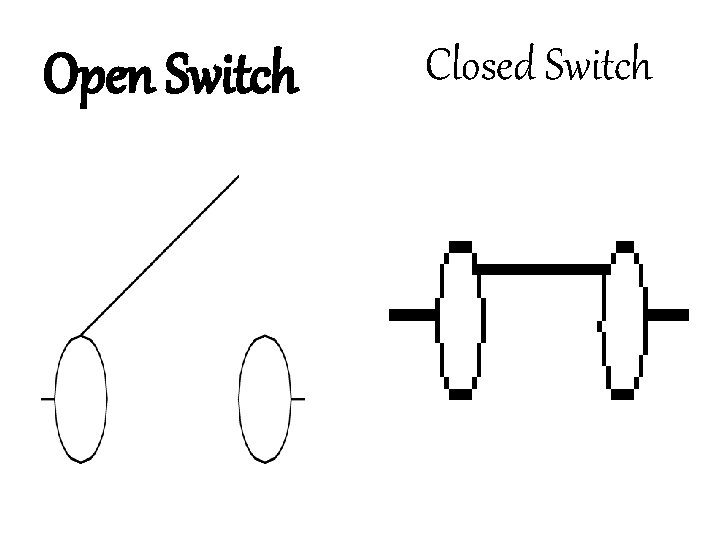
Look at these symbols. Can you work out which electrical component they represent?
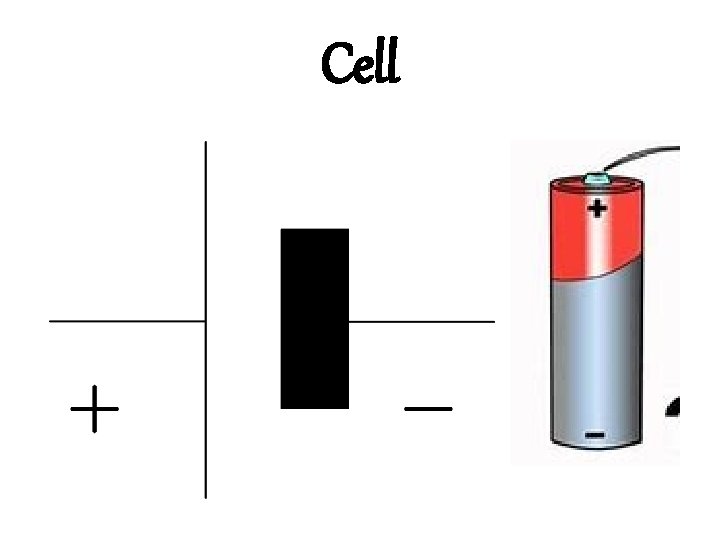
Cell
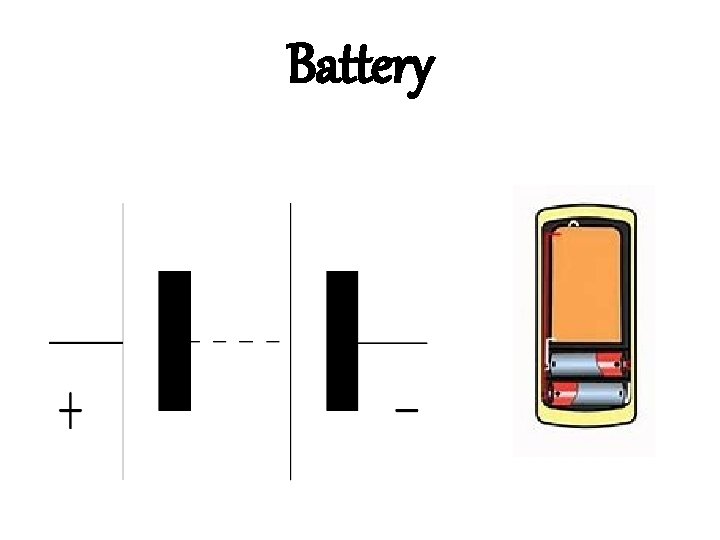
Battery
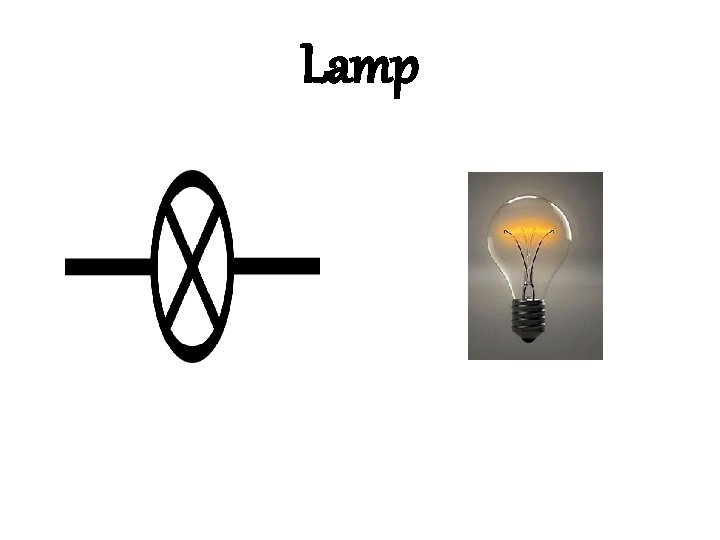
Lamp
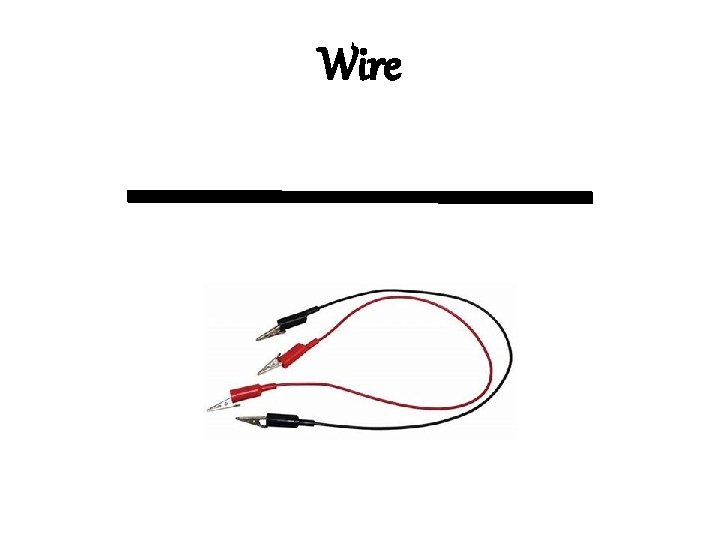
Wire
Buzzer
Motor
Open Switch Closed Switch
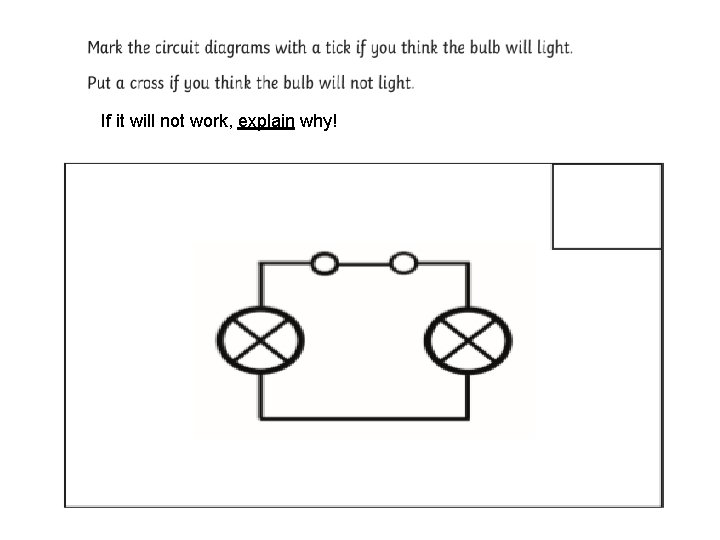
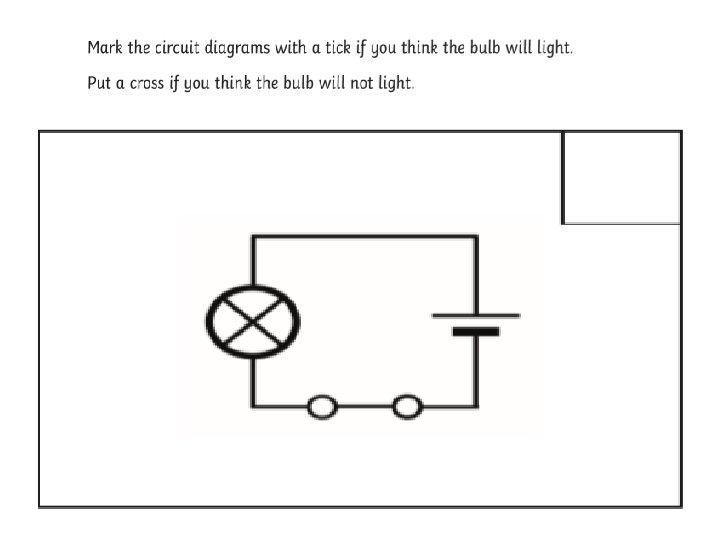
If it will not work, explain why!
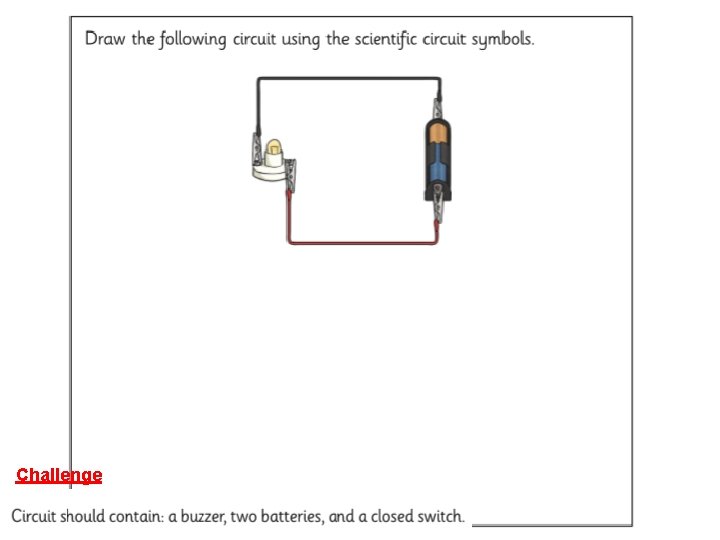
Challenge