
LETS GET CHEMICAL TChemistry T Chemical Bonds Atom
LET’S GET CHEMICAL T=Chemistry
T= Chemical Bonds
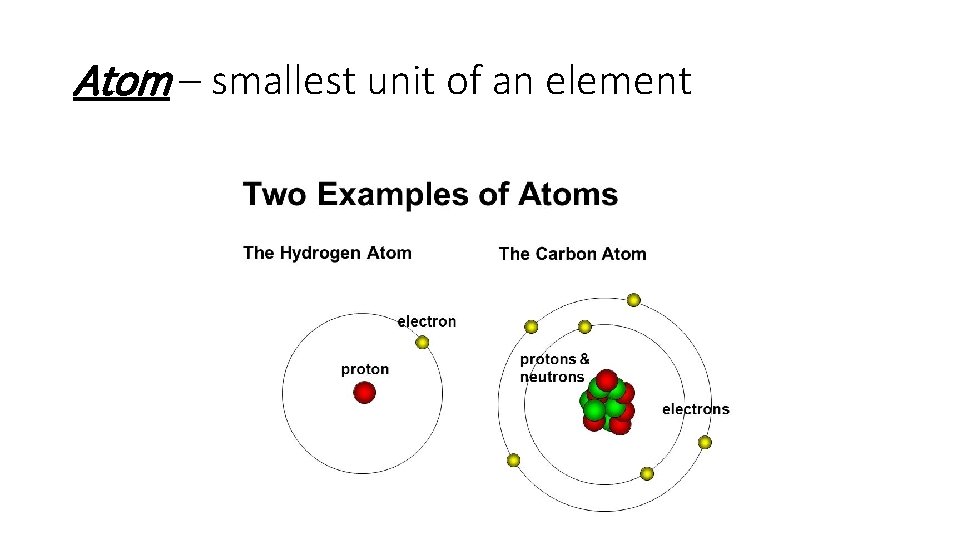
Atom – smallest unit of an element
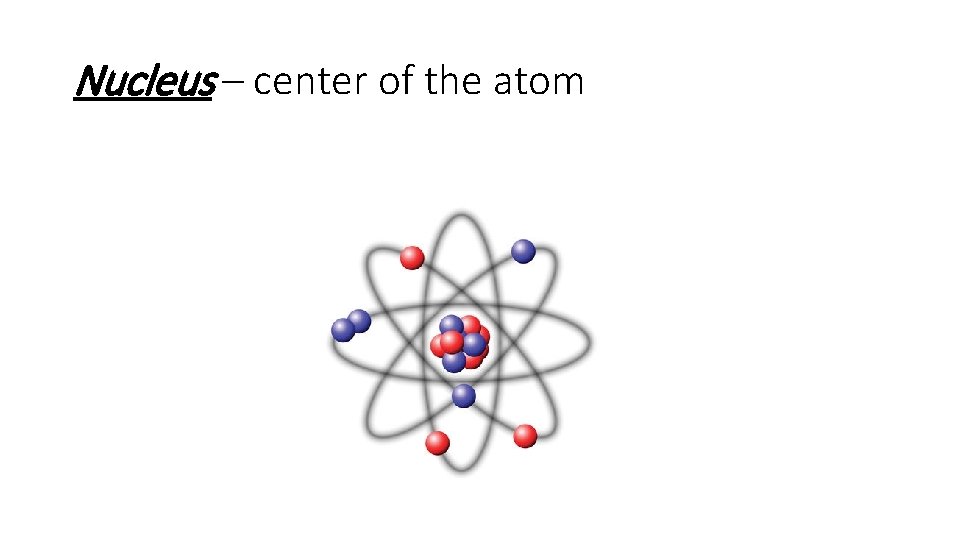
Nucleus – center of the atom
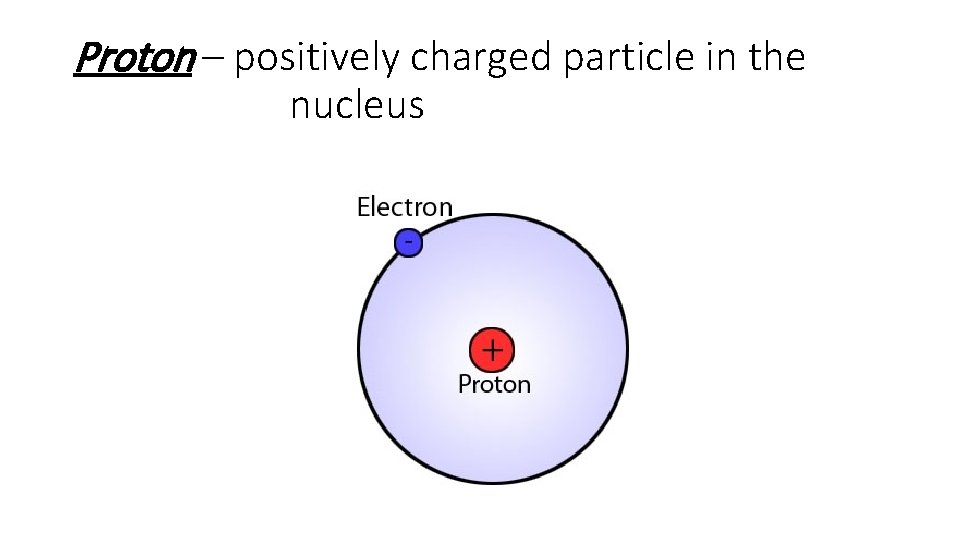
Proton – positively charged particle in the nucleus
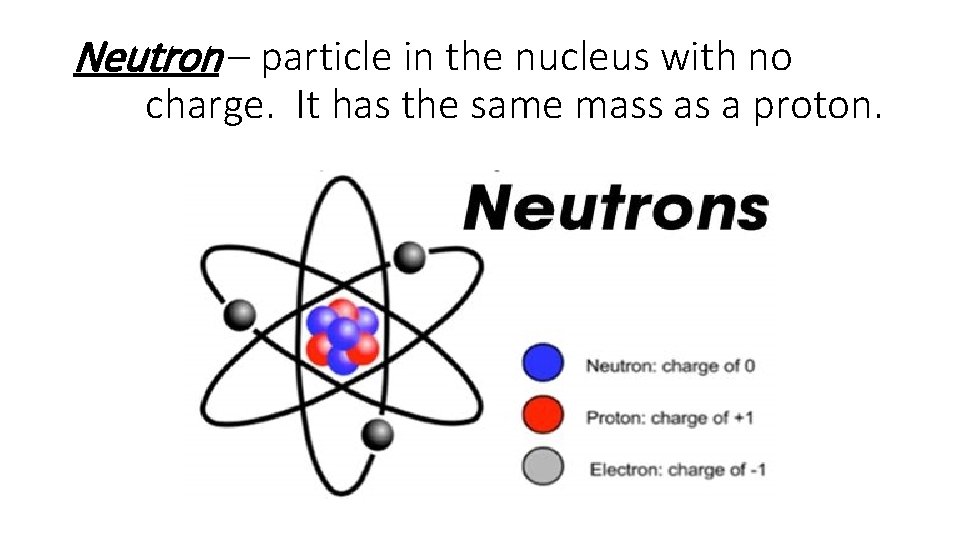
Neutron – particle in the nucleus with no charge. It has the same mass as a proton.
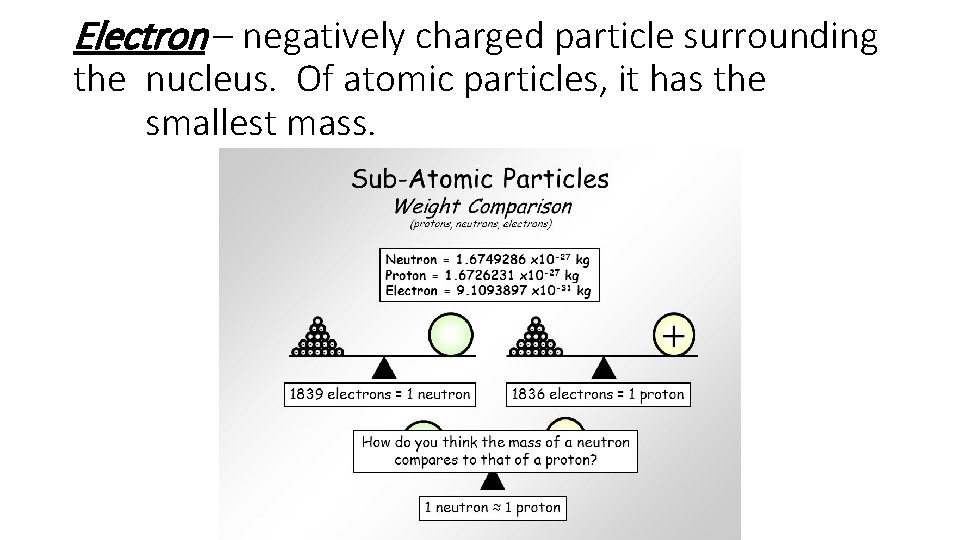
Electron – negatively charged particle surrounding the nucleus. Of atomic particles, it has the smallest mass.
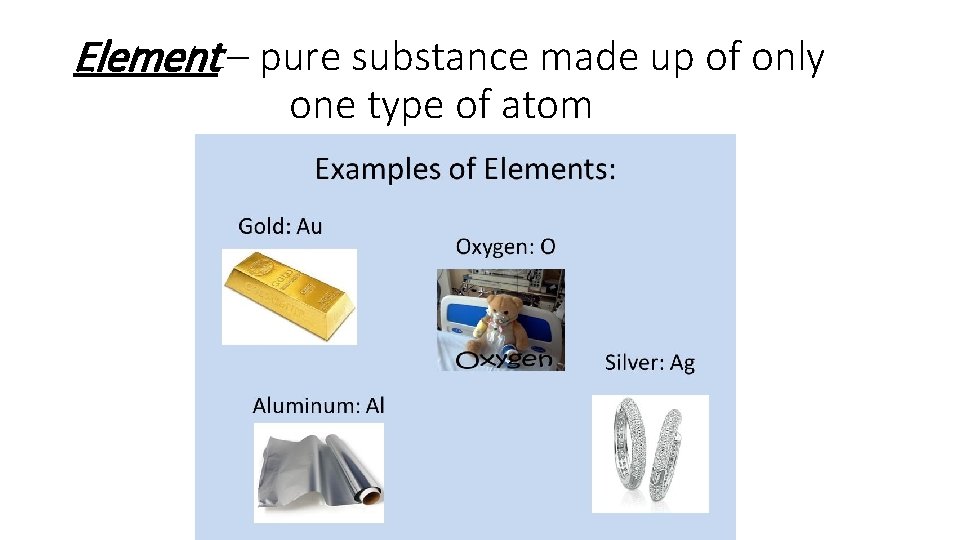
Element – pure substance made up of only one type of atom
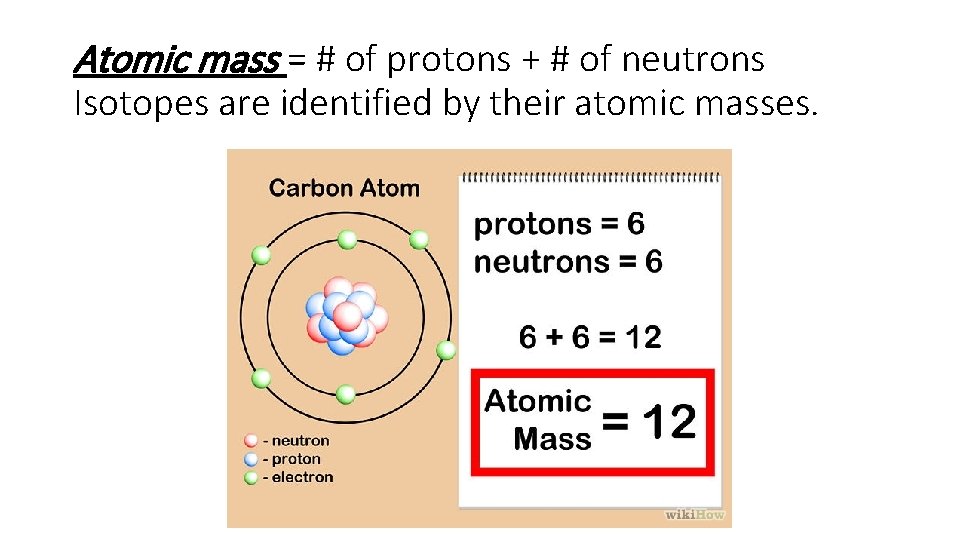
Atomic mass = # of protons + # of neutrons Isotopes are identified by their atomic masses.
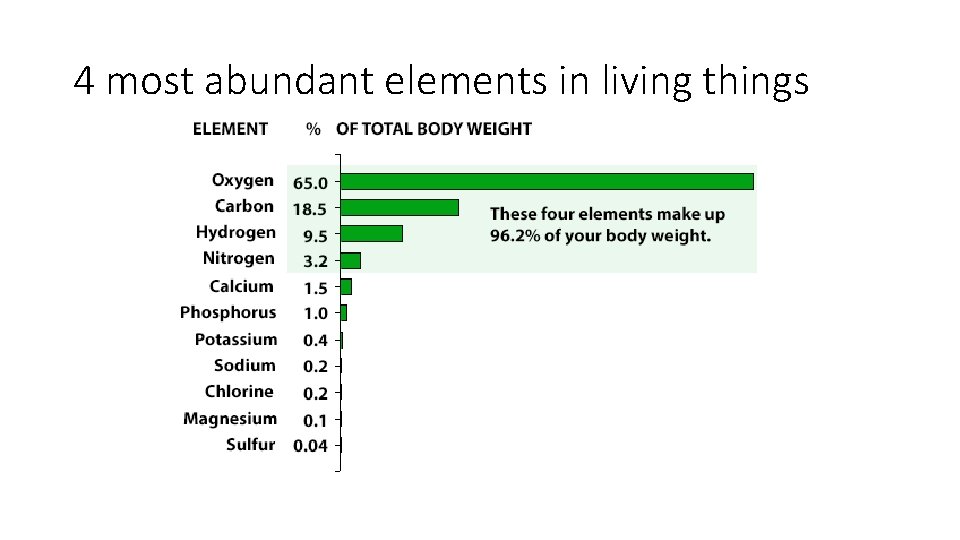
4 most abundant elements in living things
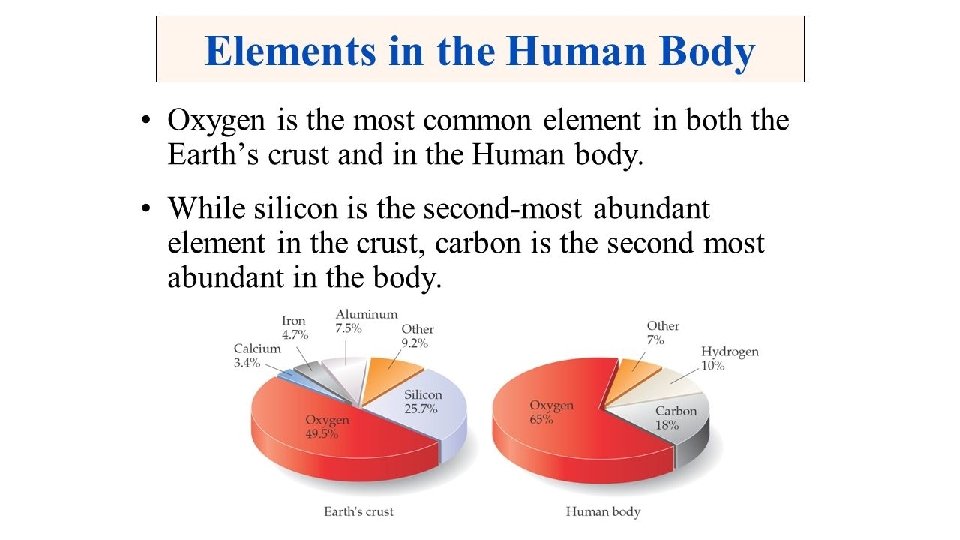
Mnemonic device to help you remember the big 4 from greatest to least……………. . • Oh (O) – oxygen • See (C) – carbon • Him (H) – hydrogen • Now (N) - nitrogen
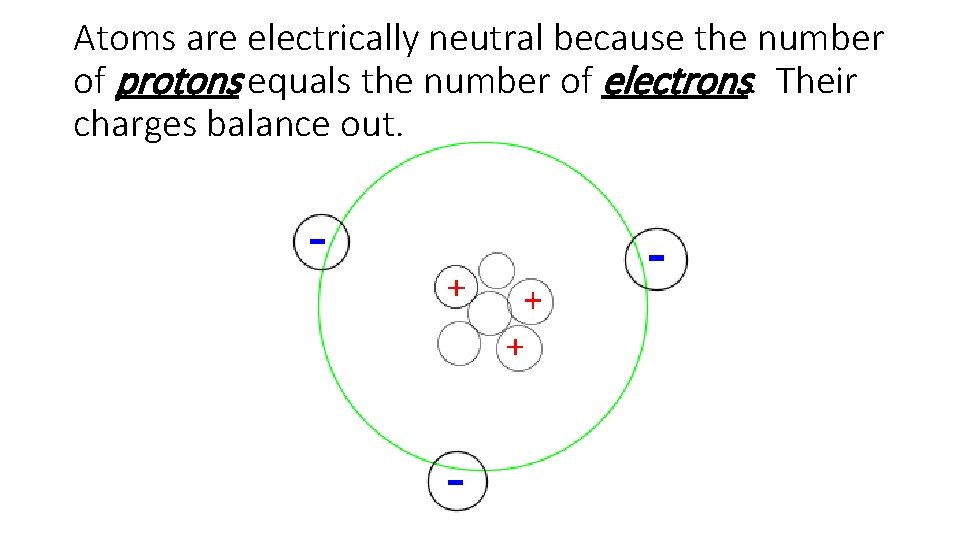
Atoms are electrically neutral because the number of protons equals the number of electrons. Their charges balance out.
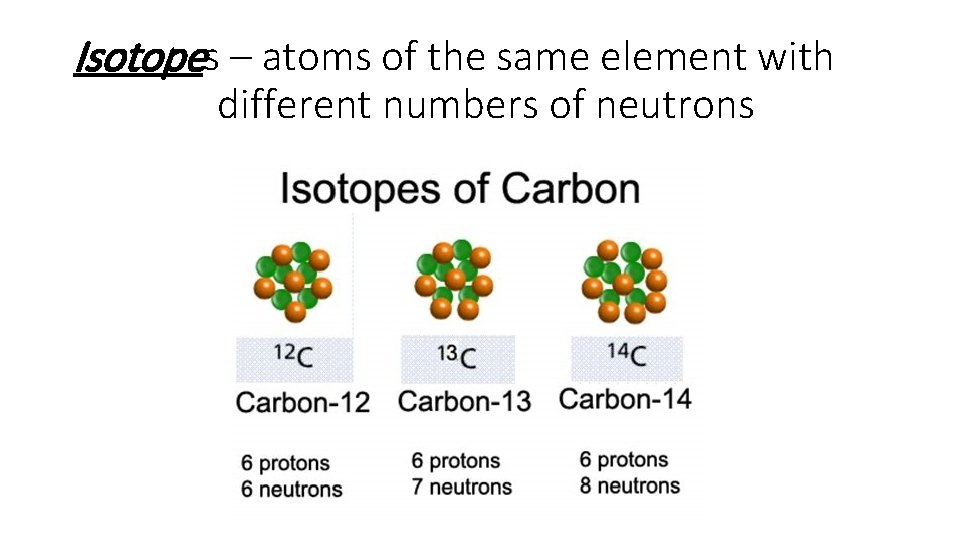
Isotopes – atoms of the same element with different numbers of neutrons
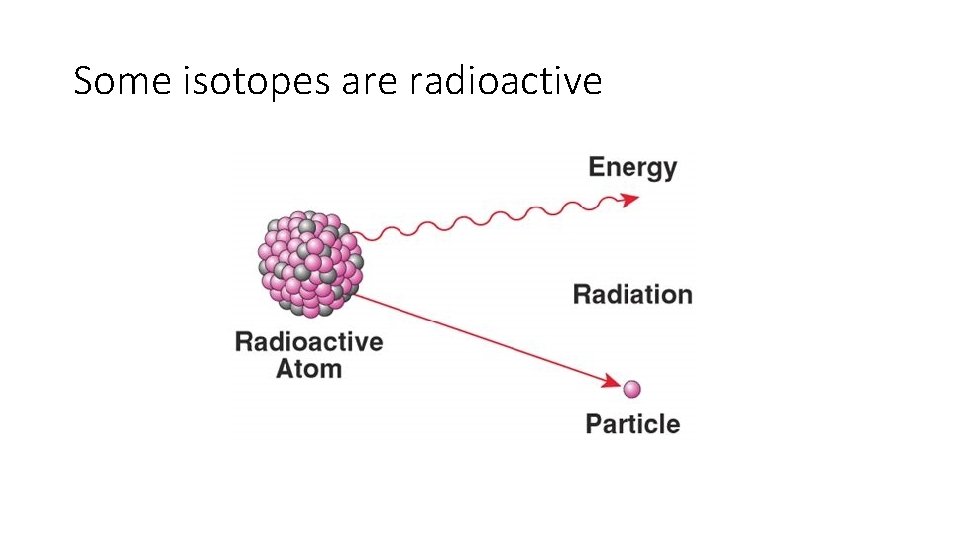
Some isotopes are radioactive
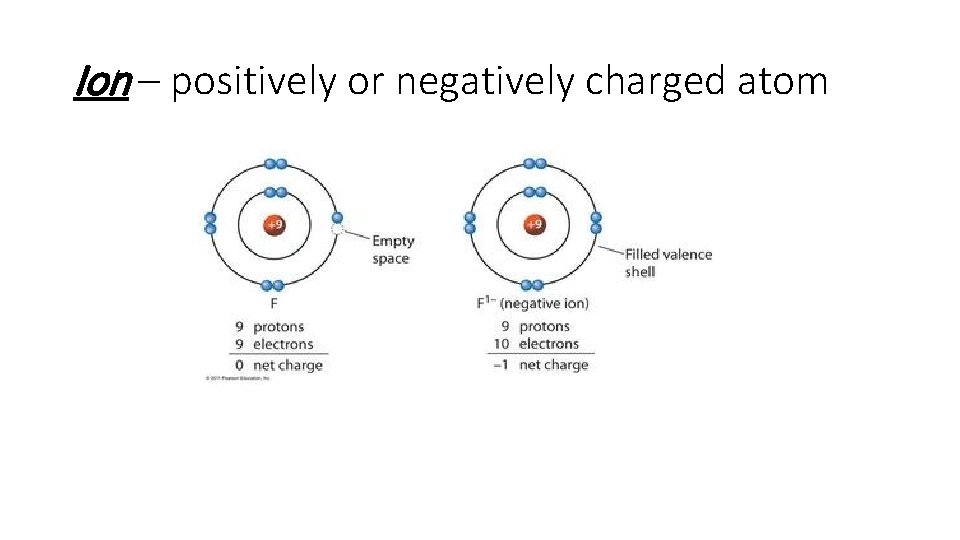
Ion – positively or negatively charged atom
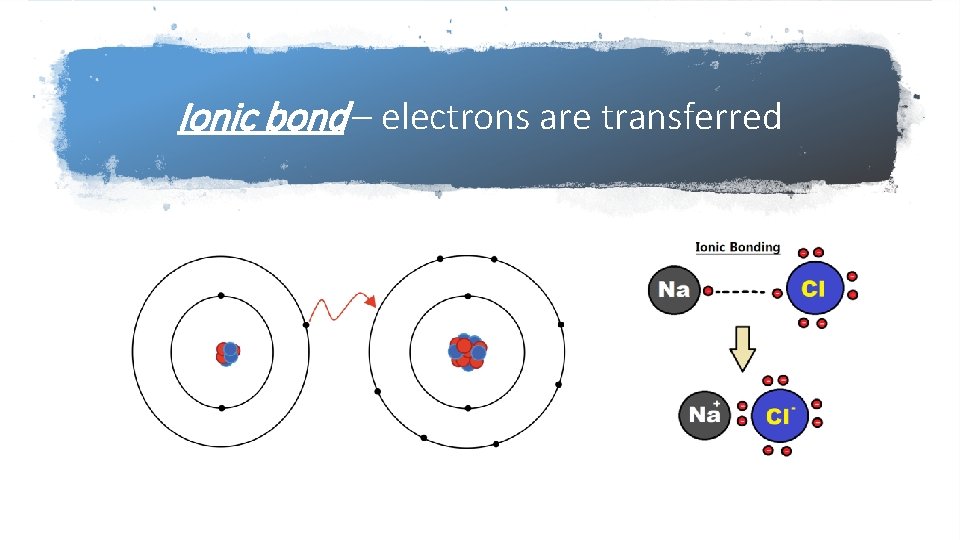
Ionic bond – electrons are transferred
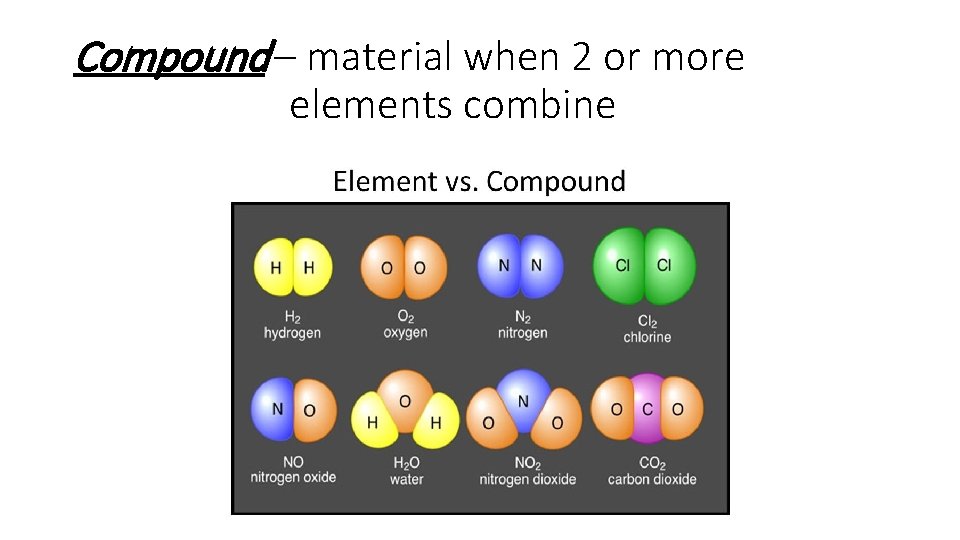
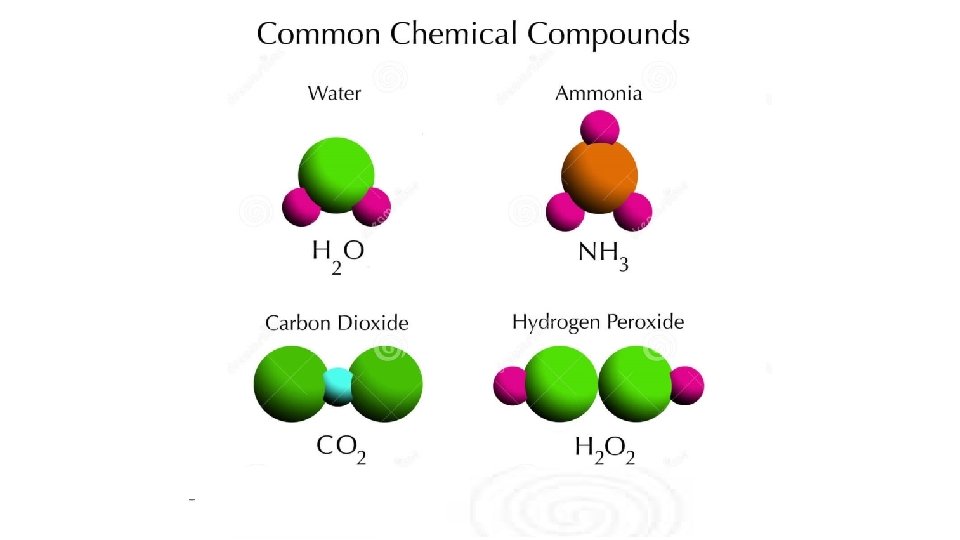
Compound – material when 2 or more elements combine
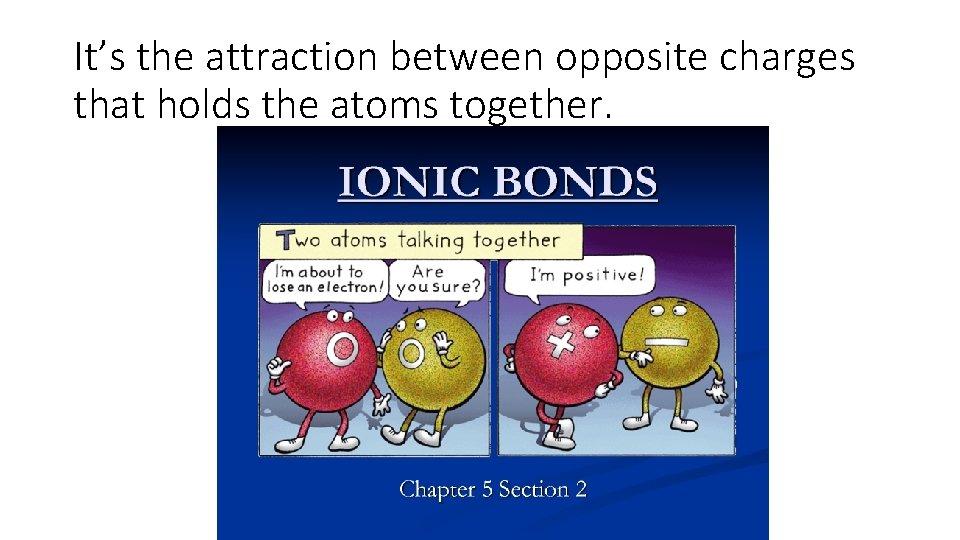
It’s the attraction between opposite charges that holds the atoms together.
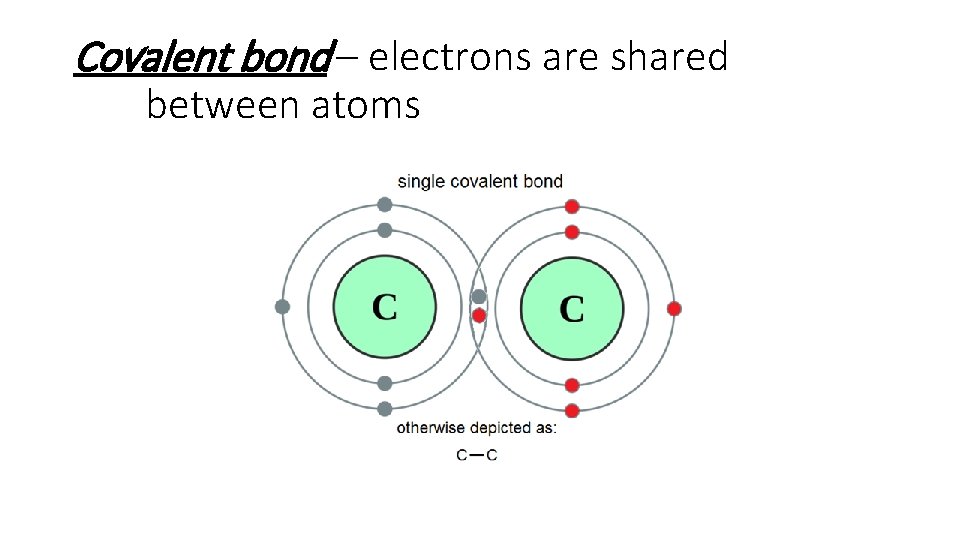
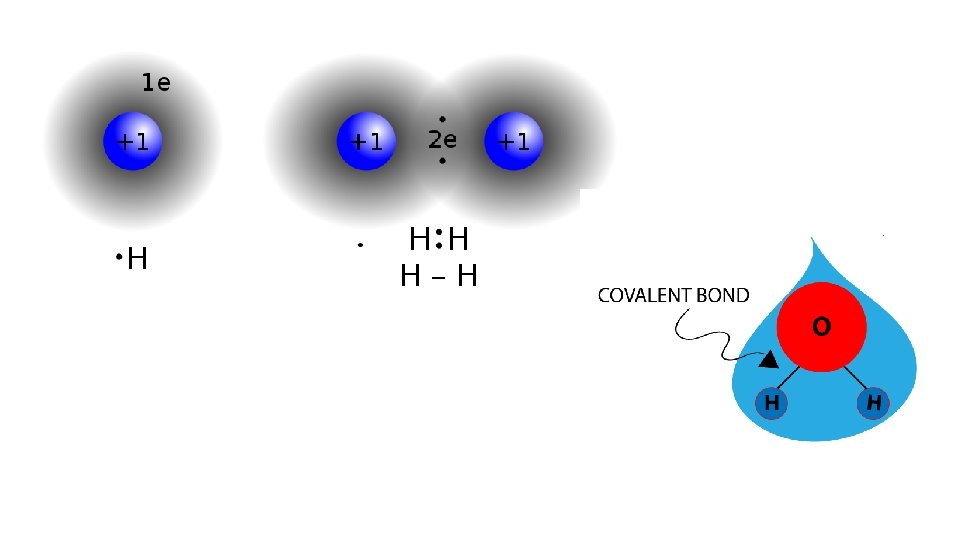
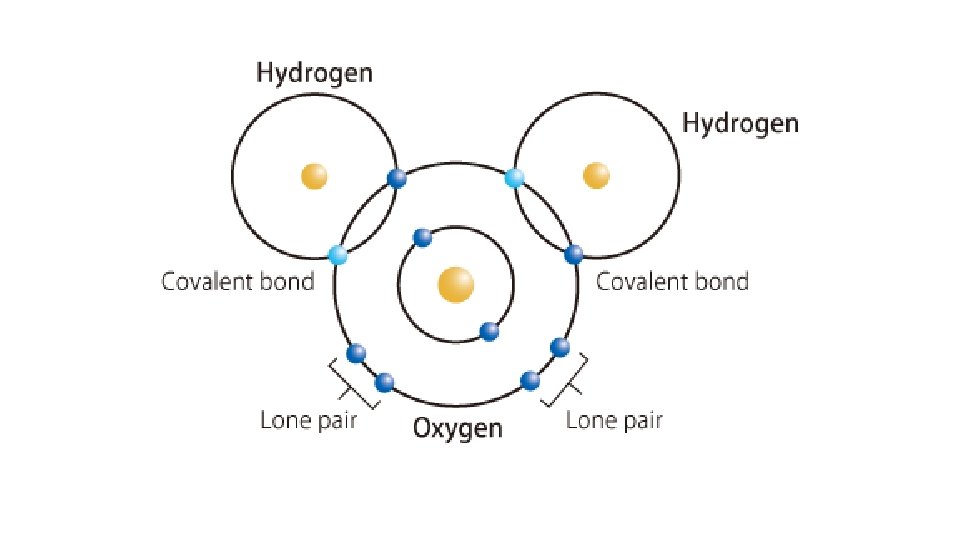
Covalent bond – electrons are shared between atoms
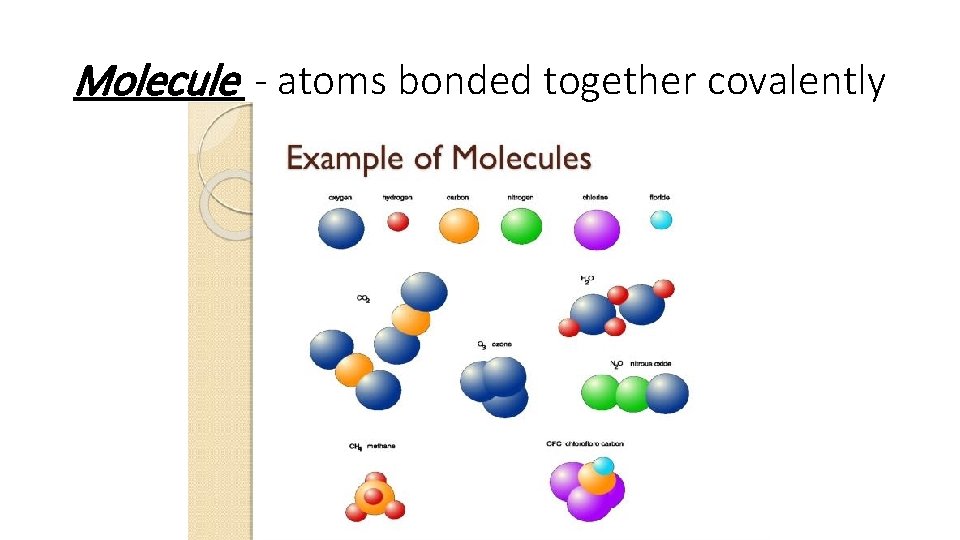
Molecule - atoms bonded together covalently
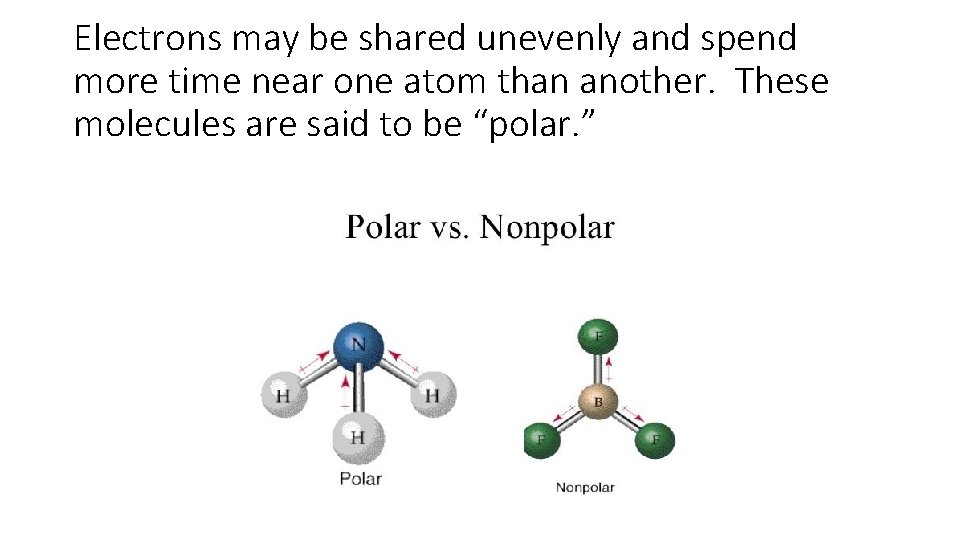
Electrons may be shared unevenly and spend more time near one atom than another. These molecules are said to be “polar. ”
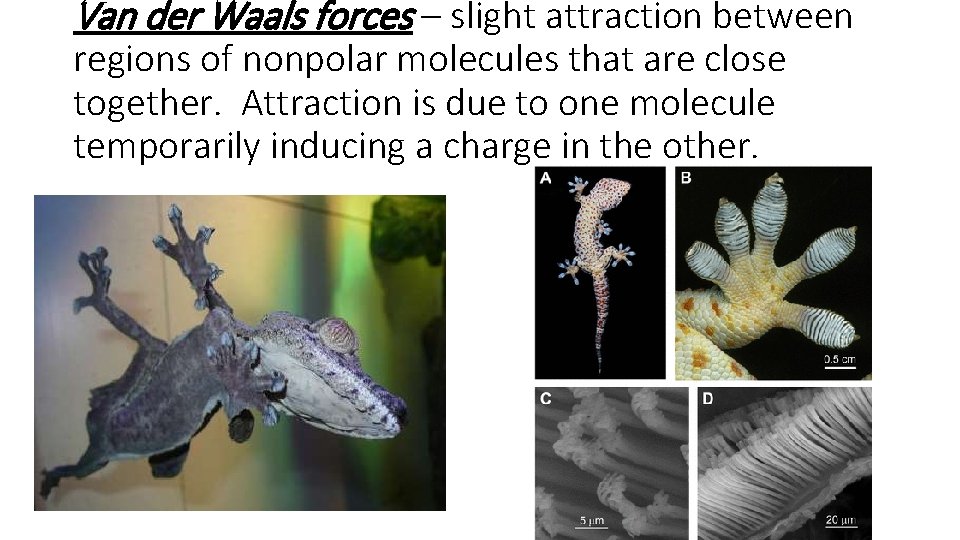
Van der Waals forces – slight attraction between regions of nonpolar molecules that are close together. Attraction is due to one molecule temporarily inducing a charge in the other.
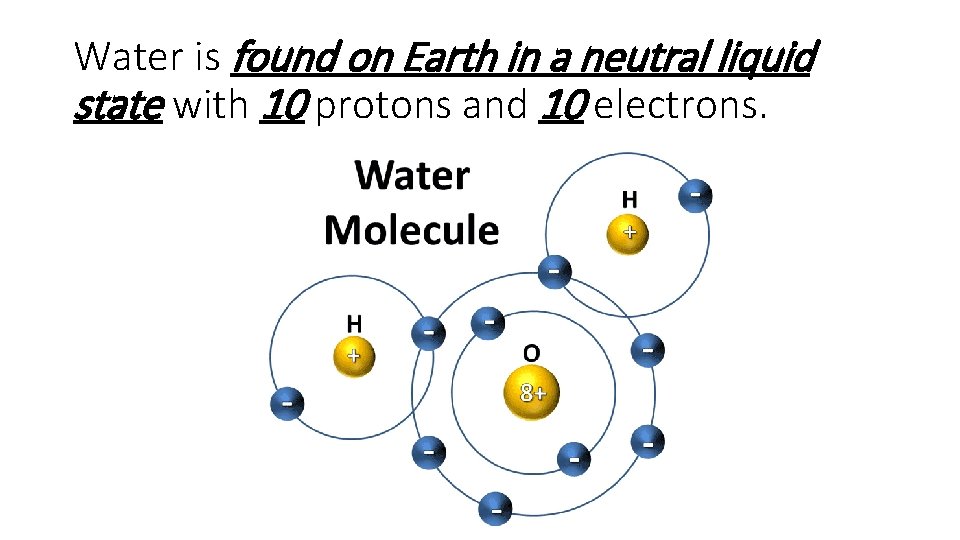
Water is found on Earth in a neutral liquid state with 10 protons and 10 electrons.
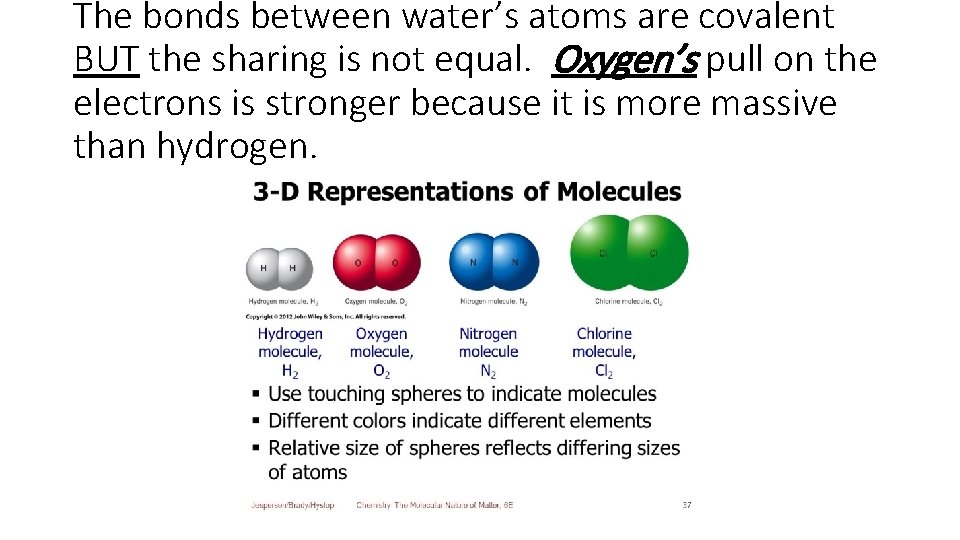
The bonds between water’s atoms are covalent BUT the sharing is not equal. Oxygen’s pull on the electrons is stronger because it is more massive than hydrogen.
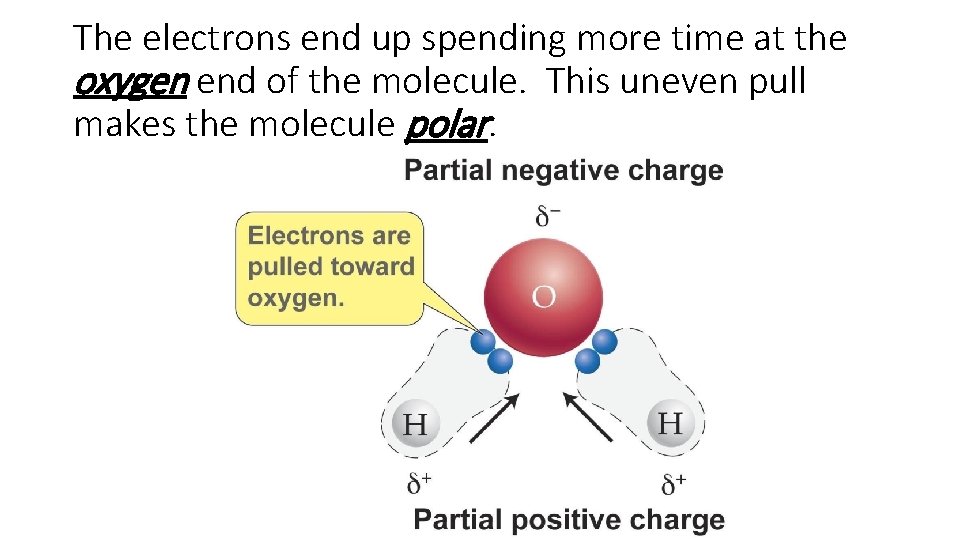
The electrons end up spending more time at the oxygen end of the molecule. This uneven pull makes the molecule polar.
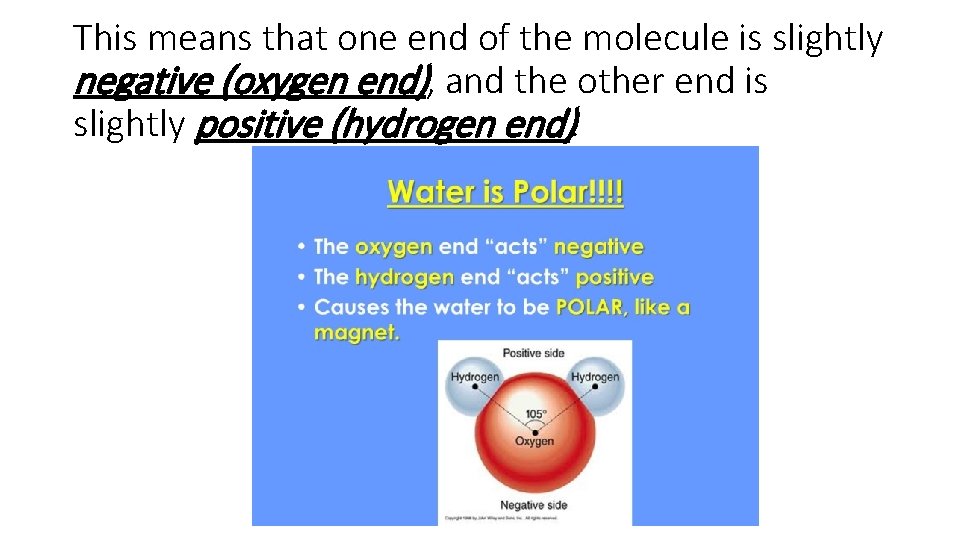
This means that one end of the molecule is slightly negative (oxygen end), and the other end is slightly positive (hydrogen end).
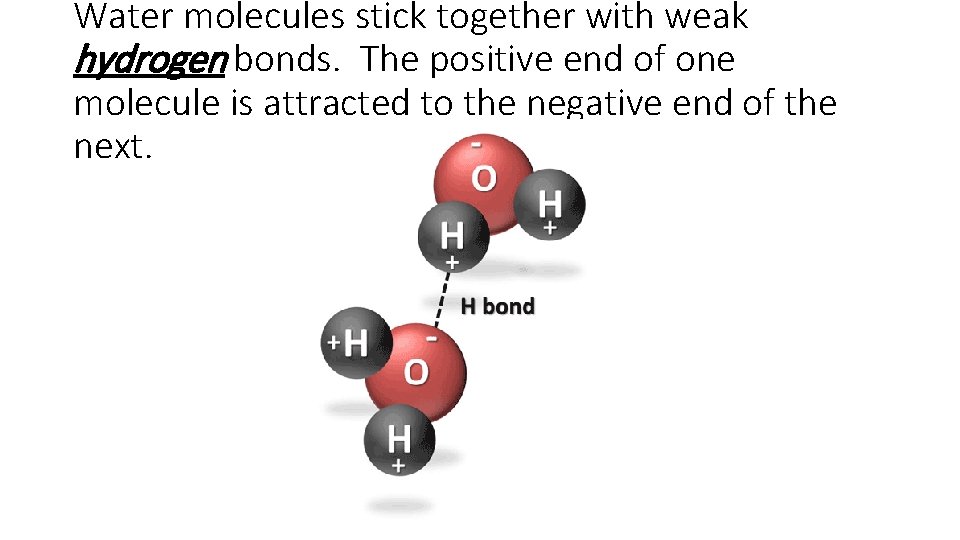
Water molecules stick together with weak hydrogen bonds. The positive end of one molecule is attracted to the negative end of the next.
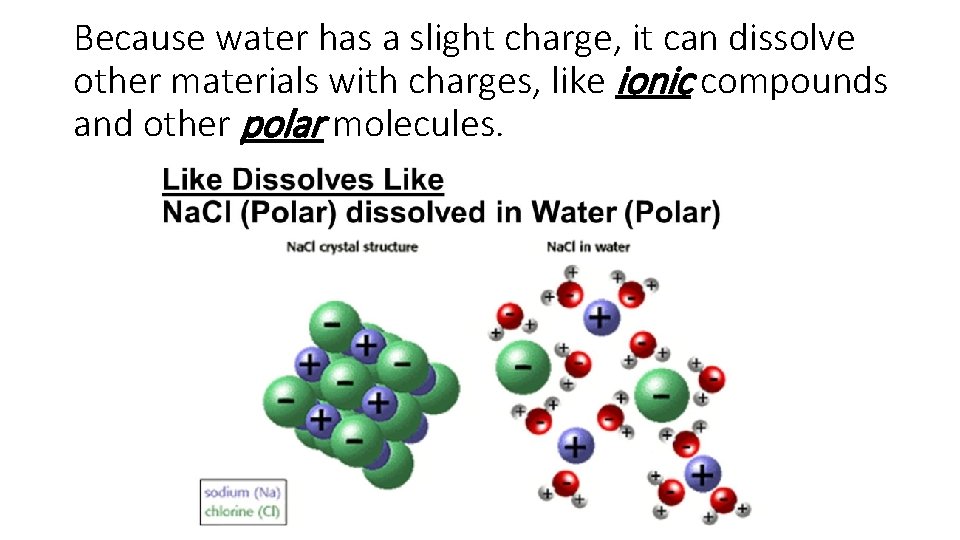
Because water has a slight charge, it can dissolve other materials with charges, like ionic compounds and other polar molecules.
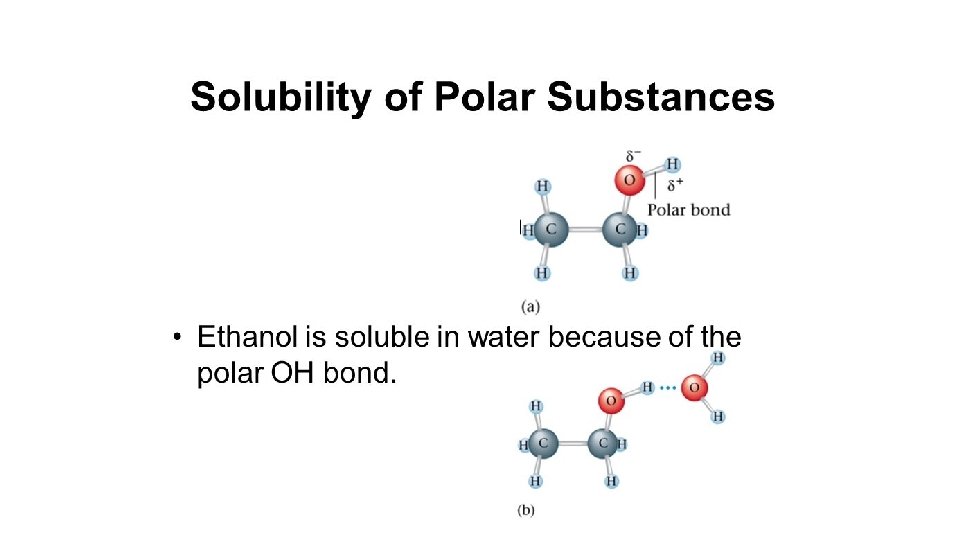
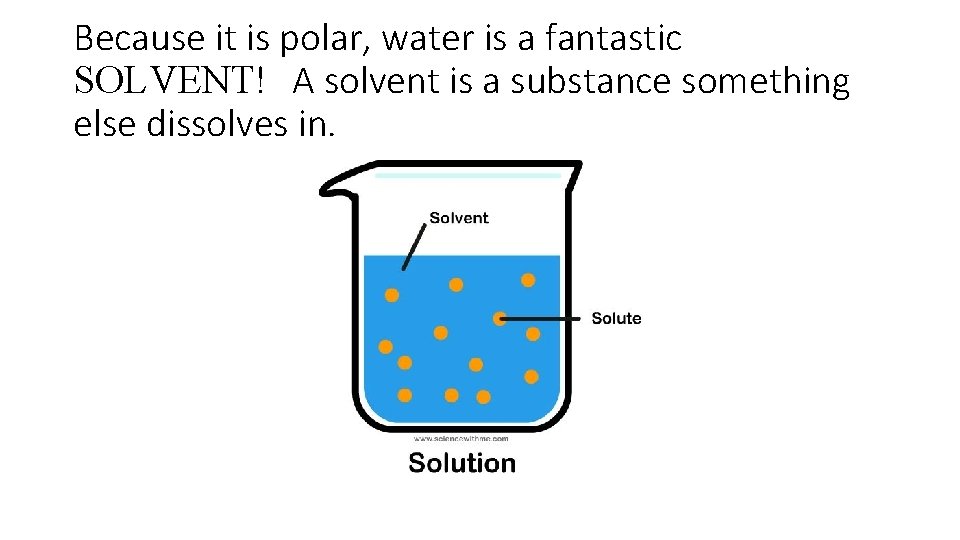
Because it is polar, water is a fantastic SOLVENT! A solvent is a substance something else dissolves in.
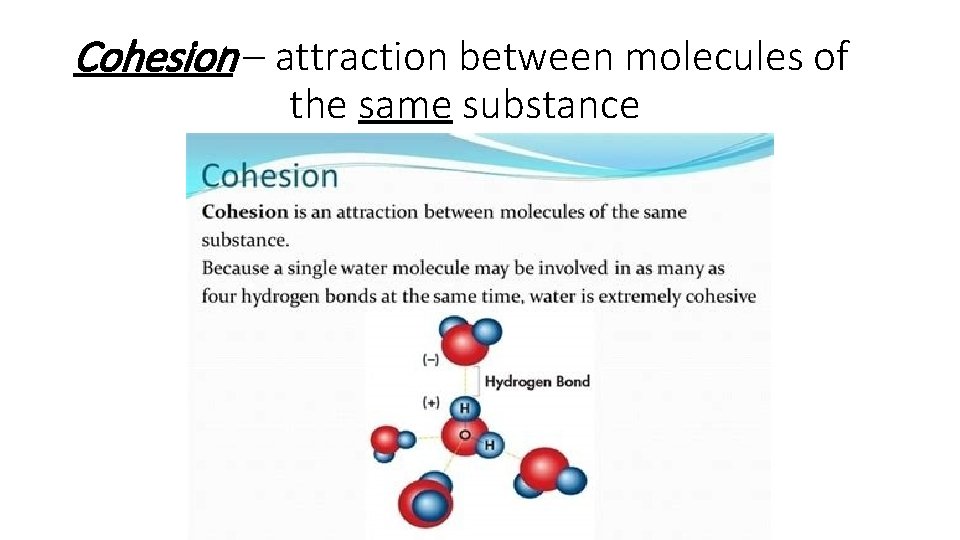
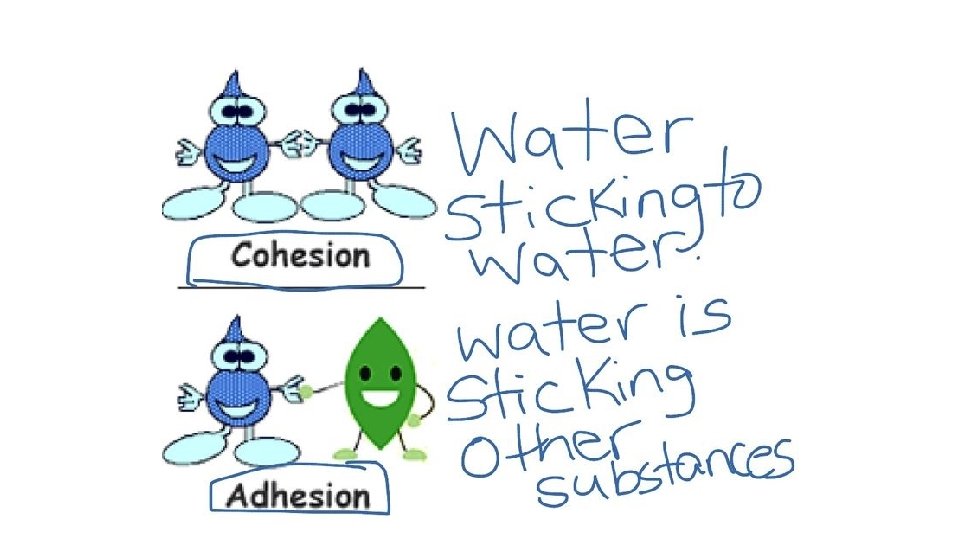
Cohesion – attraction between molecules of the same substance
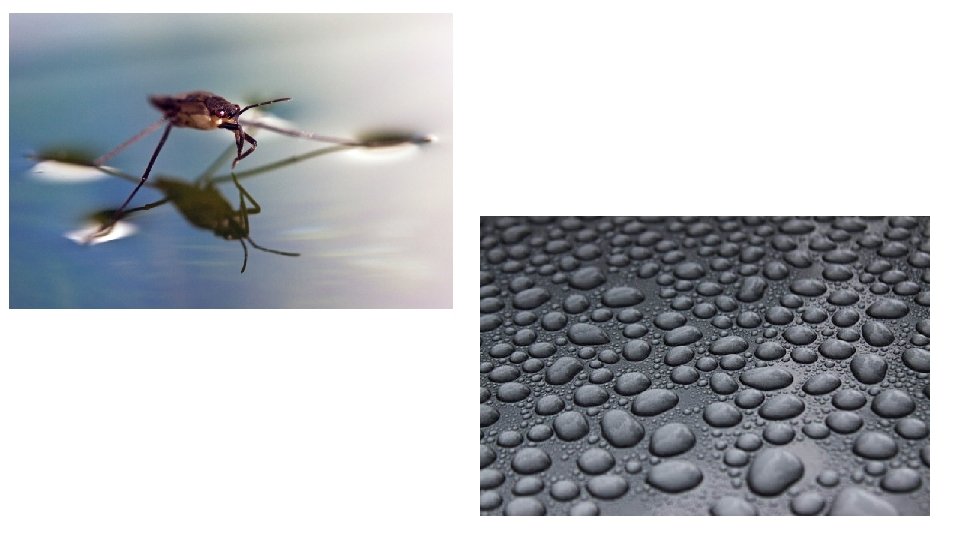
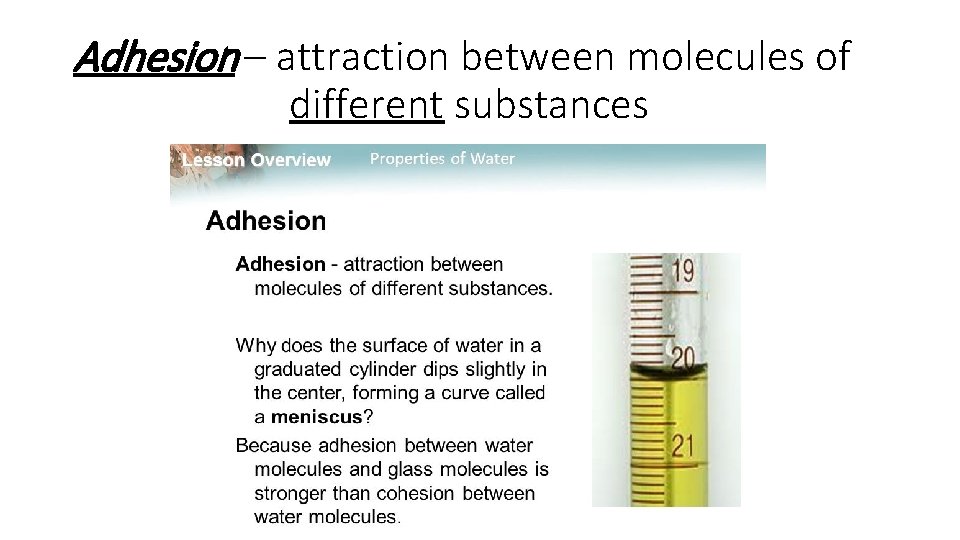
Adhesion – attraction between molecules of different substances
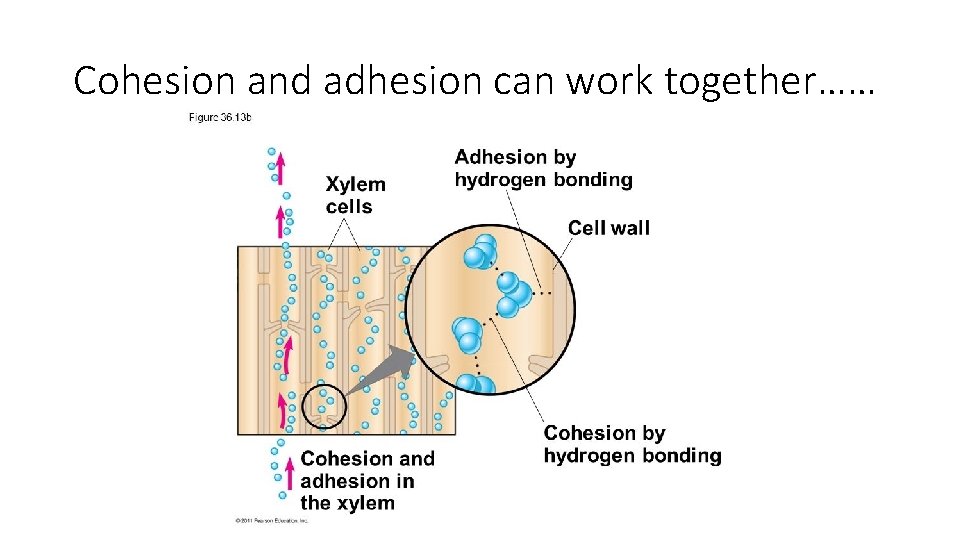
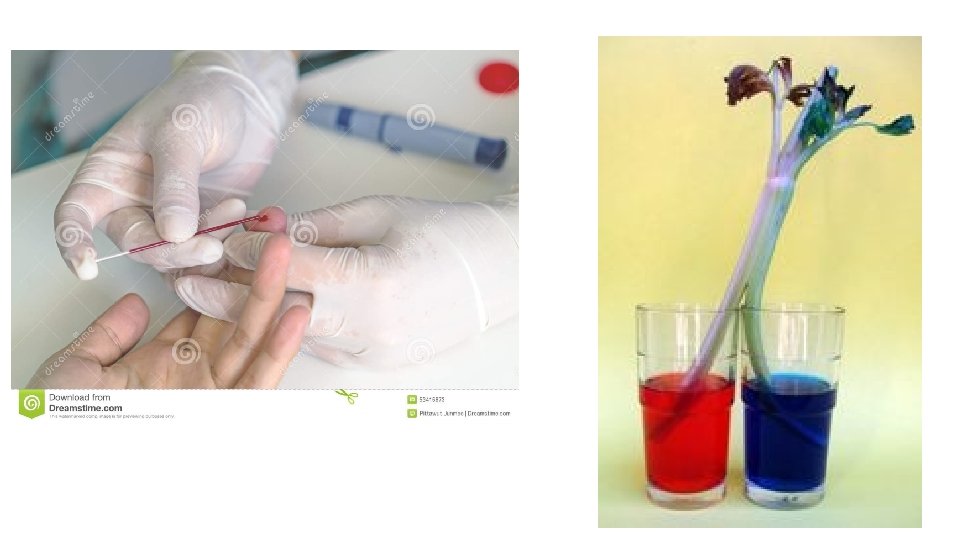
Cohesion and adhesion can work together……
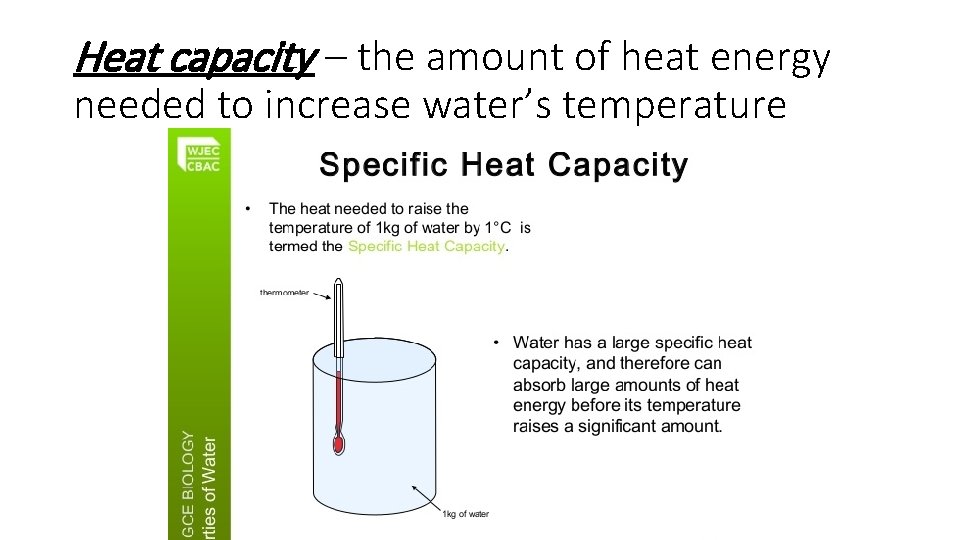
Heat capacity – the amount of heat energy needed to increase water’s temperature
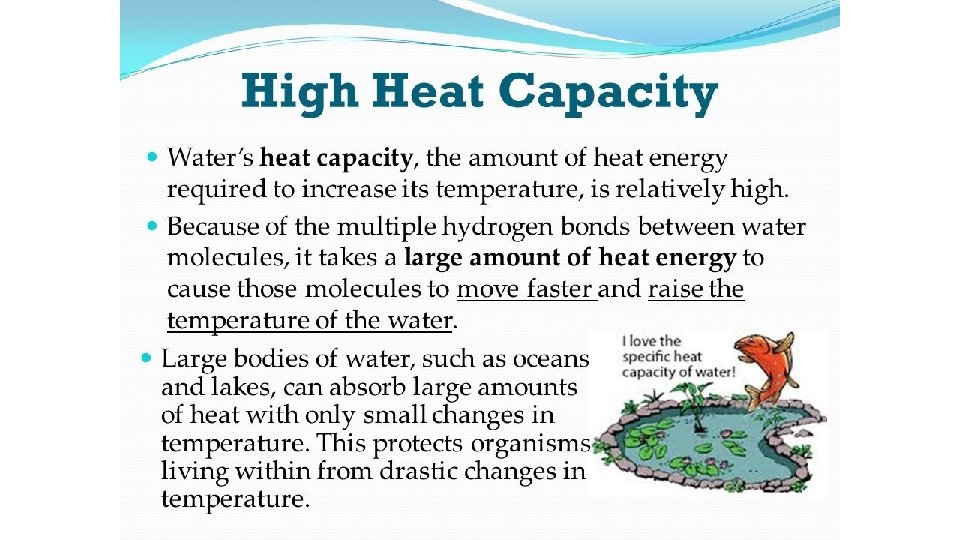
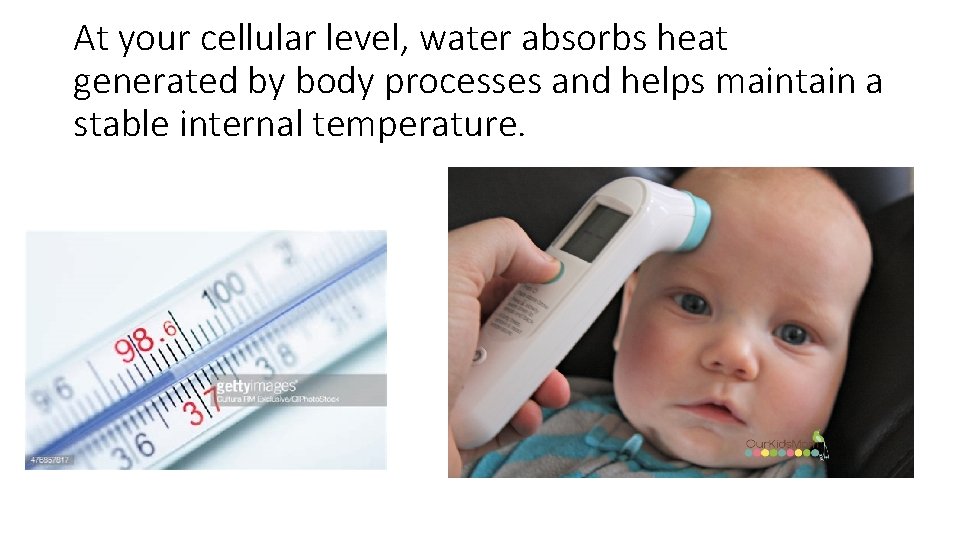
At your cellular level, water absorbs heat generated by body processes and helps maintain a stable internal temperature.
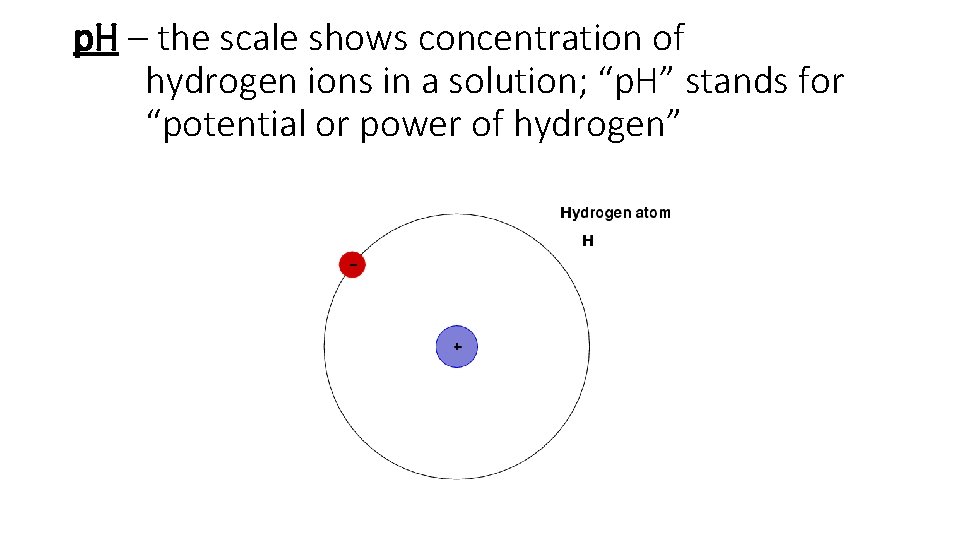
p. H – the scale shows concentration of hydrogen ions in a solution; “p. H” stands for “potential or power of hydrogen”
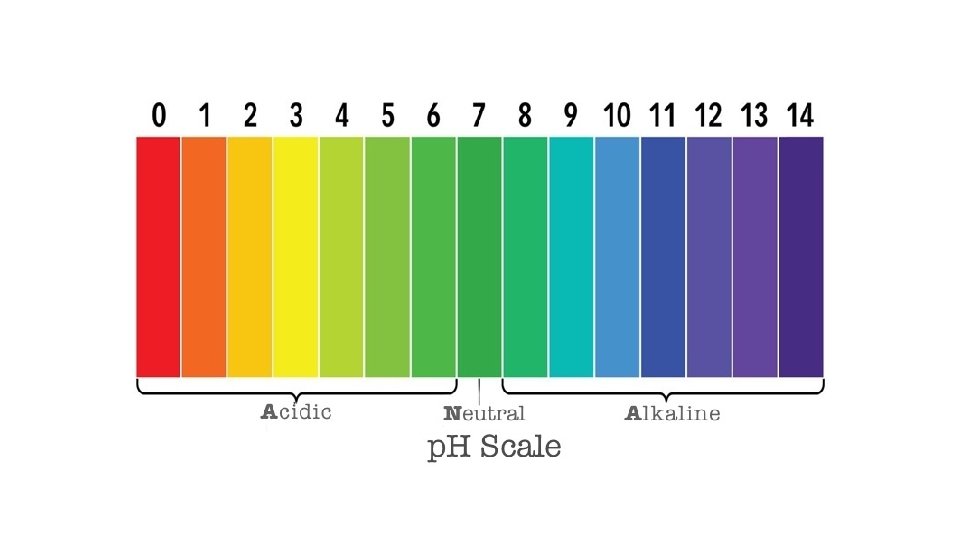
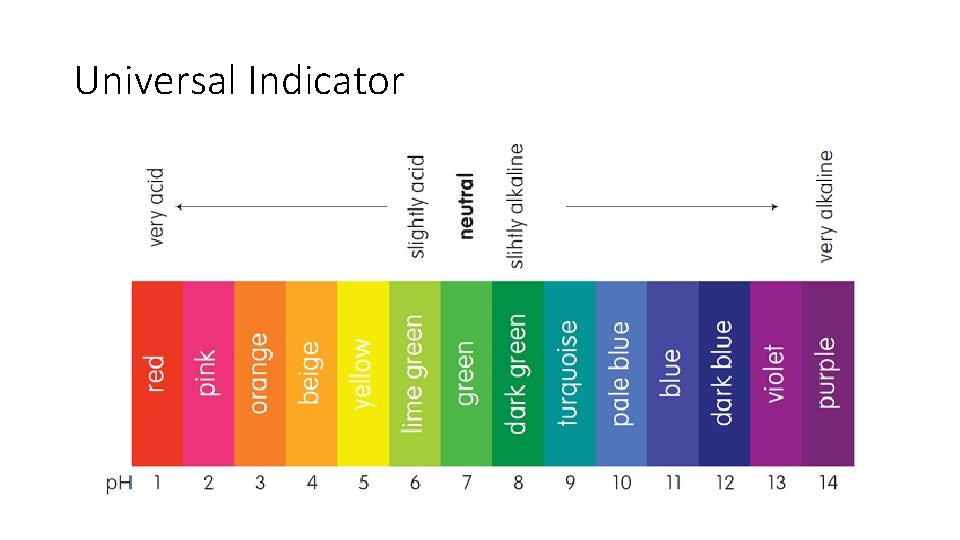
Universal Indicator
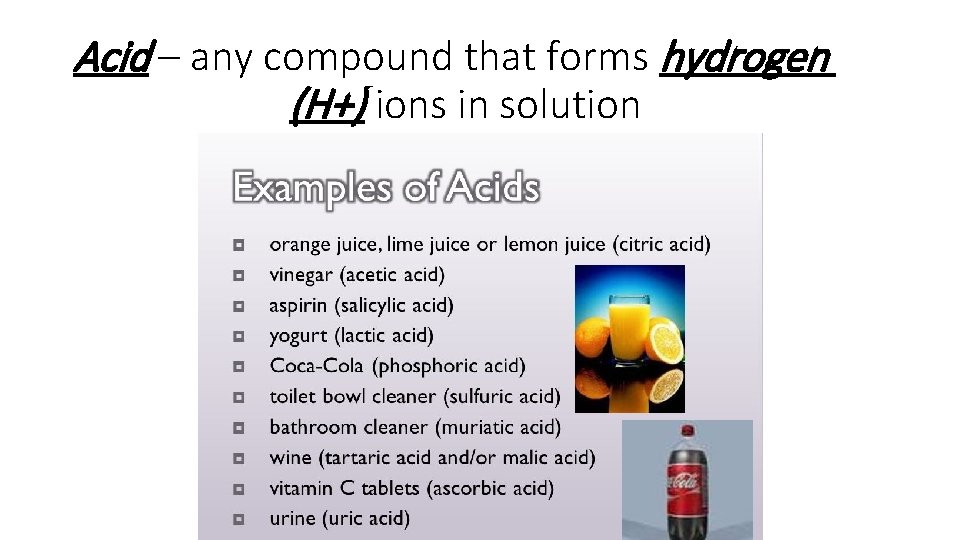
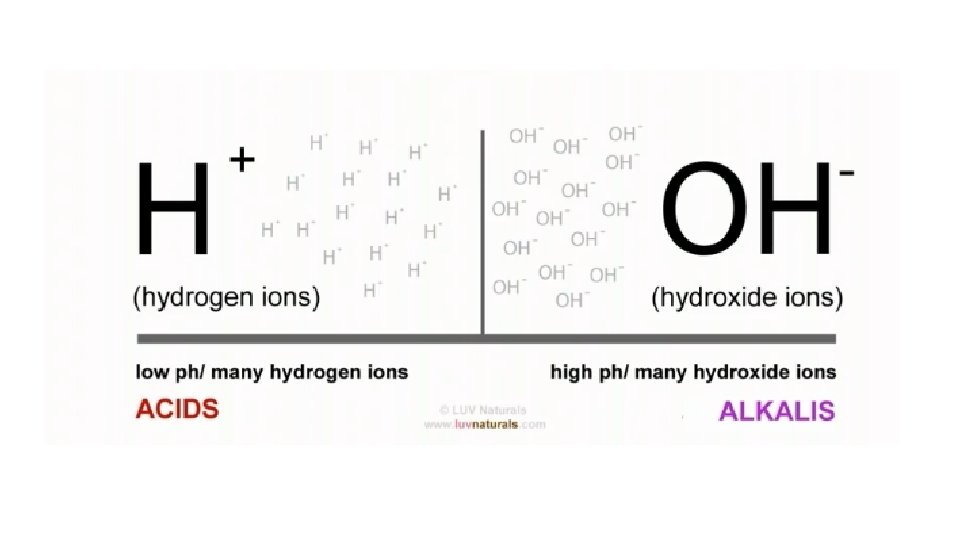
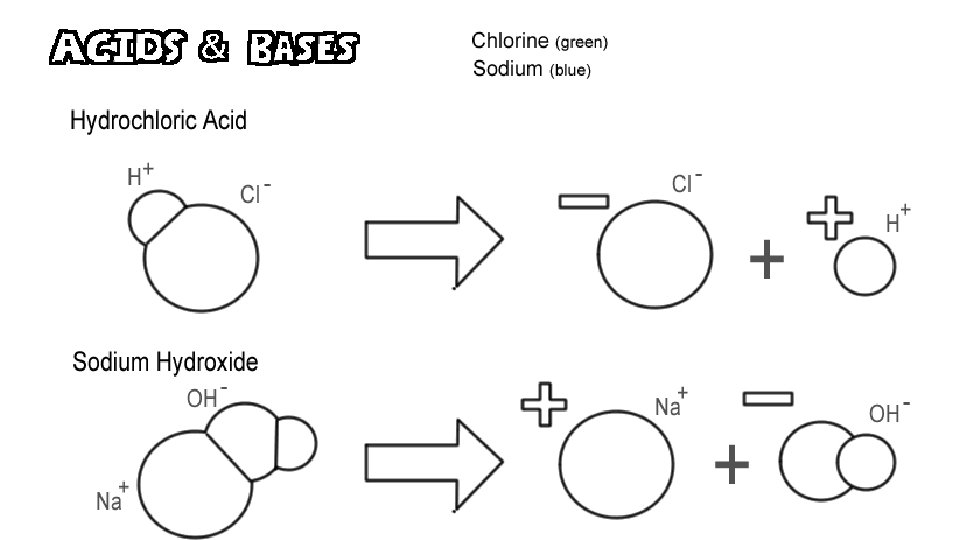
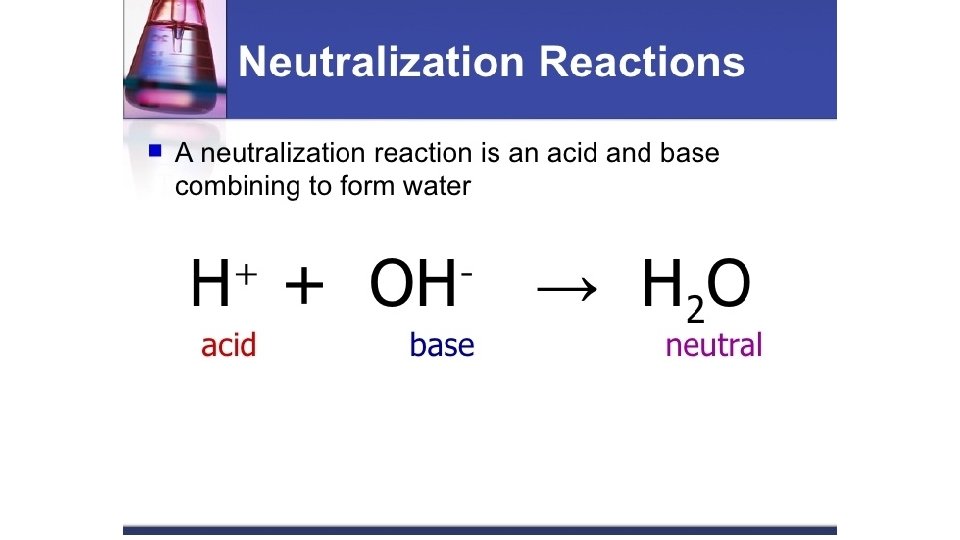
Acid – any compound that forms hydrogen (H+) ions in solution
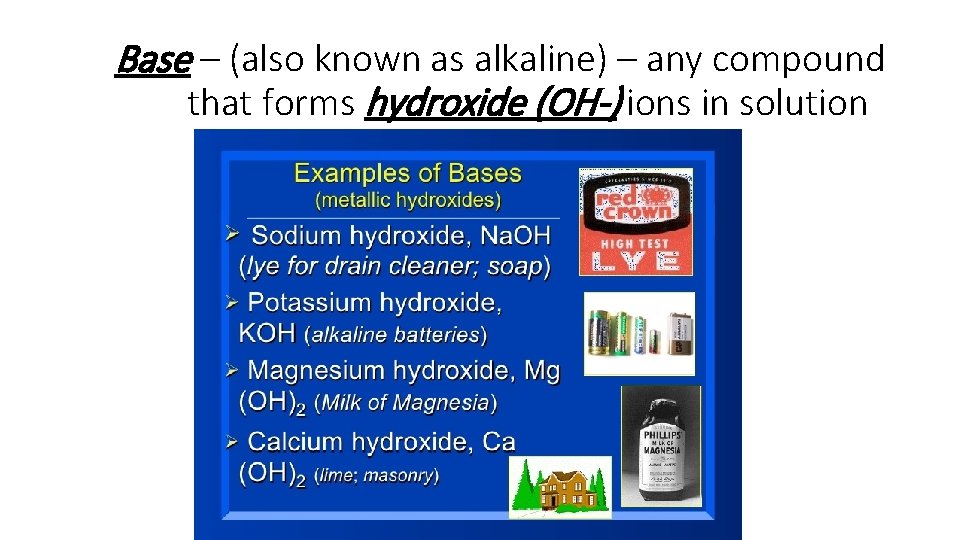
Base – (also known as alkaline) – any compound that forms hydroxide (OH-) ions in solution
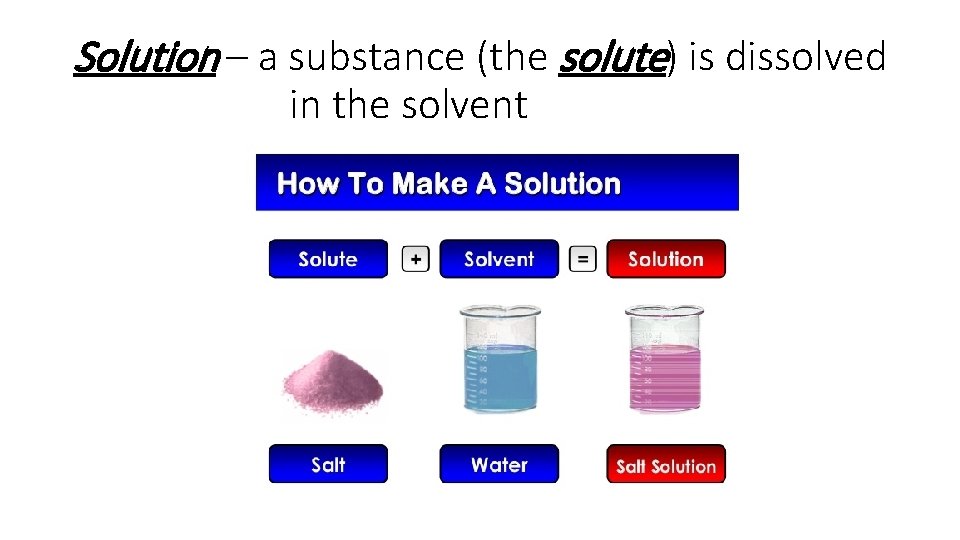
Solution – a substance (the solute) is dissolved in the solvent
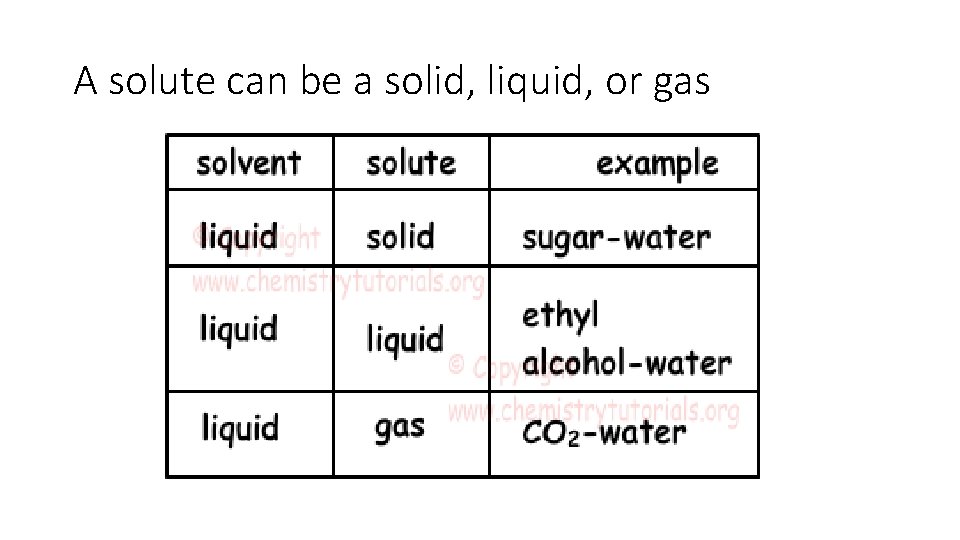
A solute can be a solid, liquid, or gas
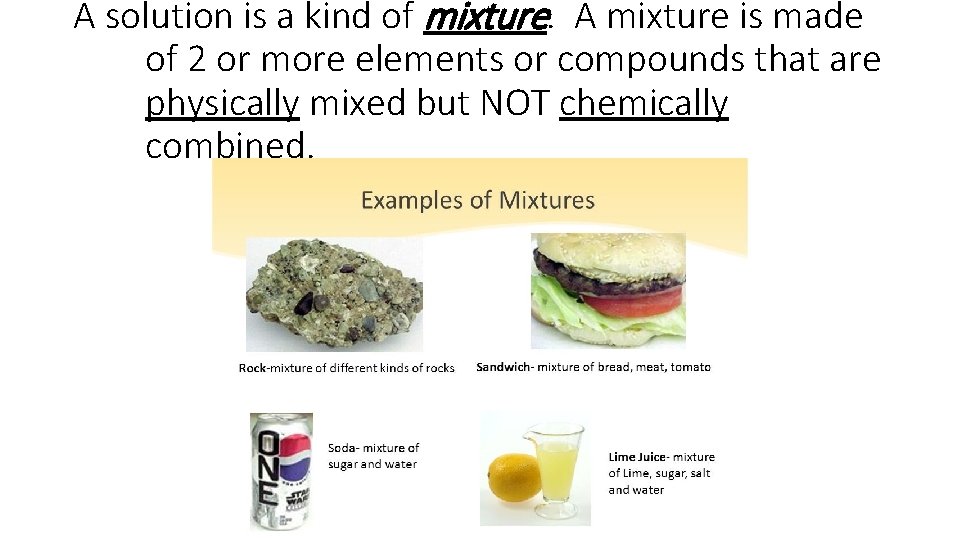
A solution is a kind of mixture. A mixture is made of 2 or more elements or compounds that are physically mixed but NOT chemically combined.
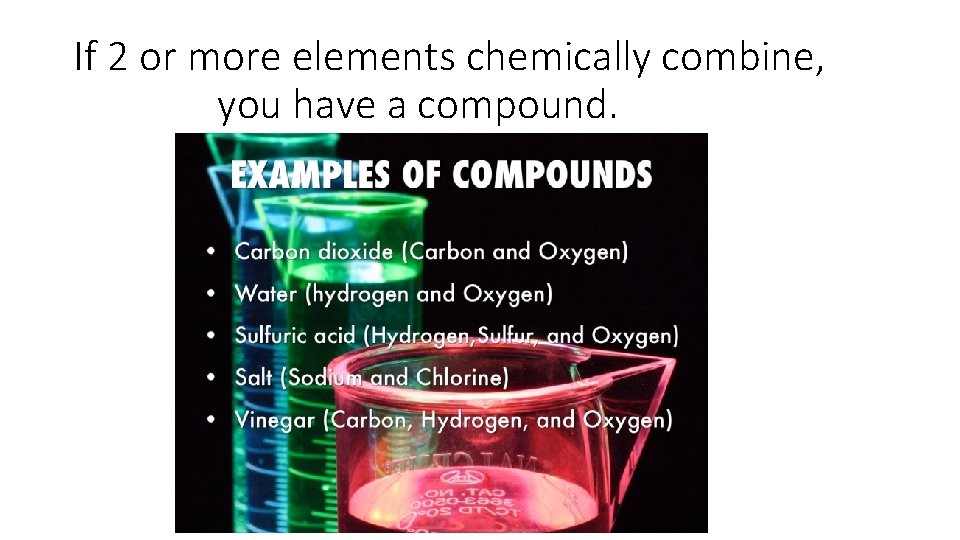
If 2 or more elements chemically combine, you have a compound.
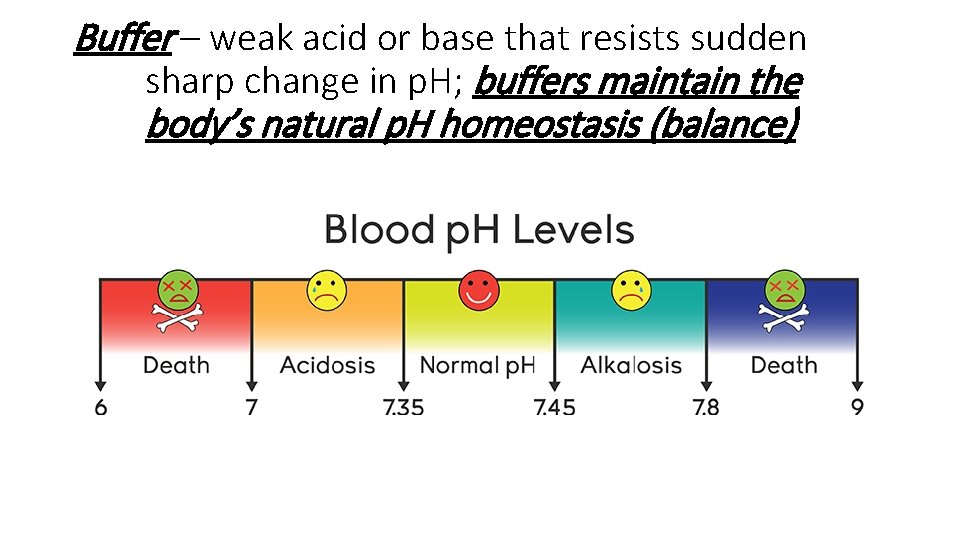
Buffer – weak acid or base that resists sudden sharp change in p. H; buffers maintain the body’s natural p. H homeostasis (balance)
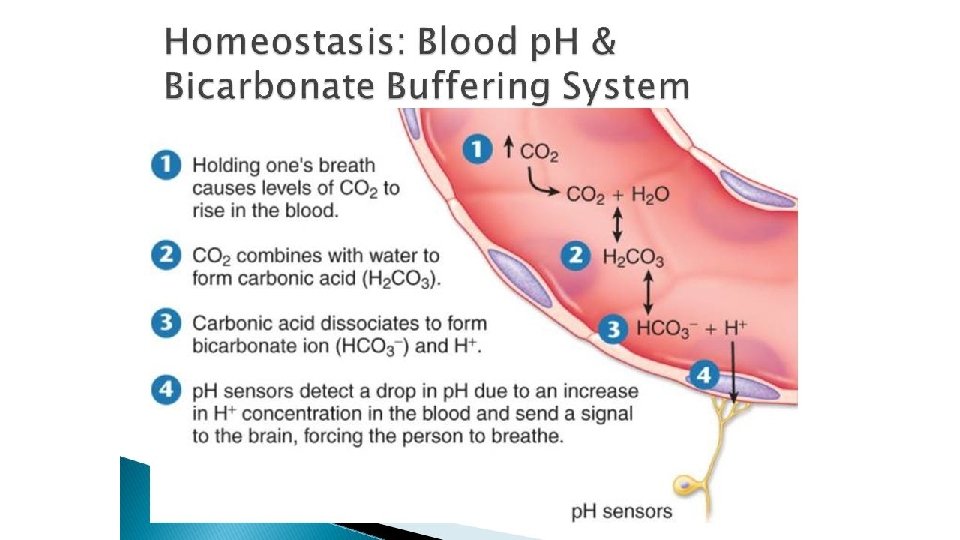
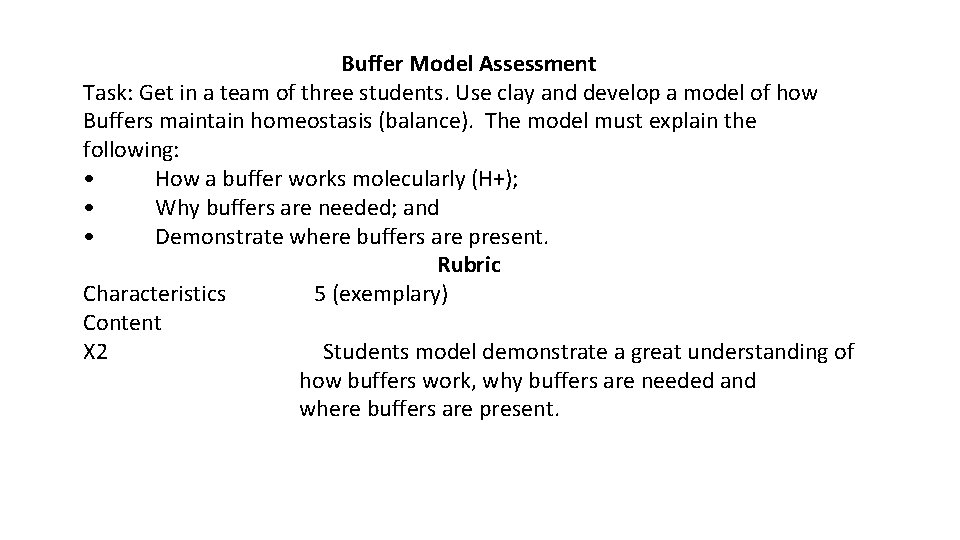
Buffer Model Assessment Task: Get in a team of three students. Use clay and develop a model of how Buffers maintain homeostasis (balance). The model must explain the following: • How a buffer works molecularly (H+); • Why buffers are needed; and • Demonstrate where buffers are present. Rubric Characteristics 5 (exemplary) Content X 2 Students model demonstrate a great understanding of how buffers work, why buffers are needed and where buffers are present.
- Slides: 61