
Lesson Objective You will be able to identify
Lesson Objective: You will be able to identify biotic and abiotic factors in various ecosystems.
Kingdoms Quiz Review https: //www. youtube. com/watch? v=Xu. Kj. BIB BAL 8
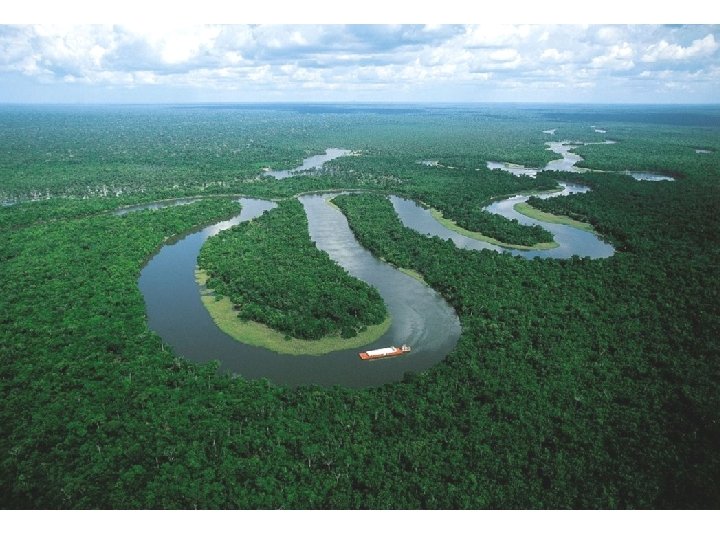
What is an “ecosystem”?
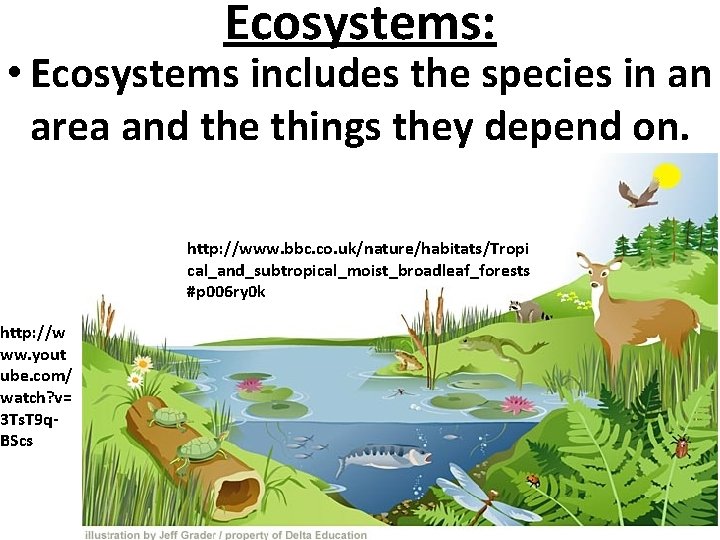
Ecosystems: • Ecosystems includes the species in an area and the things they depend on. http: //www. bbc. co. uk/nature/habitats/Tropi cal_and_subtropical_moist_broadleaf_forests #p 006 ry 0 k http: //w ww. yout ube. com/ watch? v= 3 Ts. T 9 q. BScs
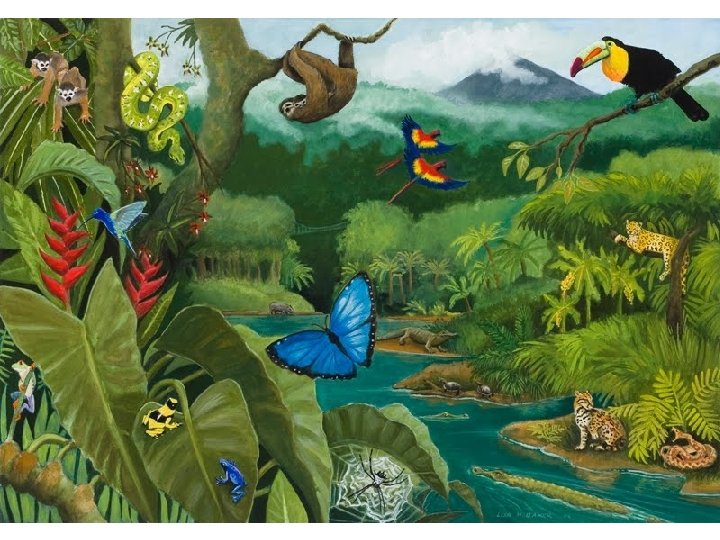
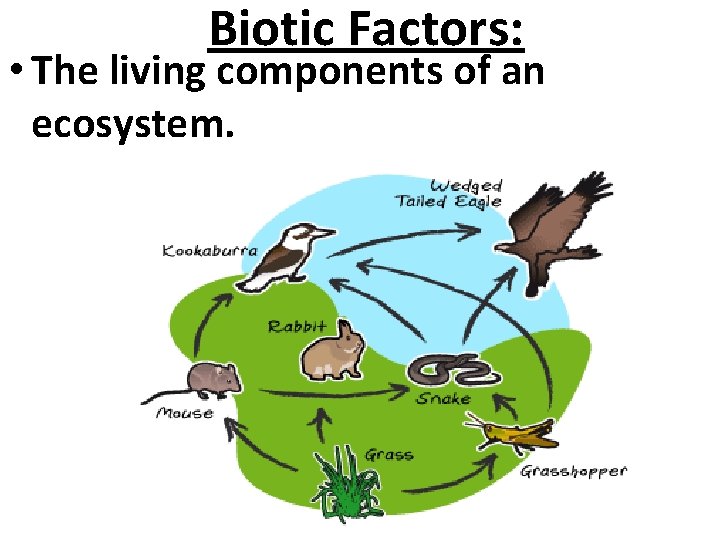
Biotic Factors: • The living components of an ecosystem.
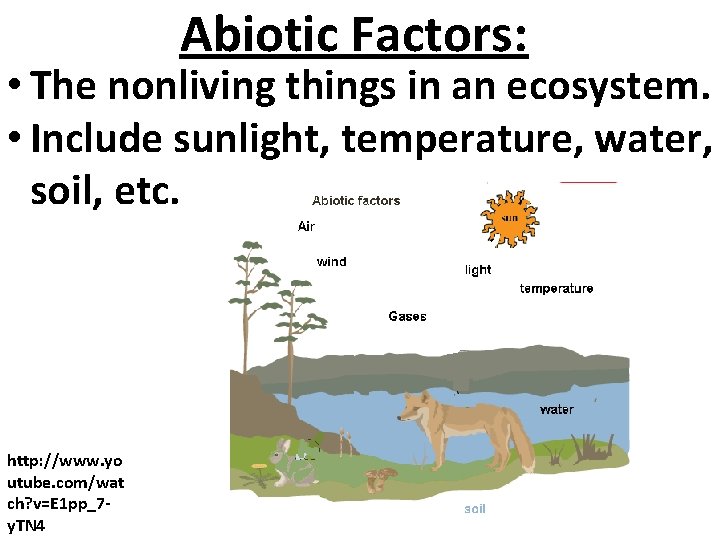
Abiotic Factors: • The nonliving things in an ecosystem. • Include sunlight, temperature, water, soil, etc. http: //www. yo utube. com/wat ch? v=E 1 pp_7 y. TN 4
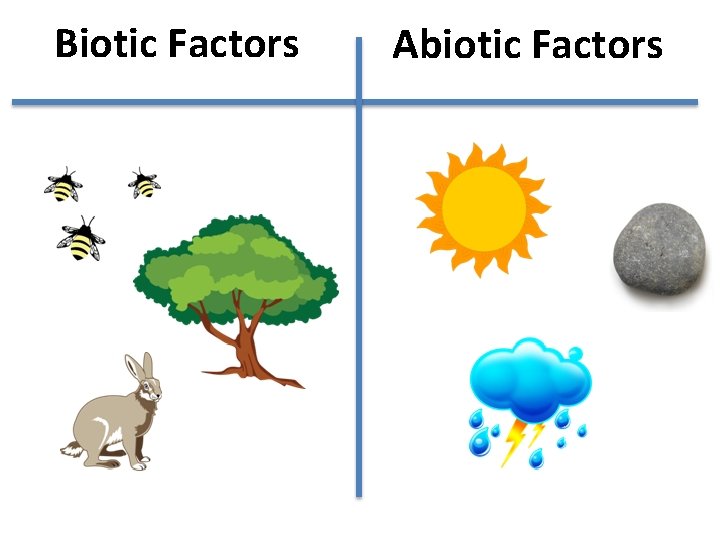
Biotic Factors Abiotic Factors
Living and Non-living things interact in ecosystems.
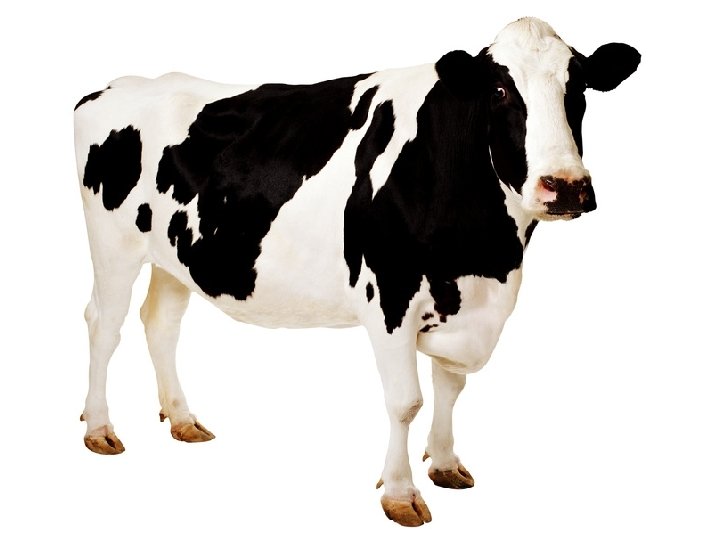
Biotic or Abiotic?
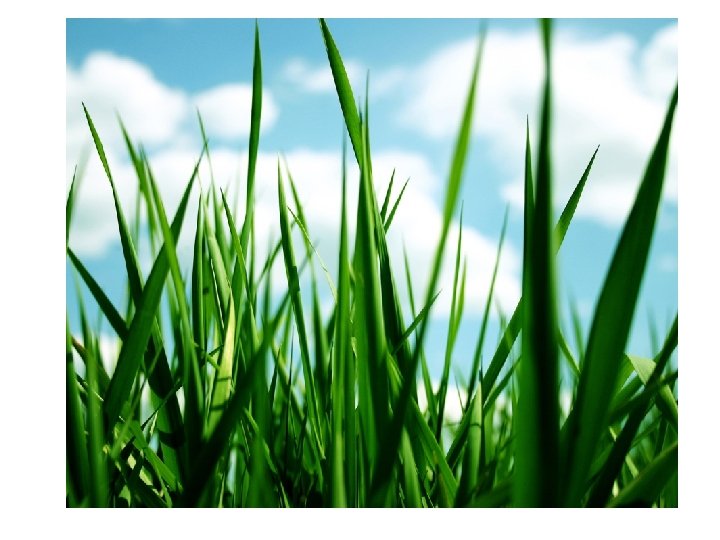
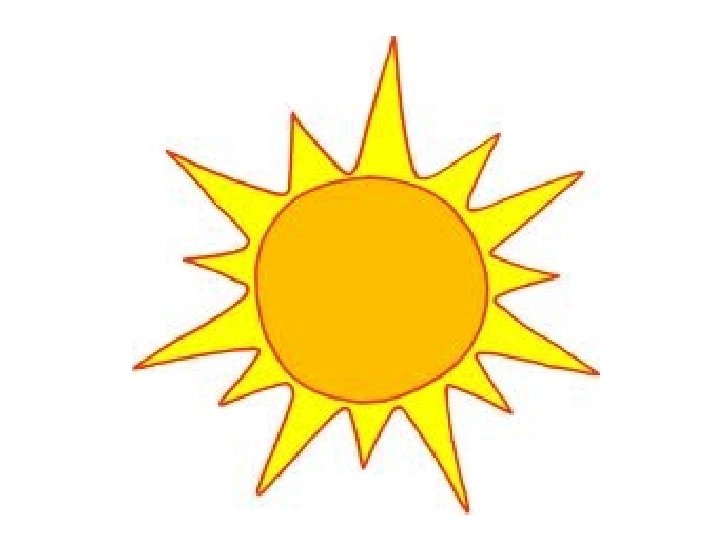
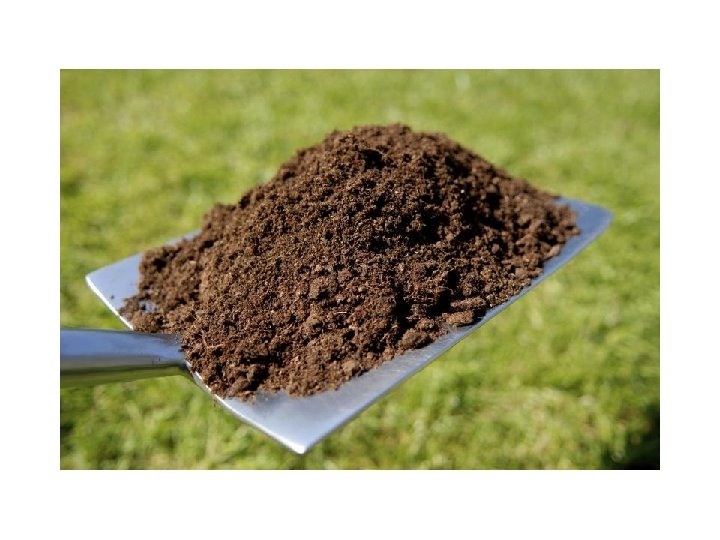
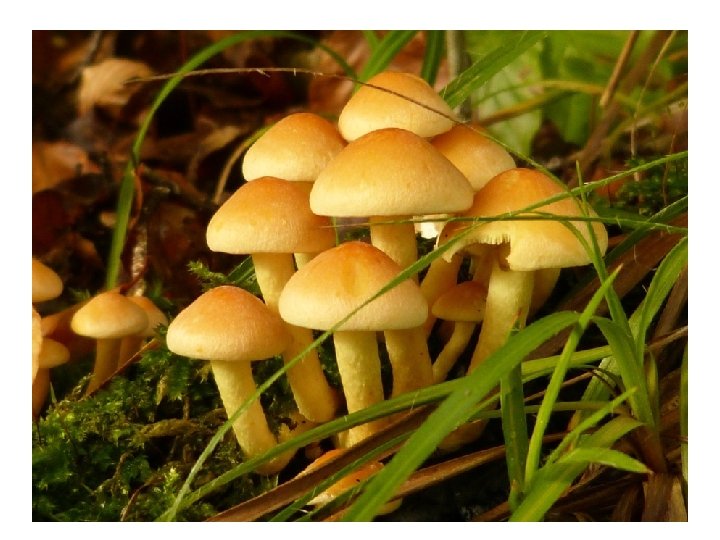
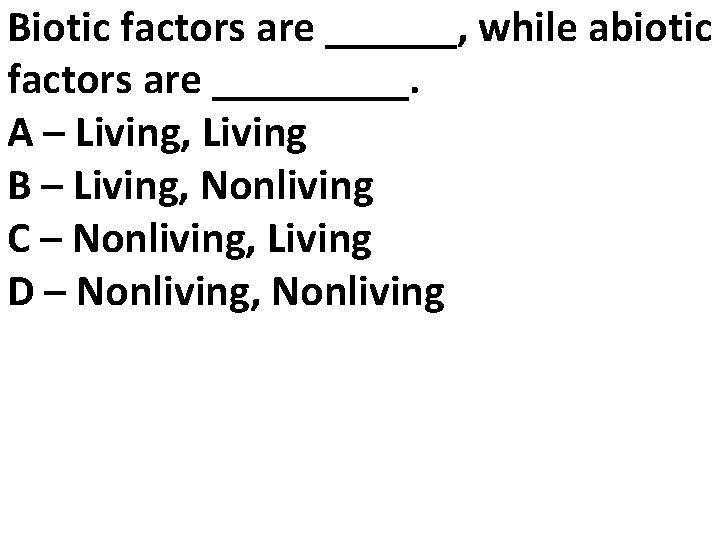
Biotic factors are ______, while abiotic factors are _____. A – Living, Living B – Living, Nonliving C – Nonliving, Living D – Nonliving, Nonliving
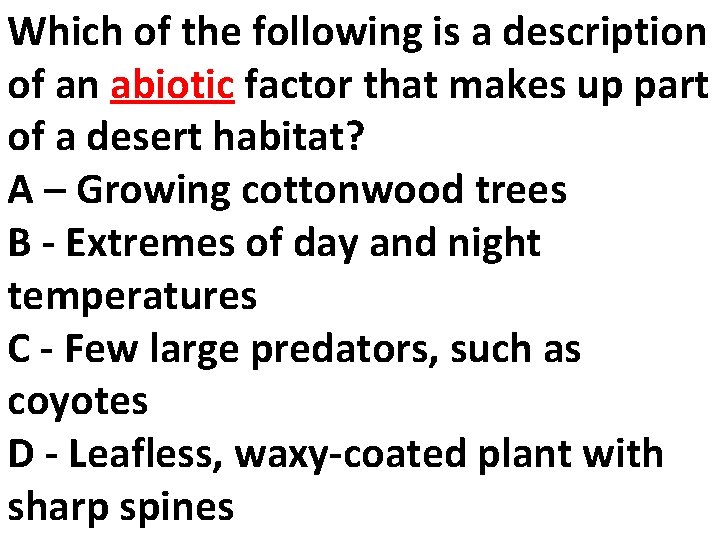
Which of the following is a description of an abiotic factor that makes up part of a desert habitat? A – Growing cottonwood trees B - Extremes of day and night temperatures C - Few large predators, such as coyotes D - Leafless, waxy-coated plant with sharp spines
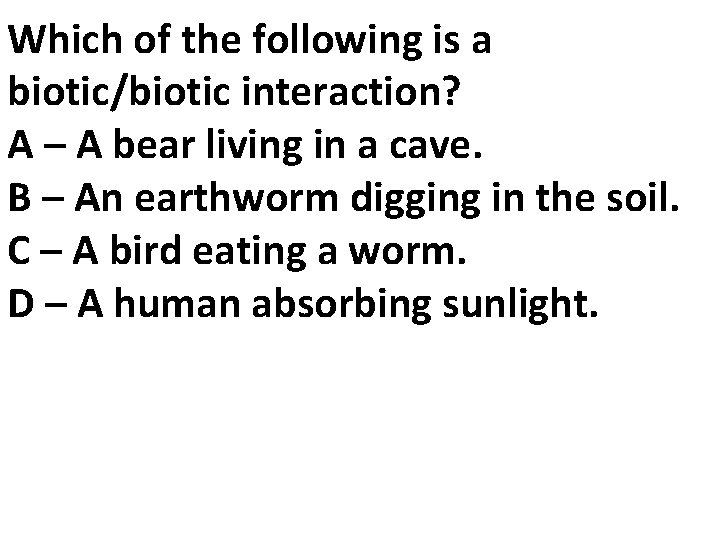
Which of the following is a biotic/biotic interaction? A – A bear living in a cave. B – An earthworm digging in the soil. C – A bird eating a worm. D – A human absorbing sunlight.
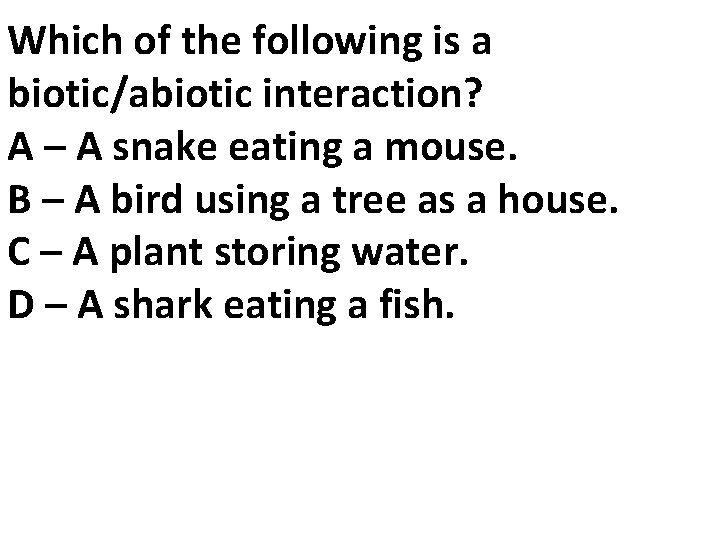
Which of the following is a biotic/abiotic interaction? A – A snake eating a mouse. B – A bird using a tree as a house. C – A plant storing water. D – A shark eating a fish.
Which of the following describes an interaction between a biotic factor and an abiotic factor? A - A pair of birds build a nest in a tree. B – A fish eats plants in a lake. C – A squirrel sleeps under the ground during the winter. D - A vulture eats the remains of a wild pig.

Partner Work
- Slides: 22