
Lesson 6 Direct Current Circuits Electro Motive Force
- Slides: 22
Lesson 6 Direct Current Circuits ¨Electro Motive Force ¨Internal Resistance Lesson 6 ¨Resistors in Series and Parallel ¨Kirchoffs Rules
Topics ·RC Circuits ·Charging ·Discharging Capacitors ·Electrical Instruments ·Galvanometer ·Ammeter ·Voltmeter ·Wheatstone Bridge ·Potentiometer
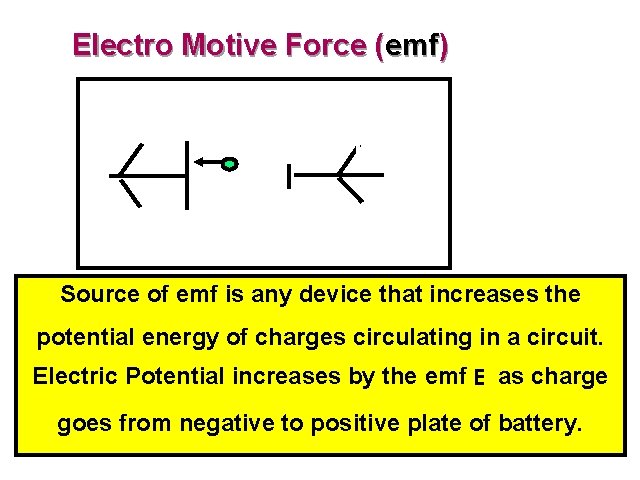
Electro Motive Force (emf) EMF I Source of emf is any device that increases the potential energy of charges circulating in a circuit. Electric Potential increases by the emf E as charge goes from negative to positive plate of battery.
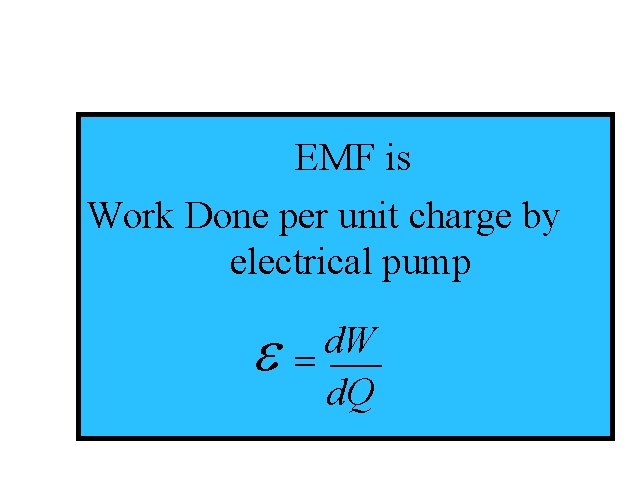
EMF II EMF is Work Done per unit charge by electrical pump e d. W = d. Q
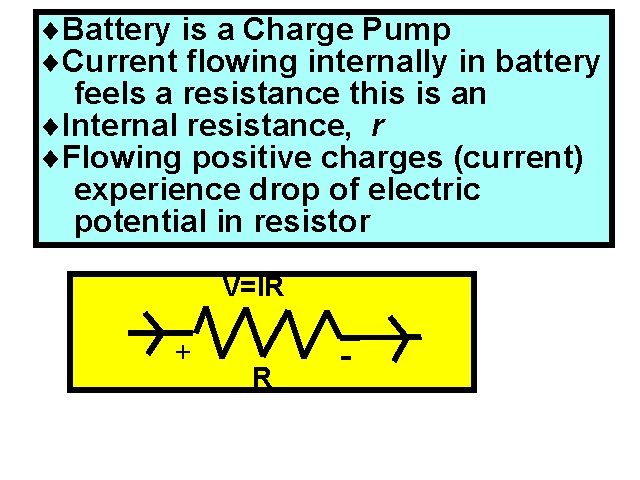
¨Battery is a Charge Pump ¨Current flowing internally in battery feels a resistance this is an ¨Internal resistance, r ¨Flowing positive charges (current) experience drop of electric potential in resistor V=IR + R - Charge Pump
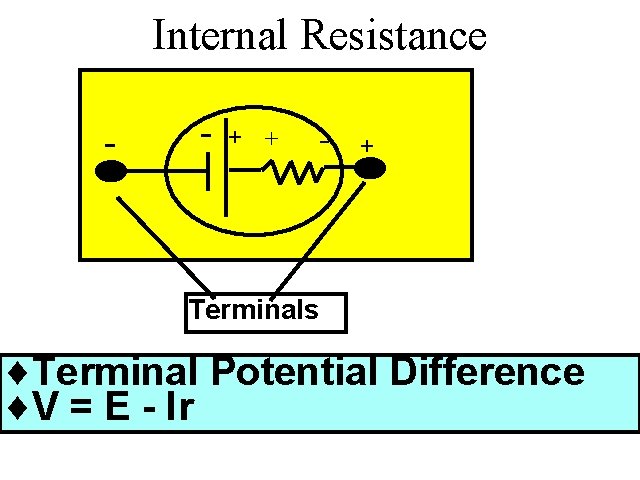
Internal Resistance - - + + - + Terminals ¨Terminal Potential Difference ¨V = E - Ir
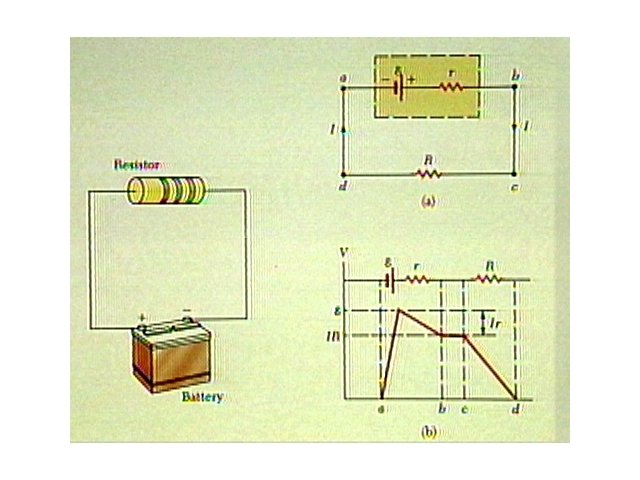
Picture
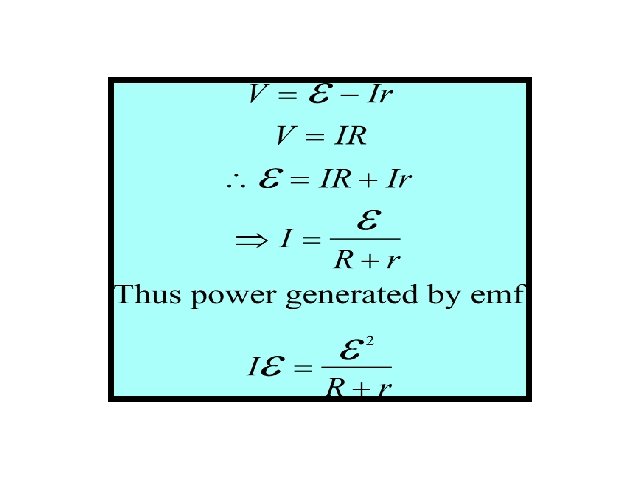
Power and Internal Resistance
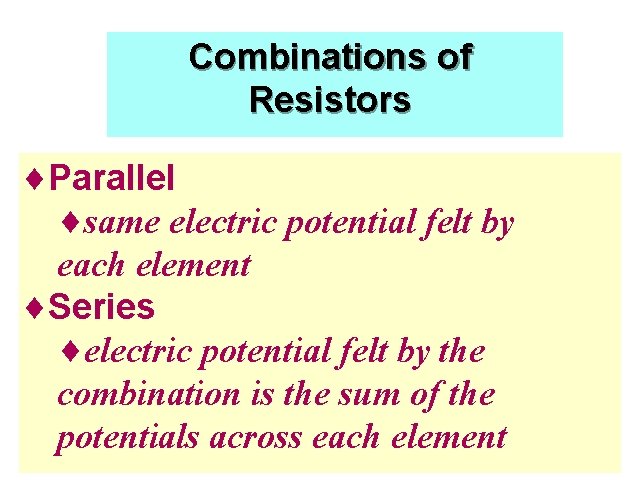
Combinations of Combination of Resistors ¨Parallel ¨same electric potential felt by each element ¨Series ¨electric potential felt by the combination is the sum of the potentials across each element
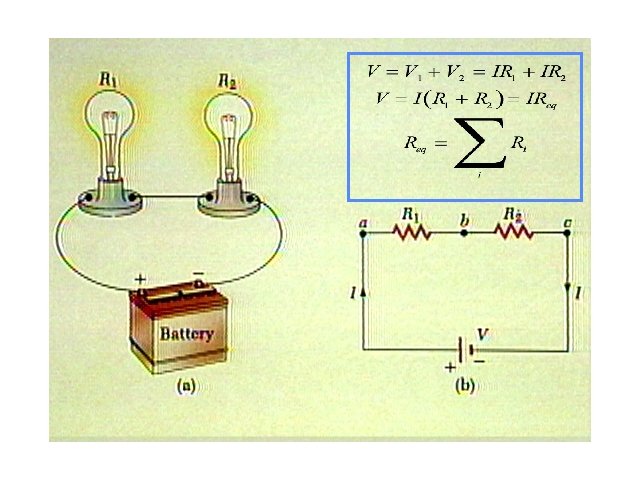
Series
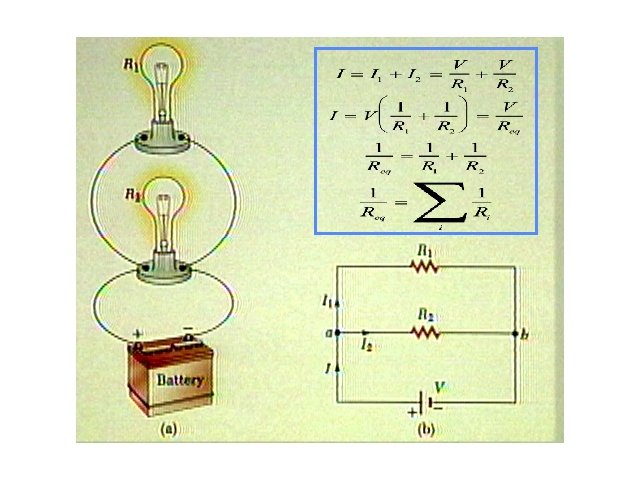
Parallel
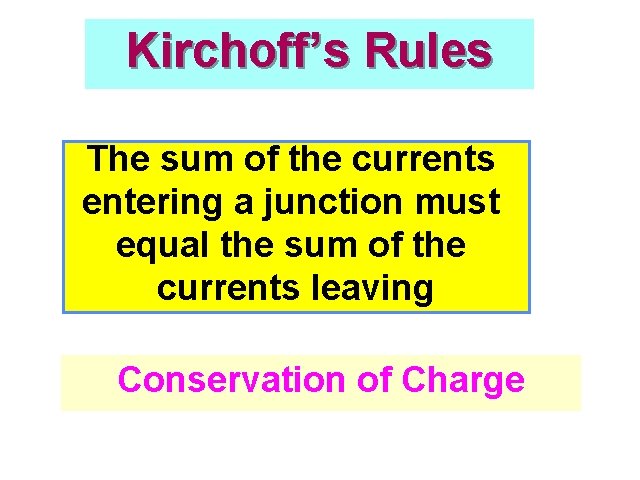
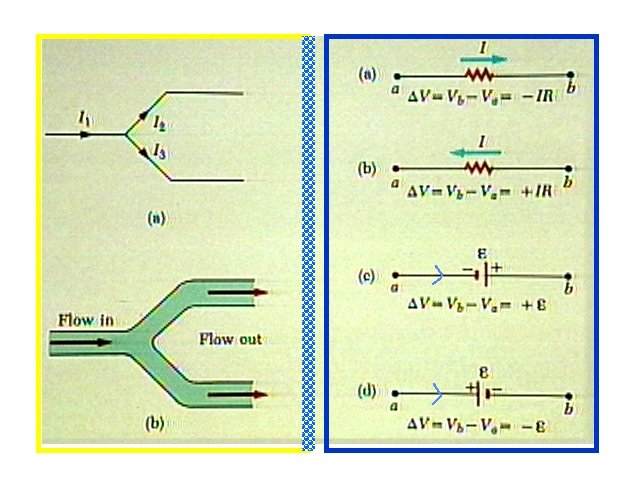
Kirchoff’s Rules The sum of the currents entering a junction must equal the sum of the currents leaving Conservation of Charge Kirchoffs Rules I
Kirchoffs Rules II The Sum of the Potential Differences around a closed circuit loop must be zero Conservation of Energy
Picture
RC Circuits ¨Non Steady State ¨Non Equilibrium ¨Current varies with time RC circuits
Picture
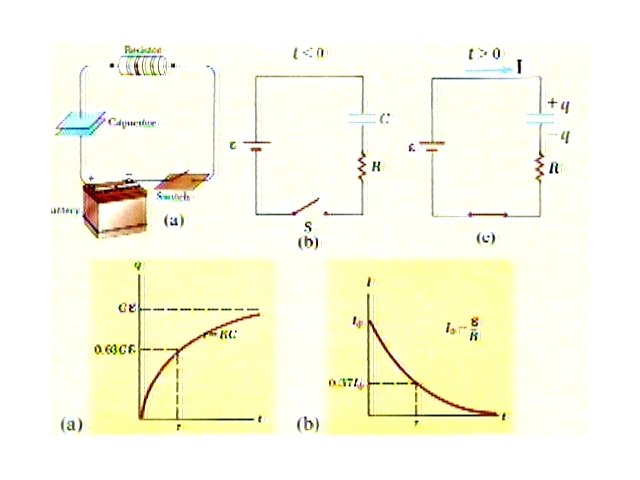
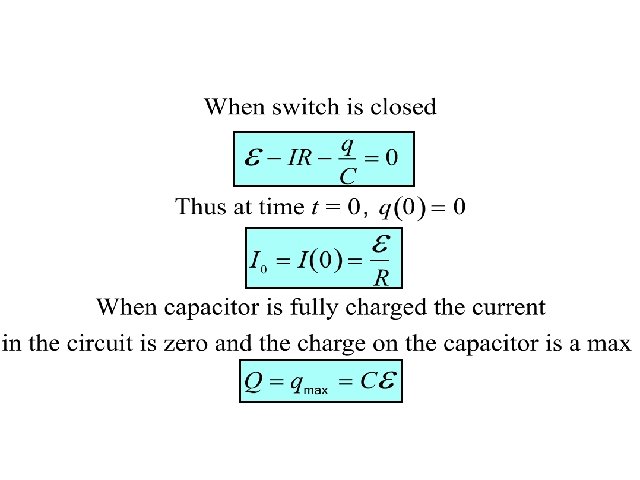
Charging I
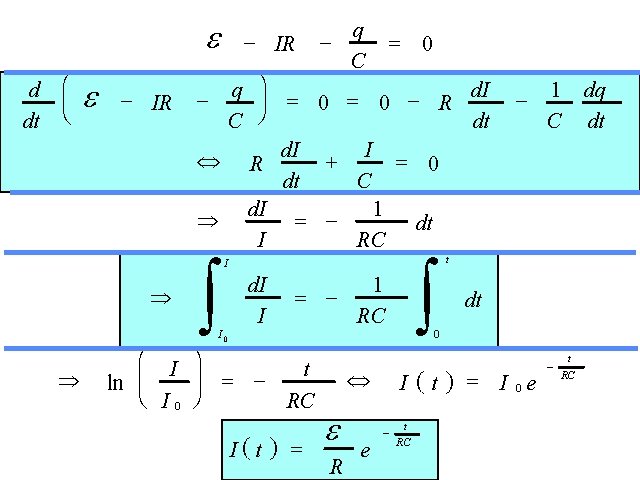
e d dt æ ç è e - IR Þ - IR - q C = 0 ö q d. I ÷ = 0 - R C ø dt d. I I Û R + = 0 dt C d. I 1 Þ = dt I RC Charging II ò ò I d. I I = - 1 RC I 0 Þ - 1 C dq dt t dt 0 æ I ö t ÷ = ln ç è I 0 ø RC I(t ) = I (t) = I 0 e Û e R e - t RC
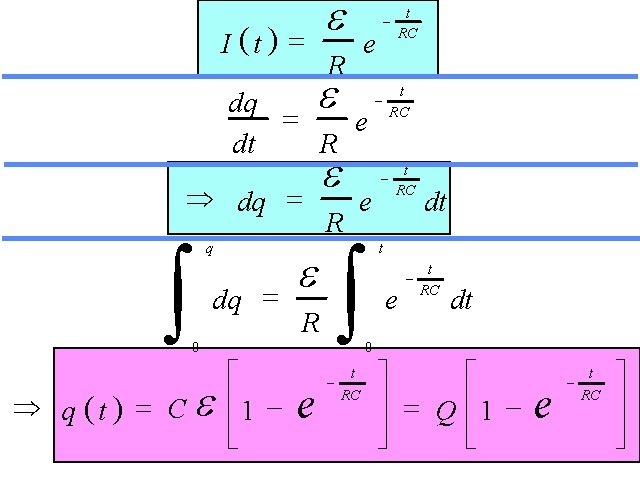
e I (t ) = e R Charging III e dq - dt = R e Þ dq = ò q dq = R Þ q (t ) = C e R e e ò e 0 é ê 1 êë e - t RC - t RC dt t e - t RC dt 0 ù é ú = Q ê 1 úû êë e - t RC ù ú úû
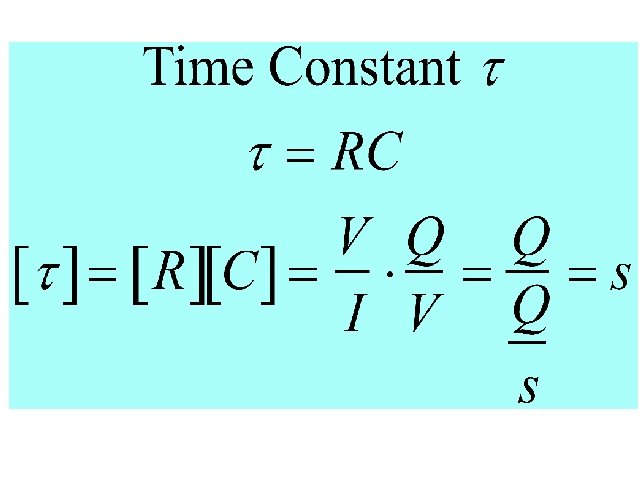
Time Constant
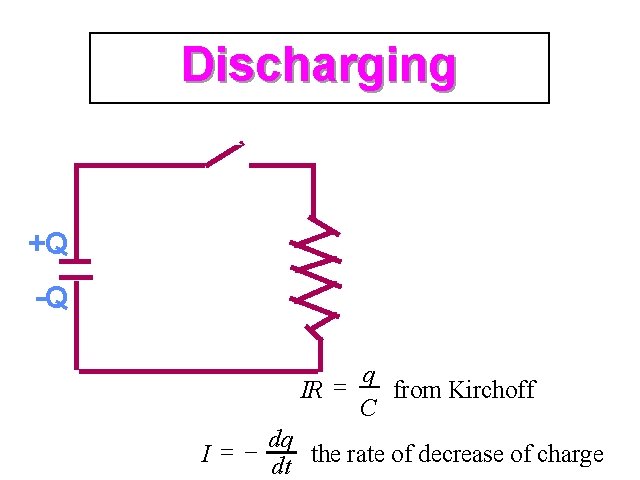
Discharging I +Q -Q IR = q from Kirchoff C dq = I dt the rate of decrease of charge
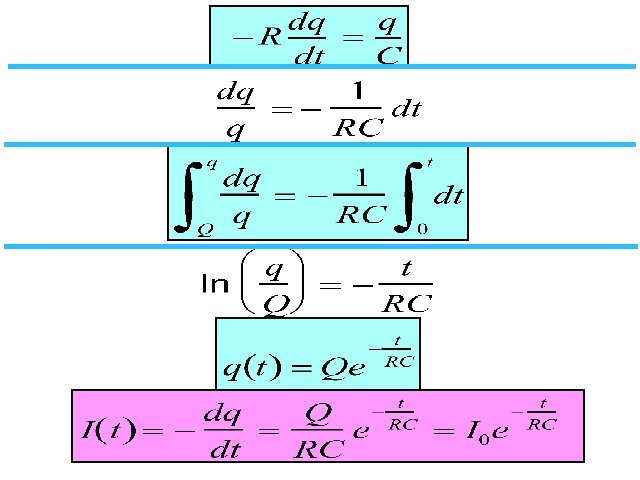
Discharging II