
Lesson 5 Buying behavior of consumers and organizations
Lesson 5 Buying behavior of consumers and organizations – Analyzing consumer and business markets n n Consumers´ decision process and buying behavior Types of consumers´purchasing decisions Nature of organizational markets (b 2 b markets) and goods and services purchased Organizational buying behavior
Consumer behaviour n n study of how people buy, what they buy, when they buy and why they buy it blends elements from psychology, sociopsychology, anthropology and economics it attempts to understand the buyer decision processes/buyer decision making process it studies characteristics of consumers such as demographics, psychology, . . .
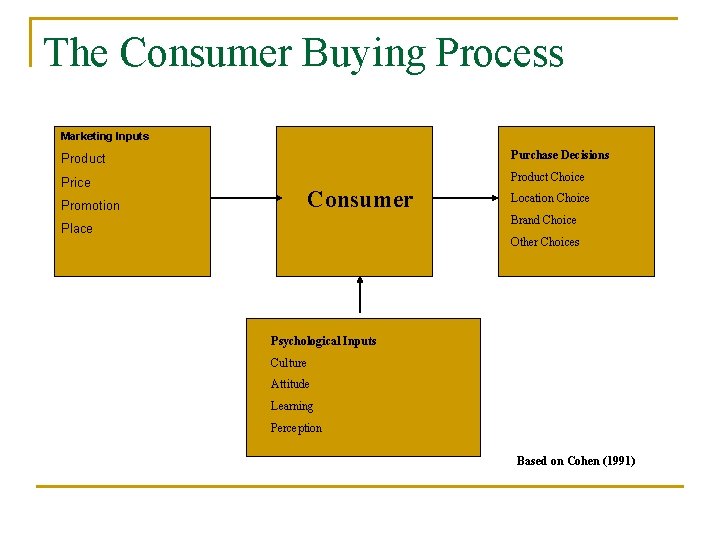
The Consumer Buying Process Marketing Inputs Product Purchase Decisions Price Product Choice Consumer Promotion Location Choice Brand Choice Place Other Choices Psychological Inputs Culture Attitude Learning Perception Based on Cohen (1991)
Demographic Factors n n n Age Stage in family life cycle (single, married with children, „empty nest“, retired Occupation Economic circumstances Lifestyle social influence variables n n n family background reference groups roles and status
Reference groups/opinion leader n n n reference group – people to whom an individual looks when forming attitudes about a particular topic opinion leader – a person who influences others (each social class and age group tends to have its own opinion leader) culture – beliefs , attitudes and ways of doing things
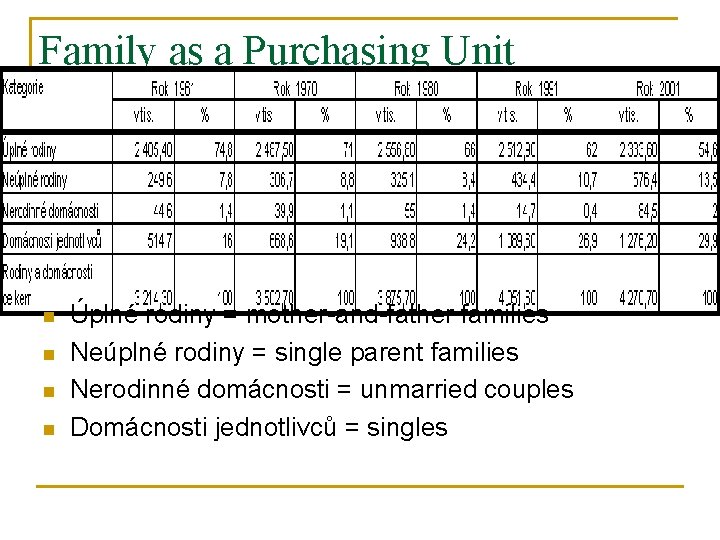
Family as a Purchasing Unit n n Úplné rodiny = mother-and-father families Neúplné rodiny = single parent families Nerodinné domácnosti = unmarried couples Domácnosti jednotlivců = singles
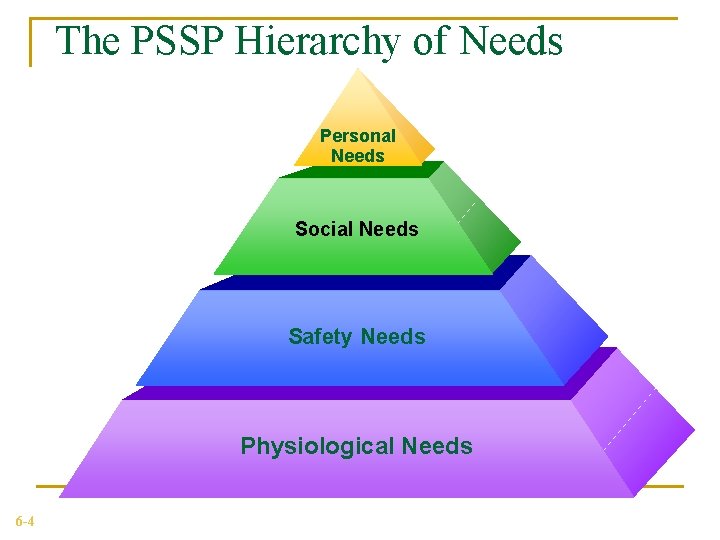
The PSSP Hierarchy of Needs Personal Needs Social Needs Safety Needs Physiological Needs 6 -4
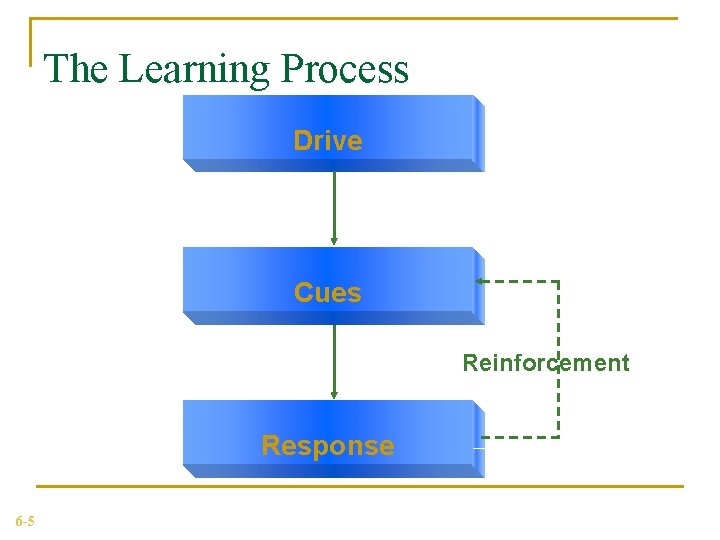
The Learning Process Drive Cues Reinforcement Response 6 -5
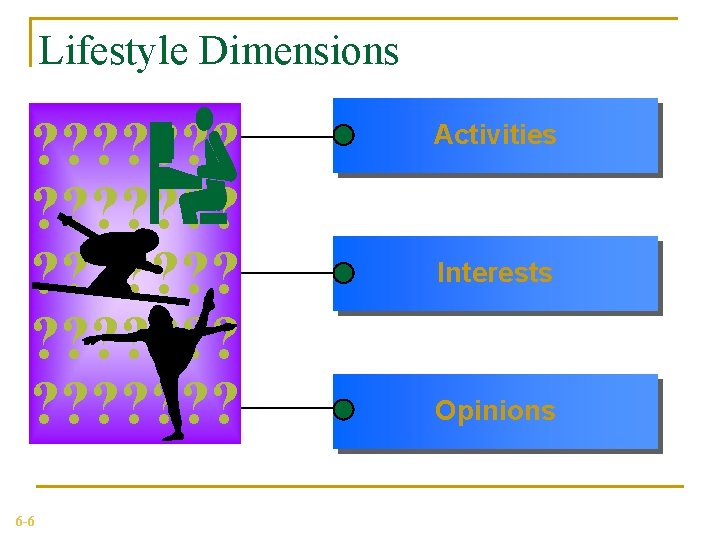
Lifestyle Dimensions ? ? ? ? ? ? ? ? ? 6 -6 Activities Interests Opinions
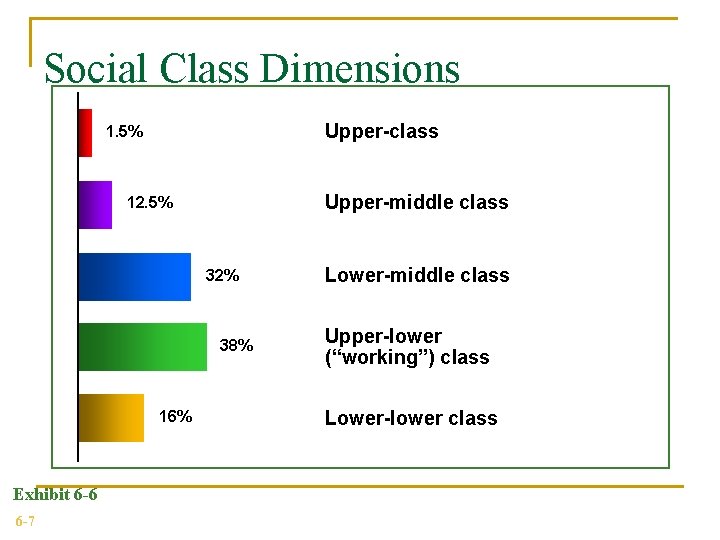
Social Class Dimensions Upper-class 1. 5% Upper-middle class 12. 5% 32% 38% 16% Exhibit 6 -6 6 -7 Lower-middle class Upper-lower (“working”) class Lower-lower class
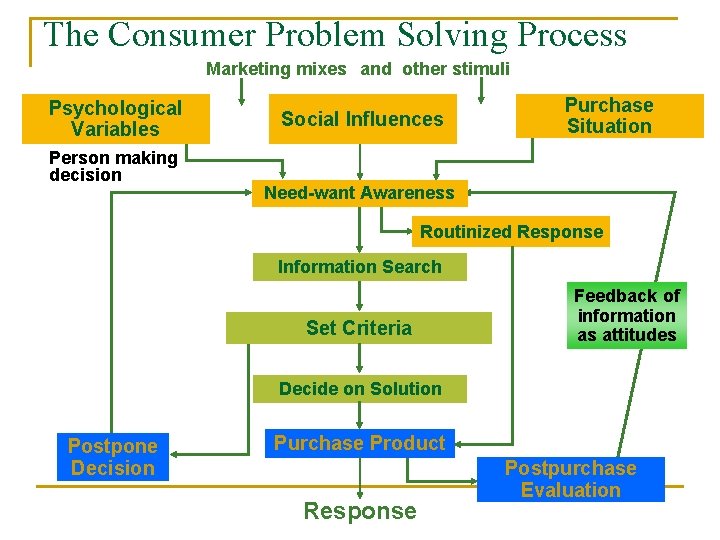
The Consumer Problem Solving Process Marketing mixes and other stimuli Psychological Variables Person making decision Social Influences Purchase Situation Need-want Awareness Routinized Response Information Search Set Criteria Feedback of information as attitudes Decide on Solution Postpone Decision Purchase Product Response Postpurchase Evaluation
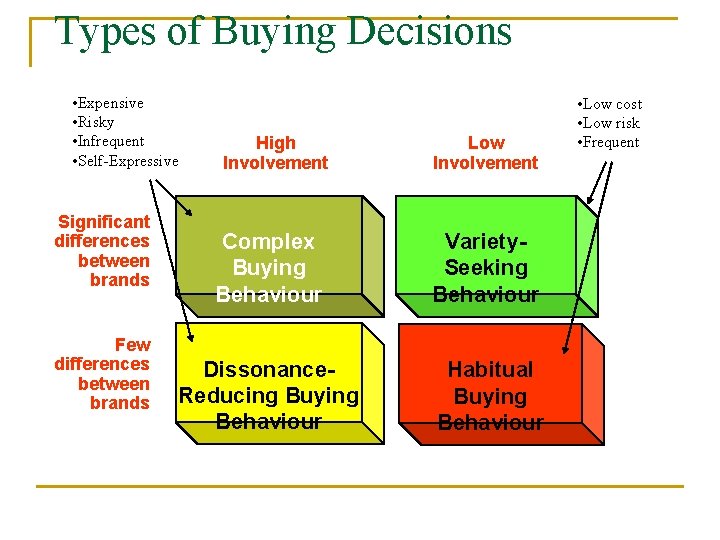
Types of Buying Decisions • Expensive • Risky • Infrequent • Self-Expressive Significant differences between brands Few differences between brands High Involvement Low Involvement Complex Buying Behaviour Variety. Seeking Behaviour Dissonance. Reducing Buying Behaviour Habitual Buying Behaviour • Low cost • Low risk • Frequent
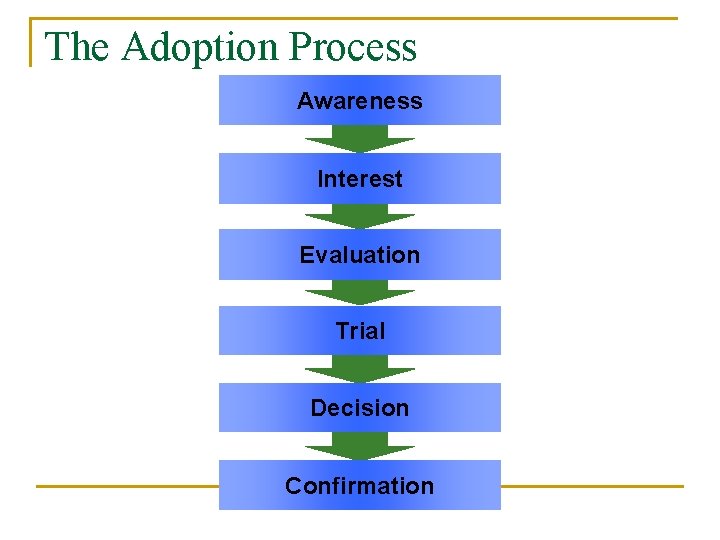
The Adoption Process Awareness Interest Evaluation Trial Decision Confirmation
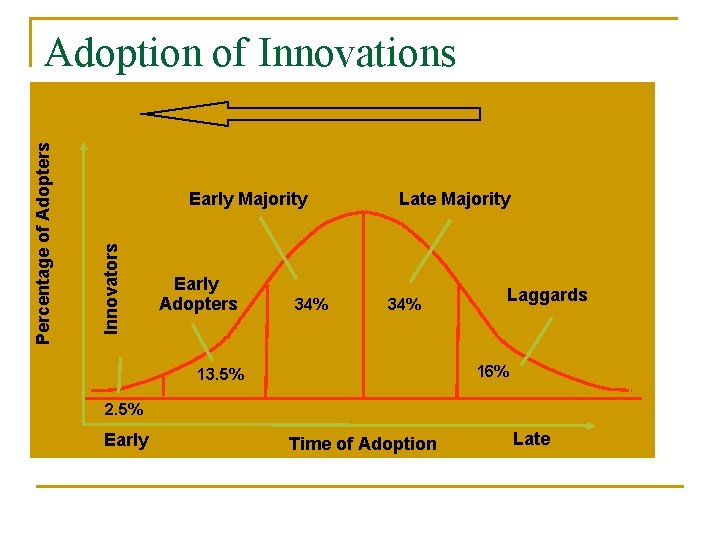
Early Majority Innovators Percentage of Adopters Adoption of Innovations Early Adopters 34% Late Majority 34% Laggards 16% 13. 5% 2. 5% Early Time of Adoption Late
Organisational Buyer Behaviour ‘The decision-making process by which formal organisations establish the need for purchased products and services, and identify, evaluate, and choose among alternative brands and suppliers’ Kotler and Armstrong 1989
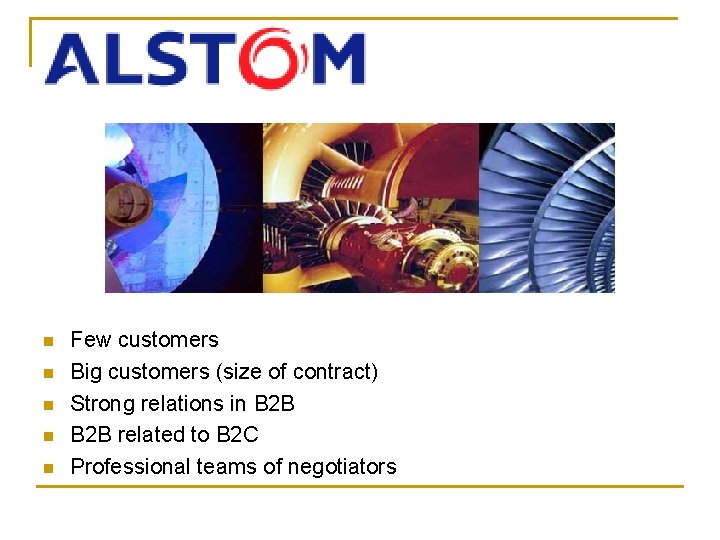
n n n Few customers Big customers (size of contract) Strong relations in B 2 B related to B 2 C Professional teams of negotiators
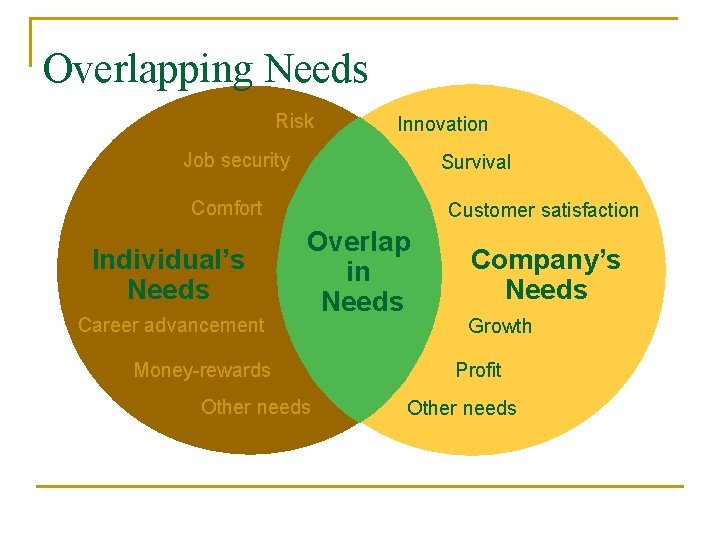
Overlapping Needs Risk Innovation Job security Survival Comfort Individual’s Needs Career advancement Customer satisfaction Overlap in Needs Money-rewards Other needs Company’s Needs Growth Profit Other needs
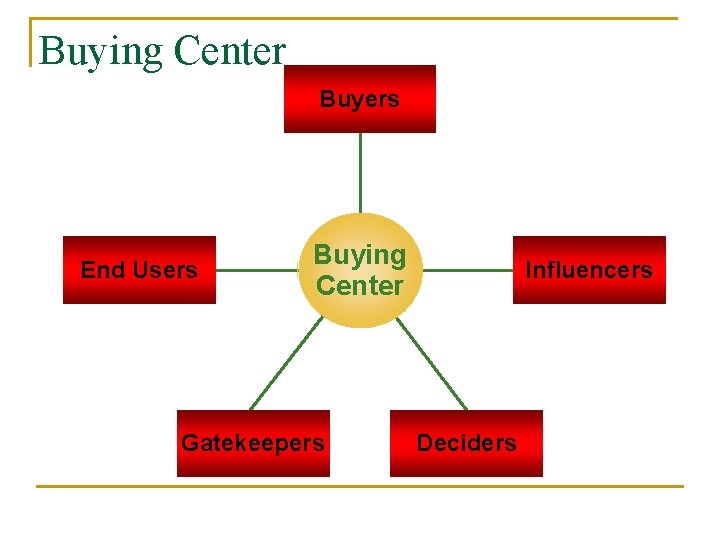
Buying Center Buyers End Users Buying Center Gatekeepers Influencers Deciders
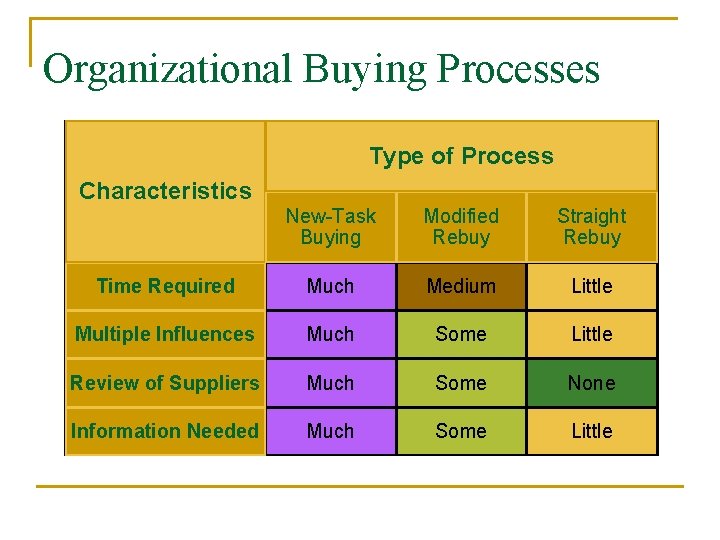
Organizational Buying Processes Type of Process Characteristics New-Task Buying Modified Rebuy Straight Rebuy Time Required Much Medium Little Multiple Influences Much Some Little Review of Suppliers Much Some None Information Needed Much Some Little
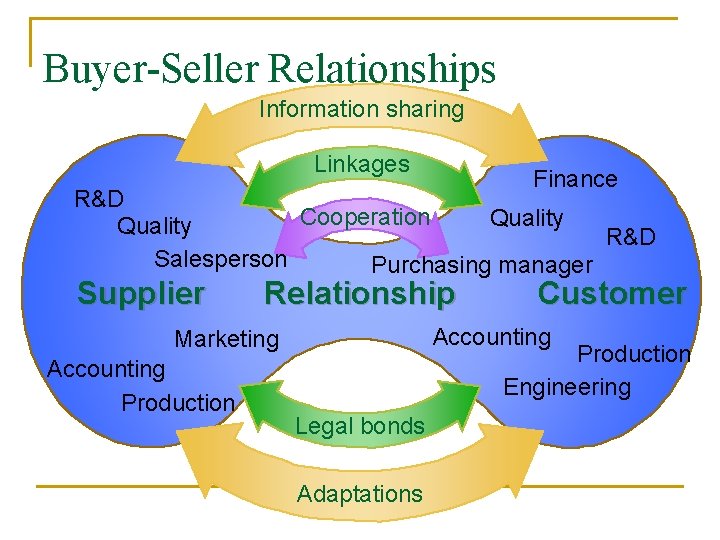
Buyer-Seller Relationships Information sharing Linkages Finance R&D Cooperation Quality R&D Salesperson Purchasing manager Supplier Relationship Accounting Marketing Accounting Production Customer Production Engineering Legal bonds Adaptations
Conclusions n n Many variables influencing the behaviour of people The sum of variables will result to a byuing decision Most purchasing has several steps, begins with a need and finished with reconfirmation Organizational behaviour is different as the motivation is different too
- Slides: 21