
Lesson 5 A Global Power The Victorian Age
Lesson 5: A Global Power
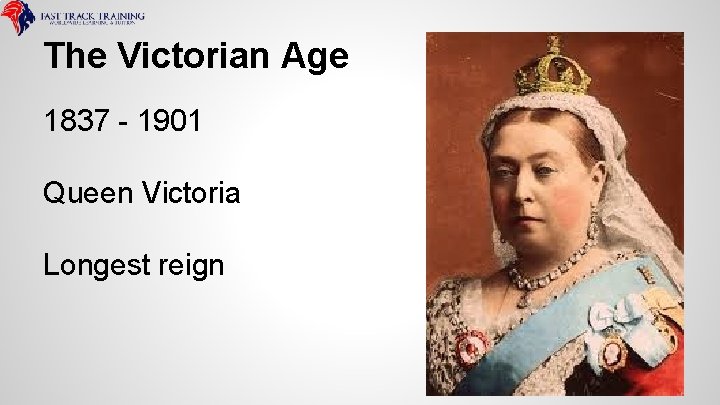
The Victorian Age 1837 - 1901 Queen Victoria Longest reign
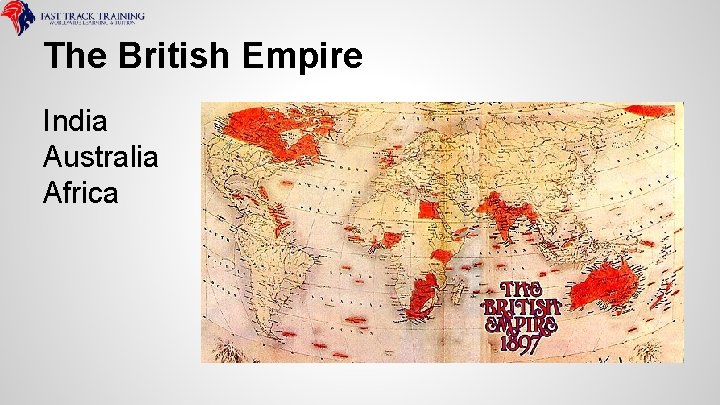
The British Empire India Australia Africa
The British Empire 400 million people 13 million left Britain 1870 - 1914 120, 000 Russian & Polish jews India and Africa
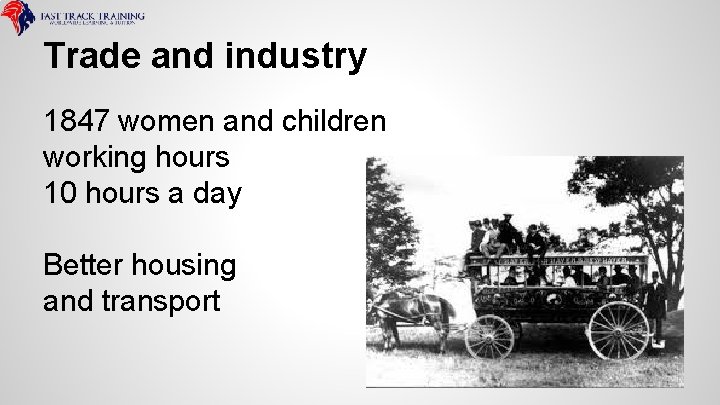
Trade and industry 1847 women and children working hours 10 hours a day Better housing and transport
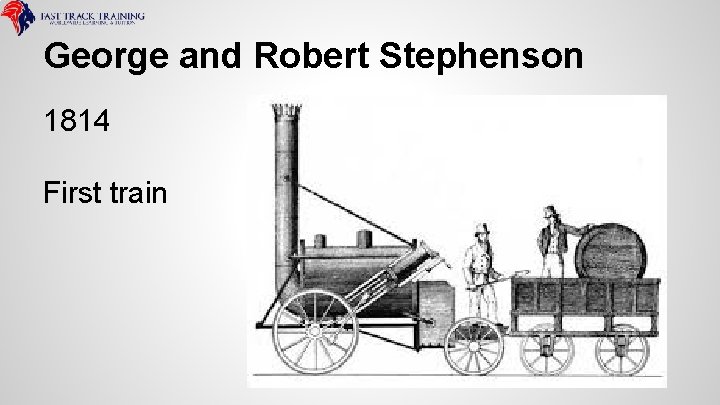
George and Robert Stephenson 1814 First train
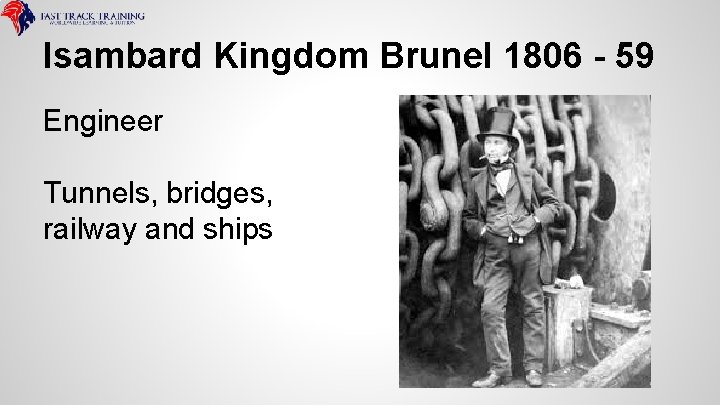
Isambard Kingdom Brunel 1806 - 59 Engineer Tunnels, bridges, railway and ships
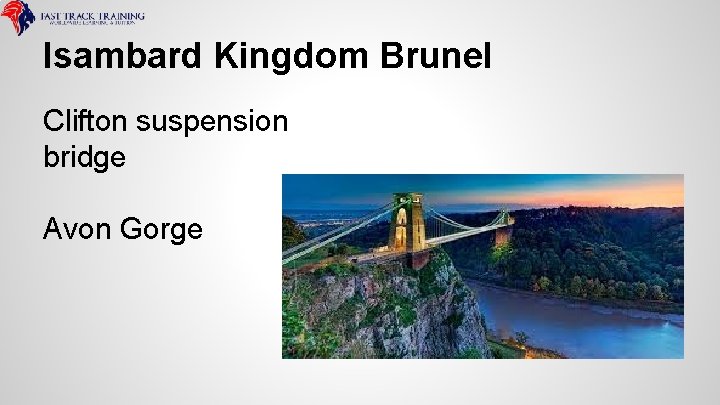
Isambard Kingdom Brunel Clifton suspension bridge Avon Gorge
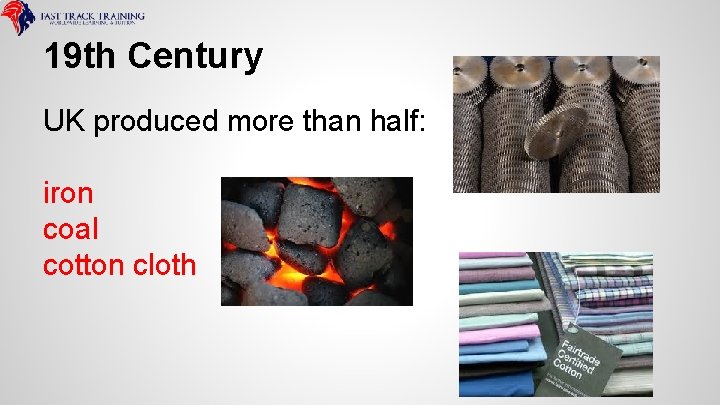
19 th Century UK produced more than half: iron coal cotton cloth
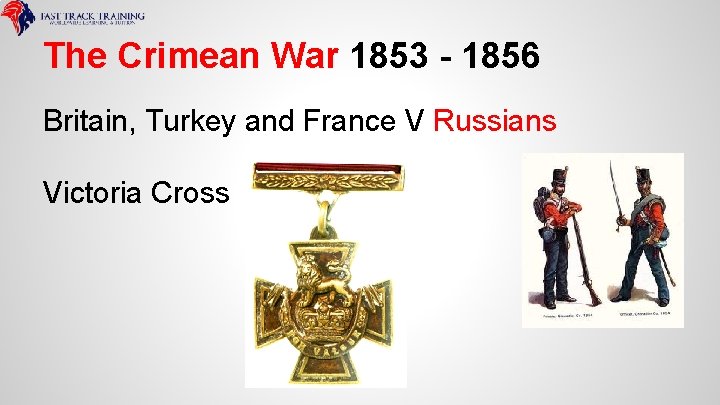
The Crimean War 1853 - 1856 Britain, Turkey and France V Russians Victoria Cross
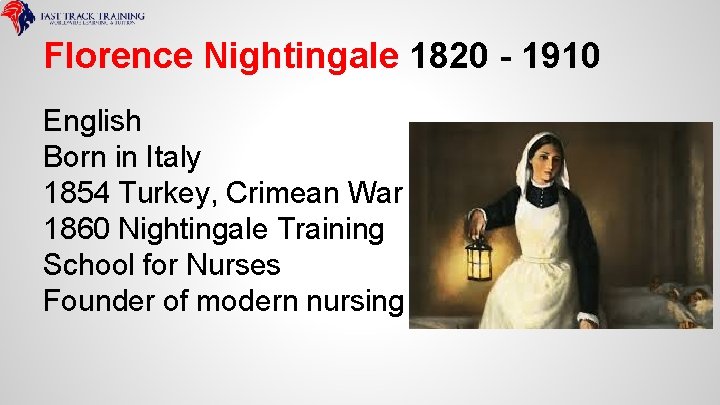
Florence Nightingale 1820 - 1910 English Born in Italy 1854 Turkey, Crimean War 1860 Nightingale Training School for Nurses Founder of modern nursing
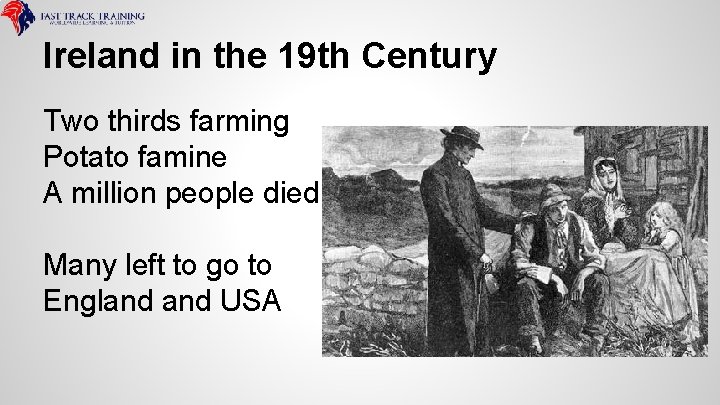
Ireland in the 19 th Century Two thirds farming Potato famine A million people died Many left to go to England USA
Voting More people demand to vote 1867 Reform Act - more can vote Not women Until 1870 women gave husband everything
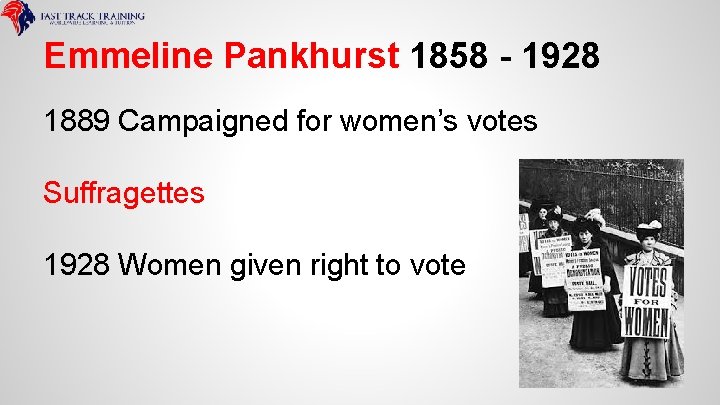
Emmeline Pankhurst 1858 - 1928 1889 Campaigned for women’s votes Suffragettes 1928 Women given right to vote
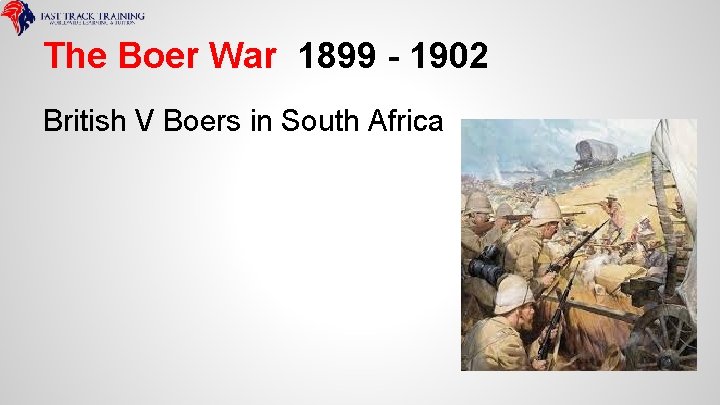
The Boer War 1899 - 1902 British V Boers in South Africa
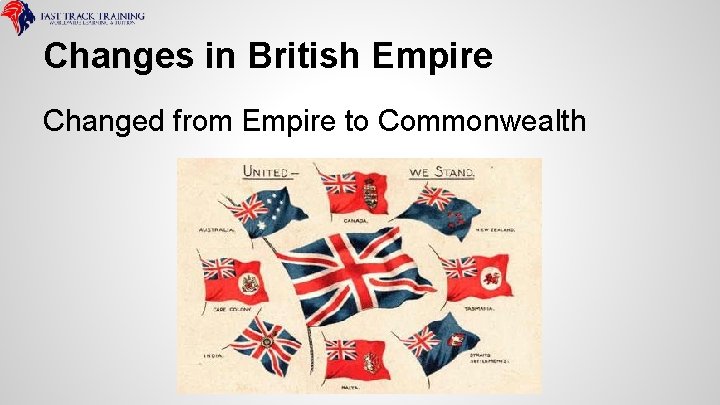
Changes in British Empire Changed from Empire to Commonwealth
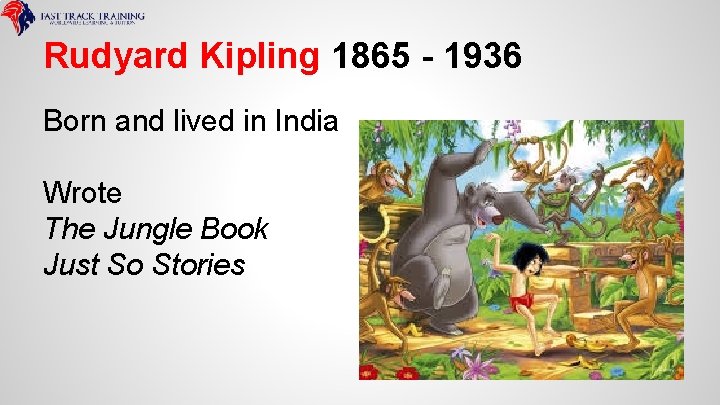
Rudyard Kipling 1865 - 1936 Born and lived in India Wrote The Jungle Book Just So Stories
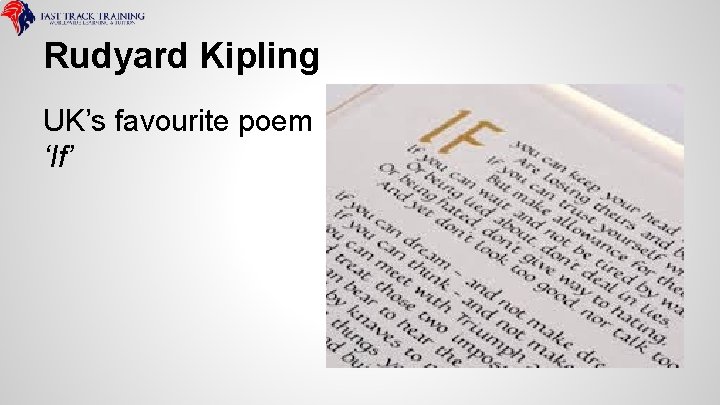
Rudyard Kipling UK’s favourite poem ‘If’
Lesson 5: A Global Power Questions and Answers
Question 1 When were women given the right to vote? 1) 1928 2) 1828 3) 1948 4) 1882
Question 1 When were women given the right to vote? 1) 1928
Question 2 What term can be related to women who campaigned for their legal rights to vote in the late 19 th century and early 20 th centuries: 1. Nuggets 2. Bridgettes 3. Suffragettes
Question 2 What term can be related to women who campaigned for their legal rights to vote in the late 19 th century and early 20 th centuries: 3. Suffragettes
Question 3 Which statement is correct? 1. The Industrial Revolution was the rapid development of industry in the 18 th and 19 th centuries 2. The Industrial Revolution was the rapid development of shoe making in the 18 th and 19 th centuries
Question 3 Which of the following statements is correct? 1. The Industrial Revolution was the rapid development of industry in the 18 th and 19 th centuries
Question 4 Which TWO of the following were famous Victorians? 1. Isambard Kingdom Brunel 2. Margaret Thatcher 3. Dylan Thomas 4. Florence Nightingale
Question 4 Which TWO of the following were famous Victorians? 1. Isambard Kingdom Brunel 4. Florence Nightingale
Question 5 Which statement is correct? 1. George and Robert Stephenson were famous pioneers of railway engines. 2. George and Robert Stephenson were famous pioneers of agricultural changes.
Question 5 Which of the following statements is correct? 1. George and Robert Stephenson were famous pioneers of railway engines.
Question 6 Who is Florence Nightingale? 1. Founder of Modern Nurses 2. Founder of Internet 3. Founder of Care Home
Question 6 Who was Florence Nightingale? 1. Founder of Modern Nurses
Question 7 After the potato famine in Ireland where did many of the Irish people go? 1. England USA 2. Germany and Italy 3. France and Belgium
Question 7 After the potato famine in Ireland where did many of the Irish people go? 1. England USA
Question 8 Rudyard Kipling wrote which book? 1. Harry Potter 2. Jungle Book 3. Mice and Men
Question 8 Rudyard Kipling wrote which book? 2. Jungle Book
Question 9 Who wrote the famous poem “IF”? 1. Robert Burns 2. Winston Churchill 3. Rudyard Kipling
Question 9 Who wrote the famous poem “IF”? 3. Rudyard Kipling
Question 10 Where did The Boer War take place? 1. South Africa 2. America 3. Germany 4. Pakistan
Question 10 Where did The Boer War take place? 1. South Africa
Question 11 What did UK produce in 19 century? 1. Iron, Coal, Cotton Cloth 2. Copper, Silver, Metal 3. Gold, Petrol, Soil
Question 11 What did UK produce in 19 century? 1. Iron, Coal, Cotton Cloth
- Slides: 41