
Lesson 4 A Global Power Monarch King Queen
Lesson 4: A Global Power

Monarch King Queen - Monarchy
King William III (does not speak English) The Bill of Rights -1689 King less power - Parliament more power Need help - ministers for House of Commons and House of Lords Must vote every 5 years
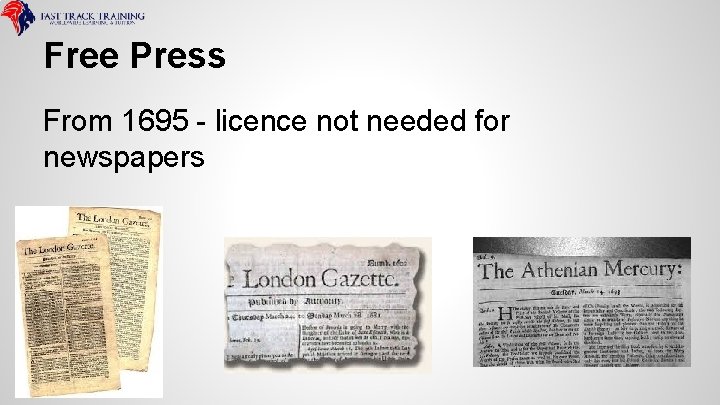
Free Press From 1695 - licence not needed for newspapers
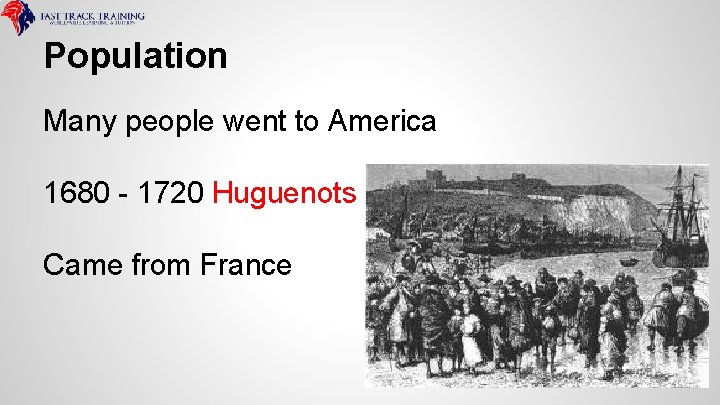
Population Many people went to America 1680 - 1720 Huguenots Came from France
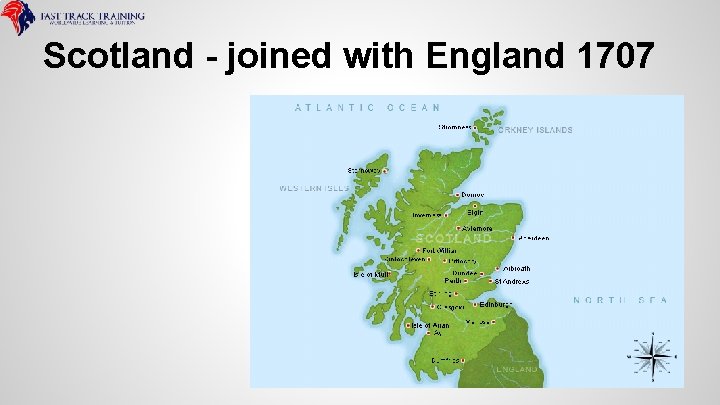
Scotland - joined with England 1707
Prime Minister After Queen Anne, King George I. German - couldn’t speak English well, needed help from ‘ministers’ First Prime Minister - Sir Robert Walpole
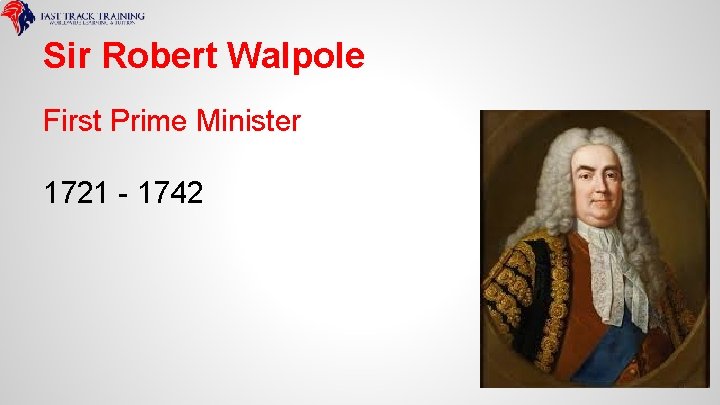
Sir Robert Walpole First Prime Minister 1721 - 1742
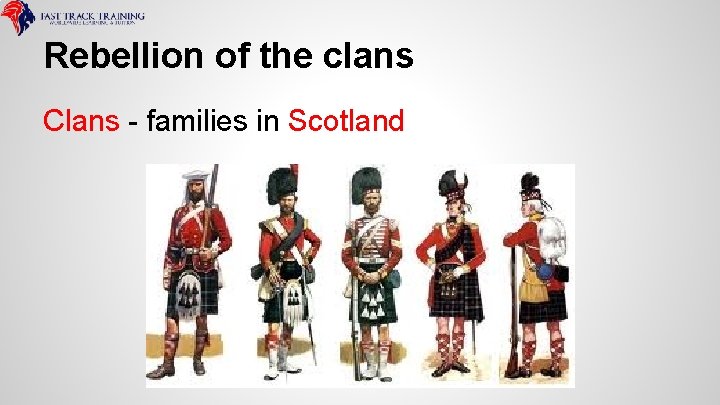
Rebellion of the clans Clans - families in Scotland
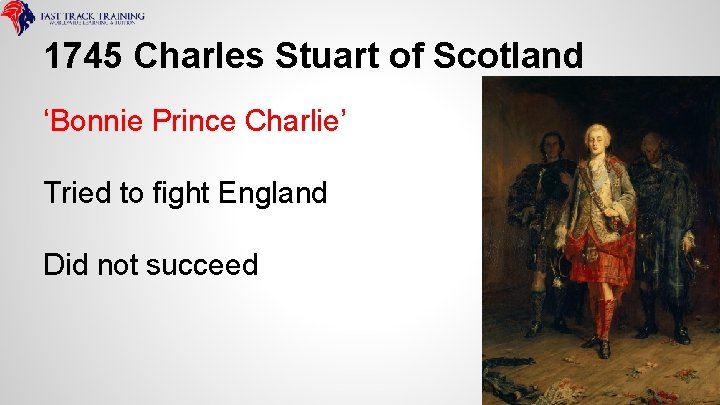
1745 Charles Stuart of Scotland ‘Bonnie Prince Charlie’ Tried to fight England Did not succeed
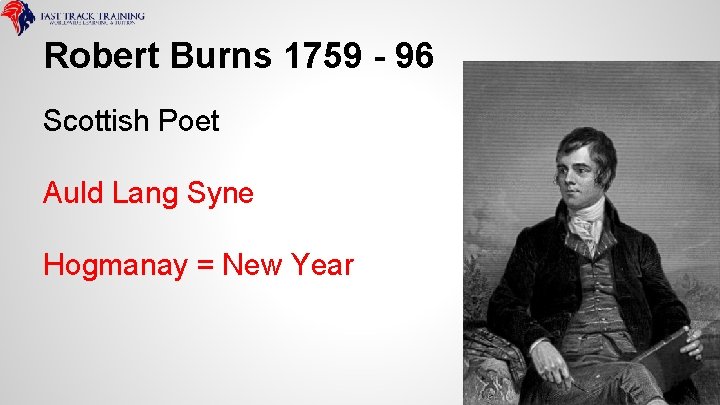
Robert Burns 1759 - 96 Scottish Poet Auld Lang Syne Hogmanay = New Year
The Enlightenment New ideas: politics philosophy science Everyone has right to own political and religious beliefs
The Industrial Revolution Before 18 th Century - agriculture (farming) Built machines Built factories Needed coal Now many worked in industry or mining
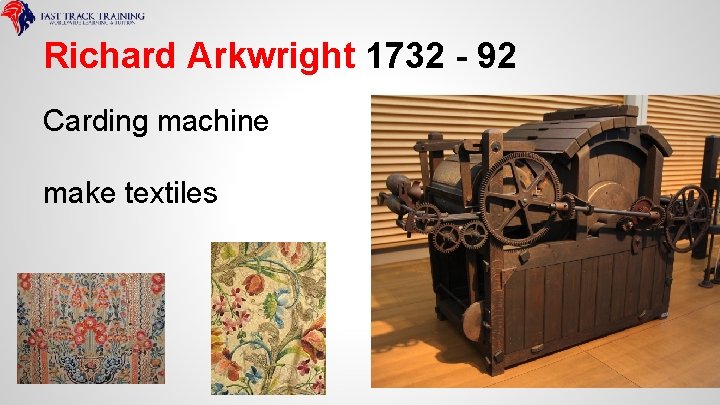
Richard Arkwright 1732 - 92 Carding machine make textiles
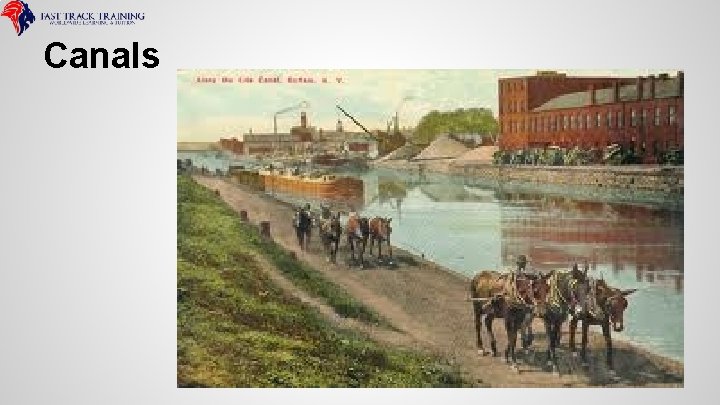
Canals
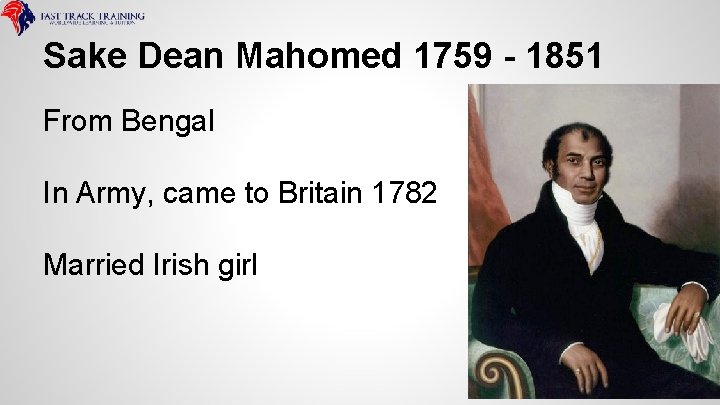
Sake Dean Mahomed 1759 - 1851 From Bengal In Army, came to Britain 1782 Married Irish girl
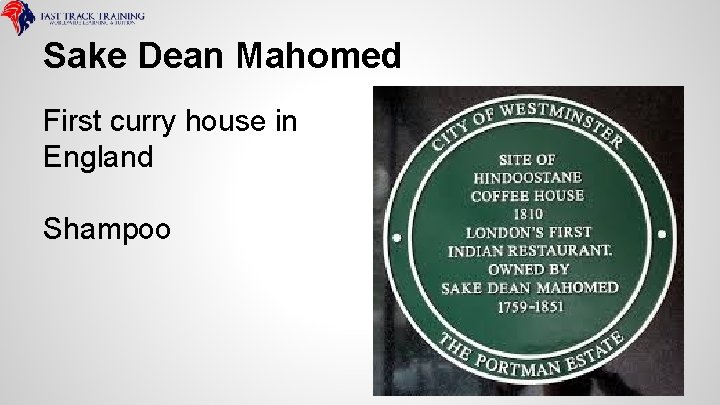
Sake Dean Mahomed First curry house in England Shampoo
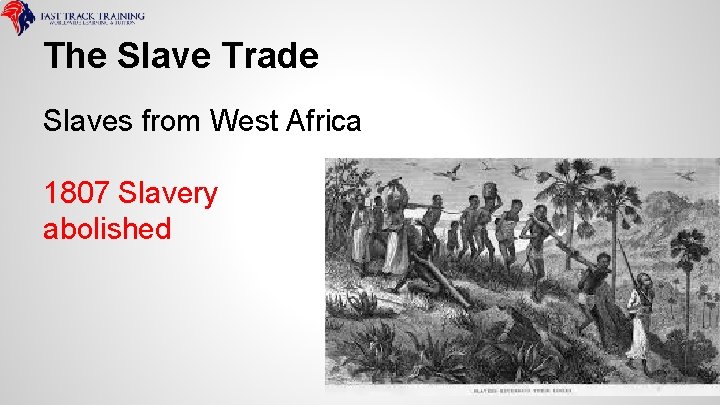
The Slave Trade Slaves from West Africa 1807 Slavery abolished
The American War of Independence 1760 s Britain had much of America Britain wanted to tax land owners Fighting started - 1776
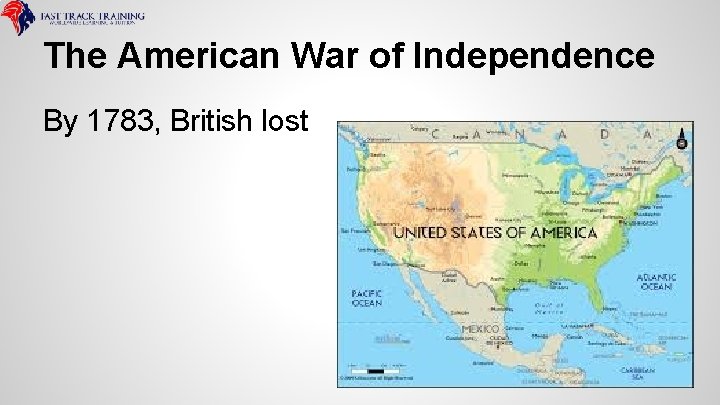
The American War of Independence By 1783, British lost
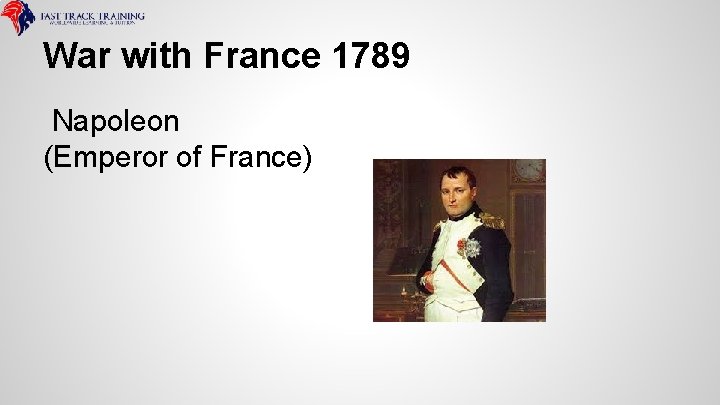
War with France 1789 Napoleon (Emperor of France)
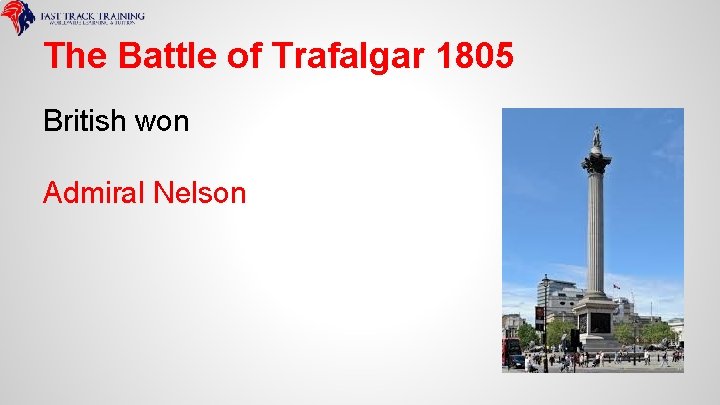
The Battle of Trafalgar 1805 British won Admiral Nelson
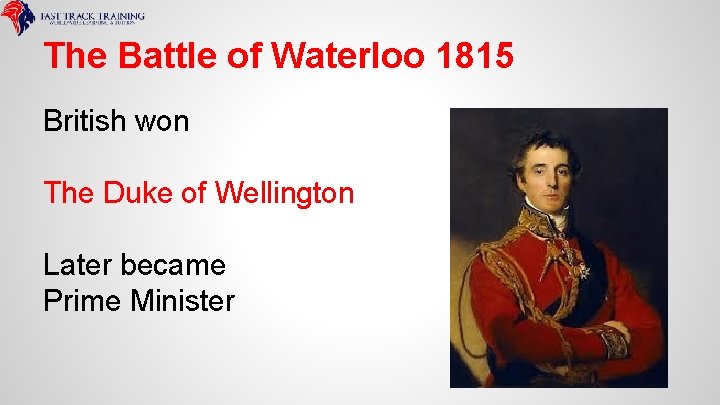
The Battle of Waterloo 1815 British won The Duke of Wellington Later became Prime Minister
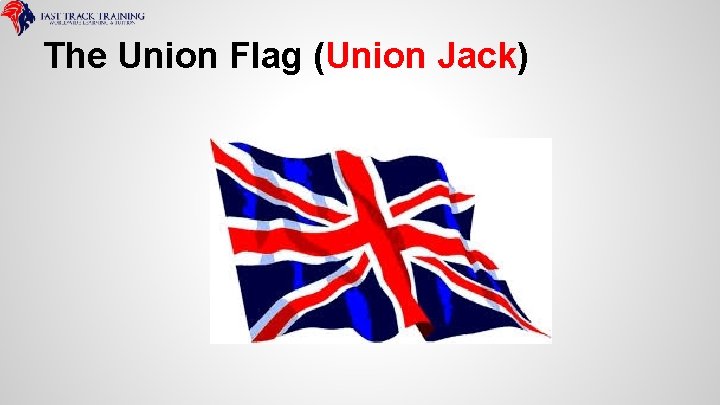
The Union Flag (Union Jack)
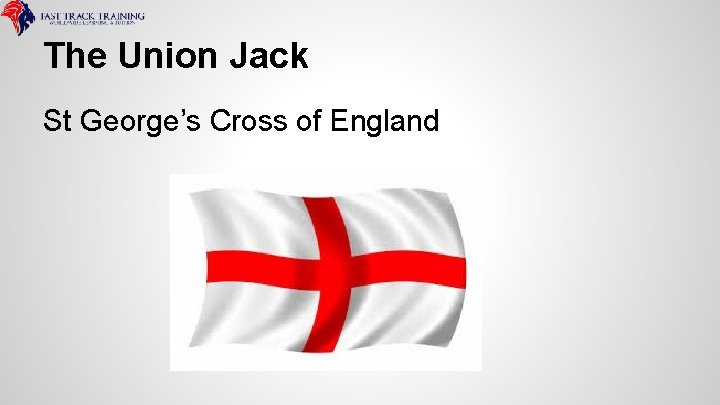
The Union Jack St George’s Cross of England
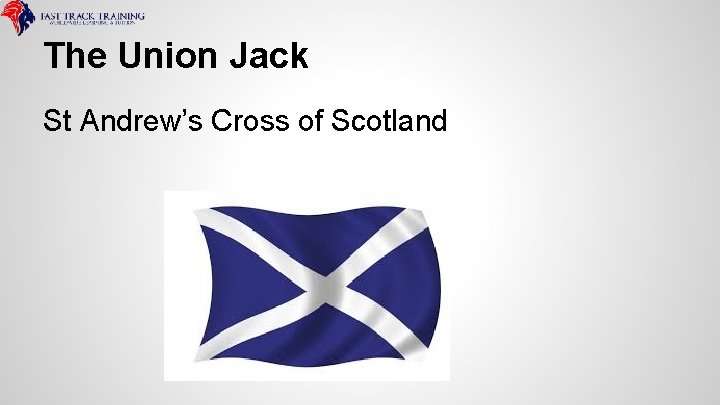
The Union Jack St Andrew’s Cross of Scotland
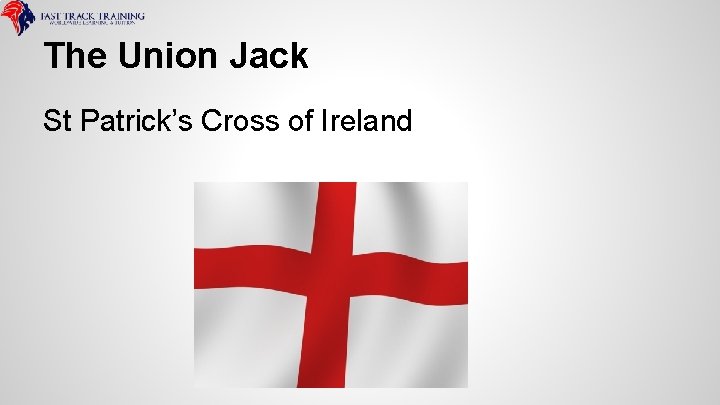
The Union Jack St Patrick’s Cross of Ireland
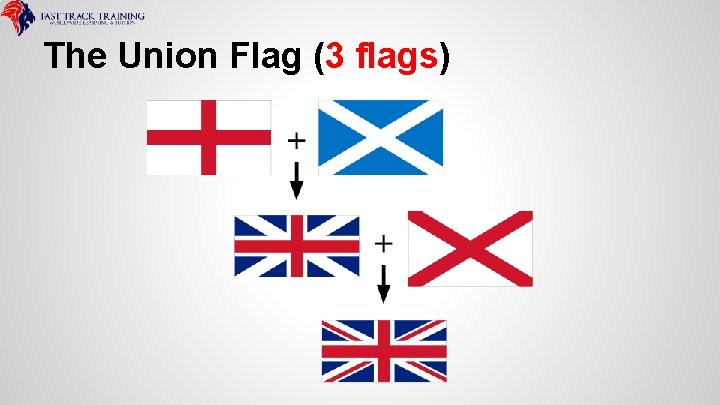
The Union Flag (3 flags)
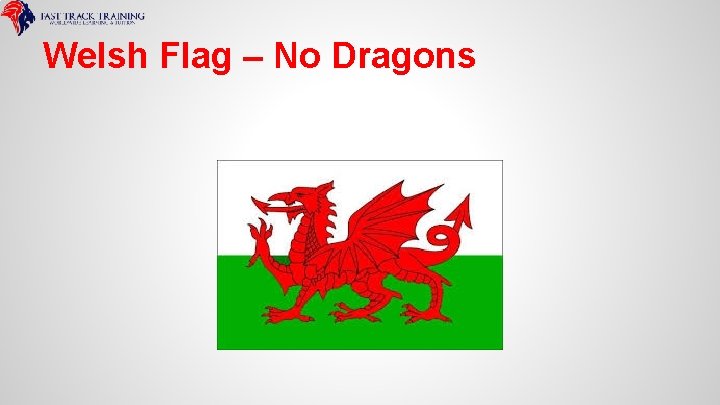
Welsh Flag – No Dragons
Lesson 4: A Global Power Questions and Answers
Question 1 The Bill of Rights gave: a) The monarch more power b) Parliament more power c) The church more power
Question 1 The Bill of Rights gave: b) Parliament more power
Question 2 Newspapers no longer needed a licence from a) 1595 b) 1695 c) 1795
Question 2 Newspapers no longer needed a licence from b) 1695
Question 3 Where were the Huguenots from? a) Spain b) Germany c) France
Question 3 Where were the Huguenots from? c) France
Question 4 Scotland joined with England in a) 1607 b) 1707 c) 1807
Question 4 Scotland joined with England in b) 1707
Question 5 The first Prime Minister of England was a) William Shakespeare b) Richard Arkwright c) Sir Robert Walpole
Question 5 The first Prime Minister of England was c) Sir Robert Walpole
Question 6 Auld Land Syne was written by a) Robert the Bruce b) Robert Burns c) Robert Brown
Question 6 Auld Land Syne was written by b) Robert Burns
Question 7 Robert Burns was a poet from a) England b) Ireland c) Scotland d) Wales
Question 7 Robert Burns was a poet from c) Scotland
Question 8 The carding machine was invented by a) The Huguenots b) Richard Arkwright c) Sake Dean Mahoomed
Question 8 The carding machine was invented by b) Richard Arkwright
Question 9 Which two of the following were from Sake Dean Mahoomed a) Shampoo b) Fish and chips c) England’s first curry house d) Yoga
Question 9 Which two of the following were from Sake Dean Mahoomed a) Shampoo c) England’s first curry house
Question 10 Slavery was abolished in the UK in a) 1607 b) 1707 c) 1807
Question 10 Slavery was abolished in the UK in c) 1807
Question 11 Napoleon was the Emperor of a) England b) Spain c) France
Question 11 Napoleon was the Emperor of c) France
Question 12 The Battle of Trafalgar was won by a) Napoleon b) the Duke of Wellington c) Admiral Nelson
Question 12 The Battle of Trafalgar was won by c) Admiral Nelson
Question 13 The Battle of Waterloo was won by a) Admiral Nelson b) Napoleon c) the Duke of Wellington
Question 13 The Battle of Waterloo was won by c) the Duke of Wellington
Question 14 How many crosses make up the Union Jack? a) 2 b) 3 c) 4 d) 5
Question 14 How many crosses make up the Union Jack? b) 3
- Slides: 58